







So You're Trying to Pick Between the Standard and the Pro. Let's Make This Easy.
You've been outside at dusk. You know the drill — the moment you sit down on the patio, the mosquitoes show up like they were waiting for you. You've tried citronella candles (they smell nice, do almost nothing), you've tried sprays (effective for about 20 minutes), and now you're looking at solar bug zappers.
Smart move. But now you're staring at two options: the Hykoont Solar Bug Zapper Standard at $119 and the Hykoont Solar Bug Zapper Pro at $219. A hundred-dollar gap. Is the Pro actually worth it, or is the Standard all you need?
That's exactly what this article is going to answer — no fluff, no vague "it depends," just a straight comparison so you can make the call and get back to enjoying your yard.
Let's dig in.
Meet the Two Contenders
The Standard: Hykoont 19W Solar LED Bug Zapper Light

Price: $119
Solar Panel: 19W monocrystalline silicon
Battery: 6000mAh
Coverage: ~4,000 sq ft
Runtime: Up to 8 hours
Waterproof: IPX4
Installation: Ground stake or hanging
View Product →
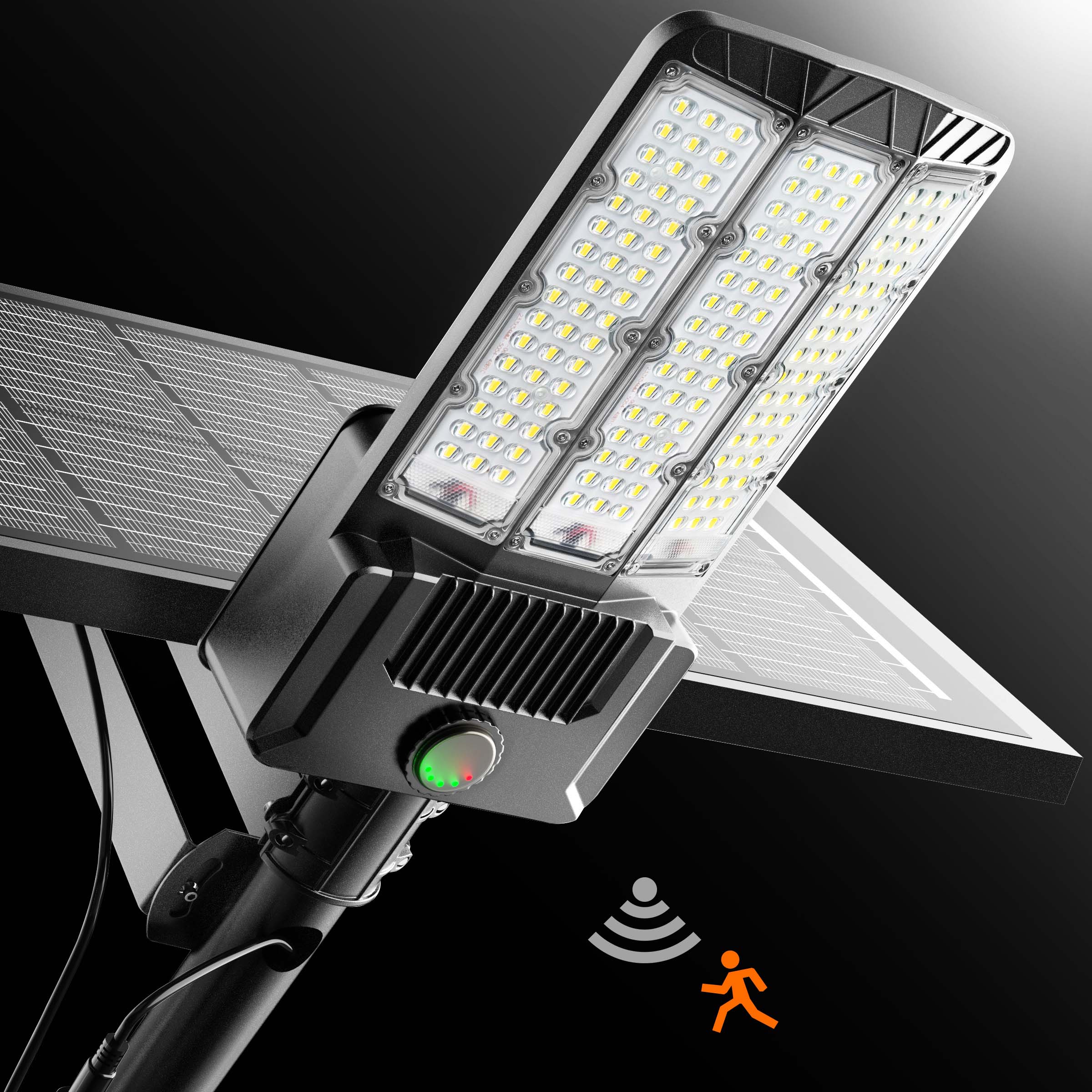
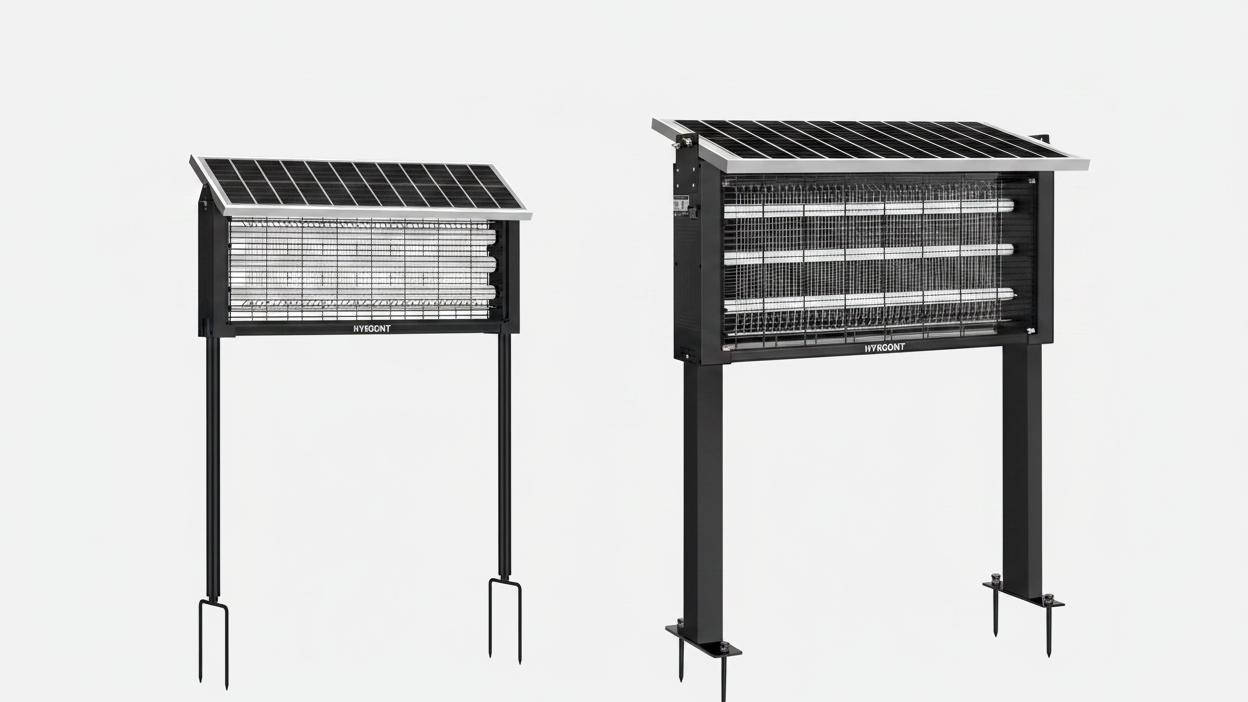
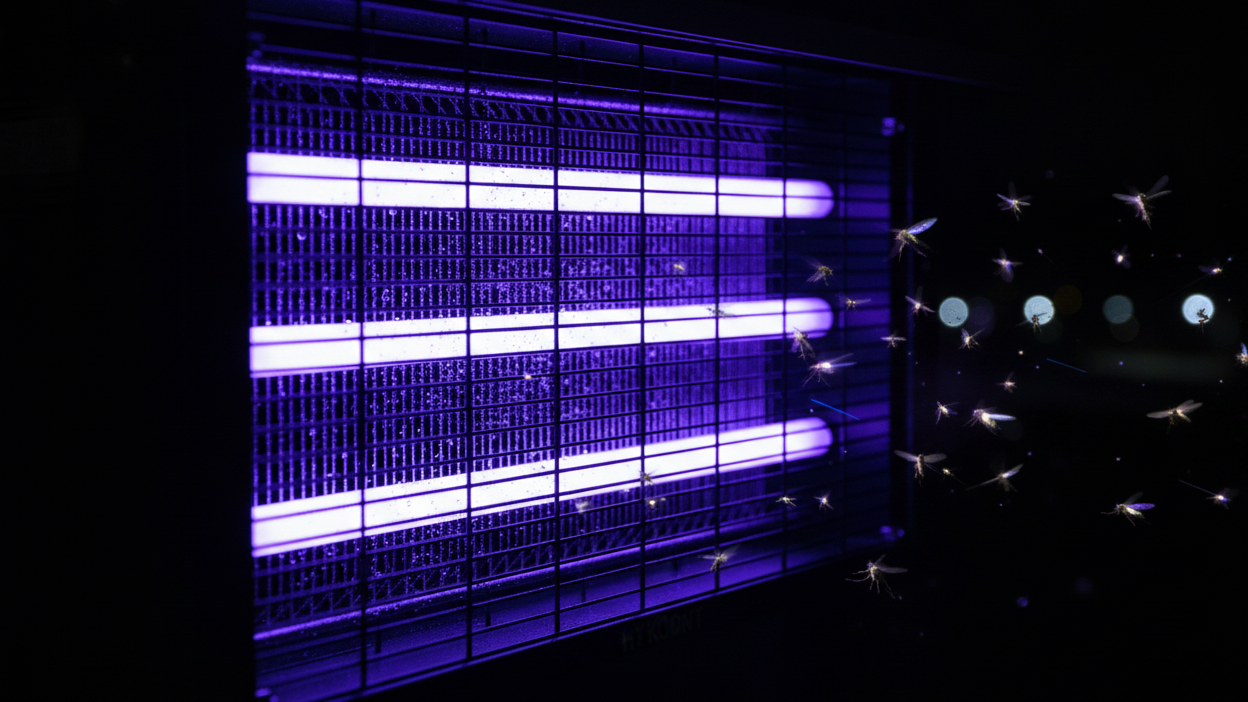
The Standard is built around a triple UV LED tube design — three purple-blue light tubes that attract mosquitoes and flying insects across a wider area than the typical single-tube zappers you'll find at big-box stores. It runs on solar power, charges during the day, and kicks on automatically at night. No wiring, no monthly electricity cost, no fuss.
It's a serious upgrade from the cheap $30 zappers that cover maybe 500 square feet and die after one season. This one is built with metal housing, corrosion-resistant finish, and IPX4 water resistance — meaning it handles rain without issue.
The Pro: Hykoont 30W Solar LED Bug Zapper Light Pro

Price: $219
Solar Panel: 30W monocrystalline silicon
Battery: 6000mAh
Coverage: ~8,000 sq ft
Runtime: Up to 8–12 hours
Waterproof: IPX4
Installation: Multiple mounting options
View Product →
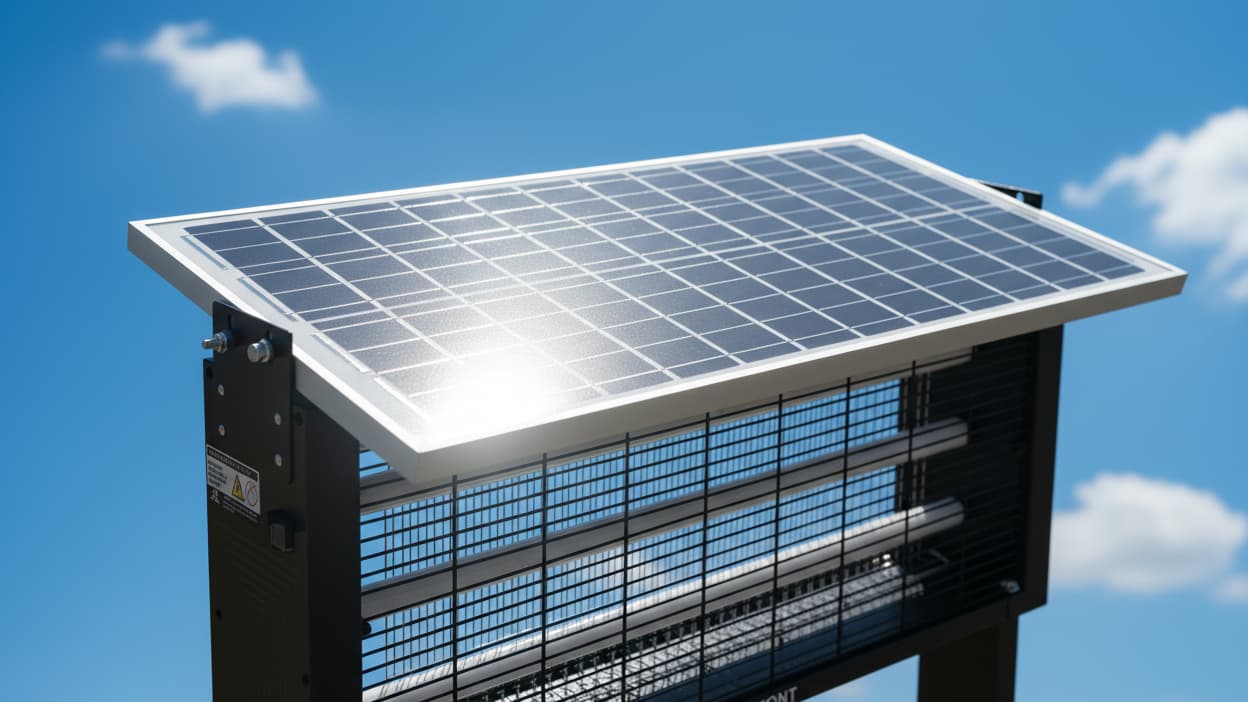
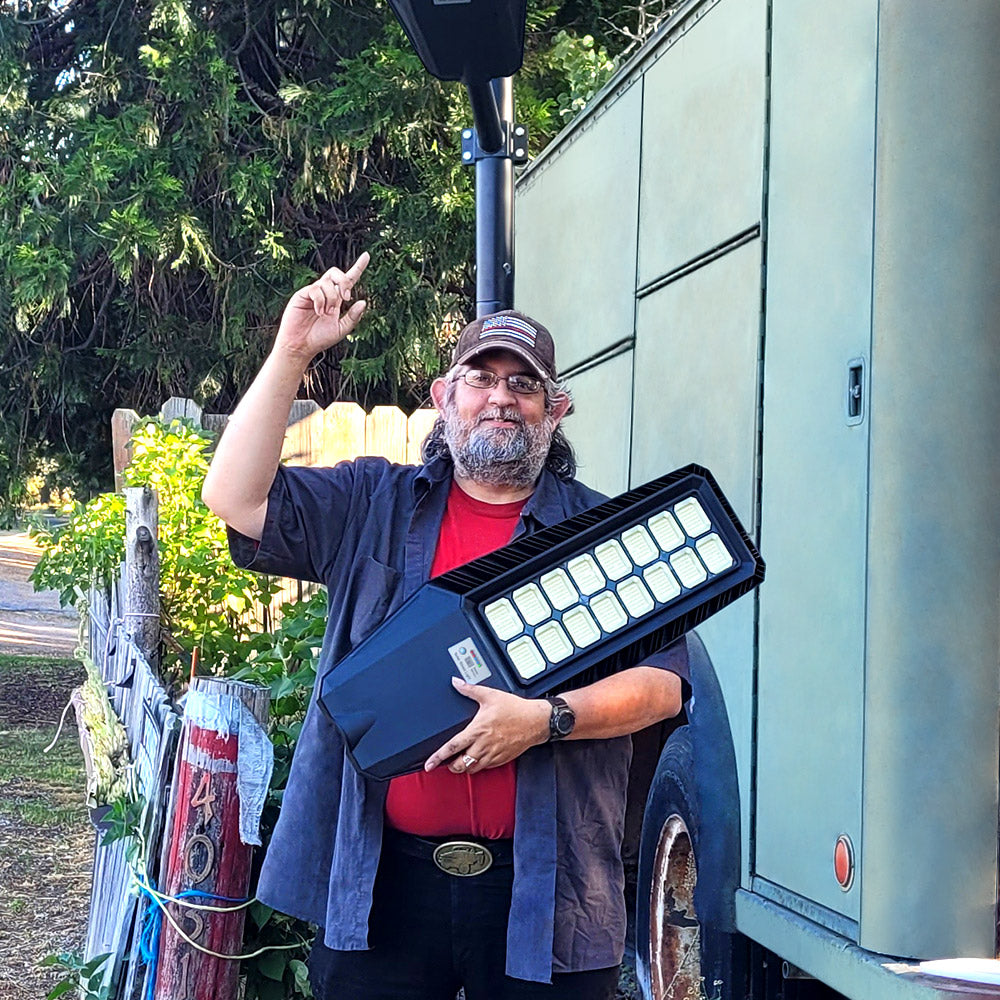
The Pro takes the same triple-tube UV concept and scales it up. The solar panel jumps from 19W to 30W — that's a meaningful difference in how fast and how reliably it charges, especially in regions with variable cloud cover. Coverage doubles to 8,000 sq ft. Runtime extends to 8–12 hours depending on conditions.
Think of it this way: the Standard handles a backyard. The Pro handles a backyard, a side yard, a front yard, and maybe the neighbor's yard too.
Side-by-Side Spec Comparison
| Feature | Standard ($119) | Pro ($219) |
|---|---|---|
| Solar Panel Power | 19W | 30W |
| Battery Capacity | 6000mAh | 6000mAh |
| LED Configuration | Triple UV Tubes (28 LEDs × 3) | Triple UV Tubes (28 LEDs × 3) |
| Coverage Area | ~4,000 sq ft | ~8,000 sq ft |
| Runtime | Up to 8 hrs | Up to 8–12 hrs |
| Waterproof Rating | IPX4 | IPX4 |
| Working Modes | 2 modes | 2 modes |
| USB Backup Charging | Yes (5V/2A) | Yes (5V/2A) |
| Solar Panel Size | 25.6 × 7.1" | 26.1 × 13.8" |
| Price | $119 | $219 |
The Real Differences (Beyond the Spec Sheet)
1. Solar Panel Size Is the Biggest Practical Difference
Both units share the same 6000mAh battery. So why does the Pro run longer? The 30W panel charges faster and more efficiently — especially on partly cloudy days or in regions that don't get full sun all day. If you're in the Pacific Northwest, the Midwest, or anywhere that sees regular overcast days, the Pro's larger panel is a genuine advantage. The Standard's 19W panel is solid for sunny climates like Texas, Arizona, or Florida, but it'll struggle to hit full charge on a cloudy day in Seattle.

2. Coverage Area: 4,000 vs. 8,000 Square Feet
This is the number most people focus on, and it matters. Here's a quick reference:
- A typical suburban backyard: 1,000–2,500 sq ft → Standard handles this easily
- A large residential lot with front and back yard: 3,000–5,000 sq ft → Standard works, Pro gives you margin
- A farm, ranch, or commercial property: 5,000–20,000+ sq ft → You need the Pro, possibly multiple units
- A HOA common area or school campus: 5,000–15,000 sq ft → Pro is the right call
Coverage area in bug zappers isn't just about square footage — it's about how far the UV light can attract insects. The Pro's larger panel and higher-output configuration means the attraction radius is genuinely wider, not just a marketing number.
3. Runtime: 8 Hours vs. 8–12 Hours
In practice, both units will run through most summer nights on a full charge. The difference shows up in shoulder seasons — spring and fall — when nights are longer and days are shorter. The Pro's extended runtime means it's still working at 5 AM when the Standard might have dimmed down. If you're running these on a farm or commercial property where overnight pest control matters, that extra runtime is real value.
4. Physical Size and Installation Flexibility
The Pro is physically larger. The solar panel alone is 26.1 × 13.8" compared to the Standard's 25.6 × 7.1" — nearly double the panel surface area. The Pro also offers multiple mounting configurations, which gives you more flexibility for placement on fences, poles, or structures.

5. Price: $119 vs. $219 — Is the Gap Justified?
Here's the honest math. You're paying $100 more for:
- Double the coverage area (4,000 → 8,000 sq ft)
- A 58% larger solar panel (19W → 30W)
- Up to 4 extra hours of runtime per night
- More mounting flexibility
If you need the coverage, the Pro is actually good value. If you're covering a standard suburban backyard, you'd be paying for capacity you'll never use. The Standard at $119 is the smarter buy for most homeowners.
Who Should Buy the Standard ($119)?

The Standard is the right pick if you check most of these boxes:
- You have a typical suburban backyard (under 4,000 sq ft)
- You live in a sunny climate with consistent daily sun exposure
- You want effective mosquito control for a patio, deck, or garden area
- You're replacing a cheap single-tube zapper and want a real upgrade
- Budget matters and you'd rather spend $119 than $219
- You want simple installation — stake it in the ground or hang it, done
The Standard is genuinely capable. Triple UV tubes, 4,000 sq ft coverage, automatic dusk-to-dawn operation, metal housing — this isn't a toy. For most American homeowners, this is all you need.
Who Should Buy the Pro ($219)?

Go with the Pro if any of these describe your situation:
- Your property is over 4,000 sq ft — large lot, acreage, or open land
- You're managing a farm, ranch, campsite, or commercial outdoor space
- You live in a cloudy or overcast climate where solar charging is inconsistent
- You need overnight runtime that goes past midnight reliably
- You're covering an HOA common area, school grounds, or outdoor event space
- You want one unit to handle a large area rather than buying two Standards
- You're installing on a pole or fence and need flexible mounting options
The Pro is built for people who need serious coverage. If you're managing a property where mosquito control isn't just a comfort issue but a practical necessity — think outdoor dining areas, farm workers, livestock areas — the Pro earns its price.
Real-World Scenarios: Which One Fits Your Setup?
Scenario 1: Suburban Backyard in Texas
You've got a 2,500 sq ft backyard, a patio, and a garden. Summers are brutal — mosquitoes from dusk to midnight. You get 8–10 hours of sun daily. Verdict: Standard. It'll cover your entire yard with room to spare, charge fully every day, and run all night. Save the $100.
Scenario 2: 5-Acre Farm in Tennessee
You've got livestock, outdoor workers, and a barn area that's a mosquito breeding ground. You need coverage across multiple zones. Verdict: Pro, possibly two of them. One Pro covers 8,000 sq ft — for a 5-acre property (217,800 sq ft), you'd want strategic placement of multiple units at key activity zones.
Scenario 3: HOA Common Area in Florida
A shared pool deck, walking paths, and a community garden. Total area around 6,000 sq ft. Florida sun is reliable. Verdict: Pro. The 8,000 sq ft coverage handles the whole space, and the longer runtime keeps it running through late-night pool hours.
Scenario 4: Camping Site in Oregon
You run a small campsite with 10 sites spread across 3 acres. Pacific Northwest weather means cloudy days are common. Verdict: Pro. The 30W panel charges better on overcast days, and the extended runtime matters when guests are up late around the fire.
Scenario 5: Apartment Balcony or Small Patio
You've got a 200 sq ft balcony and want to stop getting eaten alive during evening drinks. Verdict: Standard. It's more than enough for a small space, and the hanging installation option works perfectly for a balcony railing or overhead hook.
What Both Models Get Right

- Triple UV LED tubes: Three tubes instead of one means a wider, more consistent attraction field. Mosquitoes and flying insects are drawn in from multiple angles, not just straight ahead.
- Automatic dusk-to-dawn operation: Built-in light sensor handles the on/off automatically. You set it up once and forget about it.
- No wiring required: Fully solar-powered with USB backup charging. No electrician, no extension cords, no monthly electricity bill.
- Metal housing with IPX4 waterproofing: Built to stay outside year-round. Rain, humidity, morning dew — it handles all of it.
- Two working modes: Constant-on mode for maximum attraction, or automatic mode for hands-free operation.
- 6000mAh battery: Enough capacity to run through a full summer night on a good charge.
Common Mistakes People Make When Buying a Solar Bug Zapper
Mistake 1: Buying Based on Price Alone
The cheapest solar bug zappers on the market are single-tube units with tiny solar panels and 1000mAh batteries. They cover maybe 500 sq ft and die after one season. Both the Standard and Pro are in a different category entirely — triple tubes, 6000mAh batteries, metal housing. Don't compare them to $30 Amazon specials.
Mistake 2: Underestimating Your Coverage Needs
People consistently underestimate how large their outdoor space is. If you think your yard is "about 2,000 sq ft," measure it. A 50 × 40 ft backyard is 2,000 sq ft. A 100 × 50 ft lot is 5,000 sq ft. Know your number before you buy.
Mistake 3: Ignoring Your Local Climate
Solar panel output varies dramatically by location. Phoenix gets 300+ sunny days a year. Seattle gets around 150. If you're in a low-sun region, the Pro's 30W panel is a meaningful advantage — it charges faster on the days you do get sun and maintains better performance on partly cloudy days.
Mistake 4: Placing the Zapper in the Wrong Spot
Bug zappers work by attracting insects with UV light. If you place them right next to where you're sitting, you're essentially inviting bugs to your location. Place them 15–20 feet away from your seating area, at the perimeter of your space, so insects are drawn away from you rather than toward you.
Mistake 5: Expecting Instant Results
Solar bug zappers work over time. The first night, you'll see activity. By the end of the first week, you'll notice a meaningful reduction in mosquito presence as the local population gets thinned out. Give it 7–10 days before judging effectiveness.
Installation Tips for Both Models

For the Standard:
- Ground stake: Push the included 70cm metal pole into soft ground in your yard. Ideal for gardens and lawns.
- Hanging: Use the hanging hook to mount from a pergola, fence post, or tree branch.
- Aim the solar panel south (in the US) for maximum sun exposure throughout the day.
- Keep the panel clear of shade — even partial shade significantly reduces charging efficiency.
For the Pro:
- Multiple mounting configurations — fence mount, pole mount, or ground installation.
- The larger panel (26.1 × 13.8") needs a clear sightline to the sky. Don't tuck it under an overhang.
- For farm or commercial use, consider mounting height — higher placement increases the attraction radius.
- The 31.5" solar panel cable gives you flexibility to position the panel separately from the zapper unit if needed.
The Bottom Line: Which One Should You Actually Buy?
Buy the Standard ($119) if: You have a typical residential backyard under 4,000 sq ft, you live in a sunny climate, and you want reliable mosquito control without overspending.
Buy the Pro ($219) if: You have a large property over 4,000 sq ft, you live in a cloudy climate, you need extended overnight runtime, or you're managing a commercial or agricultural space.
Both are genuinely good products. The Standard isn't a budget compromise — it's the right tool for most homeowners. The Pro isn't overkill — it's built for situations where the Standard would fall short. Pick the one that matches your actual space and climate. You'll be happy either way.
→ Shop Standard — $119 → Shop Pro — $219
Frequently Asked Questions
Q: Do both models work in rainy weather?
Yes. Both carry an IPX4 waterproof rating — protected against splashing water from any direction. They're designed to stay outdoors year-round. That said, IPX4 isn't submersion-proof — don't place them where they'll sit in standing water.
Q: How long does it take to fully charge?
Under direct sunlight, the Standard (19W panel) typically reaches a full charge in 6–8 hours. The Pro (30W panel) charges faster — usually 4–6 hours in good sun. Both include USB backup charging (5V/2A) for cloudy days.
Q: Can I use these in a covered patio or under a pergola?
The zapper unit itself can be placed in a covered area — the UV light still works. But the solar panel needs direct sunlight to charge. Run the panel cable out to an exposed area. The Standard has a 27.6" cable; the Pro has a 31.5" cable.
Q: Do these attract and kill all insects, or just mosquitoes?
The UV light attracts a range of flying insects — mosquitoes, gnats, moths, flies, and other insects drawn to UV wavelengths. They won't do much for ground-level pests like ants or spiders.
Q: What's the difference between Mode 1 and Mode 2?
Mode 1 is constant-on — the UV light stays on all night. Mode 2 is automatic dusk-to-dawn — the built-in light sensor turns the unit on at sunset and off at sunrise. Most people use Mode 2 for hands-free operation.
Q: Will one Pro unit cover my entire 1-acre property?
One Pro covers approximately 8,000 sq ft. One acre is 43,560 sq ft. For most practical purposes, placing 2–3 units at key activity zones (near the house, barn, or outdoor seating) is more effective than trying to cover every square foot.
Q: How do I clean the bug zapper?
Turn the unit off and let it sit for a few minutes. Use a dry brush or compressed air to clear the collection tray and the area around the UV tubes. Don't use water directly on the electrical components. Clean every 2–4 weeks during peak mosquito season.
Q: Can I leave these out during winter?
In mild winter climates, leaving them out is fine. In regions with heavy snow or freezing temperatures, bringing them indoors during the off-season will extend the battery lifespan — lithium batteries degrade faster in sustained freezing conditions.
Q: Is the $100 price difference between Standard and Pro worth it?
It depends entirely on your space. If you have under 4,000 sq ft and good sun, the Standard is the smarter buy. If you have over 4,000 sq ft or live in a cloudy climate, the Pro pays for itself in performance. Don't buy the Pro just because it's the "better" model — buy it because your situation calls for it.
Q: Do these require any assembly?
Minimal assembly. The Standard's ground stake screws together in a few minutes. The Pro's mounting hardware is similarly straightforward. Most people have both models set up and running within 15–20 minutes of opening the box.
Both products are available now. Questions about which model fits your specific property? Check the coverage area against your square footage — that's the single most reliable way to make the right call.


Leave a comment
This site is protected by hCaptcha and the hCaptcha Privacy Policy and Terms of Service apply.