







The Real Cost Battle: Solar vs Wired Outdoor Lighting
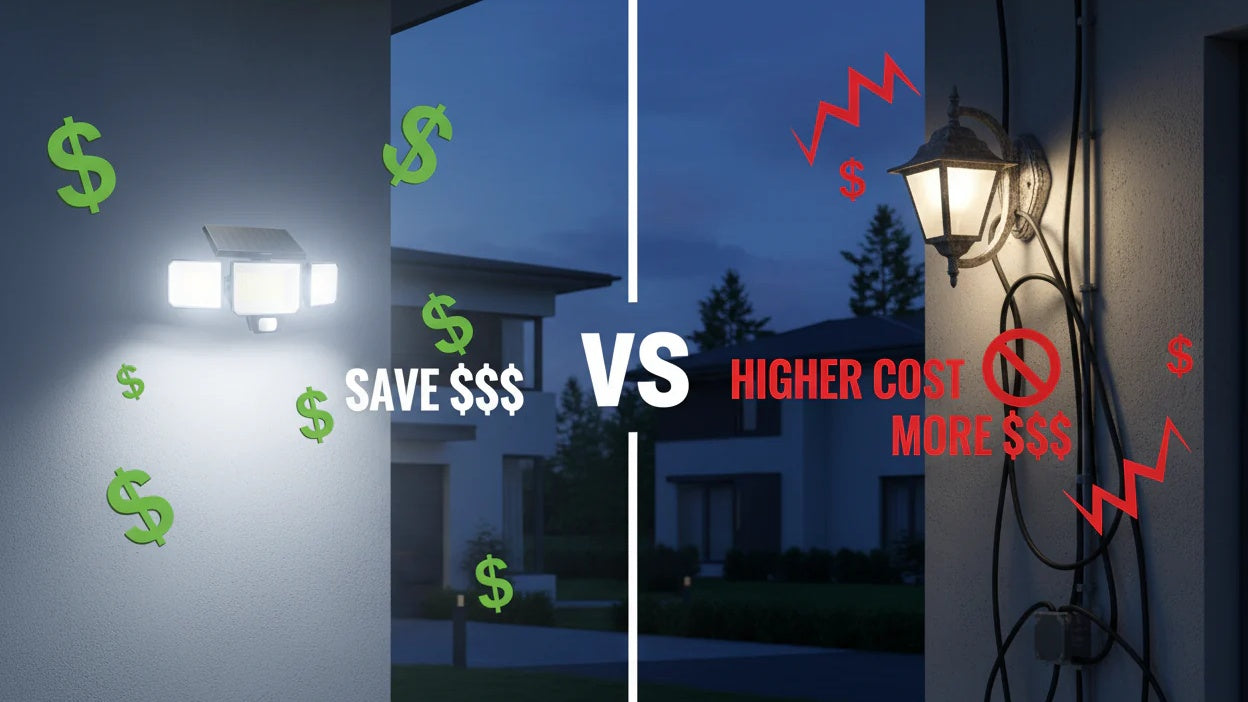
If you're standing in your yard right now, trying to figure out whether to go solar or stick with traditional wired lights, you're asking the right question. The answer isn't just about the sticker price—it's about what you'll actually spend over the next 5, 10, or even 20 years.
Let's cut through the marketing fluff and look at the real numbers.
Upfront Costs: What You'll Pay Today
Solar Outdoor Lights: Initial Investment
Here's what you're looking at when you go solar:
Budget-Friendly Options ($40-$100)
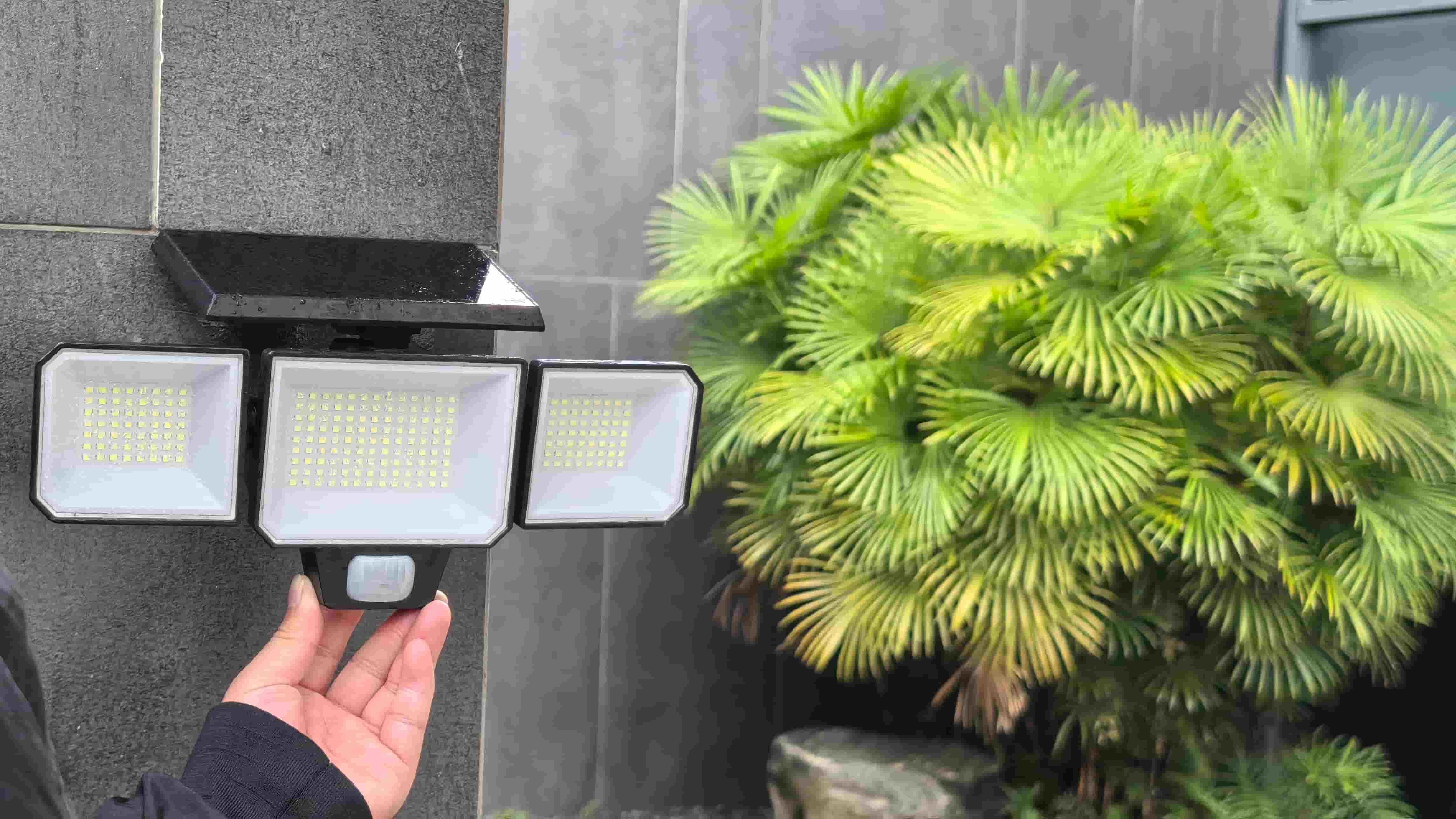
For basic pathway or wall lighting, you can start small. The Hykoont AMS193 3-Head Solar Wall Light runs $39.99 for a 2-pack. That's about $20 per light with zero installation costs—just mount them where you want light.

Mid-Range Solutions ($300-$800)
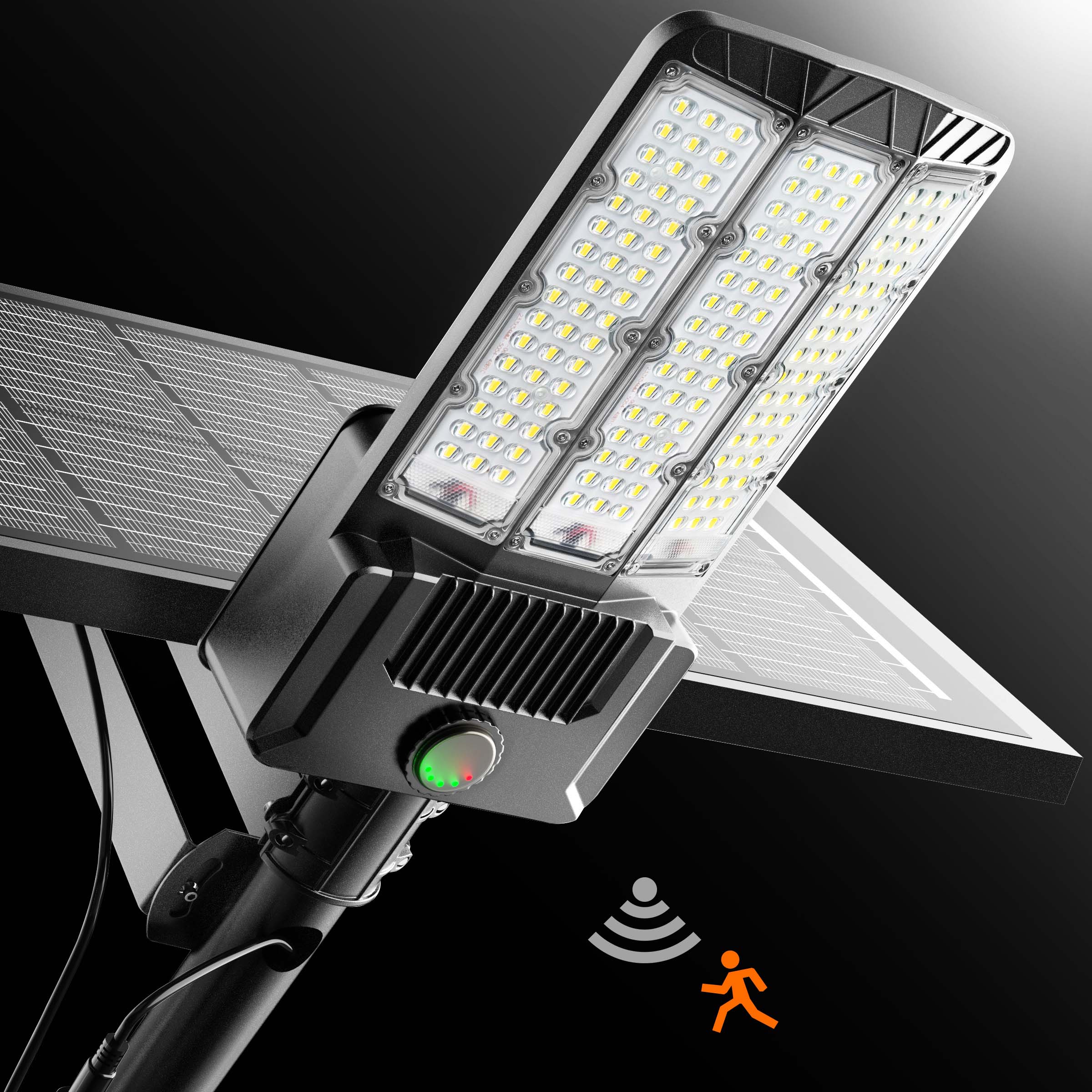
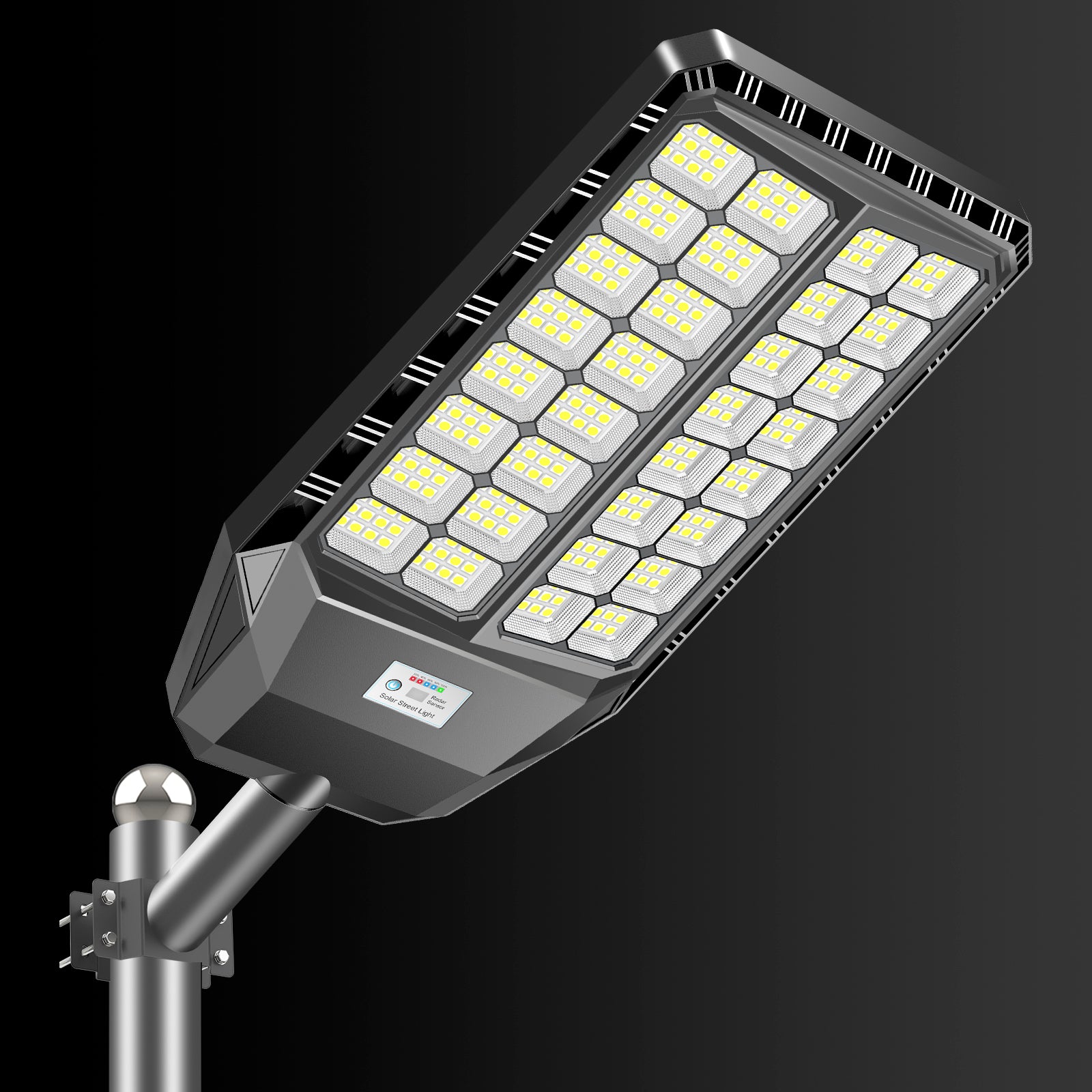
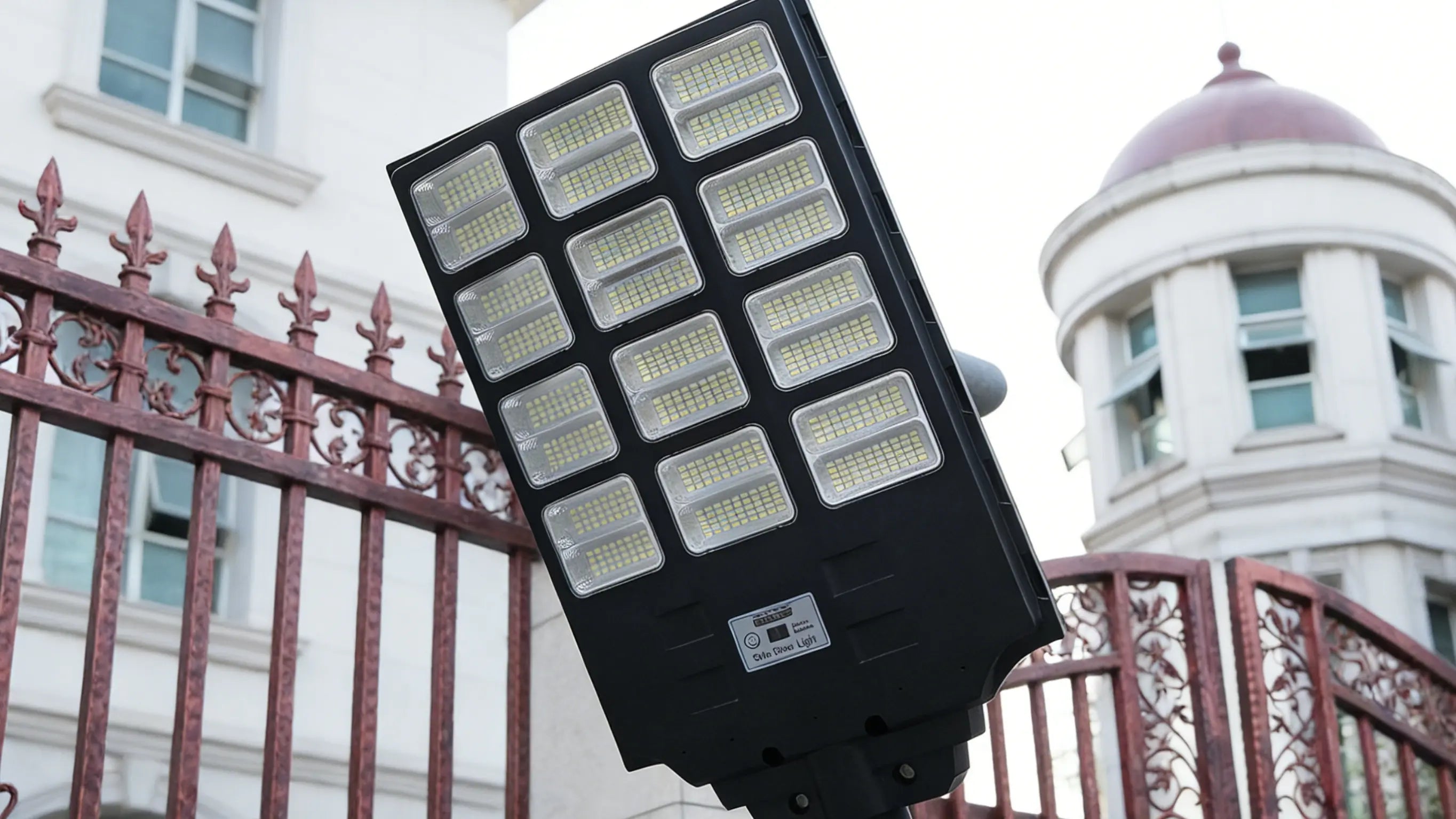
For serious outdoor lighting—think driveways, large yards, or commercial spaces—you're looking at units like the the NT100A 100W High-Brightness Solar Street Light at $762.

The beauty? That's it. No electrician bills, no trenching, no permits in most cases.
Wired Outdoor Lights: The Full Picture
Wired lighting looks cheaper on paper, but here's what actually happens:
The Light Fixtures ($50-$200 each)
A quality LED flood light like the Hykoont AR07 150W Tunable LED Area Light costs $175.

Installation Costs (The Real Kicker)
This is where it gets expensive:
- Electrician labor: $75-$150 per hour (expect 2-4 hours minimum)
- Trenching for underground wiring: $4-$12 per linear foot
- Conduit and wiring materials: $100-$300
- Permits and inspections: $50-$200 (varies by location)
- GFCI outlets and weatherproof boxes: $30-$80 each
Real-World Example: Installing four wired flood lights in your backyard, 50 feet from your house? You're looking at $800-$1,500 in installation costs alone, on top of the fixture prices.
Monthly Operating Costs: The Silent Wallet Drain
Solar Lights: $0 Per Month
This one's simple. Solar lights pull energy from the sun. Your monthly electricity cost? Zero dollars. Zilch. Nada.
Even on cloudy days, modern solar lights with LiFePO4 batteries (like the NT100A) store enough juice to keep running. No meter spinning, no bill climbing.
Wired Lights: The Math You Need to Know
Let's break down what you're actually paying:
A typical 100W LED flood light running 8 hours per night:
- Daily consumption: 0.8 kWh (100W × 8 hours ÷ 1000)
- Monthly consumption: 24 kWh
- At $0.16/kWh (US average): $3.84 per month, per light
- Four lights: $15.36 per month
- Annual cost: $184.32
That doesn't sound like much until you multiply it by 10 years: $1,843.20. And electricity rates aren't getting cheaper—they've increased an average of 2.5% annually over the past decade.
Maintenance and Replacement: The Hidden Costs
Solar Lights Maintenance
What You'll Actually Do:
- Wipe down solar panels every few months (5 minutes, free)
- Replace batteries every 3-5 years ($20-$60 per unit)
- Clean debris from sensors occasionally
5-Year Maintenance Cost: Approximately $40-$100 total
Wired Lights Maintenance
What Can Go Wrong:
- Bulb replacements (even LEDs eventually die): $15-$30 each
- Weatherproofing failures: $50-$150 to repair
- Wiring issues from moisture or animals: $200-$500 electrician visit
- GFCI outlet replacements: $75-$150
- Timer or photocell failures: $30-$80 plus labor
5-Year Maintenance Cost: Approximately $300-$800 (assuming one major repair)
The 10-Year Total Cost Comparison
Let's put it all together for a typical 4-light outdoor setup:
Solar Lighting System (4 units)
- Initial purchase: $1,200 (mid-range quality)
- Installation: $0 (DIY)
- 10-year electricity: $0
- 10-year maintenance: $200 (battery replacements)
- Total 10-Year Cost: $1,400
Wired Lighting System (4 units)
- Initial purchase: $600 (fixtures)
- Installation: $1,200 (professional)
- 10-year electricity: $1,843
- 10-year maintenance: $600
- Total 10-Year Cost: $4,243
Savings with Solar: $2,843 over 10 years
That's enough to buy two more high-end solar lighting systems and still have money left over.
Beyond the Numbers: Other Factors That Matter
Installation Flexibility
Solar wins hands-down here. Want to light up that far corner of your property, 200 feet from the nearest outlet? With wired lights, you're looking at serious trenching costs. With solar, you just mount the light and you're done.
Renting? Solar lights move with you. That $1,200 wired installation? You're leaving it behind.
Power Outages
When the grid goes down, your wired lights go dark. Solar lights? They keep working because they never relied on the grid in the first place. That's not just convenient—it's a safety feature.
Environmental Impact
A typical wired outdoor lighting setup uses about 2,880 kWh over 10 years. In the US, that's roughly 2,000 pounds of CO2 emissions. Solar? Zero ongoing emissions after manufacturing.
Property Value
Here's something real estate agents know: outdoor lighting adds curb appeal, but solar lighting adds a selling point. Buyers love the idea of zero-cost outdoor lighting, especially in areas with high electricity rates.
When Wired Lights Make More Sense
Let's be honest—solar isn't always the answer:
Heavy Shade Situations
If your lighting area gets less than 4 hours of direct sunlight daily, solar panels won't charge efficiently. Dense tree cover or north-facing walls in northern climates can be problematic.
Extremely High-Output Needs
Need stadium-level brightness for commercial security? Wired high-wattage systems might still be your best bet, though solar technology is catching up fast.
Architectural Integration
Some high-end architectural designs require concealed wiring and specific fixture types that aren't available in solar versions yet.
Smart Shopping: How to Maximize Your Savings
For Solar Lights
Don't Cheap Out on Batteries
Look for LiFePO4 batteries instead of standard lithium-ion. They last longer and handle temperature extremes better. The NT100A uses this technology—it's worth the extra cost.
Check the Lumens, Not Just Watts
A 3000-lumen solar light can outperform a poorly designed 5000-lumen unit. The Hykoont AMS193 delivers 3000 lumens efficiently across three adjustable heads.
Consider Motion Sensors
Lights that only run at full brightness when needed extend battery life and increase the effective coverage area.
For Wired Lights
Bundle Installation
Installing all your outdoor lights at once costs way less per fixture than doing them one at a time. Electricians charge less per hour when they can work efficiently.
Use LED, Always
Halogen and incandescent outdoor lights are electricity vampires. LED uses 75% less energy and lasts 25 times longer.
Install Timers and Photocells
Don't pay to light an empty yard at 3 AM. Smart controls can cut your electricity costs by 30-50%.
Real User Scenarios: What Actually Happens
Scenario 1: Suburban Backyard (Sarah, Texas)
Sarah wanted to light her 40×60 foot backyard for evening entertaining. She went with four solar flood lights at $300 each.
Her costs:
- Year 1: $1,200 (purchase only)
- Years 2-5: $0
- Year 6: $120 (battery replacements)
- 5-year total: $1,320
Her neighbor installed wired lights the same year:
- Year 1: $2,100 ($800 fixtures + $1,300 installation)
- Years 2-5: $735 (electricity at $147/year)
- Year 3: $250 (GFCI outlet repair after storm)
- 5-year total: $3,085
Sarah saved $1,765 and can take her lights if she moves.
Scenario 2: Rural Property (Mike, Montana)
Mike needed to light a barn 300 feet from his house. Running electrical would have cost $3,600 just for trenching and wiring.
He installed two high-output solar street lights for $1,500 total. No trenching, no permits, done in an afternoon.
His savings: $2,100 immediately, plus $200+ annually in electricity costs.
Scenario 3: Rental Property (Lisa, California)
Lisa manages rental properties and needed security lighting. She can't justify permanent installations that stay with the property when tenants leave.
Solar lights solved this perfectly—she installs them at new properties and removes them when tenants move out. Her $2,000 investment in solar lights has served five different properties over three years.
The Technology Gap Is Closing Fast
Five years ago, solar outdoor lights were dim, unreliable, and looked cheap. That's changed dramatically.
Modern solar lights feature:
- MPPT controllers that maximize charging efficiency
- LiFePO4 batteries that work in -4°F to 140°F
- Output comparable to wired LED fixtures
- Smart sensors that adjust brightness based on ambient light
- Durable construction rated for 50,000+ hours
The performance gap between solar and wired has essentially disappeared for most residential applications.
Making Your Decision: A Simple Framework
Choose Solar If:
- You want to avoid installation costs and complexity
- Your lighting area gets 4+ hours of direct sun daily
- You value flexibility and portability
- You're looking at 5+ year ownership
- You want zero ongoing electricity costs
- You might move and want to take lights with you
Choose Wired If:
- Your lighting area is heavily shaded
- You need extremely high, constant output
- You're already doing electrical work and can bundle installation
- You have specific architectural requirements
- You need integration with existing home automation systems
Frequently Asked Questions
Do solar lights really work in winter?
Yes, but with reduced performance. Modern solar lights with quality batteries (like LiFePO4) work fine in cold weather—they actually charge better in cold temperatures. The challenge is shorter days and potential snow coverage on panels. In northern climates, expect 60-70% of summer performance during winter months. Regular snow removal from panels helps significantly.
How long do solar outdoor lights actually last?
Quality solar lights last 5-10 years for the fixture itself, with battery replacements needed every 3-5 years. The LED components typically last 50,000+ hours (about 17 years at 8 hours per night). Cheap solar lights might only last 1-2 years, which is why investing in quality units makes financial sense.
Can I install wired outdoor lights myself to save money?
Technically yes, but it's not recommended unless you're experienced with electrical work. Outdoor wiring requires proper waterproofing, correct wire gauge for the distance, GFCI protection, and often permits. Mistakes can create fire hazards or electrocution risks. Most homeowners save money overall by going solar instead of attempting DIY wired installation.
What happens to solar lights during extended cloudy periods?
Quality solar lights with adequate battery capacity can run 3-5 nights on a full charge. During extended cloudy periods, they'll still charge (just more slowly) and typically operate at reduced brightness or shorter duration. Most modern units have smart modes that conserve battery during low-charge situations.
Are solar lights bright enough for security purposes?
Absolutely. High-end solar lights now produce 3,000-70,000 lumens, which is comparable to or exceeds many wired security lights. The key is choosing the right model—a 100W solar street light with motion sensors provides excellent security lighting. Look for units with at least 2,000 lumens for effective security applications.
Do solar lights increase home value?
While outdoor lighting in general adds curb appeal, solar lights specifically appeal to energy-conscious buyers. They're seen as a modern upgrade that reduces operating costs. The value increase is modest (typically $500-$2,000 depending on the system quality and extent), but they definitely don't hurt resale value like some DIY projects can.
How much maintenance do solar lights really need?
Minimal. Clean the solar panels every 2-3 months (takes 5 minutes with a damp cloth), clear any debris from sensors, and replace batteries every 3-5 years. That's it. Compare this to wired lights where you might need electrician visits for wiring issues, GFCI replacements, or fixture repairs.
Can solar lights handle extreme weather?
Quality solar lights are built for it. Look for IP65 or IP66 ratings, which mean they're dust-tight and protected against heavy rain and jets of water. Units designed for street lighting (like the XJ300 or NT100A) are engineered to handle everything from desert heat to northern winters. Cheap solar lights will fail quickly in harsh conditions.
What's the payback period for solar vs wired lights?
For most residential installations, solar lights pay for themselves in 2-4 years when you factor in avoided installation costs and electricity savings. If you're comparing just fixture costs (ignoring installation), the payback is 5-7 years. After that, it's pure savings. The longer you keep them, the more you save.
Do I need an electrician to install any type of outdoor lighting?
For wired lights, yes—in most jurisdictions, outdoor electrical work requires a licensed electrician and permits. For solar lights, no—they're considered low-voltage devices that don't require professional installation or permits in most areas. This is one of the biggest cost advantages of solar. Just mount them where you want light and you're done.
The Bottom Line: What Saves You More Money?
For most homeowners, solar outdoor lighting saves significantly more money over time—typically $2,000-$4,000 over a 10-year period compared to wired alternatives.
The math is straightforward:
- Zero installation costs (save $800-$2,000)
- Zero electricity costs (save $150-$300 annually)
- Lower maintenance costs (save $200-$600 over 10 years)
The initial investment in quality solar lights pays for itself within 2-4 years, then continues saving you money for years afterward.
Wired lights make sense in specific situations—heavy shade, extreme output requirements, or when bundling with other electrical work. But for the vast majority of residential outdoor lighting needs, solar delivers better long-term value.
Ready to Make the Switch?
If you're convinced that solar is the right choice for your outdoor lighting needs, start with quality equipment that'll actually last and perform.
Recommended Solar Lighting Solutions:
For pathway and wall lighting: Hykoont AMS193 3-Head Solar Wall Light ($39.99) - Perfect for entryways, patios, and walkways
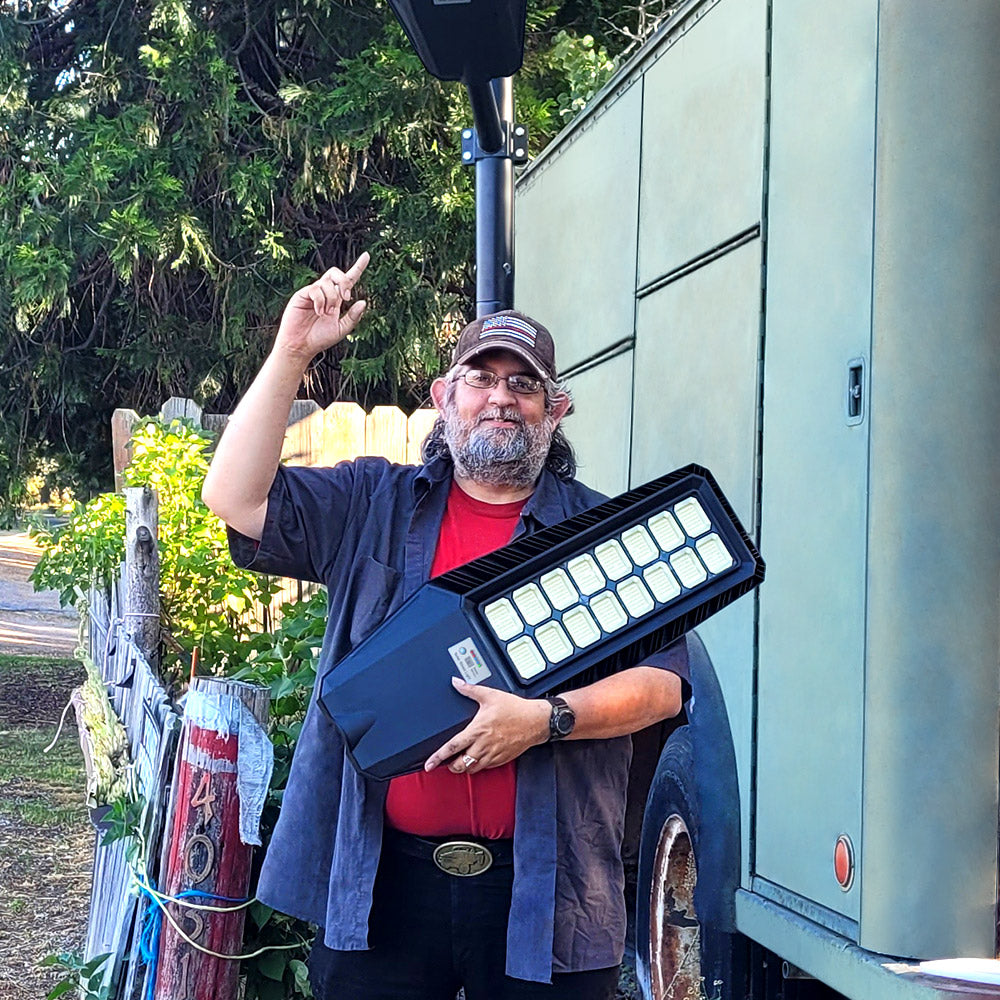
For yard and driveway lighting: Hykoont SZ300 Commercial Solar Street Lights ($145) - Excellent mid-range option with reliable performance
For commercial or large property lighting: NT100A 100W High-Brightness Solar Street Light ($762) - Professional-grade with advanced battery technology
The money you save on installation and electricity will pay for these lights faster than you think. And unlike wired lights, you can take them with you if you move—they're an investment that stays yours.
Stop paying the electric company to light your yard. Make the switch to solar and start saving today.

Leave a comment
This site is protected by hCaptcha and the hCaptcha Privacy Policy and Terms of Service apply.