







If you’ve ever bought outside solar lights that looked great online but barely lit up your yard in real life, you’re not alone.
As someone who has designed, installed, and repaired solar lighting systems across residential yards, driveways, and small commercial properties in the U.S., I see the same issues over and over again: lights that aren’t bright enough, batteries that die too fast, and fixtures that don’t survive their first winter.
This guide is here to change that.
Instead of marketing hype, we’ll talk about what actually matters when choosing an outside solar light for your yard—brightness, battery performance, placement, long-term cost, and safety. I’ll also explain when basic yard lights are enough and when it makes sense to step up to an integrated solar street light for larger spaces.
By the end, you’ll know exactly what to buy, where to install it, and how to make sure it lasts for years.
What Is an Outside Solar Light and How Is It Different?
An outside solar light is a self-contained outdoor lighting fixture powered by sunlight. It typically includes:
- A solar panel
- A rechargeable battery
- LED light source
- Light sensor or motion sensor
- Weather-resistant housing
These lights charge during the day and automatically turn on at night—no wiring, no trenching, no electrician required.
Outside Solar Light vs Integrated Solar Street Light
This is where many homeowners get confused.
Outside solar lights are best for:
Yards
Walkways
Gardens
Small driveways
Fence lines
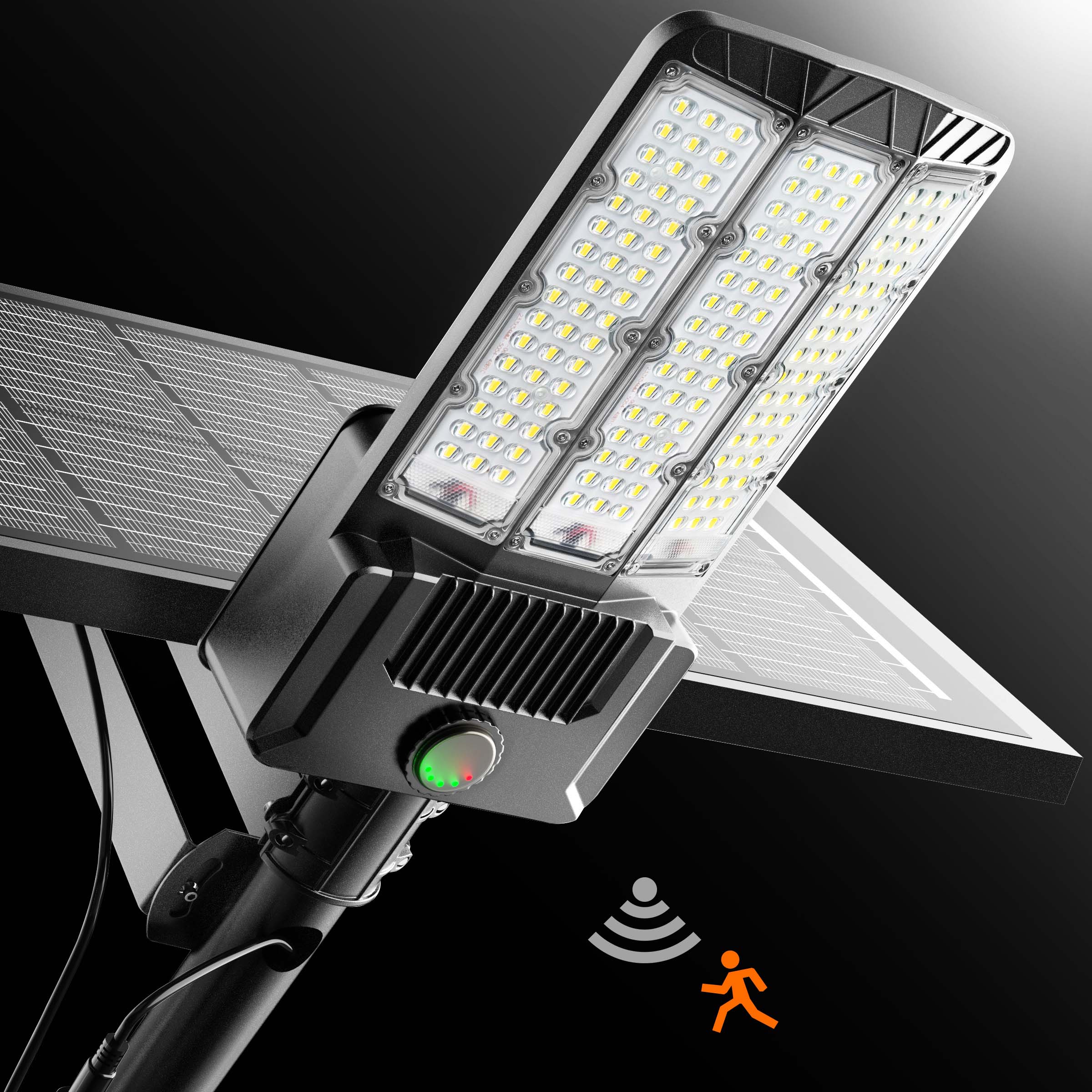
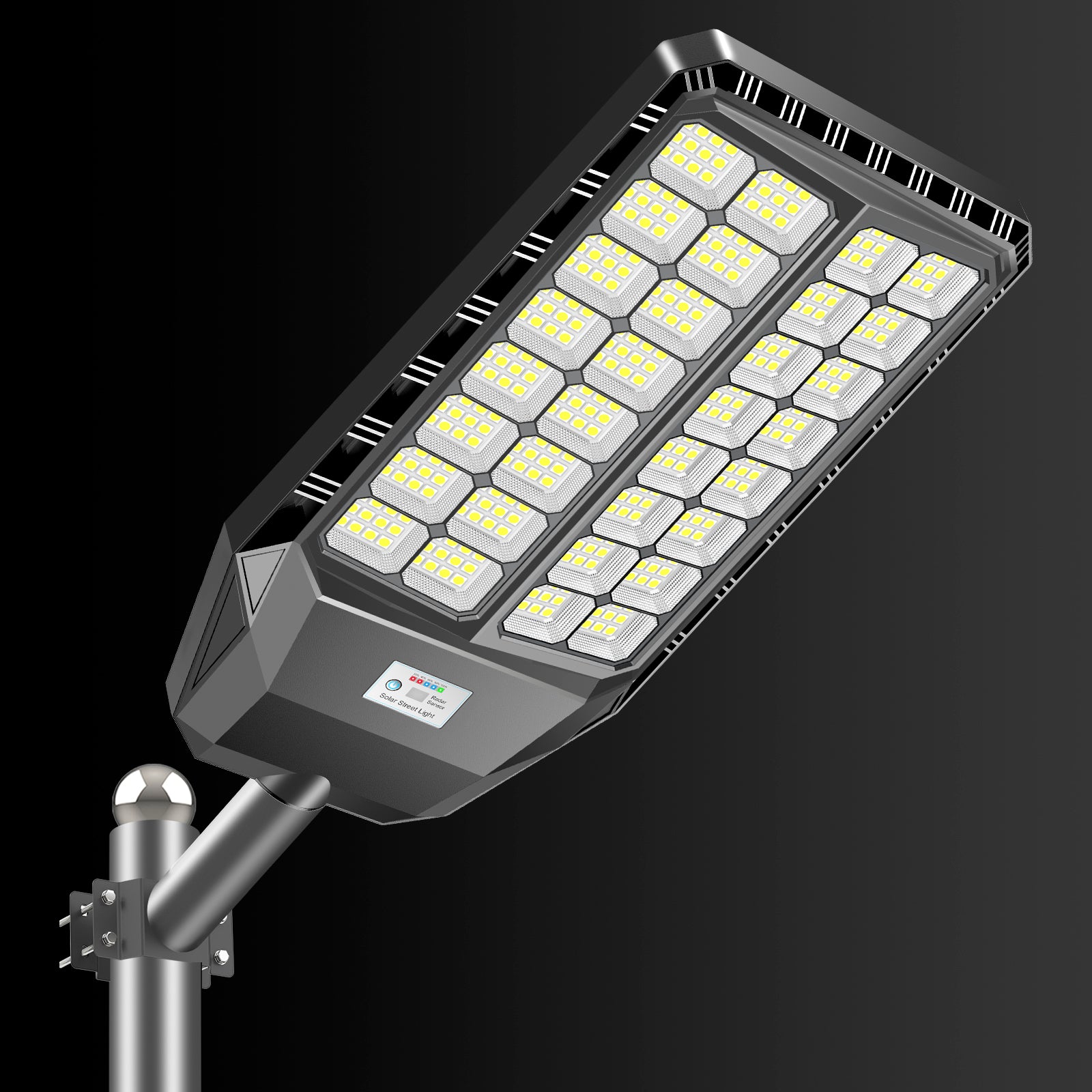
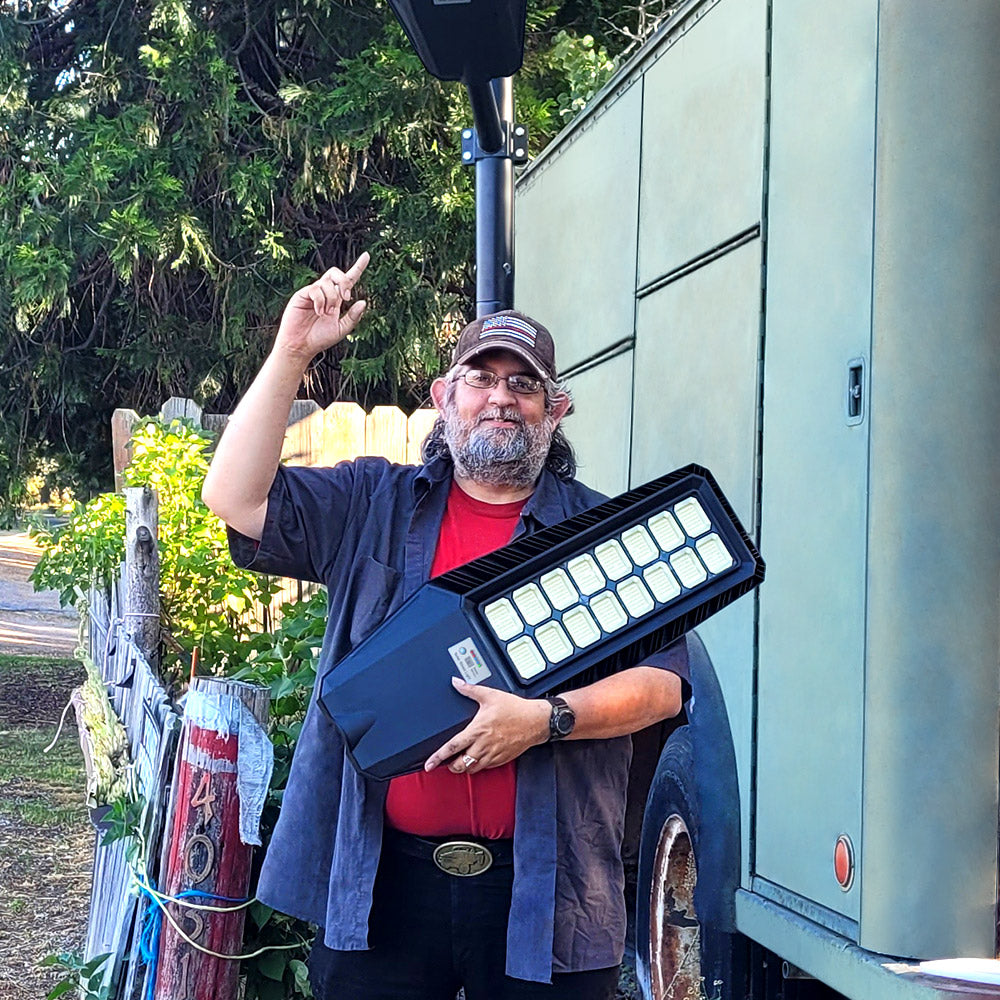
Integrated solar street lights are designed for:
Long driveways
Large yards
Private roads
Parking areas
Commercial or shared spaces
The difference isn’t just size—it’s battery capacity, panel efficiency, mounting height, and beam coverage.

Step 1: Understand How Much Light Your Yard Actually Needs
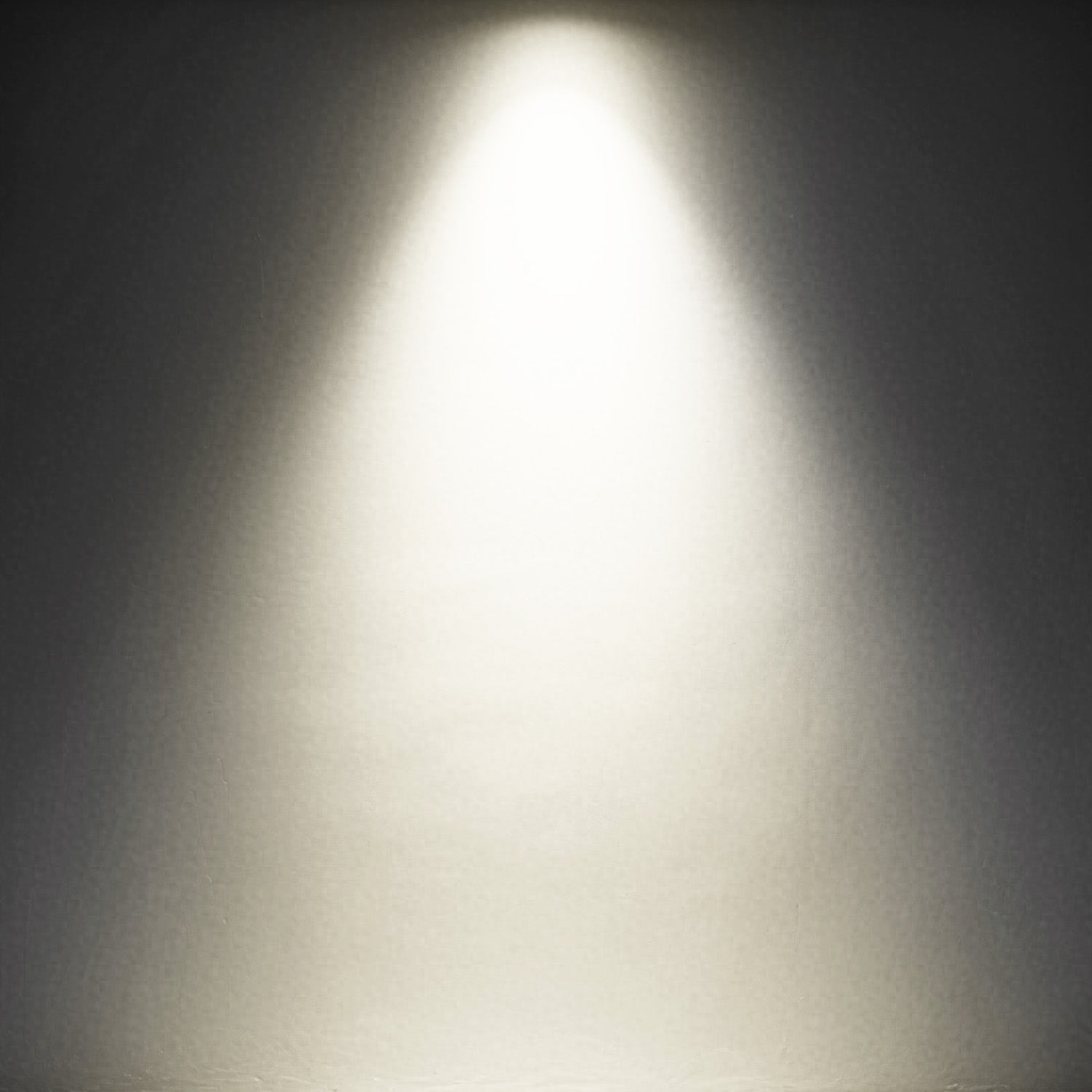
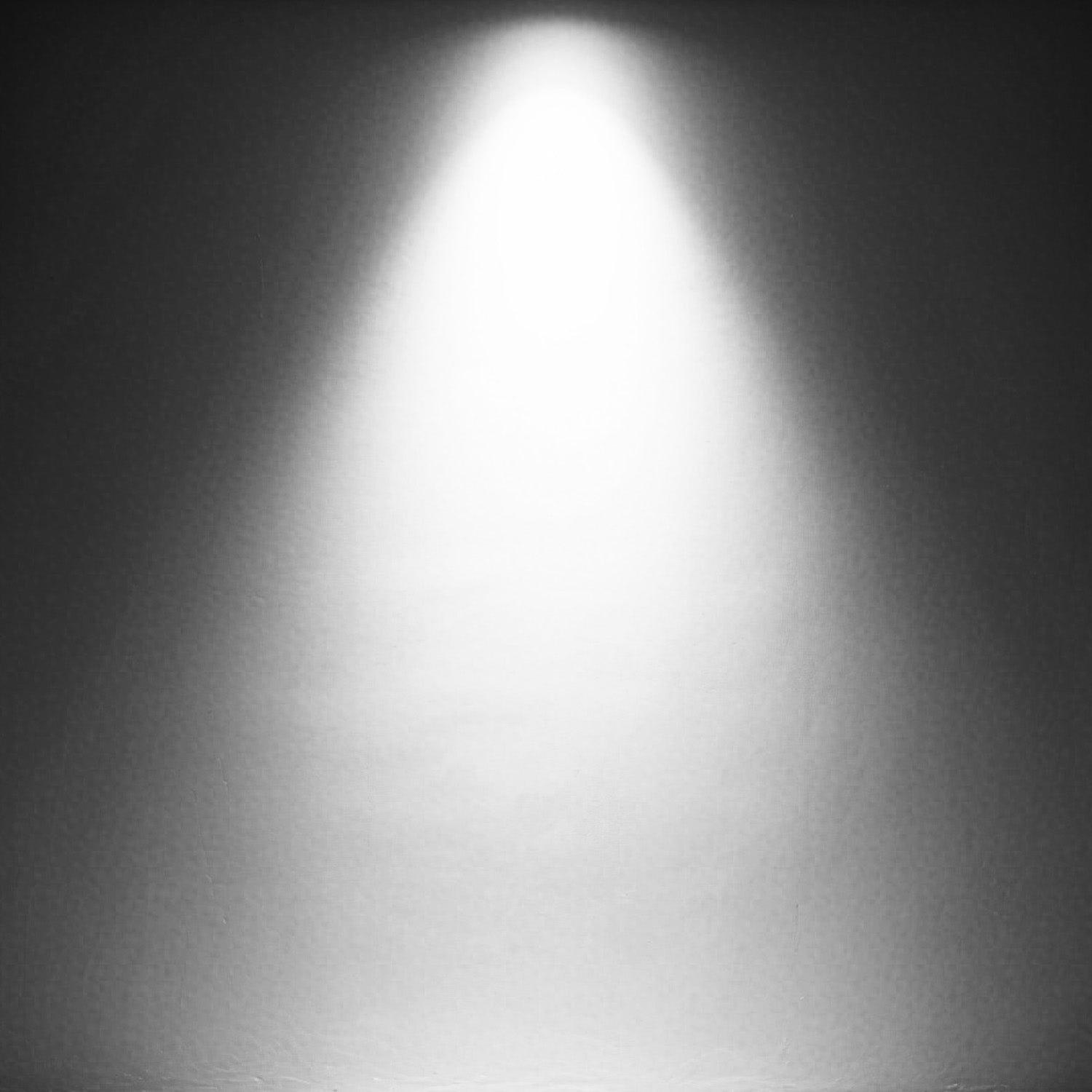
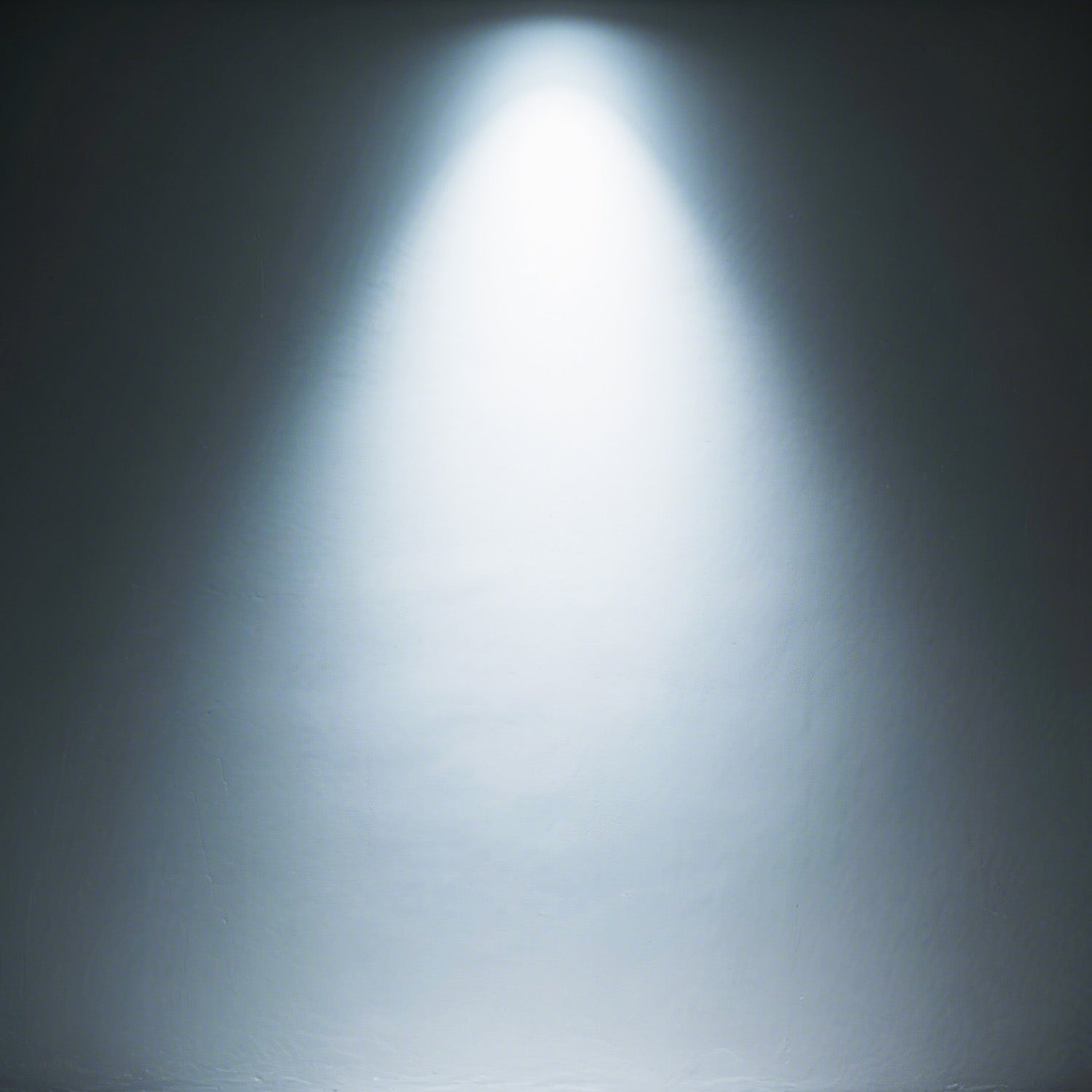
One of the biggest mistakes people make is assuming “higher wattage” equals “brighter light.” In solar lighting, lumens matter far more than watts.
General Lumen Guidelines (Real-World Use)
- Pathway / garden accent: 100–300 lumens
- Yard perimeter lighting: 300–800 lumens
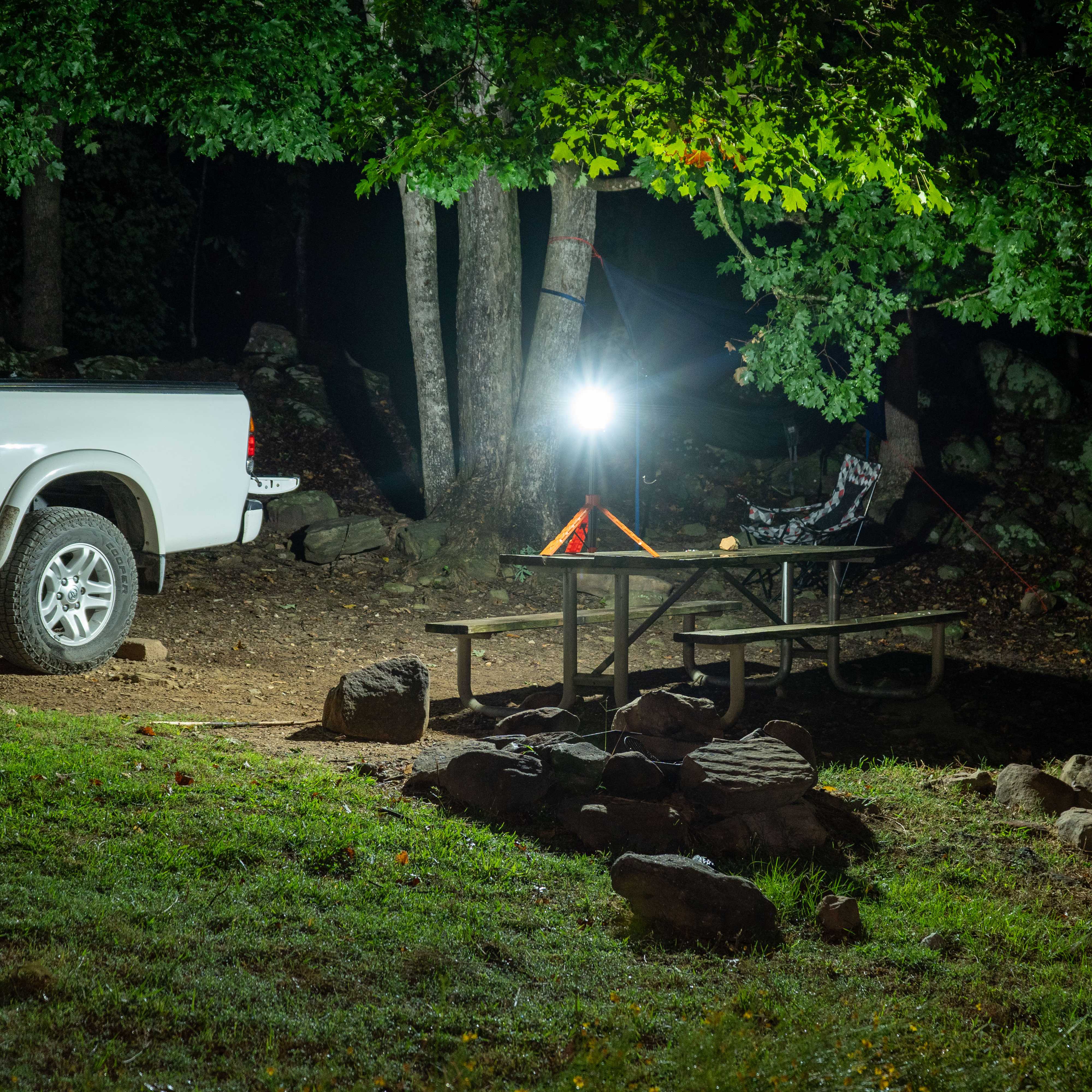
- Driveway or backyard coverage: 800–2,000 lumens
- Large yard or open area: 2,000+ lumens
- Long driveway / road: Integrated solar street light required
If your yard is larger than 2,000–3,000 square feet or needs wide coverage, standard outside solar lights may struggle. This is where an integrated solar street light becomes the smarter choice.
Step 2: Battery Capacity Is More Important Than Brightness
From a maintenance perspective, battery quality determines whether a solar light lasts one season or five years.
What to Look For
- Lithium batteries (Li-ion or LiFePO4)
These perform better in hot summers and cold winters.
- Larger battery capacity = longer runtime
Especially important in winter when daylight hours are short.
- Replaceable battery designs
A huge plus for long-term ownership.
Cheap solar lights often look bright on day one but fade quickly after cloudy days. A well-designed unit should stay bright for 8–12 hours, even after limited sunlight.
Step 3: Solar Panel Placement Makes or Breaks Performance
As a designer, this is the #1 issue I fix.
Even the best outside solar light won’t work well if the panel doesn’t get enough sun.
Best Practices
- Place solar panels where they receive direct sunlight for at least 5–6 hours
- Avoid shade from trees, fences, or rooflines
- Clean panels every few months (dust and pollen matter)
- In snowy states, choose angled panels to reduce snow buildup
If your yard has limited sunlight, upgrading to an integrated solar street light with a larger panel often solves the problem.
Step 4: Choose the Right Light Pattern and Sensor Type
Not all light distribution is the same.
Common Options
- Wide-angle flood lighting
Best for yards and open spaces
- Directional lighting
Better for pathways and edges
- Motion sensor lights
Ideal for security and energy savings
- Dusk-to-dawn lighting
Best for consistent visibility
For families with kids or pets, motion-activated lighting can dramatically improve nighttime safety without blasting light all night long.
Step 5: Weather Resistance and Build Quality (Don’t Skip This)
Outdoor lights live a hard life.
Look for:
IP65 or IP66 waterproof rating
UV-resistant housing
Corrosion-resistant mounting hardware
If you live in areas with snow, rain, or high humidity, build quality matters more than brand names.

Product Recommendations: Reliable Options That Actually Work
Below are realistic, proven choices that match different yard sizes and needs. Prices reflect typical U.S. market ranges.
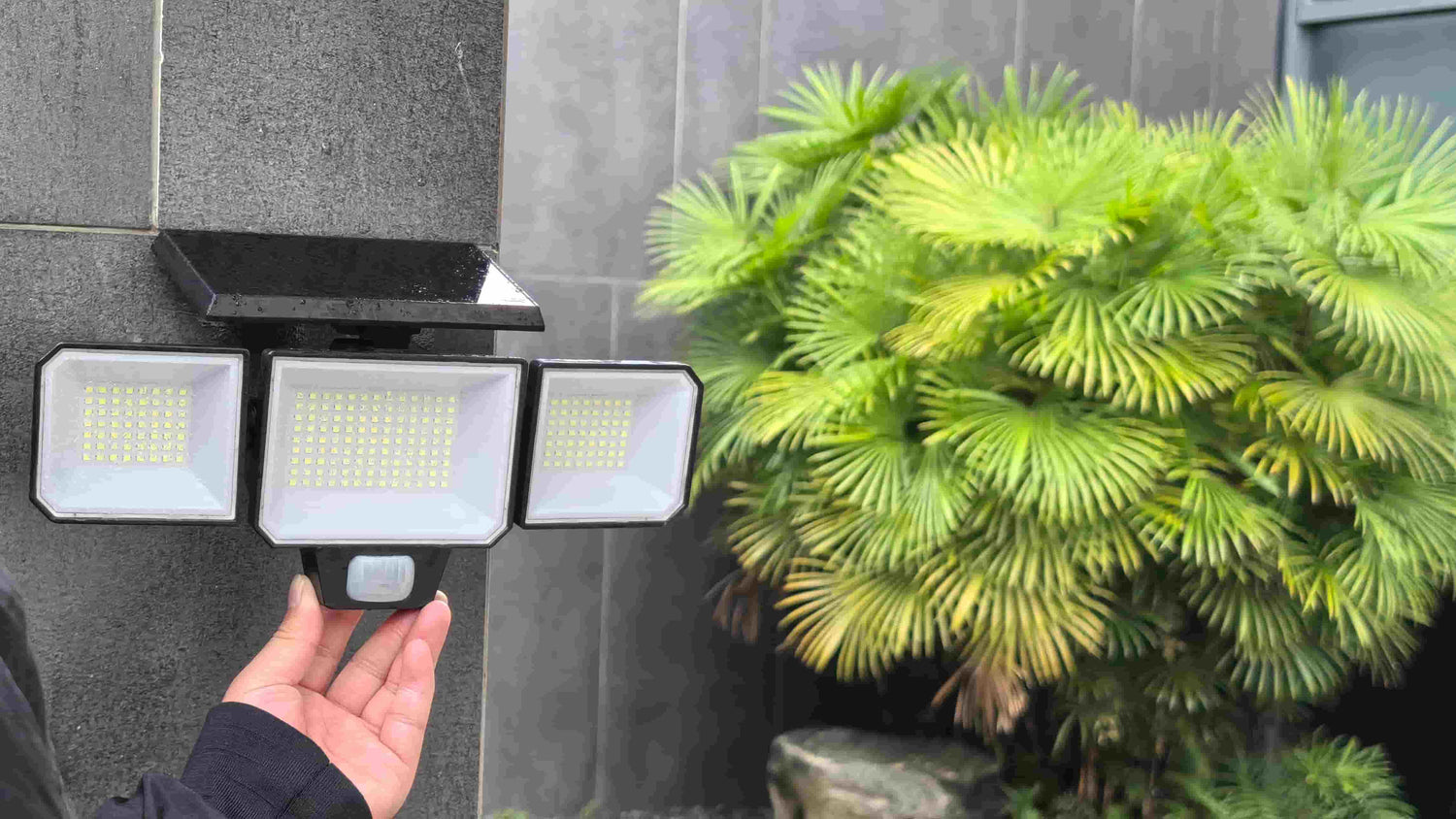
1️⃣ Hykoont 3-Head Solar Wall Light – $39.99 (2-Pack)
Best for: Small yards, patios, fence lines, and entrances
Why it works:
- Wide 270° coverage
- Motion sensor + dusk-to-dawn modes
- Easy wall mounting
Product URL:
https://hykoont.com/products/hykoont-3-heads-solar-wall-light-outdoor
📷 Insert official product image here
2️⃣ Hykoont BM027 Outdoor Solar Street Light – $169.00
Best for: Medium to large yards and driveways
Why it works:
- High-lumen output for wide coverage
- Larger battery than standard yard lights
- Good balance between price and performance
Product URL:
https://hykoont.com/products/hykoont-bm027-outdoor-solar-street-lights-for-yard-garage-pathway
📷 Insert official product image here
3️⃣ Hykoont TW016 Integrated Solar Street Light – $79.99
Best for: Long driveways and open yard areas
Why it works:
- All-in-one integrated design
- Reliable performance in winter
- Easy pole mounting
Product URL:
https://hykoont.com/products/hykoont-tw016-solar-street-lights-with-lens-optical-design
📷 Insert official product image here
4️⃣ Hykoont SZ300 Commercial Solar Street Light – $145.00
Best for: Large yards, shared spaces, or semi-commercial use
Why it works:
- High-capacity battery
- Strong, consistent illumination
- Remote control modes
Product URL:
https://hykoont.com/products/hykoont-sz300-commercial-solar-street-lights
📷 Insert official product image here
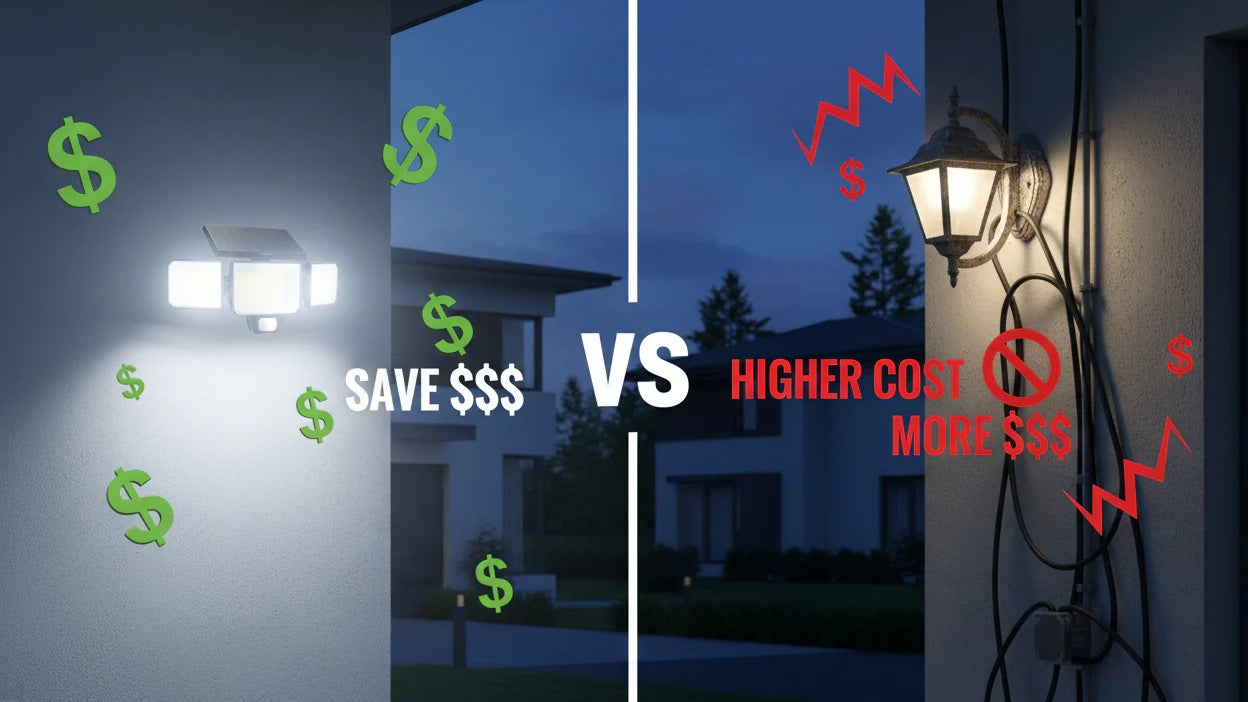
Cost Savings and Long-Term Value
From a cost perspective, outside solar lights usually pay for themselves within 12–24 months when compared to wired outdoor lighting.
Savings come from:
- No electricity bills
- No trenching or wiring
- Minimal maintenance
- Long LED lifespan
For homeowners thinking long-term, solar lighting can also improve property value, curb appeal, and perceived safety.
Natural CTA #1
If you’re just starting with solar lighting, begin with one or two well-placed fixtures.
👉 You can explore reliable outside solar light options here:
https://hykoont.com/collections/solar-lights
Installation Tips from a Technician
- Mount lights higher for wider coverage
- Avoid placing lights directly under trees
- Test placement before final mounting
- Use motion sensors where full brightness isn’t needed all night
Natural CTA #2
For larger yards or long driveways, upgrading to an integrated solar street light often solves brightness issues in one step.
👉 See integrated solar street light options here:
https://hykoont.com/collections/solar-street-lights
FAQ: Real Questions People Ask
1. Are outside solar lights bright enough for a yard?
Yes, if you choose the right lumen level and placement.
2. Do solar lights work in winter?
They do, especially models with larger batteries and efficient panels.
3. How long do solar light batteries last?
Typically 2–5 years depending on quality and climate.
4. Are integrated solar street lights overkill for homes?
Not for long driveways or large yards.
5. Do solar lights increase home value?
They improve curb appeal and perceived safety, which buyers notice.
6. Can I mix solar yard lights and solar street lights?
Absolutely—and it’s often the best solution.
Natural CTA #3
If you want lighting that works year-round with minimal hassle, choose quality once and install it right.
👉 Browse Hykoont solar lighting solutions designed for real outdoor use:
https://hykoont.com
Final Thoughts
Choosing the best outside solar light isn’t about buying the brightest product on the page—it’s about matching the right light to the right space.
Whether you’re lighting a small yard or a long driveway, understanding brightness, battery capacity, and placement will save you money, time, and frustration.
If you’re unsure, start small, test placement, and scale up only when needed. Solar lighting should make your life easier—not give you another thing to fix.


Leave a comment
This site is protected by hCaptcha and the hCaptcha Privacy Policy and Terms of Service apply.