








Understanding Integrated Solar Street Lights: The Complete Picture
You've probably seen them lining streets, parking lots, or pathways—those sleek, all-in-one solar street lights that seem to work like magic. But here's the thing: there's no magic involved. Just smart engineering that combines three key components into one efficient system.
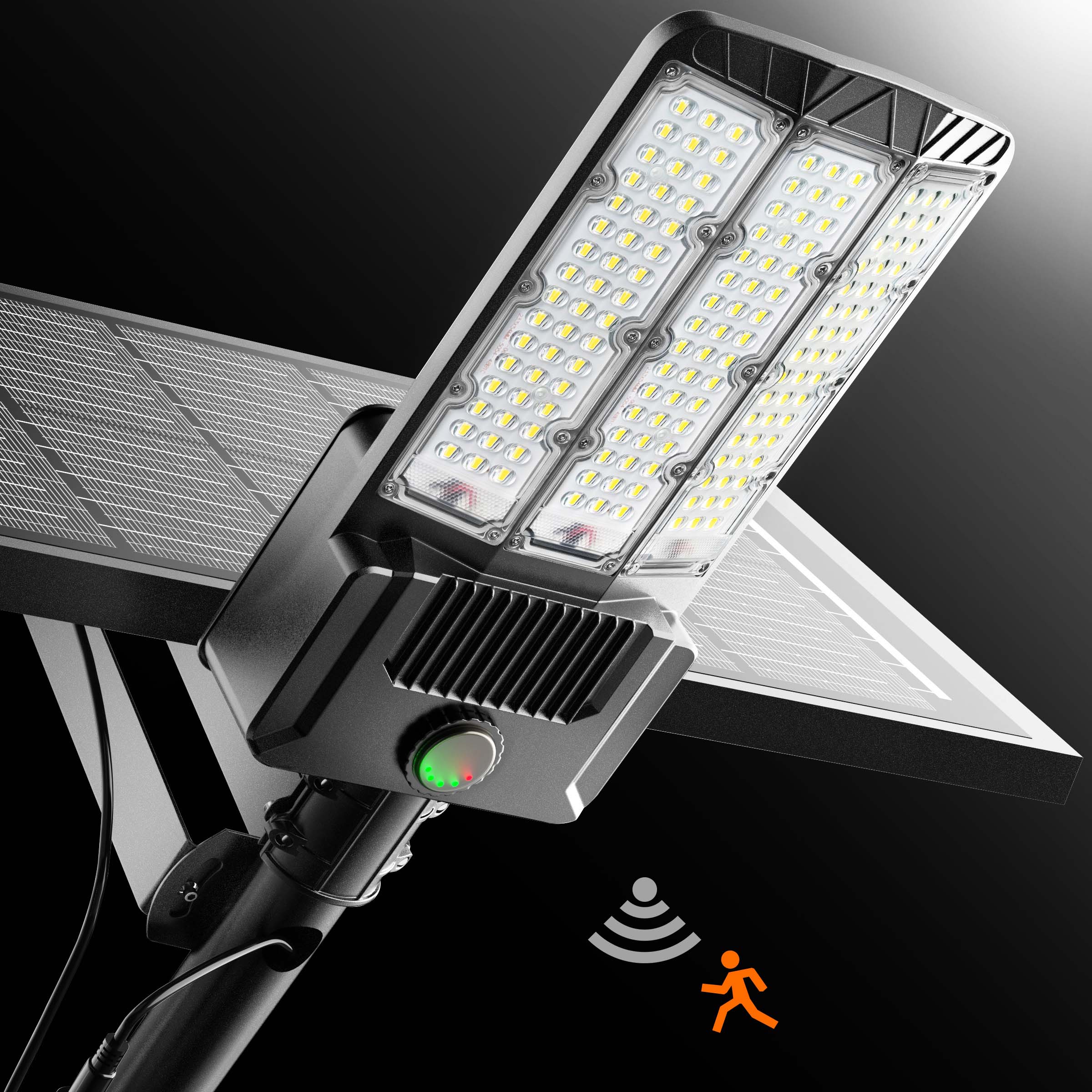
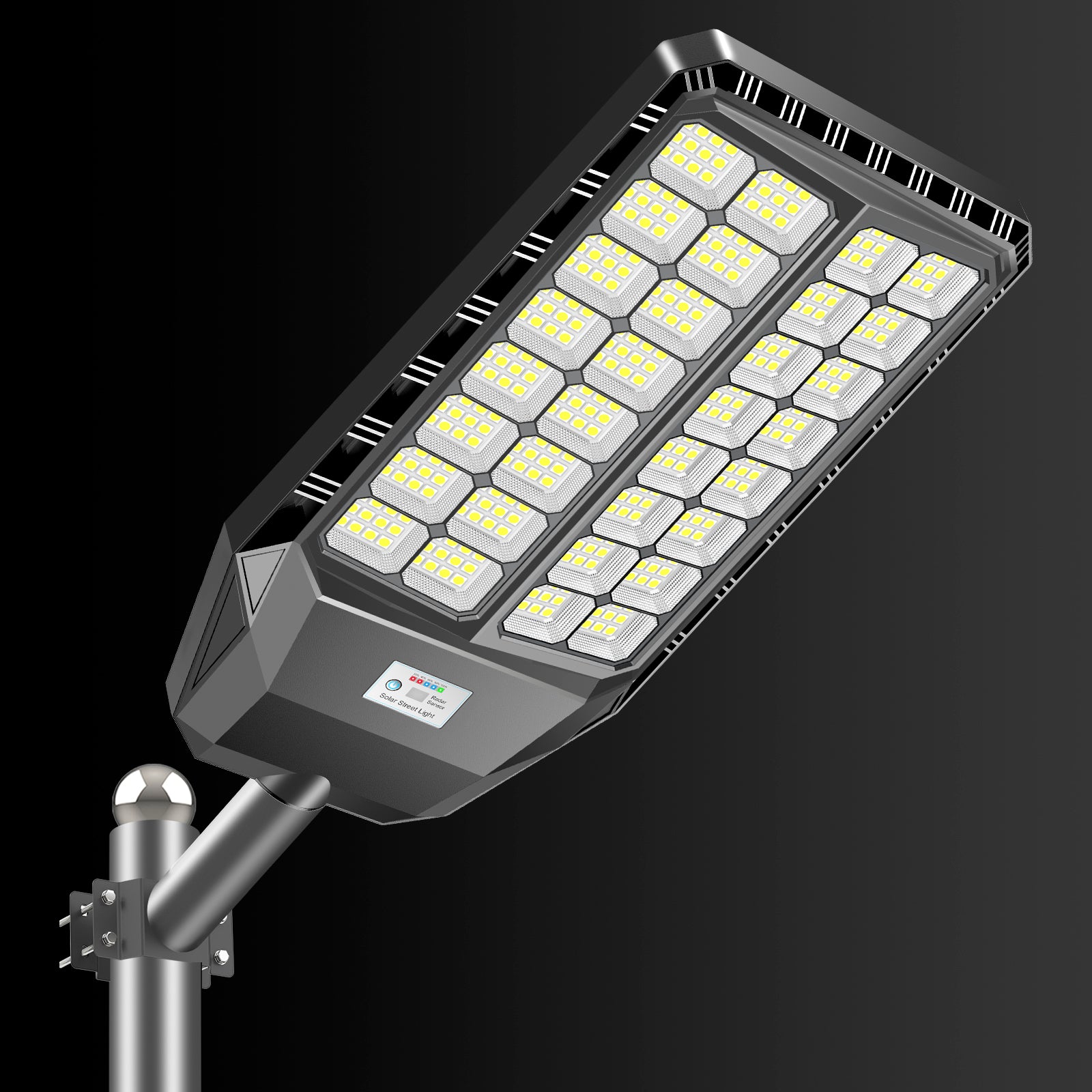
So how do integrated solar street lights actually work? At their core, these lights use solar panels to capture sunlight during the day, store that energy in built-in batteries, and automatically power LED lights when darkness falls. The "integrated" part means everything—panels, batteries, LEDs, and controllers—lives in one compact housing instead of being spread across multiple units.
Let's break down exactly what's happening inside these systems and why they've become the go-to choice for outdoor lighting across America.
The Three Core Components That Make It All Work
Solar Panels: Your Energy Harvesting Powerhouse
Think of solar panels as the money-maker of your lighting system. During daylight hours, they're constantly converting sunlight into electrical energy through photovoltaic cells.
Here's what's actually happening: when sunlight hits the silicon cells in the panel, it knocks electrons loose, creating an electrical current. Modern integrated solar street lights typically use monocrystalline or polycrystalline panels, with monocrystalline being the more efficient option—especially important when you're working with limited surface area on a compact light fixture.
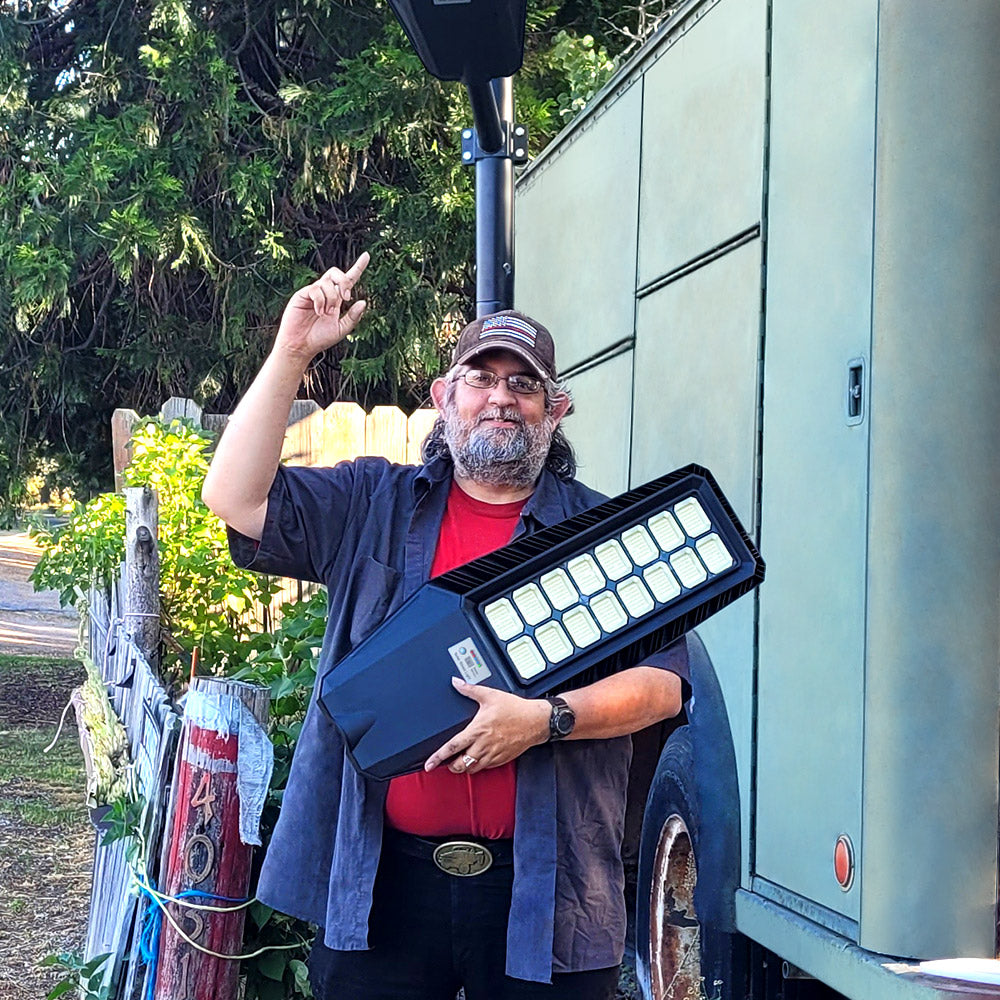
The panel size matters more than you might think. A larger panel can harvest more energy, which means longer runtime and better performance during cloudy days. For example, our Hykoont TW040 Solar Street Light ($179.00) features high-efficiency panels that can fully charge the battery even on partially cloudy days.

Panel efficiency typically ranges from 17% to 22% in quality solar street lights. That percentage tells you how much of the sun's energy actually gets converted into usable electricity. Higher efficiency means you need less panel area to generate the same amount of power.
Batteries: The Energy Storage Solution
Your solar panels might be great at collecting energy, but without proper storage, that power goes nowhere. This is where the battery comes in—and it's arguably the most critical component for reliable performance.
Most modern integrated solar street lights use lithium iron phosphate (LiFePO4) batteries. Why? Because they offer several advantages over older lead-acid batteries:
- Longer lifespan (typically 5-8 years vs. 2-3 years for lead-acid)
- Better performance in extreme temperatures
- Higher depth of discharge (you can use more of the stored energy)
- Faster charging times
- More charge/discharge cycles (2000+ vs. 500-800)
Battery capacity is measured in amp-hours (Ah) or watt-hours (Wh). A higher capacity means your light can run longer on a single charge. For instance, a 30Ah battery paired with a 40W LED can typically provide 8-12 hours of continuous lighting, depending on the brightness settings.
The BC024 Solar Street Light 180W ($159.00) uses a high-capacity lithium battery that can power the light for up to 3 rainy days without any sunlight—perfect for areas with unpredictable weather patterns.

LED Lights: Efficient Illumination That Lasts
LEDs are the final piece of the puzzle, and they're what makes solar street lighting practical in the first place. Compared to traditional lighting technologies, LEDs are incredibly efficient—converting about 80-90% of their energy into light rather than heat.
Here's why that matters: when you're running on stored solar energy, every watt counts. An LED that produces the same amount of light as a 100W metal halide lamp might only use 30-40W. That's the difference between a light that runs all night and one that dies at 2 AM.
Modern solar street lights use high-power LED chips, typically ranging from 20W to 200W depending on the application. The color temperature usually sits around 5000-6000K (cool white), which provides excellent visibility for streets and parking areas.
LED lifespan is another huge advantage. Quality LEDs can last 50,000 to 100,000 hours—that's roughly 10-20 years of nightly operation. Compare that to traditional bulbs that might need replacing every year or two, and the maintenance savings add up fast.
How These Components Work Together: The Daily Cycle
Daytime: Charging Mode
When the sun comes up, your integrated solar street light switches into charging mode. Here's the step-by-step process:
1. Light Detection: A built-in photocell or light sensor detects increasing light levels and signals the controller to turn off the LED and begin charging.
2. Energy Conversion: The solar panel starts converting sunlight into DC electricity. The amount of power generated depends on factors like panel size, efficiency, sun angle, and weather conditions.
3. Charge Management: The intelligent controller regulates the charging process, ensuring the battery receives the optimal voltage and current. This prevents overcharging, which can damage the battery and shorten its lifespan.
4. Energy Storage: The battery stores the electrical energy for use during nighttime hours. A quality controller will monitor battery temperature and adjust charging parameters accordingly.
On a sunny day, most integrated solar street lights can fully charge their batteries in 6-8 hours. Even on cloudy days, they'll still collect energy—just at a reduced rate, typically 20-40% of full capacity depending on cloud cover.
Nighttime: Lighting Mode
As darkness falls, the system automatically switches to lighting mode:
1. Dusk Detection: The light sensor detects decreasing ambient light levels (usually around 10-20 lux) and signals the controller to activate the LED.
2. Power Delivery: The controller draws power from the battery and delivers it to the LED at the correct voltage and current.
3. Intelligent Dimming: Many modern systems use time-based or motion-activated dimming to extend battery life. For example, the light might run at 100% brightness from dusk until midnight, then dim to 30% until dawn—unless motion is detected.
4. Battery Protection: The controller continuously monitors battery voltage. If it drops too low, the system will either dim the light or shut it off completely to prevent battery damage.
The Hykoont TW024 Solar Street Light ($119.00) features smart motion sensing that can extend battery life by up to 40% compared to constant-brightness operation.

The Brain of the Operation: The Intelligent Controller
We've talked about panels, batteries, and LEDs, but there's a fourth component that deserves attention: the controller (sometimes called the charge controller or lighting controller).
This small but mighty circuit board manages everything. It's constantly making decisions:
- When to start and stop charging
- How much current to send to the battery
- When to turn the light on and off
- What brightness level to use
- How to respond to motion detection
- When to activate low-battery protection
Advanced controllers use MPPT (Maximum Power Point Tracking) technology to squeeze every last watt out of the solar panel. This can improve charging efficiency by 20-30% compared to basic PWM controllers—especially important during marginal weather conditions.
Real-World Performance: What to Expect
Brightness and Coverage
One of the most common questions we hear is: "How bright are these things, really?"
Brightness is measured in lumens, and integrated solar street lights typically range from 2,000 to 20,000 lumens depending on the model. To put that in perspective:
- 2,000-4,000 lumens: Suitable for pathways, residential streets, small parking areas
- 4,000-8,000 lumens: Good for commercial parking lots, secondary roads
- 8,000-15,000 lumens: Ideal for main streets, large parking facilities
- 15,000+ lumens: High-traffic areas, highways, industrial sites
The mounting height also affects coverage. A 20-foot pole will illuminate a larger area than a 12-foot pole with the same light, but the light will be less intense at ground level. Most installations use 15-25 foot poles for optimal balance.
Runtime and Autonomy
"Autonomy" refers to how many nights the light can operate without any solar charging. This is crucial for areas with extended cloudy periods.
Most quality integrated solar street lights offer 2-3 days of autonomy, meaning they can run for 2-3 nights even if there's zero sunlight during the day. Some high-end models push this to 5-7 days.
Nightly runtime depends on your settings. A light set to run at full brightness all night might operate for 8-10 hours. The same light using intelligent dimming could extend that to 12-14 hours while still providing adequate illumination.
Seasonal Variations
Here's something people don't always consider: solar street lights perform differently across seasons.
In summer, you've got long days and strong sunlight—your lights will charge quickly and fully. Winter brings shorter days and weaker sun angles, which means less charging time and reduced energy collection.
Quality systems account for this. They're designed to perform reliably even during winter months in their target climate zone. If you're in northern states, make sure your solar street light is rated for your latitude and typical winter conditions.
Installation Advantages: Why Integrated Beats Traditional
No Trenching Required
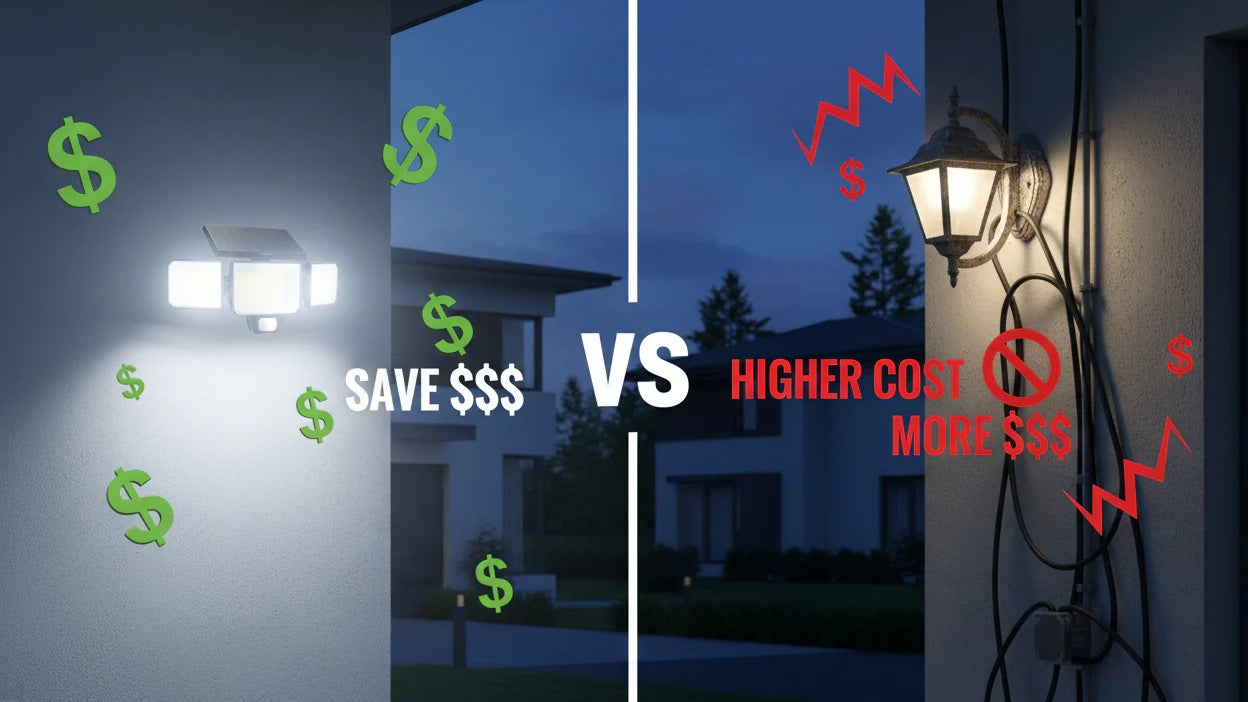
Traditional street lights need underground electrical wiring. That means digging trenches, laying conduit, pulling wire, and dealing with permits. It's expensive, time-consuming, and disruptive.
Integrated solar street lights? You mount them on a pole and you're done. No electrical work, no trenching, no ongoing utility costs. Installation time drops from days to hours.
Flexible Placement
Without the need for electrical infrastructure, you can install solar street lights anywhere that gets decent sun exposure. That remote parking lot? No problem. The trail through the park? Easy. The construction site that moves every few months? Perfect.
Lower Total Cost of Ownership
Yes, integrated solar street lights cost more upfront than traditional fixtures. But when you factor in:
- No installation electrical work ($2,000-$5,000 saved per light)
- Zero electricity costs ($50-$150 per year per light)
- Minimal maintenance (LED lifespan of 10+ years)
- No utility connection fees
The payback period is typically 2-4 years, after which you're saving money every single month.
Shop our Hykoont TW016 Solar Street Light ($79.99) for an affordable entry into solar street lighting.

Common Applications: Where These Lights Shine
Municipal Street Lighting
Cities and towns across America are switching to solar street lights for residential streets, especially in new developments where electrical infrastructure doesn't exist yet. The cost savings are substantial, and residents appreciate the environmental benefits.
Parking Lot Illumination
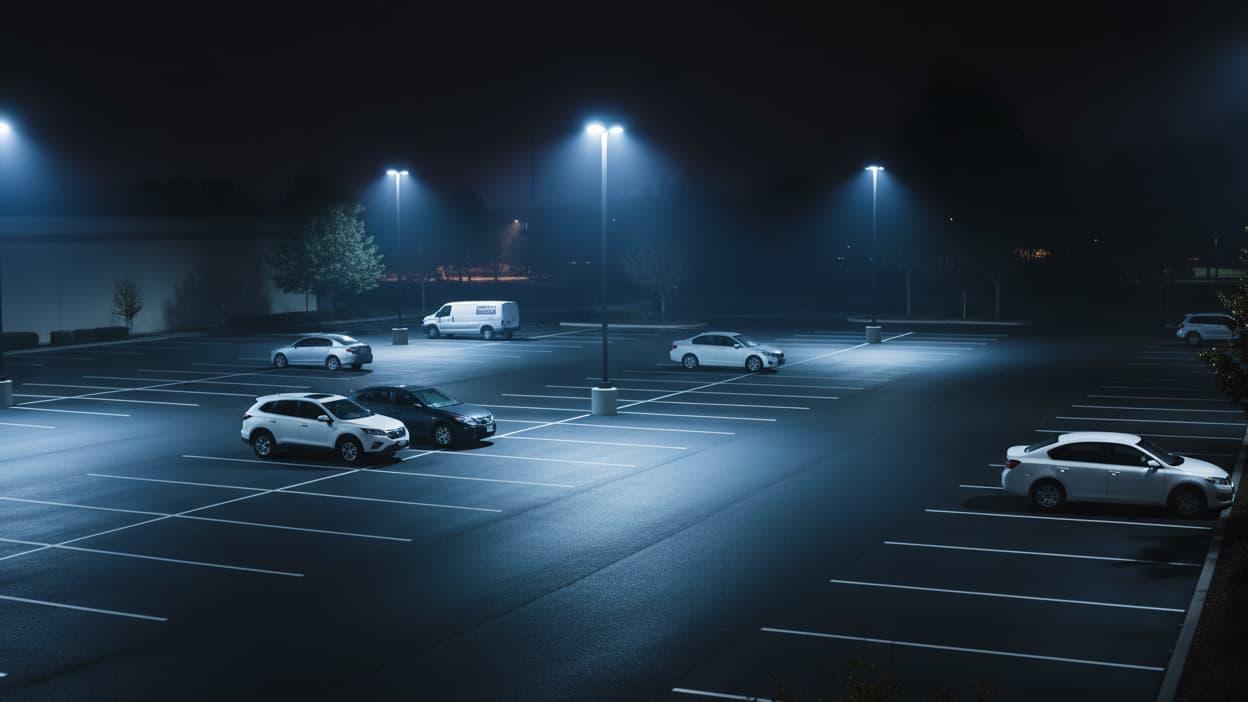
Commercial parking lots are perfect for solar street lights. They typically have excellent sun exposure, need lighting only during specific hours, and benefit from motion-sensing features that enhance security while saving energy.
Pathway and Trail Lighting
Parks, campuses, and recreational areas use solar path lights to improve safety without the expense of running electrical lines through landscaped areas. The lower light levels required for pathways mean smaller, more affordable units work perfectly.
Remote and Off-Grid Locations
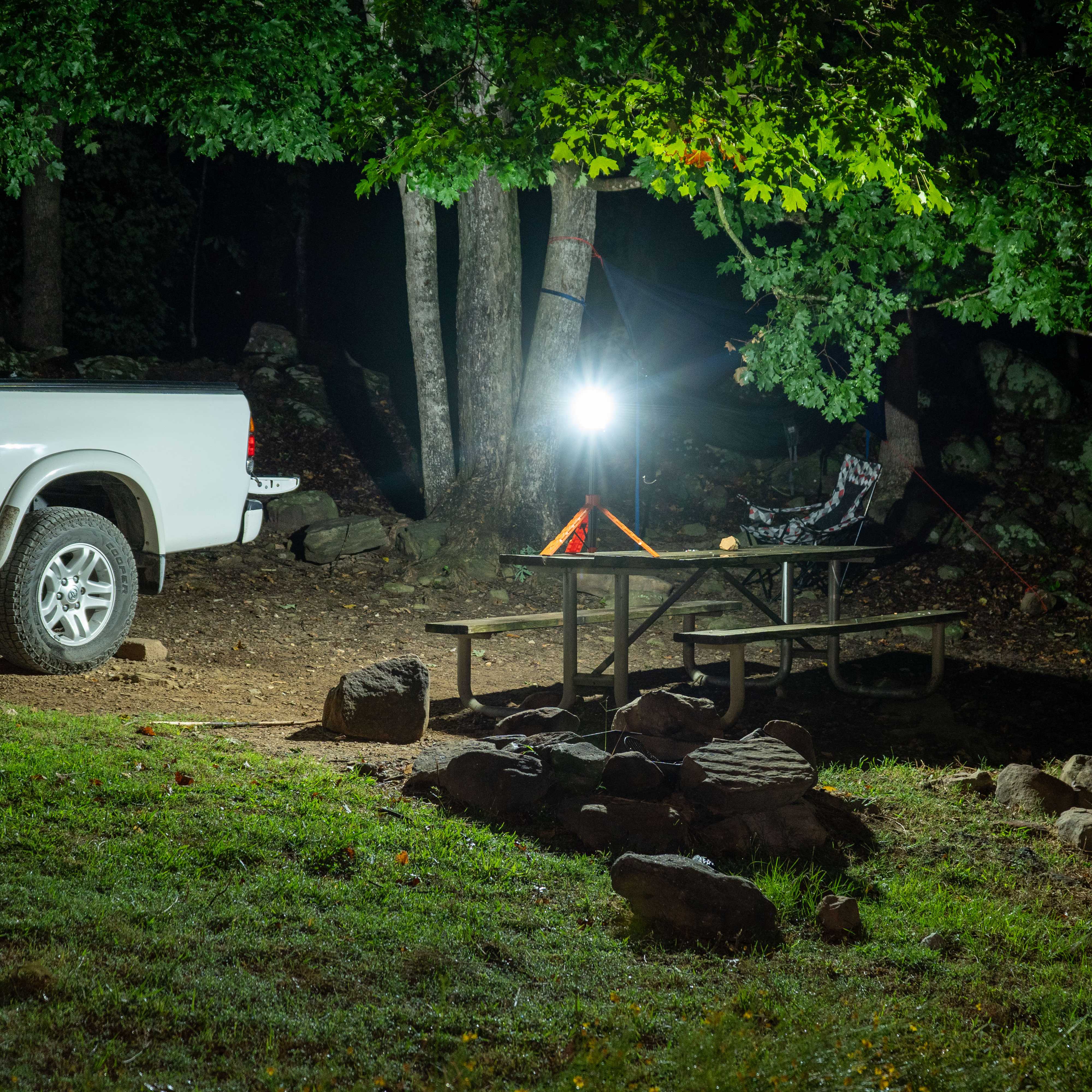
Construction sites, agricultural facilities, remote parking areas, and rural properties often lack electrical access. Solar street lights provide reliable illumination without the need for generators or expensive utility extensions.
Emergency and Temporary Lighting
Because they're self-contained and easy to install, integrated solar street lights work great for temporary applications: construction zones, event venues, emergency response situations, or seasonal facilities.
Choosing the Right Solar Street Light: Key Factors
Assess Your Lighting Requirements
Start by determining how much light you actually need. Consider:
- Area size and layout
- Required illumination levels (measured in lux or foot-candles)
- Mounting height and spacing
- Local lighting codes or requirements
Don't over-light. More isn't always better, and oversized lights waste energy and money.
Evaluate Your Climate
Your local climate dramatically affects solar street light performance. Consider:
- Average daily sun hours (check NREL solar maps for your area)
- Seasonal variations in daylight
- Typical weather patterns (cloudy vs. sunny)
- Temperature extremes (affects battery performance)
- Wind loads (affects mounting requirements)
A light that works great in Arizona might struggle in Seattle without proper sizing.
Check Component Quality
Not all solar street lights are created equal. Look for:
- Solar panels: Monocrystalline with 18%+ efficiency
- Batteries: LiFePO4 with 2000+ cycle life
- LEDs: Brand-name chips (Bridgelux, Cree, Osram) with 50,000+ hour lifespan
- Controller: MPPT charging with intelligent dimming options
- Housing: Aluminum alloy with IP65+ waterproof rating
Consider Smart Features
Modern solar street lights offer features that improve performance and reduce costs:
- Motion sensing: Increases brightness when movement is detected
- Time-based dimming: Reduces brightness during low-traffic hours
- Remote monitoring: Alerts you to maintenance needs
- Adjustable settings: Customize operation for your specific needs
Maintenance: Keeping Your Lights Running Strong
One of the best things about integrated solar street lights is how little maintenance they require. But "low maintenance" doesn't mean "no maintenance."
Regular Cleaning
Dust, pollen, bird droppings, and other debris can accumulate on solar panels, reducing their efficiency by 20-30%. Clean panels 2-4 times per year using water and a soft cloth. In dusty or industrial areas, you might need to clean more frequently.
Visual Inspections
Every few months, do a quick visual check:
- Are the lights turning on and off properly?
- Is the brightness consistent?
- Are there any physical damage signs?
- Is the mounting secure?
- Are there any new obstructions blocking sunlight?
Battery Replacement
Eventually, you'll need to replace the battery—typically after 5-8 years. This is the main maintenance expense, but it's straightforward and much cheaper than replacing the entire unit.
LED Longevity
Quality LEDs should last 10-20 years. If you notice significant dimming or color shift before then, it might indicate a controller issue rather than LED failure.
Troubleshooting Common Issues
Light Doesn't Turn On at Night
Possible causes:
- Battery is completely discharged (check if it's been cloudy for several days)
- Light sensor is malfunctioning or blocked
- Controller has failed
- LED has failed (less common)
Solution: Check battery voltage first. If it's very low, give it a few sunny days to recharge. If the problem persists, contact the manufacturer.
Light Turns Off Too Early
This usually indicates insufficient battery capacity for your runtime settings. Either:
- The battery is aging and needs replacement
- The light isn't getting enough daily charging (shading issues?)
- Your brightness/runtime settings are too aggressive for available solar energy
Solution: Adjust dimming settings to reduce power consumption, or address any shading issues affecting the panel.
Inconsistent Performance
If the light works some nights but not others:
- Check for intermittent shading (trees, buildings, seasonal sun angle changes)
- Verify the panel is clean
- Look for loose connections
The Future of Solar Street Lighting Technology
Solar street lighting technology keeps getting better. Here's what's on the horizon:
Higher Efficiency Panels
New solar cell technologies are pushing efficiency above 25%, meaning smaller panels can generate the same power. This allows for more compact, aesthetically pleasing designs.
Advanced Battery Chemistry
Next-generation batteries promise longer lifespans, better temperature performance, and higher energy density. Some manufacturers are experimenting with solid-state batteries that could last 15+ years.
AI-Powered Controllers
Smart controllers are learning from usage patterns and weather forecasts to optimize performance. They can predict cloudy periods and adjust brightness proactively to ensure reliable operation.
IoT Integration
Connected solar street lights can communicate with central management systems, providing real-time status updates, energy production data, and predictive maintenance alerts. This is especially valuable for large installations.
Making the Switch: Your Next Steps
Ready to explore solar street lighting for your property or project? Here's how to get started:
1. Assess Your Needs: Determine your lighting requirements, budget, and site conditions.
2. Calculate Solar Potential: Use tools like NREL's PVWatts calculator to estimate solar energy availability at your location.
3. Choose Quality Products: Don't just go for the cheapest option. Look for proven components, good warranties, and responsive customer support.
4. Plan Your Installation: Consider pole height, spacing, mounting orientation, and any local regulations.
5. Start Small: If you're unsure, install a few lights as a pilot project before committing to a large deployment.
Explore our BC024 Solar Street Light 180W ($159.00) for powerful, reliable solar street lighting.
Frequently Asked Questions
How long do integrated solar street lights last?
The LED and solar panel components typically last 10-20 years with minimal degradation. The battery is the limiting factor, usually requiring replacement after 5-8 years. With proper maintenance and battery replacement, you can expect 15-20 years of total system life.
Will solar street lights work in cloudy or rainy climates?
Yes, but you need to size them appropriately. Solar panels still generate power on cloudy days—just at reduced levels (typically 20-40% of full capacity). Quality solar street lights designed for cloudy climates include larger panels and batteries to compensate. Look for models with 3-5 days of autonomy if you're in a frequently cloudy area.
How bright are solar street lights compared to traditional street lights?
Modern solar street lights can match or exceed traditional lighting brightness. A 60W solar LED street light produces roughly the same illumination as a 150-200W traditional high-pressure sodium or metal halide lamp. The key difference is that LEDs direct light more efficiently, so you get better ground-level illumination with less total power.
Do solar street lights work in winter or during snow?
Yes, solar street lights work in winter, though performance may be reduced due to shorter days and lower sun angles. Snow accumulation on panels can block charging, so installation angle matters—steeper angles help snow slide off. Quality systems are designed to handle seasonal variations and will still operate reliably in winter climates when properly sized.
How much money can I save with solar street lights?
Savings vary by location and electricity rates, but typical savings include: $2,000-$5,000 per light in installation costs (no trenching or electrical work), $50-$150 per year per light in electricity costs, and reduced maintenance expenses. Most installations see payback within 2-4 years, with 15+ years of additional savings after that.
Can I adjust the brightness and operating hours?
Most modern integrated solar street lights offer adjustable settings through remote controls or smartphone apps. You can typically adjust brightness levels, set dimming schedules, configure motion sensing sensitivity, and customize operating hours to match your specific needs.
What happens if the battery dies?
When the battery reaches end-of-life (typically after 5-8 years), you'll notice reduced runtime—the light might turn off earlier in the night or not turn on at all after cloudy days. Battery replacement is straightforward and much less expensive than replacing the entire unit. Most manufacturers offer replacement batteries, and the swap can be done in 15-30 minutes.
How do I know what size solar street light I need?
Size depends on several factors: the area you need to illuminate, mounting height, required brightness levels, and local sun availability. As a general rule, a 30-40W solar street light works for residential streets and pathways, 60-80W for parking lots and secondary roads, and 100W+ for main streets and large commercial areas. When in doubt, consult with the manufacturer or a lighting professional.
Are solar street lights difficult to install?
No, installation is much simpler than traditional street lights. Since there's no electrical wiring required, you just need to mount the light on a pole and secure the pole in the ground. Most installations can be completed in 2-4 hours per light with basic tools. The hardest part is usually setting the pole, which may require concrete footings depending on your soil and wind conditions.
What maintenance do solar street lights require?
Maintenance is minimal. Clean the solar panel 2-4 times per year to remove dust and debris, perform visual inspections every few months to check for damage or issues, and plan for battery replacement after 5-8 years. Unlike traditional street lights, there are no bulbs to replace regularly, no electrical connections to maintain, and no utility bills to pay.
Conclusion: Smart Lighting for a Sustainable Future
Integrated solar street lights represent a perfect convergence of technology, economics, and environmental responsibility. By combining solar panels, batteries, and LEDs into one intelligent system, they deliver reliable outdoor lighting without the costs and complications of traditional electrical infrastructure.
Whether you're a municipality looking to reduce energy costs, a business owner improving parking lot safety, or a property manager seeking sustainable solutions, solar street lights offer a proven, practical answer.
The technology has matured. The economics make sense. The environmental benefits are clear. And with quality products backed by solid warranties, the risk is minimal.
The question isn't whether solar street lighting works—it's whether you're ready to make the switch.
Browse our complete selection of integrated solar street lights and find the perfect solution for your lighting needs.

Leave a comment
This site is protected by hCaptcha and the hCaptcha Privacy Policy and Terms of Service apply.