







You finally built the outdoor space you always wanted. The pergola looks great. The string lights are up. The furniture is comfortable. And then — the moment the sun dips below the horizon — the mosquitoes show up like they own the place.
Sound familiar? You're not alone. Millions of Americans deal with the same frustration every summer. The good news: bug-proofing a screen porch or pergola isn't complicated, and you don't need to douse everything in DEET or light a dozen citronella candles that barely work. There are smarter, longer-lasting solutions — and this guide covers all of them.
We'll walk through why bugs are drawn to your outdoor space in the first place, what actually works to keep them away, and how to set up a layered defense that lets you enjoy your evenings without constantly swatting at things.
Why Your Porch and Pergola Are Bug Magnets
Before you can fix the problem, it helps to understand it. Bugs — especially mosquitoes — aren't randomly wandering into your space. They're following very specific signals.
Light
Most flying insects are phototactic, meaning they're attracted to light. Traditional incandescent and fluorescent bulbs emit a lot of UV and blue-spectrum light, which bugs find irresistible. If your porch or pergola is lit up like a stadium at night, you're essentially running a bug welcome sign.
Carbon Dioxide and Body Heat
Mosquitoes are hunters. They track CO₂ from your breath and the heat your body gives off. The more people gathered on your porch, the stronger the signal. There's no way to eliminate this entirely — but you can disrupt it.
Standing Water
Even a bottle cap's worth of standing water is enough for mosquitoes to breed. Gutters, plant saucers, low spots in your pergola cover — all of these can become nurseries if you're not paying attention.
Vegetation and Shade
Dense plants and shaded areas near your porch give mosquitoes a place to rest during the day. They're not just active at dusk — they're hiding nearby, waiting.
Understanding these attractants is the first step. Now let's talk about what you can actually do about them.

Step 1: Start with Physical Barriers
If you have a screen porch, your first line of defense is already built in — but only if the screens are in good shape. Walk the perimeter and look for:
- Tears or holes larger than 1mm (mosquitoes can squeeze through surprisingly small gaps)
- Gaps around door frames where the screen doesn't seal flush
- Damaged screen door springs that let the door hang open
- Gaps at the base where the screen meets the floor or foundation
Patch small holes with screen repair tape (available at any hardware store for a few dollars). For larger damage, replacing a screen panel is a weekend DIY project that costs $20–$50 in materials.
For pergolas — which are open by design — physical barriers are trickier. Options include:
- Outdoor curtains: Heavy canvas or mesh curtains on the sides of your pergola create a partial barrier and add a nice aesthetic. They won't stop every bug, but they reduce airflow that carries insects in.
- Mosquito netting: Draping fine mesh netting around the perimeter of a pergola is one of the most effective physical solutions. It looks elegant when done right and creates a genuine barrier.
- Retractable screens: More expensive ($500–$2,000+ installed), but they give you the flexibility of an open pergola during the day and a screened space at night.

Step 2: Eliminate Breeding Grounds Within 100 Feet
This step is unglamorous but critical. If mosquitoes are breeding within 100 feet of your porch, no amount of zappers or repellents will fully solve the problem — you'll just be fighting an endless supply.
Do a sweep of your yard and eliminate:
- Water in plant saucers (empty them after every rain)
- Clogged gutters (clean them at least twice a year)
- Bird baths (change the water every 2–3 days, or add a small fountain to keep it moving)
- Low spots in the lawn that collect water
- Old tires, buckets, or containers left outside
- Tarps or covers that sag and collect rainwater
If you have a pond or water feature, add mosquito dunks (Bacillus thuringiensis israelensis, or Bti) — they're safe for fish, pets, and wildlife but kill mosquito larvae effectively.

Step 3: Switch to Bug-Unfriendly Lighting
This is one of the most overlooked changes you can make, and it has an immediate impact. The type of light you use matters enormously.
What to Avoid
- Incandescent bulbs: Emit a lot of UV and heat — both bug attractants
- Cool white LEDs (5000K+): The blue-heavy spectrum attracts insects
- Fluorescent lights: UV-heavy and a known bug magnet
What to Use Instead
- Warm white LEDs (2700K–3000K): Much less attractive to insects. The amber-toned light is pleasant for humans and largely ignored by bugs.
- Yellow "bug lights": These don't repel bugs, but they're less visible to insects, so fewer are drawn in.
- Solar-powered warm lights: Practical, wire-free, and increasingly bright enough for real outdoor use.
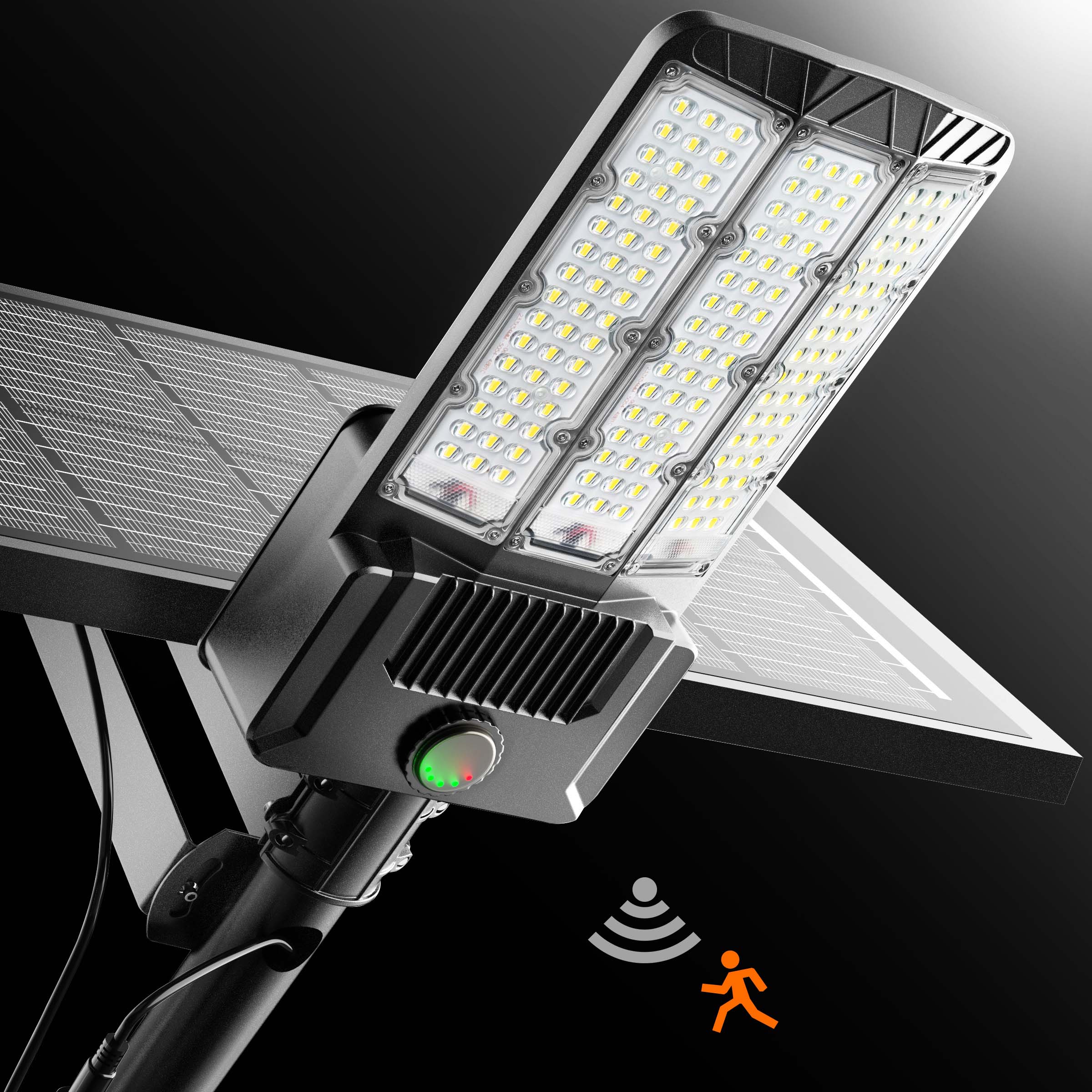
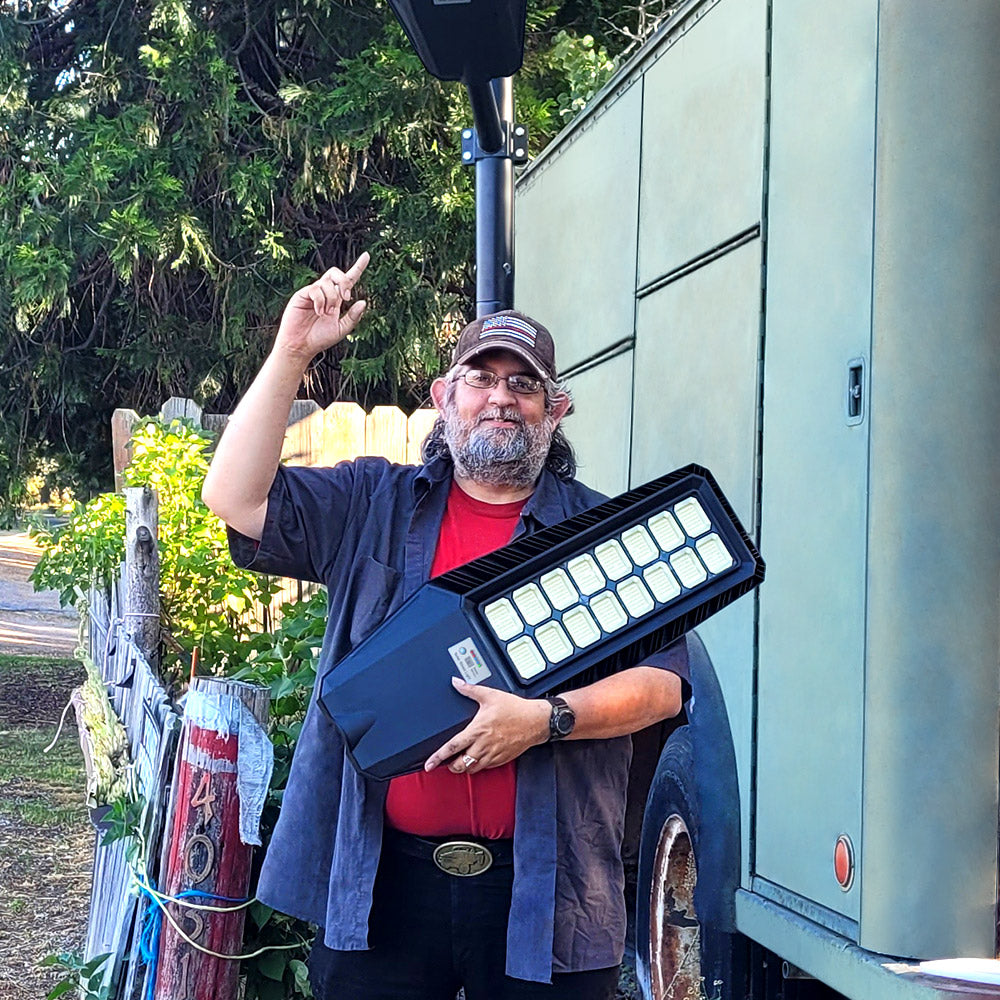
For your pergola or porch perimeter, consider solar wall lights that offer warm-toned output. The Hykoont AMS193 is a solid option — it's a 270° wide-angle, 3-head solar wall light that puts out 3000 lumens and runs in three modes (motion-activated, dim always-on, or full brightness). At $25 for a 2-pack, it's an easy upgrade that won't attract every moth in the neighborhood.

3000LM · 3 Modes · Replaceable Battery · IPX4
$25.00
Shop Now →
Step 4: Deploy a Solar Bug Zapper — The Right Way
Bug zappers get a bad reputation, mostly because people use them wrong. Placed correctly, a quality UV bug zapper is one of the most effective tools you have. Placed incorrectly, it's just a light show that kills moths while mosquitoes ignore it.
The Placement Problem
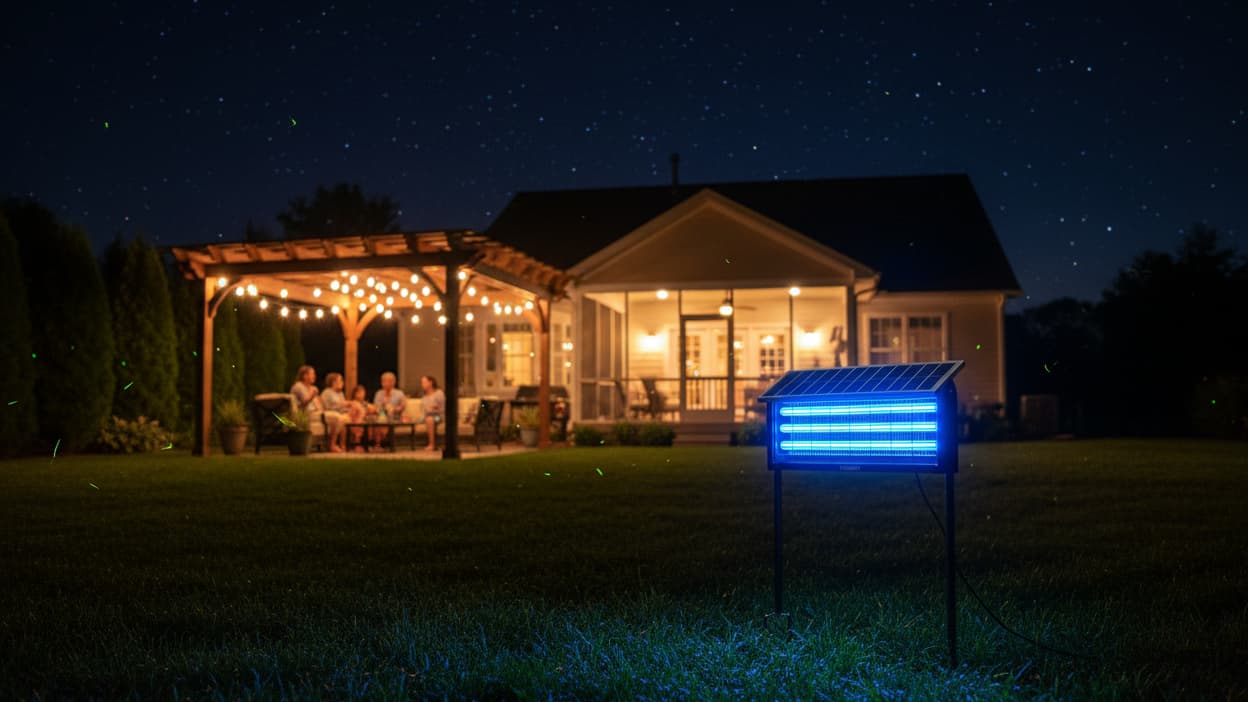
Here's the thing most people don't know: bug zappers work by attracting insects with UV light. If you put the zapper on your porch, you're drawing bugs toward your porch. The zapper should be placed 20–30 feet away from where you're sitting, ideally upwind, so it pulls bugs away from your space rather than into it.
What to Look for in a Bug Zapper
- UV tube count: More tubes = larger attraction radius. Triple-tube designs cover significantly more area than single-tube units.
- Solar-powered: No extension cords, no electricity costs, works anywhere in your yard
- Dusk-to-dawn operation: Automatically turns on when bugs are most active and off at sunrise
- IPX4 or better waterproofing: It's going to get rained on
- Dual installation options: Ground stake for yard placement, hanging hook for pergola beams
Our Pick: Hykoont 19W Solar Bug Zapper (Standard)
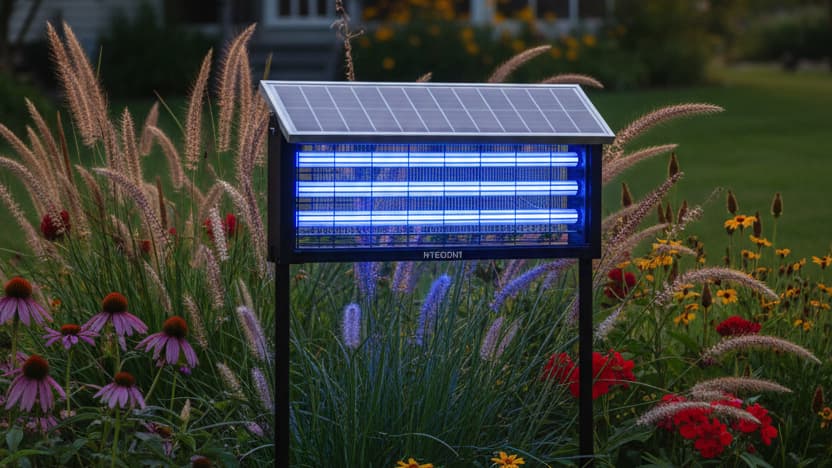
For most screen porches and pergolas, the Hykoont 19W Solar LED Bug Zapper Standard hits the sweet spot. It runs three UV tubes, charges via solar panel during the day, and operates automatically from dusk to dawn. The IPX4 rating means it handles rain without issue, and you can either stake it in the ground 20–30 feet from your seating area or hang it from a pergola beam at the perimeter.
Coverage area is substantial — enough for a typical backyard patio setup. At $95, it's a one-time purchase that replaces years of citronella candles, bug sprays, and replacement coils.

Triple UV Tubes · Ground Stake & Hanging · IPX4 · Dusk-to-Dawn
$95.00
Shop Now →
For Larger Properties: Hykoont 30W Solar Bug Zapper Pro
If you have a larger yard, a bigger pergola, or you're dealing with a serious mosquito problem, step up to the Hykoont 30W Solar LED Bug Zapper Pro. The Pro version runs the same triple-tube UV design but at higher wattage, which means a larger attraction radius and more effective coverage for bigger outdoor spaces.
It's the same dusk-to-dawn solar operation, same dual installation flexibility — just more power where you need it. At $159, it's the right call for anyone with a half-acre or more, or anyone who's tried a smaller zapper and found it wasn't cutting it.

Triple UV Tubes · Dusk-to-Dawn · Solar Powered · Pro Coverage
$159.00
Shop Now →
Step 5: Add a Perimeter Lighting Layer That Works Double Duty
Here's a strategy that most people don't think about: use bright perimeter lighting to create a "bug buffer zone" around your property, while keeping your actual seating area lit with warm, low-UV light.
The idea is simple. Bright, high-lumen lights at the edges of your yard attract insects to the perimeter — away from where you're sitting. Pair those perimeter lights with your bug zapper (also at the perimeter), and you've created a zone that pulls bugs away from your porch rather than toward it.
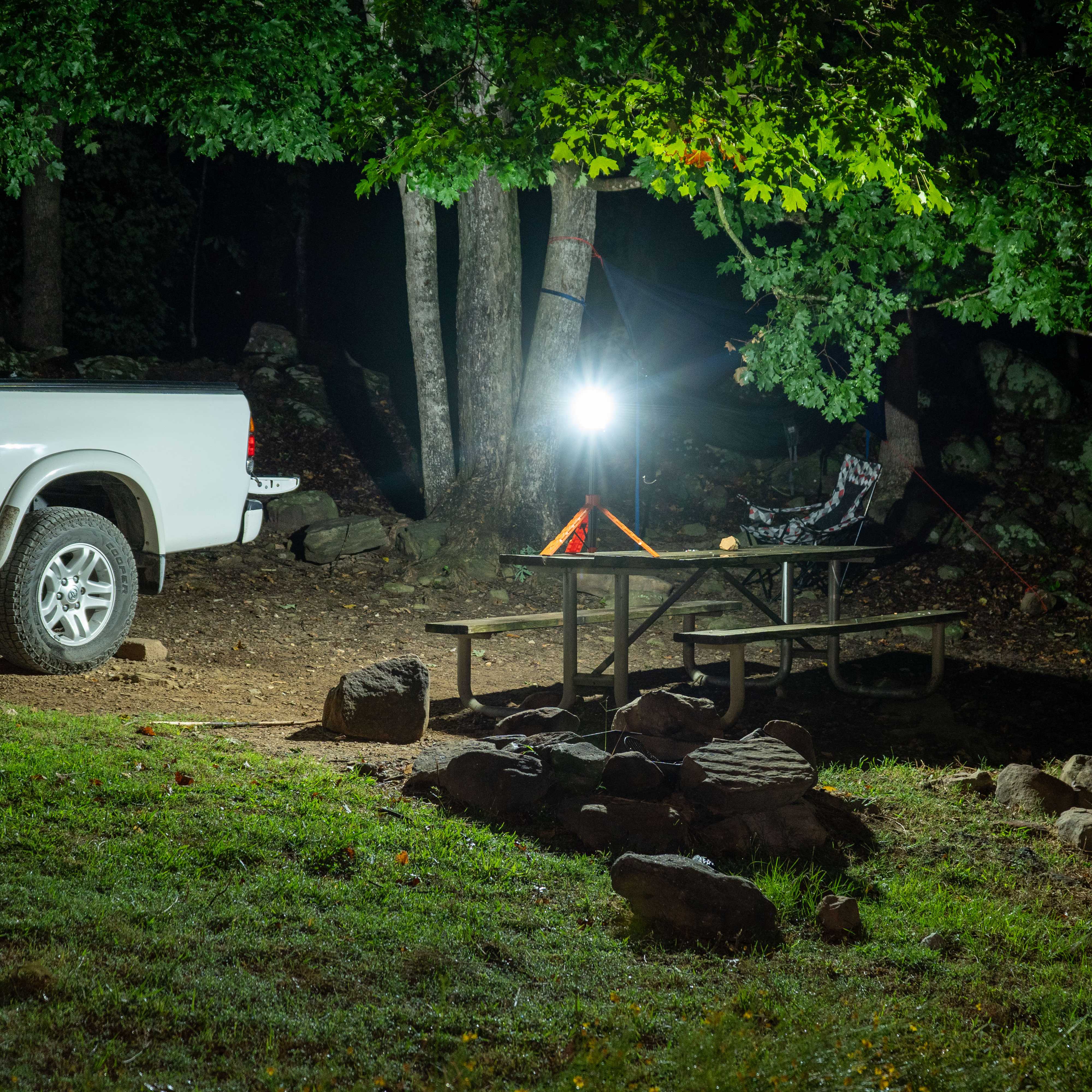
For this perimeter role, you want something with serious output. The Hykoont OK30A Enhanced Solar Flood Light is built for exactly this kind of application. It's a 30W solar flood light with a 144Wh battery capacity, rated to work in temperatures from -20°C to 60°C, and capable of running up to 72 hours on a full charge. That's not a typo — 72 hours of runtime means even a stretch of cloudy days won't leave your perimeter dark.
Mount one or two of these at the far corners of your yard or along the fence line. They'll light up the perimeter, attract insects away from your seating area, and give your property a polished, well-lit look that also deters trespassers. At $240, it's a serious piece of hardware for serious outdoor spaces.


144WH Battery · 72Hr Runtime · -20°C~60°C · Wide Temp Range
$240.00
Shop Now →
Step 6: Supplement with Natural Repellents (That Actually Work)
We're not going to tell you to plant lemongrass and call it a day. Most "natural repellent" advice online is wildly overstated. But a few things genuinely help when used as part of a layered approach:
Fans
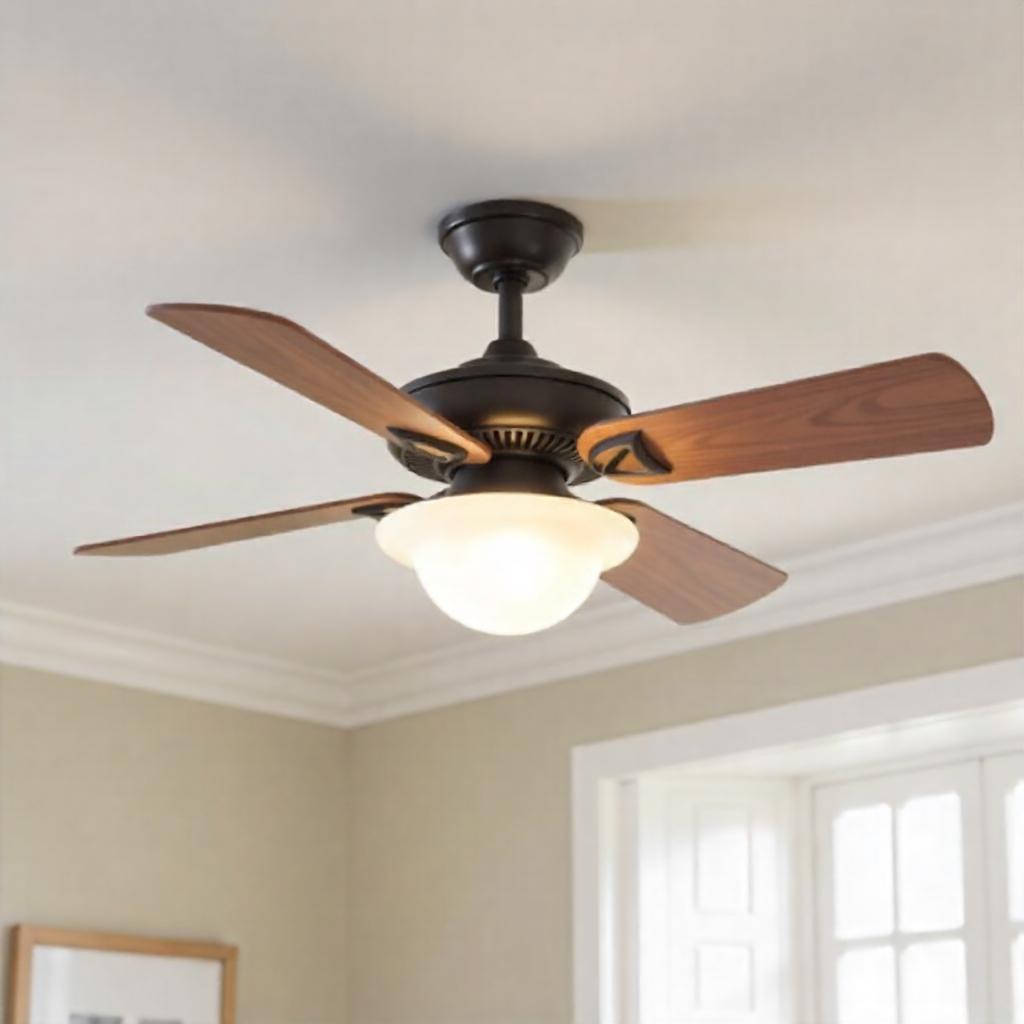
This is probably the most underrated tip in this entire article. Mosquitoes are weak fliers. A box fan or ceiling fan running at medium speed creates enough airflow to make it physically difficult for mosquitoes to land on you. It also disperses the CO₂ plume you're exhaling, making it harder for them to track you. A $40 box fan can meaningfully reduce mosquito bites on your porch.
Essential Oil Diffusers
Citronella, eucalyptus, and lavender have some evidence behind them — but only at close range (within a few feet). An outdoor diffuser or candle on the table next to you can reduce bites in your immediate vicinity. Don't expect it to protect the whole porch.
Permethrin-Treated Fabrics
If you have outdoor curtains or cushion covers, treating them with permethrin (a synthetic version of a naturally occurring insecticide) creates a contact repellent surface. Bugs that land on treated fabric are repelled or killed. It's odorless, safe for humans and pets once dry, and lasts through several washes.
Mosquito-Repelling Plants
Catnip, basil, and marigolds have some evidence of repellent properties — but only when the leaves are crushed or bruised. A potted basil plant sitting on your porch table isn't doing much unless you're actively rubbing the leaves. That said, they look nice and smell good, so there's no reason not to have them.
Step 7: Personal Protection as a Last Line of Defense
Even with all of the above in place, you might still get the occasional bite. Personal protection is your last line of defense, not your first.
- DEET (20–30%): Still the gold standard for mosquito repellent. Apply to exposed skin and clothing. Effective for 4–8 hours depending on concentration.
- Picaridin: As effective as DEET, less greasy, no plastic-dissolving issues. A good alternative if you find DEET uncomfortable.
- IR3535: Gentler option, good for kids. Less effective than DEET or picaridin but still meaningful protection.
- Clothing: Long sleeves and pants in light colors reduce exposed skin. Mosquitoes are attracted to dark colors (they absorb more heat).

Putting It All Together: A Layered Bug-Proofing System
The reason most people's bug-proofing efforts fail is that they rely on a single solution. One citronella candle. One bug zapper on the porch. One coat of bug spray. None of these work well in isolation.
What works is layers. Here's a practical setup for a typical screen porch or pergola:
- Eliminate breeding grounds within 100 feet — standing water, clogged gutters, plant saucers
- Fix or add physical barriers — patch screens, add mosquito netting or curtains to your pergola
- Switch to warm-white lighting on your porch/pergola — less UV, fewer bugs drawn in
- Place a solar bug zapper 20–30 feet away, upwind of your seating area — draws bugs away from you
- Add bright perimeter lighting at the edges of your yard — creates a bug buffer zone
- Run a fan while you're sitting outside — disrupts mosquito flight and CO₂ tracking
- Apply personal repellent for any remaining exposure
This isn't complicated or expensive. The solar-powered components pay for themselves quickly compared to ongoing costs of candles, sprays, and coils. And once it's set up, most of it runs automatically — you don't have to think about it every evening.
Seasonal Maintenance: Keeping It Working All Summer
A bug-proofing system needs occasional upkeep to stay effective.
Monthly
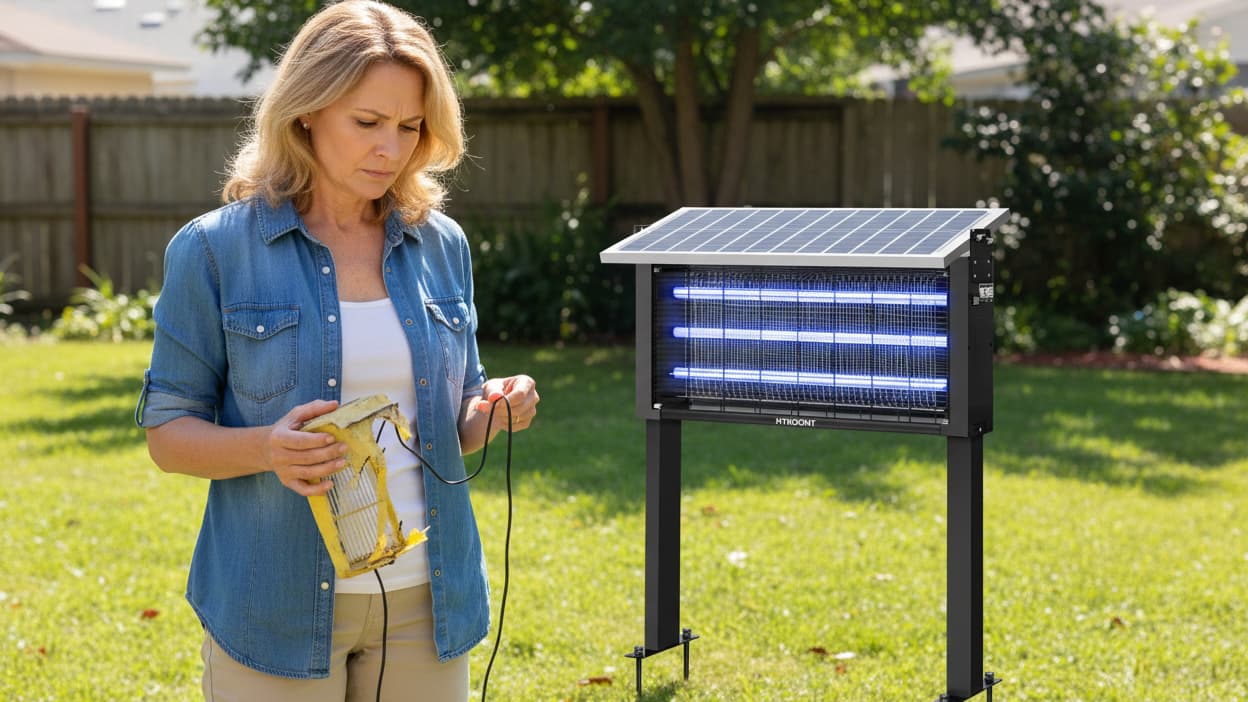
- Clean the bug zapper's collection tray (dead insects accumulate and can reduce effectiveness)
- Check solar panels for dust, pollen, or debris that reduces charging efficiency
- Inspect screens for new damage
- Empty any standing water that's accumulated
Seasonally (Spring and Fall)
- Clean gutters
- Inspect and replace UV tubes in your bug zapper if output seems reduced (typically every 1–2 seasons)
- Check permethrin treatment on fabrics and reapply if needed
- Trim vegetation near the porch that provides daytime resting spots for mosquitoes
After Heavy Rain
- Walk the yard and eliminate any new standing water
- Check that solar panels are clean and angled correctly
Quick Product Comparison: Which Bug Zapper Is Right for You?
| Feature | Hykoont 19W Standard ($95) | Hykoont 30W Pro ($159) |
|---|---|---|
| UV Tubes | Triple | Triple |
| Wattage | 19W | 30W |
| Power Source | Solar | Solar |
| Operation | Dusk-to-Dawn Auto | Dusk-to-Dawn Auto |
| Installation | Ground Stake + Hanging | Ground Stake + Hanging |
| Waterproofing | IPX4 | IPX4 |
| Best For | Standard patios, small–medium yards | Large yards, serious infestations |
Ready to take back your evenings?
Shop our full range of solar bug zappers and outdoor lighting — no wiring, no electricity costs, just effective pest control that runs itself.
Shop 19W Bug Zapper — $95 Shop 30W Pro — $159Frequently Asked Questions
Do bug zappers actually work for mosquitoes?
Yes and no — it depends on placement and type. Standard bug zappers attract insects with UV light, and mosquitoes are somewhat attracted to UV. But mosquitoes are more strongly attracted to CO₂ and body heat, so a zapper alone won't eliminate them. The key is placement: put the zapper 20–30 feet away from your seating area so it draws bugs away from you rather than toward you. Used this way, a quality solar bug zapper like the Hykoont 19W or 30W Pro meaningfully reduces the mosquito population around your space.
What's the best placement for a solar bug zapper near a pergola?
Place it 20–30 feet from your seating area, ideally upwind. If you're hanging it from a pergola beam, put it at the far end or corner — not directly above where people sit. The goal is to attract bugs to the zapper's location, not to your location. Ground stake placement in the yard, away from the pergola, is often more effective than hanging it on the structure itself.
How long do solar bug zappers run at night?
A fully charged solar bug zapper typically runs 8–12 hours, which covers a full night from dusk to dawn. The Hykoont models are designed for dusk-to-dawn automatic operation. On cloudy days, charging is reduced, but most quality solar zappers have enough battery capacity to run through a night even after a partly cloudy day.
Are solar bug zappers safe around kids and pets?
Yes, when placed correctly. The electric grid inside the zapper is enclosed and requires deliberate contact to touch. Keep them out of reach of small children (above 5 feet when hanging, or in a location kids don't play near when staked). They're safe for pets — dogs and cats generally ignore them. The UV light is not harmful to humans or animals at normal distances.
What type of light bulb is least attractive to bugs?
Warm white LEDs in the 2700K–3000K range are the least attractive to most flying insects. Bugs are drawn to UV and blue-spectrum light; warm amber tones fall outside that range. Yellow "bug lights" work on the same principle. Avoid cool white LEDs (5000K+), fluorescent lights, and incandescent bulbs for your porch and pergola lighting.
Can I use a bug zapper and citronella candles together?
Absolutely — they work through different mechanisms and complement each other. The bug zapper attracts and kills insects at a distance; citronella creates a close-range repellent barrier around your seating area. Just make sure the zapper is placed away from the candles so it's drawing bugs away from your space, not toward the candles near where you're sitting.
How do I keep bugs out of a pergola without screens?
A layered approach works best: (1) hang mosquito netting around the perimeter, (2) run a fan to disrupt mosquito flight, (3) use warm-white lighting instead of cool-white or fluorescent, (4) place a solar bug zapper 20–30 feet away, and (5) eliminate standing water nearby. No single solution is perfect for an open pergola, but combining these methods makes a significant difference.
How often do I need to clean a solar bug zapper?
Check the collection tray monthly during peak season (May–September). Dead insects accumulate and can reduce the zapper's effectiveness if the tray gets too full. Also wipe down the solar panel periodically — dust and pollen reduce charging efficiency. UV tubes typically last 1–2 seasons before output degrades enough to warrant replacement.
Do I need to run the bug zapper all night?
Mosquitoes are most active at dusk and dawn, so those are the critical windows. The Hykoont solar zappers run automatically from dusk to dawn, which covers both peak periods. If battery life is a concern after cloudy days, you can manually turn the unit off after midnight — mosquito activity drops significantly in the middle of the night.
What's the difference between the Hykoont 19W and 30W bug zappers?
Both use triple UV tubes and solar power with dusk-to-dawn operation. The 30W Pro runs at higher wattage, which means a larger UV attraction radius and more effective coverage for bigger spaces. The 19W Standard ($95) is the right choice for most residential patios and small-to-medium yards. The 30W Pro ($159) is better suited for larger properties, bigger pergolas, or situations where the standard model hasn't been sufficient.


Leave a comment
This site is protected by hCaptcha and the hCaptcha Privacy Policy and Terms of Service apply.