








Here's something most people don't realize: the mosquitoes you're dealing with in September and October are actually more aggressive than the ones you swatted away in July.
It's not your imagination. Late-season mosquitoes are in full survival mode. They know cold weather is coming, and they're doing everything they can to feed, mate, and lay eggs before the season ends. That means they're biting harder, more persistently, and at times of day you might not expect. That pleasant October evening on your back porch? Prime time for the most determined mosquitoes of the year.
The good news: fall is actually the best time to get serious about mosquito control. Knock them back now, and you're not just reclaiming your October evenings — you're also reducing next year's population before they get a chance to overwinter and lay eggs.
This guide covers why late-season mosquitoes behave differently, what actually works to control them in fall, and how to set up a yard that stays clear through the end of the season.
Why Fall Mosquitoes Hit Different
To understand why late-season mosquitoes are so relentless, you need to understand their life cycle and what triggers their behavior.
They're Racing the Clock
Most mosquito species in the US don't survive winter as adults. Instead, they lay eggs in late fall that overwinter in a dormant state, hatching the following spring. Female mosquitoes need blood meals to produce viable eggs — so in September and October, every female you see is on a mission. She's not just hungry. She's trying to complete her reproductive cycle before temperatures drop below 50°F, which is when mosquito activity essentially stops.
This urgency makes them more persistent. They'll follow you longer, bite through lighter clothing, and tolerate more disturbance before giving up. If you've noticed mosquitoes seem "worse" in fall even though there are fewer of them, this is why.
Cooler Temperatures Change Their Patterns
In summer, mosquitoes are most active at dawn and dusk because midday heat is too intense for them. In fall, cooler temperatures mean they can be active throughout the day — including mid-morning and early afternoon, times when you might not think to apply repellent or turn on your bug zapper.
They also tend to stay lower to the ground in cooler weather, which means they're more likely to be at ankle and leg height rather than flying around your face. Annoying in a different way.
Standing Water Is Everywhere After Fall Rains
Fall rain patterns in most of the US create ideal breeding conditions. Leaves clog gutters and hold water. Low spots in the lawn that dried out in summer fill back up. Tarps, furniture covers, and outdoor equipment collect water after every rain. All of this gives late-season mosquitoes exactly what they need to keep breeding right up until the first hard frost.

The Fall Mosquito Control Window: Why Now Matters
There's a strategic reason to get aggressive about mosquito control in September and October specifically, beyond just wanting to enjoy your yard.
Mosquito populations follow a curve. They build through spring and peak in midsummer, then begin declining as temperatures drop. By late September, you're dealing with a smaller but more motivated population. If you can disrupt their breeding cycle now — eliminating standing water, reducing the adult population with zappers, and cutting off their resting spots — you're not just solving this fall's problem. You're reducing the number of overwintering eggs that will hatch next spring.
Think of it as getting ahead of next year's season while also reclaiming the last weeks of outdoor weather this year. That's a pretty good return on a few hours of yard work and a solar bug zapper.
Step 1: The Fall Breeding Ground Sweep
This is the most important thing you can do, and it costs nothing. Late-season mosquitoes are actively looking for places to lay their final eggs of the year. Deny them that opportunity.
Gutters — Your Biggest Blind Spot
Fall leaves clog gutters fast, and clogged gutters hold water for weeks. A single clogged gutter section can support thousands of mosquito larvae. Clean your gutters in early September and again in mid-October. If you have a lot of trees, consider gutter guards.
Leaf Piles and Ground Cover
Wet leaf piles hold moisture and create shaded, humid resting spots that mosquitoes love. Rake and bag or compost leaves regularly rather than letting them accumulate. Pay particular attention to areas near your porch, patio, or pergola.
Lawn Low Spots
Walk your yard after a rain and note anywhere water pools for more than 24 hours. These are breeding sites. Filling low spots with topsoil or improving drainage eliminates them permanently. For the short term, just check these areas after every rain and disrupt any standing water.
Outdoor Furniture and Equipment
Furniture covers, tarps, wheelbarrows, buckets, kids' toys — anything that can hold water will. Do a sweep of your yard and either store items that aren't being used or flip them so they can't collect water. This takes 20 minutes and makes a real difference.
Bird Baths and Water Features
Change bird bath water every 2–3 days. For ponds or water features, add mosquito dunks (Bti) — they're safe for fish, birds, and wildlife but kill mosquito larvae effectively. One dunk treats 100 square feet of water for 30 days.

Step 2: Cut Off Their Daytime Hiding Spots
Adult mosquitoes don't fly constantly — they spend most of the day resting in cool, shaded, humid spots near the ground. In fall, dense vegetation near your house gives them exactly this. Eliminating these resting spots forces them to find shelter elsewhere, reducing the population near your outdoor living areas.
- Trim tall grass and weeds within 20 feet of your porch or patio, especially along fence lines and foundation plantings
- Thin dense shrubs that create humid, shaded interiors — mosquitoes love the inside of an overgrown boxwood hedge
- Clear ground-level debris — wood piles, stacked pots, and similar clutter create perfect resting habitat
- Rake under trees where fallen leaves create a moist, shaded layer at ground level
This doesn't mean you need to denude your yard. Strategic trimming near your outdoor living areas is enough to meaningfully reduce the resting population nearby.
Step 3: Deploy Your Bug Zapper — Fall Placement Strategy
A solar bug zapper is one of the most effective tools for reducing the adult mosquito population in your yard, and fall is actually when they work best. Here's why: with a smaller overall population, each zapper has a higher proportional impact. You're not fighting an endless summer supply — you're working through a finite late-season population.
Fall Placement Is Different from Summer
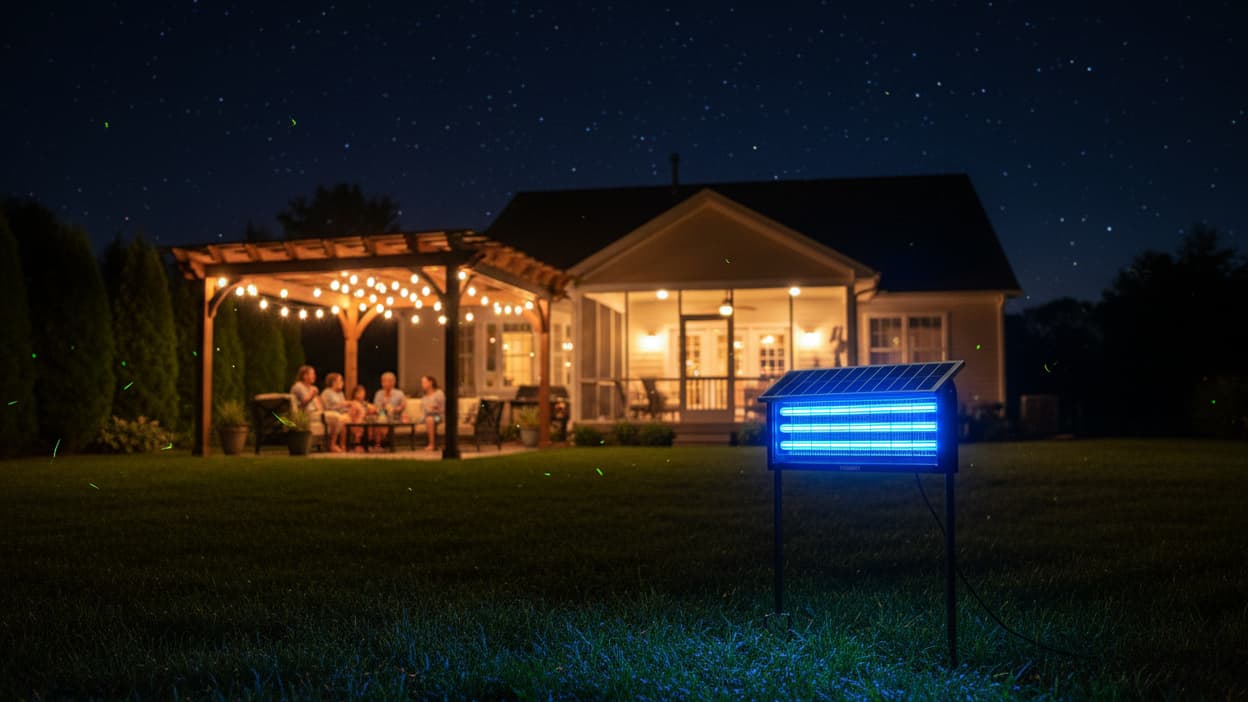
In summer, you place the zapper 20–30 feet from your seating area to draw bugs away. In fall, you can be more aggressive. Because mosquitoes are active throughout the day (not just dusk), consider running your zapper during daylight hours too if your model supports it. Also consider placing a second unit at the far end of your yard to create a wider capture zone.
Hykoont 19W Solar Bug Zapper — Standard
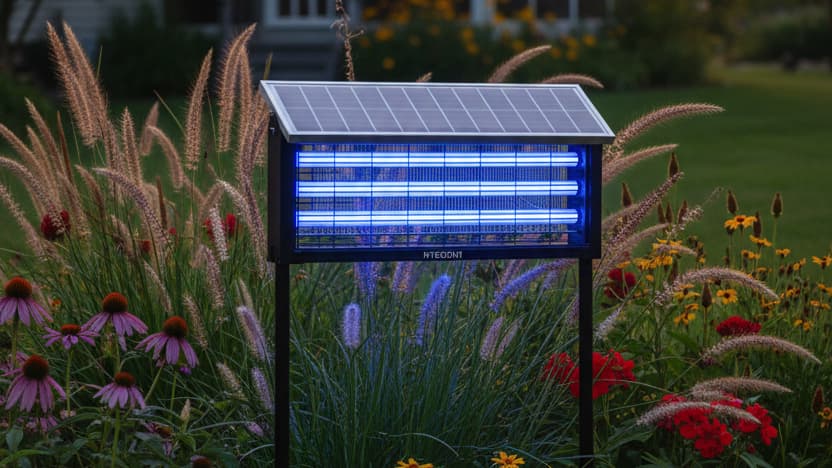
For most residential yards, the Hykoont 19W Solar LED Bug Zapper Standard is the right tool. Triple UV tubes attract mosquitoes and flying insects across a wide area. Solar-powered, so no extension cords or electricity costs. Dusk-to-dawn automatic operation means it's running every night without you thinking about it. The IPX4 waterproof rating handles fall rain without issue, and the dual installation options — ground stake or hanging hook — give you flexibility to position it wherever it'll be most effective.
At $95, it's a one-season investment that pays for itself quickly compared to ongoing costs of sprays, coils, and candles.

Triple UV Tubes · Ground Stake & Hanging · IPX4 · Dusk-to-Dawn Auto
$95.00
Shop Now →
Hykoont 30W Solar Bug Zapper Pro — For Larger Yards
If your yard is a half-acre or more, or you've tried a standard zapper and found it wasn't keeping up, the Hykoont 30W Solar LED Bug Zapper Pro is the upgrade. Higher wattage means a larger UV attraction radius — more of your yard is covered, and the capture rate goes up accordingly. Same solar-powered, dusk-to-dawn automatic operation, same dual installation flexibility, just more power where you need it.
In fall, when you're trying to knock down the overwintering population before it lays eggs, the Pro's wider coverage area makes a real difference. At $159, it's the right call for serious yards.

Triple UV Tubes · Higher Wattage · Dusk-to-Dawn · Solar Powered
$159.00
Shop Now →
Step 4: Use Lighting Strategically — The Fall Perimeter Approach
Lighting strategy matters more in fall than most people realize. Here's the core idea: use bright perimeter lighting at the edges of your yard to attract insects away from your living areas, while keeping your porch and patio lit with warm, low-UV light that doesn't draw bugs in.
In fall, this approach is especially effective because the mosquito population is smaller and more concentrated. A well-placed perimeter light paired with a bug zapper creates a powerful draw zone at the edges of your property, pulling the remaining population away from where you spend time.
Warm Light on Your Porch — Less Attractive to Bugs
Switch any cool-white or fluorescent porch lights to warm white LEDs (2700K–3000K). The amber-toned spectrum is far less attractive to flying insects than the blue-heavy light from cool bulbs. The Hykoont AMS193 solar wall light is a practical choice here — 3000 lumens across three adjustable heads, three operating modes, and a replaceable battery. At $25 for a 2-pack, it's an easy swap that reduces bug attraction at your porch entry points.

3000LM · 3 Modes · Replaceable Battery · IPX4
$25.00
Shop Now →
Bright Perimeter Lighting — The Bug Buffer Zone
At the far corners and edges of your yard, you want the opposite: bright, high-output lights that attract insects to the perimeter. Pair these with your bug zapper and you've created a zone that pulls mosquitoes away from your house and toward the capture point.
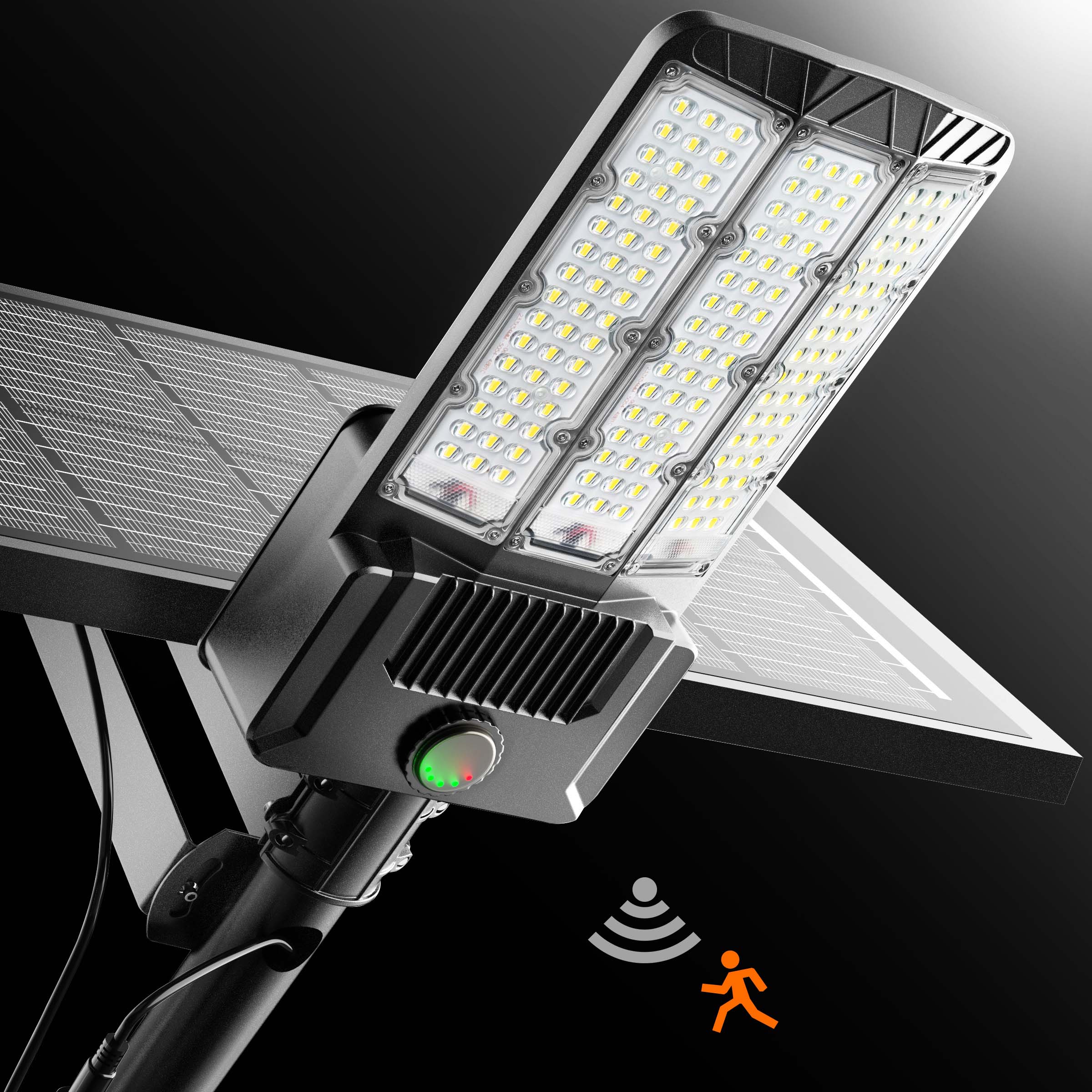
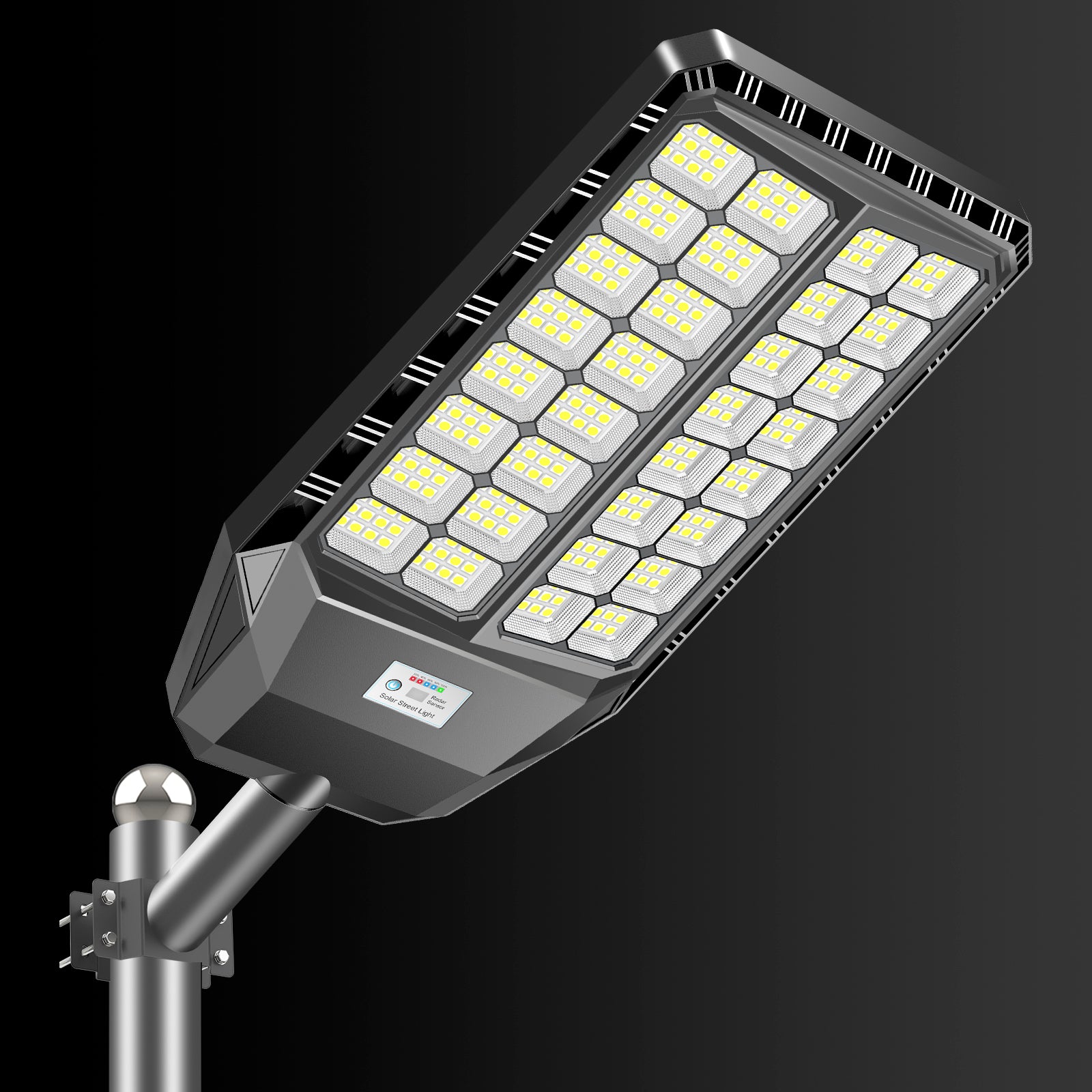
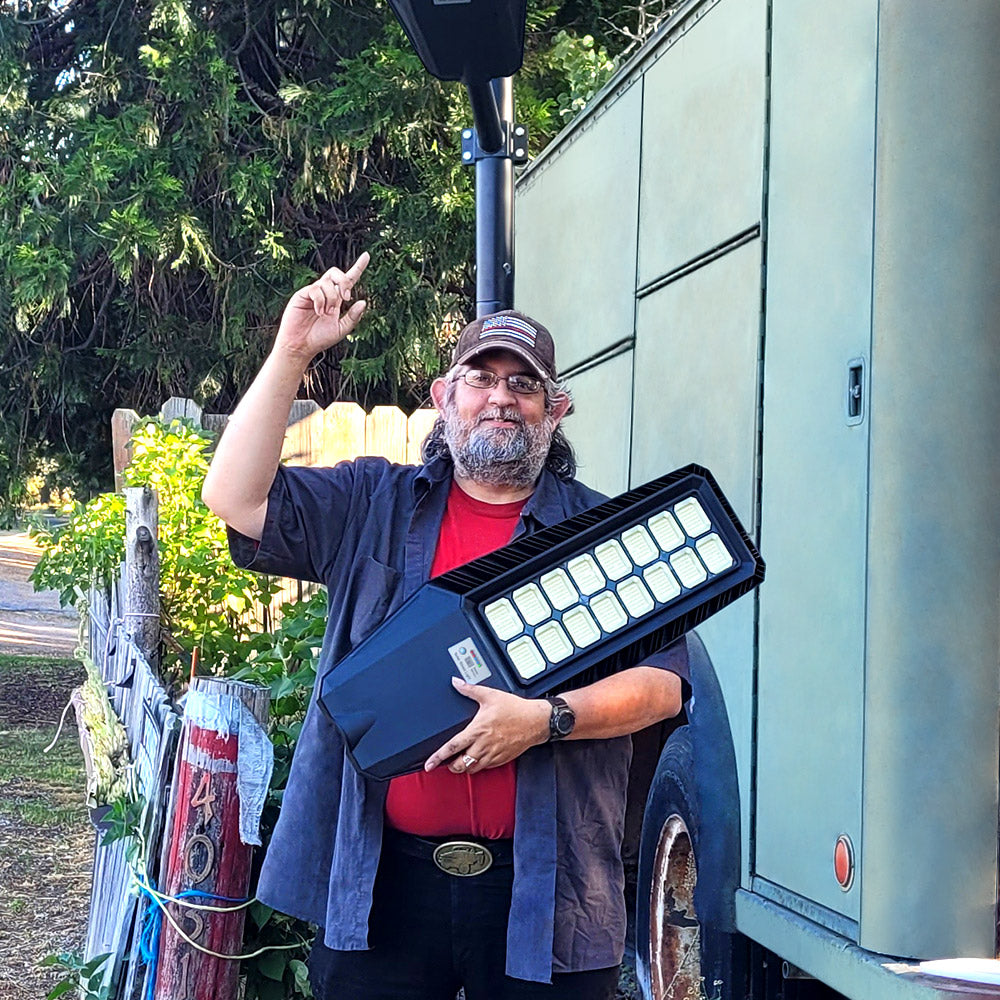
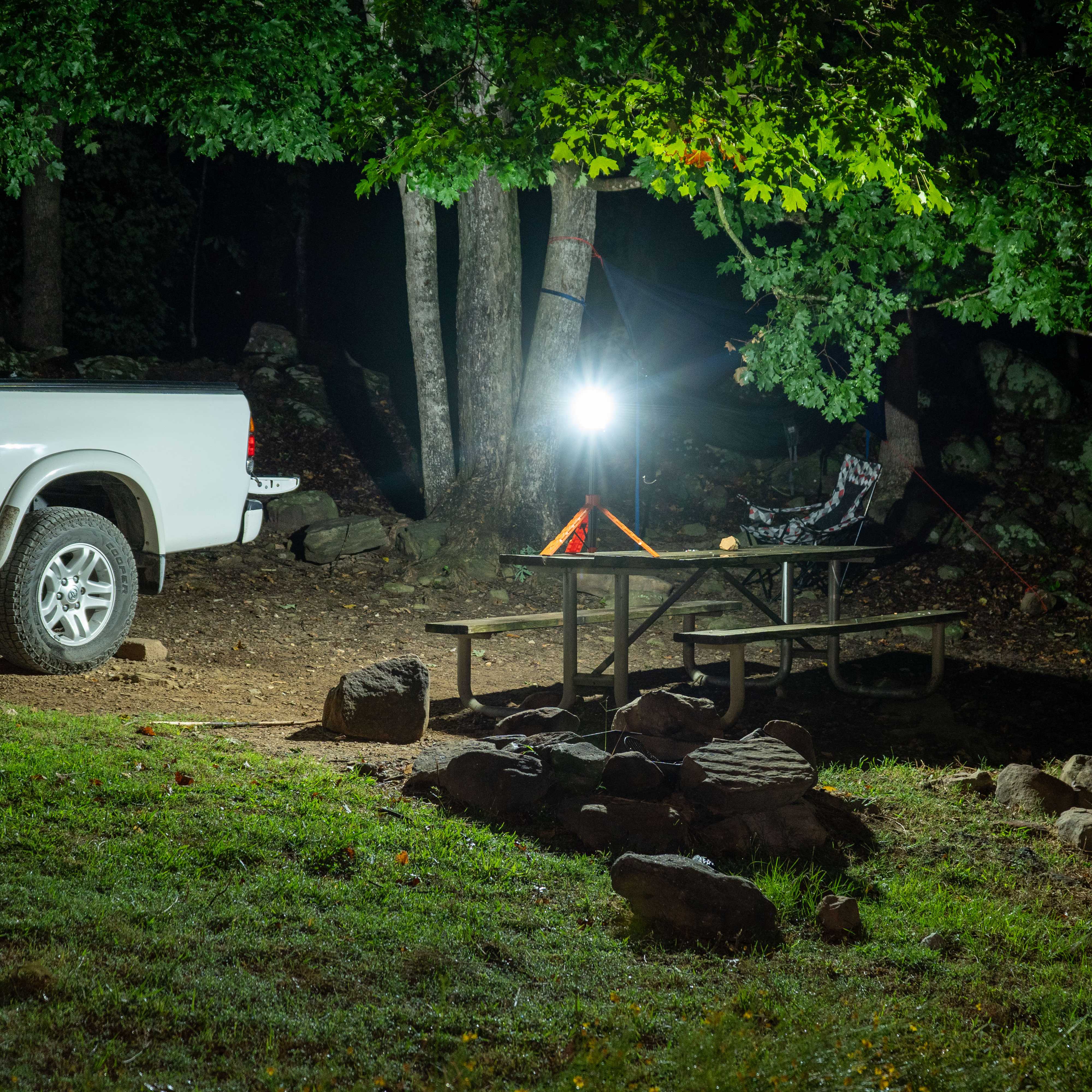
The Hykoont OK30A Enhanced Solar Flood Light is built for this role. It's a 30W solar flood light with a 144Wh battery that can run up to 72 hours on a full charge — meaning even a stretch of cloudy fall days won't leave your perimeter dark. The operating temperature range (-20°C to 60°C) means it keeps working as temperatures drop through October and into November. Mount one at each far corner of your yard and let it do its job all season.
At $240, it's a serious piece of hardware — but it's also a permanent installation that works year-round for security lighting, not just mosquito season.


144WH Battery · 72Hr Runtime · -20°C~60°C · Wide Temp Range
$240.00
Shop Now →
Step 5: Treat Your Yard — Fall Spray Timing
If you want to go beyond physical controls, fall is actually the best time of year to apply yard treatments. Here's why: the mosquito population is smaller and more concentrated, so treatments are more effective per application. And because you're targeting the last generation of the season, a well-timed treatment can significantly reduce overwintering egg counts.
Barrier Sprays
Permethrin-based barrier sprays applied to vegetation, fence lines, and the perimeter of your yard kill mosquitoes on contact and leave a residual effect for 3–4 weeks. In fall, one or two applications in September and early October can dramatically reduce the population through the end of the season.
Apply in the evening when mosquitoes are most active and resting in vegetation. Focus on the undersides of leaves, dense shrubs, and shaded areas near the ground — where mosquitoes actually rest. Avoid spraying flowering plants when pollinators are active.
Larvicide Treatments
For any standing water you can't eliminate — ponds, drainage ditches, low spots that stay wet — Bti dunks or granules kill larvae without harming other wildlife. Apply after every significant rain event in fall, since new larvae hatch continuously until temperatures drop below 50°F.
Timing Matters
The window for effective fall treatment is roughly mid-September through mid-October in most of the US. After that, temperatures drop enough that mosquito activity slows significantly on its own. Getting treatments in during this window gives you the best return on effort.
Step 6: Personal Protection for the Last Weeks of the Season
Even with all of the above in place, late-season mosquitoes are persistent enough that personal protection is worth maintaining through October.
- DEET (20–30%): Still the most effective option. Apply to exposed skin and clothing. Effective for 4–8 hours.
- Picaridin: As effective as DEET, less greasy, no issues with plastics or synthetic fabrics. A good choice for fall outdoor activities.
- Clothing: As temperatures drop, you're naturally wearing more — long sleeves and pants significantly reduce exposed skin. Light colors are less attractive to mosquitoes than dark ones.
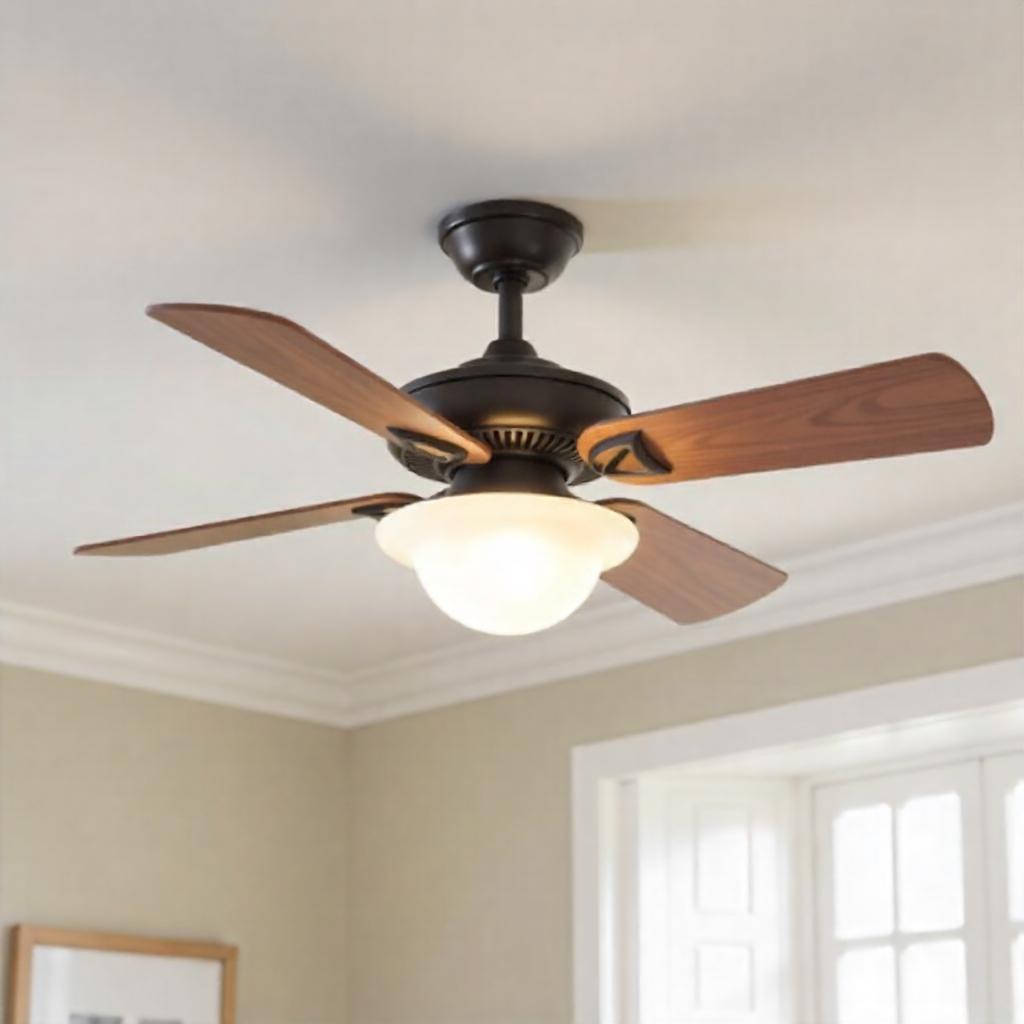
- Fans: Running a fan on your porch or patio disrupts mosquito flight and disperses the CO₂ plume that attracts them. Effective and free if you already have one.

The Fall Mosquito Control Timeline: Week by Week
Here's a practical schedule for getting your yard under control before cold weather arrives:
Early September
- Clean gutters — first fall cleaning before leaves really start dropping
- Do a full yard sweep for standing water sources
- Deploy or reposition your solar bug zapper for fall coverage
- Apply first barrier spray treatment to vegetation and fence lines
- Trim tall grass and dense shrubs near outdoor living areas
Mid-September to Early October
- Apply second barrier spray treatment if needed
- Add mosquito dunks to any persistent standing water
- Continue raking leaves regularly to eliminate resting habitat
- Check and clean bug zapper collection tray
- Switch porch lights to warm-white LEDs if you haven't already
Mid-October
- Clean gutters again — peak leaf drop
- Final yard sweep for standing water
- Continue running bug zapper through first frost
- Store or cover outdoor furniture to eliminate water collection points
After First Frost
- Adult mosquito activity stops — you're done for the season
- Clean and store bug zapper or leave in place (solar units handle winter fine)
- Note any persistent standing water issues to address before next spring
What to Expect: Realistic Results
Let's be honest about what fall mosquito control can and can't do.
What it can do: Significantly reduce the adult mosquito population in your yard, making outdoor evenings genuinely more comfortable through October. Reduce overwintering egg counts, which means a lower starting population next spring. Eliminate the most productive breeding sites before the season ends.
What it can't do: Eliminate every mosquito. If you live near a wetland, drainage ditch, or neighbor with a neglected yard, you'll always have some mosquito pressure regardless of what you do on your own property. The goal is reduction, not elimination.
A realistic outcome from a solid fall control effort: noticeably fewer bites, the ability to sit outside in the evening without constant swatting, and a head start on next year's season. That's worth the effort.

Quick Comparison: Which Bug Zapper for Fall?
| Feature | Hykoont 19W Standard ($95) | Hykoont 30W Pro ($159) |
|---|---|---|
| UV Tubes | Triple | Triple |
| Coverage | Standard residential yard | Large yard / half-acre+ |
| Power | Solar, no wiring | Solar, no wiring |
| Operation | Dusk-to-Dawn Auto | Dusk-to-Dawn Auto |
| Waterproof | IPX4 | IPX4 |
| Install Options | Ground Stake + Hanging | Ground Stake + Hanging |
| Best For Fall | Most homeowners | Larger properties, serious infestations |
Don't let mosquitoes have the last word this season.
Get your solar bug zapper in place now and take back your October evenings — before the first frost ends your outdoor season for good.
Shop 19W Standard — $95 Shop 30W Pro — $159Frequently Asked Questions
Are mosquitoes really worse in fall, or does it just feel that way?
They're genuinely more aggressive, not just a perception. Late-season female mosquitoes are in reproductive overdrive — they need blood meals to produce overwintering eggs before temperatures drop. This makes them more persistent, more willing to bite through light clothing, and active at times of day (like mid-morning) when summer mosquitoes typically aren't. The population is smaller, but each individual mosquito is more motivated.
When do mosquitoes stop being active in fall?
Mosquito activity drops significantly when temperatures consistently fall below 50°F (10°C). In most of the US, this happens sometime between mid-October and mid-November depending on your region. The Southeast and Gulf Coast states see mosquito activity later into fall and sometimes year-round. The first hard frost typically ends adult mosquito activity for the season, though eggs and larvae can survive in dormant states through winter.
Does killing fall mosquitoes actually reduce next year's population?
Yes, meaningfully so. Female mosquitoes that don't complete a blood meal can't lay viable eggs. Reducing the late-season adult population — through zappers, barrier sprays, and breeding site elimination — directly reduces the number of overwintering eggs in your yard. Fewer eggs means fewer mosquitoes hatching next spring. It's not a complete solution (mosquitoes will always recolonize from surrounding areas), but it gives you a lower starting point each season.
Should I keep running my bug zapper in fall?
Absolutely. Fall is actually when solar bug zappers are most effective on a per-unit basis, because the population is smaller and more concentrated. Keep running it through the first frost. The Hykoont solar models operate automatically from dusk to dawn, so there's no effort required — just let it run. Solar charging is slightly reduced on shorter fall days, but the battery capacity in quality units is sufficient to run through a full night even after a partly cloudy day.
What's the best time to apply barrier spray in fall?
Mid-September through early October is the sweet spot for most of the US. Apply in the evening when mosquitoes are resting in vegetation. Focus on the undersides of leaves, dense shrubs, fence lines, and shaded areas near the ground. A second application 3–4 weeks later extends coverage through the end of the active season. After mid-October, temperatures in most regions drop enough that mosquito activity slows significantly on its own.
Can solar bug zappers handle fall rain and cold temperatures?
Yes, if they're rated for it. The Hykoont 19W and 30W Pro models are both IPX4 waterproof, which means they handle rain and splashing water without issue. They'll operate fine through typical fall weather. For very cold climates (below -10°C / 14°F), you may want to bring the unit inside for winter storage, but through the active mosquito season, they're built for outdoor conditions.
How often should I clean my bug zapper in fall?
Check the collection tray every 2–3 weeks during fall. Activity is lower than peak summer, so it fills more slowly. Also wipe down the solar panel if you notice reduced charging — fall pollen and dust can accumulate. UV tubes typically last 1–2 seasons; if output seems reduced, replacement tubes are available.
Do I need to do anything special to winterize my solar bug zapper?
For mild climates, you can leave it in place year-round — solar units are designed for outdoor exposure. For cold climates with hard freezes, it's worth bringing the unit inside or storing it in a garage or shed for winter. Clean the collection tray, wipe down the solar panel, and store it somewhere dry. It'll be ready to deploy again in spring without any additional maintenance.
Why are mosquitoes biting me during the day in fall?
In summer, midday heat keeps mosquitoes inactive — they shelter in cool, shaded spots during the hottest part of the day. In fall, cooler temperatures mean they can be active throughout the day, including mid-morning and early afternoon. If you're getting bitten at 10am in October, that's normal late-season behavior. Running a fan, wearing light-colored long sleeves, and applying repellent before outdoor activities helps regardless of time of day.
Is it worth buying a bug zapper this late in the season?
Yes, for two reasons. First, you'll get several weeks of use this fall — enough to make a real difference in your outdoor comfort through October. Second, the unit will be ready to deploy at the start of next season, when getting it in place early matters most. A solar bug zapper is a multi-year investment, not a single-season purchase. Buying in fall means you're set up and ready when mosquito season kicks off next spring.



Leave a comment
This site is protected by hCaptcha and the hCaptcha Privacy Policy and Terms of Service apply.