






Let's be honest — you've been planning this for months.
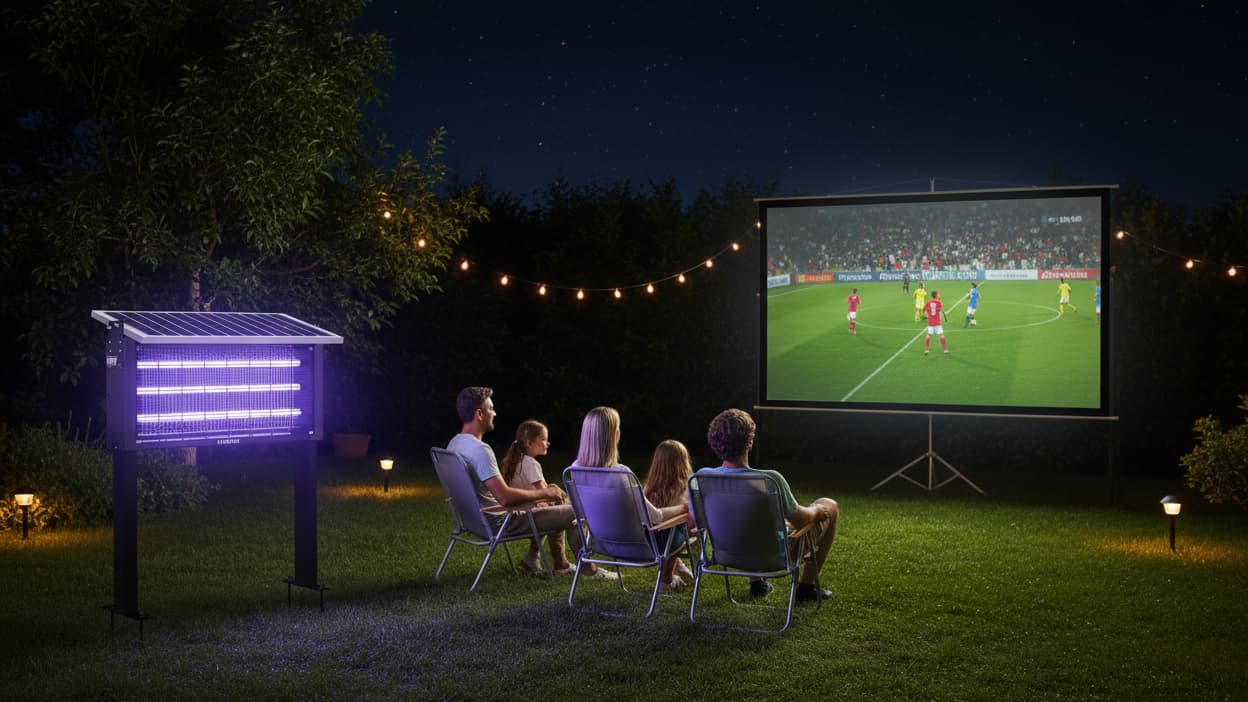
The projector screen is sorted. The cooler is stocked. You've already argued with three different people about who's making the guacamole. Your backyard watch party for World Cup 2026 is going to be legendary.
And then, right around halftime, the mosquitoes show up.
Not one or two. The whole squad. And suddenly everyone's slapping their arms, someone's kid is crying, and your neighbor is asking if you have any bug spray — which you don't, because who remembers bug spray?
Here's the thing: this is a completely solvable problem. And the solution doesn't involve citronella candles that barely work, or DEET that smells like a chemistry lab, or stringing extension cords across your yard to power some plug-in zapper.
It involves a solar bug zapper light. And once you've used one, you'll wonder how you ever hosted outdoors without it.
Why Mosquitoes Are Especially Brutal During Summer Soccer Nights
World Cup 2026 runs through the summer — which, if you're in most parts of the US, means peak mosquito season. These aren't just annoying; they're a genuine party-killer.
Mosquitoes are most active at dusk and dawn. They're drawn to carbon dioxide (the stuff you exhale when you're yelling at the referee), body heat, and standing water. A backyard full of excited, sweaty soccer fans gathered around a glowing screen? That's basically a mosquito buffet.
The traditional fixes all have problems:
- Citronella candles — smell nice, work in a 2-foot radius, get knocked over by kids
- Bug spray — effective but you have to reapply, smells terrible, not great for kids or food
- Plug-in zappers — need an outlet, need extension cords, create a tripping hazard across your lawn
- Mosquito coils — smoke, smoke, and more smoke
A solar-powered bug zapper light solves all of these at once. It runs on sunlight, turns on automatically at dusk, covers a massive area, and requires zero effort from you on game night.

How Solar Bug Zapper Lights Actually Work (The Short Version)
If you've never used one before, here's the quick breakdown.
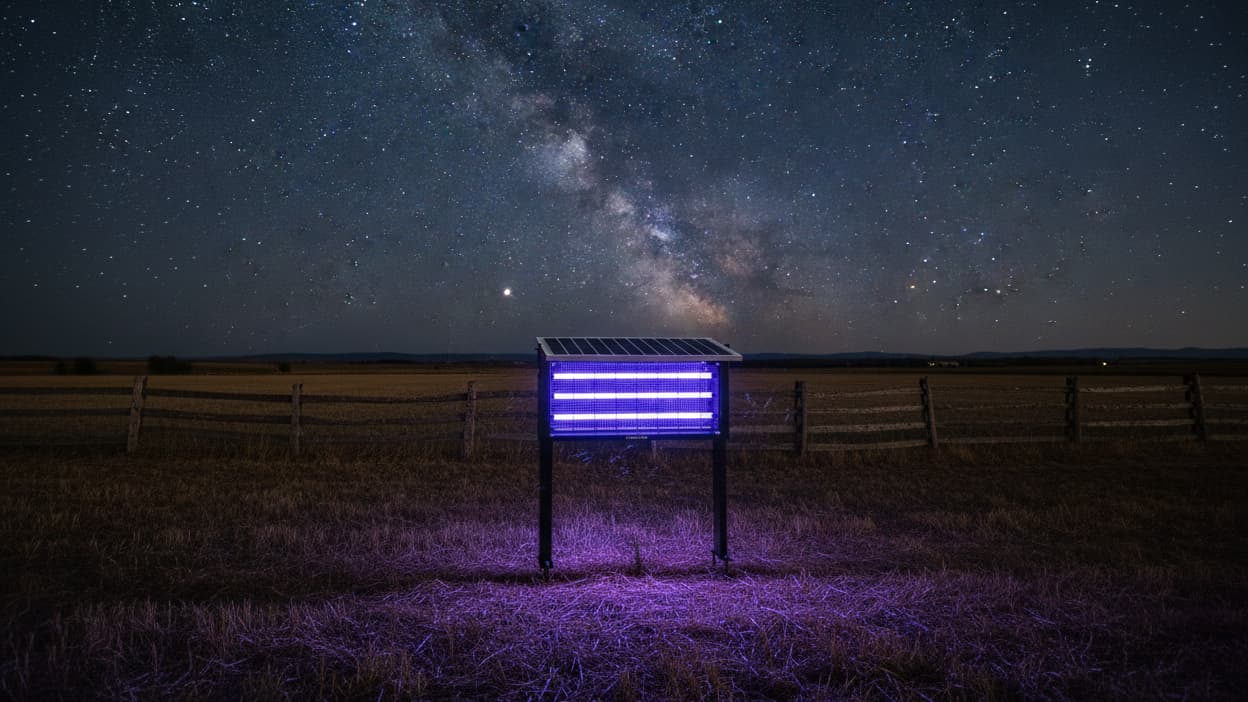
Solar bug zappers use UV light — specifically purple-blue wavelengths — to attract mosquitoes and other flying insects. Mosquitoes are naturally drawn to UV light sources, especially at night. When they get close enough, they make contact with an electrified grid and are eliminated instantly.
The solar panel charges a built-in battery during the day. At dusk, a light sensor triggers the unit to turn on automatically. By the time your guests arrive for kickoff, it's already been running for an hour or two, clearing the area.
No outlets. No timers to set. No remembering to turn it on. It just works.
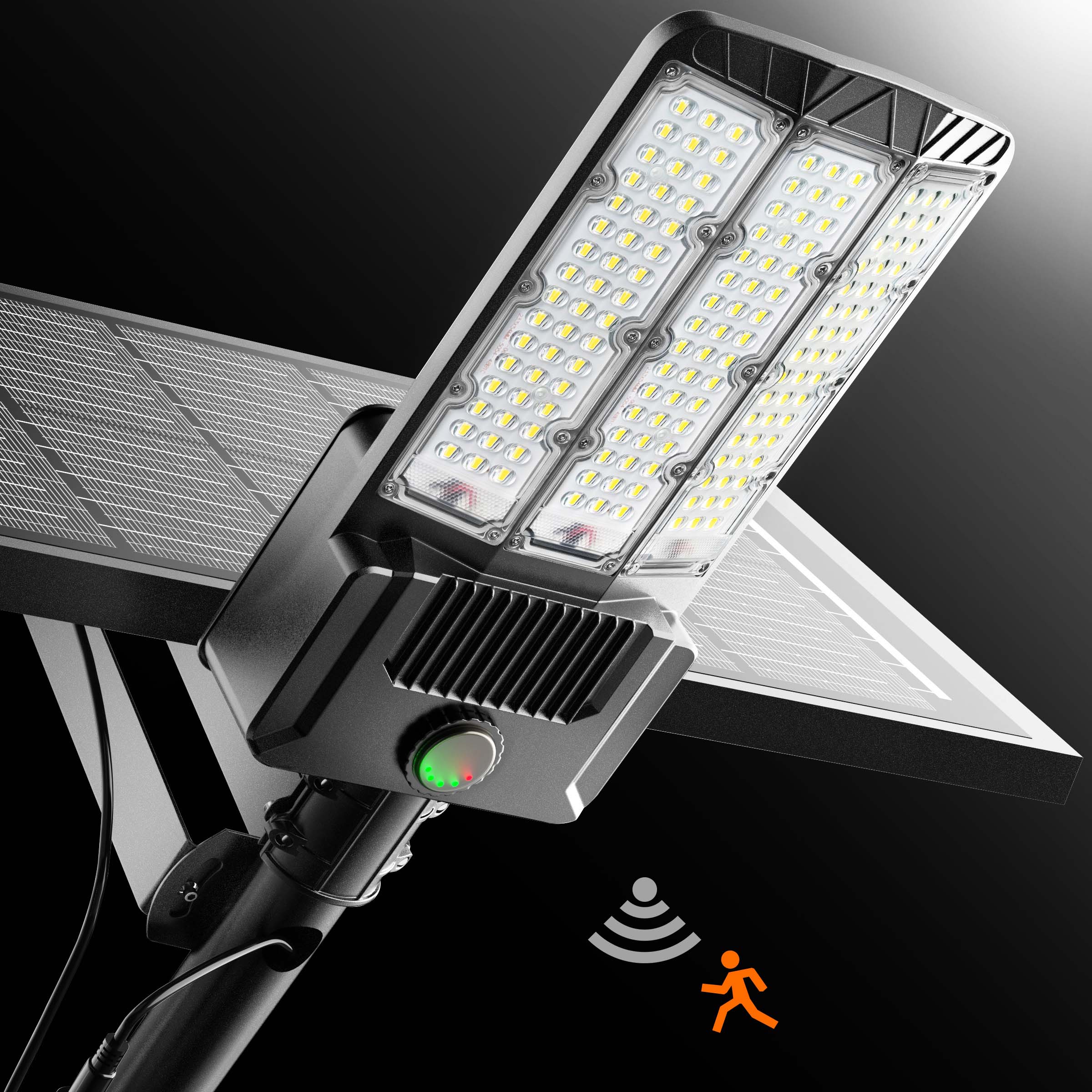
The better models — like the ones from Hykoont — use triple UV tube configurations instead of a single tube. Three tubes mean a wider attraction range, more consistent coverage, and significantly better performance across larger outdoor spaces.
The Two Hykoont Solar Bug Zappers Worth Knowing About
Hykoont makes two solar bug zapper lights that are genuinely built for serious outdoor use. Here's how they compare, and which one makes sense for your setup.
Option 1: The Standard — For Most Backyards

Hykoont 19W Solar LED Bug Zapper Light Standard — $125.00
This is the one that covers up to 4,000 square feet — roughly the size of a standard suburban backyard. It runs on a 19W monocrystalline solar panel with a 6,000mAh battery, giving you up to 8 hours of runtime per night.
The triple UV tube design (84 LEDs total across three tubes) creates a wide, consistent attraction field. It has two modes: constant-on for maximum mosquito control, and automatic dusk-to-dawn for hands-free operation. The metal housing is IPX4 water-resistant, so a summer rain shower won't kill it.
It comes with a 70cm ground stake for lawn placement, or you can hang it. Setup takes about five minutes.
Best for: Standard suburban backyards, patios, decks, smaller outdoor entertaining areas.
👉 Shop the Standard — $125.00 + Free Shipping
Option 2: The Pro — For Larger Spaces and Serious Hosting

Hykoont 30W Solar LED Bug Zapper Light Pro — From $125.00
The Pro model is a different beast. It covers up to 8,000 square feet — double the Standard — and runs on a larger 30W solar panel. Runtime extends to 8–12 hours depending on conditions, which means it'll outlast even the longest extra-time matches.
The panel itself is significantly larger (26.1" × 13.8"), which means faster charging and more reliable performance on partly cloudy days. Same triple UV tube design, same IPX4 rating, same dusk-to-dawn automation — just scaled up for bigger properties.
If you're hosting in a large open yard, have a pool area, or regularly entertain groups of 15+ people spread across a wide space, this is the one.
Best for: Large backyards, open lawns, pool areas, farms, commercial outdoor spaces.
👉 Shop the Pro — From $125.00 + Free Shipping
Setting Up Your Backyard Watch Party: A Game-Night Checklist
You've got the bug zapper sorted. Here's how to build the rest of your setup around it for maximum comfort and minimum chaos.
48 Hours Before the Match
- Place your solar bug zapper in its final position and let it charge for two full days. This ensures the battery is at 100% before game night.
- Check for standing water in your yard — empty any buckets, planters, or low spots where water collects. Mosquitoes breed in standing water, and eliminating breeding sites makes your zapper even more effective.
- Mow the lawn if needed. Tall grass is a daytime hiding spot for mosquitoes.
Day of the Match
- Set up your seating in a rough semicircle around the screen, with the bug zapper positioned slightly away from the main seating area — you want it attracting insects away from your guests, not right in the middle of the crowd.
- Ideal placement: 10–15 feet from the main seating area, at the perimeter of the space.
- If you have a large yard, consider placing the Standard unit near the seating area and the Pro unit at the far perimeter for layered coverage.
Game Time
- The zapper will turn on automatically at dusk. No action needed.
- Keep the area around the zapper clear — don't place food or drinks directly underneath it.
- If you're in a particularly buggy area, switch to constant-on mode (Mode 1) for maximum attraction power throughout the evening.

Placement Strategy: Where to Put Your Bug Zapper for Maximum Effect
This is the part most people get wrong. They put the zapper right in the middle of the party, which actually draws insects toward your guests before they're eliminated.
The right approach is to create a perimeter defense.
For a standard backyard setup: Place the zapper at the edge of your entertaining area, ideally upwind of where your guests will be sitting. Mosquitoes travel into the wind when searching for hosts, so placing the zapper upwind means they'll encounter it before they reach your guests.
For a large open yard: Use two units — one at each end of the space. This creates overlapping coverage zones and prevents mosquitoes from finding a gap in your defenses.
Height matters: The ground stake positions the unit at about 33 inches (85cm) off the ground, which is right in the flight zone for most mosquito species. Don't hang it too high — above 6 feet, effectiveness drops significantly.
Keep it away from competing light sources: Don't place the zapper right next to your projector screen or string lights. The UV attraction works best when it's the brightest UV source in the area.
The Real Cost Comparison: Solar Bug Zapper vs. Everything Else
Let's talk money, because this is where solar bug zappers make a genuinely compelling case.
| Solution | Upfront Cost | Ongoing Cost | Coverage | Effort |
|---|---|---|---|---|
| Citronella candles | $15–30 | $15–30/month | ~2 ft radius | High (replace constantly) |
| DEET bug spray | $8–15 | $8–15/month | Personal only | High (reapply every 2 hrs) |
| Plug-in electric zapper | $40–80 | ~$5–10/month electricity | Limited by cord length | Medium (needs outlet) |
| Professional mosquito treatment | $150–300/treatment | $400–800/season | Full yard | Low (but expensive) |
| Hykoont Solar Bug Zapper Standard | $125.00 | $0 (solar powered) | 4,000 sq ft | Zero (automatic) |
| Hykoont Solar Bug Zapper Pro | From $125.00 | $0 (solar powered) | 8,000 sq ft | Zero (automatic) |
When you factor in that a solar bug zapper lasts multiple seasons with zero operating costs, the math is pretty clear. You'll spend more on citronella candles over a single summer than you would on a unit that works automatically every night for years.

World Cup 2026: The Matches You'll Want to Host At Home
World Cup 2026 is the first tournament with 48 teams — which means more matches, more group stage drama, and more reasons to gather your crew in the backyard. The tournament runs from June through July, right through the heart of mosquito season across most of the US.
Here's the thing about outdoor watch parties that indoor viewing just can't replicate: the atmosphere. There's something about watching a penalty shootout under the open sky, with the whole neighborhood potentially hearing your reaction, that makes it feel like an event rather than just watching TV.
But that atmosphere only works if people are comfortable. And comfortable means not spending the entire second half swatting at their ankles.
A solar bug zapper running quietly at the edge of your yard is the difference between a party people remember fondly and one they remember as "that time we all got eaten alive."
Tips for Hosting the Perfect Outdoor Watch Party
Screen Setup
A 100"+ outdoor projector screen works best for groups of 10+. Position it so the screen faces away from the setting sun to avoid glare during early evening matches. If you're watching a late match (8pm+ kickoff), this is less of an issue.
Seating
Mix it up — some chairs close to the screen for the serious fans, some loungers further back for the casual crowd. Leave a clear path to the food and drinks so people aren't climbing over each other during halftime.
Lighting
String lights or solar path lights around the perimeter look great and help guests navigate after dark. Just keep them away from your bug zapper — you want the UV light to be the dominant light source in the insect-attraction zone.
Food Strategy
Keep food covered when not being served. Sugary drinks and food scraps attract insects beyond just mosquitoes. Covered serving dishes and lidded cups make a real difference.
Backup Plan
Have a few portable fans on hand. Mosquitoes are weak fliers — even a light breeze makes it significantly harder for them to reach your guests. Fans pointed outward from the seating area create an effective secondary barrier.
What Happens When It Rains? (And Other Practical Questions)
Both Hykoont solar bug zappers carry an IPX4 waterproof rating. That means they're protected against water splashing from any direction — rain, sprinklers, the kid who inevitably runs through the hose. They're not submersible, but they'll handle normal outdoor weather without issue.
If a serious storm is coming, it's worth bringing the unit inside or covering it — not because of water damage, but because heavy cloud cover will prevent charging and strong winds can knock over the ground stake. For everyday summer rain? Leave it out. It'll be fine.
Ready to Set Up Your Mosquito-Free Watch Party Zone?
You've got two solid options depending on your space:
- Standard backyard (up to 4,000 sq ft): Hykoont 19W Solar Bug Zapper Standard — $125.00
- Large yard or serious hosting setup (up to 8,000 sq ft): Hykoont 30W Solar Bug Zapper Pro — From $125.00
Both ship free. Both set up in under 10 minutes. Both will be running automatically by the time your guests arrive for kickoff.
Shop Standard — $125.00 Shop Pro — From $125.00
Frequently Asked Questions
How far in advance should I set up the solar bug zapper before my watch party?
Ideally, place it 48 hours before your event. This gives the battery time to reach a full charge and lets the unit start clearing the area of insects before game night. If you're setting it up the same day, make sure it gets at least 6 hours of direct sunlight before dusk.
How many solar bug zappers do I need for a large backyard party?
For a space up to 4,000 sq ft, one Standard unit is sufficient. For spaces up to 8,000 sq ft, one Pro unit covers it. For very large properties or L-shaped yards where coverage zones don't overlap well, two Standard units or one Standard + one Pro gives you better perimeter coverage.
Will the bug zapper attract mosquitoes toward my guests?
Only if you place it in the wrong spot. Position the zapper at the perimeter of your entertaining area — 10 to 15 feet away from where guests will be sitting — so it draws insects away from the crowd rather than through it. Upwind placement is ideal.
Does it work on cloudy days or in partial shade?
The solar panels work best in direct sunlight, but they'll still charge in partial shade or on overcast days — just more slowly. If you're in a consistently shady yard, both models support USB backup charging (5V/2A) so you can top up the battery before an event if needed.
How loud is the zapping sound? Will it disrupt the match?
The zapping sound is audible up close but not disruptive at normal party distances. At 10–15 feet away, it blends into background noise. It's significantly quieter than a conversation and won't compete with your audio setup.
Is it safe around kids and pets?
Yes, when placed correctly. The electrified grid is enclosed within the housing and requires direct contact to activate. Keep the unit out of reach of very young children and place it where pets won't knock it over. The UV light itself is not harmful to humans or animals.
What insects does it actually catch?
Mosquitoes are the primary target, but the UV light also attracts and eliminates moths, gnats, flies, and other flying insects. It's not effective against ants, spiders, or ground-level pests — it's specifically designed for flying insects that are attracted to UV light.
How do I clean it between uses?
Turn it off and let it sit for a few minutes after the last use. Then use a small brush (a clean paintbrush works great) to sweep out the collection tray at the bottom. Do this every few weeks during heavy use season. Don't use water to clean the interior electrical components.
Can I leave it outside year-round?
The IPX4 rating makes it suitable for year-round outdoor use in most US climates. In areas with heavy snow or freezing temperatures, bringing it inside during winter extends the battery lifespan. The solar panel and housing are built for outdoor durability, but extreme cold can reduce battery capacity over time.
What's the difference between Mode 1 and Mode 2?
Mode 1 is constant-on — the UV light stays on all night regardless of ambient light levels. This gives maximum mosquito attraction but uses more battery. Mode 2 is automatic dusk-to-dawn — the light sensor turns the unit on at dusk and off at dawn, conserving battery for longer runtime. For watch parties, Mode 1 during the event and Mode 2 for regular nightly use is a good approach.
Hykoont solar bug zapper lights are available with free shipping across the US. Both the Standard and Pro models are in stock and ready to ship.
→ Shop the 19W Standard ($125.00) | → Shop the 30W Pro (From $125.00)

Leave a comment
This site is protected by hCaptcha and the hCaptcha Privacy Policy and Terms of Service apply.