







Why Solar Bug Zapper Lights Are Game-Changers for Outdoor Spaces
Picture this: you're finally enjoying that backyard barbecue you've been planning all week. The steaks are perfect, the drinks are cold, and then—buzz. Within minutes, you're swatting mosquitoes instead of flipping burgers. Sound familiar?
That's exactly why solar bug zapper lights have become essential for anyone serious about reclaiming their outdoor space. Unlike traditional bug zappers that spike your electricity bill or citronella candles that barely work, solar-powered bug zappers offer a set-it-and-forget-it solution that actually delivers results.
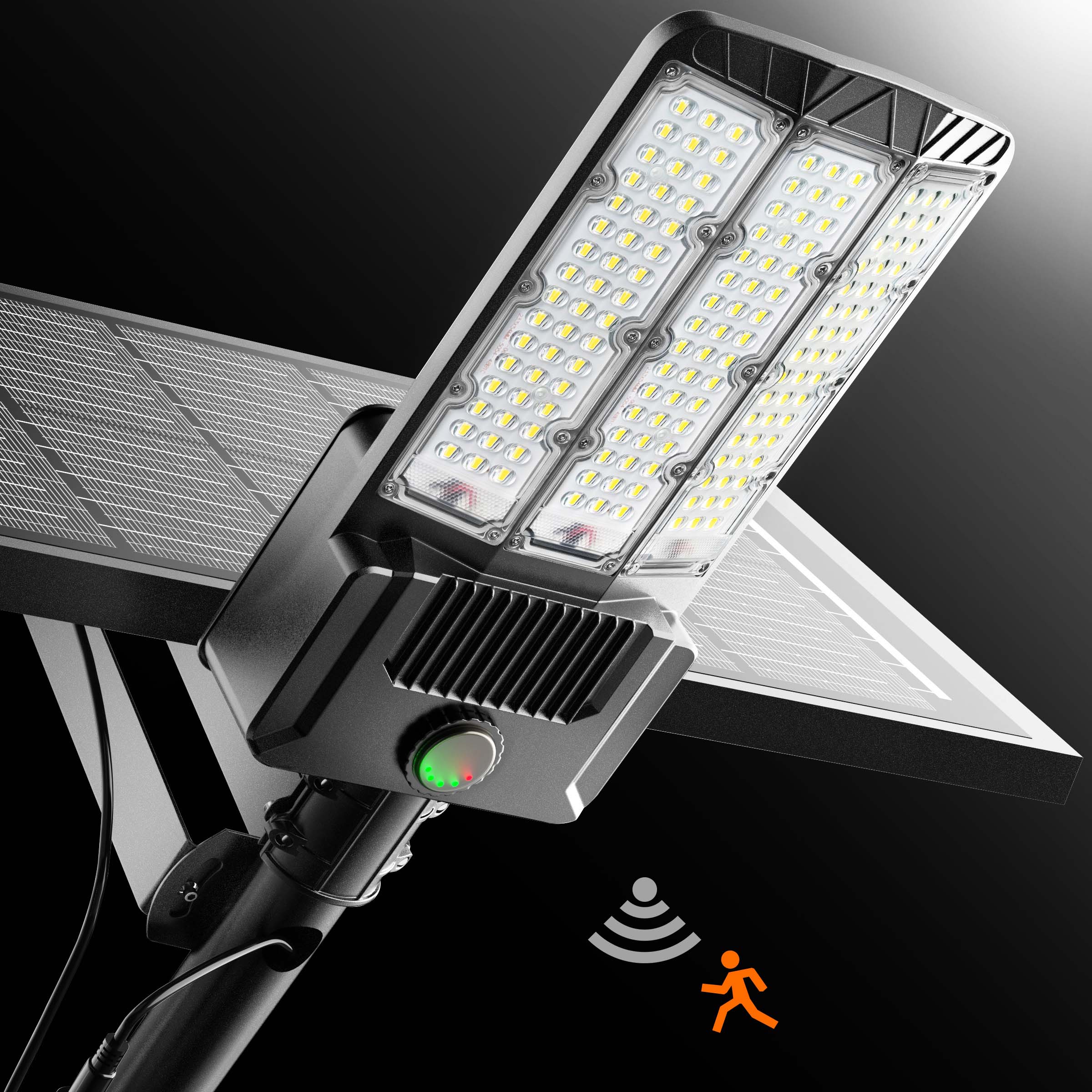
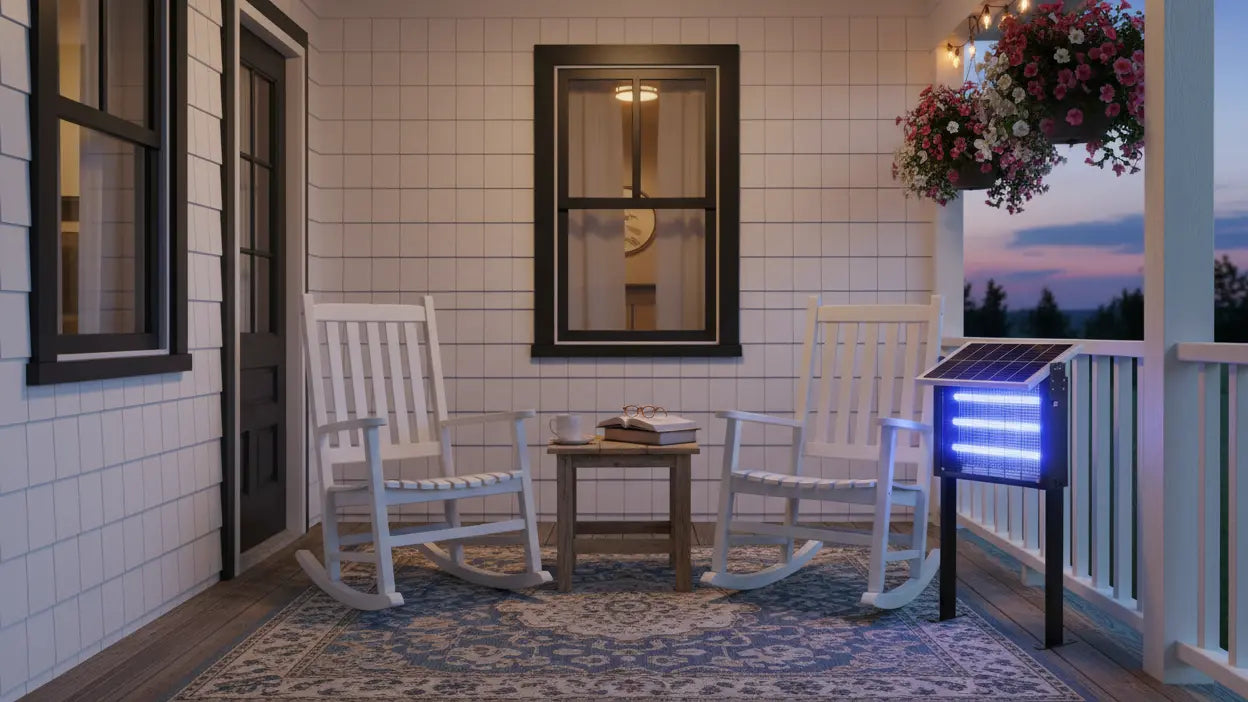
The Hykoont 18W Solar LED Bug Zapper Light represents the latest evolution in outdoor pest control. At $259.00, it combines powerful 18W triple-tube LED technology with completely solar operation, covering up to 150 square meters without adding a penny to your power bill.

What Makes Solar Bug Zappers Different (And Better)
Here's the thing about traditional bug zappers: they work, but they come with baggage. You need an outdoor outlet, you're running electricity all night, and if you want to move them around? Good luck finding another power source.
Solar bug zappers flip that script entirely. They charge during the day using free sunlight, then automatically kick on at dusk to protect your space all night long. No wiring, no outlets, no monthly costs.
The Technology Behind Effective Bug Elimination
Modern solar bug zappers use a two-pronged approach that's surprisingly sophisticated. First, they emit UV light wavelengths specifically tuned to attract flying insects—mosquitoes, moths, flies, and gnats can't resist it. The triple-tube design in the Hykoont model uses 60 individual LEDs (28 per tube) to create an irresistible beacon for bugs.
Once insects get close, they meet an electrified grid that eliminates them instantly. It's chemical-free, silent (aside from the occasional satisfying zap), and incredibly effective.
Solar Power: More Than Just Eco-Friendly
The 30W monocrystalline solar panel on top isn't just there to make you feel good about the environment—though it definitely helps. It's engineered to fully charge the 6000mAh battery in about 6-8 hours of decent sunlight, providing roughly 8-12 hours of continuous operation.
That means even on cloudy days, you're getting protection. And during summer when days are longer? You'll have power to spare.

Real-World Performance: What 150 Square Meters Actually Covers
When manufacturers say "covers 150 square meters," what does that actually mean for your space? Let's break it down in practical terms.
150 square meters is roughly 1,600 square feet. That's enough to protect:
- A standard backyard patio and seating area
- Medium-sized deck with dining space
- Garden area up to about 40 feet by 40 feet
- Campsite with multiple tents
- Pool area for above-ground or small in-ground pools
For larger properties, you might want to position multiple units strategically. The good news? Since they're solar-powered, you can place them anywhere without worrying about running extension cords across your yard.
Placement Strategies That Actually Work
Here's where most people mess up: they put their bug zapper right next to where they're sitting. Big mistake. You want to position it 15-20 feet away from your main gathering area. This draws bugs away from you, not toward you.
The Hykoont model gives you flexibility with both ground mounting and hanging options. The included 60cm chain lets you hang it from pergolas, tree branches, or shepherd's hooks. Ground mounting works great for garden beds or along fence lines.
Pro tip: Position it between your seating area and the most likely bug source (standing water, wooded areas, compost bins). You're creating a barrier that intercepts mosquitoes before they reach you.
Installation: Easier Than You Think
One of the best things about solar bug zappers? Installation takes about 5 minutes, and you don't need any special tools or skills.
Ground Mounting Setup
The ground stake method is perfect for gardens, lawns, or anywhere you want a permanent installation:
- Assemble the mounting bracket (comes in the box)
- Choose your location—remember, it needs 6+ hours of direct sunlight
- Push the stake firmly into the ground
- Attach the bug zapper to the bracket
- Angle the solar panel toward the sun
The assembled height with bracket is 85cm (about 33 inches), putting the zapping grid at the perfect height to intercept flying insects.

Hanging Installation
Prefer to hang it? Even easier:
- Find a sturdy overhead support (pergola beam, tree branch, hook)
- Attach the included 60cm chain to the top loop
- Hang at least 6 feet off the ground for best results
- Make sure the solar panel has clear sky access
Hanging installations work brilliantly for covered patios where you want protection but can't do ground mounting. Just ensure the solar panel isn't shaded by the roof structure.
Dusk-to-Dawn Operation: Set It and Forget It
The built-in light sensor is honestly one of the smartest features. Once you set it up, you literally never have to think about it again. As soon as ambient light drops below a certain threshold at dusk, the unit automatically powers on. When dawn breaks, it shuts off and starts recharging.
The Hykoont model offers two operating modes:
Mode 1: Constant Mosquito-Attracting Light
This mode keeps the UV LEDs on continuously from dusk to dawn, providing maximum attraction and elimination. Best for high-mosquito areas or during peak season.
Mode 2: Automatic Dusk-to-Dawn
Optimizes battery life while still providing full-night protection. The system intelligently manages power to ensure operation through the entire night, even after cloudy days.
No timers to set, no switches to flip. It just works.
Weather Resistance: Built for Real Outdoor Conditions
Let's talk about the IPX4 waterproof rating, because this matters more than you might think. IPX4 means the unit can handle water splashing from any direction—rain, sprinklers, morning dew, all of it.
What it's NOT designed for is submersion or pressure washing. Don't spray it directly with a hose, and if you're in an area with severe weather, you might want to bring it inside during hurricanes or extreme storms.
For normal outdoor use—including typical summer thunderstorms—it's completely fine. The sealed electronics and weather-resistant construction mean you can leave it out year-round in most climates.

Maintenance: Minimal Effort, Maximum Results
Here's what your maintenance routine looks like:
Weekly (during heavy use):
Brush off the collection tray. Dead bugs accumulate at the bottom, and clearing them out keeps the unit working efficiently. Takes about 30 seconds.
Monthly:
Wipe down the solar panel with a damp cloth. Dust and pollen reduce charging efficiency. Clean the outer grid with a soft brush to remove any debris.
Seasonally:
Check all connections and mounting hardware. Tighten anything that's worked loose. Inspect the chain or stake for wear.
Annually:
The 6000mAh battery should last 2-3 years with normal use. When you notice significantly reduced runtime, it's time for a replacement. Most units use standard rechargeable batteries that are easy to swap.
That's it. No filters to replace, no chemicals to refill, no complicated procedures.
Cost Analysis: The Real ROI of Solar Bug Zappers
At $259.00, the Hykoont 18W Solar Bug Zapper represents a one-time investment that pays dividends for years. Let's compare it to alternatives:
Traditional Electric Bug Zappers
Initial cost: $40-80
Annual electricity cost: $25-40
Replacement bulbs: $15-20/year
3-year total: $160-220
Chemical Solutions (Sprays, Candles, Coils)
Monthly cost during season: $30-50
6-month season annual cost: $180-300
3-year total: $540-900
Professional Mosquito Treatment
Per treatment: $75-150
Treatments per season: 4-6
Annual cost: $300-900
3-year total: $900-2,700
Solar Bug Zapper
Initial cost: $259.00
Annual operating cost: $0
3-year total: $259.00
The math is pretty clear. Even if you need to replace the battery once during that period (add $20-30), you're still way ahead financially.
Environmental Impact: Beyond Just Saving Money
Solar bug zappers align with the growing movement toward sustainable outdoor living. Zero ongoing electricity consumption means zero carbon footprint from operation. No chemical pesticides means no harmful runoff into soil or groundwater.
The monocrystalline solar panel is built to last 20+ years, and the LED tubes have a lifespan of 50,000+ hours. That's roughly 17 years of nightly use before you'd need to consider LED replacement.
For eco-conscious homeowners, this isn't just about pest control—it's about making choices that align with environmental values without sacrificing effectiveness.

Common Scenarios: Where Solar Bug Zappers Excel
Backyard Entertaining
Dinner parties, barbecues, evening gatherings—these are prime mosquito time. Position your solar bug zapper 15-20 feet from your dining area, and you create a protective zone that lets guests actually enjoy themselves instead of constantly swatting.
Pool Areas
Mosquitoes love standing water, which makes pools a magnet. A solar bug zapper near (but not directly over) the pool intercepts insects before they reach swimmers. The IPX4 rating handles splashing without issues.
Gardens and Vegetable Patches
Working in your garden at dusk? That's when mosquitoes are most active. Ground-mount a unit at the garden perimeter, and you can weed, water, and harvest without becoming dinner yourself.
Camping and RV Sites
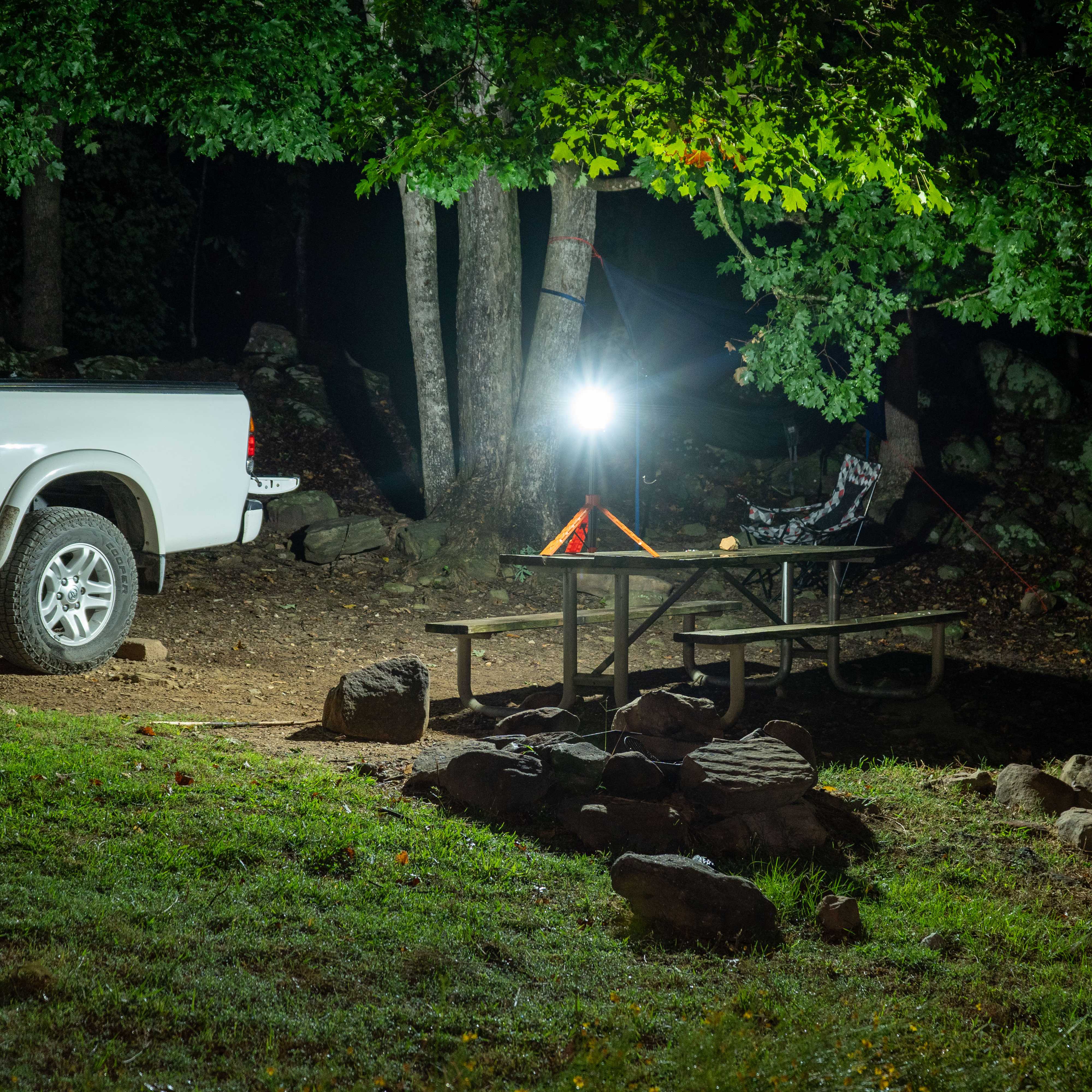
The portability of solar bug zappers makes them perfect for camping. No need for electrical hookups—just hang it from a tree or use the ground stake. The 8-hour runtime covers the entire evening and night.
Porches and Decks
Morning coffee or evening reading on the porch becomes much more pleasant when you're not fighting bugs. Hang a unit from the porch ceiling or nearby tree, and enjoy your outdoor space in peace.
Troubleshooting: Quick Fixes for Common Issues
Unit Not Turning On at Dusk
Check: Is the solar panel getting adequate sunlight? Shade from trees or structures can prevent full charging.
Solution: Relocate to a sunnier spot or trim back overhanging branches.
Reduced Runtime
Check: How old is the battery? After 2-3 years, capacity naturally decreases.
Solution: Replace the rechargeable battery. Also clean the solar panel—dirt reduces charging efficiency.
Not Attracting Bugs
Check: Are you competing with other light sources? Bright porch lights or landscape lighting can be more attractive than the UV light.
Solution: Dim or turn off nearby lights, or move the zapper farther from competing light sources.
Weak Zapping Sound
Check: Is the grid clean? Dead bugs and debris can reduce effectiveness.
Solution: Clean the grid with a soft brush. Make sure the unit is fully charged.
Maximizing Effectiveness: Pro Tips
Create a Perimeter Defense: For large properties, use multiple units to create a barrier between bug sources and living areas. Think of it as a fence made of light.
Timing Matters: Install your solar bug zapper in early spring before mosquito populations explode. Getting ahead of the curve makes a huge difference.
Combine Strategies: Solar bug zappers work great alongside other methods. Eliminate standing water, use fans (mosquitoes are weak flyers), and maintain your yard. The zapper handles what gets through.
Height Optimization: Most flying insects operate in the 3-6 foot range. Whether hanging or ground-mounted, keep the zapping grid in this zone for maximum effectiveness.
Seasonal Adjustment: In winter, bring the unit inside or store it in a garage. This extends battery life and protects components during harsh weather.

Safety Considerations
Solar bug zappers are generally very safe, but a few common-sense guidelines apply:
- Keep away from children's play areas: The electrified grid is low-voltage and won't seriously harm humans, but it's still unpleasant to touch. Mount it out of reach of curious kids.
- Don't touch the grid while operating: Turn off the unit before cleaning or maintenance.
- Avoid flammable materials: Don't position near dry leaves, paper, or other combustibles. While the risk is minimal, it's good practice.
- Pet awareness: Most pets quickly learn to avoid bug zappers, but keep an eye on curious puppies or kittens initially.
Comparing Solar Bug Zappers: What to Look For
Not all solar bug zappers are created equal. When shopping, focus on these key specifications:
Solar Panel Wattage
Higher wattage means faster, more complete charging. The 18W panel on the Hykoont model is above average and ensures reliable operation even with less-than-perfect sun exposure.
Battery Capacity
Measured in mAh (milliamp hours), this determines runtime. 6000mAh provides roughly 8-12 hours of operation—enough for full-night coverage in most locations.
LED Configuration
More LEDs generally mean better attraction. The triple-tube, 84-LED setup creates a powerful draw that's visible from a distance to insects.
Coverage Area
Manufacturers often overstate this. The 100-150 square meter rating on the Hykoont is realistic and conservative, which means you can trust it.
Build Quality
Look for weather-resistant construction, quality materials, and good reviews regarding durability. Cheap units might save money upfront but fail after one season.
The Science of Mosquito Attraction
Understanding why bug zappers work helps you use them more effectively. Mosquitoes and other flying insects are attracted to UV light wavelengths between 350-370 nanometers. This is outside the visible spectrum for humans but appears as a bright beacon to bugs.
The triple-tube LED design creates a large illuminated area that's visible from significant distances. As insects approach, they're drawn into the electrified grid. The 12W power output provides enough voltage to eliminate insects instantly while remaining safe for humans and pets.
Interestingly, bug zappers are most effective against mosquitoes, moths, flies, and gnats—exactly the insects that make outdoor living miserable. They're less effective against beneficial insects like bees and butterflies, which are more attracted to flowers and operate primarily during daylight hours.
Long-Term Value: A 5-Year Outlook
Let's project the total cost of ownership over five years:
Year 1: $259.00 (initial purchase)
Years 2-3: $0 (no operating costs)
Year 4: $25 (battery replacement)
Year 5: $0
5-Year Total: $164.00
That's $32.80 per year for comprehensive outdoor pest protection. Compare that to a single professional mosquito treatment ($75-150) or even a few months of chemical sprays and candles.
The value proposition becomes even stronger when you factor in convenience. No weekly trips to buy spray refills, no scheduling professional treatments, no remembering to turn anything on or off.
Customer Success Stories: Real Results
While individual results vary based on location and mosquito populations, the pattern is consistent: properly positioned solar bug zappers dramatically reduce flying insect problems.
Homeowners in mosquito-heavy regions report being able to use their outdoor spaces during peak evening hours for the first time in years. Campers appreciate the portability and reliability. Gardeners love being able to work at dusk without being eaten alive.
The key to success? Realistic expectations and proper placement. This isn't a magic force field—it's a highly effective tool that works best as part of an integrated approach to outdoor pest management.

Making the Purchase Decision
If you're still on the fence, ask yourself these questions:
- Do mosquitoes or other flying insects prevent you from enjoying your outdoor space?
- Are you tired of chemical sprays, candles, or other temporary solutions?
- Do you want a set-it-and-forget-it solution that actually works?
- Would you prefer an eco-friendly option with zero operating costs?
- Do you have a location that gets 6+ hours of sunlight daily?
If you answered yes to most of these, a solar bug zapper is probably a smart investment. The Hykoont 18W model at $259.00 offers excellent value with professional-grade features and reliable performance.
Installation Checklist: Getting Started Right
Ready to set up your solar bug zapper? Follow this checklist for optimal results:
☐ Choose location with 6+ hours of direct sunlight
☐ Position 15-20 feet from main gathering area
☐ Ensure solar panel faces south (in Northern Hemisphere)
☐ Mount at 3-6 feet height for best insect interception
☐ Clear any overhanging branches or shade sources
☐ Verify stable mounting (ground stake or hanging chain)
☐ Allow 1-2 days of charging before first use
☐ Test dusk-to-dawn operation
☐ Adjust position if needed based on results
☐ Set calendar reminder for monthly cleaning
Seasonal Strategies for Year-Round Protection
Spring (March-May)
Install early before mosquito populations peak. Clean and inspect after winter storage. This is prime time to establish your defense perimeter.
Summer (June-August)
Peak operating season. Clean weekly during heavy use. Monitor battery performance during long, hot days—you might get extended runtime.
Fall (September-November)
Continue operation through first frost. Mosquitoes remain active until temperatures consistently drop below 50°F. Reduce cleaning frequency as bug activity decreases.
Winter (December-February)
In most climates, bring the unit inside for storage. Clean thoroughly, remove battery if storing long-term, and keep in a dry location. In mild climates, you can leave it installed year-round.
Advanced Placement Strategies
For maximum effectiveness, think strategically about placement:
The Barrier Method: Position units between mosquito breeding areas (ponds, wetlands, wooded areas) and your living space. You're intercepting insects before they reach you.
The Perimeter Defense: For large properties, create a ring of protection around key areas. Multiple units working together provide overlapping coverage.
The Decoy Strategy: Place the zapper in a location that draws insects away from where you spend time. Think of it as creating a more attractive alternative to you.
The High-Traffic Approach: Position near doorways, gates, or pathways where you transition between indoors and outdoors. This reduces the number of insects that follow you inside.
Frequently Asked Questions
How long does the battery last on a full charge?
The 6000mAh battery provides approximately 8 hours of continuous operation, which covers a full night in most locations. Actual runtime varies based on temperature, age of battery, and operating mode selected.
Will it work on cloudy days?
Yes, though charging will be slower. The solar panel can charge even with indirect sunlight, just not as quickly. After several cloudy days in a row, you might notice reduced runtime. The battery stores enough power to handle occasional cloudy periods without issues.
Is it safe around children and pets?
The electrified grid uses low voltage that won't cause serious harm to humans or pets, but it's unpleasant to touch. Mount it out of reach of young children, and most pets quickly learn to avoid it. Always supervise curious pets or kids initially.
How often do I need to clean it?
During peak mosquito season, clean the collection tray weekly and wipe the solar panel monthly. In low-use periods, monthly cleaning is sufficient. The process takes just a few minutes and significantly improves performance.
Can I use it indoors?
While technically possible, it's not recommended. The unit is designed for outdoor use, and the solar panel needs sunlight to charge. For indoor pest control, consider dedicated indoor bug zappers that plug into outlets.
What's the coverage area in practical terms?
The 100-150 square meter coverage (roughly 1,600 square feet) is enough for a standard backyard patio, medium deck, or garden area. For reference, that's about a 40-foot by 40-foot space. Larger properties benefit from multiple units.
Does it kill beneficial insects like bees?
Bug zappers primarily attract night-flying insects like mosquitoes, moths, and flies. Bees and butterflies are active during the day and are more attracted to flowers than UV light. The dusk-to-dawn operation means it's off during peak beneficial insect activity.
How long will it last?
With proper maintenance, expect 5-7 years of reliable service. The solar panel lasts 20+ years, LEDs last 50,000+ hours, and the battery needs replacement every 2-3 years. The main body and grid are built for long-term outdoor use.
Can I leave it out in winter?
In mild climates, yes. In areas with harsh winters, freezing temperatures, or heavy snow, it's better to store it indoors. The IPX4 rating handles rain and moisture but isn't designed for extreme winter conditions.
What if it stops working?
First, check the battery—it's the most common issue after 2-3 years. Clean the solar panel and grid. Verify it's getting adequate sunlight. If problems persist, most manufacturers offer warranties and customer support for troubleshooting.
Final Thoughts: Reclaim Your Outdoor Space
There's something fundamentally frustrating about being driven indoors by tiny insects. Your backyard, patio, or garden should be a retreat, not a battleground. Solar bug zappers offer a practical, effective, and sustainable solution that actually works.
The Hykoont 18W Solar LED Bug Zapper Light represents the current state of the art in outdoor pest control. At $259.00, it's a one-time investment that pays dividends every time you step outside without immediately reaching for bug spray.
The triple-tube LED design, robust 6000mAh battery, and intelligent dusk-to-dawn operation combine to create a system that's both powerful and effortless. Set it up once, and it works automatically for years with minimal maintenance.
Whether you're hosting summer barbecues, tending your garden, relaxing by the pool, or camping under the stars, a solar bug zapper transforms your outdoor experience. No more swatting, no more itching, no more cutting evenings short because the mosquitoes are unbearable.
Ready to reclaim your outdoor space? The solution is simpler than you think—and it's powered by the sun.
Get your Hykoont 18W Solar LED Bug Zapper Light today and start enjoying mosquito-free outdoor living. Shop now for $259.00 with free shipping and start protecting your outdoor space tonight.

Leave a comment
This site is protected by hCaptcha and the hCaptcha Privacy Policy and Terms of Service apply.