







The Outdoor Dilemma We All Know Too Well
You've got the perfect evening planned. The grill's heating up, the cooler's stocked, and friends are on their way. Or maybe you've finally escaped to that campsite you've been dreaming about all year. Either way, within minutes of settling in, you hear it—that unmistakable high-pitched whine of a mosquito circling your head.
Suddenly, you're not enjoying the moment anymore. You're swatting, spraying, and seriously considering just heading inside. Sound familiar?
Here's the thing: outdoor spaces—whether it's your backyard deck or a remote campsite—should be enjoyable, not a constant battle with bugs. That's exactly why solar bug zapper lights have become non-negotiable for anyone who takes their outdoor time seriously.
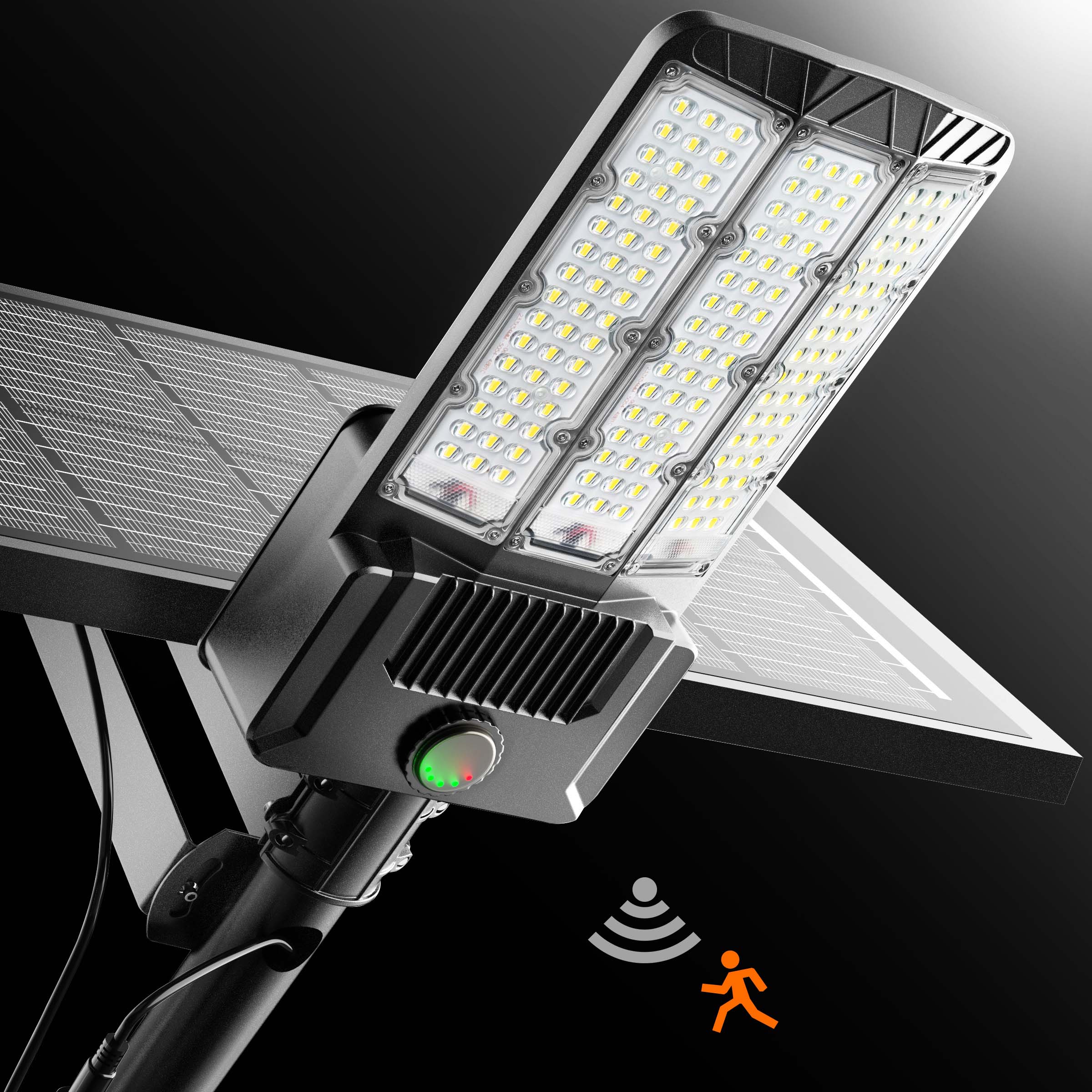
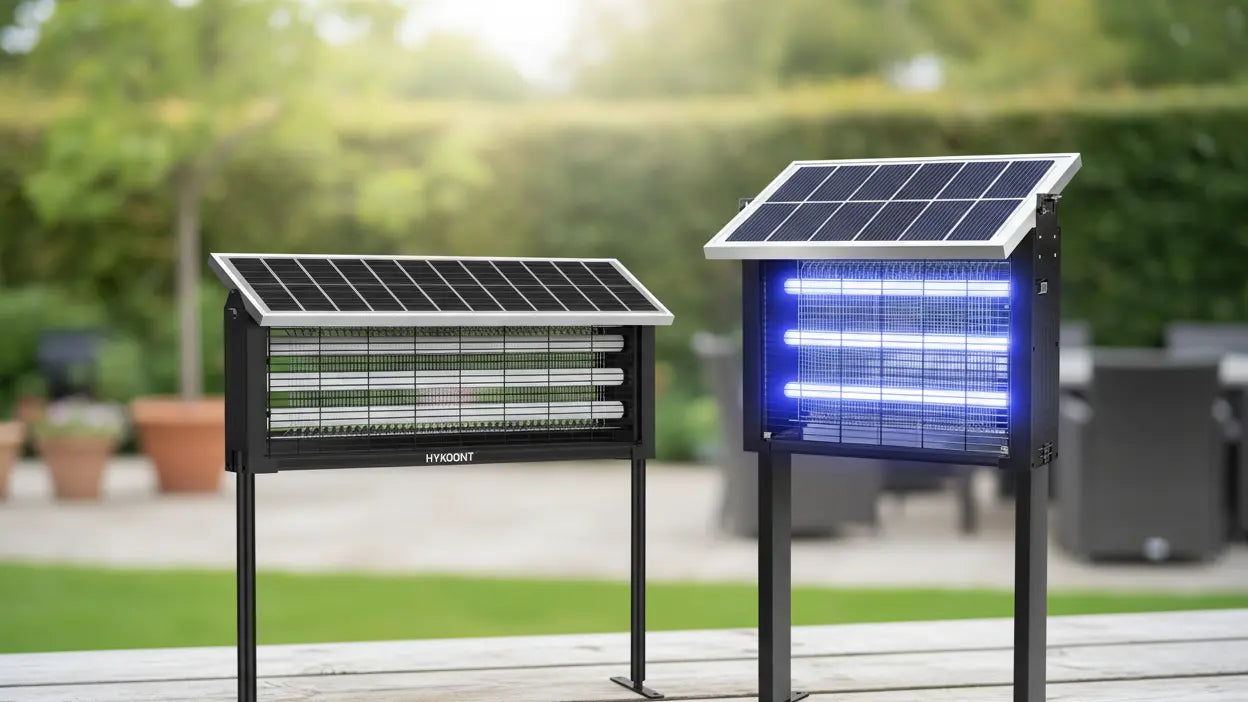
The Hykoont 18W Solar LED Bug Zapper Light at $259.00 isn't just another gadget—it's the difference between cutting your evening short and actually enjoying every minute outside.

Why Solar Changes Everything for Outdoor Living
Let's talk about why solar power specifically matters for bug zappers. It's not just about being eco-friendly (though that's a nice bonus). It's about freedom.
Traditional electric bug zappers chain you to an outlet. You need extension cords, you're limited in placement, and good luck taking one camping. Battery-operated options? You're constantly buying replacements or remembering to recharge them.
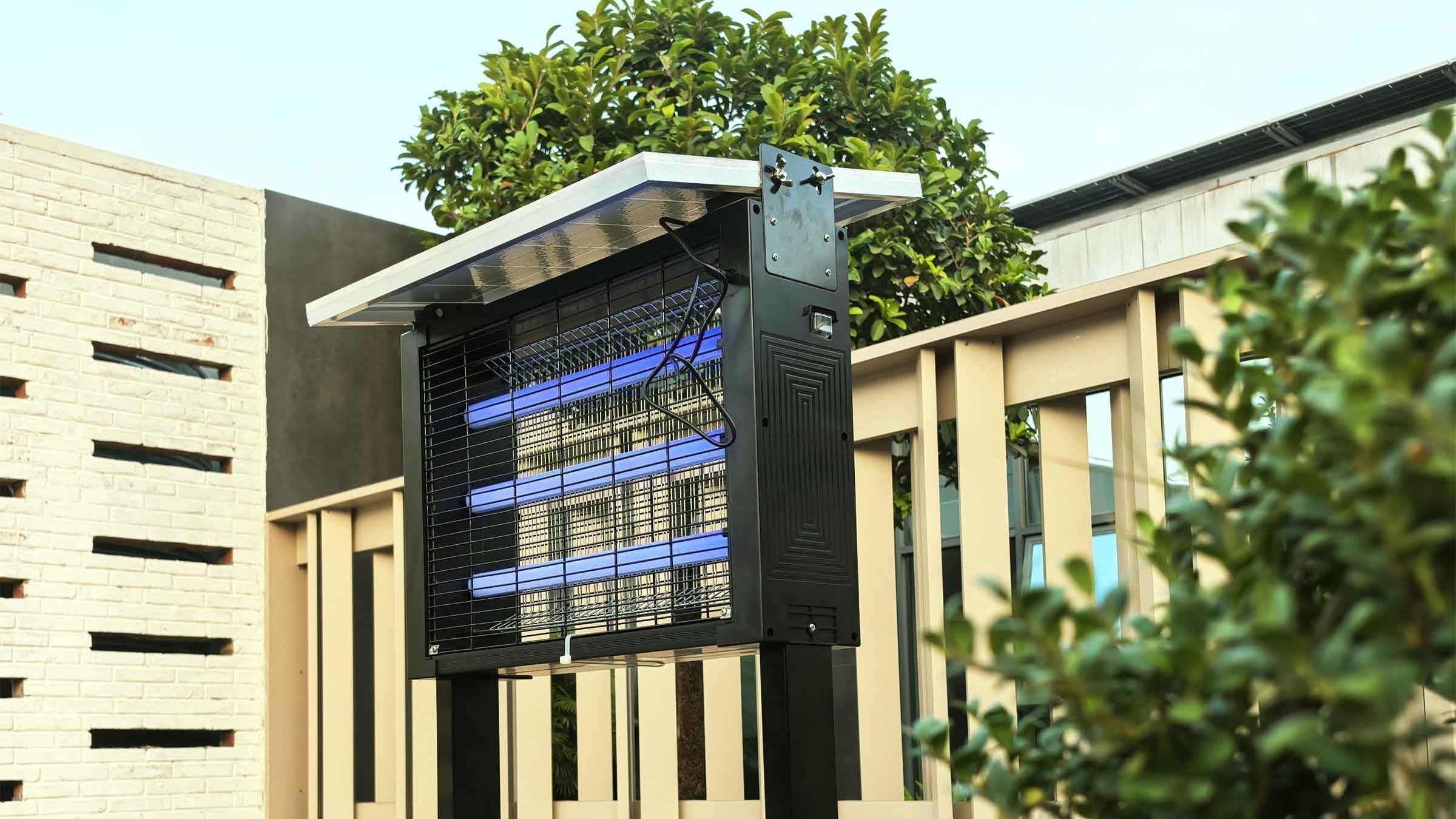
Solar bug zappers eliminate all of that. The 30W monocrystalline panel on the Hykoont model charges during the day—completely automatically—then runs all night on stored power. No cords, no batteries to swap, no remembering to plug anything in.
For backyard use, this means you can position it exactly where it's most effective, not where your nearest outlet happens to be. For camping, it means one less thing to pack, charge, or worry about.
Backyard BBQs: Creating a Mosquito-Free Zone
Let's start with the classic American pastime: the backyard barbecue. You've spent all day prepping, the food's looking perfect, and then mosquitoes show up like uninvited guests who won't leave.
The Setup Strategy
Here's what works: position your solar bug zapper 15-20 feet away from your main gathering area. This is crucial. You want to draw mosquitoes away from your guests, not create a bug beacon right next to the potato salad.
Think of it as creating a perimeter defense. Place the zapper between your seating area and the most likely mosquito sources—standing water, wooded areas, or that corner of the yard that never quite dries out.
The Hykoont's 150 square meter coverage is perfect for typical backyard entertaining spaces. That's enough to protect your deck, patio, and immediate lawn area where people actually hang out.
Real-World BBQ Performance
What actually happens when you use a solar bug zapper during a cookout? The triple-tube LED design starts attracting mosquitoes as soon as dusk hits—right when they're most active and right when your party's getting started.
Your guests won't be constantly swatting or asking for bug spray. Kids can run around the yard without getting eaten alive. And you can actually focus on grilling instead of fighting off insects.
The best part? It's completely silent except for the occasional satisfying zap. No loud buzzing, no chemical smell, nothing that interferes with conversation or the aroma of whatever's on the grill.

Pool Parties: Keeping the Fun Going After Dark
Pool areas are mosquito magnets. Standing water plus warm bodies equals a feeding frenzy for bugs. But pools are also where some of the best summer memories happen—especially after the sun goes down.
A solar bug zapper positioned near (but not directly over) the pool creates a protective zone. The IPX4 waterproof rating means splashing isn't a concern. Mount it on a shepherd's hook near the pool fence, or use the ground stake in a nearby planter.
Evening swims become actually enjoyable instead of a race to get out before the mosquitoes arrive. Your pool lights attract people; the bug zapper attracts and eliminates the mosquitoes before they reach swimmers.

Camping: Your Portable Pest Control Solution
This is where solar bug zappers really shine. Camping means no electrical hookups, limited gear space, and a serious mosquito problem in most locations.
Why It's Perfect for Camping
The Hykoont weighs just enough to be sturdy but light enough to pack easily. The included 60cm hanging chain means you can suspend it from a tree branch, RV awning, or camp shelter pole. The ground stake works great for open campsites.
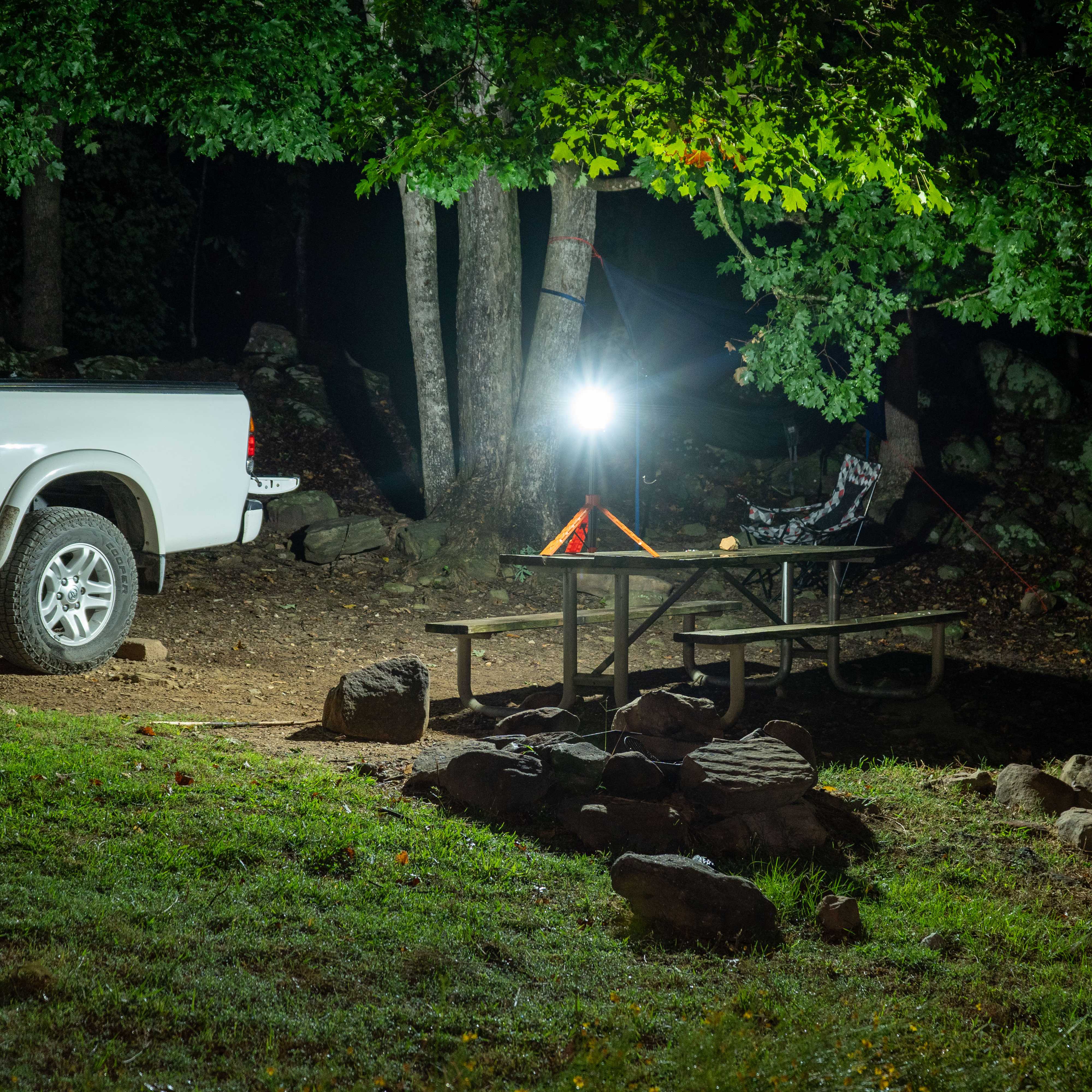
During the day, position it where it gets good sun exposure—on top of your picnic table, hanging from a sunny branch, or mounted near your campsite. By evening, it's fully charged and ready to protect your space for 8+ hours.
No need to pack batteries, worry about charging from your vehicle, or deal with propane canisters. It just works, night after night, as long as it gets some daytime sun.
Campsite Placement Tips
At a campsite, position your bug zapper between your tent/RV and the nearest water source or wooded area. Mosquitoes travel from breeding areas to find hosts, so intercept them before they reach your camp.
Hang it at about 6 feet high for maximum effectiveness. This puts it in the flight path of most mosquitoes and keeps it visible enough that you won't walk into it in the dark.
For multi-day camping trips, the automatic dusk-to-dawn operation means you literally set it up once and forget about it. No daily maintenance, no remembering to turn it on or off.

RV Living: The Perfect Addition to Your Setup
RV enthusiasts face unique challenges. You're often parked in areas with serious mosquito populations, you have limited electrical capacity, and you want to enjoy your outdoor space without being driven inside.
A solar bug zapper mounts easily to RV awning poles or nearby trees. It doesn't draw from your RV's battery system or require generator power. And when you move to a new location, it moves with you—no complicated setup required.
The 6000mAh battery provides all-night protection even if you're parked in partial shade. And because it's weatherproof, you can leave it set up through rain or shine.

Porch and Deck Living: Reclaim Your Evenings
There's something special about evening coffee on the porch or unwinding on the deck after work. But mosquitoes have a way of ruining these simple pleasures.
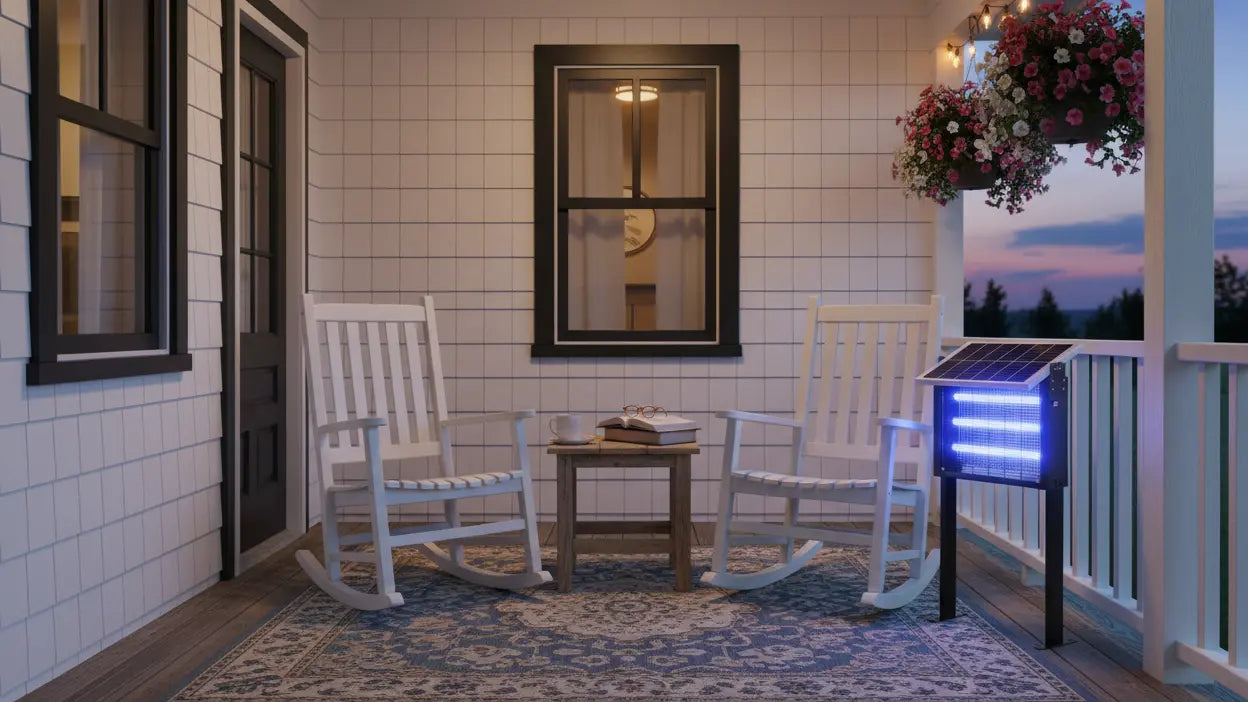
Mount a solar bug zapper from your porch ceiling or position it at the edge of your deck. The automatic operation means it kicks on right when you're most likely to be outside—dusk through bedtime.
Reading, conversation, or just enjoying the evening air becomes possible again. No need to douse yourself in DEET or retreat indoors when the bugs come out.
Multi-Level Deck Strategy
For larger or multi-level decks, consider using multiple units. Position one at each level or at opposite ends of a long deck. The $259.00 price point makes it reasonable to deploy several units for comprehensive coverage.
Garden Work: Protection During Peak Mosquito Hours
Serious gardeners know the frustration: the best time to work in the garden is early morning or evening when it's cooler. Unfortunately, that's also when mosquitoes are most active.
Ground-mount a solar bug zapper at the perimeter of your garden beds. It charges all day while you're at work, then provides protection during your evening gardening sessions.
Weeding, watering, harvesting—all the tasks that keep you stationary and vulnerable to mosquitoes—become manageable again. The 150 square meter coverage is perfect for typical home garden sizes.

Tailgating: Game Day Without the Bugs
Tailgating combines everything mosquitoes love: people, food, standing around in parking lots near grass and trees. But it's also where you want to focus on the game, not swatting bugs.
The portability of a solar bug zapper makes it perfect for tailgating. Charge it at home, toss it in your vehicle, and set it up at your tailgate spot. Use the ground stake in grass areas or hang it from your canopy.
Your tailgate becomes the comfortable spot where people want to hang out, not the place everyone's constantly moving around trying to avoid mosquitoes.
Outdoor Weddings and Events: Professional-Grade Protection
Planning an outdoor event? Mosquitoes can ruin even the most carefully planned celebration. Solar bug zappers offer a chemical-free, silent solution that doesn't interfere with the ambiance.
Position multiple units around the perimeter of your event space. They're attractive enough to blend in with outdoor decor, and the soft glow from the UV tubes can actually add to the evening atmosphere.
Unlike chemical treatments that need to be applied hours before guests arrive and can leave residue, bug zappers work in real-time and don't affect food, drinks, or guests with sensitivities.

The Cost Reality: Investment vs. Ongoing Expenses
Let's talk money, because that $139.00 price tag might seem steep compared to a can of bug spray. But here's the actual math:
One Summer of Traditional Solutions
Bug spray for a family: $8-12 per bottle, replaced monthly = $48-72
Citronella candles: $15-20 per pack, multiple packs per season = $60-100
Replacement batteries for battery-powered zappers = $30-50
Total: $138-222 for one summer
Solar Bug Zapper
Initial cost: $259.00
Operating cost: $0
Maintenance: Occasional cleaning (free)
Total: $259.00 for 5-7 years of use
By the end of your first summer, you've basically broken even. Every year after that is pure savings, plus you're not constantly buying and applying chemicals.
Portability: One Device, Multiple Uses
Here's something people don't always consider: you don't need a different bug solution for every outdoor activity. One solar bug zapper serves all these purposes:
- Backyard entertaining on weekends
- Camping trips throughout the summer
- Porch protection on weeknights
- Garden work sessions
- Tailgating during football season
- Beach house or cabin getaways
The same unit that protects your Tuesday evening deck time goes camping with you on Saturday. No need for separate solutions or remembering which product works where.

Weather Resistance: Built for Real Outdoor Conditions
Outdoor gear needs to handle outdoor conditions. The IPX4 waterproof rating means this bug zapper handles rain, morning dew, sprinkler overspray, and humidity without issues.
Camping in areas with afternoon thunderstorms? No problem. Leave it set up through the rain. Coastal areas with salt air? The weather-resistant construction holds up.
What it's not designed for is submersion or direct pressure washing. Don't spray it with a hose, and if you're in a hurricane zone, bring it inside during severe weather. But for normal outdoor use—including pretty rough conditions—it's built to last.
Maintenance: Minimal Effort, Maximum Results
Nobody wants complicated maintenance routines for outdoor gear. Here's the actual upkeep required:
Weekly (during heavy use): Brush out the collection tray. Takes 30 seconds.
Monthly: Wipe the solar panel with a damp cloth. Clean the grid with a soft brush.
Seasonally: Check mounting hardware, tighten if needed.
Every 2-3 years: Replace the battery (standard rechargeable, easy to find).
That's it. No filters, no chemicals to refill, no complicated procedures. Less maintenance than your grill, and way less than your lawn mower.
Comparing to Alternatives: Why Solar Wins
vs. Chemical Sprays
Sprays require constant reapplication, smell terrible, feel sticky, and many people prefer to avoid putting chemicals on their skin. They also don't protect your space—just whoever applied them, and only for a few hours.
vs. Citronella Candles
Candles provide minimal protection, only work in very light wind, and need constant replacement. They're also a fire hazard around kids and pets, and the smoke can be annoying.
vs. Electric Bug Zappers
Electric models work well but require outlets and extension cords. They're not portable, they add to your electricity bill, and they're useless for camping or anywhere without power.
vs. Mosquito Coils
Coils produce smoke that many find irritating, they're a fire hazard, and they only work in very limited areas. Plus, you're constantly buying replacements.
vs. Thermacell Devices
Thermacell units work but require proprietary fuel cartridges and repellent mats that need regular replacement. The ongoing costs add up quickly, and you're tied to finding the right refills.
Solar bug zappers eliminate the downsides of all these alternatives while providing superior coverage and zero ongoing costs.

Installation Flexibility: Ground or Hanging
The dual installation options make this bug zapper work for virtually any outdoor scenario:
Ground Mounting
Perfect for gardens, lawns, campsites with soft ground, and anywhere you want a stable, permanent installation. The assembled height of 85cm puts the zapping grid at the ideal height for intercepting flying insects.
Hanging Installation
Ideal for RV awnings, tree branches, pergolas, porch ceilings, and shepherd's hooks. The 60cm chain provides enough length for proper positioning while keeping the unit secure.
Switch between methods based on where you're using it. Ground mount at home, hang it when camping. The flexibility means one device truly works everywhere.
Safety Considerations for Families
If you've got kids or pets, safety matters. Here's what you need to know:
The electrified grid uses low voltage—enough to eliminate insects instantly but not enough to seriously harm humans or pets. That said, it's unpleasant to touch, so mount it out of reach of young children.
Most pets quickly learn to avoid bug zappers after one curious sniff. Still, supervise pets initially, especially puppies or kittens who investigate everything.
Unlike chemical solutions, there's no risk of kids or pets ingesting anything toxic. No spray residue on furniture or toys. No smoke to breathe. Just UV light and an electric grid that's easy to keep away from curious hands.
Environmental Impact: Beyond Just Solar Power
Solar operation is the obvious environmental benefit, but there's more to the story:
Zero chemical pesticides means no harmful runoff into soil or groundwater. This matters especially if you have a garden, well water, or live near natural water sources.
The 50,000+ hour LED lifespan means you're not constantly replacing bulbs that end up in landfills. The monocrystalline solar panel lasts 20+ years.
For eco-conscious outdoor enthusiasts, this aligns with leave-no-trace camping principles and sustainable backyard practices. You're protecting your outdoor experience without harming the environment.
Seasonal Use: Spring Through Fall
In most of the US, mosquito season runs from spring through fall. Here's how to maximize your bug zapper across the seasons:
Spring (March-May)
Install early before mosquito populations explode. This is prime camping season in many areas, and early-season BBQs are when you establish your outdoor routine.
Summer (June-August)
Peak usage season. The long days mean maximum solar charging, often providing 10+ hours of operation. Perfect for late-night gatherings and extended camping trips.
Fall (September-November)
Mosquitoes remain active until first frost. Fall camping is spectacular, and those crisp evenings on the deck are perfect—if you're not fighting bugs.
Winter Storage
In most climates, bring the unit inside for winter. Clean it thoroughly, remove the battery if storing long-term, and keep it dry. In mild climates, you can leave it installed year-round.
Troubleshooting Common Issues
Not Turning On at Dusk
Check: Solar panel getting adequate sun? Shade from trees or structures prevents full charging.
Fix: Relocate to sunnier spot or trim overhanging branches.
Shorter Runtime Than Expected
Check: Battery age (2-3 years is typical lifespan) and solar panel cleanliness.
Fix: Replace battery or clean panel thoroughly.
Not Attracting Many Bugs
Check: Competing light sources nearby? Bright porch lights or landscape lighting can be more attractive.
Fix: Dim nearby lights or reposition zapper farther from competing sources.
Weak Zapping
Check: Grid cleanliness and charge level.
Fix: Clean grid with soft brush, ensure full charge before use.
Maximizing Effectiveness: Pro Tips from Real Users
The Barrier Strategy: Position between mosquito sources and your activity area. You're creating an interception zone.
Height Matters: Keep the zapping grid in the 3-6 foot range where most flying insects operate.
Combine Methods: Use alongside other strategies like eliminating standing water and using fans (mosquitoes are weak flyers).
Early Installation: Set up before guests arrive or before settling into camp. Give it time to start working.
Multiple Units for Large Areas: For big properties or large campsites, deploy several units for overlapping coverage.
What Makes the Hykoont Model Stand Out
Not all solar bug zappers are created equal. Here's why the Hykoont 12W model at $259.00 represents solid value:
Triple-Tube Design: 84 LEDs (20 per tube) create powerful attraction visible from significant distances.
15W Solar Panel: Above-average wattage ensures reliable charging even with less-than-perfect sun exposure.
6000mAh Battery: Provides 8+ hours of operation—enough for full-night coverage anywhere.
150m² Coverage: Realistic, conservative rating that actually delivers on the promise.
Dual Installation Options: Ground stake and hanging chain included—true versatility.
IPX4 Waterproof: Handles real outdoor conditions, not just light mist.
Automatic Operation: Built-in light sensor means zero daily interaction required.
Frequently Asked Questions
Can I really use the same unit for camping and home use?
Absolutely. The dual mounting options (ground stake and hanging chain) make it easy to switch between applications. Just pack it in your camping gear when you head out, then reinstall it at home when you return.
How long does it take to charge fully?
In direct sunlight, the 18W solar panel fully charges the 6000mAh battery in 6-8 hours. Cloudy days take longer but still provide adequate charge for nighttime operation.
Will it work in shaded campsites?
It needs some direct sun exposure to charge effectively. If your campsite is heavily shaded, position the unit in a sunny spot during the day (on your picnic table, for example), then move it to your preferred location at dusk.
Is it loud enough to disturb outdoor conversations?
No. The unit is silent except for the occasional zap when it eliminates an insect. These zaps are brief and quiet—nothing like the loud buzzing of some electric zappers.
How do I clean it while camping?
Brush out the collection tray with any soft brush or cloth. For the grid, a quick wipe with a bandana works fine. Deep cleaning can wait until you're home.
What if I'm camping for multiple days without sun?
The battery stores enough power to handle 1-2 cloudy days with reduced runtime. For extended periods without sun, you might get 4-6 hours instead of 8+, which still covers peak mosquito hours.
Can I leave it set up at my campsite when I go hiking?
Yes, but use common sense. In established campgrounds, it's generally fine. In remote areas or if you're concerned about theft, take it with you or secure it to something immovable.
Does it attract beneficial insects like bees?
Bug zappers primarily attract night-flying insects—mosquitoes, moths, flies, gnats. Bees and butterflies are active during the day and are more attracted to flowers. The dusk-to-dawn operation means it's off during peak beneficial insect activity.
How portable is it really?
Without the ground stake, it's about the size of a large lantern. Easy to pack in an RV, fits in most camping gear bins, and light enough to carry comfortably. With the stake attached, it's bulkier but still manageable.
What's the warranty coverage?
Most solar bug zappers come with a 1-year manufacturer warranty covering defects. Keep your receipt and register the product if that option is available. For specific warranty details, check with the retailer at time of purchase.
Making the Decision: Is It Right for You?
A solar bug zapper makes sense if you:
- Regularly spend time outdoors—backyard, camping, or both
- Are tired of chemical sprays and their limitations
- Want a set-it-and-forget-it solution that actually works
- Value portability and versatility in outdoor gear
- Prefer one-time investments over ongoing consumable costs
- Camp in areas without electrical hookups
- Host outdoor gatherings regularly
If you checked several of those boxes, the Hykoont 18W Solar Bug Zapper at $259.00 is a smart investment that pays for itself quickly.
Final Thoughts: One Solution, Endless Applications
The beauty of a quality solar bug zapper is its versatility. It's not just a camping tool or just a backyard accessory—it's both, and everything in between.
From Friday night deck dinners to weekend camping trips, from pool parties to garden work sessions, from tailgating to RV living, one device handles it all. No separate solutions, no remembering which product works where, no ongoing costs eating into your outdoor recreation budget.
At $259.00, you're looking at less than the cost of a season's worth of bug spray and citronella candles. But unlike those consumables, this investment keeps working year after year with minimal maintenance.
The triple-tube LED design, robust battery, and intelligent automatic operation combine to create something that just works—reliably, effectively, and without constant attention.
Whether you're a serious camper, a backyard entertainer, or someone who just wants to enjoy evening coffee on the porch without being eaten alive, a solar bug zapper transforms your outdoor experience.
Ready to reclaim your outdoor time? Get the Hykoont 18W Solar LED Bug Zapper Light and start enjoying mosquito-free outdoor living everywhere you go.


Leave a comment
This site is protected by hCaptcha and the hCaptcha Privacy Policy and Terms of Service apply.