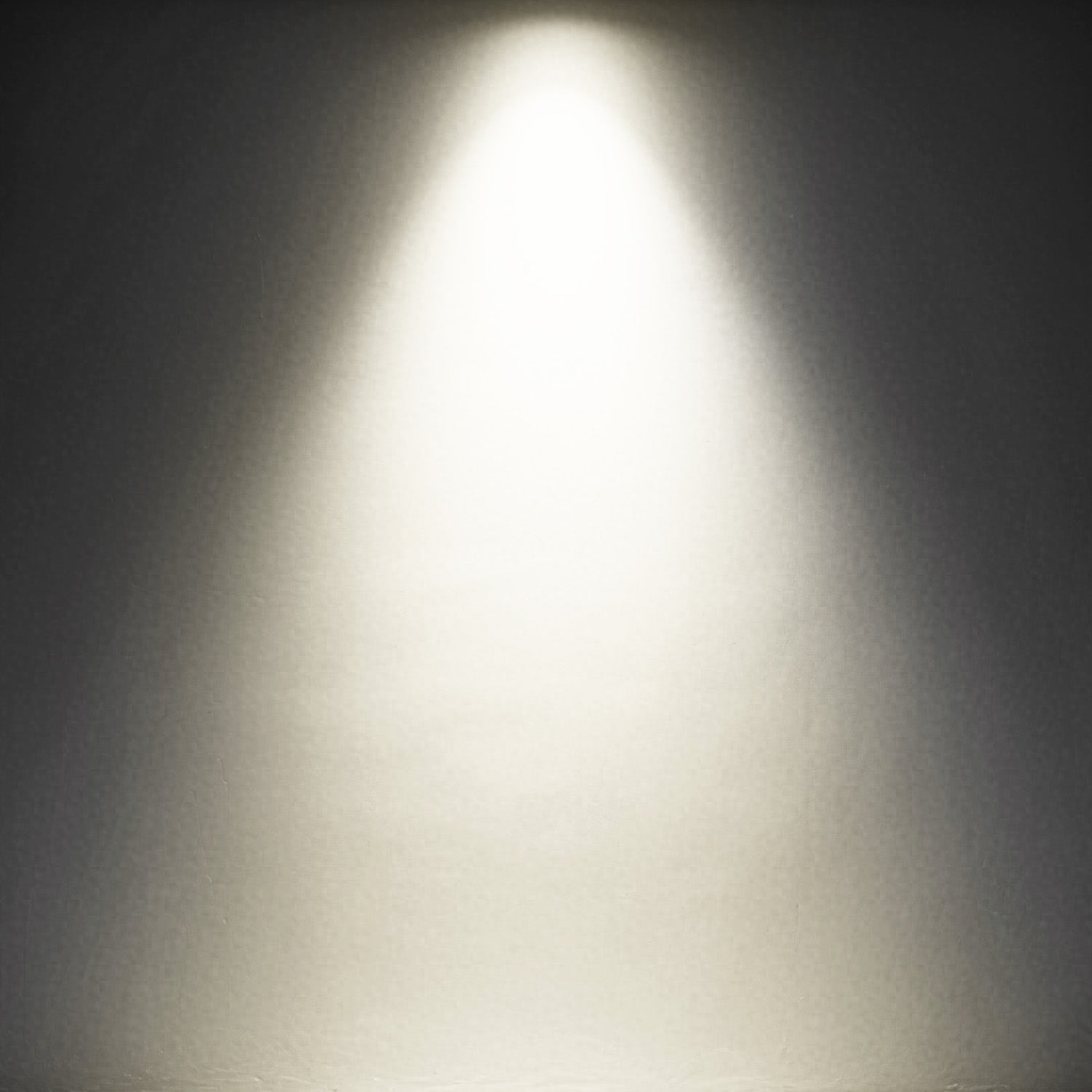
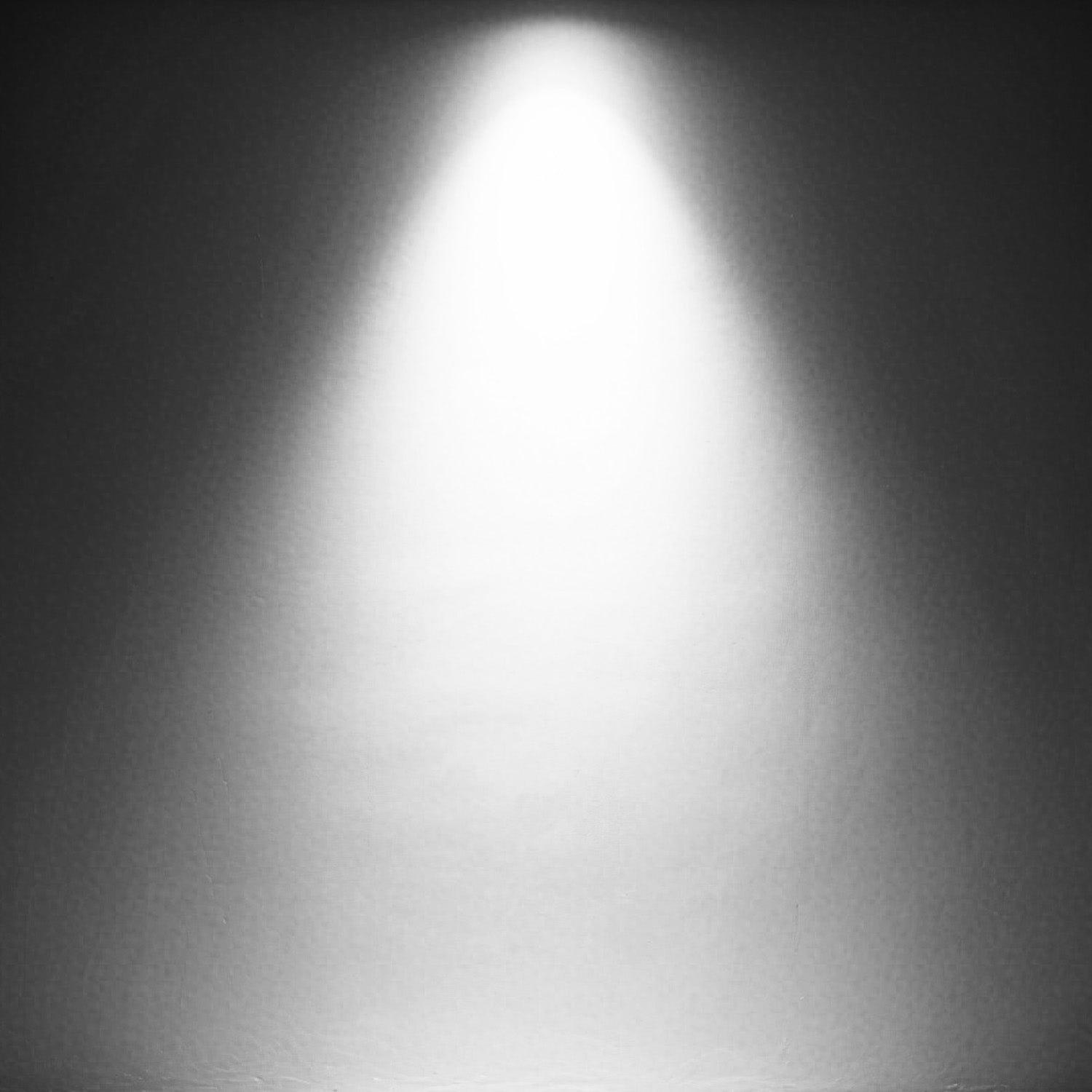
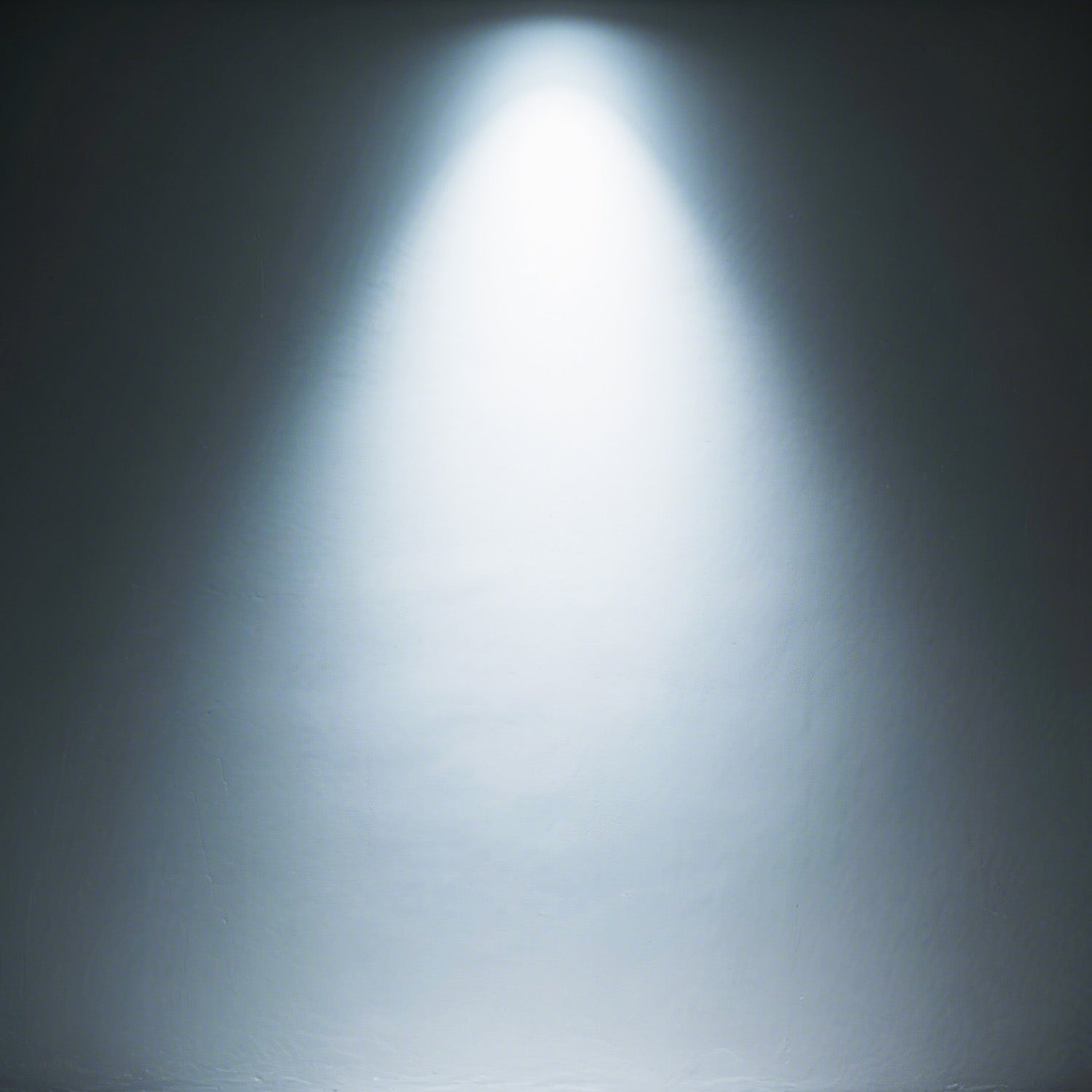

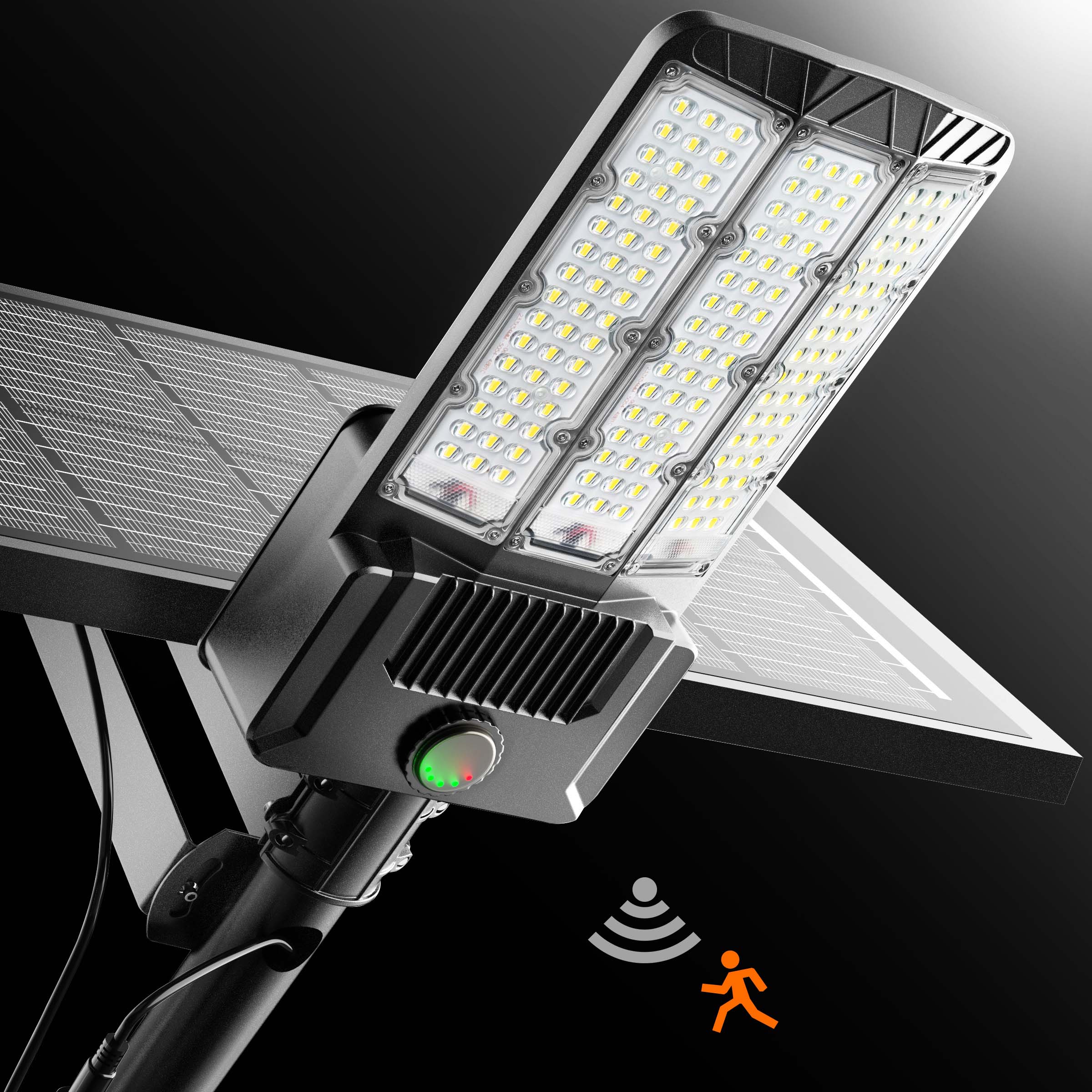







The driveway looked bright. The driveway was still dark.
You know the kind of outdoor light that makes you squint when you look up at it, then somehow leaves the spot beside your car in shadow? That's not just a brightness problem. It's a distribution problem. Light has to go somewhere, and a glowing fixture is not the same thing as a well-lit surface.
Imagine standing at the end of a long driveway after dark. The lamp above the garage looks fierce from the street. Yet the gate latch, the uneven gravel at the curb and the edge of the parking pad remain hard to see. Replacing it with another light advertised with an even bigger lumen number might help. Or it might create a brighter glare and the same dark patches. The smarter question is: how much light reaches the places people actually use?
That's where optical lenses earn their place. A lens does not create extra electricity or magically multiply the light produced by an LED. It redirects light into a chosen beam. The right beam can put more of a fixture's available output on a driveway, walkway or entrance instead of into the neighbor's window or the sky. For a solar-powered system, that matters twice: you want useful illumination, and you have a finite daily energy budget.
This guide is for US homeowners and site managers comparing large-lens solar street lights for driveways and parking areas. The practical long-tail question is: why does my solar LED light look bright but leave dark spots, and can an optical lens fix the beam? We'll talk physics without turning it into a classroom lecture, then look at four actual HYKOONT products. Prices are the listed USD prices checked while writing; availability and pricing can change.
First, a quick correction: a lens light is still an LED light
The title says large-lens solar lights versus traditional LEDs, but these are not two opposing light sources. Large-lens solar lights generally use LEDs too. The difference is what happens after the LED makes light. A bare emitter, a flat protective cover, a reflector and a shaped lens can send that light in quite different directions. Even two LED fixtures with the same stated lumen output can make very different places feel safe, comfortable and legible.
Think of water from a hose. You can spray it broadly, aim it into a tighter stream, or use a sprinkler head to spread it over a specific patch. The hose does not make more water when you change the nozzle. You are changing where it lands. Optical design works on the same basic idea, although light rays and lenses behave differently from water.
This distinction also protects you from an easy shopping mistake. A focused beam can make the center of a patch look brighter without increasing the total emitted lumens. If that concentrated spot misses the path's edges, it may make the whole scene less useful. You need the right distribution for the job, not the narrowest beam or the largest lens available.

What a lens actually does to light
An LED package emits light across a range of angles. A lens changes the direction of rays passing through it by refraction. Its shape, material, position relative to the LED and surface texture all affect the outgoing pattern. A reflector redirects light off a shaped surface instead. Many real fixtures use more than one optical element, and a fixture's outer cover may protect the LEDs without doing much beam shaping at all.
A lens can pull rays that would otherwise scatter sideways toward a more useful part of the ground. It can also spread an intense central beam to cover a wider area. Some distributions favor a long road; some favor a square parking pad; some illuminate a wall or an entrance. There isn't one universally optimal pattern. The fixture's mounting height and aiming angle determine where that pattern lands.
When a product page talks about a large lens, ask what the lens achieves. Is it a narrower throw for a long private drive? An even spread across a parking bay? Better edge definition on a path? Reduced direct view of the bright LED chips? Those are different goals. An attractive macro photo of a lens is not a substitute for a beam pattern or a realistic installation plan.
Lumens, lux and glare: three words worth separating
Lumens describe a total amount of visible light output. Lux describes how much light reaches a surface: one lumen per square meter. Glare is the uncomfortable or visibility-reducing brightness you see when a light source sits in or near your line of sight. A fixture can claim high lumens and still deliver disappointing ground-level lux in the area you care about. It can also create glare while leaving the far side of the driveway dim.
Suppose one fixture sends much of its light into a broad halo above a small parking pad. Another directs a greater share onto the pad. Both might have similar total output, but the second could make the parking area easier to navigate. It did not invent photons. It put them to work. On the other hand, if you need a broad yard wash, the tighter pattern might be the wrong choice. “More focused” is not automatically “better.”
For a proper lighting plan, look at ground-level illumination and uniformity, not just the brightest point. A sharp hot spot surrounded by darkness can make it harder for your eyes to adapt. Where vehicles and pedestrians mix, the edges of the area matter. Where a gate or address number matters, aim for the task surface. Where you want to protect neighbors from spill, orientation and cutoff matter at least as much as raw output.

Why optics matter especially for solar
A grid-powered light can draw electricity whenever it needs to. A solar light must collect energy during daylight, store it, then ration it through the night. The light's optical system cannot increase the solar panel's charging rate, but it can help make the energy spent by the LEDs more useful. If less output is wasted above or beyond the target, a sensible lighting schedule may deliver a better experience without demanding full-power operation all night.
That does not mean a lens automatically extends runtime. Runtime depends on battery capacity, the power consumed in each lighting mode, the panel's real daily harvest, controller behavior, weather and temperature. A lens changes the distribution of light, not the size of the battery. A motion sensor or timer can save power by changing when and how brightly the LEDs run. Those controls and the optics solve different pieces of the problem.
The most useful way to evaluate a solar fixture is to separate four questions: Can it collect enough winter sun at this location? Can it store enough energy for the desired schedule? Does its beam cover the ground you need lit? Will the mounted fixture be comfortable to look toward? A product that wins only one of those questions may still be the wrong fit.
Meet the large-lens option: HYKOONT TW015
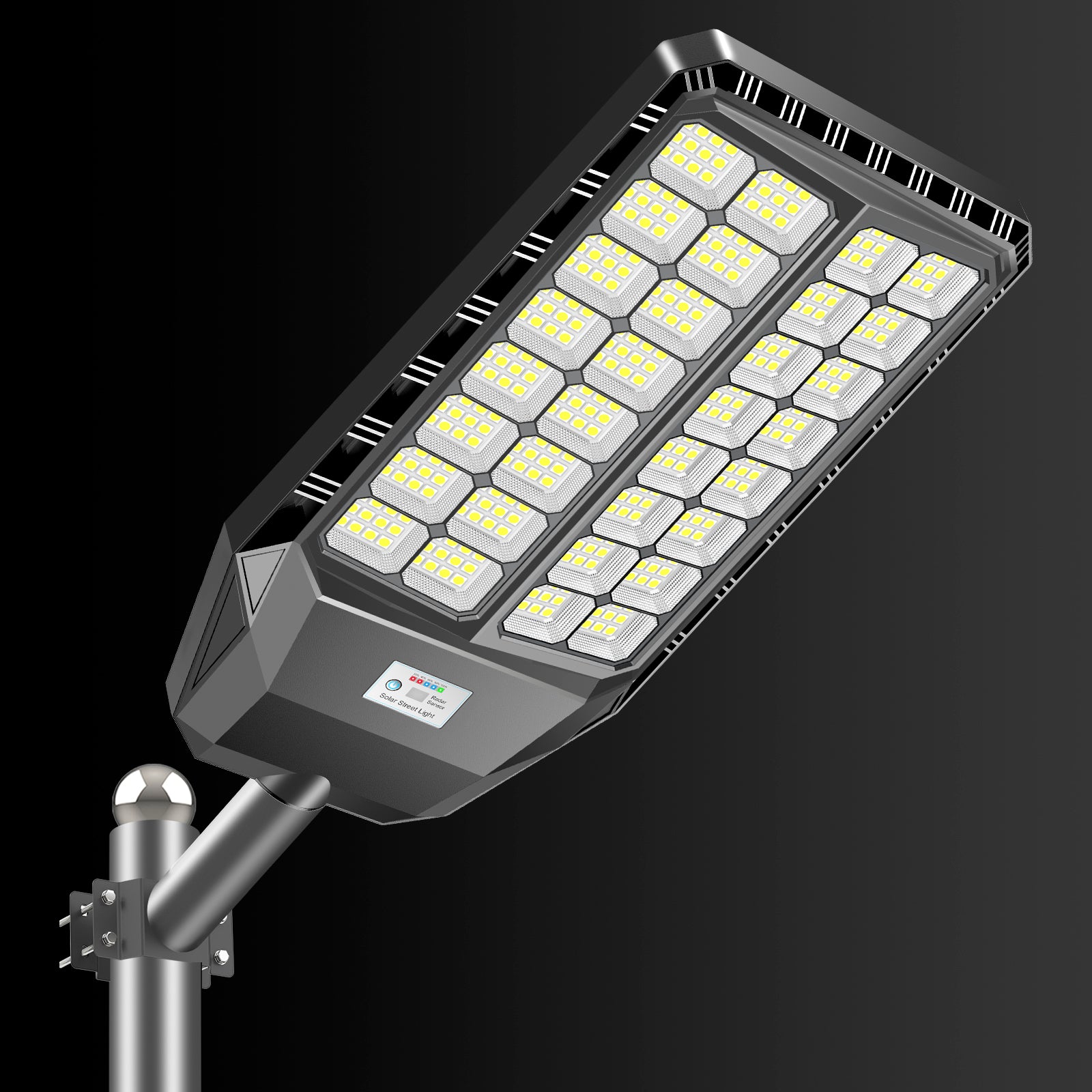
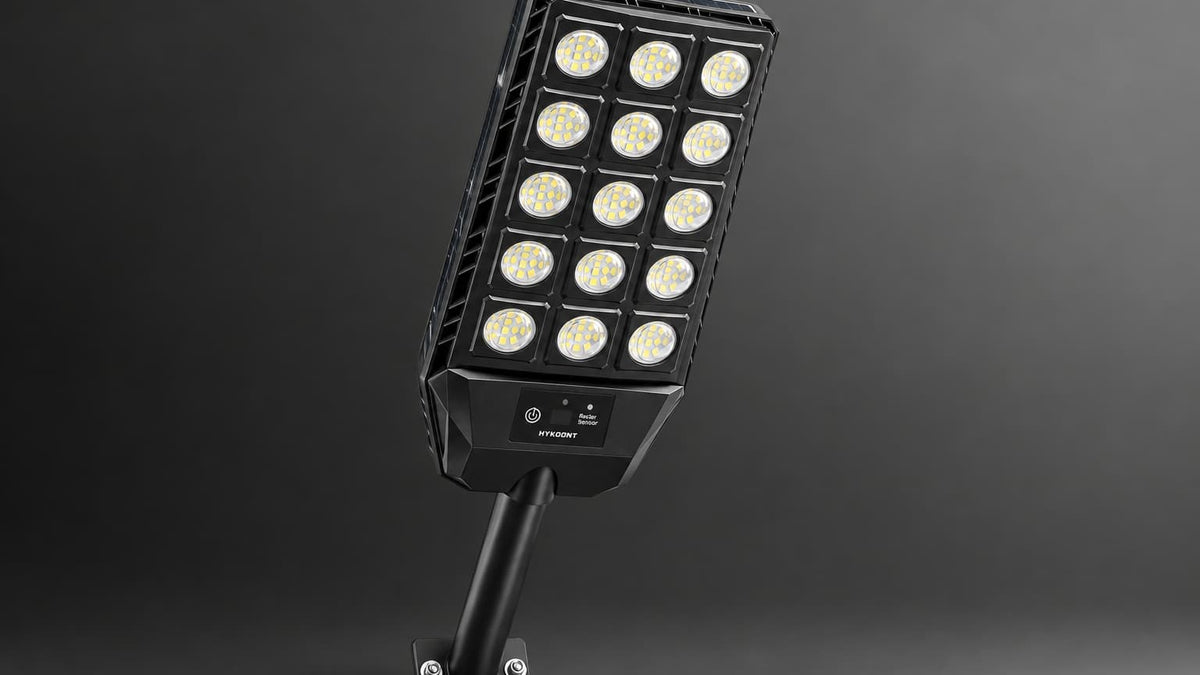
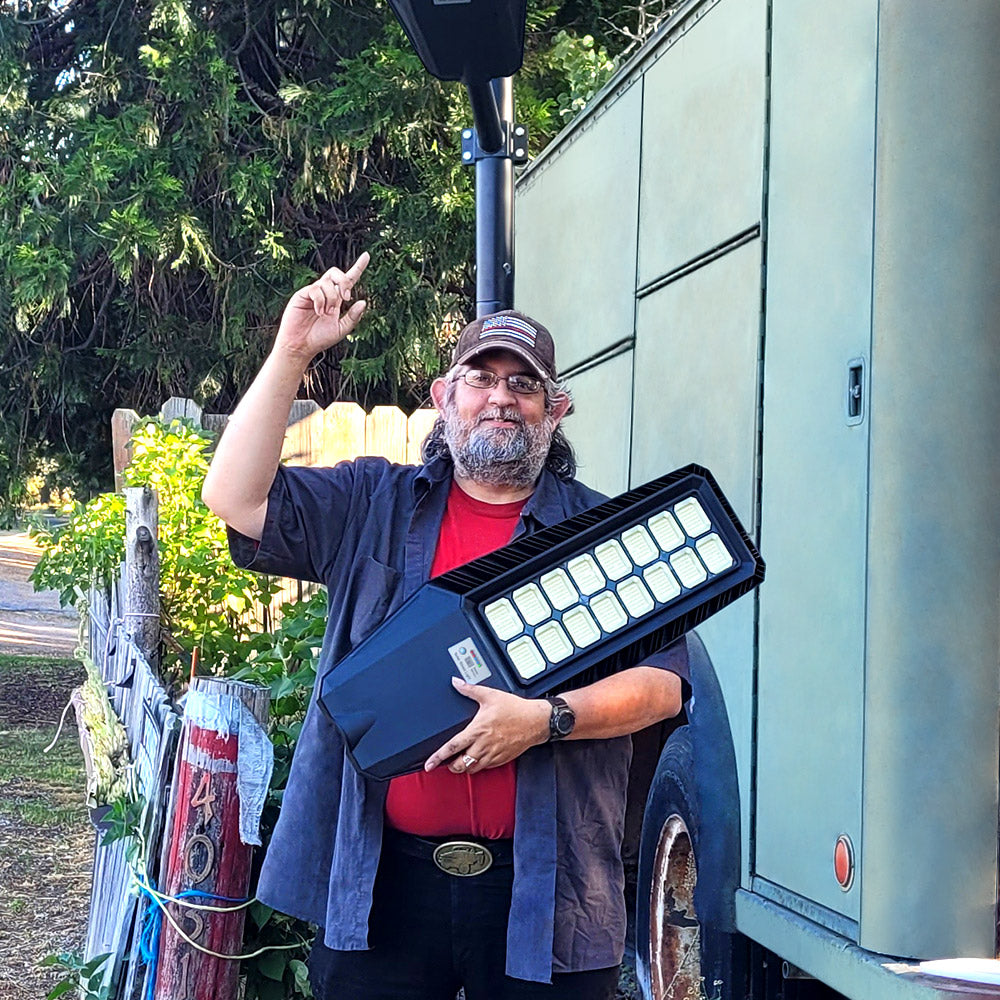
The HYKOONT TW015 large-lens solar street light is the clearest example in this group. Its listing describes 15 large optical lenses paired with deep reflector cups, 255 LED chips, a stated 15,000-lumen output, a 5 V 10 W monocrystalline panel, and a 3.2 V 9.2 Ah rechargeable battery. Light sensing, motion response and a remote are listed as controls. The current listed price is $85 USD.
The important detail isn't that 15 is a magic lens count. It is that the fixture is explicitly designed to shape its beam for targeted outdoor areas, including driveways, gates and paths. A targeted beam may be useful when the job is to light a defined stretch rather than flood an entire yard. The panel and battery specifications also deserve a sober reading: a stated 10 W panel and roughly 29 Wh nominal battery energy, calculated from 3.2 V × 9.2 Ah, should be considered alongside the selected mode and real sunlight. Do not assume its headline lumen claim applies continuously from dusk to dawn.
Ordering note: the TW015 is labeled as a pre-order on its product title, with shipping described as about one month. Confirm its current ship date before planning an installation deadline.

Explore the TW015 large-lens light, listed at $85 USD.
Another way to compare optics: TW024 lens and reflector variants
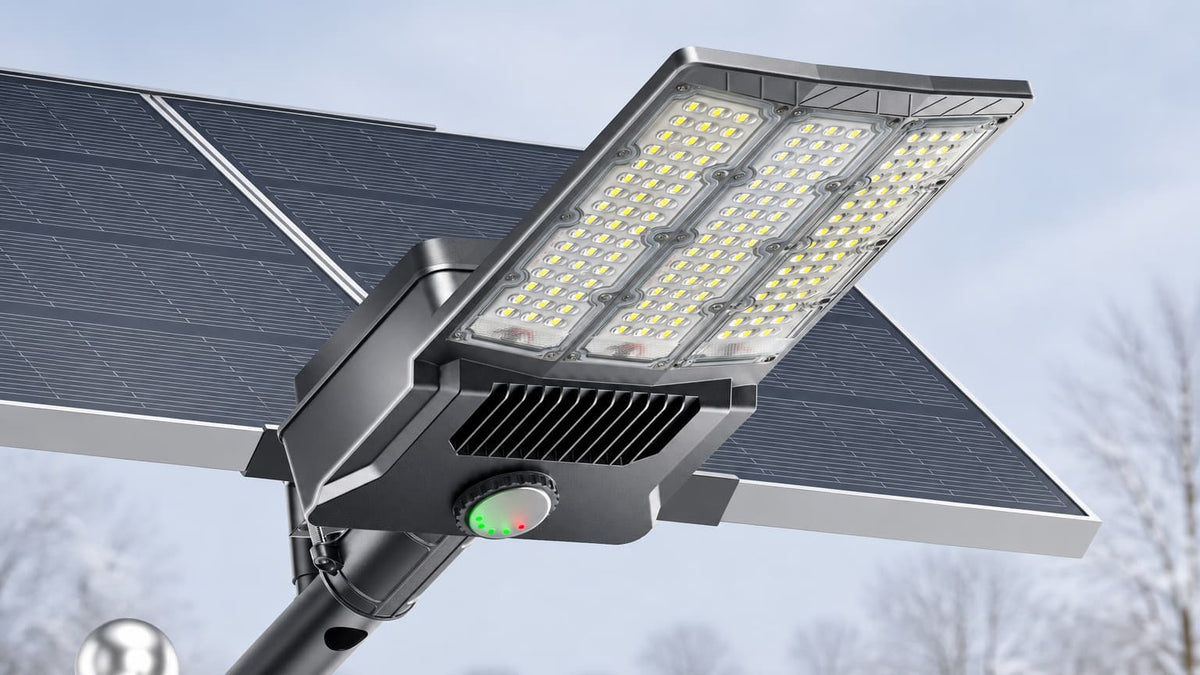
The HYKOONT TW024 solar street light offers a particularly interesting buying decision because its variants include a Lens Type and a Reflector Type. The listed one-pack prices are $105 USD for Lens Type and $109 USD for Reflector Type. This is a useful reminder that a lens is not automatically a more expensive or categorically superior approach. Both are tools for directing light.
The TW024 listing describes an IP66-rated solar fixture with light, timer, remote and radar controls. It markets the fixture for parking areas, garages, roads, gardens and courtyards. Product-page claims about wattage, output and runtime should be interpreted in the context of mode and site conditions; we wouldn't treat them as a guarantee for your specific mounting height or winter weather. The product page is the right place to choose the precise variant and pack size.
If you're deciding between its optical variants, start with the application, not the $4 price difference. Are you trying to throw light along a lane, brighten a broad courtyard, or reduce spill near a property line? Without comparable beam measurements for your exact variants and installation, it would be misleading to promise that one will cover more ground or control glare better at your site. The useful next step is to match the beam to the geometry of your space.

Compare TW024 Lens Type ($105) and Reflector Type ($109) one-pack options.
What if the problem is wide, even coverage?
The HYKOONT TW002C solar street light is another useful comparison. Its listing calls out a spherical lens and broad, even lighting for driveways, patios and yards. It also describes adjustable dual solar panels, motion sensing and timed modes. The listed price is $89 USD. That makes it a different sort of optics story from a narrowly focused throw: the goal described on the product page is broad coverage rather than merely a bright center.
Do not read an advertised coverage area as a measured guarantee for every mounting position. A yard with one low pole, a driveway between tall trees and a wide open parking area will not look the same under identical hardware. The mounting height and the direction of the fixture still decide how much of that potential distribution becomes useful ground-level light.

See the TW002C for broad outdoor coverage, listed at $89 USD.
A fourth point of reference: TW016
The HYKOONT TW016 solar street light has “lens optical design” in its product URL and is listed at $79.99 USD. Its product copy discusses a 6 V 20 Ah battery, 160 LED chips, dusk-to-dawn controls, motion sensing and dimming. The description emphasizes wide outdoor coverage. It's a useful price and use-case reference for a buyer comparing more than one solar street light, but the available copy does not provide a comparable lens beam chart. We cannot honestly declare that the TW016 has a better or worse beam than the TW015 on the basis of a name alone.

Price is not an optical measurement either. These four lights differ in battery, panels, modes, fixture construction and intended application. Use price to establish budget, then ask whether the beam and energy system fit the job.
How to inspect your site without special equipment
Walk the area at night before buying. That sounds almost too simple, but it changes the discussion. Where do you instinctively slow down? Which curb, step, gate or turn disappears? Which direction will drivers approach from? If a light faces an arriving driver, excessive source brightness may be as counterproductive as low illumination on the pavement. Notice where you want people to look, not merely where you have a convenient mounting surface.
Sketch a rough plan: driveway length and width, parking pad, pedestrian routes, nearest neighbor, trees, possible mounting points and panel exposure. You do not need a perfect architectural drawing. The sketch helps you distinguish a narrow lane from an irregular open area. A lens designed to throw light along a lane may make sense in one and leave corners dark in the other. If there's a turn in the drive, one well-aimed light at the turn can sometimes do more than a larger light installed where the sun is best but the beam points poorly.
Visit in daylight too, because solar changes the mounting decision. A lamp position might be ideal for aiming but terrible for charging. If the panel is integrated, you may need a compromise. If the product allows a separately mounted or adjustable panel, follow its actual mounting instructions and cable limitations. Do not assume every fixture lets you aim the panel separately from the light.
Why mounting height changes everything
Move a light higher and the same beam covers a larger footprint, but the light reaching any given patch of ground may drop. Move it lower and you can create a small bright area with darker edges, while the source may enter people's direct line of sight. Aim it too far down and you can create a hot spot below the pole. Aim it too far out and you might light the neighbor's yard or glare into drivers' eyes.
This is why a claim such as “covers 2,000 square feet” should trigger a question: at what installation height, with what ground-level illumination, and with how much uniformity? A big area can technically receive light and still contain spots too dark for the task. A product listing is a starting point; the site geometry finishes the calculation.
For safety-sensitive commercial areas, use the lighting requirements appropriate to your facility and consult a qualified lighting designer or installer. A blog article can help you ask better questions, but it cannot certify that a particular light meets a roadway, parking or security requirement.
Lens size, lens count and the trap of impressive-looking hardware
Large optical elements can provide room for designers to shape a beam, but size by itself does not tell you optical performance. Material clarity, geometry, placement over the LEDs, sealing, surface finish and the arrangement of multiple emitters all matter. A small well-designed optic can outperform a large poorly matched one for a specific job. Likewise, many lenses arranged badly can create uneven patches rather than smooth coverage.
The TW015's 15-lens and deep-reflector description tells you what the product is trying to achieve: focused light for defined outdoor tasks. It does not prove that it wins every comparison with a different fixture at every pole height. If you're comparing fixtures, look for distribution information or realistic ground-level examples and check how the fixture will be mounted. Then look at the battery and solar panel. Optical ambition cannot rescue a system that runs out of stored energy before morning.
Can optical control reduce glare?
Sometimes. A well-designed optic can keep more light out of an observer's direct view and direct it toward the ground. But “has a lens” is not the same thing as “glare-free.” Fixture shielding, mounting position, source brightness, aiming and the angle at which people approach all matter. A concentrated beam can even create uncomfortable high contrast if the center is extremely bright and the surroundings are dark.
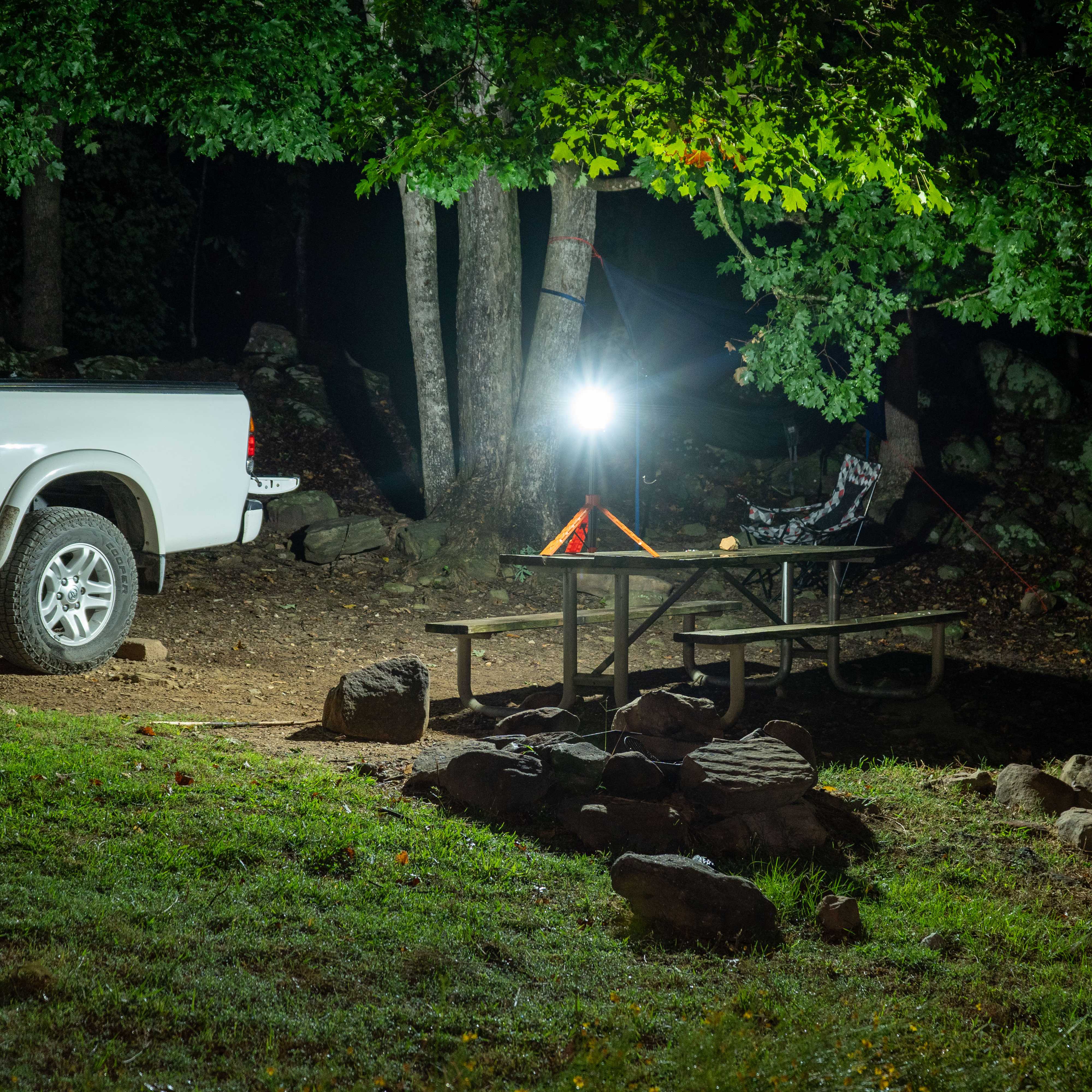
Try this practical thought experiment: stand where a driver or pedestrian would be and look toward the fixture. Can you see a small intensely bright source? Does the light help reveal obstacles, or does it wash out your view for a moment? The answer may be more valuable than the headline lumen figure. For places near a neighbor's bedroom or a public road, light spill and glare deserve particular attention. Don't promise “no glare” without testing the real installation.
The energy budget still gets the final vote
Even excellent optics can't make a solar light run indefinitely. The sun has to recharge the battery. Summer and winter provide very different charging windows. Trees and buildings cast longer winter shadows, and cloud, snow or dirt can reduce the panel's useful harvest. Meanwhile, longer nights increase the hours the LEDs need to operate. Motion-triggered brightening and dimmed standby may conserve power when full brightness isn't needed, but the right schedule depends on activity and safety requirements.
If a light is bright at dusk and dim or off by dawn, don't immediately blame the lens. Check the solar exposure, panel cleanliness, selected mode and whether the light is trying to illuminate more area than its energy budget supports. A better beam can improve perceived usefulness, but it does not repair a depleted battery or a shaded panel.
A buying framework you can use in five minutes
First, name the task: “I need to see the gate latch and ten feet of gravel,” or “I need drivers to recognize the parking-lot turn.” Then decide whether you need a long throw, a broad wash, or a more controlled edge near neighbors. Next, check where the panel gets sun during the least favorable season. Finally, match mounting hardware, weather protection, battery and lighting modes to the site.
If targeted path or driveway illumination is the priority and a pre-order schedule works, look at the TW015. If you want to compare two named optical constructions in the same product family, look at the TW024 Lens Type and Reflector Type. If broad coverage and adjustable dual panels suit a yard or patio, review the TW002C. If you're comparing accessible price points for a general solar street light with motion/dimming controls, look at the TW016 as well. Those are starting points for evaluation, not a ranking from “best” to “worst.”
Check TW016 availability and its $79.99 USD listed price.
What to compare on the product page
Look for the exact variant name, panel specification, battery capacity and control modes. If the seller provides a beam diagram or recommended mounting height, use it. If not, avoid pretending you have a measured photometric comparison. Check whether a price is for one light or a multipack. The TW024, for example, has one-, two- and four-pack variants as well as two optical options. Quoting the lowest one-pack lens price as if it applied to every configuration would be misleading.
Also check the timing. TW015 is explicitly marked pre-order with about a one-month shipping description. A great optical fit isn't useful if a site needs lights installed next week. And check the actual photo for the variant selected; a generic main image can show a fixture family without clearly distinguishing each optic.
The answer is not “bigger lens wins”
Here is the honest verdict. A large lens can make a solar light outperform a simpler LED fixture for a particular task when it puts more of the available light on the relevant surface, improves uniformity or reduces wasteful spill. But it doesn't automatically raise total lumen output, charge the battery faster or guarantee less glare. A wide optic can beat a focused one for a broad pad; a controlled throw can beat a wide wash for a long narrow drive. The right lens is the one whose distribution matches the space.
For a US driveway or parking area, don't buy a number floating on a box. Buy a lighting plan: where the light lands, what it lets people see, how it feels to approach, and how the solar system sustains that result on an ordinary cloudy week. That's optical science translated into something useful when you're standing in your own driveway at night.
Frequently asked questions
Do optical lenses make LEDs produce more lumens?
No. A lens redirects and shapes the light made by the LEDs. It can increase useful illumination in a chosen area without increasing total light generated.
Why does my solar light look bright but leave dark spots?
The beam may be aimed poorly, too narrow for the area, too broad to deliver enough ground-level light, or mounted at an unsuitable height. Obstacles and an undersized system can contribute too. Start by mapping the dark spots and the mounting geometry.
Is a larger lens always better for a driveway?
No. Lens shape, beam pattern and installation matter more than size alone. A long narrow drive and a broad parking pad need different distributions.
Does a lens save battery power?
Not directly. It can make the available light more useful. Battery savings come from lowering power draw through appropriate modes, timers or dimming, while maintaining the illumination the site requires.
What is the difference between lumens and lux?
Lumens describe total visible output. Lux describes how much light lands on a surface. For a driveway or walkway, the ground-level light and its uniformity are usually more informative than total lumens alone.
Lens or reflector: which should I choose on TW024?
Choose according to the beam needed on your site, not the label. TW024 lists both variants, but without comparable beam data for your installation we cannot claim one always performs better.
Is the TW015 available immediately?
Its product title identifies it as a pre-order and says it ships in about a month. Verify the current shipping estimate on the product page before ordering for a deadline.
Can a focused lens eliminate light pollution?
It may help direct light away from unwanted areas, but aiming, fixture shielding, mounting position and operating schedule matter too. No lens alone guarantees zero spill.
Will better optics solve short winter runtime?
No. Optics address distribution. Short runtime calls for checking sunlight exposure, panel condition, battery health, selected lighting mode and the site's actual energy needs.

Leave a comment
This site is protected by hCaptcha and the hCaptcha Privacy Policy and Terms of Service apply.