








Decorating for the holidays is one of life's most satisfying rituals—until you plug in your LED Christmas lights and discover that half the string has gone dark. That sinking feeling is universal, and it happens to millions of households every single holiday season. The good news? In the vast majority of cases, the problem is entirely fixable without buying a new set of lights. Understanding why it happens and how to systematically diagnose and repair it can save you money, reduce waste, and get your display back up in under an hour.
This comprehensive guide covers everything you need to know: the science behind how LED Christmas light strings work, every common failure mode, a step-by-step repair process, advanced troubleshooting for stubborn problems, and professional-grade prevention strategies. Whether you're a first-time decorator or a seasoned holiday lighting enthusiast, you'll find actionable answers here.
Understanding How LED Christmas Light Strings Work
Before you can fix a problem, it helps to understand the system. Modern LED Christmas lights are wired in one of two configurations: series circuits or parallel circuits—and many consumer strings use a hybrid of both.
Series vs. Parallel Wiring
In a series circuit, all bulbs share a single electrical path. If one bulb fails and breaks the circuit, every bulb downstream goes dark—this is the classic "one bulb out, whole string out" problem associated with older incandescent lights. Most modern LED strings avoid pure series wiring for exactly this reason.
In a parallel circuit, each bulb has its own independent path to the power source. A single failed bulb doesn't affect its neighbors. However, pure parallel wiring requires more copper wire and is more expensive to manufacture.
The most common design in today's LED Christmas lights is a series-parallel hybrid: the string is divided into two or more independent sections (segments), each wired in series internally. This is why half the string goes out—one segment's circuit is broken while the other continues to function normally. Understanding this architecture immediately tells you where to focus your troubleshooting: find the break in the affected segment.

How LED Bulbs Differ from Incandescent
LED (Light Emitting Diode) bulbs are semiconductor devices. They consume 70–80% less energy than incandescent equivalents, generate far less heat, and have a rated lifespan of 25,000–50,000 hours under ideal conditions. However, they are sensitive to voltage fluctuations, reverse polarity, and moisture ingress in ways that incandescent bulbs are not. A single LED that fails in a shorted state (rather than an open-circuit state) can actually keep the rest of the segment lit while drawing excess current—accelerating wear on neighboring bulbs.
Many premium LED strings include a shunt mechanism inside each bulb socket: a small resistor or wire that bypasses a failed bulb and maintains circuit continuity. If your lights have shunts, a single dead bulb won't kill the segment. If they don't, one failed bulb can take down the entire half-string.
Common Causes of Half a String of LED Christmas Lights Going Out
Now that you understand the underlying architecture, let's examine every realistic failure mode in detail.
1. Blown Fuse
The plug on virtually every consumer LED Christmas light string contains one or two miniature glass fuses—typically 3A or 5A rated. These fuses are the first line of defense against power surges, overloaded circuits, and short circuits. When a fuse blows, it interrupts power to the entire string or to one segment, depending on how the fuses are wired.
A blown fuse is the single most common cause of a half-dark string, and it's also the easiest fix. The fuse compartment is usually a small sliding door on the side of the plug, accessible with a flathead screwdriver or fingernail. Replacement fuses are inexpensive and widely available at hardware stores and online.
2. Loose or Faulty Bulb Connections
LED bulbs in consumer Christmas light strings are typically press-fit into plastic sockets. Over time—especially after repeated storage and deployment cycles—bulbs can work themselves loose. A bulb that isn't making full contact with its socket creates a high-resistance connection that can interrupt the circuit for that entire segment.
This is particularly common in strings that have been stored loosely in a box, where the weight of tangled wires can gradually pull bulbs out of their sockets. It's also common in outdoor strings exposed to wind, which can vibrate bulbs loose over the course of a season.
3. Burnt-Out or Failed LED Bulbs
Although LEDs are rated for tens of thousands of hours, real-world consumer Christmas light bulbs often fall short of that rating. Manufacturing variability, voltage spikes, moisture exposure, and thermal cycling (repeated heating and cooling) all accelerate LED degradation. A single failed LED in an open-circuit state—especially in a string without shunt mechanisms—can break the series circuit for its entire segment.
Identifying the specific failed bulb is the most time-consuming part of the repair process, but it's entirely doable with the right tools and technique.
4. Damaged Wiring
The thin copper wires in consumer LED Christmas light strings are vulnerable to physical damage. Common causes include:
- Improper storage: Tightly coiling or knotting the string stresses the wire insulation at bend points.
- Staple or nail damage: Hanging lights with metal fasteners can pierce the insulation and create a short circuit.
- Animal damage: Rodents and squirrels occasionally chew through outdoor light strings.
- UV degradation: Prolonged outdoor exposure causes plastic insulation to become brittle and crack.
- Pinching: Closing a window or door on a light string can crush the wire at that point.
Damaged wiring can manifest as either an open circuit (lights go out) or a short circuit (fuse blows repeatedly). Both are diagnosable with a systematic inspection.
5. Connector and Extension Cord Issues
If you're daisy-chaining multiple strings together, a faulty connection between strings can cause one or more strings to go dark. Corroded or bent connector pins, loose female sockets, and overloaded extension cords are all potential culprits. Most manufacturers specify a maximum number of strings that can be connected end-to-end (typically 3–5 strings), and exceeding this limit can cause voltage drop severe enough to dim or extinguish LEDs.
6. Controller or Timer Malfunction
Many modern LED Christmas light sets include an inline controller for flashing patterns, color changes, or dimming. These controllers contain small circuit boards that can fail due to moisture ingress, power surges, or component aging. A malfunctioning controller can cause erratic behavior, including half the string going dark or the string flickering unpredictably.
7. Overloaded Circuit
Plugging too many light strings into a single outlet or power strip can trip a circuit breaker or blow a fuse at the breaker panel. This is a whole-house electrical issue rather than a light string issue, but it's worth ruling out before you spend time troubleshooting the lights themselves.
Tools You'll Need Before You Start
Having the right tools on hand makes the repair process significantly faster and safer. Here's what we recommend gathering before you begin:
- Replacement fuses: Match the amperage rating printed on your existing fuse (commonly 3A or 5A, 125V).
- Replacement LED bulbs: Many sets include spare bulbs in the packaging. If not, note the voltage and base type before purchasing replacements.
- LED light tester / circuit tester: A dedicated Christmas light tester (available for under $15) can identify failed bulbs and broken circuits in seconds. This is the single most valuable tool for this job.
- Flathead screwdriver: For opening the fuse compartment.
- Needle-nose pliers: For removing and inserting bulbs without damaging the socket.
- Electrical tape: For temporary insulation of minor wire damage.
- Multimeter (optional): For advanced voltage and continuity testing.

Step-by-Step: How to Fix LED Christmas Lights When Half the String Is Out
Follow these steps in order. Each step is designed to rule out the most common and easiest-to-fix causes before moving to more complex diagnostics.
Step 1: Rule Out the Power Source
Before touching the lights, confirm that the problem is with the lights themselves and not with your power source.
- Check your home's circuit breaker panel. If a breaker has tripped, reset it and test the outlet with another device (a lamp or phone charger) before plugging the lights back in.
- If you're using a power strip or extension cord, test it with another device to confirm it's functioning.
- Try plugging the lights directly into a wall outlet rather than through an extension cord or power strip.
- If the lights work when plugged directly into the wall but not through the extension cord, the extension cord is the problem—replace it.
Step 2: Inspect and Replace the Fuse
With the lights unplugged, locate the fuse compartment on the plug. It's typically a small rectangular door on the flat face of the plug, secured by a sliding latch or a small screw.
- Open the compartment and remove the fuse(s). Most plugs contain two fuses.
- Hold each fuse up to a light source. A blown fuse will show a visibly broken filament wire inside the glass tube, or the glass may be blackened or discolored.
- Replace any blown fuses with new ones of identical amperage and voltage rating. Never substitute a higher-rated fuse—this removes the overcurrent protection and creates a fire hazard.
- Plug the lights back in and test. If the lights now work fully, you're done. If the new fuse blows immediately, there is a short circuit somewhere in the string that must be located before proceeding.
Step 3: Check All Bulb Connections
With the lights unplugged, work your way along the dark section of the string, pressing each bulb firmly into its socket. You should feel a slight click or resistance when the bulb is fully seated. Pay particular attention to bulbs near the midpoint of the string, where the two segments connect—this junction is a common failure point.
After pressing all bulbs in, plug the lights back in and test. If the dark section lights up, a loose bulb was the culprit. If not, proceed to the next step.
Step 4: Use a Light Tester to Find the Failed Bulb
A dedicated LED Christmas light tester is the most efficient way to identify a failed bulb. These devices work by sending a small test current through each bulb socket without requiring the string to be powered.
- Starting from the plug end of the dark section, touch the tester to each bulb socket in sequence.
- The tester will indicate (via a light or sound) whether each bulb is functional.
- When you find a bulb that doesn't respond, remove it and replace it with a spare of the same type.
- Plug the string back in and test. Repeat this process if multiple bulbs have failed.
If you don't have a tester, you can use the substitution method: replace bulbs one at a time with known-good spares, starting from the plug end of the dark section, until the section lights up. This is slower but equally effective.
Step 5: Inspect the Wiring for Physical Damage
If replacing bulbs and the fuse hasn't resolved the issue, carefully inspect the entire length of the dark section for physical wire damage. Lay the string out flat on a clean surface in good lighting.
- Look for cuts, kinks, crushed sections, or areas where the insulation has cracked or peeled away.
- Pay special attention to areas near bulb sockets, connector points, and anywhere the string was bent sharply during storage.
- If you find a section of exposed wire, you can apply electrical tape as a temporary fix. For a permanent repair, use wire connectors or heat-shrink tubing to splice the damaged section.
- If the damage is extensive or the wire is broken entirely, the most practical solution is to replace the string.
Step 6: Test the Controller (If Applicable)
If your string has an inline controller, try bypassing it by connecting the string directly to power (if the connector design allows). If the lights work without the controller, the controller is faulty and should be replaced or the string should be used in a static (non-flashing) mode if possible.
Step 7: Test the Full String
After completing all repairs, plug the string in and verify that every section is fully lit. Walk the entire length of the string and look for any dim, flickering, or dark bulbs that may indicate additional issues. Address any remaining problems before installing the lights in your display.

Advanced Troubleshooting: When Basic Steps Don't Work
Using a Multimeter for Continuity Testing
If you have a multimeter, you can perform a continuity test on the dark section of the string to pinpoint exactly where the circuit is broken. Set the multimeter to continuity mode (indicated by a diode symbol or a sound wave icon). With the string unplugged, touch the probes to the two wire leads at the beginning and end of the dark section. No continuity (no beep or infinite resistance reading) confirms an open circuit somewhere in that section. You can then narrow down the location by testing progressively shorter segments of the wire.
Identifying a Shorted LED
A shorted LED (one that has failed in a low-resistance state) is harder to identify than an open-circuit failure because it doesn't break the circuit—it just draws excess current. Signs of a shorted LED include one bulb that glows significantly brighter than its neighbors, or a section that runs noticeably hotter than the rest of the string. A multimeter in resistance mode can identify a shorted bulb: a functional LED will show a specific resistance value, while a shorted one will show near-zero resistance.
When to Replace Instead of Repair
Not every string of lights is worth repairing. Consider replacing the string if:
- The wiring is extensively damaged along multiple sections.
- The string is more than 5–7 years old and has been used heavily.
- Replacement bulbs are no longer available for that specific string model.
- The cost of replacement parts exceeds 50% of the cost of a new string.
- The string lacks UL or ETL certification (a safety concern regardless of functionality).

Upgrade Your Outdoor Lighting: Beyond Christmas Strings
While you're thinking about your lighting setup this holiday season, it's worth considering the broader picture of your home's outdoor illumination. High-quality, energy-efficient LED lighting isn't just for Christmas—it's a year-round investment that enhances security, curb appeal, and energy savings. Here are three Hykoont products worth considering as you plan your lighting ecosystem:
Hykoont Solar LED Bug Zapper Light — Functional Beauty for Outdoor Spaces
If you're decorating your garden or patio for the holidays, you're probably also thinking about how to keep that space comfortable and pest-free. The Hykoont 19W Solar LED Bug Zapper Light is a dual-purpose outdoor fixture that combines warm ambient LED illumination with triple UV tubes for effective insect control—all powered entirely by solar energy. With an IPX4 weatherproof rating and both ground stake and hanging mounting options, it integrates seamlessly into any outdoor holiday display while providing practical year-round value. No wiring, no electricity costs, and no need to remember to turn it off at night.
Hykoont UFO High Bay Lights — Professional-Grade LED for Large Spaces
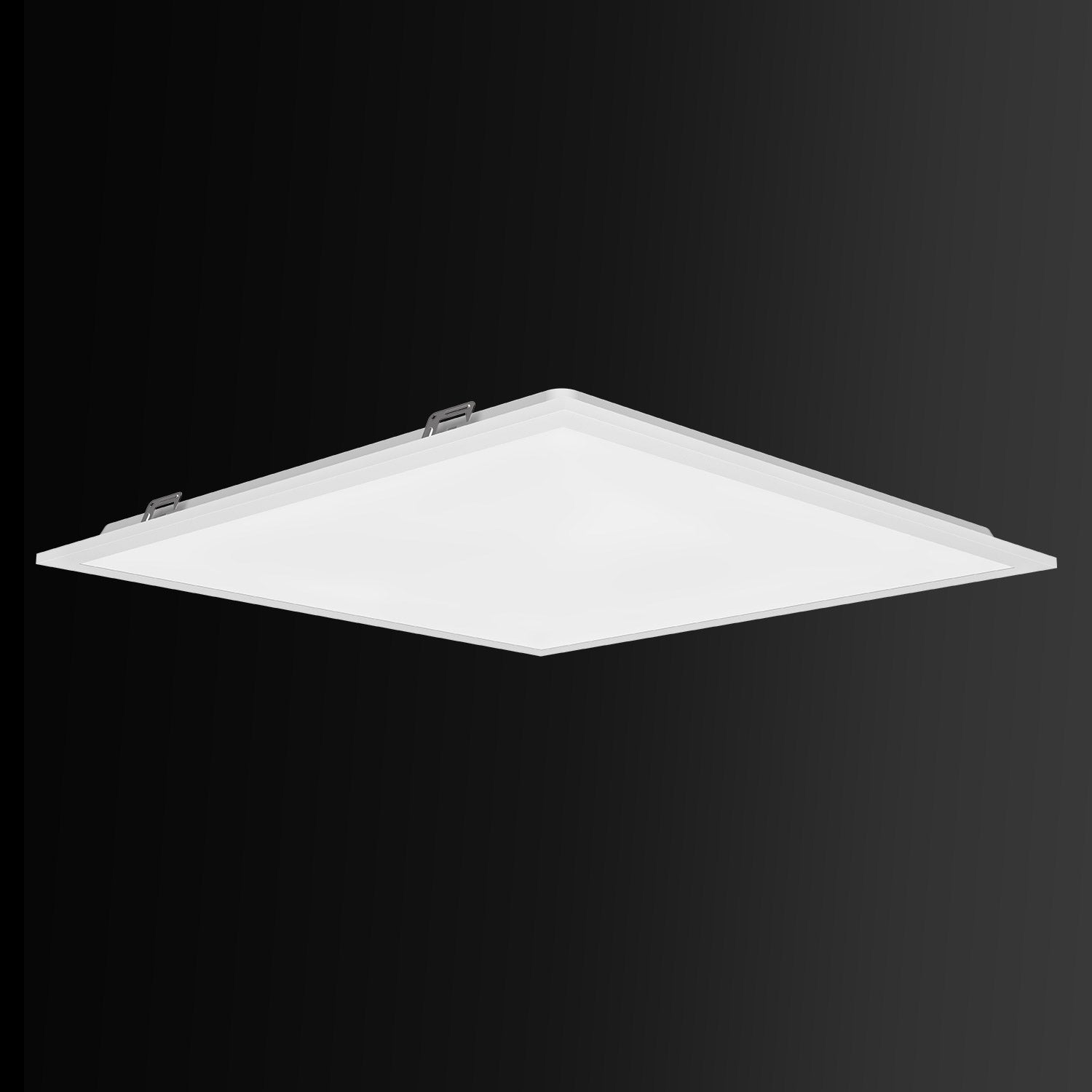
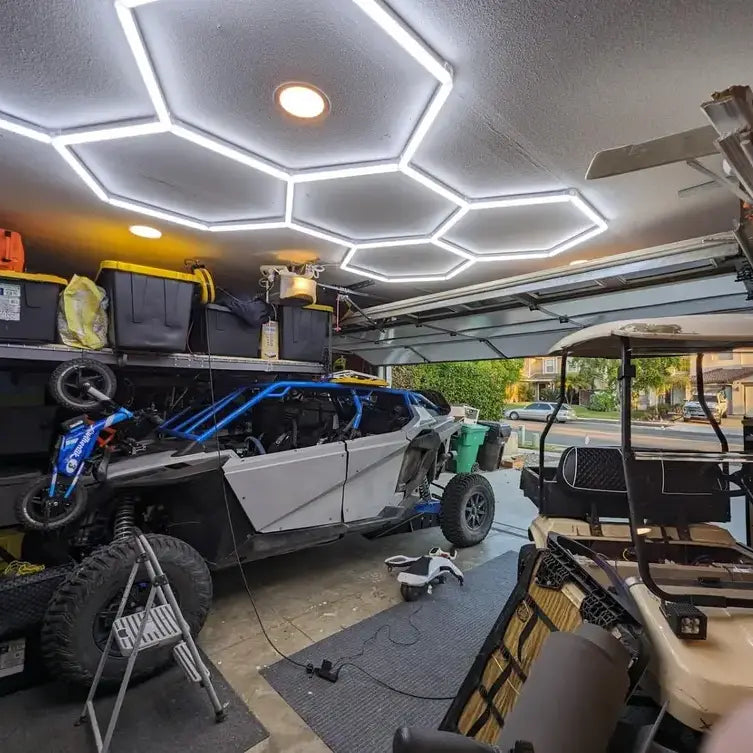
For those decorating commercial spaces, warehouses, garages, or large covered areas, consumer Christmas light strings simply aren't designed for the scale or durability required. The Hykoont UFO12 Tunable LED UFO High Bay Light (available in 80W, 100W, 150W, and 240W configurations) delivers industrial-grade illumination with tunable color temperature, allowing you to dial in the perfect ambiance for any setting. With a rated lifespan far exceeding consumer-grade products and robust construction designed for demanding environments, it's the right tool for serious lighting applications. Pair it with festive accent lighting for a professional holiday display that impresses clients and visitors alike.
Hykoont AR07 LED Area Light — Reliable Perimeter and Pathway Lighting
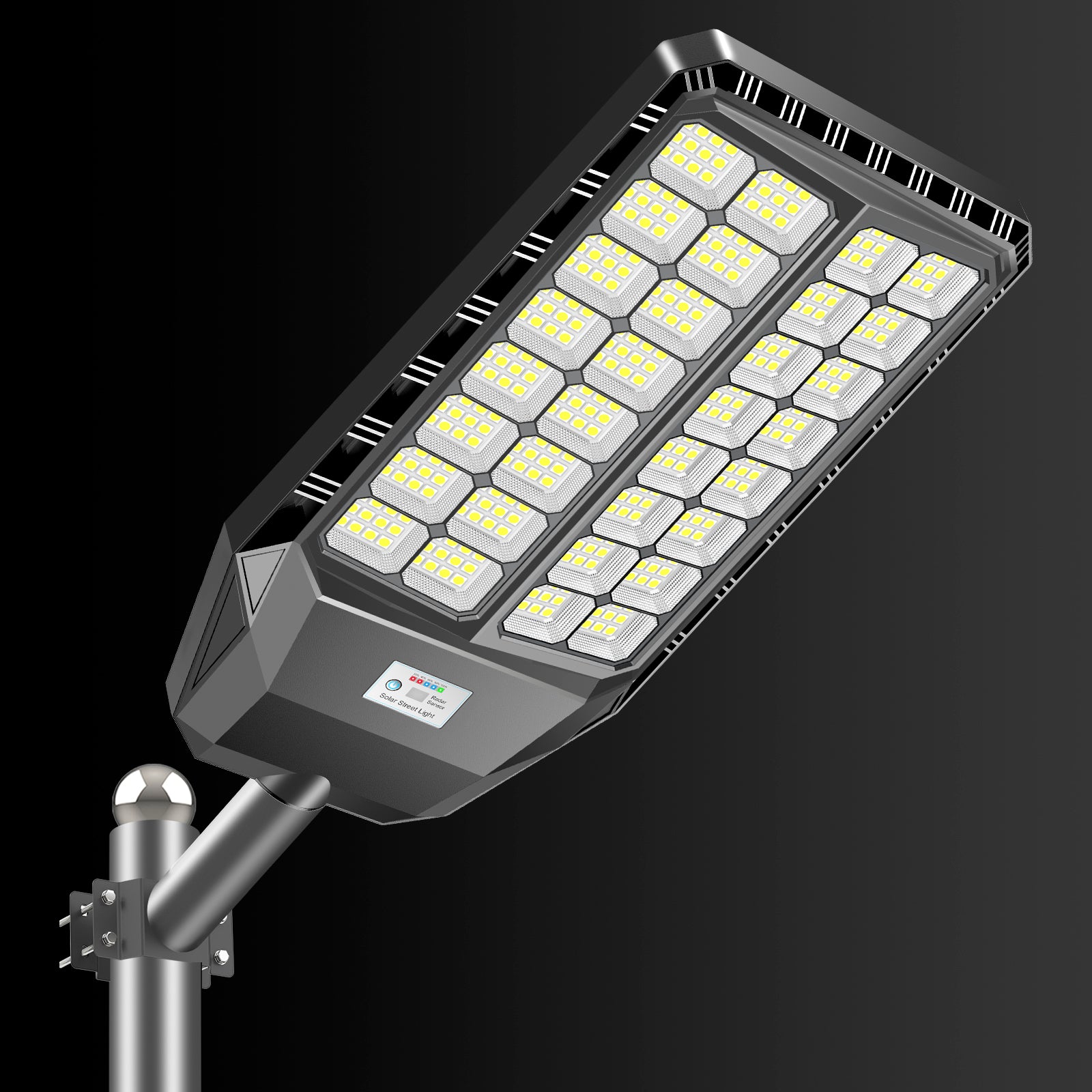
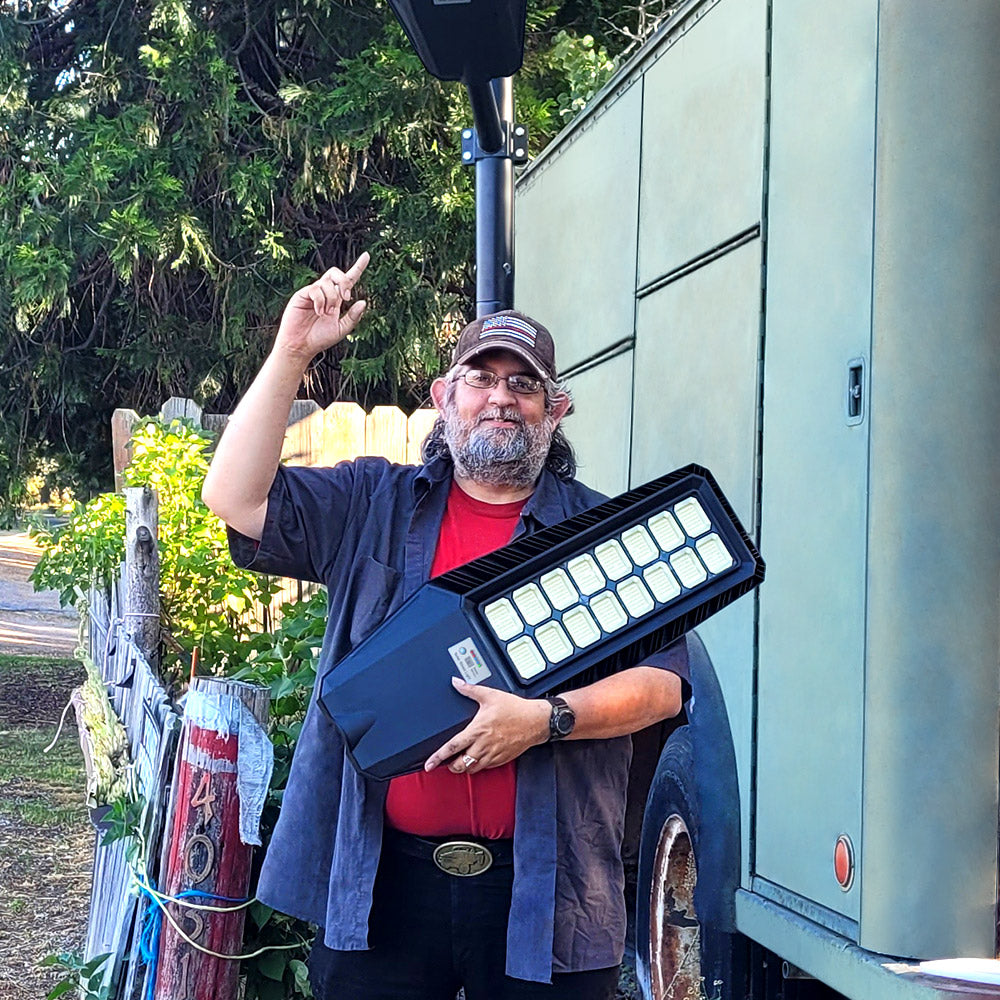
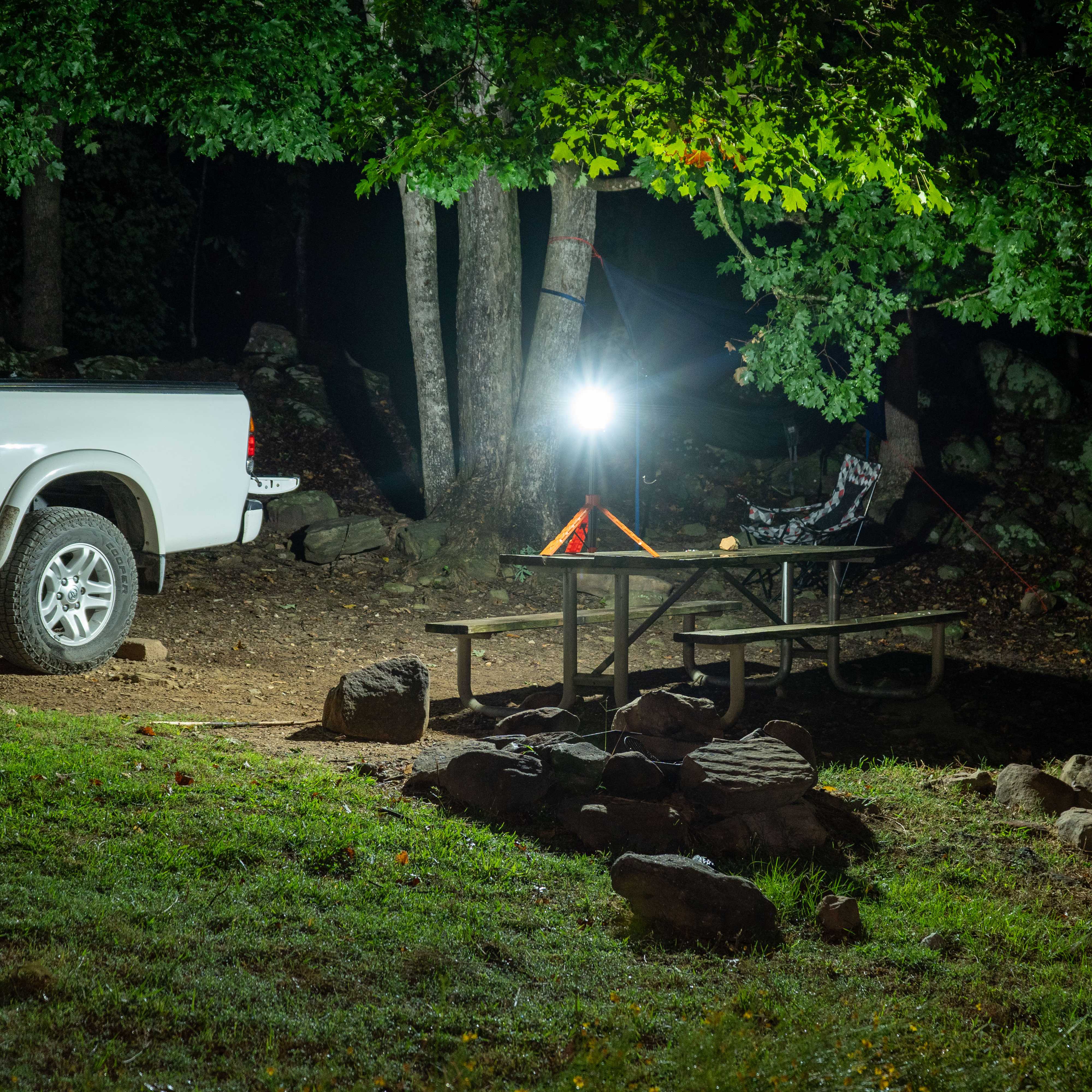
A well-lit exterior is the foundation of any great holiday display. The Hykoont AR07 150W Tunable LED Area Light provides broad, even illumination for driveways, pathways, parking areas, and building perimeters. Its tunable output lets you balance functional security lighting with the warm, inviting atmosphere that makes holiday decorating so rewarding. Unlike string lights that require annual troubleshooting, a quality area light is a set-and-forget investment that enhances your property's safety and aesthetics 365 days a year.
Professional Tips for Preventing Future LED Christmas Light Failures
The best repair is the one you never have to make. These professional-grade prevention strategies will dramatically extend the life of your LED Christmas lights and minimize the chance of mid-season failures.
Storage Best Practices
Use a reel or cord winder. Wrapping your lights around a dedicated plastic reel prevents the tight bends and knots that stress wire insulation. Reels are inexpensive and make deployment next season dramatically faster.
Store in a climate-controlled environment. Extreme temperature swings—common in garages and attics—accelerate the degradation of both wire insulation and LED components. A basement or interior closet is a better storage location.
Use original packaging or dedicated storage bags. The cardboard inserts in original packaging are designed to protect the string during storage. If you've discarded the packaging, use a zip-lock bag or dedicated Christmas light storage bag to keep each string separate and protected.
Label each string. Note the length, bulb type, and any known issues on a piece of tape attached to the reel or bag. This saves significant time when setting up next year.
Installation Best Practices
Test before you hang. Always plug in and test every string before installing it. Diagnosing a problem on the ground is infinitely easier than diagnosing it after the lights are stapled to your roofline.
Use plastic clips, not metal staples. Metal staples can pierce wire insulation and create short circuits. Plastic Christmas light clips are inexpensive, reusable, and won't damage your lights or your home's exterior.
Don't exceed the manufacturer's daisy-chain limit. Check the packaging for the maximum number of strings that can be connected end-to-end. Exceeding this limit causes voltage drop and overheating, both of which shorten LED lifespan.
Use outdoor-rated extension cords. Indoor extension cords are not designed for outdoor use and can become a fire hazard when exposed to moisture. Always use extension cords rated for outdoor use (look for a "W" suffix in the cord's designation, e.g., SJTW).
Keep connections off the ground. Connector points between strings and extension cords should be elevated off wet surfaces. Use a plastic bag or commercial cord protector to keep connections dry in rain or snow.
Purchasing Best Practices
Buy certified lights. Look for UL (Underwriters Laboratories) or ETL certification marks on the packaging. These certifications indicate that the lights have been tested to meet established safety standards.
Buy from reputable brands. Budget lights from unknown manufacturers often use substandard components that fail quickly. Investing in quality lights from established brands pays dividends in longevity and reliability.
Buy extra strings. Purchase 10–20% more lights than you think you need. This gives you spare bulbs, spare fuses, and the flexibility to expand your display in future years without worrying about color or style mismatches.
Keep your receipts and packaging. Many quality LED Christmas light sets come with multi-year warranties. Keeping your proof of purchase allows you to take advantage of warranty replacements if a string fails prematurely.
Safety Considerations When Working with LED Christmas Lights
Electrical safety is non-negotiable. Follow these guidelines whenever you're working with or installing Christmas lights:
- Always unplug before inspecting or repairing. Never work on a powered string of lights. Even low-voltage LED strings can cause injury if mishandled while powered.
- Never use damaged lights. A string with exposed wires, cracked sockets, or a damaged plug should be repaired or discarded—never used as-is.
- Don't leave lights on unattended for extended periods. Use a timer to automatically turn lights off when you're asleep or away from home. This reduces fire risk and extends bulb life.
- Keep lights away from flammable materials. Maintain clearance between light strings and curtains, dry foliage, paper decorations, and other combustible materials.
- Use GFCI-protected outlets for outdoor lights. Ground Fault Circuit Interrupter (GFCI) outlets automatically cut power if they detect a ground fault, providing critical protection against electric shock in wet outdoor environments.
- Don't overload outlets. Each standard household outlet is rated for 15 or 20 amps. Calculate the total amperage draw of all devices plugged into a circuit before adding more lights.
Frequently Asked Questions
Why does only half my LED Christmas light string go out?
Most consumer LED Christmas light strings are divided into two independent segments wired in series. When one segment's circuit is broken—by a blown fuse, failed bulb, or damaged wire—that half goes dark while the other continues to function. This is by design: it limits the impact of any single failure to half the string rather than the whole thing.
Can I fix LED Christmas lights myself, or do I need an electrician?
In virtually all cases, you can fix LED Christmas lights yourself. The repairs involved—replacing fuses, reseating bulbs, replacing failed LEDs—require no special electrical knowledge or licensing. The only time you might need professional help is if the problem turns out to be with your home's wiring or circuit breaker panel rather than the lights themselves.
How do I know which bulb has burned out?
The fastest method is to use a dedicated LED Christmas light tester, which can identify a failed bulb in seconds. Without a tester, you can use the substitution method: replace bulbs one at a time with known-good spares until the dark section lights up. Start from the plug end of the dark section for maximum efficiency.
Is it safe to use electrical tape to repair damaged Christmas light wires?
Electrical tape is acceptable as a temporary fix for minor insulation damage on low-voltage LED strings. However, it should not be considered a permanent repair, and any string with significant wire damage should be replaced. Never use electrical tape to repair a broken wire—use proper wire connectors or heat-shrink tubing instead.
How many LED Christmas light strings can I connect together?
This varies by manufacturer and string type, but most consumer LED Christmas light strings are rated for 3–5 strings connected end-to-end. Check the packaging or manufacturer's website for the specific limit for your lights. Exceeding this limit causes voltage drop and overheating, which shortens LED lifespan and can create a fire hazard.
How long should LED Christmas lights last?
Quality LED Christmas lights are rated for 25,000–50,000 hours of use. At 6 hours per day during a 30-day holiday season, that's 180 hours per year—meaning a quality set could theoretically last 138–277 years. In practice, real-world factors like voltage spikes, moisture, and physical handling mean most consumer sets last 5–15 seasons with proper care.
Are solar-powered Christmas lights a good alternative?
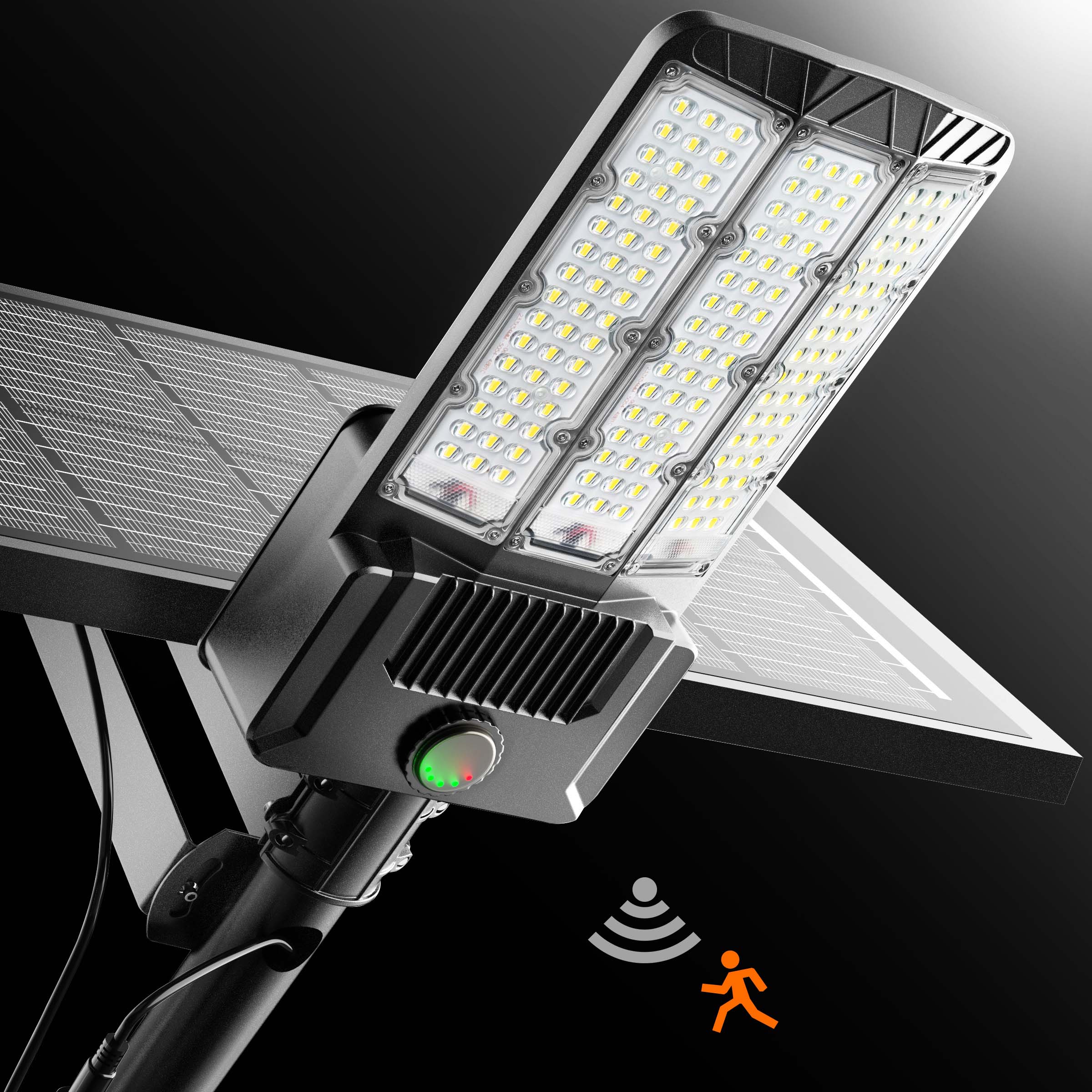
Solar-powered LED lights are an excellent option for outdoor displays, particularly in areas with good sun exposure. They eliminate the need for extension cords, reduce electricity costs to zero, and often include automatic dusk-to-dawn operation. The trade-off is that they require adequate sunlight to charge and may be dimmer than wired alternatives in cloudy climates or shaded locations.
When It's Time to Upgrade Your Lighting Setup
If you find yourself troubleshooting the same strings year after year, it may be time to invest in a higher-quality lighting solution. The economics are straightforward: the time you spend diagnosing and repairing aging lights has real value, and that value compounds over multiple seasons.
Modern LED technology has advanced dramatically in recent years. Today's premium LED products—whether for holiday decoration, outdoor security, or commercial applications—offer longer lifespans, better energy efficiency, smarter controls, and more robust construction than the consumer-grade strings of even five years ago. Brands like Hykoont have built their reputation on engineering-grade LED solutions that deliver consistent, reliable performance across a wide range of applications.
Whether you're looking to upgrade your holiday display, improve your home's year-round outdoor lighting, or outfit a commercial space with professional-grade illumination, investing in quality LED products from a trusted manufacturer is always the right long-term decision.
Conclusion
A half-dark string of LED Christmas lights is one of the most common—and most fixable—holiday frustrations. Armed with the knowledge in this guide, you now understand exactly why it happens (series-parallel circuit architecture), how to systematically diagnose the cause (fuse, bulb, wiring, or connection), and how to execute the repair efficiently and safely.
The key takeaways: start with the fuse, check bulb connections, use a light tester to find failed LEDs, inspect wiring for physical damage, and follow professional storage and installation practices to prevent future failures. Most half-string failures can be resolved in 15–30 minutes with basic tools and a few dollars in replacement parts.
And when you're ready to invest in lighting that goes beyond the holiday season—reliable, energy-efficient, and built to last—explore Hykoont's full range of LED solutions. From solar-powered outdoor fixtures to industrial-grade high bay lights and area lighting, we engineer products that perform season after season, year after year.
Have a question about your specific LED Christmas light issue? Leave a comment below or contact our support team—we're happy to help you get your holiday display shining bright.



Leave a comment
This site is protected by hCaptcha and the hCaptcha Privacy Policy and Terms of Service apply.