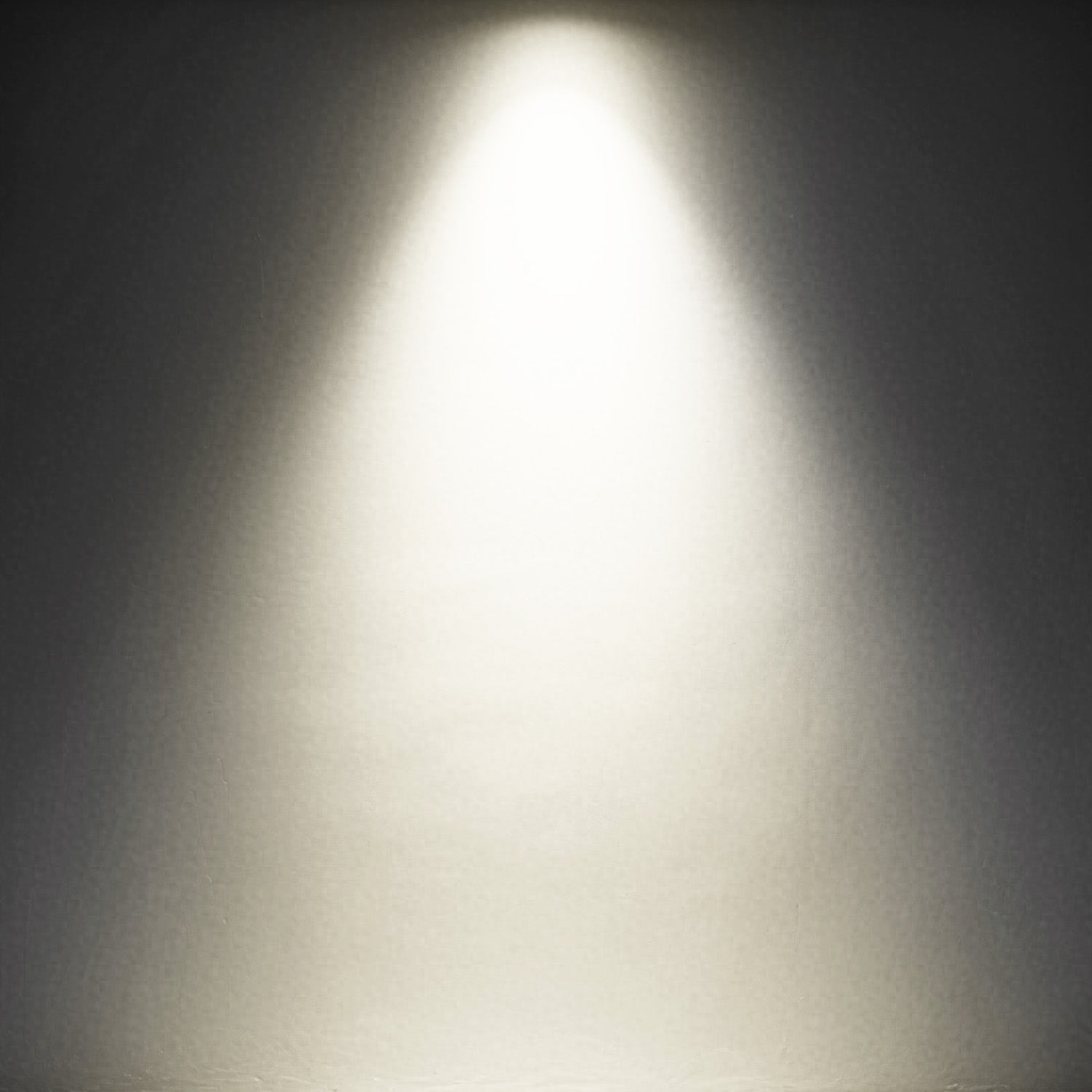
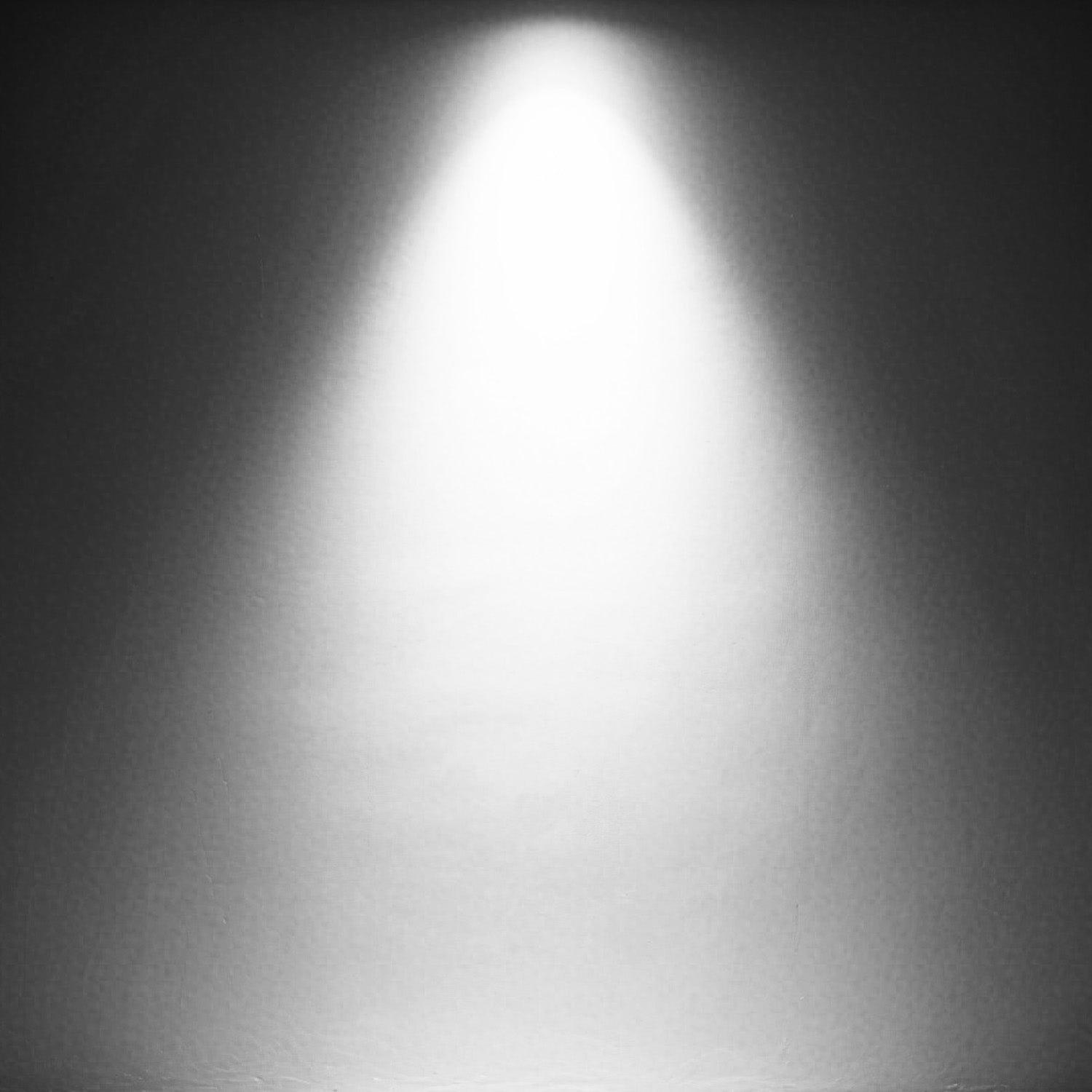
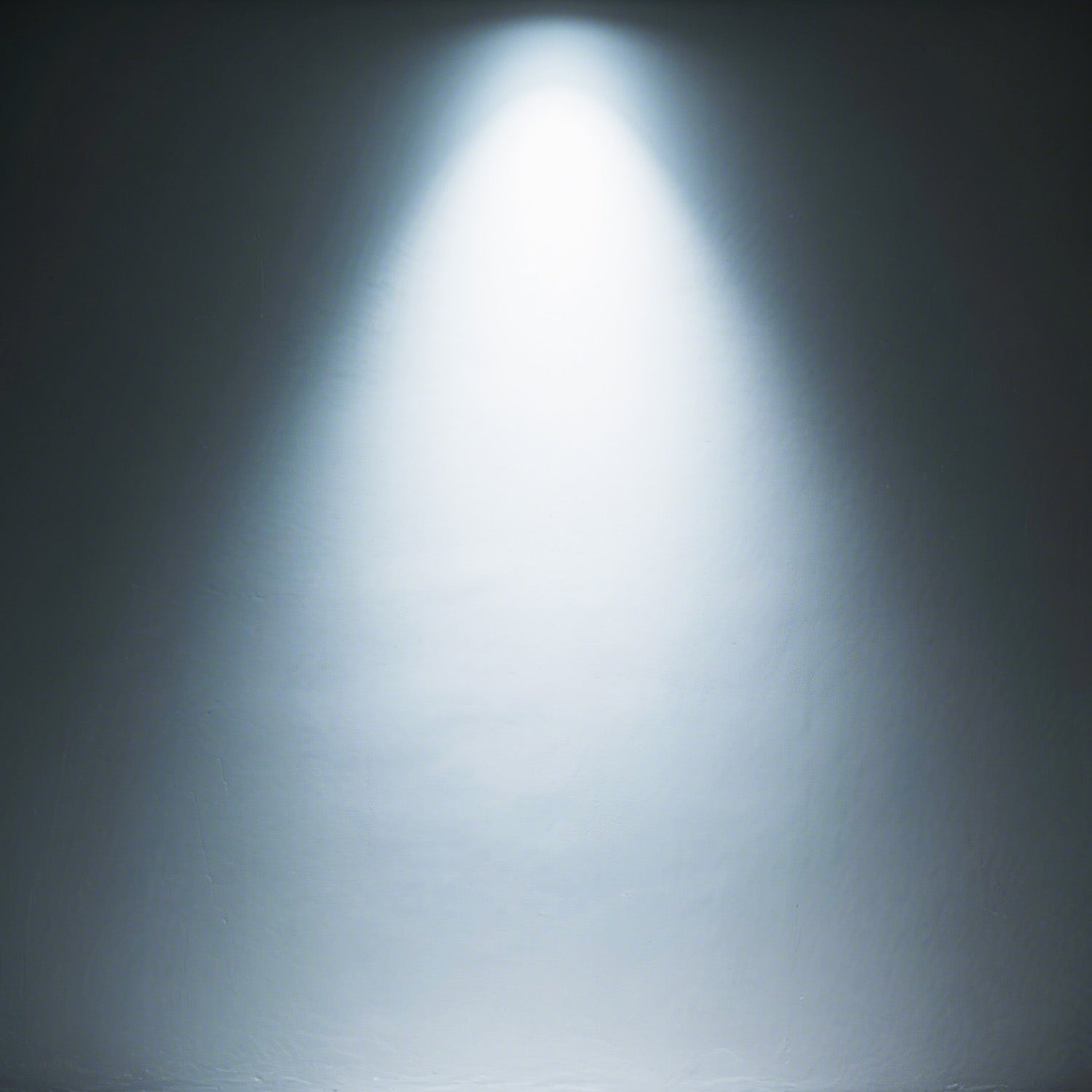

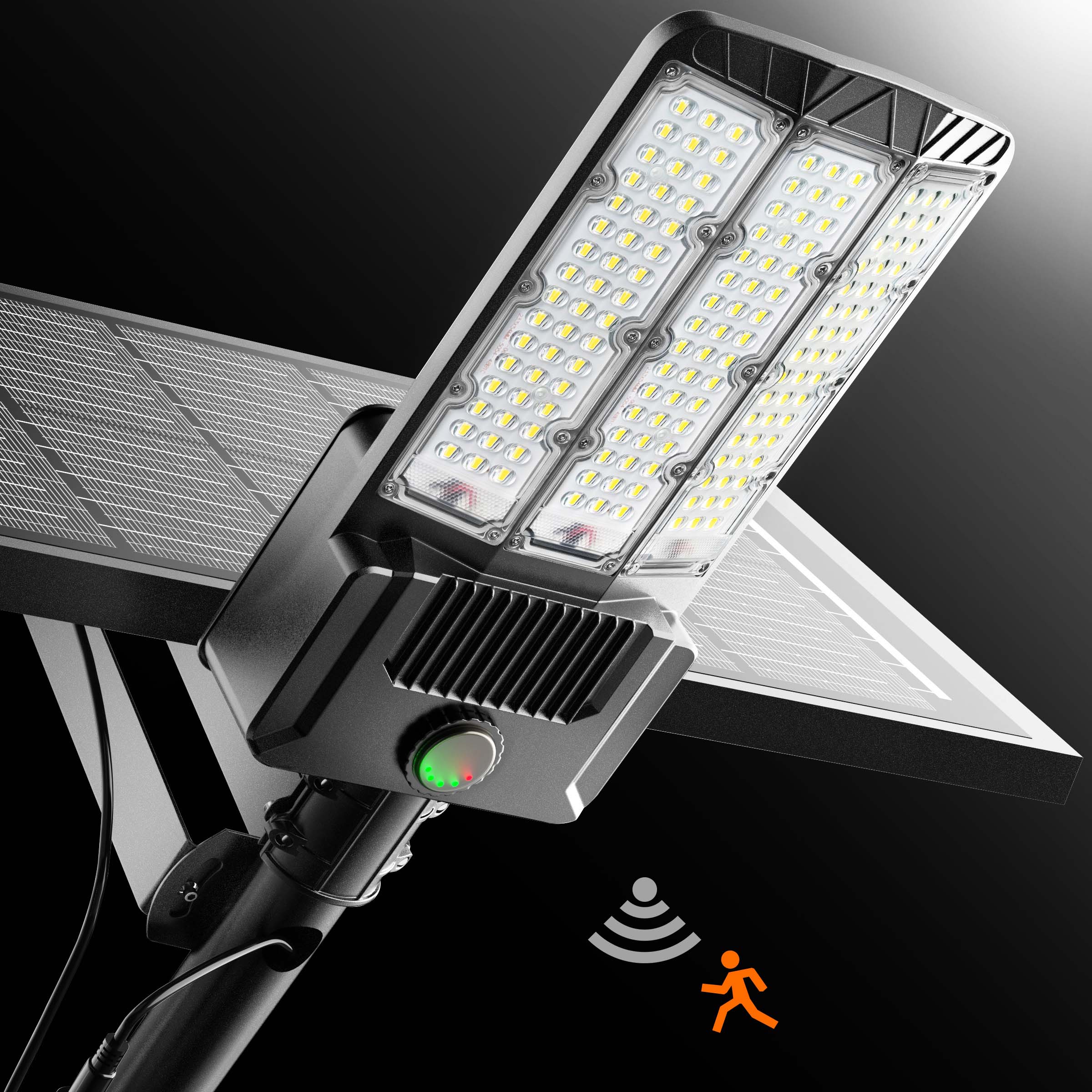







Let's be honest — most HOA lighting decisions get made the wrong way. Someone on the board Googles "solar street lights," picks whatever shows up first, orders a pallet, and six months later half the units are dim by 10 PM and the community Facebook group is full of complaints.
This guide exists so that doesn't happen to your community.
Whether you're lighting a 40-home cul-de-sac or a 300-unit gated development, the fundamentals are the same: you need lights that actually stay on all night, survive your local weather, and don't require a maintenance crew every season. We'll walk through exactly how to evaluate your options — and point you toward specific models that hold up in real-world residential use.
Why HOAs Are Switching to Solar (And Why Some Are Switching Back)
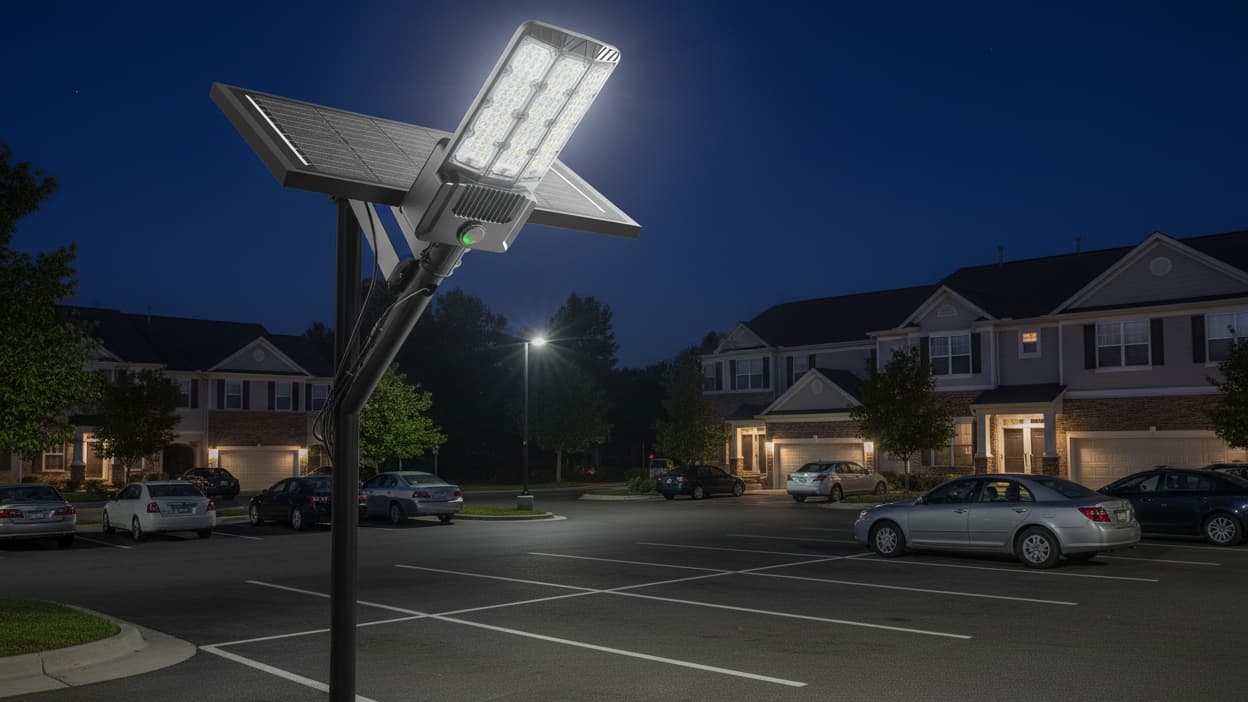
Solar street lighting has come a long way from the dim, yellowish units that barely lit a 10-foot radius. Modern commercial-grade solar lights — the kind designed for streets, not garden paths — can push 20,000 to 60,000 lumens, run on LiFePO4 batteries that last 8–10 years, and handle everything from Minnesota winters to Florida humidity.
But here's the thing: the residential solar lighting market is flooded with underpowered consumer-grade units marketed with inflated specs. A light advertised as "300W equivalent" might only produce 8,000 lumens in real conditions. That's why HOA boards that switched to cheap solar and then switched back to grid power weren't wrong to be skeptical — they just bought the wrong product.
The HOAs that stick with solar long-term share one thing in common: they bought commercial-spec units from the start.
The Real Cost Comparison
Grid-powered street lights cost $200–$500 per fixture to install (trenching, wiring, permits) plus $50–$150/year per light in electricity. A 20-light community installation can run $8,000–$15,000 upfront and $1,000–$3,000/year ongoing.
Quality solar street lights run $79–$242 per unit with zero wiring costs and zero electricity bills. For 20 lights, you're looking at $1,580–$4,840 total — and your ongoing cost is essentially $0.
The math isn't close. The question is just which solar units are worth buying.

The 7 Things That Actually Matter When Choosing HOA Solar Street Lights
1. Lumen Output (Not Wattage)
Wattage is a measure of power consumption, not brightness. Always evaluate solar lights by lumens. For residential street lighting, here's a practical reference:
- Pedestrian pathways and sidewalks: 8,000–15,000 lumens
- Residential driveways and cul-de-sacs: 15,000–25,000 lumens
- Community parking lots: 25,000–45,000 lumens
- Main entrance roads and arterials: 40,000–60,000+ lumens
Most HOA applications fall in the 15,000–42,000 lumen range. Anything below 10,000 lumens is a pathway light, not a street light — regardless of what the product listing says.
2. Battery Chemistry: LiFePO4 vs. Li-ion
This is the spec most buyers skip, and it's one of the most important. LiFePO4 (lithium iron phosphate) batteries are thermally stable, meaning they don't degrade as fast in heat or cold, and they typically last 2,000–3,000 charge cycles vs. 500–800 for standard lithium-ion. For a light that charges and discharges every single day, that difference is 8–10 years of life vs. 2–3 years.
If a solar street light doesn't specify LiFePO4, assume it uses standard Li-ion and plan accordingly.
3. Solar Panel Type: Monocrystalline vs. Polycrystalline
Monocrystalline panels are more efficient (18–22% vs. 13–16%) and perform better in low-light and overcast conditions. For communities in the Pacific Northwest, Great Lakes region, or anywhere with frequent cloud cover, monocrystalline is worth the slight premium. In high-sun states like Arizona, Texas, or Florida, either works fine.
4. Motion Sensor Logic
Most quality solar street lights offer three operating modes:
- Mode 1 (Dim-to-Bright): Light stays at 30–50% brightness all night, jumps to 100% when motion is detected. Best for residential streets — saves battery while maintaining ambient light.
- Mode 2 (Full Brightness All Night): Constant 100% output. Best for high-traffic areas or security-sensitive zones. Requires more battery capacity.
- Mode 3 (Motion-Only): Light is off until motion triggers it. Not recommended for streets — creates dark zones between activations.
For most HOA applications, Mode 1 is the right call. It extends battery life significantly and still provides full brightness when residents are actually moving through the area.
5. IP Rating and Weather Resistance
Look for IP65 or higher. IP65 means the unit is fully dust-tight and protected against water jets from any direction. IP66 and IP67 offer even higher water resistance. For outdoor street lighting in any US climate, IP65 is the minimum acceptable rating.
6. Pole Compatibility and Mounting Height
Most residential solar street lights mount on poles between 15–25 feet. The light's coverage area scales with mounting height — a 42,000-lumen light at 20 feet covers roughly 30–40 feet of road width. Check that the unit's mounting bracket is compatible with your existing poles, or factor in pole installation costs if you're starting from scratch.
7. Warranty and Support
A 1-year warranty on a solar street light is a red flag. Quality commercial units carry 3–5 year warranties. More importantly, check whether the manufacturer has US-based support — warranty claims on overseas-only brands can be a nightmare for HOA boards managing community assets.

Recommended Solar Street Lights for HOA Use
Here are five models that consistently perform well in residential community applications, with real specs and pricing:
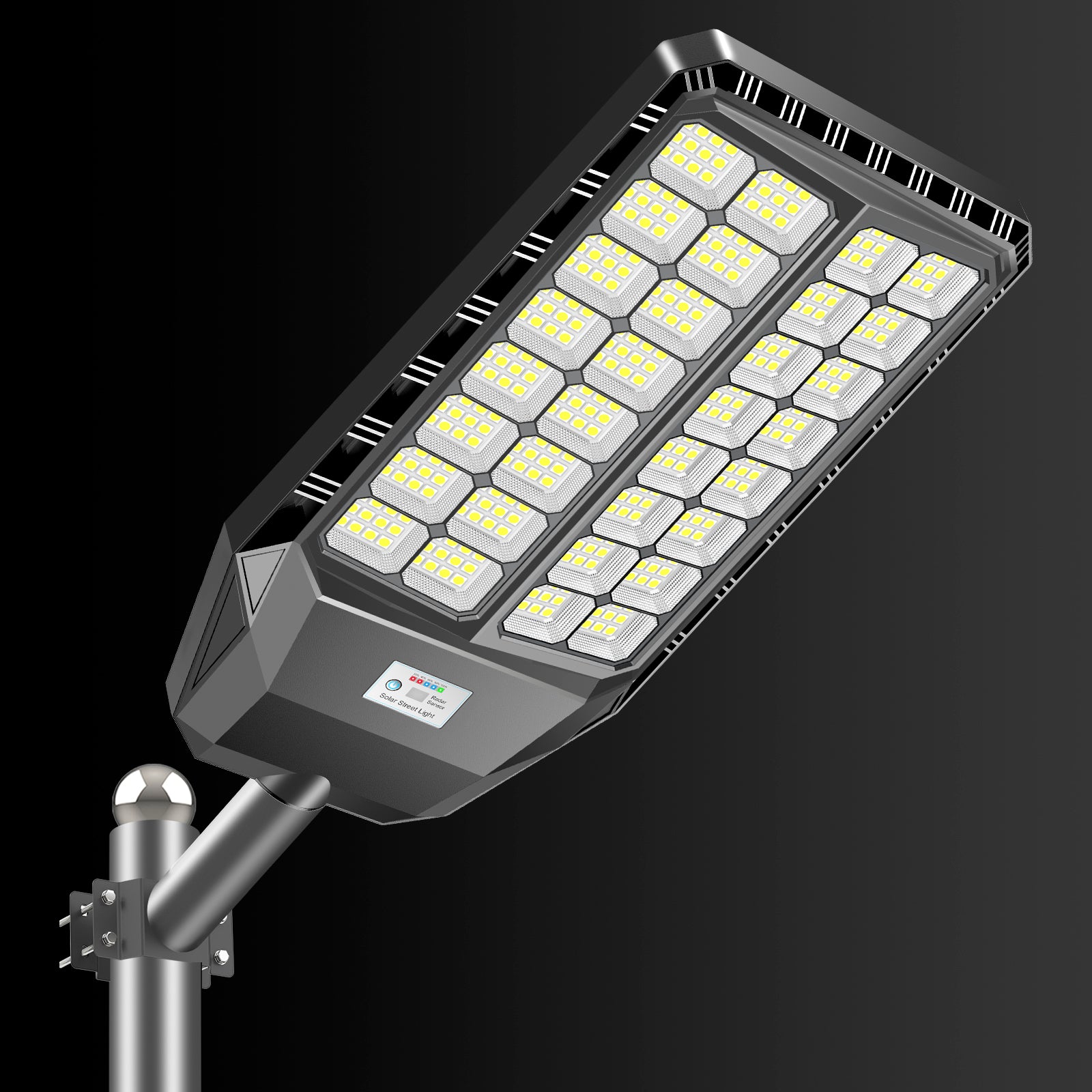
Best for Main Entrance Roads: Hykoont TW030 — 42,000 Lumens, 300W
The TW030 is built for high-visibility applications. At 42,000 lumens, it's one of the brightest residential-grade solar street lights available, and the dusk-to-dawn sensor means it's fully automatic — no timers to program, no manual switching. The 2-pack option brings the per-unit cost down significantly, making it practical for community-wide deployment.
Best for: Main entrance roads, community arterials, large parking areas
Price: $129.00 (1-pack) / $242.00 (2-pack)

Shop TW030 1-Pack — $129.00 → Shop TW030 2-Pack — $242.00 →

Best for Driveways and Cul-de-Sacs: Hykoont BM024 — 21,600 Lumens, 160W
The BM024 hits the sweet spot for typical residential street lighting. 21,600 lumens is enough to cover a standard two-lane residential road without over-lighting (which can be just as much of a complaint issue in HOAs as under-lighting). The 2-pack pricing at $199 makes community-wide rollouts budget-friendly.
Best for: Residential driveways, cul-de-sacs, community loop roads
Price: $199.00 (2-pack)

Best Budget Option for Pathways: BM024C — 26,000 Lumens, 160W
At $79, the BM024C is the most accessible entry point for HOAs working with tight budgets or looking to light secondary pathways and pedestrian areas. Don't let the price fool you — 26,000 lumens is genuinely bright, and the 6500K color temperature (daylight white) provides excellent visibility for pedestrians.
Best for: Walking paths, secondary driveways, amenity areas
Price: $79.00

Best for Community Parking Lots: Hykoont SZ300 — 60,000 Lumens, 400W
If your community has a shared parking lot, the SZ300 is in a different league. 60,000 lumens from a single fixture can cover a substantial parking area, and the die-cast aluminum housing and monocrystalline panel make it genuinely commercial-grade. At $145, it's exceptional value for the output.
Best for: Community parking lots, clubhouse areas, sports courts
Price: $145.00

Best Alloy Build for Long-Term Durability: Hykoont BD006 — $179.00
The BD006 stands out for its alloy material construction — a step up from standard die-cast aluminum in terms of corrosion resistance. If your community is in a coastal area, high-humidity region, or anywhere with harsh winters and road salt, the BD006's build quality justifies the premium. The monocrystalline panel ensures reliable charging even in partially overcast conditions.
Best for: Coastal communities, high-humidity climates, long-term durability priority
Price: $179.00

How to Plan Your HOA Solar Lighting Project
Step 1: Map Your Coverage Zones
Walk or drive your community and categorize every area that needs lighting into one of three tiers:
- Tier 1 (High Priority): Main entrance, primary roads, parking lots — needs 30,000+ lumens
- Tier 2 (Standard): Secondary streets, driveways, cul-de-sacs — needs 15,000–25,000 lumens
- Tier 3 (Accent/Safety): Pedestrian paths, amenity areas, mailbox clusters — needs 8,000–15,000 lumens
Step 2: Count Your Fixtures
For residential streets, a general rule of thumb is one fixture every 80–120 feet for adequate coverage. Parking lots typically need one fixture per 4–6 parking spaces depending on mounting height. Pedestrian paths can often be covered with one fixture every 40–60 feet.
Step 3: Calculate Your Budget
Once you know your fixture count and tier requirements, you can build a realistic budget. A 50-home community might need:
- 4 Tier 1 fixtures (main entrance + parking): 4 × $145–$242 = $580–$968
- 12 Tier 2 fixtures (residential streets): 12 × $79–$199 = $948–$2,388
- 8 Tier 3 fixtures (pathways): 8 × $79 = $632
- Total: $2,160–$3,988 — with zero ongoing electricity costs
Step 4: Check Local Regulations
Most municipalities don't require permits for solar street lights since there's no electrical work involved, but some HOA covenants have specific requirements around fixture appearance, color temperature, or pole height. Check your CC&Rs and local ordinances before ordering.
Step 5: Plan Your Installation
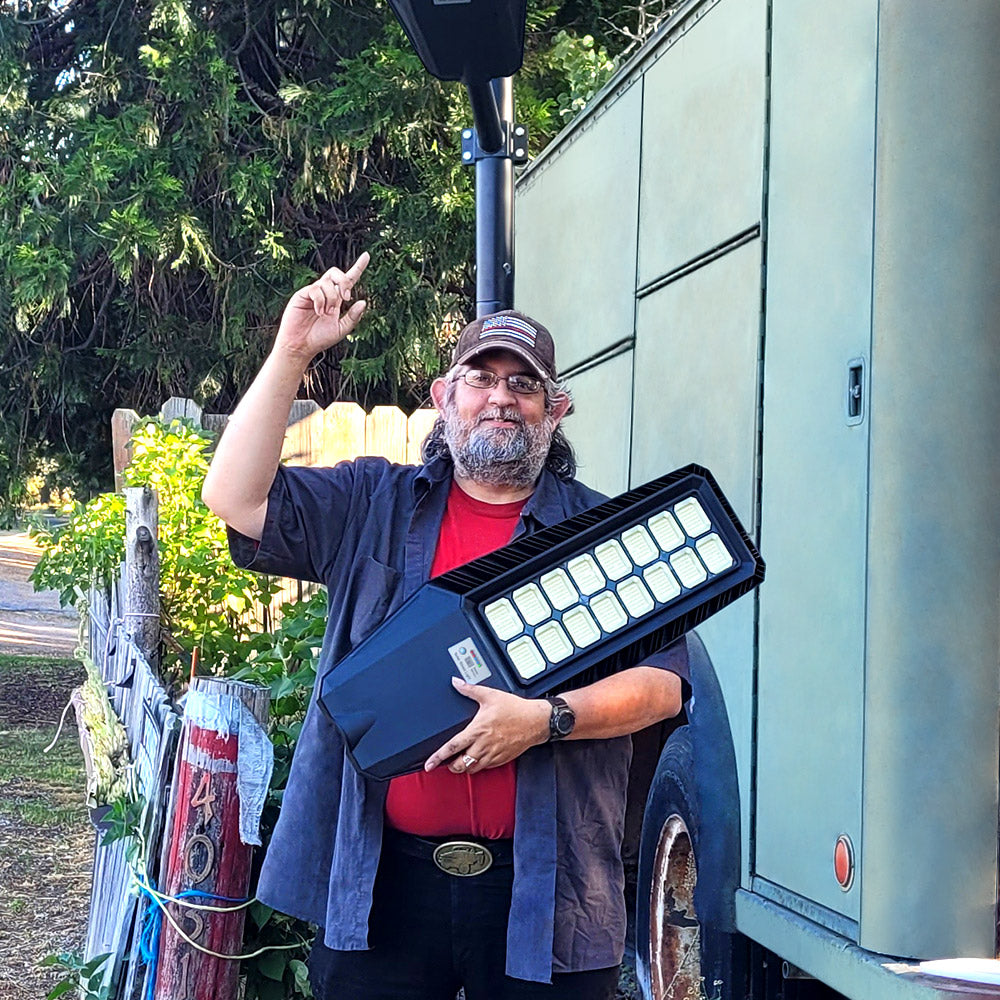
Solar street lights are significantly easier to install than grid-powered fixtures — no trenching, no electrician required. Most units mount on standard 2–3 inch diameter poles. If you're installing new poles, budget $150–$400 per pole for materials and labor. If you're retrofitting existing poles, installation is often a 30-minute job per fixture.

Common HOA Lighting Mistakes (And How to Avoid Them)
Mistake 1: Buying Based on Wattage Instead of Lumens
We covered this above, but it bears repeating. A "300W solar street light" tells you almost nothing about actual brightness. Always compare lumens.
Mistake 2: Ignoring Backup Days
Quality solar street lights specify how many consecutive cloudy days they can operate on stored battery power. Look for at least 3–5 backup days. In regions with frequent overcast weather, 5–7 backup days is worth prioritizing.
Mistake 3: Choosing the Wrong Color Temperature
Color temperature (measured in Kelvin) affects both visibility and community aesthetics. 5000K–6500K (cool white/daylight) provides the best visibility for security and safety. 3000K–4000K (warm white) is more aesthetically pleasing but slightly lower visibility. Most HOAs opt for 5000K as a compromise.
Mistake 4: Not Accounting for Seasonal Sun Variation
A solar light that works perfectly in July might struggle in December if you're north of the 40th parallel. Check the manufacturer's specifications for winter performance, or choose units with larger panel capacity than your minimum requirement.
Mistake 5: Buying All at Once Without Testing
For large community deployments, buy 2–3 units first and test them for 30–60 days in your actual conditions before ordering the full quantity. This is especially important if your community has unusual shading, extreme temperatures, or specific aesthetic requirements.
HOA Board Presentation: How to Make the Case for Solar
If you're a property manager or board member trying to get approval for a solar lighting upgrade, here's a framework that tends to work well:
Lead with the 5-year cost comparison. Grid lighting: $X upfront + $Y/year × 5 years = $Z total. Solar lighting: $A upfront + $0/year × 5 years = $A total. The difference is usually dramatic.
Address the reliability concern directly. Acknowledge that older solar lights had reliability issues, then explain what's changed: LiFePO4 batteries, monocrystalline panels, commercial-grade IP ratings. Show the specific specs of the units you're recommending.
Propose a pilot program. Boards are more comfortable approving a $500 pilot than a $5,000 full deployment. Suggest installing 3–4 units in a visible area for 60 days, then presenting results before full approval.
Highlight the maintenance reduction. No electrical infrastructure to maintain, no utility bills to track, no electrician callouts for outages. For self-managed HOAs, this is often the most compelling argument.
Ready to Light Up Your Community?
The right solar street lights for your HOA depend on your specific coverage needs, climate, and budget — but the good news is that quality options exist at every price point, from $79 pathway lights to $242 high-output entrance fixtures.
Here's a quick summary of our top picks by use case:
- Main entrance / arterial roads: TW030 ($129–$242)
- Residential streets / driveways: BM024 ($199/2-pack)
- Community parking lots: SZ300 ($145)
- Pedestrian pathways: BM024C ($79)
- Coastal / harsh climates: BD006 ($179)
Browse All Solar Street Lights →
Have questions about which model fits your community's specific layout? Reach out — we're happy to help you spec the right solution before you commit to a full order.
Frequently Asked Questions
How many solar street lights does an HOA typically need?
It depends on your community's size and layout, but a general rule is one fixture every 80–120 feet along residential streets, one per 4–6 parking spaces in lots, and one every 40–60 feet along pedestrian paths. A 50-home community might need 20–30 fixtures total across all zones.
Do solar street lights work in cloudy climates?
Yes, but you need to choose units with monocrystalline panels (which perform better in low light) and sufficient battery backup — look for 5–7 backup days if you're in the Pacific Northwest, Great Lakes region, or similar climates. Units with LiFePO4 batteries also handle temperature extremes better than standard lithium-ion.
What's the difference between a solar street light and a solar flood light?
Solar street lights are designed to cast light downward and outward along a road or pathway — they have a wide, horizontal beam pattern optimized for illuminating a linear area. Solar flood lights cast a broader, more diffuse beam and are better for illuminating a specific area like a parking lot, building facade, or sports court. For HOA street lighting, you want street lights; for parking lots and open areas, flood lights can work well too.
Can we install solar street lights ourselves, or do we need a contractor?
Most solar street lights can be installed without an electrician since there's no wiring involved. The main tasks are setting poles (if needed) and mounting the fixtures. Setting poles typically requires a post-hole digger and concrete — that's where most HOAs hire a handyman or landscaping crew. The fixture mounting itself is usually a 2-person, 30-minute job per light.
How long do solar street lights last?
The LED chips typically last 50,000+ hours (roughly 15–20 years at 8 hours/night). The limiting factor is usually the battery. LiFePO4 batteries last 2,000–3,000 charge cycles, which translates to 8–10 years of daily use. Standard lithium-ion batteries last 2–4 years. This is why battery chemistry matters so much for HOA applications — you want to minimize replacement cycles.
What color temperature should we choose for residential streets?
5000K is the most common choice for HOA street lighting — it's bright enough for good visibility and security without the harsh blue tint of 6500K. If your community has a warmer aesthetic or you're near residential windows where glare is a concern, 4000K is a reasonable compromise. Avoid anything below 3000K for street lighting — it's too warm for adequate visibility.
Do solar street lights qualify for any tax incentives or rebates?
HOAs may qualify for federal energy efficiency tax credits or state/utility rebates depending on your location. The federal Investment Tax Credit (ITC) has historically applied to solar installations, though HOA eligibility depends on your association's tax status. Check with your accountant and your state's energy office — some utilities also offer rebates for solar lighting upgrades.
What happens to solar street lights during extended power outages?
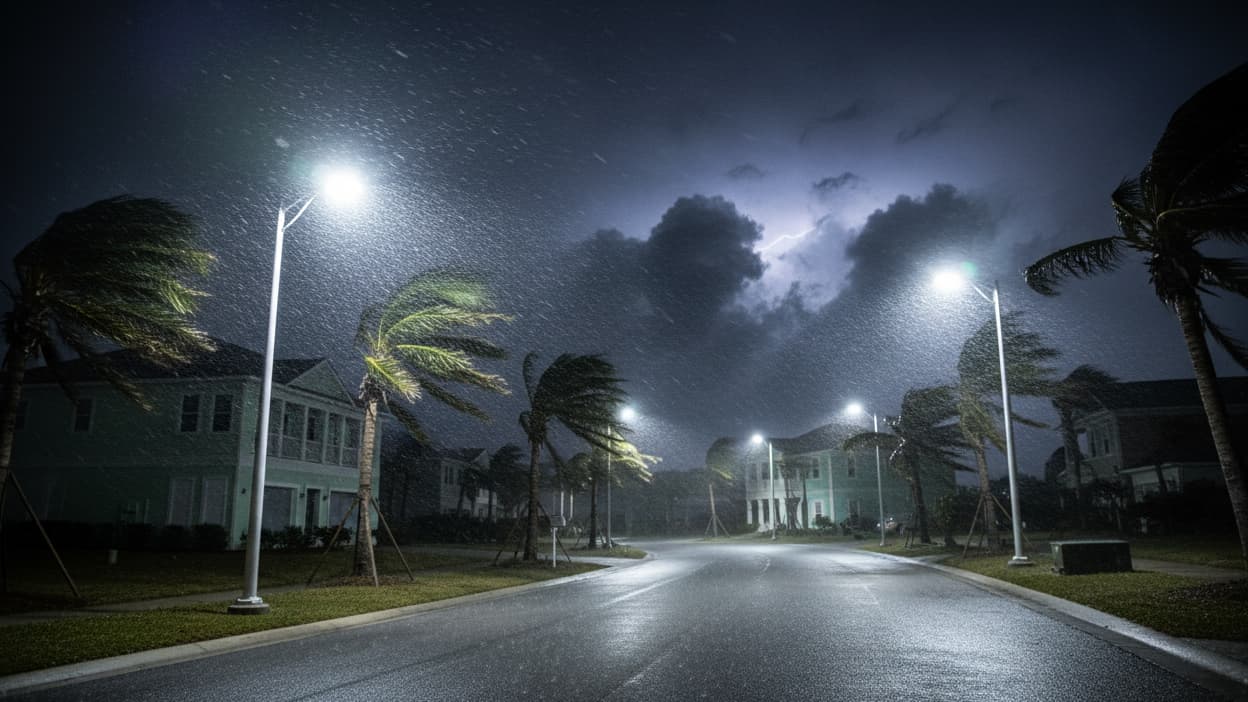
This is actually one of solar's biggest advantages for HOAs — solar street lights are completely independent of the grid. During a power outage, your solar lights keep working as long as the batteries have charge. After a sunny day, most quality units have enough stored energy to run through the night regardless of grid status.
How do we handle warranty claims if a unit fails?
Before purchasing, confirm the manufacturer has US-based customer support and a clear warranty process. Document your installation (photos, dates, locations) and keep purchase records. Most quality manufacturers handle warranty claims via email with photo documentation — you typically don't need to ship the unit back for initial assessment.
Can solar street lights be used in areas with heavy tree cover?
Shading is the biggest performance killer for solar lights. If your community has significant tree canopy, you have two options: choose units with larger panels to compensate for reduced charging time, or position fixtures where the panel gets direct sun even if the light head is in a shaded area (some models have adjustable panel angles). Heavily shaded areas may not be suitable for solar lighting at all — in those cases, grid power or low-voltage landscape lighting may be more practical.

Leave a comment
This site is protected by hCaptcha and the hCaptcha Privacy Policy and Terms of Service apply.