








The Real Cost of Traditional Street Lighting (And Why People Are Switching)
Here's something most property managers don't talk about: that traditional street light outside your building? It's probably costing you $150-$300 per year in electricity alone. Multiply that by every light pole on your property, and you're looking at thousands of dollars disappearing into the grid.
I've talked to dozens of business owners who made the switch to solar street lights, and the story is always the same—they wish they'd done it sooner. Not just because of the money (though that's a big part), but because modern solar technology has gotten so good that there's practically no downside anymore.
Let me walk you through what actually matters when you're choosing solar street lighting, based on real installations and what works in different scenarios.
Understanding Solar Street Light Basics (Without the Technical Jargon)
A solar street light is basically three things working together: a solar panel that charges during the day, a battery that stores that energy, and an LED light that runs all night. The magic is in how efficiently these components work together.
The key difference from your traditional setup? Zero trenching, no electrical permits, and no monthly utility bills. You mount it, and it works. That's the appeal.
What Wattage Actually Means for Your Space
Forget what you think you know about wattage from old incandescent bulbs. With LED solar lights, a 60W unit can light up a residential driveway better than a 200W traditional fixture ever could.
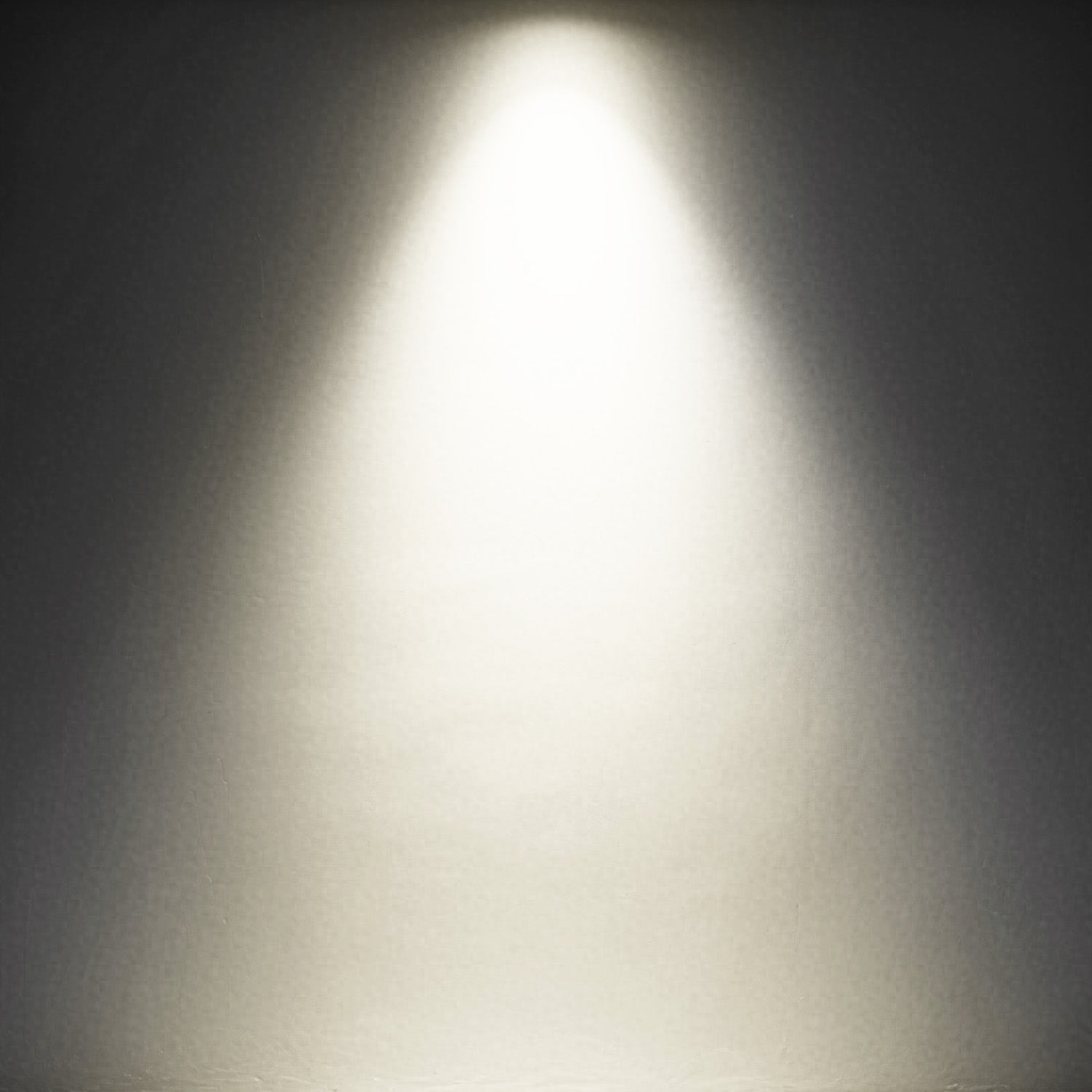
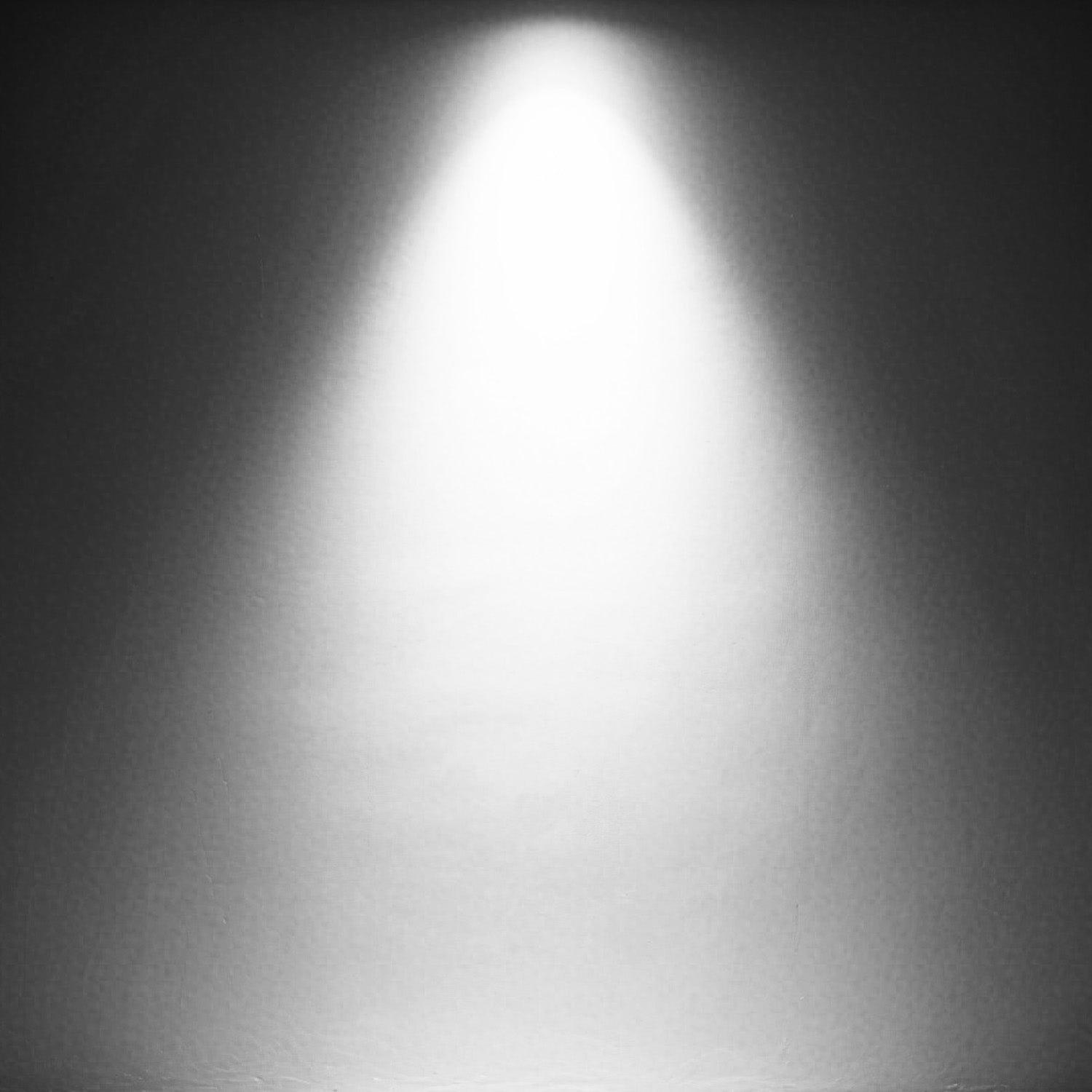
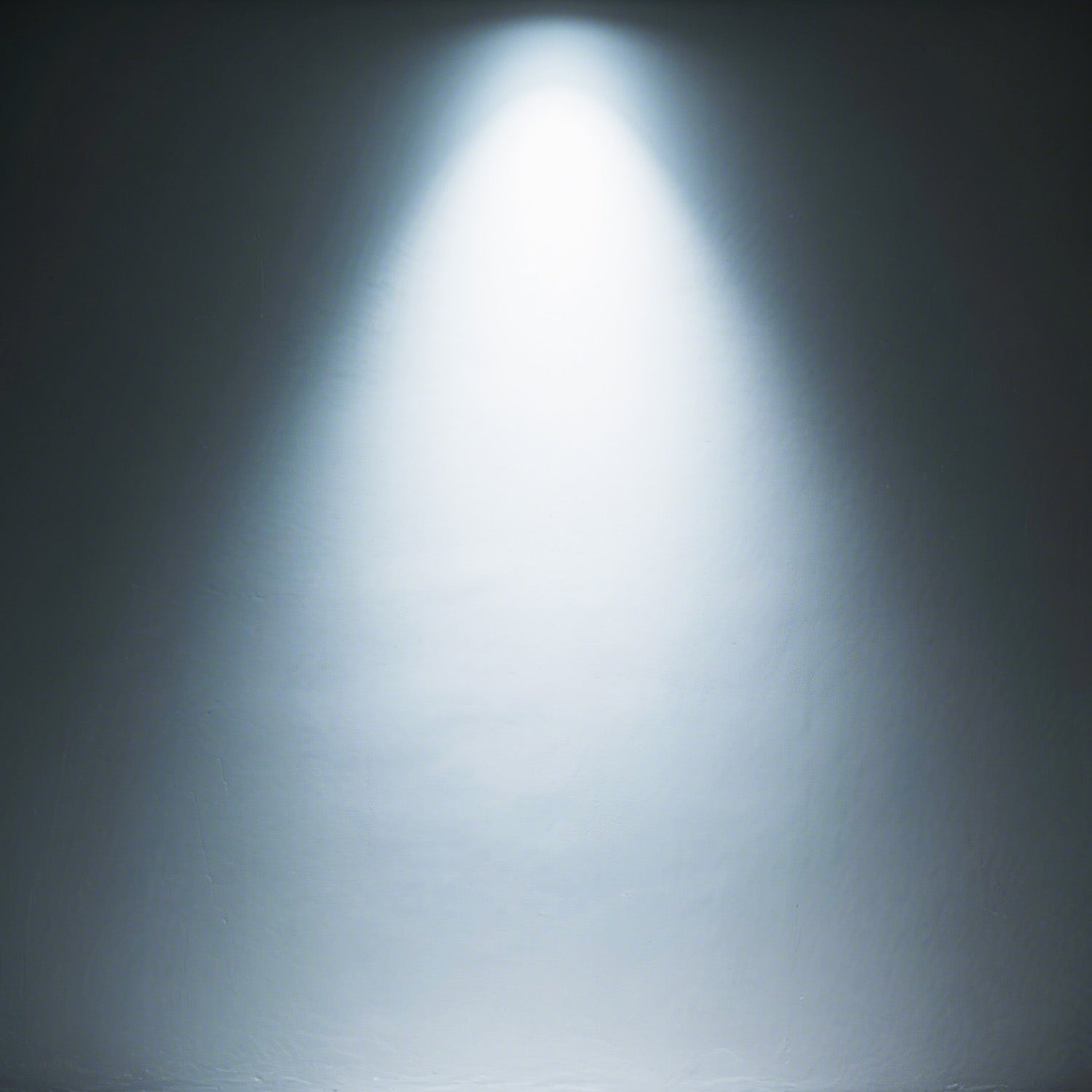
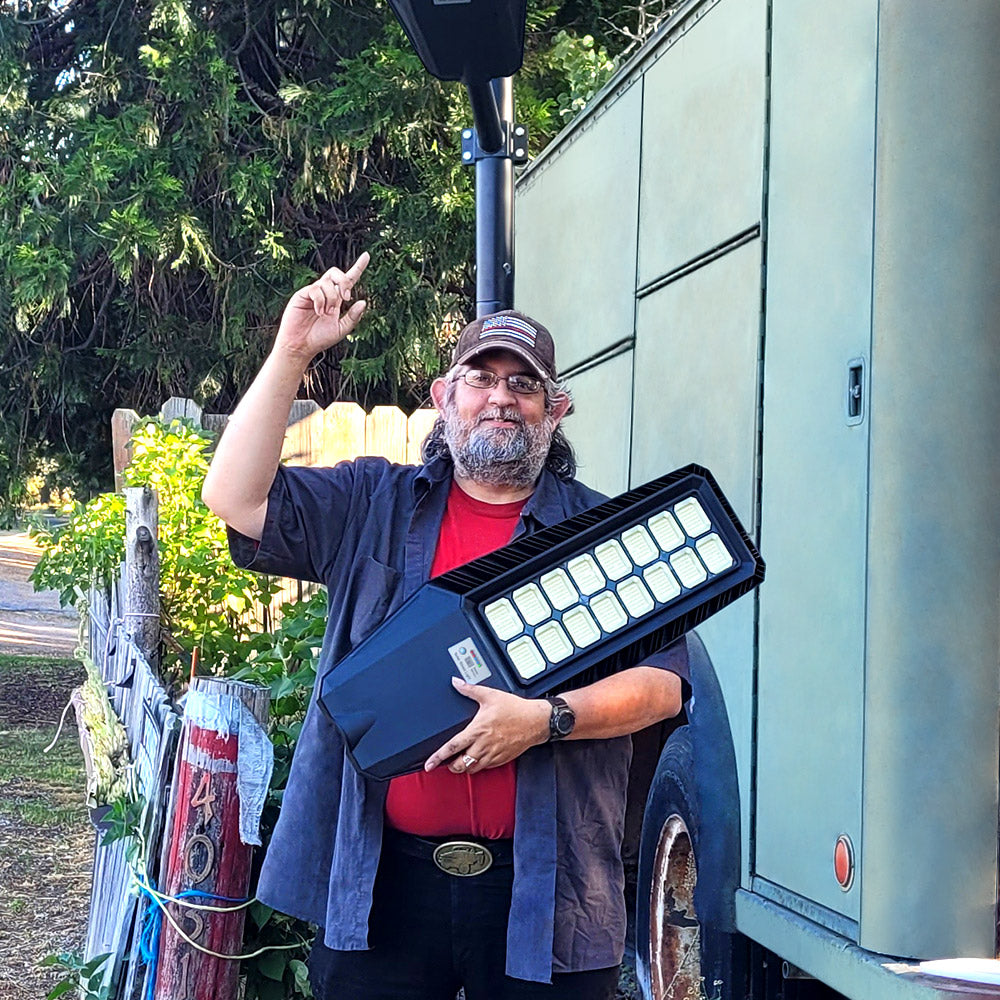
For a typical two-car driveway or small parking area, something like the Hykoont TW016 Solar Street Light at 60W (7,200 lumens) works perfectly. At $79.99, it's the sweet spot for residential applications.

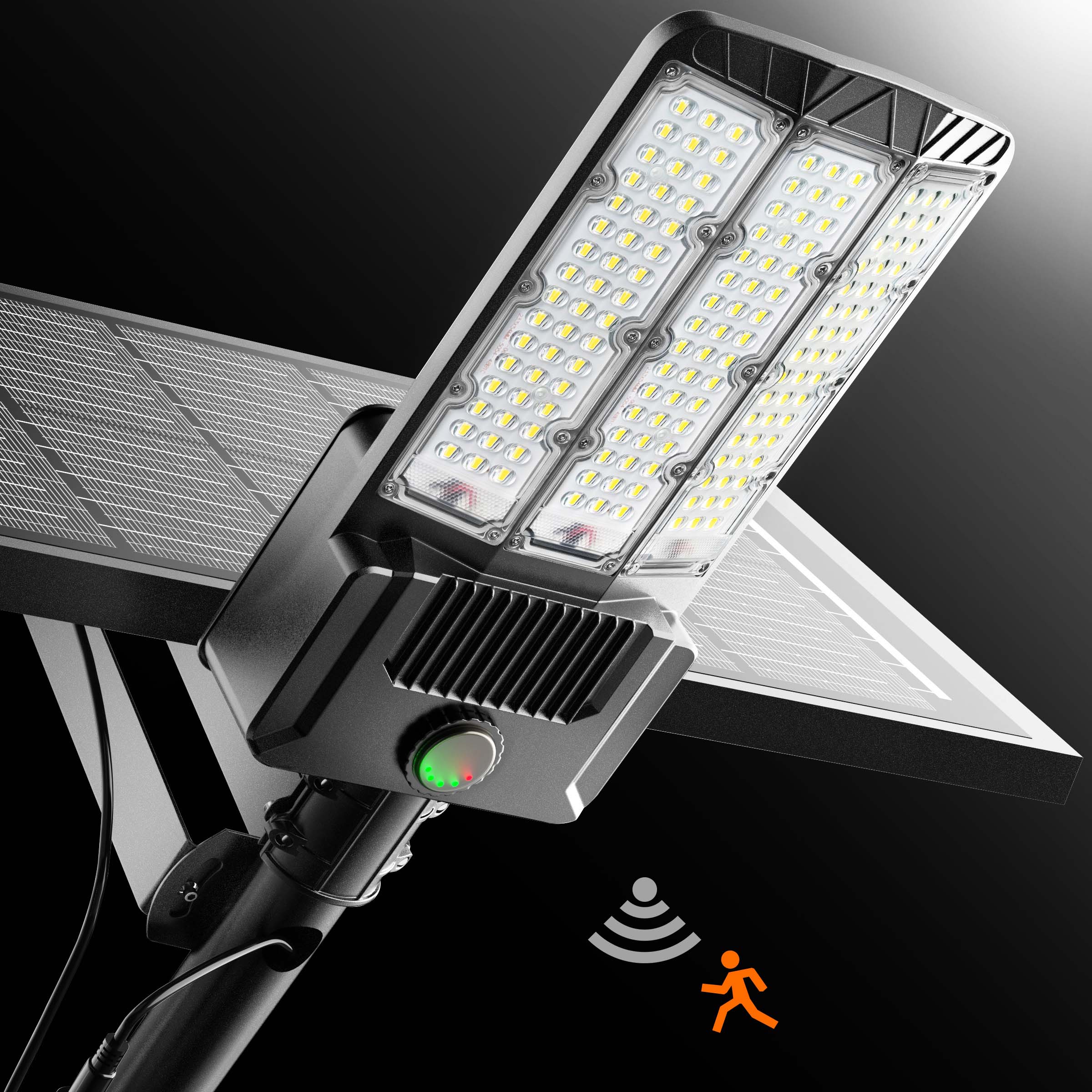
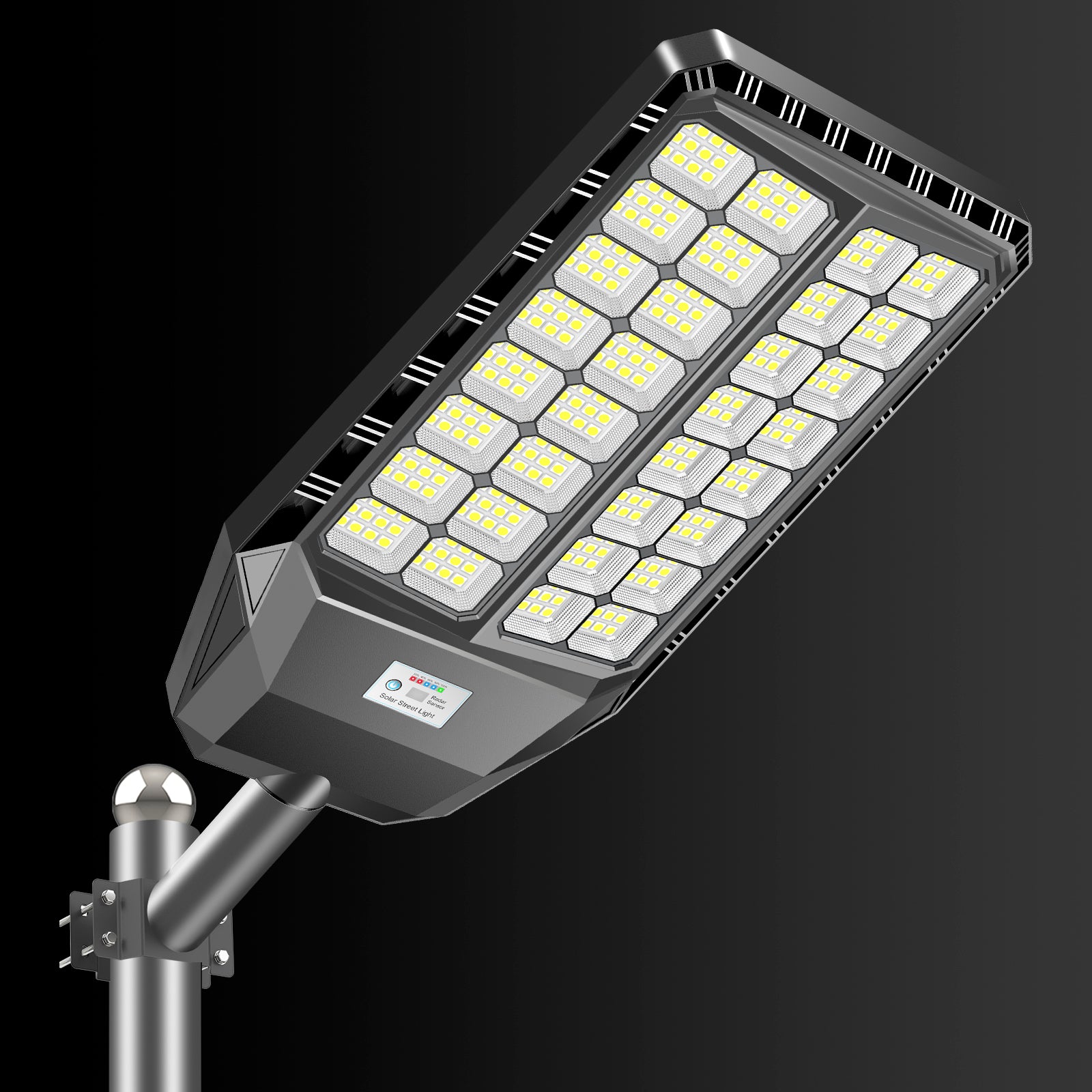
But if you're lighting a commercial parking lot or a long stretch of roadway, you'll want to step up to something with more punch. The BC024 Solar Street Light delivers 180W with 960 LED beads, covering significantly larger areas. At $159, it's still a fraction of what you'd spend on traditional infrastructure.
Lumens vs. Watts: What You Really Need to Know
Here's where people get confused. Watts measure power consumption. Lumens measure actual light output. For solar lights, you care about lumens.

A good rule of thumb:
- Residential pathways and driveways: 5,000-10,000 lumens
- Small parking areas or side streets: 15,000-25,000 lumens
- Main roads and large commercial lots: 30,000+ lumens
The Hykoont TW024 is a perfect example of high-output efficiency—1,008 LEDs producing 33,600 lumens at just $119. That's the kind of coverage you'd need for a medium-sized parking lot or a residential street serving multiple homes.

Installation: Easier Than You Think (But Here's What to Watch For)
One of the biggest selling points of solar street lights is the installation simplicity. No electrician needed, no permits in most jurisdictions, no trenching to run power lines.
That said, there are a few things that separate a good installation from a great one:
Pole Height and Mounting Angle
Most solar street lights work best at 12-20 feet high. Too low, and you get harsh shadows and potential vandalism issues. Too high, and you lose light intensity at ground level.
The solar panel angle matters too. In the continental US, you generally want panels tilted at 30-40 degrees facing south. This maximizes sun exposure year-round.
Spacing Between Lights
This depends on your light's lumen output and beam angle. For the TW016 (7,200 lumens), I'd recommend spacing lights 30-40 feet apart for continuous coverage on a pathway. For the higher-output BC024, you can stretch that to 50-60 feet.
Battery Life and Runtime: The Real-World Numbers
Marketing materials love to throw around "50,000 hour lifespan" numbers. Let's talk about what actually matters: how long will it run each night, and how many cloudy days can it handle?
Quality solar street lights like the ones we're discussing typically run 10-12 hours per night on a full charge. The battery capacity is usually sized to handle 3-5 cloudy days before you see any dimming.
In real terms, this means even in Seattle's notoriously gray winters, your lights will keep working. The solar panels are efficient enough to charge even on overcast days—just not as quickly.

Cost Breakdown: What You'll Actually Spend
Let's get specific with numbers, because this is where solar street lights really shine (pun intended).
Initial Investment
For a residential driveway or small pathway:
- Hykoont TW016: $79.99 per unit
- Mounting pole (if needed): $50-$150
- Installation (DIY or handyman): $0-$200
- Total: $130-$430 per light
For commercial or high-output needs:
- Hykoont TW024: $119 per unit
- BC024 180W: $159 per unit
- Commercial-grade pole: $150-$300
- Installation: $100-$300
- Total: $369-$759 per light
Ongoing Costs
Here's the beautiful part: $0 per month in electricity. Zero. Nada.
Compare that to traditional street lighting:
- Electricity: $15-$25 per month per light
- Maintenance (bulb replacement, repairs): $50-$100 per year
- Annual cost: $230-$400 per light
Your solar street light pays for itself in 1-3 years, depending on your local electricity rates. After that, it's pure savings for the next 5-7 years minimum.
Weather Resistance: What Actually Holds Up
I get this question constantly: "Will it survive our winters?" or "What about hurricane-force winds?"
Quality solar street lights are built to IP65 or IP66 ratings, meaning they're completely dust-tight and can handle heavy rain, snow, and ice. The LED components and batteries are sealed units designed for temperature extremes from -20°F to 140°F.
Wind resistance depends more on your pole installation than the light itself. A properly anchored pole with a concrete base can handle 100+ mph winds without issue.
Smart Features Worth Paying For (And Ones That Aren't)
Modern solar street lights come with various "smart" features. Some are genuinely useful, others are marketing fluff.
Motion Sensing: Actually Useful
Lights that dim to 30% brightness and jump to 100% when they detect motion can extend battery life significantly. This is especially valuable in areas with inconsistent foot traffic.
Remote Control: Nice to Have
Being able to adjust brightness levels or timing from a remote can be convenient, but it's not essential for most installations.
App Connectivity: Usually Overkill
Unless you're managing dozens of lights across a large property, smartphone app control is more complexity than most people need.

Common Installation Mistakes (And How to Avoid Them)
After seeing hundreds of installations, here are the mistakes I see most often:
Mistake #1: Shading the Solar Panel
Seems obvious, but I've seen panels installed under tree canopies or near buildings that cast afternoon shadows. Even partial shading can cut charging efficiency by 50% or more.
Solution: Check sun exposure throughout the day before you commit to a location. The panel needs 6+ hours of direct sunlight for optimal performance.
Mistake #2: Undersizing for the Application
Trying to light a large parking lot with residential-grade fixtures is a recipe for disappointment. Match your lumens to your coverage area.
Solution: Calculate your square footage and use the lumen guidelines I mentioned earlier. When in doubt, go slightly higher—you can always dim the light, but you can't make a weak light brighter.
Mistake #3: Ignoring Local Wind Loads
Coastal areas and open plains need more robust mounting than sheltered suburban locations.
Solution: Check your local wind zone rating and size your pole foundation accordingly. A few extra bags of concrete now beats replacing a toppled light later.
Maintenance: What to Expect Over the Years
Solar street lights are low-maintenance, not no-maintenance. Here's the realistic upkeep schedule:
Every 3-6 Months
- Wipe down the solar panel to remove dust, pollen, or debris
- Check mounting bolts for tightness
- Inspect for any physical damage
Every 1-2 Years
- Deep clean the solar panel and LED lens
- Test battery performance (most will last 5-7 years before replacement)
Every 5-7 Years
- Battery replacement (typically $30-$80 depending on capacity)
- Inspect all seals and gaskets
That's it. Compare that to traditional street lights that need bulb replacements every 1-2 years and electrical component checks annually.

Real-World Applications: What Works Where
Let me break down some specific scenarios I've seen work really well:
Residential Driveways and Pathways
Best choice: Hykoont TW016 ($79.99)
Why: 7,200 lumens is perfect for lighting a standard driveway without creating light pollution for neighbors. The lens optical design focuses light downward where you need it.
Small Business Parking (10-20 Spaces)
Best choice: Hykoont TW024 ($119)
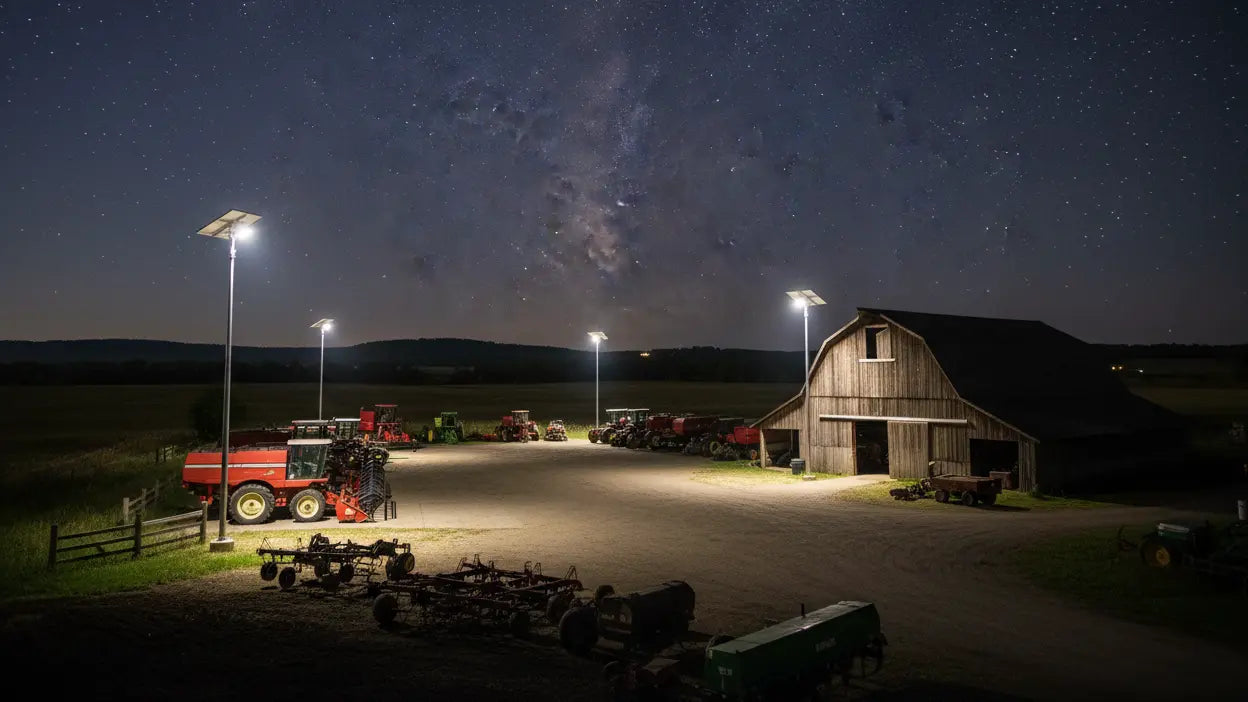
Why: 33,600 lumens covers a lot of ground. Space 3-4 units around the perimeter and you've got excellent coverage for security and customer safety.

Large Commercial Lots or Roadways
Best choice: BC024 180W ($159)
Why: When you need serious illumination across large areas, the 960 LED configuration delivers consistent, bright light. This is what municipalities and large commercial properties use.
Environmental Impact: The Numbers That Matter
Beyond the cost savings, there's a real environmental benefit to solar street lighting.
A single solar street light offsets approximately 1,500-2,000 pounds of CO2 emissions per year compared to grid-powered alternatives. Over a 10-year lifespan, that's 7.5-10 tons of carbon kept out of the atmosphere per light.
For a small business with 10 solar street lights, you're looking at the equivalent of taking 1-2 cars off the road permanently. That's not nothing.
Frequently Asked Questions
How long do solar street lights actually last?
The LED components typically last 50,000+ hours (about 11-12 years of nightly use). The battery will need replacement every 5-7 years. The solar panel and housing can last 15-20 years with minimal maintenance. So realistically, you're looking at 10-15 years of reliable service with one battery replacement.
Will solar street lights work in cloudy climates?
Yes, but with some caveats. Modern solar panels charge even on cloudy days—just at 10-25% efficiency instead of 100%. Quality lights include battery capacity for 3-5 cloudy days. In consistently overcast climates (Pacific Northwest, for example), you might see slightly reduced runtime during winter months, but they'll still function.
Do I need an electrician to install solar street lights?
No. That's one of the major advantages. Solar street lights are completely self-contained with no electrical wiring needed. Most installations can be done by a handyman or even a DIY-savvy homeowner. You're basically mounting a light to a pole and securing the pole in the ground.
What's the difference between 60W and 180W solar street lights?
The wattage indicates power consumption and generally correlates with light output. A 60W unit like the TW016 produces around 7,200 lumens—perfect for residential driveways and small pathways. A 180W unit like the BC024 produces much higher output for large commercial areas. Choose based on your coverage area, not just the wattage number.
Can solar street lights be dimmed or controlled?
Many modern solar street lights include built-in dimming features, often with motion sensors that keep the light at 30% brightness and boost to 100% when movement is detected. Some models include remote controls for manual adjustment. This extends battery life and reduces light pollution.
How much money will I actually save with solar street lights?
A traditional street light costs $15-$25 per month in electricity plus $50-$100 annually in maintenance. That's $230-$400 per year per light. A solar street light costs $0 in electricity and minimal maintenance. With initial costs of $130-$430 for residential units, you break even in 1-3 years and save money for the next 7-12 years.
What happens if the battery dies?
Batteries in solar street lights typically last 5-7 years. When they degrade, you'll notice reduced runtime (lights turning off before dawn). Replacement batteries cost $30-$80 depending on capacity and are user-replaceable in most models. It's a simple swap that takes 15-20 minutes.
Are solar street lights bright enough for security purposes?
Absolutely. Modern LED solar street lights produce more than enough lumens for security applications. A 7,200-lumen unit easily illuminates a residential driveway to the point where security cameras get clear footage. For commercial security, 30,000+ lumen units provide daylight-level visibility.
Do solar street lights attract bugs like traditional lights?
LED lights attract fewer insects than traditional sodium or mercury vapor lights because they emit less UV light and heat. You'll still get some bug activity (it's outdoor lighting, after all), but significantly less than old-school street lights.
Can I install solar street lights myself, or do I need a professional?
For residential applications with pre-existing poles or simple ground mounting, DIY installation is totally feasible if you're comfortable with basic tools. For commercial installations, taller poles, or areas with specific wind/soil conditions, hiring a professional is worth it to ensure proper anchoring and positioning.
Making Your Decision: A Simple Framework
Here's how to choose the right solar street light for your situation:
Step 1: Measure your coverage area
How many square feet do you need to illuminate? This determines your lumen requirements.
Step 2: Check sun exposure
Does your installation location get 6+ hours of direct sunlight? If yes, proceed. If no, consider alternative locations or supplemental lighting.
Step 3: Match lumens to application
- Small residential: 5,000-10,000 lumens → TW016 at $79.99
- Medium commercial: 20,000-35,000 lumens → TW024 at $119
- Large commercial: 35,000+ lumens → BC024 at $159
Step 4: Calculate your ROI
Take your current monthly electricity cost per light, multiply by 12, add annual maintenance costs. Divide your solar light investment by that number. That's your payback period in years.
The Bottom Line
Solar street lights have moved from "interesting alternative" to "obvious choice" for most outdoor lighting applications. The technology is proven, the costs have dropped dramatically, and the savings are real.
Whether you're a homeowner tired of dark driveways, a business owner looking to cut operating costs, or a property manager responsible for safety and budgets, solar street lighting delivers on all fronts.
The key is matching the right light to your specific needs. Don't overbuy for a small residential application, and don't undersize for commercial security needs. Use the guidelines in this article, and you'll end up with lighting that works reliably for years while saving you money every single month.
Ready to make the switch? Start with one light in your highest-priority area. See how it performs. Then expand from there. That's how most successful installations happen—one light at a time, proving the value before scaling up.
Shop our complete range of solar street lights:

Leave a comment
This site is protected by hCaptcha and the hCaptcha Privacy Policy and Terms of Service apply.