







Look, I Get It—You're Skeptical About Solar Street Lights
Five years ago, I would've been too. Solar street lights had this reputation for being either crazy expensive or just plain unreliable. You'd see them flickering in parking lots or completely dark by 9 PM, and think "yeah, that's not happening on my property."
But here's the thing that changed in 2026: the technology finally caught up with the promise. I'm talking about lights that actually stay bright all night, panels that work even when it's cloudy for days, and batteries that don't die after one winter.
So if you're managing a commercial property, running a municipality, or just trying to light up your driveway without trenching 200 feet of electrical line, this guide breaks down everything you actually need to know.
The Real Question: When Does Solar Actually Make Sense?
Let's start with the honest answer—solar street lights aren't for everyone. But if you're in one of these situations, they're probably your best bet:
You're lighting an area far from existing power. This is the big one. If running electrical lines means digging trenches, hiring electricians, and dealing with permits, you're looking at $3,000-$8,000 per pole before you even buy the light. A quality solar street light? You're in for $79-$289 depending on the model, and you can install it yourself in an afternoon.
Your electricity costs are climbing. Traditional street lights can pull 100-400 watts continuously. That's $150-$600 per year per light in most US markets. Solar? Zero ongoing electricity costs. The math gets really interesting when you're lighting multiple areas.
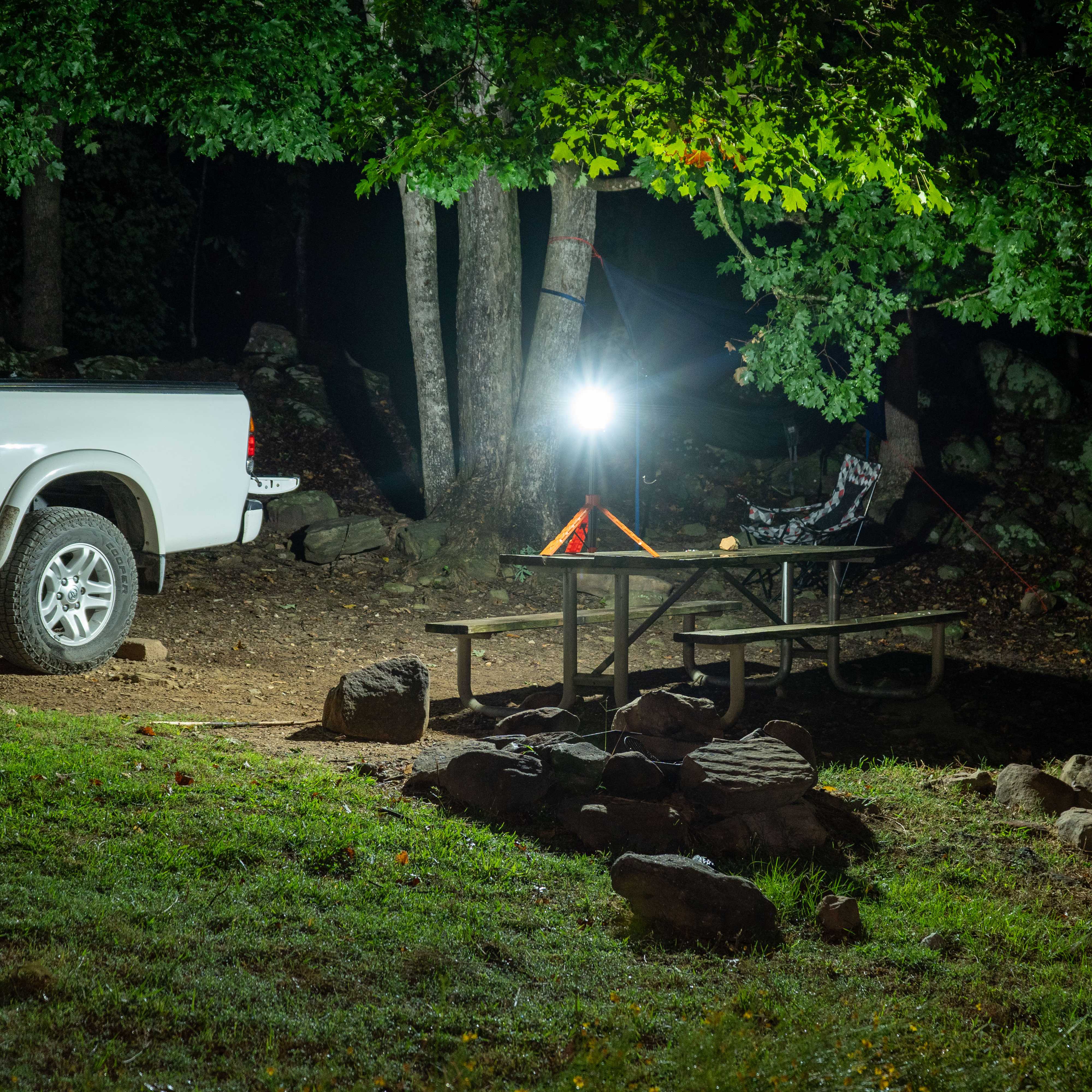
You need lighting in remote or off-grid locations. Parks, trails, rural driveways, farm roads, construction sites—anywhere the grid doesn't reach or isn't practical.

Off-Grid Solar Area Lighting: What Actually Works
Here's where most guides get it wrong. They'll tell you to "just buy the biggest panel and battery you can afford." That's like saying "buy the biggest truck" when you're trying to figure out how to haul groceries.
What you actually need depends on three things:
1. How Much Light You Actually Need (Not What Sounds Impressive)
Lumens are confusing because manufacturers love to slap big numbers on boxes. Here's the reality check:
- Residential driveways, pathways, small yards: 10,000-20,000 lumens is plenty. Something like the Hykoont TW001 Dual-Lamp at $49.99 gives you solid coverage without overkill.
- Parking lots, commercial areas, street lighting: You're looking at 25,000-42,000 lumens. The Hykoont TW030 (42,000 lumens, $142) is the sweet spot for most commercial applications.
- Large area lighting, industrial sites, municipal streets: 50,000+ lumens. The Hykoont SZ300 (60,000 lumens, $145) handles serious area coverage.
More lumens means more power draw, which means you need bigger panels and batteries. Don't over-spec just because it sounds better.
2. Runtime Requirements (This Is Where People Mess Up)
Most solar street lights offer different modes:
- Dusk-to-dawn full brightness: Sounds great, uses the most power, might not make it through winter nights in northern states
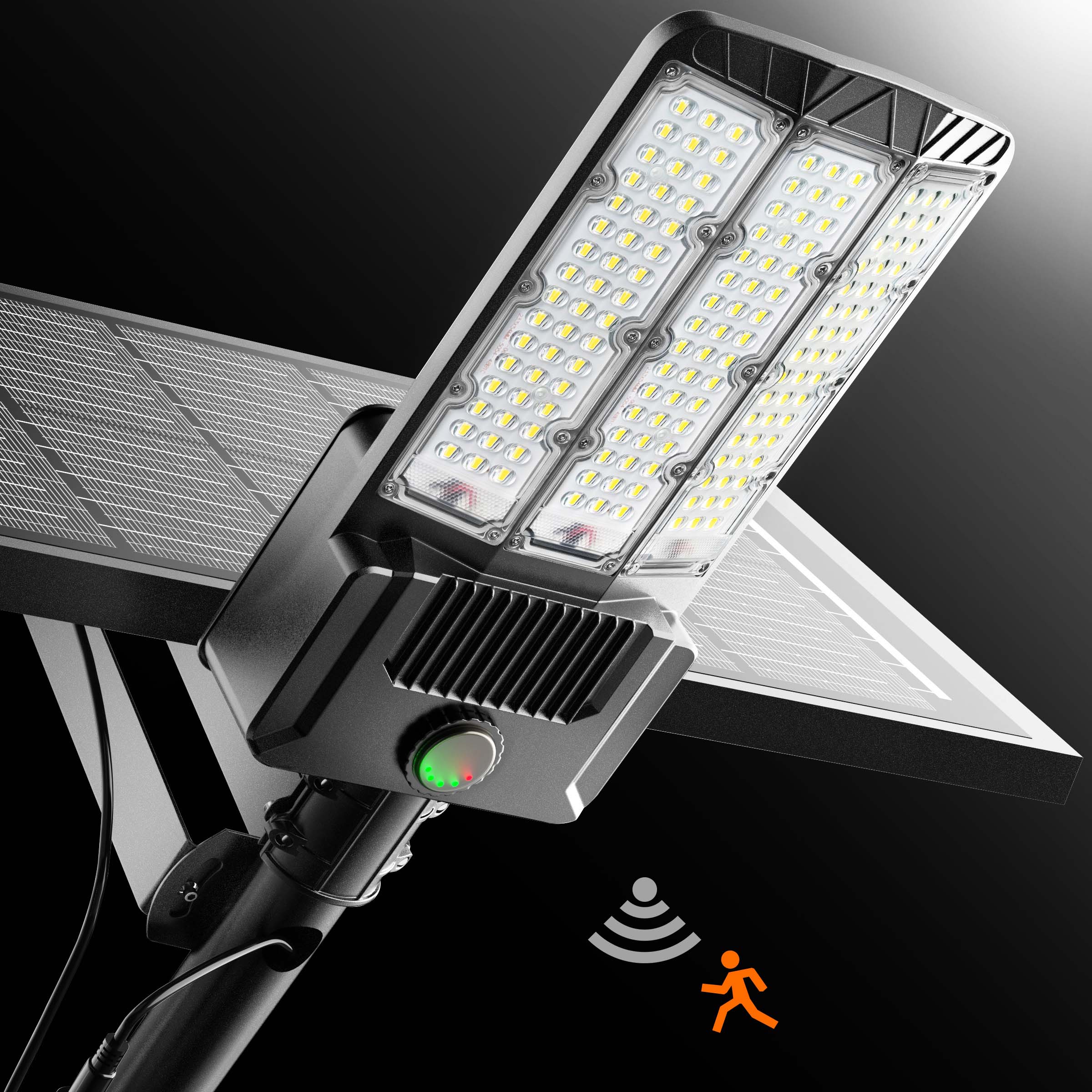
- Motion-activated: Dims to 30% normally, full brightness when motion detected—this is the secret to all-night operation
- Time-based dimming: Full brightness until midnight, then dims—good compromise for most applications
For off-grid reliability, motion-activated is your friend. The Hykoont BM024 (21,600 lumens, $199 for 2-pack) does this really well—it'll run all night even after cloudy days because it's not burning full power constantly.
3. Panel and Battery Sizing (The Boring But Critical Part)
Here's the formula nobody tells you: You need enough panel to fully charge the battery in 4-5 hours of good sun. Why? Because winter days are short, and cloudy days happen.
Quality solar street lights in 2026 use monocrystalline panels (more efficient in low light) and LiFePO4 batteries (last 5-7 years instead of 2-3). The Hykoont BD006 ($179) uses both, which is why it's rated for 3-5 rainy days of operation.
Cheaper units use polycrystalline panels and lead-acid batteries. They'll work fine in Arizona. In Michigan? You'll be disappointed by February.
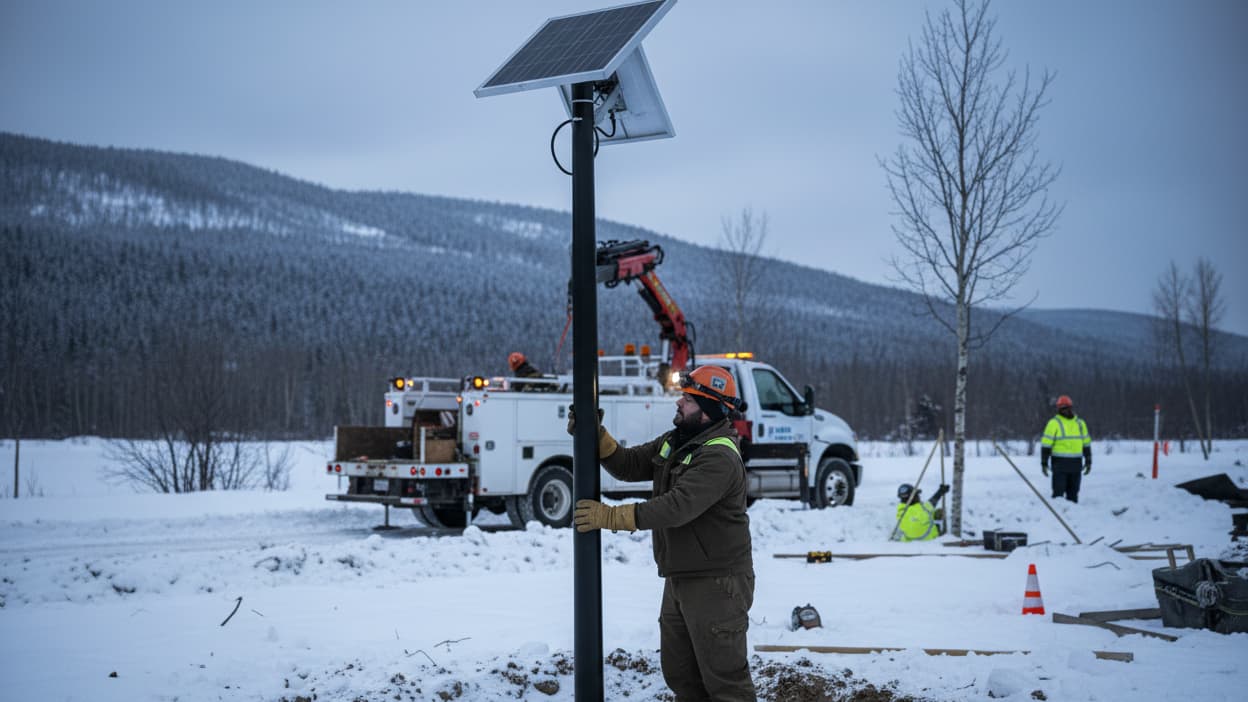
Solar Lighting for Cold Climates: The Truth Nobody Wants to Tell You
Okay, real talk time. I've seen so many people in Minnesota, Montana, or Maine buy solar lights designed for California and then wonder why they stop working in January.
Cold weather does three things to solar lights:
Problem #1: Shorter Days Mean Less Charging Time
In December, you might only get 4-5 hours of usable sunlight in northern states. But you need 14-15 hours of runtime. The math doesn't work unless your system is oversized.
The fix: Look for lights with larger panel-to-battery ratios. The Hykoont TW032 (550,000 lumens, $129) has a massive 7000W panel specifically for this reason—it can grab every bit of available light.
Problem #2: Cold Kills Battery Performance
Lithium batteries lose about 20% capacity at freezing temperatures. Lead-acid batteries? They can lose 50% or more.
The fix: This is why LiFePO4 batteries matter in cold climates. They maintain 80%+ capacity down to -4°F. Models like the Hykoont TW030 2-Pack ($289) are specifically rated for cold weather operation.

Problem #3: Snow Coverage on Panels
This one's obvious but often overlooked. Snow on your panel means zero charging.
The fix: Install at a steeper angle (45-60 degrees) in snow-prone areas so snow slides off. Also, position where you can actually reach the panel to brush it off after heavy snow. The adjustable mounting brackets on most modern units make this easier than it used to be.
Cold Climate Installation Tips That Actually Matter
- Oversize your system by 30-40% compared to what you'd need in moderate climates
- Use motion-sensor modes to conserve power during long winter nights
- Install in October/November so batteries get a full charge before winter hits
- Face panels south (in Northern Hemisphere) at your latitude angle + 15 degrees for winter optimization
- Keep panels clear—a 10-foot pole with a soft brush is your friend
I've talked to customers in Wisconsin running the BC024 (180W, $159) through entire winters without issues because they followed these guidelines. It's not magic—it's just proper sizing and installation.
Installation: Easier Than You Think (If You Avoid These Mistakes)
The beautiful thing about solar street lights is that installation is genuinely DIY-friendly. No electrician needed, no permits in most areas, no trenching.
But people still mess it up. Here's how to not be that person:
Mistake #1: Terrible Panel Placement
Your panel needs unobstructed sun from 9 AM to 3 PM minimum. That tree that's "not really in the way"? It's in the way. That building that only shades the panel "for a little bit in the morning"? That's killing your charge.
Use the shadow test: Go out at 10 AM, noon, and 2 PM on a sunny day. If there's any shadow on where you plan to mount the panel, find a different spot.
Mistake #2: Mounting Too Low
For security and area lighting, you want the light head 12-20 feet up. Lower than that and you get harsh shadows and poor coverage. Higher than 20 feet and you need significantly more lumens to get the same ground-level brightness.
Most solar street lights come with poles or mounting brackets. The Hykoont BM027 ($169) includes everything you need for proper mounting height.
Mistake #3: Ignoring Wind Load
That big panel is basically a sail. In windy areas, you need serious anchoring. Concrete footings, not just ground stakes. We're talking 18-24 inches deep, 12-inch diameter, with proper pole mounting hardware.
Skimping here means finding your $200 light in the neighbor's yard after the first storm.
The Actual Installation Process
For a typical installation:
- Dig your hole and set your pole (or mount to existing structure)—2-3 hours
- Attach the light head and panel—30 minutes
- Connect the battery (usually pre-wired)—10 minutes
- Configure settings via remote or app—15 minutes
- Let it charge for 2 sunny days before first use
Total active work time: 3-4 hours for someone who's moderately handy. Compare that to running electrical lines.
Cost Breakdown: What You're Actually Spending
Let's talk real numbers, because this is where solar either makes sense or doesn't for your situation.
Upfront Costs
Budget tier ($50-$100): Good for residential pathways, small areas, supplemental lighting. The TW001 at $49.99 or BC020C at $79 fit here. Expect 2-3 years of solid performance.
Mid-range ($100-$180): This is the sweet spot for most applications. Models like the TW030 ($142), SZ300 ($145), or BC024 ($159) give you commercial-grade performance with 5-7 year lifespans.
Premium tier ($180-$300): Heavy-duty commercial and municipal applications. The BD006 ($179), TW040 ($179), or the TW030 2-pack ($289) are built to last 7-10 years with minimal maintenance.

Comparison: Solar vs. Traditional Grid-Tied
Let's say you need to light a parking lot 150 feet from your building:
Traditional grid-tied option:
- Trenching and electrical: $4,500
- Light fixture: $300
- Electrician installation: $800
- Permits and inspection: $200
- Total upfront: $5,800
- Annual electricity (400W × 12hrs × 365 days × $0.13/kWh): $228
- 5-year total cost: $6,940
Solar option:
- Quality solar street light: $142-$179
- Pole and mounting (if needed): $100
- DIY installation: $0
- Total upfront: $242-$279
- Annual electricity: $0
- 5-year total cost: $242-$279
The payback is immediate when you're running new lines. Even if you're replacing existing lights, solar pays for itself in 1-2 years on electricity savings alone.

Maintenance: What to Expect Over the Years
Solar street lights aren't zero-maintenance, but they're pretty close.
Every 3-6 months:
- Wipe down the solar panel (dust and pollen reduce efficiency by 15-25%)
- Check mounting hardware for tightness
- Clear any vegetation that's grown up around the panel
Annually:
- Inspect wiring connections
- Test the light in all modes
- Check for any physical damage from weather or impacts
Every 5-7 years:
- Battery replacement (if using LiFePO4; lead-acid needs replacement every 2-3 years)
- Cost: $40-$80 depending on capacity
Compare this to traditional street lights that need bulb replacements every 2-3 years ($50-$100 per bulb plus labor) and occasional ballast replacements ($150-$300).
Common Problems and How to Fix Them
"My light doesn't stay on all night"
Usually one of three things:
- Panel isn't getting enough sun (check for new shadows, clean the panel)
- Battery is aging (test voltage, replace if needed)
- You're in dusk-to-dawn mode in winter (switch to motion-sensor mode)
"The light is dimmer than it used to be"
Check the LED array for moisture intrusion. Quality units like the BM024 have IP66 ratings, but seals can fail. Also check if you're in a dimmed mode—some lights have multiple brightness settings.
"It doesn't turn on at all"
First, check the battery connection—vibration can loosen terminals. Second, make sure the light sensor isn't covered or damaged. Third, verify the battery has charge (most units have indicator lights).

Choosing the Right Model for Your Specific Needs
Let me break this down by actual use case instead of just listing specs:
For Residential Driveways and Pathways
You want something that looks decent, provides adequate light, and doesn't break the bank. The Hykoont TW001 ($49.99) is hard to beat here—dual lamps give you good coverage, and the price point means you can install multiple units without stress.
If you need more punch, the BM024C (26,000 lumens, $79) lights up a large driveway or yard beautifully.
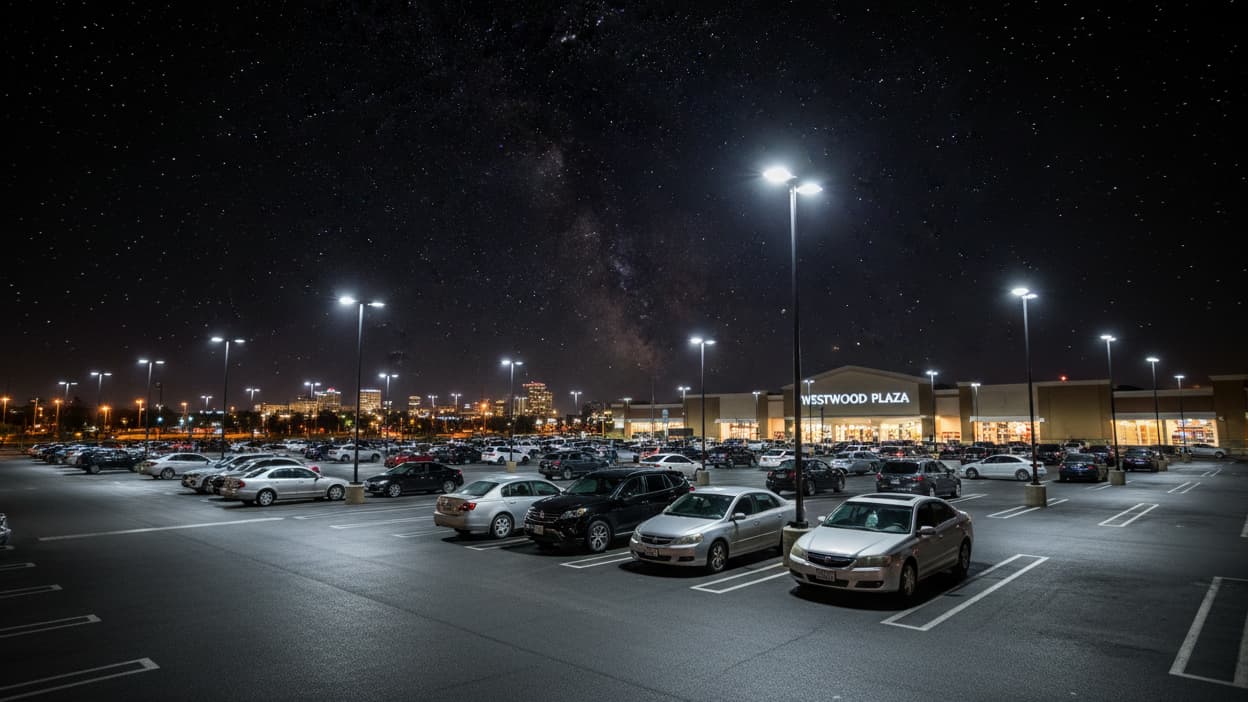
For Commercial Parking Lots
You need reliability, serious brightness, and good coverage. The TW030 (42,000 lumens, $142) is the go-to. For larger lots, grab the 2-pack at $289 and save some money.
The motion-sensor capability means they'll run all night even in winter, and the dusk-to-dawn option is there when you need it.
For Municipal Street Lighting
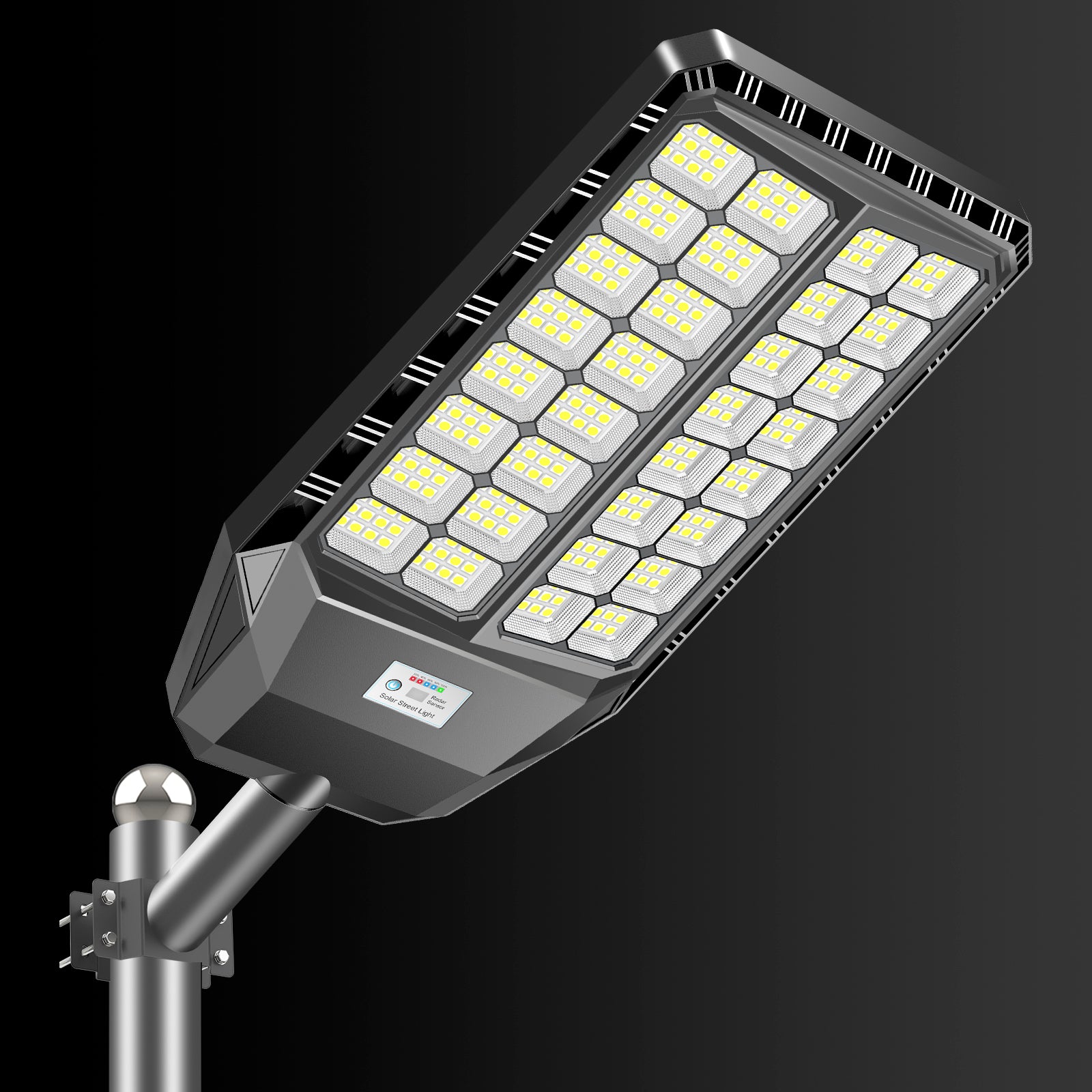
You need maximum output, durability, and long service life. The SZ300 (60,000 lumens, $145) with its die-cast aluminum construction and mono solar panel is built for this. The TW032 (550,000 lumens, $129) is another beast for serious area coverage.
For Cold Climate Applications
Prioritize models with LiFePO4 batteries and oversized panels. The TW030 series and BD006 both have proven cold-weather performance.
For Remote or Off-Grid Locations
Battery capacity is king here. Look for models rated for 3-5 rainy days of operation. The BM027 (25,650 lumens, $169) excels in this role with its large battery bank and efficient LED array.
The Bottom Line: Is Solar Right for You?
Here's my honest take after years of working with these systems:
Solar street lights are a no-brainer if:
- You're more than 50 feet from existing power
- You're lighting remote or off-grid areas
- You want to eliminate ongoing electricity costs
- You need quick installation without permits and electricians
- You're in a sunny climate (or willing to oversize for cloudy/cold climates)
Stick with traditional lighting if:
- You're right next to existing power and can tap in easily
- You're in an extremely cloudy climate and can't oversize the system
- You need absolutely guaranteed 100% uptime with zero maintenance
- You're in an area with frequent vandalism (solar panels are targets)
For most people reading this, solar makes sense. The technology is there, the prices are reasonable, and the installation is straightforward.
Ready to make the switch? Start with one light in a non-critical area to test performance in your specific conditions. The TW030 at $142 is a great test unit—powerful enough to be useful, affordable enough to not stress about.
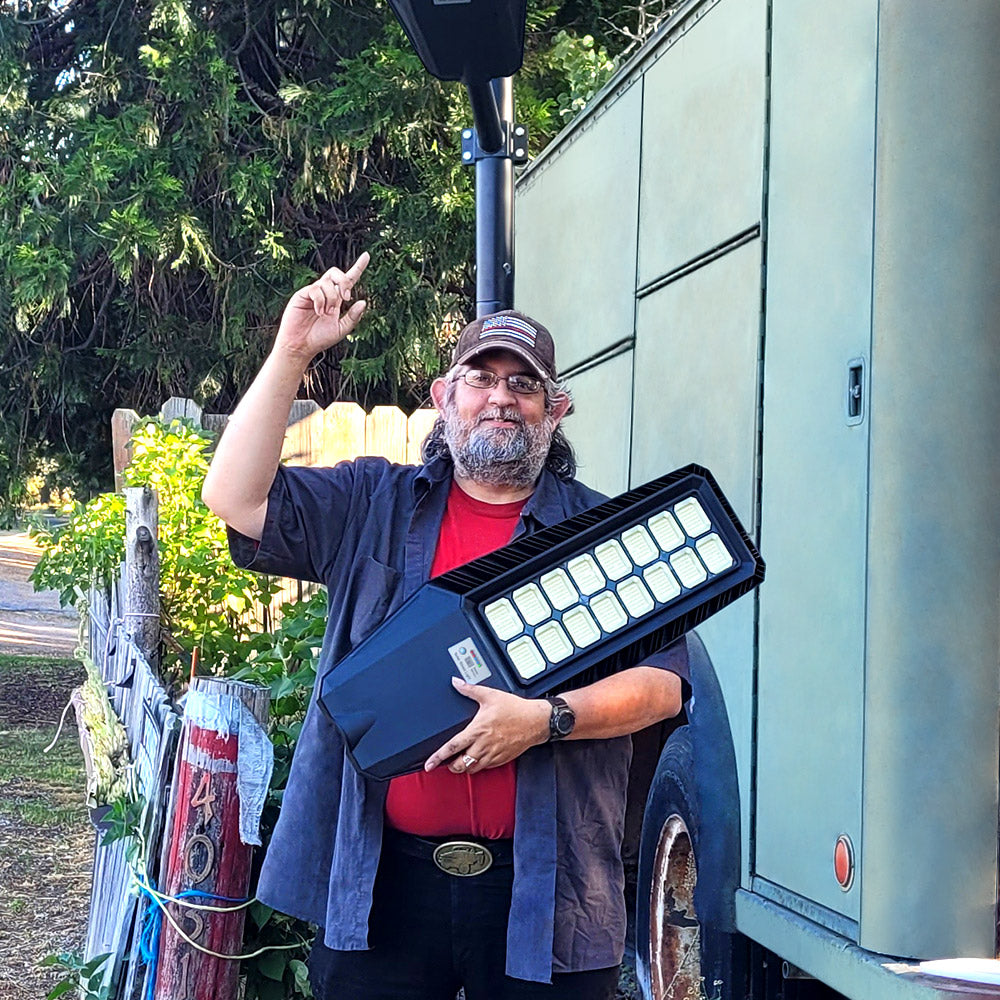
Once you see how well it works, you'll probably end up replacing more lights than you originally planned. That's what happened to me, anyway.
Shop all solar street lights →
Frequently Asked Questions
How long do solar street lights actually last?
The LED lights themselves last 50,000-100,000 hours (that's 15-30 years of nightly use). The solar panels degrade about 0.5% per year, so they're still 90%+ efficient after 20 years. The battery is your limiting factor—LiFePO4 batteries last 5-7 years, lead-acid batteries 2-3 years. With battery replacement, you're looking at 15-20 years of total system life.
Will solar street lights work in winter or cloudy climates?
Yes, but you need to size appropriately. Modern monocrystalline panels work in cloudy conditions and even capture some light on overcast days. The key is having enough battery capacity to handle 3-5 days of poor charging conditions. Models like the TW030 and BD006 are specifically designed for this. In extreme northern latitudes, you may need to use motion-sensor modes during winter months.
How bright are solar street lights compared to traditional street lights?
Modern solar street lights match or exceed traditional lighting. A typical 150W HPS (high-pressure sodium) street light produces about 15,000-20,000 lumens. Solar models like the TW030 (42,000 lumens) or SZ300 (60,000 lumens) actually provide more light. Plus, LED light is whiter and more natural than the orange glow of HPS, so it feels brighter at the same lumen level.
Can I install solar street lights myself, or do I need a professional?
Most solar street lights are designed for DIY installation. There's no electrical wiring to worry about (no electrician needed), and most units come with mounting hardware. The main work is setting a pole securely—digging a hole, pouring concrete, and letting it cure. If you can handle basic construction tasks, you can install solar street lights. The exception is if you're mounting very high (20+ feet) or in difficult locations where you'd want professional help for safety.
What happens if the battery dies or needs replacement?
Batteries are replaceable in quality solar street lights. LiFePO4 batteries (the good ones) last 5-7 years and cost $40-$80 to replace depending on capacity. The replacement process is usually straightforward—disconnect the old battery, connect the new one. Some manufacturers sell replacement batteries directly, or you can source compatible batteries based on the voltage and capacity specs. This is way cheaper than replacing the entire unit.
How much money will I actually save with solar street lights?
A traditional 150W street light running 12 hours per night costs about $95-$190 per year in electricity (at $0.10-$0.20 per kWh). Over 10 years, that's $950-$1,900 per light just in electricity, plus bulb replacements ($200-$400) and maintenance. A solar street light like the TW030 ($142) costs zero in electricity and minimal maintenance. If you're installing new lights and would need to run electrical lines ($3,000-$8,000 per pole), the savings are immediate and massive.
Do solar street lights work in areas with lots of trees or shade?
Solar panels need direct sunlight for at least 4-6 hours per day to charge effectively. Partial shade reduces charging efficiency significantly—even 20% shade can cut charging by 50% or more. If your installation area is heavily shaded, you have two options: mount the panel in a sunny location separate from the light head (some models allow this), or consider traditional lighting. Don't try to make solar work in full shade—you'll be disappointed.
What's the difference between motion sensor and dusk-to-dawn modes?
Dusk-to-dawn mode turns the light on at full brightness when it gets dark and keeps it on until sunrise. This uses the most power and may not last all night in winter or after cloudy days. Motion sensor mode keeps the light at low brightness (usually 30%) and jumps to full brightness when motion is detected. This conserves battery power and typically allows all-night operation even in challenging conditions. Most modern units like the BM024 offer both modes so you can choose based on your needs.
Are solar street lights bright enough for security purposes?
Absolutely. Models in the 25,000-60,000 lumen range provide excellent security lighting. The SZ300 (60,000 lumens) lights up large areas as bright as daylight. For security applications, look for models with motion sensors—the sudden increase to full brightness when motion is detected is actually more effective as a deterrent than constant lighting. The white LED light also provides better color rendering than traditional security lights, making it easier to identify people and vehicles on camera.
How do I know what size solar street light I need?
It depends on the area you're lighting and the mounting height. As a rough guide: for residential driveways and pathways (10-12 ft mounting), 10,000-20,000 lumens covers 400-800 sq ft. For parking lots and commercial areas (15-20 ft mounting), 25,000-42,000 lumens covers 800-1,500 sq ft. For street lighting and large areas (20-25 ft mounting), 50,000+ lumens covers 1,500-2,500 sq ft. These are approximations—actual coverage depends on mounting height, reflector design, and desired brightness level. When in doubt, it's better to use multiple moderate lights than one massive light.
Still have questions? Contact our team—we've installed thousands of these systems and can help you figure out exactly what you need.

Leave a comment
This site is protected by hCaptcha and the hCaptcha Privacy Policy and Terms of Service apply.