







Understanding Solar Lighting Technology in 2026
When you're standing in your driveway at night, fumbling for keys, the last thing you want is a light that doesn't turn on when you need it. That's where the debate between solar powered sensor lights and traditional solar lights really hits home.
Here's the thing: both use the sun's energy, but they work completely differently. And that difference? It can mean the gap between a light that's there when you need it versus one that's just... there.
Let's break down what actually matters when you're choosing between these two options for your outdoor spaces.
What Makes Solar Powered Sensor Lights Different?
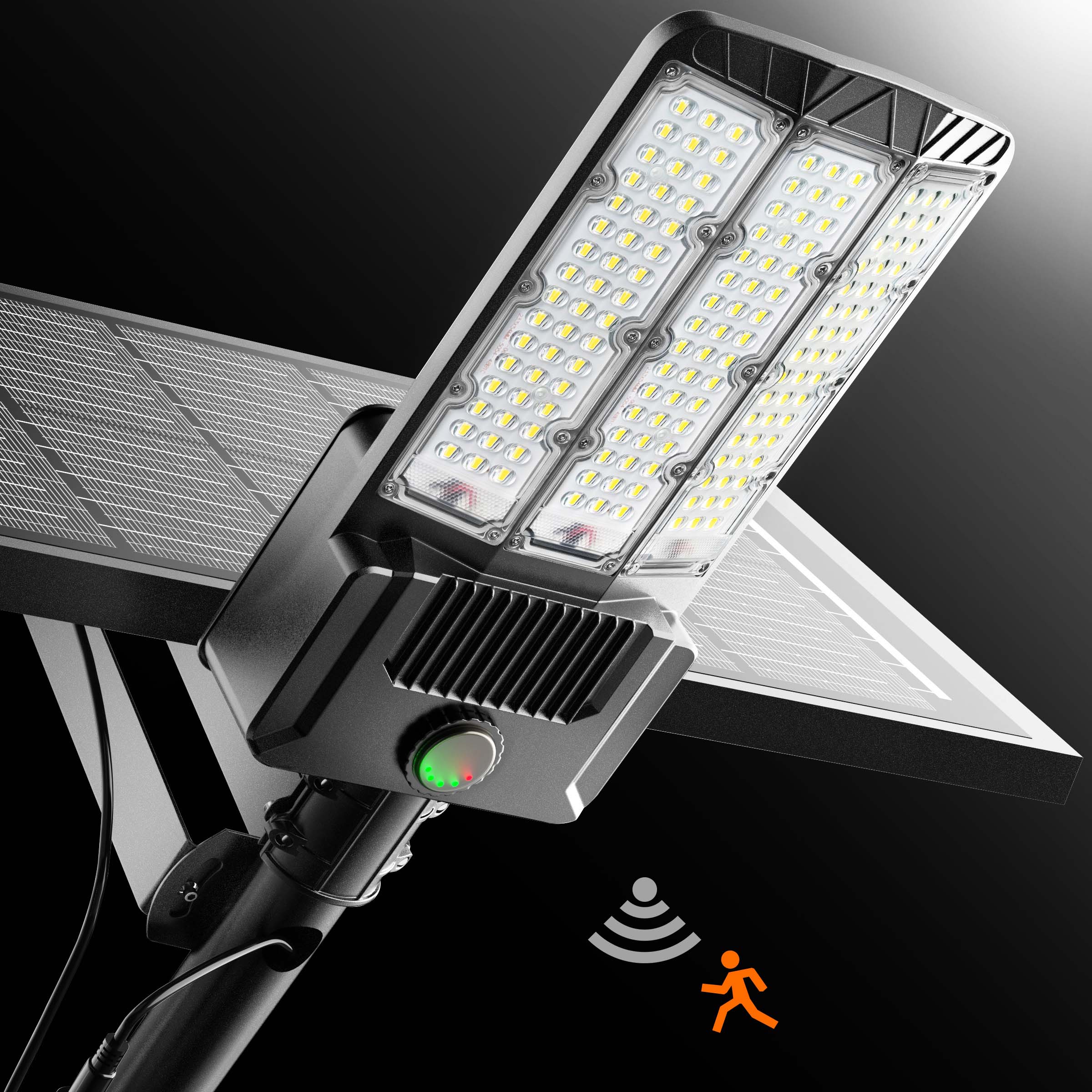
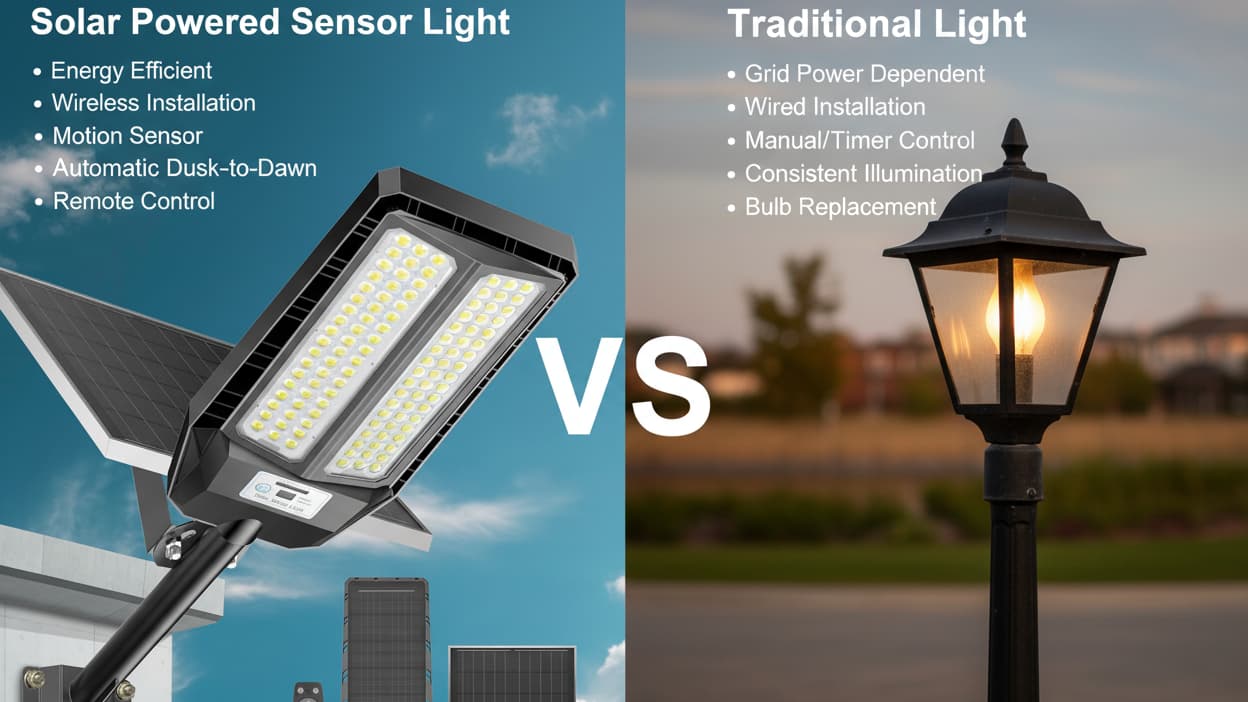
Solar powered sensor lights are the smart cookies of outdoor lighting. They don't just sit there glowing all night like their traditional cousins. Instead, they wait. They watch. And when something moves within their detection range, boom – instant brightness.
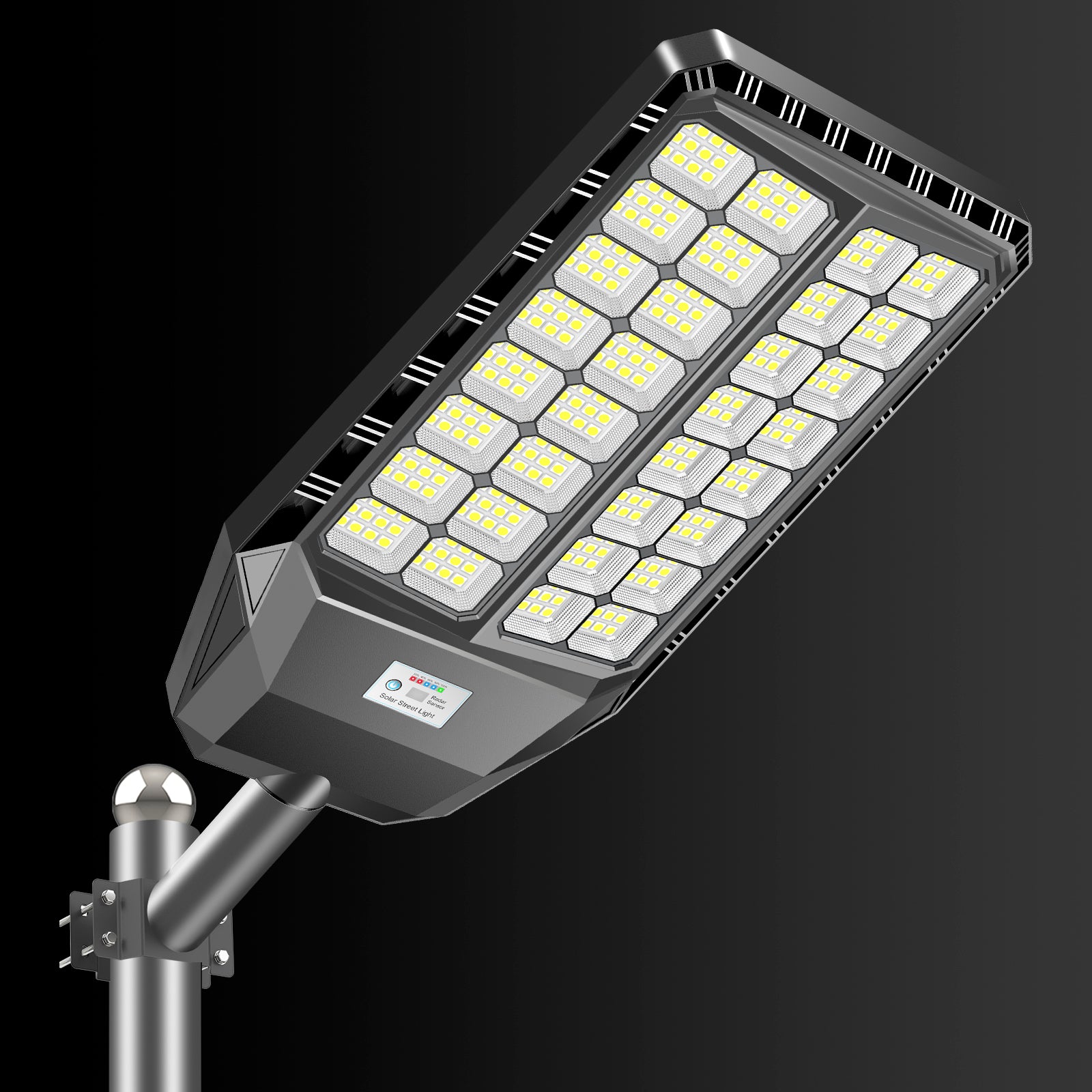
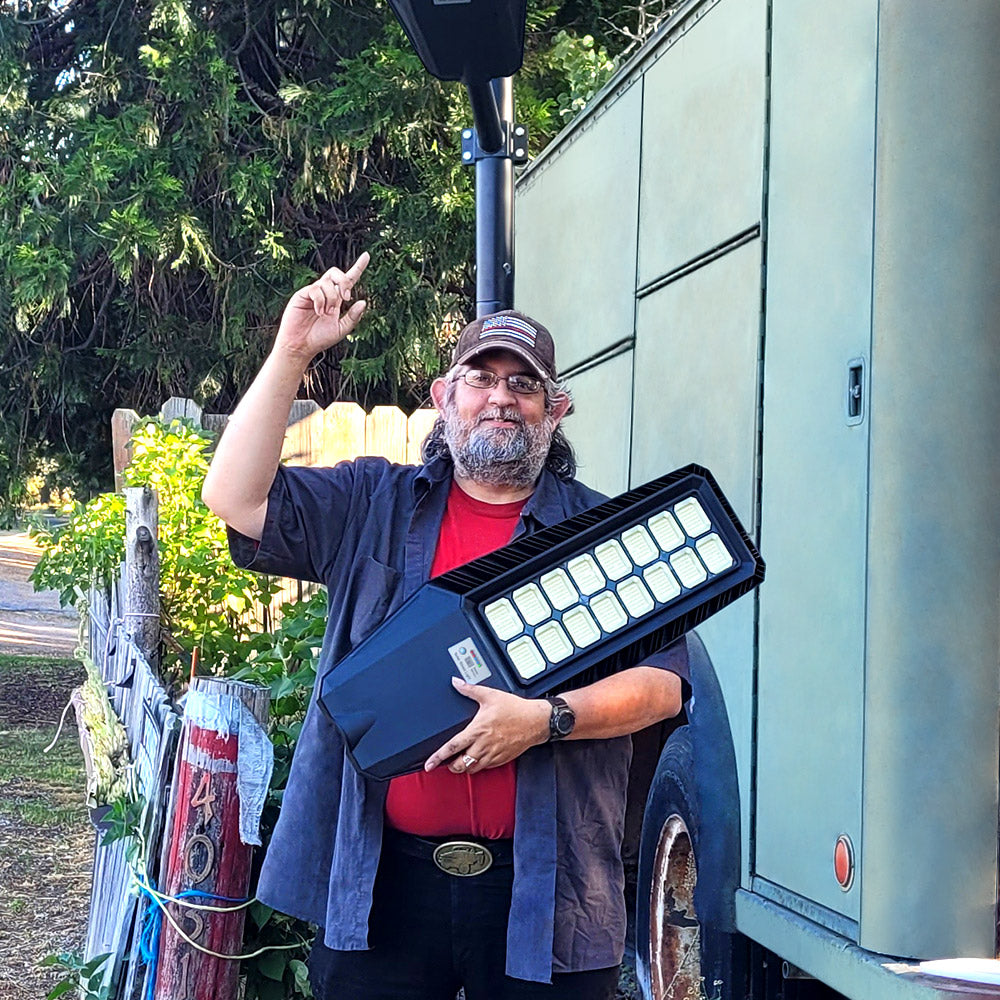
Think of them as your home's night watchman. The Hykoont TW002C Solar Street Light ($99.00) is a perfect example. It packs 24,000 lumens and covers up to 3,000 square feet, but here's the kicker – it only goes full blast when its motion sensor detects movement.

How Motion Detection Actually Works
Most quality sensor lights use PIR (Passive Infrared) technology. They're detecting heat signatures – specifically, the heat your body gives off as you move. When you walk into the detection zone, the sensor picks up the temperature change and triggers the light.
Smart Lighting Modes That Actually Make Sense
Here's where sensor lights get interesting. Most come with multiple modes:
Motion Sensor Mode: Light stays dim (or off) until movement is detected, then jumps to full brightness. Battery saver champion.
Dusk-to-Dawn Mode: Turns on at sunset, stays on all night at a set brightness. Uses more battery but provides constant illumination.
Timer Mode: You set specific hours for operation. Great if you only need light during certain times.
Traditional Solar Lights: The Steady Performers
Traditional solar lights are straightforward. Sun goes down, light goes on. Sun comes up, light goes off. No sensors, no modes, no fuss.
They're the reliable friend who shows up every single night, same time, same brightness. For some situations, that's exactly what you want.
When Constant Light Makes More Sense
Pathway lighting? Traditional wins. You want those garden paths lit consistently so nobody trips over that decorative rock you thought looked great in daylight.
Ambient outdoor lighting for your patio? Again, traditional. You're not trying to scare off intruders – you're creating atmosphere.
The trade-off is battery life. Running all night means your battery drains faster, which means you need either a bigger battery or you accept shorter runtime on cloudy days.
Battery Life: Where the Real Difference Shows Up
Let's talk numbers that actually matter to your wallet and your patience.
A traditional solar light running at full brightness for 12 hours straight will drain its battery completely. If you get three cloudy days in a row, you might find yourself in the dark by night three.
A sensor light in motion-activated mode? It might only run at full brightness for 30 minutes total across that same 12-hour period. The rest of the time it's either off or in dim mode, sipping power like it's expensive wine.
The Hykoont BM024 160W Solar Street Light 2-Pack ($199.00) comes with a 6V 24AH battery that can run 16-24 hours. In motion sensor mode, you could stretch that even further.

Real-World Battery Performance
Here's what you can actually expect:
Sensor Lights: 3-5 days of operation after a full charge, even with moderate use. Some high-end models can go a week.
Traditional Lights: 1-2 days of full-night operation after a full charge. Less if the light is particularly bright.
Weather plays a huge role. In summer with long, sunny days, both types stay charged easily. Winter in Seattle? That's when battery capacity really matters.
Brightness Levels: Lumens That Actually Mean Something
Lumens are how we measure brightness, but here's what those numbers actually look like in your yard:
100-300 lumens: Pathway lighting, subtle accent lighting. You can see where you're going, but you're not lighting up the neighborhood.
300-800 lumens: Porch lights, small area lighting. Good for doorways and small patios.
800-2000 lumens: Security lighting, driveway lighting. Now we're talking serious illumination.
Here's the thing about sensor lights: they can afford to be brighter because they're not on constantly. A 2000-lumen sensor light uses less total energy than a 500-lumen traditional light running all night.
Installation and Placement: Getting It Right
Both types need sunlight, but sensor lights are pickier about placement because you need to consider the detection zone.
Solar Panel Positioning
Your solar panel needs 6-8 hours of direct sunlight daily. Not filtered through trees, not in the shadow of your roof for half the day – actual direct sunlight.
South-facing in the Northern Hemisphere is ideal. East or west works if south isn't possible. North-facing? You're going to have problems.
Sensor Placement Strategy
Mount sensor lights 8-10 feet high for optimal detection. Too low and you'll trigger it walking past windows. Too high and it might miss movement entirely.
Point the sensor toward the area you want to monitor, but avoid aiming it at streets or sidewalks unless you want it triggering every time someone walks by.
Corner mounting gives you the widest coverage. The 120° detection angle on most sensors means you can cover two sides of your house from one corner position.
Cost Analysis: Initial Investment vs Long-Term Value
Let's talk money. Real numbers, real comparison.
Traditional Solar Lights: $20-$100 per unit for quality options. Lower upfront cost, but you might need more units to cover the same area.
Sensor Solar Lights: $79-$419 depending on features and brightness. Higher initial cost, but one unit often replaces multiple traditional lights.
The Hykoont TW002C at $99 covers 3,000 square feet. To get the same coverage with traditional lights, you'd need 4-6 units at $30-50 each. The math starts favoring sensor lights pretty quickly.
Energy Savings Over Time
Both are solar, so electricity cost is zero. But battery replacement is where costs creep in.
Traditional lights running every night wear out batteries faster. Most need battery replacement every 2-3 years.
Sensor lights, with their intermittent use, can go 4-5 years before battery replacement. Some high-quality models claim 50,000-hour LED lifespans – that's over 5 years of continuous use.
Security Features: More Than Just Light
Here's where sensor lights really shine (pun intended).
A traditional light tells potential intruders exactly where your cameras are, where your doors are, and that nobody's home if it's on at 2 AM.
A sensor light? It creates uncertainty. Is someone home? Did I just trigger an alarm? That sudden brightness is psychologically jarring – and that's the point.
Deterrent Effect
Studies show motion-activated lights are more effective deterrents than constant lighting. The sudden change catches attention and suggests active monitoring.
The 24,000-lumen burst from a sensor light is also genuinely disorienting. Try walking into that unexpectedly – it's like a flashbang without the bang.
Weather Resistance: What IP Ratings Actually Mean
You'll see IP65, IP66, IP67 ratings. Here's the translation:
IP65: Protected against water jets. Fine for rain, not for submersion.
IP66: Protected against powerful water jets. Heavy rain, pressure washing – no problem.
IP67: Can handle temporary submersion. Flooding, heavy snow melt – still works.
Maintenance Requirements: The Reality Check
Solar lights aren't set-and-forget, despite what marketing says.
Regular Cleaning
Solar panels get dirty. Dust, pollen, bird droppings – all reduce efficiency. Clean them monthly with a soft cloth and water. That's it.
Dirty panels can reduce charging efficiency by 30-40%. Ten minutes of cleaning can double your runtime.
Sensor Calibration
Motion sensors can drift over time. If your light starts triggering randomly or not triggering when it should, it might need recalibration.
Most modern sensors are self-calibrating, but check your manual. Some need a reset every 6-12 months.
Smart Features and Remote Control
2026 solar lights aren't your dad's garden lights. Many now include:
Remote Controls: Adjust brightness, change modes, set timers without climbing a ladder. The Hykoont TW002C includes remote control for all settings.
App Integration: Some high-end models connect to your phone. Schedule lighting, check battery status, get alerts when motion is detected.
Adjustable Sensitivity: Fine-tune how sensitive the motion sensor is. Useful if you have pets or live near a busy street.
Environmental Impact: Beyond Just Solar
Both types are better than grid-powered lights, but there are differences.
Sensor lights use less total energy, which means smaller batteries, which means less lithium mining and less waste when batteries eventually die.
The longer lifespan of sensor light batteries (due to less frequent cycling) also means fewer replacements over the product's lifetime.
Common Problems and Solutions
Light Won't Turn On
Traditional Lights: Check if the solar panel is getting sun. Clean the panel. Check if the battery is dead.
Sensor Lights: All of the above, plus check if you're in the detection zone. Make sure the sensor isn't blocked. Verify the mode setting.
Light Stays On All the Time
Traditional Lights: Light sensor might be faulty or blocked. Check for obstructions.
Sensor Lights: Might be stuck in dusk-to-dawn mode. Check mode settings. Could also be detecting constant motion (tree branches, pets).
Dim Light Output
Usually means the battery isn't fully charging. Clean the solar panel, make sure it's getting adequate sun, and check battery health.
Making the Right Choice for Your Needs
Here's the honest breakdown:
Choose Sensor Lights If:
- Security is a priority
- You want maximum brightness when needed
- Battery life matters (cloudy climate, winter use)
- You're lighting large areas (driveways, yards)
- You want lower long-term costs
Choose Traditional Lights If:
- You need constant ambient lighting
- You're lighting pathways or decorative areas
- You prefer simplicity over features
- You have consistent, strong sunlight year-round
- Lower upfront cost is important
Installation Tips for Maximum Performance
Optimal Height and Angle
Mount lights 8-12 feet high for best results. This height gives sensors good coverage while keeping the light out of easy reach for tampering.
Angle the light down at about 25-30 degrees. Too steep and you waste light on the ground directly below. Too shallow and you don't illuminate enough area.
Multiple Light Coordination
If you're installing multiple sensor lights, overlap their detection zones slightly. This prevents dark spots where someone could move between sensors undetected.
Stagger the timing if possible. Having all lights trigger simultaneously can be overkill and drains batteries faster.
Future-Proofing Your Investment
Solar technology keeps improving. Here's what to look for to ensure your lights stay relevant:
Replaceable Batteries: Make sure you can swap batteries when they eventually die. Some cheap lights have sealed units that become trash when the battery fails.
Standard Mounting: Lights with standard mounting brackets are easier to upgrade later without redoing all your installation work.
Warranty Coverage: Look for at least 2-3 year warranties. The Hykoont models come with 3-year warranties, which shows manufacturer confidence.
Frequently Asked Questions
Do solar sensor lights work in winter?
Yes, but with reduced performance. Shorter days mean less charging time, and cold temperatures reduce battery efficiency. Expect 30-50% less runtime in winter months. Models with larger batteries and efficient LEDs perform better. The key is ensuring your solar panel gets maximum sun exposure during shorter winter days.
How long do solar light batteries actually last?
Quality lithium batteries in sensor lights typically last 4-5 years with normal use. Traditional solar lights running nightly usually need battery replacement every 2-3 years. Battery life depends on charge cycles – sensor lights go through fewer cycles, extending battery lifespan. Temperature extremes accelerate degradation in both types.
Can I use solar sensor lights indoors?
Not effectively. Solar lights need outdoor sunlight to charge – window light isn't sufficient. The solar panel needs direct, unfiltered sunlight for 6-8 hours daily. Indoor use would require running a cable outside for the panel, which defeats the purpose. For indoor motion lighting, use AC-powered or battery-operated options.
Will my solar lights trigger from animals?
Probably. Most PIR sensors detect heat signatures from anything warm-blooded. A cat or dog will trigger them just like a person would. Some high-end models have adjustable sensitivity to reduce false triggers from small animals. Mounting height also helps – sensors mounted 10+ feet high are less likely to detect ground-level pets.
How bright should my security light be?
For effective security lighting, aim for 700-1300 lumens minimum. This provides enough light to clearly identify faces and details on camera. Driveways and large yards benefit from 2000+ lumens. The 24,000-lumen models are overkill for most residential use but excellent for commercial properties or large estates.
Do solar lights work on cloudy days?
They charge, but at reduced capacity – typically 10-25% of sunny day charging. Modern solar panels are more efficient in diffuse light than older models. A good battery buffer is crucial for cloudy climates. Lights with larger battery capacity (20AH+) can store enough charge to operate through several cloudy days.
What's the real lifespan of LED bulbs in solar lights?
Quality LEDs are rated for 50,000 hours, which translates to 10+ years of typical use. However, the battery usually fails before the LEDs do. In sensor lights running intermittently, LEDs can last the entire product lifetime. Heat is the enemy – lights with good heat dissipation (aluminum housing) extend LED life significantly.
Can I adjust the detection range on motion sensors?
On most quality models, yes. Many have sensitivity adjustments that effectively change the detection range. Some offer physical adjustment of the sensor angle, which changes coverage area. Remote-controlled models like the Hykoont TW002C let you adjust settings without accessing the unit. Check your specific model's manual for adjustment options.
Are solar lights worth it compared to wired lights?
For most outdoor applications, absolutely. Installation cost for wired lights includes electrical work ($200-500+ per light). Solar lights install in minutes with basic tools. The trade-off is reliability – wired lights work regardless of weather, while solar lights depend on sun exposure. For security lighting in sunny climates, solar sensor lights offer 90% of wired performance at 20% of the cost.
How do I know if my solar panel is working?
Most quality lights have indicator LEDs that show charging status. During sunny days, you should see a charging indicator light. If your light isn't holding a charge, first clean the panel thoroughly – dirt reduces efficiency dramatically. Test by covering the light sensor to trigger night mode during the day. If the light turns on, the panel is charging. If not, the panel or battery may be faulty.
Final Thoughts: Which Technology Wins?
There's no universal winner – it depends on what you're trying to accomplish.
For security, energy efficiency, and long-term value, sensor lights are hard to beat. The initial cost is higher, but the performance and battery life advantages pay off within the first year.
For ambient lighting, pathways, and decorative purposes, traditional solar lights still have their place. They're simpler, often cheaper upfront, and provide the constant illumination some applications need.
Most homeowners end up using both – sensor lights for security and high-traffic areas, traditional lights for ambiance and pathways.
The technology has matured to the point where both types are reliable, effective, and genuinely useful. The question isn't which is better overall, but which is better for your specific needs.
Ready to upgrade your outdoor lighting? Check out our full range of solar sensor lights and find the perfect fit for your home security and lighting needs.


Leave a comment
This site is protected by hCaptcha and the hCaptcha Privacy Policy and Terms of Service apply.