








The Mosquito Problem Nobody Talks About Honestly
You've got a nice backyard. Maybe a deck, a fire pit, a dog who loves to sprawl out in the grass. And every single summer, the mosquitoes show up like they own the place.
So you reach for the bug spray. Or you light a citronella candle. Or you call a pest control company that charges $150 a visit to spray chemicals all over your lawn — the same lawn your golden retriever rolls around on every morning.
Here's the thing: most conventional mosquito control methods work by introducing something toxic into your environment. DEET, permethrin, pyrethroids — these chemicals are effective against insects, but they don't just disappear after the bugs do. They linger on grass, furniture, and pet fur. Some are known to be harmful to cats. Others accumulate in soil over time.
That's not a scare tactic. That's just the honest trade-off most product labels don't spell out for you.
Physical zapping is different. And if you haven't looked into solar-powered UV bug zappers yet, this guide is going to change how you think about outdoor pest control.
What "Physical Zapping" Actually Means
The term sounds almost violent, but the concept is elegantly simple.
UV bug zappers work by emitting ultraviolet light at a wavelength that insects — particularly mosquitoes, moths, gnats, and flies — are strongly attracted to. When an insect flies toward the light source, it passes through or contacts an electrified grid. The electrical charge eliminates the insect instantly.
No chemicals. No residue. No slow-acting poison that a curious dog might lick off a treated surface.
The entire process is:
- Attract — UV light draws insects in
- Contact — insect touches the electrified grid
- Eliminate — instant, physical, done
The grid voltage is calibrated to be lethal to small insects but not harmful to larger animals. Your dog isn't going to be attracted to UV light the way a mosquito is, and even if they bumped into the outer casing of a well-designed unit, the protective housing prevents direct grid contact.
That said — placement matters. More on that in a minute.

Why Solar Makes This Even Better
A corded bug zapper is fine. But a solar bug zapper is a fundamentally different product category.
Here's why that distinction matters for pet owners specifically:
No extension cords. Cords are a chew hazard for dogs and a trip hazard for everyone else. Solar units are completely wireless — the panel charges the battery during the day, and the light runs all night on stored energy.
No outlet dependency. You can place a solar bug zapper exactly where it's most effective — near standing water, along a fence line, at the edge of a garden — without worrying about proximity to a power source.
Dusk-to-dawn automation. The best solar bug zappers turn on automatically at sunset and off at sunrise. You don't have to remember to switch anything on. The bugs are being handled while you sleep.
Zero operating cost. Once it's installed, the sun pays the electricity bill. That's not marketing language — it's just physics.
Meet the Two Hykoont Solar Bug Zappers Worth Knowing About
Hykoont makes two solar UV bug zapper models that are genuinely worth your attention. Here's an honest breakdown of both.
1. Hykoont 30W Solar LED Bug Zapper Light Pro — Triple Tube, Dusk-to-Dawn
Price: $125.00

This is the heavy-hitter. Three UV tubes means three times the attractant surface area compared to single-tube units. More UV output = a wider effective radius = fewer mosquitoes making it to your patio.
The dusk-to-dawn sensor handles the on/off automatically. You install it, point the solar panel toward the sky, and walk away. It does its job every night without any input from you.
The IPX4 rating means it handles rain without issue — important for a device that lives outside year-round. The black housing blends into garden and fence environments without looking industrial.
Best for: Larger yards, patios with heavy mosquito pressure, households with multiple pets or kids who spend a lot of time outside.
→ Get the 30W Pro Bug Zapper — $125.00
2. Hykoont 19W Solar LED Bug Zapper Light Standard — Triple UV Tubes, Ground Stake & Hanging Design
Price: $125.00

The Standard model gives you installation flexibility that the Pro doesn't. It comes with both a ground stake and a hanging option — so you can push it into garden soil near a flower bed (where mosquitoes breed), or hang it from a pergola or fence post at eye level.
Three UV tubes, same IPX4 waterproofing, same dusk-to-dawn automation. The 19W rating means slightly lower power draw, which can actually extend nightly run time in areas with less-than-ideal sun exposure.
Best for: Smaller yards, garden areas, patios where you want flexible placement without permanent mounting.
→ Get the 19W Standard Bug Zapper — $125.00
Where to Place a Solar Bug Zapper for Maximum Effect
Placement is the variable most people get wrong. A bug zapper in the wrong spot is just a light.
Here's what actually works:
Put it near where mosquitoes breed, not where you sit
Mosquitoes breed in standing water — birdbaths, clogged gutters, low spots in the lawn that collect rain. Place your zapper within 20–30 feet of these areas. You want to intercept them before they reach your seating area, not compete with your patio lights for their attention.
Height matters
Most flying insects travel at 3–6 feet off the ground. Mounting your zapper at that height — or using the ground stake at a slight upward angle — puts the UV light directly in their flight path. Too high and you're attracting moths from the tree canopy. Too low and you're mostly catching ground-level crawlers.
Keep it away from competing light sources
UV zappers work by being the most attractive light source in the area. If you've got a bright porch light or string lights right next to it, you're diluting its effectiveness. Give it some separation.
For pet safety: mount it, don't stake it
If you have a dog that investigates everything, the hanging or wall-mount option is smarter than the ground stake. At 5–6 feet up, it's out of casual nose-sniffing range. The protective housing on both Hykoont models prevents direct grid contact, but there's no reason to invite unnecessary curiosity.

The Honest Comparison: Physical Zapping vs. Everything Else
vs. Chemical Sprays (DEET, Permethrin)
Chemical sprays work fast and cover large areas. But they require reapplication, they leave residue on surfaces, and permethrin in particular is toxic to cats — even after it dries. If you have cats or a dog that licks everything, this is a real concern, not a theoretical one. Physical zapping leaves zero chemical residue.
vs. Citronella Candles and Torches
Citronella creates a scent barrier that mosquitoes dislike. It works — but only in a very small radius (roughly 3 feet), only when burning, and only when there's no wind. It's a nice supplement, not a solution. A solar zapper works all night, in any wind, across a much larger area.
vs. CO₂ Mosquito Traps
CO₂ traps mimic human breath to attract and capture mosquitoes. They're effective but expensive ($200–$600+), require propane or CO₂ cartridges, and need regular maintenance. A solar UV zapper at $125 with zero operating costs is a much easier entry point.
vs. Professional Pest Control Services
Quarterly spraying from a pest control company runs $300–$600 per year on average. It works, but you're paying for chemicals applied to your yard on a schedule. A one-time $125 solar zapper investment with no ongoing costs is a different kind of math entirely.

What to Expect in the First 30 Days
Real talk: a solar bug zapper is not a magic force field. Here's what actually happens when you install one.
Week 1: You'll notice the zapper is active at night — you'll hear the occasional zap. The catch tray will start accumulating insects. Mosquito pressure in the immediate area may not feel dramatically different yet.
Week 2–3: This is where it gets interesting. Bug zappers work cumulatively. As the local insect population is reduced night after night, you'll start noticing fewer mosquitoes in your outdoor space during evening hours. The effect compounds over time.
Week 4+: Most users report a meaningful reduction in mosquito activity by the end of the first month. The key is consistency — the zapper needs to run every night to keep population pressure down.
Empty the catch tray every 1–2 weeks. That's the only maintenance required.
Pairing Your Bug Zapper with Outdoor Lighting That Works
Here's something most bug zapper guides skip: the lighting around your bug zapper matters.
Standard white LED lights — especially cool-white 6500K lights — attract insects. If your patio is ringed with bright white LEDs, you're creating a competing attraction that pulls mosquitoes toward your seating area at the same time your zapper is trying to pull them away.
A few options that work well alongside a UV zapper:
- Warm-white LEDs (2700K–3000K) are far less attractive to insects than cool-white
- Motion-activated lights that only turn on when needed reduce the constant insect draw
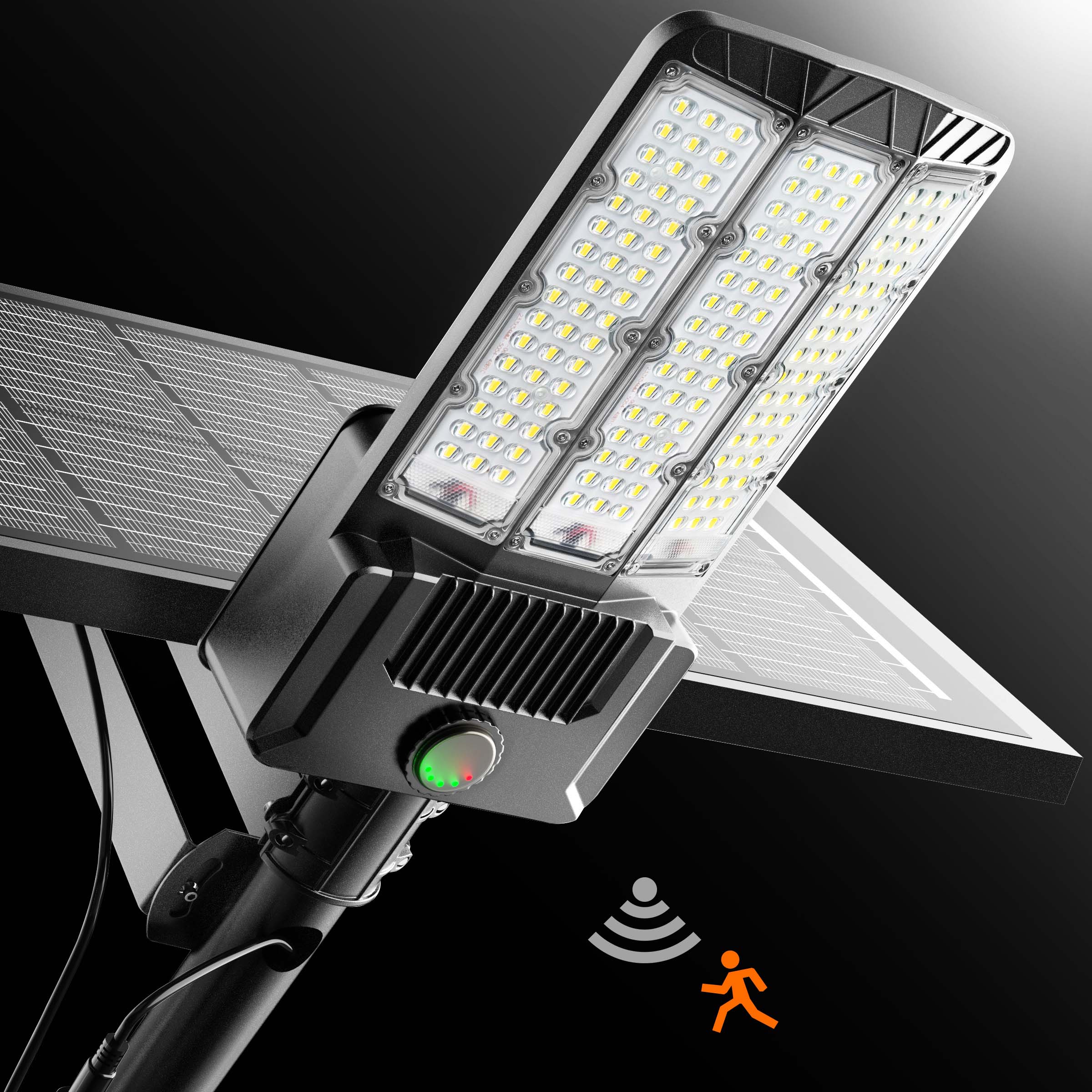
- Solar flood lights with motion sensors give you security lighting without the all-night insect beacon effect
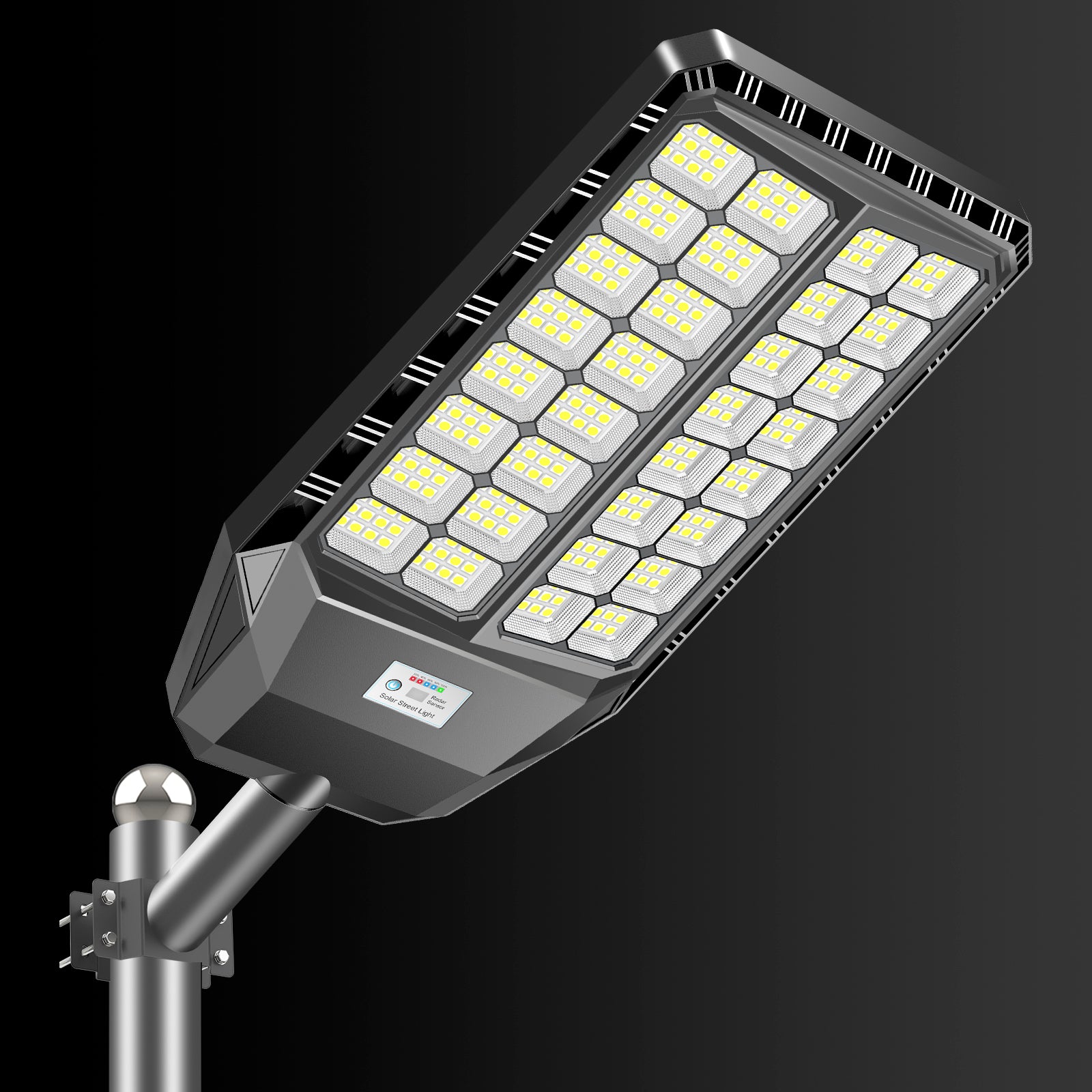
If you're setting up a complete outdoor lighting system, Hykoont's solar flood lights pair naturally with the bug zappers — same solar ecosystem, same zero-operating-cost model.
→ Browse Hykoont Solar Flood Lights — from $79.00
Frequently Asked Questions
Is a solar bug zapper actually safe for dogs and cats?
Yes — with appropriate placement. The UV light that attracts insects doesn't affect dogs or cats the same way. The electrified grid is enclosed in protective housing on both Hykoont models, so casual contact with the outer casing won't cause harm. For extra peace of mind, mount the unit at 5+ feet rather than using the ground stake if you have pets that investigate everything.
Will it kill beneficial insects like bees and butterflies?
This is a fair concern. UV bug zappers do attract a range of flying insects, not just mosquitoes. However, bees and butterflies are primarily active during daylight hours and are not strongly attracted to UV light at night. Since solar zappers run dusk-to-dawn, the overlap with beneficial pollinators is minimal. Avoid placing the zapper directly next to flowering plants to further reduce any risk.
How many mosquitoes can one unit realistically handle?
The Hykoont triple-tube models are rated for large-area coverage. In practice, a single unit works well for a typical residential backyard (up to roughly 1,500–2,000 sq ft of active outdoor space). For larger properties, two units placed strategically will outperform one unit placed centrally.
What happens on cloudy days or during a stretch of bad weather?
Both Hykoont models have built-in batteries that store enough charge for multiple nights of operation. A full charge from a sunny day typically powers the unit through 1–2 overcast nights. Extended periods of heavy cloud cover (5+ days) may reduce nightly run time, but the units are designed to handle normal weather variation.
Do I need to do anything to maintain it?
Very little. Empty the catch tray every 1–2 weeks. Wipe the UV tubes with a dry cloth if they accumulate dust (dusty tubes are less effective). Check that the solar panel isn't shaded by overgrown plants or debris. That's genuinely it.
Can I use it indoors?
These are outdoor-rated units (IPX4 waterproof) designed for exterior use. You could technically use them in a covered porch or garage, but they need direct sunlight on the solar panel to charge. A fully shaded indoor location won't work unless you have a way to run the panel outside.
How long do the UV tubes last?
UV tubes in quality bug zappers typically last 8,000–10,000 hours. Running 8 hours per night, that's roughly 3–4 years before the tubes need replacement. The LED components in Hykoont's units are rated for 50,000 hours.
Is $125 a reasonable price for a solar bug zapper?
For a triple-tube, solar-powered, dusk-to-dawn unit with IPX4 weatherproofing — yes, it's competitive. Budget units in the $30–$50 range typically use a single UV tube, smaller batteries, and lower-quality housing that degrades faster outdoors. The Hykoont models are built for multi-season outdoor use, which changes the cost-per-year math significantly.
Will it work in a humid climate like Florida or the Gulf Coast?
Yes. IPX4 waterproofing handles rain and humidity well. High-humidity environments actually tend to have heavier mosquito pressure, which makes a consistently running zapper more valuable, not less. Just make sure the solar panel has good sun exposure — cloud cover is more of a limiting factor than humidity.
Can I run two units to cover a larger area?
Absolutely, and it's often the smarter approach than trying to find the single perfect placement for one unit. Two units placed at opposite ends of a yard create overlapping coverage zones that are more effective than one unit in the center. Both Hykoont models are sold individually, so you can mix and match based on your layout.

The Bottom Line
If you've been tolerating mosquitoes because you don't want to spray chemicals around your pets, or you've been spending money on citronella products that barely work, a solar UV bug zapper is the upgrade that actually makes sense.
Physical zapping is exactly what it sounds like: no chemicals, no residue, no ongoing cost. The sun charges it. It runs all night. Your dog doesn't care that it's there. The mosquitoes, unfortunately for them, care very much.
Both Hykoont models are $125 with free shipping and a 30-day return policy. That's a reasonable ask for something that runs every night for years without a single electricity bill.
→ Shop the 30W Pro Bug Zapper — $125.00 → Shop the 19W Standard Bug Zapper — $125.00




Leave a comment
This site is protected by hCaptcha and the hCaptcha Privacy Policy and Terms of Service apply.