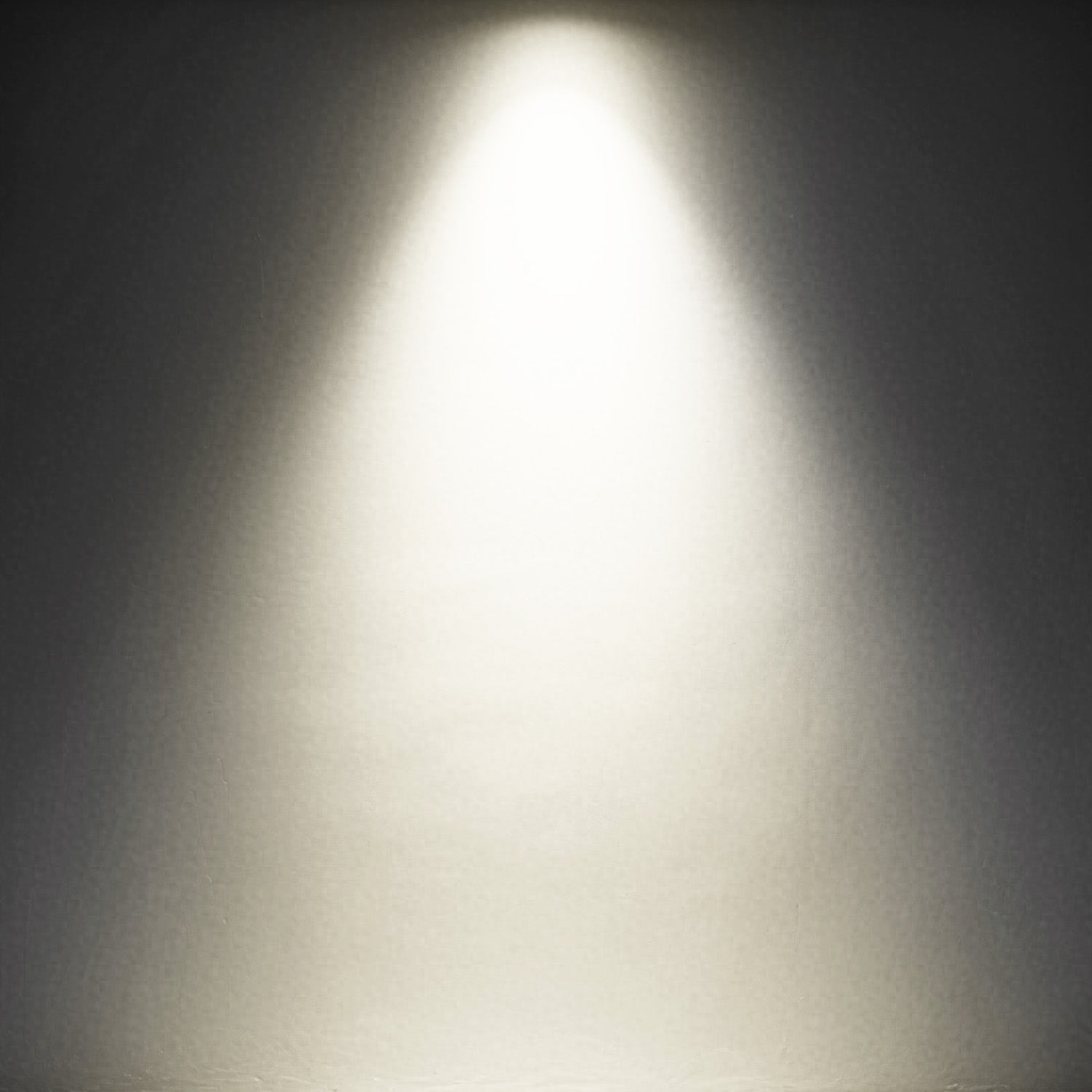
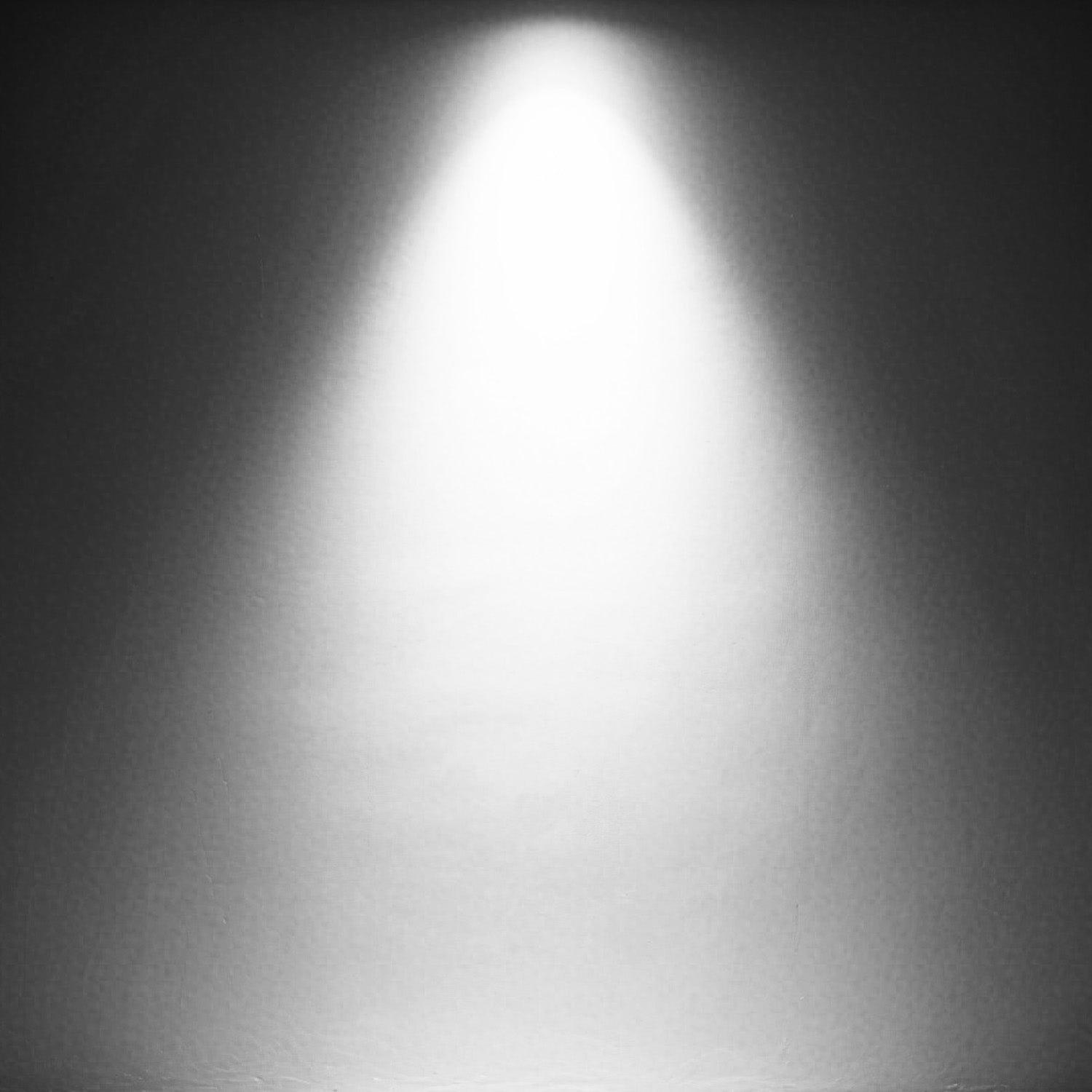
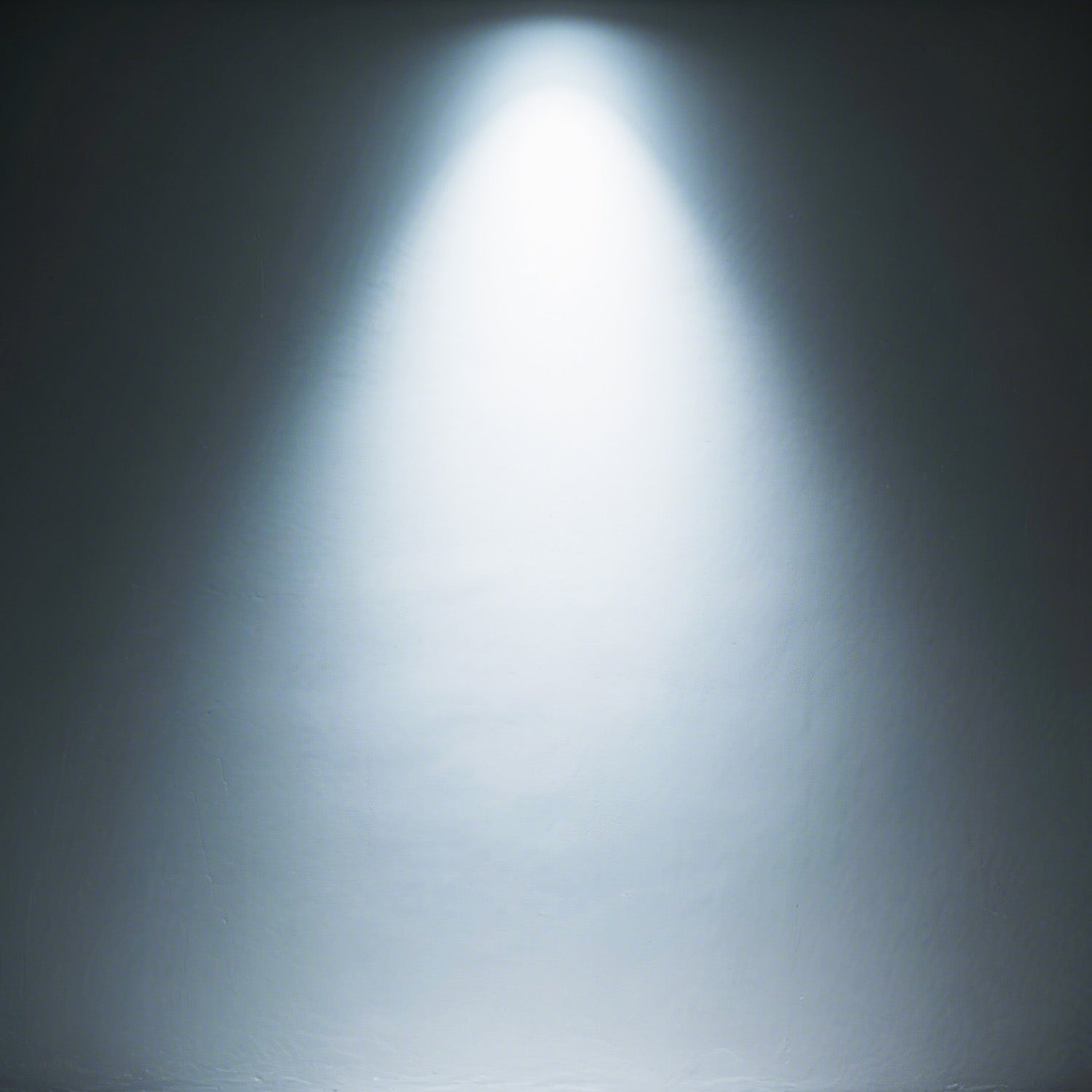









Understanding Luminous Flux: The Science Behind 5000 Lumens
When selecting best outdoor solar lights, understanding photometric measurements is crucial for making informed decisions. The question "Is 5000 lumens very bright?" requires a comprehensive understanding of luminous flux, spatial distribution, and application-specific requirements. Yes, 5000 lumens represents a high-output lighting solution ideal for commercial-grade applications, large-scale outdoor illumination, and security-critical environments.
Photometric Fundamentals: What Lumens Actually Measure
Lumens (lm) quantify the total luminous flux—the complete amount of visible light energy emitted by a source in all directions, weighted by the photopic luminosity function to match human eye sensitivity. This differs fundamentally from other lighting metrics:
- Lumens (lm): Total light output across all directions (luminous flux)
- Lux (lx): Illuminance at a surface (lumens per square meter)
- Candela (cd): Luminous intensity in a specific direction
- Foot-candles (fc): Illuminance in imperial units (1 fc ≈ 10.764 lux)
Comparative Brightness Analysis: 5000 Lumens in Context
To properly contextualize 5000 lumens:
- Single candle: ~12.6 lumens
- 40W incandescent bulb: ~450 lumens
- 60W incandescent bulb: ~800 lumens
- 100W incandescent bulb: ~1,600 lumens
- 23W CFL (100W equivalent): ~1,600 lumens
- 15W LED (100W equivalent): ~1,600 lumens
- Metal halide 400W: ~36,000 lumens
- High-pressure sodium 250W: ~27,500 lumens
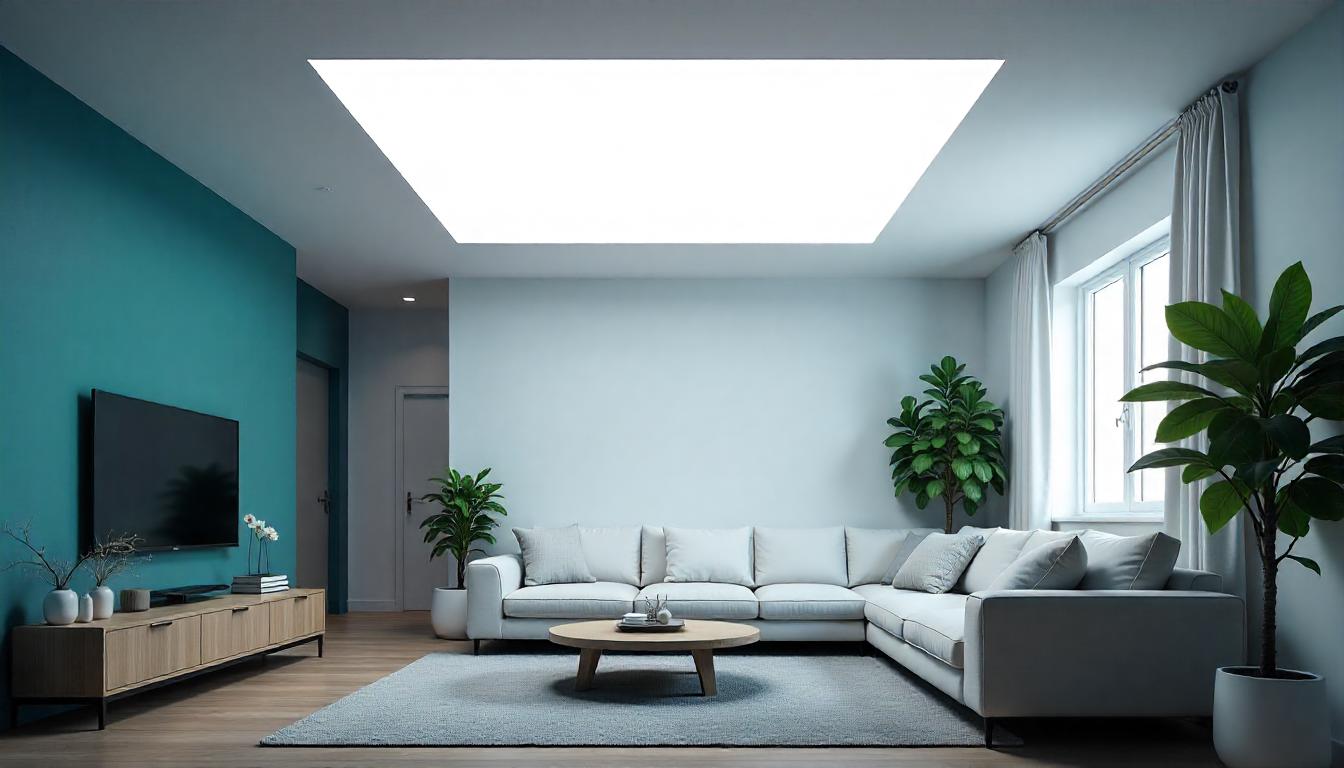
At 5000 lumens, you're working with approximately 3.1× the output of a traditional 100W incandescent bulb, positioning this brightness level in the commercial floodlight category rather than residential ambient lighting.

Application-Specific Lumen Requirements: Professional Standards
Different outdoor applications demand specific illuminance levels according to industry standards (IES, CIE, ANSI/IES RP-33):
1. Security & Surveillance Lighting (High-Priority Areas)
For security applications, 5000 lumens provides exceptional coverage when properly distributed:
- Recommended illuminance: 5-10 lux for general security, 20-50 lux for high-security zones
- Coverage area (5000 lm fixture): 500-1000 m² at 5-10 lux (assuming 50-60% fixture efficiency)
- Mounting height considerations: 4-8 meters for optimal uniformity ratio (Emin/Emax ≥ 0.25)
- Color temperature: 5000-6500K (daylight) enhances facial recognition and color rendering (CRI ≥80)
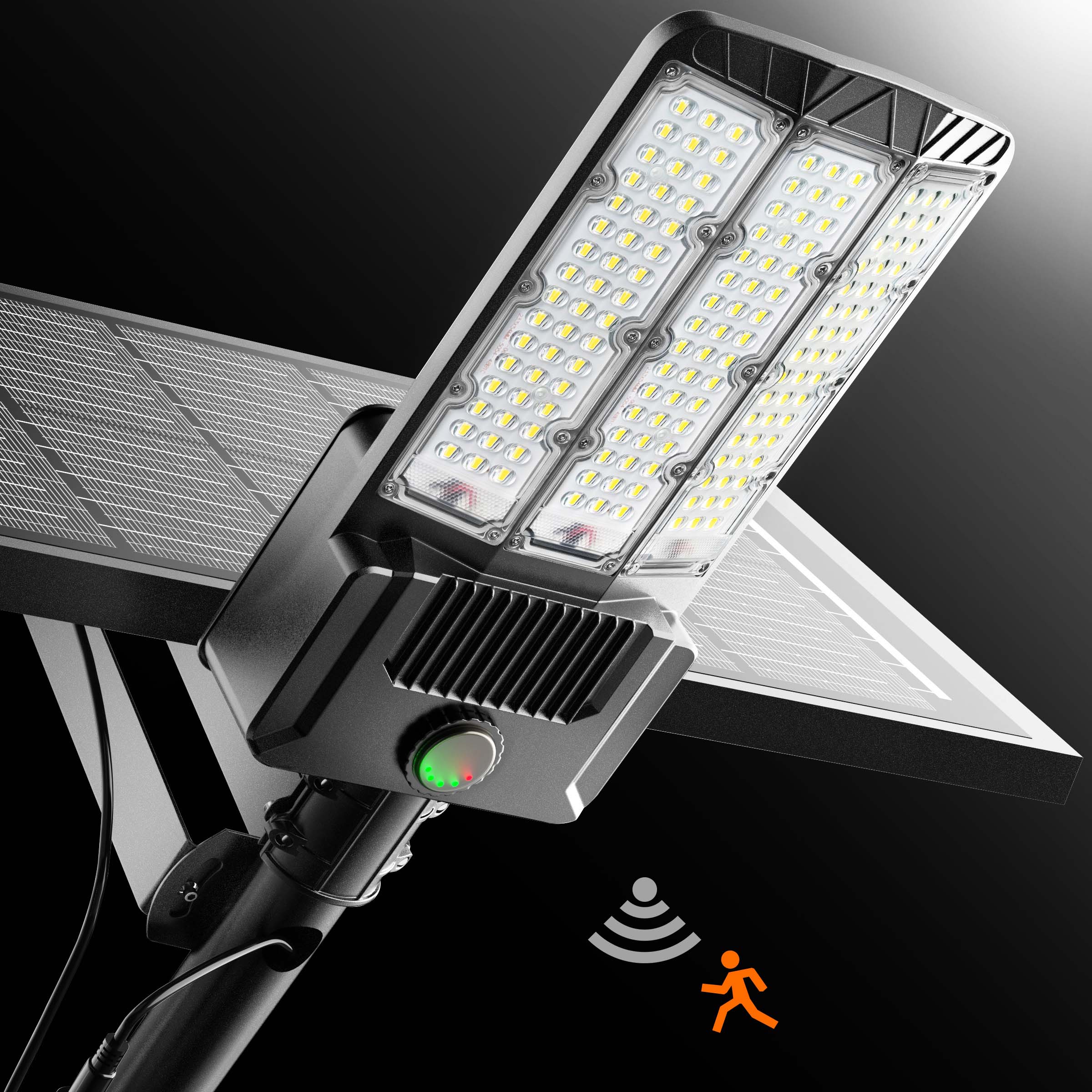
The best outdoor solar lights for security integrate PIR (passive infrared) motion sensors with detection ranges of 8-12 meters, adjustable sensitivity, and dual-mode operation (dim/bright) to maximize battery efficiency while maintaining deterrent capability.
2. Commercial & Industrial Outdoor Spaces
Large-scale applications require careful photometric planning:
- Parking lots: 5-20 lux horizontal illuminance (IES RP-20 standards)
- Loading docks: 50-100 lux for safety-critical operations
- Building perimeters: 10-20 lux for security and wayfinding
- Sports facilities: 200-500 lux for recreational use, 500-1500 lux for competitive play
A single 5000-lumen solar floodlight can effectively illuminate a 15m × 15m area to 20 lux when mounted at 6 meters, making it suitable for small parking areas, building entrances, or pathway intersections.
3. Residential Landscape & Architectural Lighting
For residential applications, 5000 lumens typically exceeds requirements unless illuminating large properties:
- Driveways: 10-20 lux (500-1000 lumens per fixture typically sufficient)
- Pathways: 5-10 lux (100-300 lumens per fixture)
- Garden accent lighting: 2-5 lux (50-200 lumens per fixture)
- Patio/deck areas: 10-30 lux (800-2000 lumens total for typical 20m² space)
For residential use, consider multiple lower-lumen fixtures (500-1500 lm each) to create layered lighting with better uniformity and reduced glare compared to a single 5000-lumen source.

Solar Technology Considerations for High-Lumen Output
Achieving reliable 5000-lumen performance from solar-powered fixtures requires advanced engineering:
Photovoltaic Panel Requirements
- Panel wattage: Minimum 80-120W monocrystalline silicon (18-22% efficiency)
- Daily energy generation: 300-500 Wh (assuming 4-5 peak sun hours)
- Panel orientation: Optimal tilt angle = latitude ±15° for year-round performance
- Temperature coefficient: -0.35% to -0.45% per °C (monocrystalline advantage in hot climates)
Battery Storage Specifications
High-capacity lithium battery systems are essential:
- Capacity requirement: 150-300 Ah at 12V (1800-3600 Wh) for 3-5 days autonomy
- Battery chemistry: LiFePO4 (lithium iron phosphate) preferred for 3000-5000 cycle lifespan
- Depth of discharge (DoD): 80% maximum to preserve battery longevity
- Temperature management: Built-in BMS (battery management system) with thermal protection
- Charge controller: MPPT (maximum power point tracking) for 20-30% efficiency gain over PWM
LED Driver & Thermal Management
- LED efficacy: 130-160 lm/W for quality SMD chips (Samsung LM301B, Osram Duris)
- Power consumption: 30-40W to achieve 5000 lumens (at 130-160 lm/W)
- Heat dissipation: Aluminum alloy heat sinks with ≥150 cm² surface area
- Junction temperature: Maintained below 85°C for L70 lifespan >50,000 hours
- Driver efficiency: ≥90% to minimize energy loss
Optical Design: Maximizing Effective Illumination
Raw lumen output means little without proper optical control:
Beam Angle & Distribution Patterns
- Narrow beam (15-30°): Spotlighting, architectural accent, maximum throw distance
- Medium beam (30-60°): Pathway lighting, signage illumination
- Wide beam (60-120°): Area lighting, security applications, general illumination
- Asymmetric distribution: Wall washing, roadway lighting (Type II, III, IV distributions)
A 5000-lumen fixture with 120° beam angle provides approximately 40-50 lux at 5 meters distance in the central beam, dropping to 10-15 lux at beam edges—ideal for security coverage.
Glare Control & Light Pollution
Professional installations must address:
- UGR (Unified Glare Rating): Target <19 for outdoor areas, <22 for low-priority zones
- Shielding angle: Minimum 20° cutoff to prevent direct view of LED source
- Upward light ratio: <3% to comply with dark-sky ordinances
- CCT selection: ≤3000K for residential areas to minimize blue light emission
Professional Selection Criteria for Best Outdoor Solar Lights
1. Photometric Performance Verification
Demand third-party testing documentation:
- LM-79 testing: Total luminous flux, electrical power, efficacy, CCT, CRI
- LM-80 testing: LED lumen maintenance data (L70, L90 projections)
- IES files: Photometric data for lighting design software (AGi32, DIALux)
- Actual vs. claimed output: Verify initial lumens and maintained lumens at 25,000/50,000 hours
2. Environmental Durability Standards
- IP rating: Minimum IP65 (dust-tight, water jet protection); IP66-IP67 for harsh environments
- IK rating: IK08-IK10 for vandal resistance (5-20 joule impact)
- Operating temperature: -30°C to +60°C for global deployment
- Wind resistance: Certified for 150-200 km/h wind loads
- Salt spray resistance: 1000-hour ASTM B117 testing for coastal installations
- UV resistance: UV-stabilized polycarbonate lenses (yellowing resistance >10 years)
3. Smart Control & Energy Management
Advanced outdoor solar lights incorporate intelligent features:
- Adaptive dimming: Time-based profiles (100% → 50% → 30% throughout night)
- Motion detection: PIR sensors with 8-12m range, 120-180° detection angle
- Dusk-to-dawn sensors: Photocell activation at <10 lux ambient light
- Remote monitoring: IoT connectivity for battery status, fault alerts, performance analytics
- Programmable modes: 3-7 operating modes for seasonal adjustment
4. Total Cost of Ownership Analysis
Evaluate beyond initial purchase price:
- Efficacy: Higher lm/W reduces required panel/battery size (lower system cost)
- Lifespan: L70 >50,000 hours minimizes replacement frequency
- Warranty: 3-5 years comprehensive coverage (panel, battery, LED, housing)
- Maintenance: Self-cleaning coatings, tool-free battery replacement
- Scalability: Modular design for future expansion or component upgrades

Comparative Product Analysis: 5000-Lumen Solar Solutions
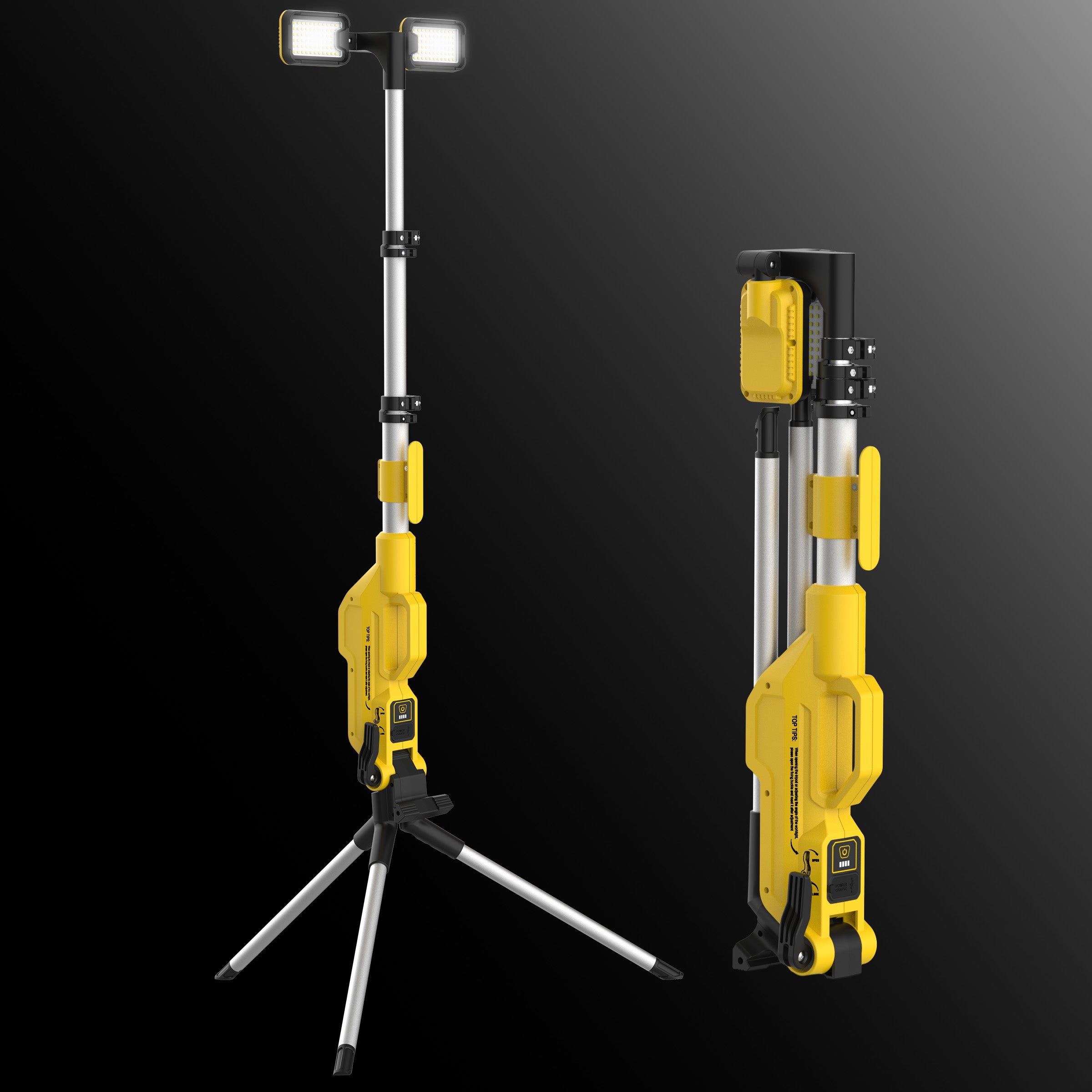
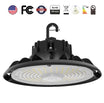
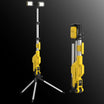
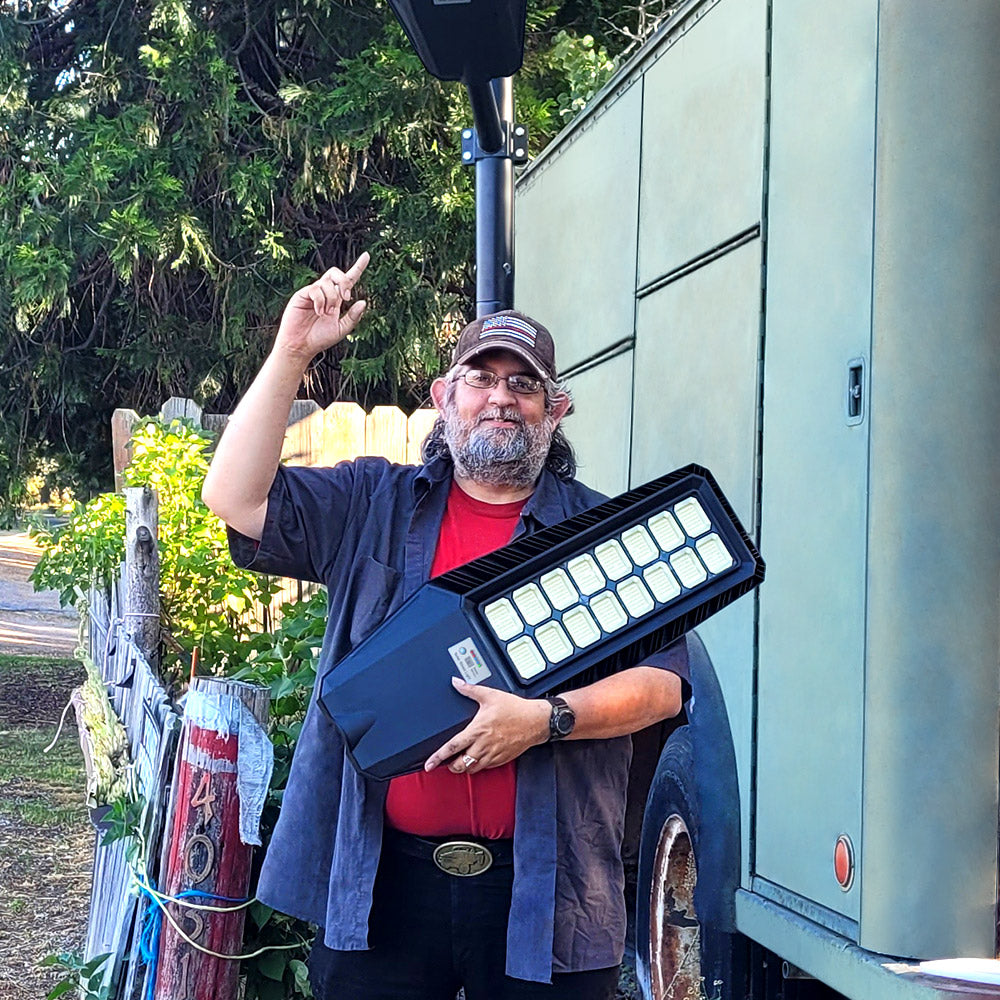
1. Hykoont IP66 Multifunctional LED Solar Work Light (Professional Grade)
Industry-leading best outdoor solar lights with verified 5000-lumen output:
- Luminous flux: 5000 lm (LM-79 certified)
- LED technology: Premium SMD chips, 150 lm/W efficacy
- Beam angle: 170° wide-angle reflector for maximum coverage
- Color temperature options: 3000K/4000K/5000K/6500K selectable
- Operating modes: 5 modes including daylight (6500K), natural (4000K), warm (3000K), emergency flash, SOS
- Solar panel: 100W monocrystalline, 21% efficiency
- Battery: 200Ah LiFePO4, 3-5 day autonomy
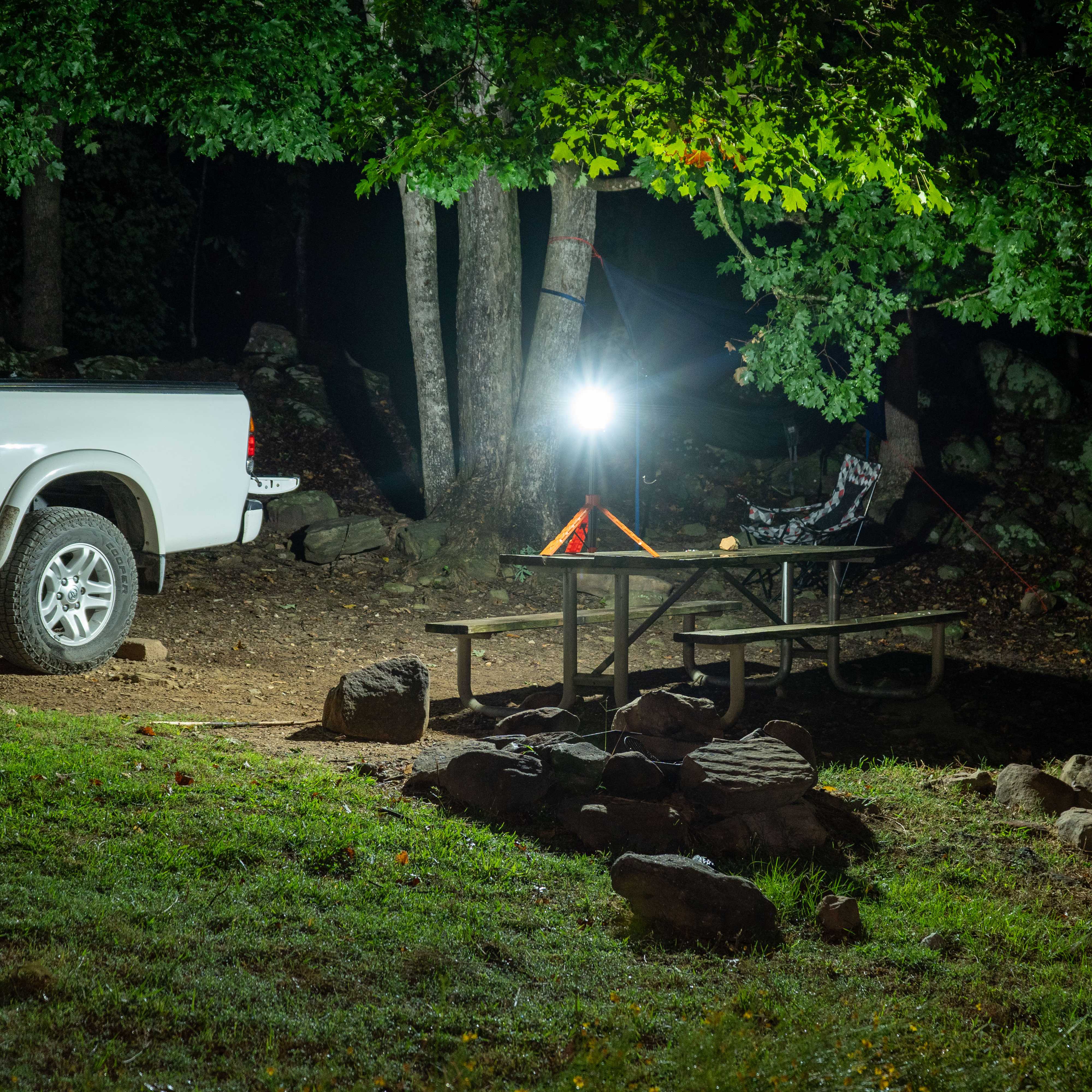
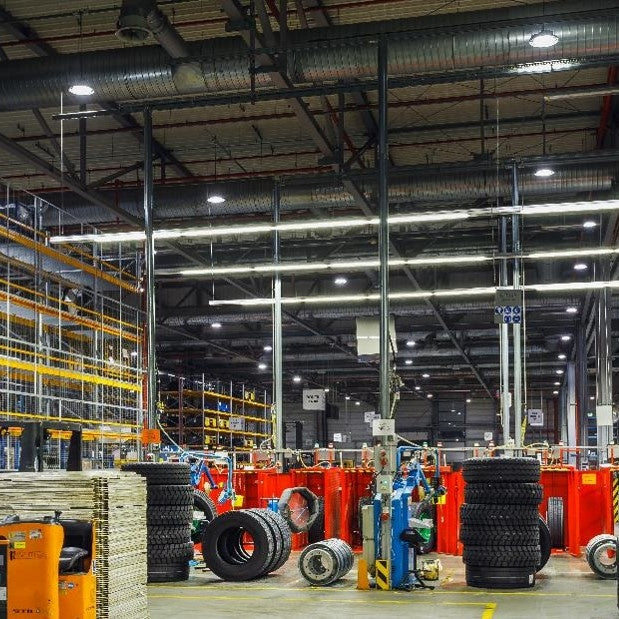
- Applications: Parking lots, warehouses, construction sites, agricultural facilities, emergency lighting
2. Commercial Solar Floodlights (Security-Focused)
- Output: 5000 lm with motion-activated boost mode
- Detection range: 12m PIR sensor, 180° coverage
- Dimming profile: 30% standby → 100% on motion (30-second duration)
- Installation: Adjustable bracket for wall/pole mounting (3-8m height)
- Ideal for: Building perimeters, driveways, commercial entrances
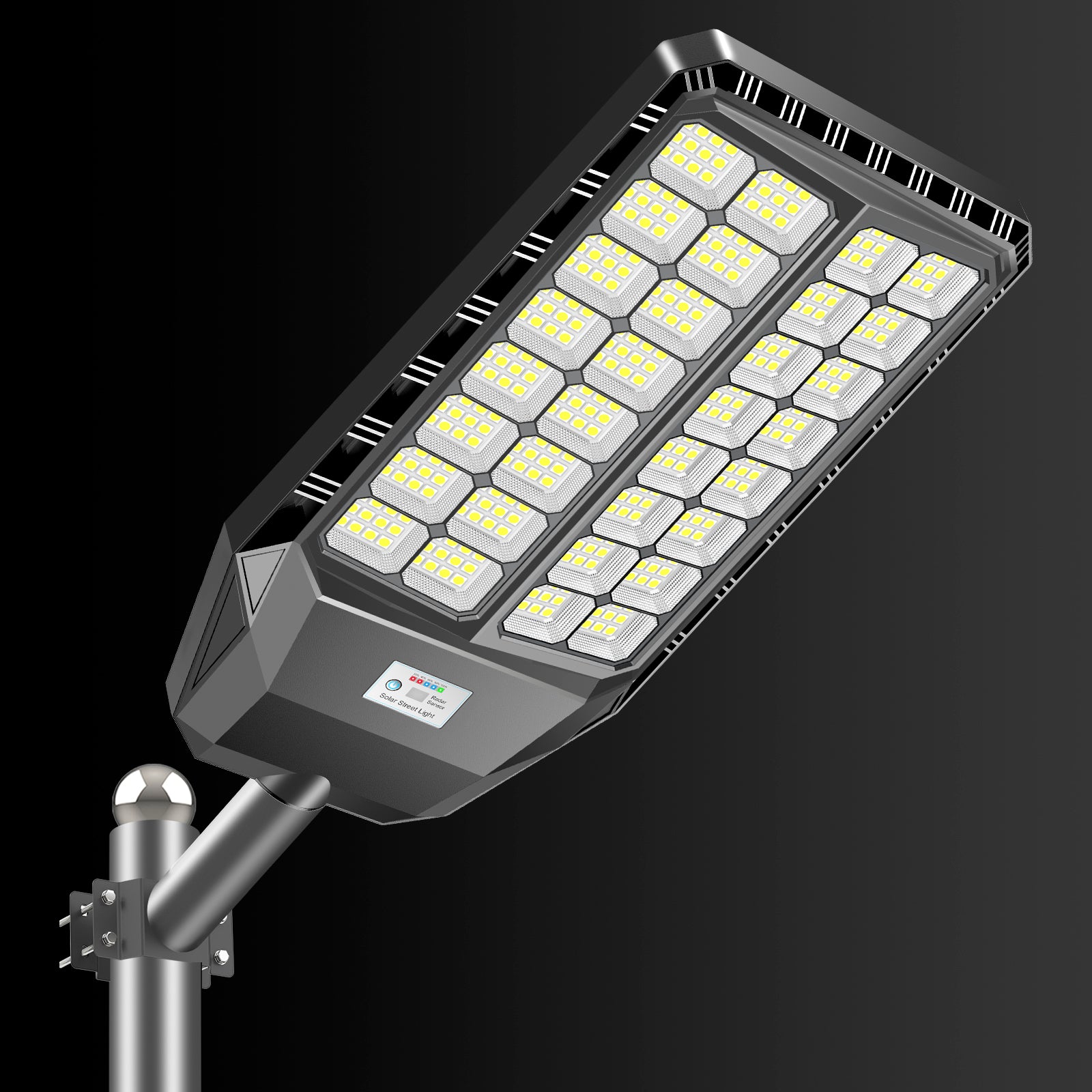
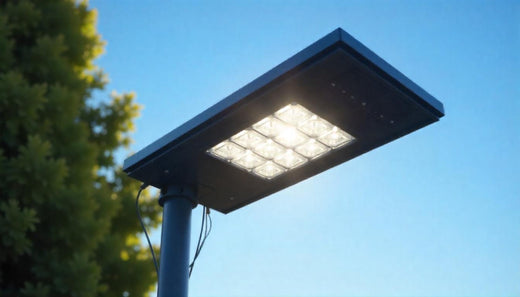
3. Solar Street Lights (Infrastructure Applications)
- Output: 5000-8000 lm with time-based dimming
- Distribution: Type III asymmetric (roadway-optimized)
- Pole height: 6-8m for 8-10m spacing
- Autonomy: 5-7 days with 300Ah battery
- Compliance: Meets AASHTO, IES RP-8 roadway lighting standards
Installation Best Practices for Optimal Performance
Site Assessment & Planning
- Solar access analysis: Minimum 6 hours unshaded exposure during peak sun hours
- Shading study: Use solar pathfinder or software (PVsyst, HelioScope) to identify obstructions
- Mounting orientation: South-facing in Northern Hemisphere (North-facing in Southern Hemisphere)
- Tilt optimization: Seasonal adjustment or fixed angle = latitude for year-round balance
Electrical & Structural Considerations
- Foundation design: Concrete base sized for wind loads (typically 0.5-1 m³ for 6-8m poles)
- Grounding: Proper earthing to prevent lightning damage and electrical faults
- Cable management: UV-resistant conduit, waterproof connectors, strain relief
- Pole selection: Hot-dip galvanized steel or aluminum, wall thickness ≥3mm
Commissioning & Maintenance
- Initial testing: Verify lux levels with calibrated light meter at key points
- Battery conditioning: 3-5 full charge/discharge cycles before deployment
- Cleaning schedule: Panel cleaning every 3-6 months (monthly in dusty environments)
- Performance monitoring: Annual lux measurements to track lumen depreciation
- Battery replacement: Typically 5-7 years for LiFePO4, 3-5 years for Li-ion

Regulatory Compliance & Standards
Professional installations must meet:
- Electrical safety: UL 1598, UL 8750 (LED systems), IEC 62031
- Photometric testing: IESNA LM-79, LM-80
- Environmental: RoHS, REACH compliance (hazardous substance restrictions)
- Dark sky: IDA (International Dark-Sky Association) fixture certification
- Energy efficiency: DLC (DesignLights Consortium) qualification for rebates
- Local codes: Municipal lighting ordinances, setback requirements, light trespass limits
Economic & Environmental Impact Analysis
Return on Investment (ROI)
5000-lumen solar lighting vs. grid-powered alternatives:
- Avoided electrical costs: $150-300/year per fixture (assuming $0.12/kWh, 12-hour operation)
- Installation savings: $2,000-5,000 per location (no trenching, wiring, permits)
- Payback period: 3-5 years typical for commercial applications
- Lifecycle cost: 40-60% lower than grid-powered over 20-year lifespan
Carbon Footprint Reduction
- Annual CO₂ avoidance: 200-400 kg per 5000-lumen fixture (grid displacement)
- Embodied energy: Recovered in 2-3 years of operation
- End-of-life: 85-95% recyclable materials (aluminum, glass, silicon)
Future Trends in High-Output Solar Lighting
- Perovskite solar cells: 25-30% efficiency potential (vs. 18-22% current silicon)
- Solid-state batteries: Higher energy density, wider temperature range, 10,000+ cycles
- Micro-inverter integration: Individual panel optimization in multi-panel arrays
- AI-driven controls: Machine learning for predictive dimming based on usage patterns
- Quantum dot LEDs: 200+ lm/W efficacy, tunable spectrum for circadian lighting
- Wireless mesh networks: City-wide lighting management and data collection infrastructure
Conclusion: Strategic Implementation of 5000-Lumen Solar Lighting
5000 lumens represents a professional-grade brightness level suitable for commercial security, large-scale outdoor illumination, and infrastructure applications. Success requires understanding the interplay between luminous flux, optical distribution, solar energy harvesting, and application-specific requirements.
When selecting the best outdoor solar lights, prioritize:
- Verified photometric performance through LM-79/LM-80 testing
- Robust solar/battery systems with 3-5 day autonomy and MPPT charging
- Professional-grade construction meeting IP66+, IK08+ standards
- Intelligent controls for adaptive operation and energy optimization
- Total cost of ownership analysis including installation, maintenance, and lifespan
For applications requiring 5000-lumen output with proven reliability, Hykoont offers engineered solutions combining advanced photovoltaic technology, high-efficacy LEDs, and intelligent energy management. Whether illuminating parking facilities, securing commercial perimeters, or lighting public spaces, properly specified 5000-lumen solar fixtures deliver sustainable, cost-effective illumination for decades of maintenance-free operation.
Explore Hykoont's professional solar lighting solutions to find application-optimized fixtures backed by comprehensive technical support and industry-leading warranties.

Leave a comment
This site is protected by hCaptcha and the hCaptcha Privacy Policy and Terms of Service apply.