










When it comes to creating the perfect atmosphere in your living room, few decisions matter more than choosing the right lighting color temperature. The debate between 3000K vs 4000K lighting is one of the most common questions homeowners face — and for good reason. The color temperature of your light bulbs directly affects how your space looks, how you feel in it, and even how well you sleep at night.
In this comprehensive guide, we'll dive deep into the science of color temperature, explore the practical differences between 3000K and 4000K lights, discuss how to mix color temperatures effectively, and help you make an informed decision for your living room. Whether you're renovating, redecorating, or simply upgrading your bulbs, this guide has everything you need.
What Is Color Temperature? The Science Behind the Kelvin Scale
Before comparing 3000K and 4000K, it's essential to understand what color temperature actually means. Color temperature is measured in Kelvin (K) and describes the hue of light emitted by a source. The term originates from the behavior of a theoretical "black body radiator" — an object that glows different colors as it heats up.
Here's a simplified breakdown of the Kelvin scale as it applies to everyday lighting:
- 1800K–2200K: Candlelight or flame — very warm, amber-orange glow
- 2700K–3000K: Warm white — soft, yellowish-white light similar to incandescent bulbs
- 3500K–4000K: Neutral white — crisp, balanced light with no strong yellow or blue cast
- 5000K–6500K: Daylight or cool white — bright, bluish-white light resembling midday sunlight
The key takeaway: lower Kelvin = warmer, cozier light; higher Kelvin = cooler, more energizing light. This distinction is critical when designing lighting for different rooms and purposes.

3000K Lighting: Characteristics, Benefits, and Best Use Cases
What Does 3000K Light Look Like?
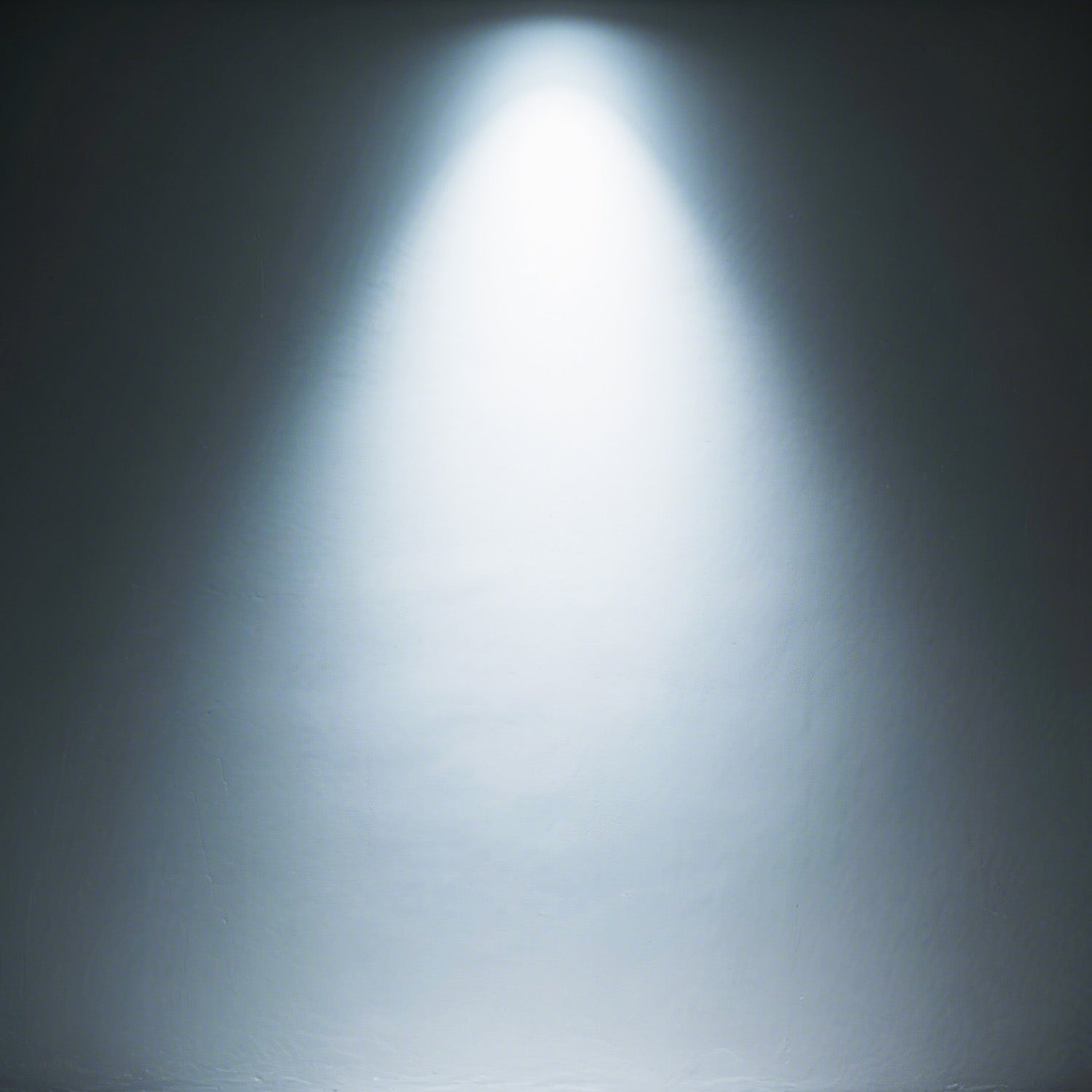
3000K light produces a soft warm white glow — slightly warmer than pure white but without the strong yellow tint of older incandescent bulbs. It's the color temperature most people associate with a comfortable, lived-in home. Think of the warm glow of a well-lit hotel lobby or a cozy restaurant — that's typically 3000K at work.
Psychological and Physiological Effects of 3000K
Research in environmental psychology consistently shows that warmer light temperatures promote relaxation and reduce stress. Here's why 3000K is so effective for living spaces:
- Melatonin production: Warm light (below 3000K) has a minimal impact on melatonin suppression, making it ideal for evening use when you want to wind down before bed.
- Emotional warmth: Studies show that people perceive spaces lit with warm light as more welcoming and socially comfortable.
- Reduced eye strain: For extended periods of relaxation — watching TV, reading for pleasure, or socializing — warm light is gentler on the eyes.
- Color rendering: 3000K light tends to make warm colors (reds, oranges, yellows, wood tones) appear richer and more vibrant, which can enhance the visual appeal of traditional or transitional interior styles.
When 3000K Is the Right Choice
- Living rooms designed for relaxation and entertainment
- Bedrooms and master suites
- Dining rooms and breakfast nooks
- Hospitality spaces like hotel lobbies and restaurants
- Hallways and entryways where a welcoming first impression matters
4000K Lighting: Characteristics, Benefits, and Best Use Cases
What Does 4000K Light Look Like?
4000K light produces a neutral white or "cool white" appearance — bright, clean, and free from the yellow warmth of 3000K or the harsh blue of daylight bulbs. It's the color temperature most commonly found in modern offices, retail stores, and commercial kitchens because it promotes alertness and makes colors appear true-to-life.
Psychological and Physiological Effects of 4000K
- Increased alertness: Cooler light temperatures stimulate the brain and can improve concentration and productivity.
- Accurate color rendering: 4000K light renders colors more neutrally, which is beneficial for tasks requiring color accuracy — like applying makeup, cooking, or evaluating artwork.
- Perceived cleanliness: Neutral white light makes spaces feel cleaner and more organized, which is why it's popular in bathrooms and kitchens.
- Melatonin suppression: Because 4000K contains more blue-spectrum light than 3000K, it can suppress melatonin production more significantly — making it less ideal for late-evening use in relaxation spaces.
When 4000K Is the Right Choice
- Home offices and study areas
- Kitchens and food preparation areas
- Bathrooms and vanity areas
- Garages and workshops
- Retail displays and commercial spaces
3000K vs 4000K for Living Rooms: A Detailed Comparison
Now that we understand each color temperature individually, let's compare them head-to-head for living room applications across several key dimensions.
1. Ambiance and Mood
3000K wins for relaxation. The warm glow of 3000K creates an intimate, cozy atmosphere that encourages conversation, relaxation, and comfort. It's the lighting equivalent of a warm hug — inviting and unpretentious.
4000K wins for energy and focus. If your living room doubles as a home office or study space, 4000K's neutral brightness keeps you alert and focused. It's also better for activities like reading technical material, crafting, or playing board games where visual clarity matters.
2. Interior Design Compatibility
3000K pairs beautifully with:
- Traditional, rustic, and farmhouse interiors
- Warm color palettes (beige, cream, terracotta, olive)
- Wood furniture and natural materials
- Vintage or antique décor elements
4000K pairs beautifully with:
- Modern, minimalist, and Scandinavian interiors
- Cool or neutral color palettes (gray, white, navy, black)
- Metal, glass, and concrete materials
- Contemporary art and geometric patterns
3. Television and Screen Viewing
For rooms where TV watching is a primary activity, 3000K is generally preferred. Warm ambient light reduces the contrast between the bright screen and the surrounding environment, minimizing eye strain during extended viewing sessions. 4000K light, while not harmful, can create a more clinical feel that detracts from the immersive experience of watching films or shows.
4. Social Gatherings and Entertaining
Warm 3000K lighting is universally flattering to skin tones and creates a convivial atmosphere that encourages guests to relax and linger. Restaurants and hospitality venues have known this for decades — warm light makes people feel good and stay longer. For dinner parties, game nights, or casual gatherings, 3000K is the clear winner.
5. Health and Circadian Rhythm Impact
Our bodies are regulated by circadian rhythms — internal clocks that respond to light cues. Blue-spectrum light (more prevalent in 4000K+) signals daytime and suppresses melatonin, while warm light (3000K and below) signals evening and supports natural sleep preparation. For living rooms used primarily in the evenings, 3000K is the healthier long-term choice.

The Art of Mixing Color Temperatures: Creating a Layered Lighting Scheme
One of the most sophisticated approaches to living room lighting is to stop thinking in terms of a single color temperature and instead embrace layered lighting — a design strategy used by professional interior designers and lighting consultants worldwide.
The Three Layers of Lighting Design
1. Ambient Lighting (General Illumination)
This is the foundational layer — the overall light that fills the room. For living rooms, 3000K is ideal for ambient lighting. Sources include ceiling fixtures, recessed downlights, cove lighting, and wall sconces.
2. Task Lighting (Functional Illumination)
Task lighting provides focused light for specific activities. Reading lamps, floor lamps beside sofas, and desk lamps are common examples. Here, 4000K can be beneficial — it provides the clarity needed for reading, crafting, or working without affecting the overall warm ambiance of the room.
3. Accent Lighting (Decorative Illumination)
Accent lighting highlights architectural features, artwork, plants, or decorative objects. Both 3000K and 4000K can work here depending on what you're highlighting — warm light for organic materials and artwork, cooler light for modern sculptures or contemporary pieces.
Practical Strategies for Mixing 3000K and 4000K
- Zone your lighting: Use 3000K for the main seating area and 4000K for a dedicated reading corner or home office nook within the living room.
- Install dimmer switches: Dimmers allow you to adjust the intensity of both color temperatures throughout the day.
- Use smart bulbs: Smart LED bulbs with tunable white technology allow you to shift between 2700K and 6500K with a smartphone app or voice command.
- Separate circuits: If you're renovating, consider putting ambient and task lighting on separate circuits so you can control them independently.
Can You Mix Bright White and Warm White Lights?
Bright white lights (4000K–5000K) and warm white lights (2700K–3000K) can absolutely coexist in the same room — but the key is intentionality. Here are the golden rules:
- Never mix in the same fixture type: Keep all recessed downlights the same color temperature to avoid a patchy, inconsistent ceiling.
- Use different fixture types for different temperatures: Warm white in ceiling fixtures, cool white in floor lamps — the visual separation makes the contrast feel intentional.
- Maintain a dominant temperature: Choose one color temperature as the primary (usually 3000K for living rooms) and use the other sparingly as an accent or task light.
- Consider transition zones: A gradual shift from 3000K (living) to 3500K (dining) to 4000K (kitchen) feels natural and cohesive.

Why Selectable CCT Lighting Is a Game-Changer
If you've ever agonized over choosing between 3000K and 4000K, there's a practical solution that eliminates the dilemma entirely: selectable CCT (Correlated Color Temperature) lighting. These fixtures allow you to choose — and sometimes switch — between multiple color temperatures using a physical switch or dial, without replacing the bulb or fixture.
This technology is especially valuable in spaces that serve multiple functions, or in commercial and semi-commercial environments where lighting needs vary by time of day or activity.
A great example is the Hykoont WK04 Series Half Cut Wall Pack Light. While designed primarily for building perimeters, entryways, and semi-covered transitional spaces, the WK04's selectable CCT feature — spanning 3000K, 4000K, and 5000K — perfectly illustrates how modern LED technology puts color temperature control in your hands. Its dimmable driver and high-efficiency LED array make it a versatile choice for spaces where lighting requirements shift throughout the day. The half-cutoff optical design also minimizes glare and light trespass, which is equally important indoors and out.
For larger commercial interiors, lobbies, or open-plan spaces where both ambiance and task performance matter, the Hykoont WK06 Series LED Wall Pack Light takes flexibility even further with UL and DLC Premium certification, tunable and selectable CCT, and a robust die-cast aluminum housing built for long-term performance. The WK06's ability to be tuned across a wide color temperature range means facility managers and lighting designers can dial in exactly the right atmosphere — warm and welcoming for reception areas, crisp and focused for work zones — all from a single fixture platform.
The lesson here is clear: you don't always have to choose between 3000K and 4000K. With the right fixture technology, you can have both — and switch between them as your needs evolve.
Choosing the Right Bulbs: A Practical Buyer's Guide
Key Specifications to Look For
- Lumens (lm): For living rooms, aim for 1,500–3,000 lumens total for ambient lighting, depending on room size.
- Color Rendering Index (CRI): Look for CRI 90+ for the most natural, flattering light.
- Efficacy (lm/W): Modern LED bulbs typically achieve 80–120 lm/W. Higher is better.
- Dimming compatibility: Ensure your bulbs are rated as dimmable and compatible with your specific dimmer switch model.
- Lifespan: Quality LED bulbs should last 15,000–25,000 hours.
- Beam angle: Wider beam angles (100°–120°) for ambient lighting; narrower angles (25°–45°) for accent or task lighting.
3000K vs 4000K: Which Bulb Type Is Right for Each Fixture?
| Fixture Type | Recommended Color Temp | Reason |
|---|---|---|
| Ceiling fixture / chandelier | 3000K | Sets warm ambient tone for the whole room |
| Recessed downlights | 3000K | Consistent warm fill light throughout space |
| Reading / floor lamp | 3500K–4000K | Better visual clarity for reading tasks |
| Wall sconces | 3000K | Decorative warmth and soft fill light |
| Accent / picture lights | 3000K–4000K | Depends on artwork style and color palette |
| Wall pack (entryway / semi-indoor) | 3000K–5000K selectable | Flexible CCT for transitional spaces |
Smart Lighting: The Future of Color Temperature Control
The rise of smart home technology has fundamentally changed how we think about color temperature. Instead of committing to a fixed 3000K or 4000K bulb, smart lighting systems allow you to tune your color temperature dynamically throughout the day — a concept known as human-centric lighting or circadian lighting.
Circadian Lighting Schedules
- Morning (6am–9am): 4000K–5000K at high brightness — energizing light to start the day
- Daytime (9am–5pm): 3500K–4000K at moderate brightness — balanced light for productivity
- Evening (5pm–9pm): 3000K at moderate brightness — warm, relaxing light for unwinding
- Night (9pm–bedtime): 2700K at low brightness — minimal blue light to support sleep preparation
This approach delivers the best of all color temperatures without any manual adjustment — your living room lighting automatically adapts to your lifestyle and biological needs.
Common Lighting Mistakes to Avoid
- Relying solely on overhead lighting: A single ceiling fixture creates flat, unflattering light with harsh shadows. Always layer your lighting with floor lamps, table lamps, and accent lights.
- Choosing bulbs based on wattage instead of lumens: Wattage measures energy consumption, not brightness. Always compare lumens when evaluating bulb brightness.
- Ignoring the room's natural light: A north-facing room with little natural light may benefit from slightly cooler bulbs (3500K) to compensate, while a sun-drenched south-facing room can lean warmer (2700K–3000K).
- Mixing too many color temperatures randomly: Mixing is fine — but it must be intentional. Random mixing creates visual noise and makes a space feel unresolved.
- Overlooking fixture placement: Recessed lights placed too close to walls create scalloping effects; lights placed too far apart leave dark spots.

Lighting for Different Living Room Styles: Tailored Recommendations
Traditional and Classic Living Rooms
Stick with 3000K throughout. Use chandeliers, wall sconces, and table lamps with warm-toned shades to reinforce the classic aesthetic.
Modern and Contemporary Living Rooms
A mix of 3000K ambient and 4000K task lighting works beautifully in modern spaces. Recessed LED downlights at 3000K provide a warm base, while architectural accent lighting at 4000K highlights clean lines and contemporary art.
Scandinavian and Minimalist Living Rooms
Lean toward 3500K — a middle ground that feels clean and uncluttered without the harshness of 4000K. Simple pendant lights, floor lamps, and candles complement the hygge aesthetic perfectly.
Industrial and Loft Living Rooms
4000K works well in industrial spaces where exposed concrete, metal, and raw materials dominate. Edison-style filament bulbs at 2200K–2700K add warmth and character as accent lighting against the cooler ambient light.
Bohemian and Eclectic Living Rooms
Embrace layering and mixing. String lights at 2700K, table lamps at 3000K, and a statement pendant at 4000K can all coexist in a boho space — the eclecticism is part of the charm.
Frequently Asked Questions About 3000K vs 4000K Lighting
Is 3000K too yellow for a living room?
Not at all. 3000K is a soft warm white — it has a slight warmth compared to pure white, but it's not yellow in the way that old incandescent bulbs were. Modern 3000K LEDs produce a clean, flattering light that most people find very comfortable for living spaces.
Can I use 4000K in my living room?
Yes, especially if your living room is used for work, study, or high-activity tasks during the day. Just be mindful of using 4000K in the evening, as it can interfere with sleep preparation. Consider pairing 4000K task lights with dimmers or smart controls.
What color temperature is best for watching TV?
3000K or lower is best for TV viewing. Warm ambient light reduces eye strain by minimizing the contrast between the bright screen and the surrounding environment.
Does color temperature affect electricity bills?
No — color temperature (Kelvin) does not affect energy consumption. What matters is wattage. Two LED bulbs of the same wattage will consume the same electricity regardless of whether one is 3000K and the other is 4000K.
What's the difference between 2700K and 3000K?
2700K is slightly warmer and more amber than 3000K. Both are considered "warm white," but 2700K is closer to the color of traditional incandescent bulbs, while 3000K is a cleaner, slightly brighter warm white. For living rooms, either works well — 2700K for maximum coziness, 3000K for a slightly more modern feel.
Is 4000K good for reading?
Yes — 4000K is excellent for reading, especially for extended periods or for reading small text. Use a 4000K reading lamp alongside 3000K ambient lighting for the best of both worlds.
What does selectable CCT mean on a light fixture?
Selectable CCT means the fixture allows you to choose between multiple preset color temperatures — typically 3000K, 4000K, and 5000K — using a switch on the driver or fixture body. This eliminates the need to buy different fixtures for different color temperature needs, making it ideal for multi-use spaces and commercial installations.

Conclusion: Making the Right Choice for Your Living Room
After exploring every dimension of the 3000K vs 4000K debate, the answer is clear: for most living rooms, 3000K is the better primary choice. Its warm, inviting glow creates the relaxed, comfortable atmosphere that living rooms are designed for — a space to unwind, connect with family, and recharge after a busy day.
However, the most sophisticated approach isn't choosing one or the other — it's designing a layered lighting scheme that uses both color temperatures strategically. 3000K for ambient warmth, 4000K for task clarity, and smart controls to adjust both throughout the day.
And if you want the ultimate flexibility without the complexity, selectable CCT fixtures like the Hykoont 120W Wall Pack Lights Pro — with its adjustable CCT and power settings — give you full control over both color temperature and brightness from a single fixture. Whether you're lighting a transitional entryway, a semi-covered porch, or a commercial lobby where ambiance and performance both matter, this level of adaptability means your lighting investment stays relevant no matter how your space or needs evolve.
Great lighting doesn't just illuminate a space — it transforms it. Start with the right color temperature foundation, layer thoughtfully, and choose fixtures built for flexibility. Your living room will thank you.
Ready to explore more? Browse our full range of indoor lighting options and find the perfect color temperature solution for every room in your home.






Leave a comment
This site is protected by hCaptcha and the hCaptcha Privacy Policy and Terms of Service apply.