







You know the turn. The one you have made a thousand times, past the mailbox, around the gatepost, and into your own driveway. In daylight, it barely registers. After dark, especially when the pavement is wet, it suddenly asks for your full attention.
Your headlights catch the gate straight ahead. The corner you are turning toward stays dark. One post disappears behind the windshield pillar. Somewhere off to the right is the edge of the gravel, but you cannot quite tell where the gravel ends and the ditch begins.
That is the problem this guide is about. Not making your entrance look like a stadium. Not buying the biggest light you can find. Just giving yourself a more readable entrance when your headlights are pointing somewhere else.
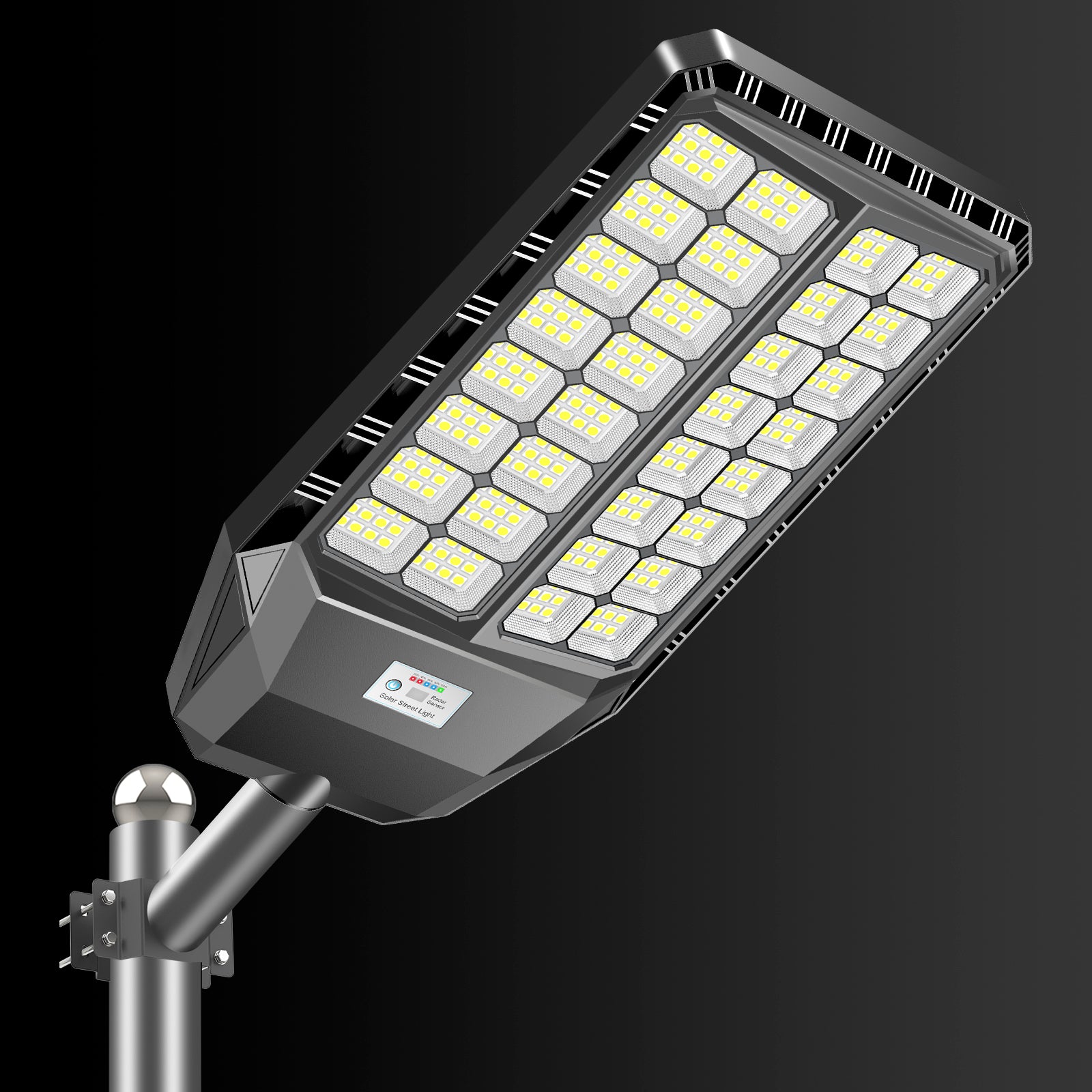
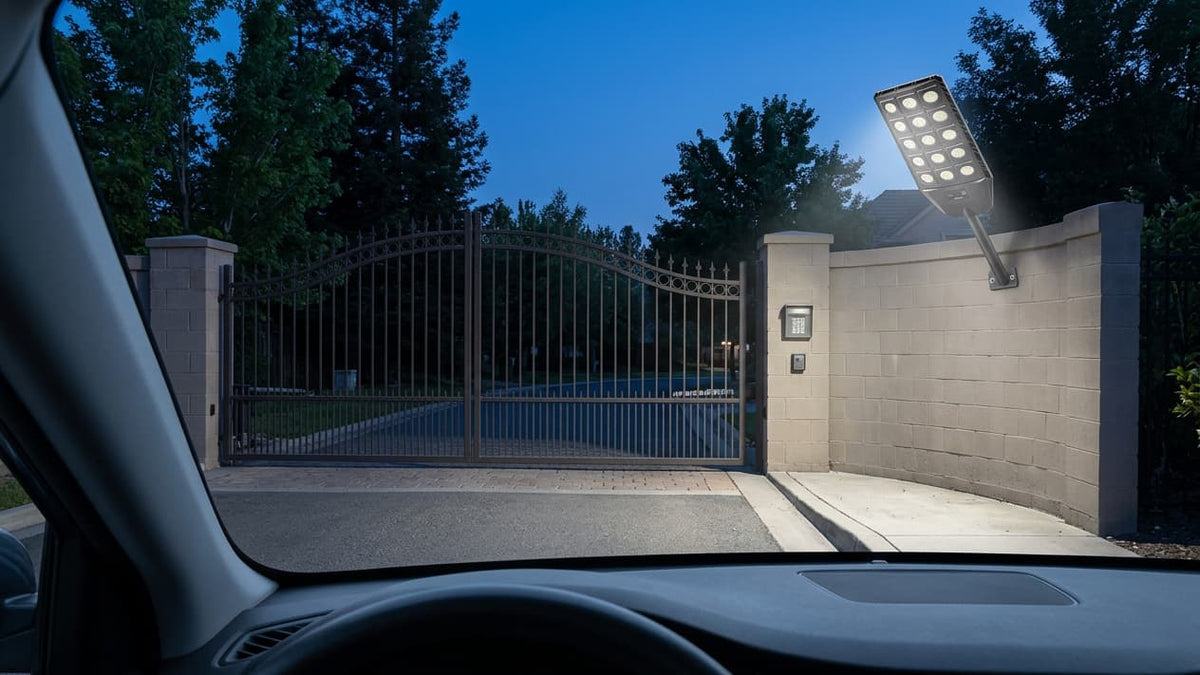
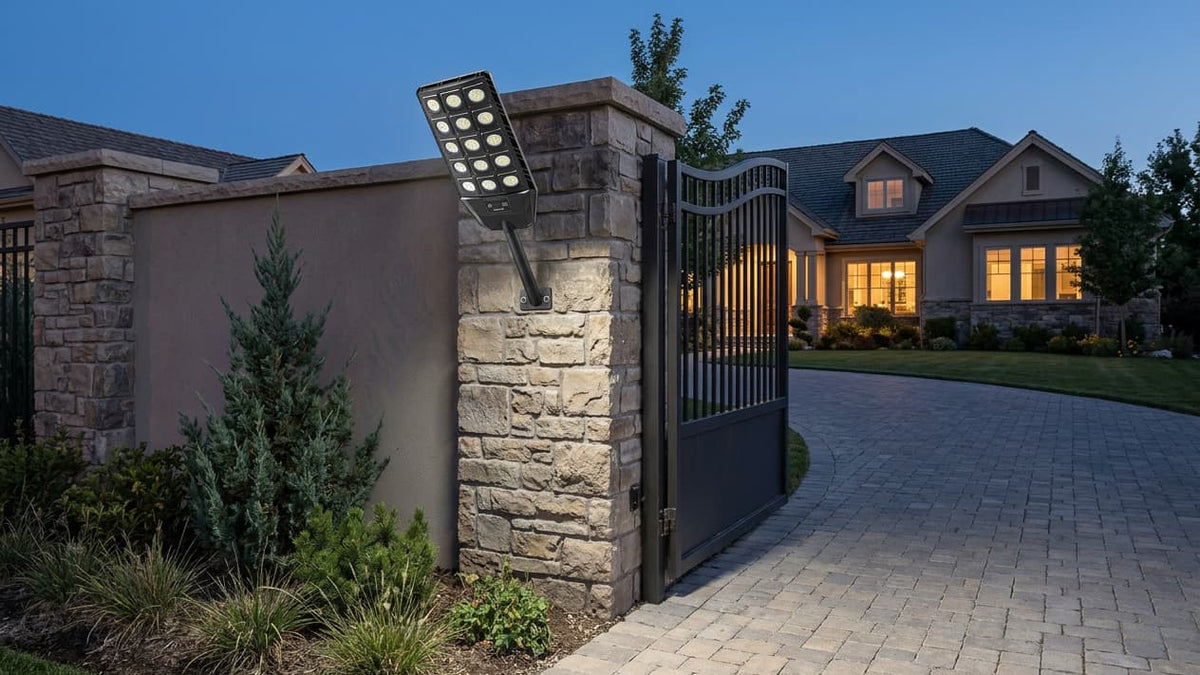
The HYKOONT HY015 is a solar street light with a large-lens optical design, listed at $85.00 USD. Its appeal for a gate or driveway is straightforward: it provides an independent source of illumination where a garage light may be too far away and running a new electrical circuit may be inconvenient.
One important distinction before we go further: lighting can help reduce darkness-related visibility gaps. It cannot eliminate blind spots created by a vehicle's body, a solid gate, a wall, or a hedge. The title describes the goal of a better-lit approach, not a promise that one fixture removes every driving hazard. You still need to stop, look, use mirrors and cameras appropriately, and keep people clear of moving vehicles and gates.
The driveway problem your headlights were never meant to solve
Headlights travel with the vehicle. That sounds obvious until you think about a driveway entrance as a place with several different jobs. You need to locate the opening, judge the turn, see the surface, and notice anyone approaching from the side. Those jobs do not always fall inside the same beam.
Imagine pulling into a rural property from a two-lane road. As you begin the turn, your headlights sweep across the far side of the entrance. For a moment, the near gatepost becomes harder to judge. If the lane curves immediately afterward, the next section may remain dark until your vehicle is already moving toward it.
A light on the property can add a fixed reference. Instead of relying entirely on a moving cone of light, you can see the gate opening and part of the approach before the vehicle lines up with them. That is the useful distinction between decorative entrance lighting and functional solar driveway lighting.
A glowing lantern on top of a masonry column may look beautiful from the road. It may still leave the actual turning surface in shadow. Conversely, a carefully positioned utility-style fixture can make the usable width of the entrance easier to read without becoming the visual centerpiece of the property.
The best starting question is not, “How bright should my driveway be?” It is, “What do I lose sight of during the maneuver?” Your answer might be the near-side post, the outside edge of a bend, the pedestrian path, or the gate latch. Each answer points to a different lighting target.
Meet HY015: a focused starting point, not an automatic floodlight prescription

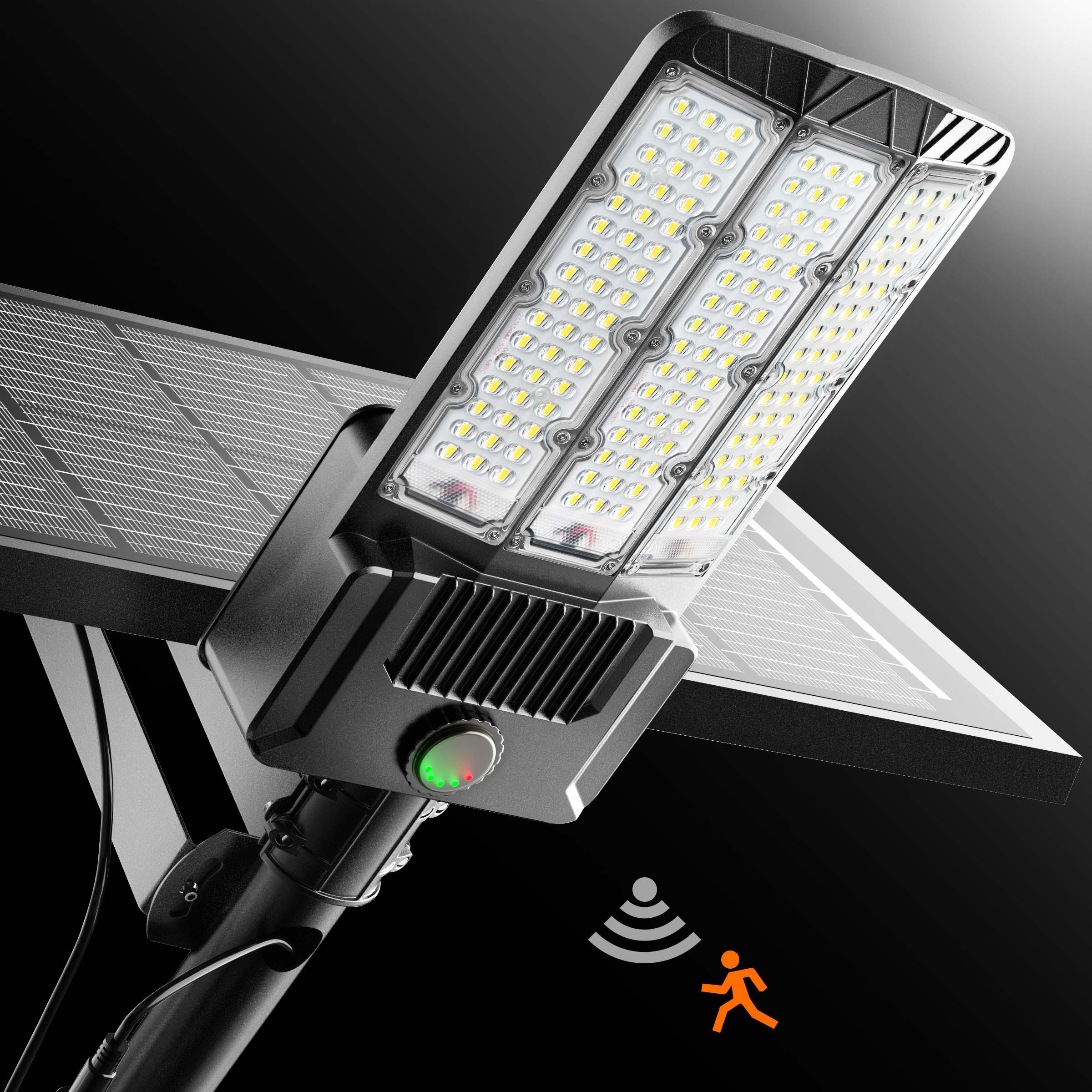
The HY015 listing describes 15 large optical focusing lenses paired with deep reflector cups. The purpose of that arrangement is to direct the output rather than simply place LEDs behind a flat cover. For a driveway, that makes the model worth considering when there is a defined area to illuminate: an entrance, a gate approach, or a particular section of lane.
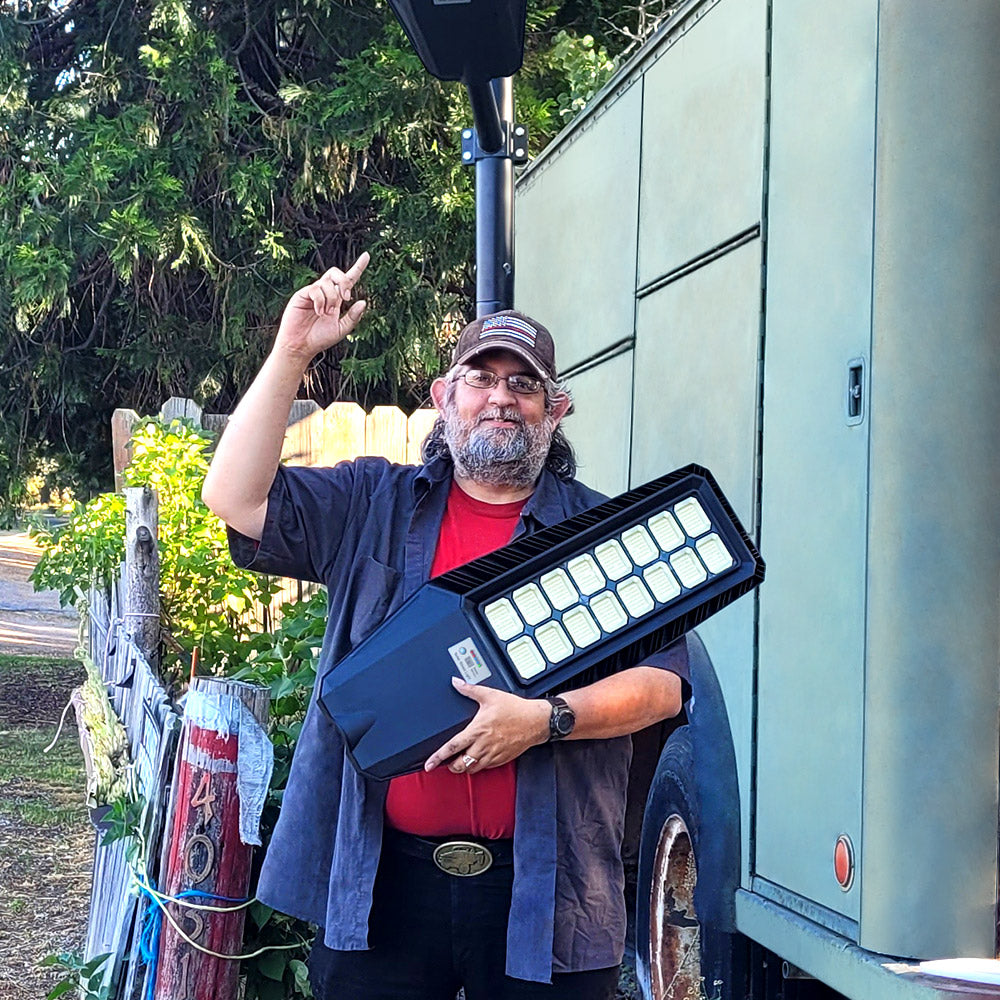
Its listed specifications include 255 LED chips, 15,000 lumens, a daylight-white color temperature of 6500K–7000K, a 5V 10W monocrystalline solar panel, and a 3.2V 9,200mAh rechargeable battery. The light body is listed at approximately 15.7 by 8.6 inches. Controls include a light sensor, radar motion detection, and a wireless remote.
Those figures are manufacturer-listed specifications, not measurements from a lighting survey of your driveway. In particular, the listing's stated coverage of 2,000 square feet should not be treated as a guaranteed rectangle of equally bright ground. Mounting position, aiming, surrounding surfaces, and obstacles all change what is useful at a real entrance.
The product description emphasizes reduced glare through its optical design. That is a reason to examine the fixture, not permission to aim it into an approaching driver's eyes. A well-designed lens can still be uncomfortable when the installation puts the light source directly in someone's line of sight.
At the time of writing, HY015 is priced at $85.00 and its product title states pre-order, ships in approximately one month. Check the product page for the latest dispatch estimate before planning an installation weekend. An orderable pre-order is not the same thing as an item ready for immediate delivery.
View HY015 pricing and current pre-order details.
Think in three moments: approach, turn, and arrival
A useful entrance lighting plan follows the sequence of the drive. First, you approach the opening. Then you turn through it. Finally, you move into the property and decide where to go next. Looking at those moments separately helps prevent the common mistake of putting all the light at the gate itself.
The approach: make the entrance recognizable without dazzling the road
Before turning, a visitor needs to identify the correct entrance. A readable address marker, visible gate edges, and a clear opening can do more for that task than a painfully bright lamp. Keep the light focused on your property rather than treating the public road as part of your lighting project.
Stand where an approaching driver would first see the entrance, from a safe location away from traffic. Is the light source itself the first thing you notice, or can you actually read the entrance? If the fixture dominates the view while the ground looks flat and featureless, the placement needs another look.
The turn: illuminate the reference points that disappear
During the turn, the useful targets are usually edges. That can mean the inside gatepost, the edge of a concrete apron, a raised curb, or the point where gravel meets grass. Aiming only at the center of the driveway can leave those references surprisingly difficult to judge.
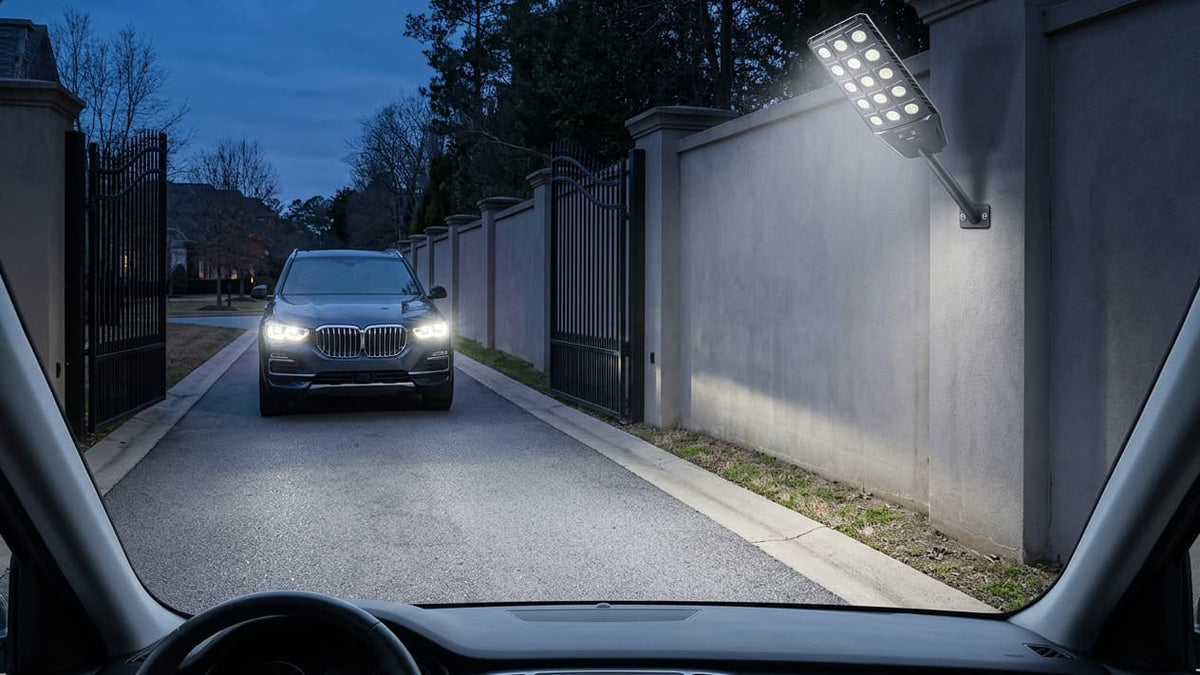
This is where a solar street light for gate entrances can have a practical role. It can provide light from a direction different from the vehicle's headlights. The result you want is a readable turning area, not a bright spot that looks impressive from an upstairs window.
The arrival: do not end the light where the decision begins
Just inside the gate, a driver may need to choose between the garage, a parking pad, and a delivery turnaround. If the gate is bright but that next decision point disappears into darkness, you have solved only the first part of the journey.
You do not necessarily need continuous high brightness down the entire lane. You need enough visual continuity to understand the route. Depending on the property, that may call for another fixture, reflective markers, trimming an obstruction, or a different mounting location rather than simply increasing output.

Walk the entrance after dark before you buy a second light
Do a slow nighttime walk-through with the vehicle parked safely and the gate secured. Look from the driver's seat, from the passenger side, and from the pedestrian entrance. If a second person helps, keep them completely outside the vehicle's path. Do not use a person standing in a blind spot as a moving test target.
Notice where visibility changes rather than simply where it is darkest. A deep shadow behind a gatepost matters differently from darkness behind a flower bed that nobody needs to enter. Write down the places where a driver must make a judgment: clearance, surface change, direction, and pedestrian movement.
Now repeat the observation with your existing exterior lights on. A garage fixture might already cover the arrival area well. A porch light might make the pedestrian path readable. If so, HY015 may only need to address the entrance transition rather than duplicate lighting you already have.
Look at the scene through the windshield, not just while standing outside. Reflections from the dashboard, a dirty windshield, and rain on the glass can change the experience considerably. A location that feels comfortable on foot may put a bright source directly in the driver's view from a lower seating position.
Finally, examine daytime sunlight at the proposed location. A nighttime lighting problem and a daytime charging problem have to be solved together. The most convenient wall or post is not automatically the best place for a solar-powered fixture, especially under a deep canopy or close to a roof overhang.
Four entrance layouts, four different conversations
A suburban driveway with a decorative gate
Here, restraint matters. There may already be porch lighting, street lighting, and neighboring windows nearby. The goal is usually to clarify the opening and the first few feet of driveway without turning the front yard into a commercial parking area.
Consider whether the gate columns block light from reaching the near edge. A fixture positioned with the column geometry in mind may help more than a brighter unit installed directly behind an obstruction. Keep the beam on the approach surface and away from adjacent bedrooms.
A rural lane with a dark bend just inside the entrance
The gate itself may be easy to see while the bend is not. In that case, the priority is the route beyond the opening. A solar light is attractive because the useful location may be far from an existing electrical supply, but trees and seasonal shading can make the charging decision more complicated.
Do not expect one light to illuminate around a solid obstruction. If the bend disappears behind a hedge or embankment, consider separate lighting zones and improvements to the sightline. Light can reveal a visible surface; it cannot make a hidden surface visible through landscaping.
A shared driveway with cars arriving from both directions
A fixture that feels comfortable when entering can be uncomfortable when leaving. Shared lanes make that tradeoff especially important. Evaluate both directions and discuss the layout with the other users before deciding where the brightest area should be.
Give particular attention to a meeting point or passing area. Drivers need to recognize where the lane widens, not just see a bright gate in the distance. If pedestrians share that route, make their normal walking path part of the plan rather than an afterthought.
A driveway used for trailers, deliveries, or a small workshop
Longer vehicles need more room and different reference points. The place a pickup driver watches may not be the same place a delivery driver watches while aligning a van. A trailer can also block light from a fixture that works well for a passenger car.
Think about the actual turning and loading area. If it is broad, you may want to compare HY015 with a larger-area option instead of assuming multiple small bright spots will work well together. Lighting for a working apron deserves its own layout, not just an extra lamp beside the gate.

Where HY015 belongs in the plan
The strongest case for HY015 is a defined nighttime task at a location with workable solar exposure. Perhaps the entrance surface is dark after the headlights turn away. Perhaps the gate sits too far from the garage for existing lighting to help. Perhaps you want an independent light source without extending a household branch circuit to that particular point.
Start by selecting the target area, then choose a secure mounting position that allows the fixture to serve it. Follow the supplied installation instructions for hardware, orientation, and suitable mounting surfaces. Do not invent a mounting height from a coverage claim or assume an old decorative post can support a new fixture safely.
Keep the gate's full movement clear. A sliding gate changes position; a swing gate needs its complete arc. The fixture, support, and any associated components must stay away from those moving parts. Avoid locations that interfere with access controls, gate sensors, maintenance access, or the normal path of vehicles.
Do not assume the solar panel can be relocated independently to a sunny roof or post. Confirm the supplied configuration and installation options before planning around a remote panel position. A product photo or a generic solar-light diagram is not a substitute for model-specific instructions.
Once installed, judge the result from both the entrance and the exit. Make adjustments according to the instructions, then test again after dark. The useful outcome is that edges and route choices are easier to understand while the light itself stays out of the way.
Glare can turn a bright entrance into a harder entrance
There is a particular kind of bad outdoor lighting that makes everything seem brighter except the thing you need to see. You look toward the gate and meet an intense light source. The driveway edge beside it still feels indistinct. Adding more brightness to the same angle can make that experience worse.
Instead, look at direction. Can the fixture illuminate the surface without facing the approaching driver? Is it aimed across the property rather than toward the road? Does a reflective metal gate send a harsh highlight back toward the vehicle? Small placement differences can matter more than another headline lumen number.
Wet pavement deserves its own check. A dry concrete apron and the same apron after rain do not look identical under a light. When it is safe to inspect, observe reflections and whether the edge remains readable. Do not use an installation that only feels comfortable on a clear, dry evening as your sole test.
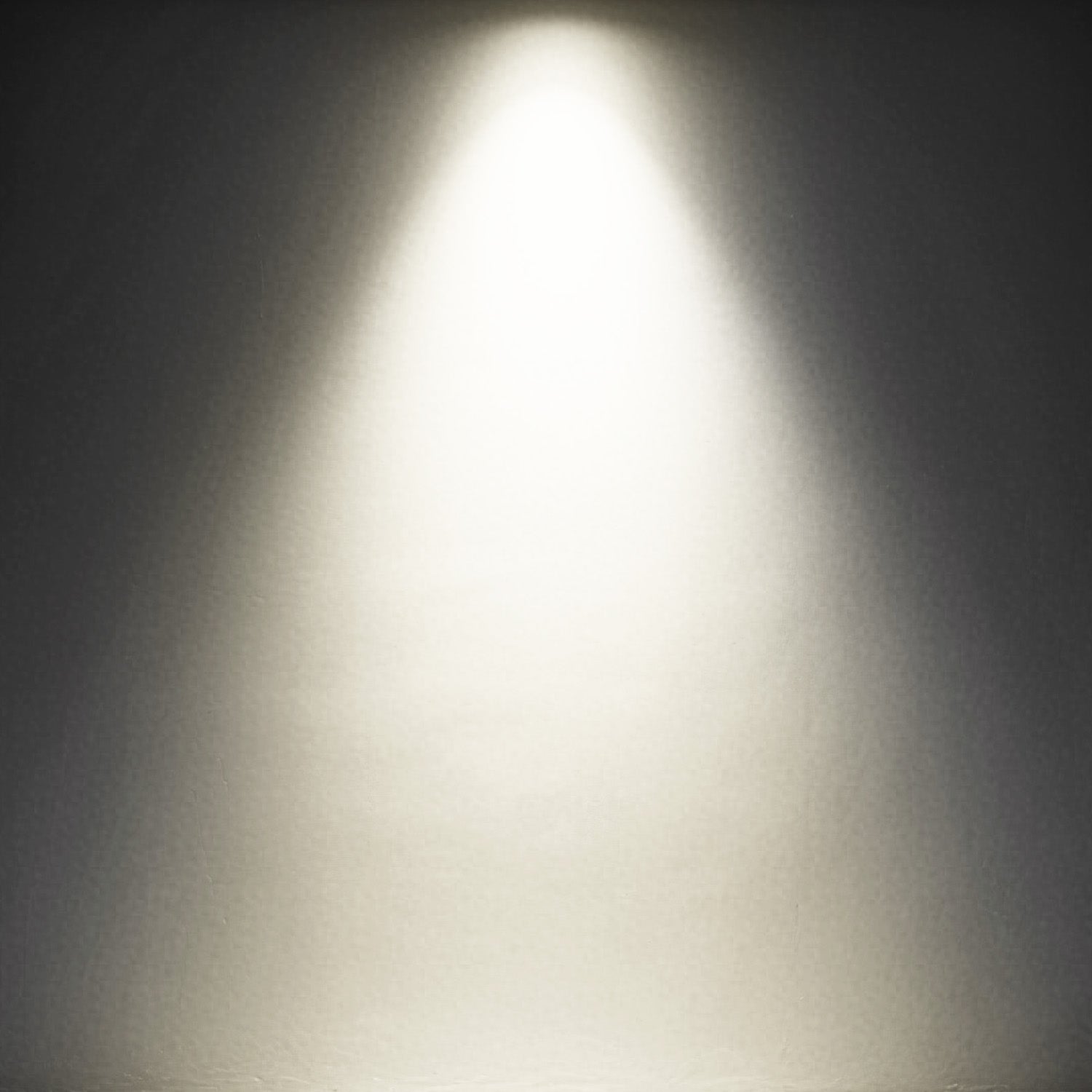
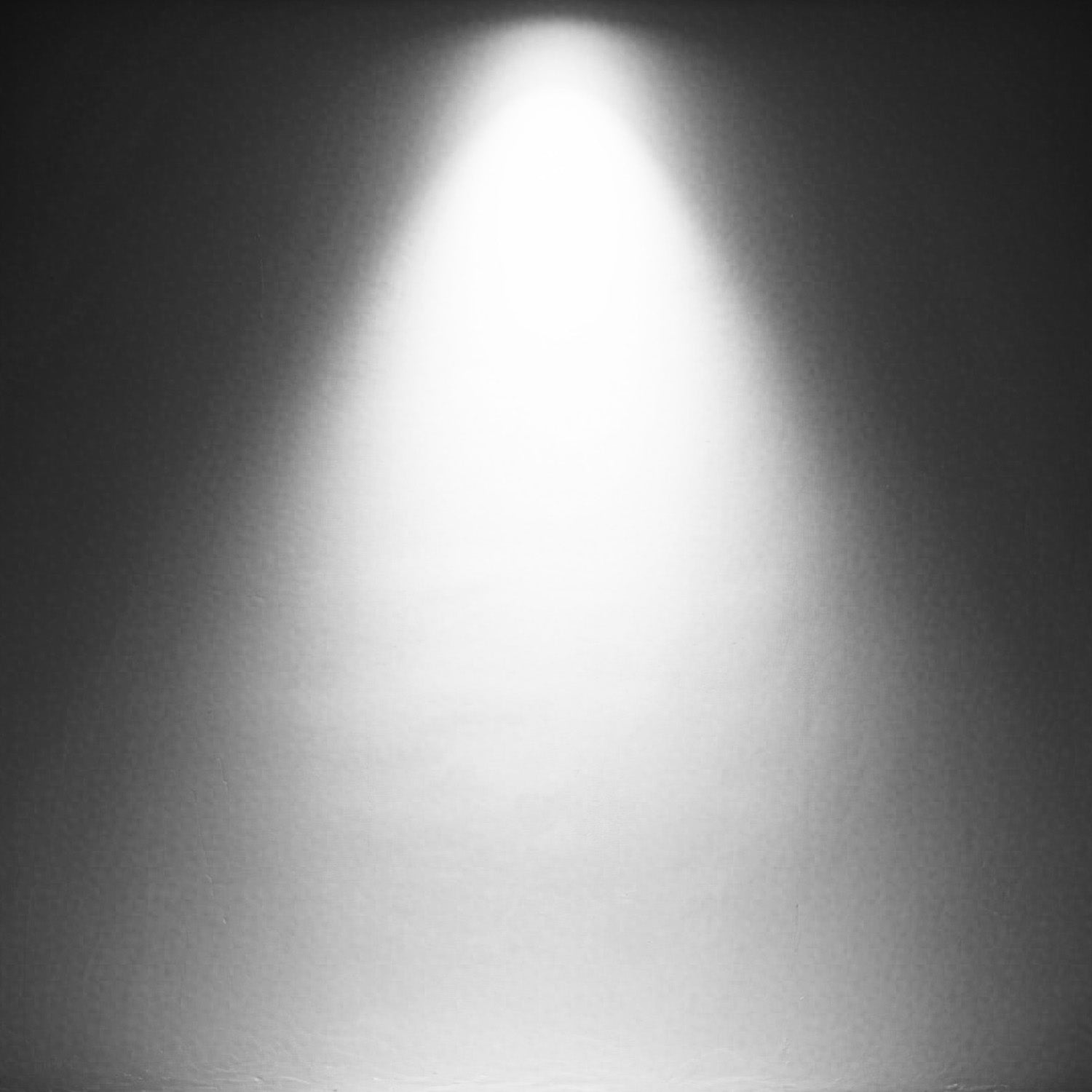
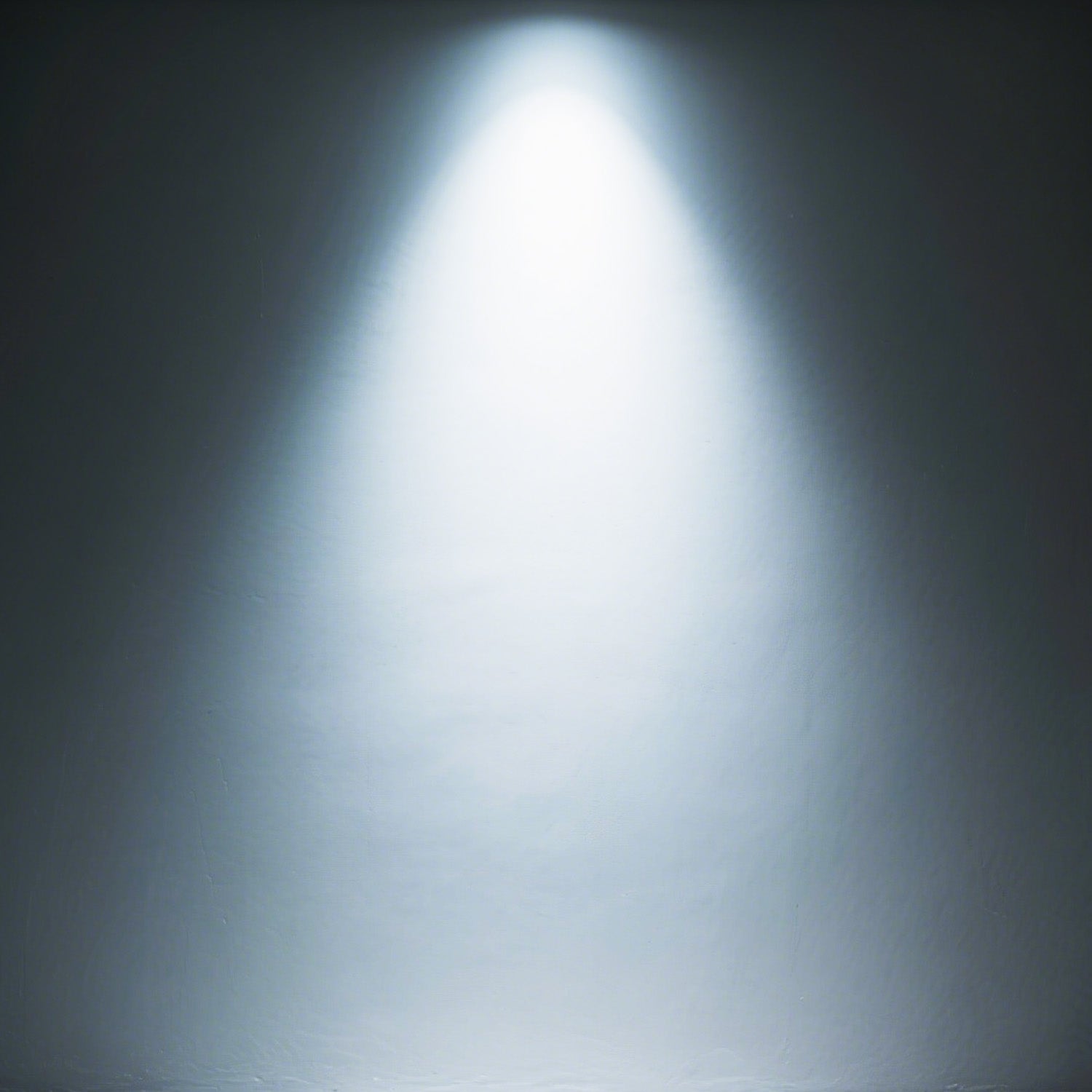
The HY015's listed 6500K–7000K output has a cool, daylight-white appearance. That may suit a functional entrance, but it will not look like a warm decorative porch lantern. If your front yard has a deliberately warm lighting scheme, consider that visual difference before ordering.
Also consider the view from neighboring properties. A useful light should work for the people using the entrance, not announce itself through someone else's bedroom curtains. Check applicable local requirements and any HOA restrictions before mounting, especially where the entrance faces a public road or a neighboring home.
Motion sensing is useful, but the first second matters
The HY015 description lists automatic dusk activation, radar motion detection, and remote control. It also describes a mode that increases brightness when motion is detected and returns to an energy-saving dim state afterward. That combination can suit a driveway that sees occasional arrivals instead of constant traffic.
What matters is whether the operating mode fits the approach. If the area remains too dark until a vehicle is already halfway through the gate, the brighter response may come too late for the judgment you wanted to improve. Test the actual behavior rather than assuming the sensor will detect every approach in the same way.
The product information retrieved for this article does not establish a specific HY015 detection distance or user-adjustable timing range. Do not plan the layout around an invented number. Use the current instructions and verify performance at the installed location, including arrivals from the less common direction.
Background illumination can be valuable because it provides a visual reference before the brighter response. But dim operation still uses stored energy. Think of the controls as a way to balance usability and available charge, not as a guarantee of unlimited full-output operation.
A motion-sensing light is not a gate safety sensor, pedestrian detector, or collision-prevention system. Its role is illumination. Keep the gate's existing safety systems in service and do not rely on a lighting response as evidence that the vehicle path is clear.

Solar performance begins at noon, not at sunset
It is easy to judge a solar light only at night. The more useful question often comes earlier: how much direct sunlight did this location receive today? An entrance under mature trees can be a wonderful place to drive through and a difficult place to charge a solar fixture.
Check the proposed location at more than one time of day. A patch of morning sun may disappear behind a roof before midday. A site that looks open in summer may have a different exposure in winter, when the sun is lower and the nights are longer.
The HY015 listing specifies a 10W panel and a 9.2Ah battery. Those numbers describe components, not a promise of identical runtime in every US climate. Available charge, operating mode, temperature, battery condition, and nighttime demand all affect the result.
For a property with long periods of shade or frequent overcast weather, be honest about the limitations before buying. Moving the installation to a sunnier permitted position may help. If the entrance needs dependable illumination regardless of solar conditions, a professionally planned wired option may be the more appropriate choice.
Keep the panel exposed according to the instructions and inspect it for leaves, dust, snow, and other obstructions. Use safe access methods and the recommended cleaning approach. A solar fixture mounted where nobody can maintain it conveniently can become an avoidable headache later.
Do not interpret weather-resistant construction as a promise that charging and battery output are unaffected by weather. The HY015 description identifies an ABS and PC housing, but this article does not assign it an unverified waterproof rating or temperature range. Check the model-specific documentation when those requirements matter.
Three active HYKOONT options, with prices that make the comparison useful
The right comparison is about the job each light will do, not a contest to find the largest number on a product page. The following three products were active and orderable when checked. Prices are in USD and may change; confirm current pricing, fulfillment timing, and included components on the linked pages.
HY015: $85.00 for a defined entrance-lighting task
HY015 remains the focus of this guide because its large-lens design and listed controls are relevant to a targeted gate or driveway approach. Its listed output is 15,000 lumens, and its compact light body may be worth considering where the project is about a particular dark section rather than a broad working yard.
The key buying detail is timing: it is currently listed as a pre-order with an approximately one-month shipping note. If your gate installation is happening next week, do not build your schedule around an assumption of immediate dispatch. Contact the store through its normal channels if the exact timing is important.
Choose HY015 and check the latest $85 pre-order offer.
TW016: $79.99 for another lens-based solar option

The HYKOONT TW016 Solar Street Light is currently listed at $79.99. Its product information lists 19,200 lumens, a 6V 20Ah battery, an IP66 rating, and light, time, remote, and radar controls. It gives you another model to evaluate when planning entrance or driveway illumination.
Do not assume the larger listed output automatically makes it better for a narrow gate. Beam distribution, mounting options, available sunlight, and the view from the driver's seat still matter. Compare the current model instructions and dimensions rather than choosing solely because one price is lower.
The TW016 page also lists charging and operating-time estimates. Treat those as product-page figures under the conditions relevant to the model, not a guarantee of the same performance under your trees in January. A suitable solar location is part of the purchase decision for this option too.
Shop TW016 at the current $79.99 listed price.
TW040: $152.00 for the one-pack option when the project gets wider

The HYKOONT TW040 Solar Street Light is listed at $152.00 for one pack. The current two-pack price is $306.00. Its product information lists 56,000 lumens, a 6V 48Ah battery, IP66 protection, and light, time, remote, and radar controls.
This is a model to consider when the conversation extends beyond the gate into a larger apron, parking area, or working yard. It is not a recommendation to put a higher-output fixture beside every residential entrance. More output can require more care with aiming, spill light, and the visual comfort of nearby residents.
If the real need is to illuminate a broad place where vehicles maneuver, review that entire space. A larger fixture cannot fix a blocked sightline, and a published output figure does not establish how evenly it will light your particular layout. Choose the equipment after defining the area.
Explore TW040 one-pack pricing and installation details.
Build the budget around the entrance, not just the fixture
At current listed prices, one HY015 costs $85.00 and two cost $170.00 in fixture subtotal. One TW016 is $79.99. One TW040 is $152.00. Those comparisons are helpful, but they are not installed-project quotes.
A mounting surface may need attention. An existing post may be unsuitable. Hardware, a new support, professional installation, and any site preparation can change the total. Taxes, shipping terms, and promotions should be checked at purchase rather than assumed from the fixture price.
Before buying two HY015 units, ask what the second unit will do. If it lights a separate bend or arrival area, there may be a good reason for it. If it merely adds another bright source beside the first, you may be spending money without improving the part of the drive that bothers you.
Solar can avoid the need for a new mains connection at the light itself, but it is not maintenance-free or cost-free over its life. Cleaning, inspections, future battery-related service, and secure mounting all belong in a realistic ownership plan. The benefit is a different infrastructure approach, not the disappearance of every cost.
A practical first-week check beats a perfect-looking installation photo
After installation, give the system time to charge as directed before making judgments about nighttime performance. Then observe normal use over several evenings. Check the entrance from a low passenger car as well as a taller vehicle if both regularly use the property.
Watch for the small annoyances that a daytime installation can miss. Does the gate throw a moving shadow across the turning area? Does the light reflect strongly in a mirror when leaving? Is the pedestrian path readable, or is it behind the brightest surface? Does the motion response happen at a useful point?
Compare a clear evening with a less favorable day, without assuming a few observations establish year-round performance. Keep notes about the operating mode and recent sunshine. If the light seems inconsistent, that record is more useful than repeatedly changing settings without remembering what changed.
Revisit the installation when the seasons change. Branches grow, leaves fall, snowbanks appear, and the sun takes a different path. A driveway is not a static showroom scene. The best lighting plan allows for those changes and is easy enough to maintain that somebody actually will.
Questions people ask before lighting a gate with HY015
1. Can HY015 eliminate driver blind spots?
It can help illuminate darkness-related gaps at a gate or driveway. It cannot remove blind spots caused by windshield pillars, the vehicle body, solid gates, walls, or vegetation. Use it as part of a visibility plan, not as a substitute for careful driving, a clear sightline, or working gate safety equipment.
2. What does HY015 cost, and is it available immediately?
The current listed price is $85.00 USD. The product title identifies it as a pre-order with an approximately one-month shipping note. Confirm the latest fulfillment estimate on the product page before ordering, especially if a contractor or installation date depends on its arrival.
3. Is one HY015 enough for a two-car driveway?
Not enough is known from the number of cars alone. The entrance width, length, mounting location, obstacles, and useful lighting targets matter. The listing states coverage of 2,000 square feet, but that does not guarantee uniform illumination across every driveway with that area. Plan around the actual turn and approach.
4. Where should I mount a solar light to reduce glare at a gate?
Choose a secure, instruction-compliant location that lights the approach surface without facing directly into arriving or departing drivers' eyes. Test both directions and consider neighboring windows and the public road. Keep the fixture clear of moving gate components and confirm that the charging position receives suitable sunlight.
5. Will HY015 stay at full brightness all night in winter?
Do not assume that. Solar performance depends on available charge, the operating mode, temperature, battery condition, and nighttime demand. HY015 lists automatic and motion-related controls, but that is not a guarantee of continuous full output through every winter night. For essential lighting in poor solar conditions, consider a professionally planned wired system.
6. Can I move the solar panel somewhere sunnier?
Confirm the HY015's supplied configuration and permitted installation options before planning a separate panel location. Do not assume a remote-panel installation is supported. Use the current model-specific instructions, and ask about configuration details before buying if the intended fixture position is shaded.
7. Should I choose HY015, TW016, or TW040?
Start with the task. HY015 at $85.00 is the featured option for a defined entrance-lighting project. TW016 at $79.99 is another lens-based model to compare. TW040 at $152.00 for one pack is worth considering for a broader area. Compare installation requirements and light distribution, not only output and price.
8. Does a radar motion sensor replace my gate's safety sensors?
No. The motion feature controls lighting behavior. It is not a collision-prevention system, a dependable indication that the path is empty, or a replacement for gate safety equipment. Keep pedestrians outside the movement area and follow the gate manufacturer's operating and maintenance guidance.
The goal is a turn you can read, not a gate you can see from space
A good entrance does not need to feel theatrical. You should be able to recognize the opening, follow the edge, understand the turn, and see the next useful part of the drive without fighting a bright source in your eyes.
HY015 offers a practical place to begin that conversation: a $85.00 solar fixture with large optical lenses, automatic light sensing, radar motion detection, and remote control. Whether it is right for your property comes down to the target area, sunlight, mounting options, and the result from the driver's seat.
Start with the part of the entrance that disappears when your headlights turn away. Solve that problem first. If the rest of the route needs attention, give each additional light a specific job instead of adding brightness for its own sake.
See HY015 product details, current pricing, and pre-order availability. A better-lit arrival starts with knowing exactly what you need to see.

Leave a comment
This site is protected by hCaptcha and the hCaptcha Privacy Policy and Terms of Service apply.