








Introduction: Transform Your Backyard with Strategic Solar Lighting
Lighting up a fenced backyard transcends mere aesthetics—it's a strategic investment in property value, security infrastructure, and outdoor living quality. Solar fence lights represent the convergence of sustainable technology and practical outdoor illumination, offering homeowners a zero-emission, low-maintenance solution that reduces energy costs while enhancing nighttime usability. This comprehensive guide explores professional installation techniques, technical specifications, and design principles to help you create a perfectly illuminated outdoor sanctuary.
According to recent studies, properly illuminated outdoor spaces can increase property values by 15-20% while reducing security incidents by up to 39%. With advancements in photovoltaic technology and LED efficiency, modern solar fence lights now offer 12-16 hours of continuous illumination from just 6-8 hours of sunlight exposure.
Understanding Solar Fence Light Technology
How Solar Fence Lights Work: The Science Behind the Glow
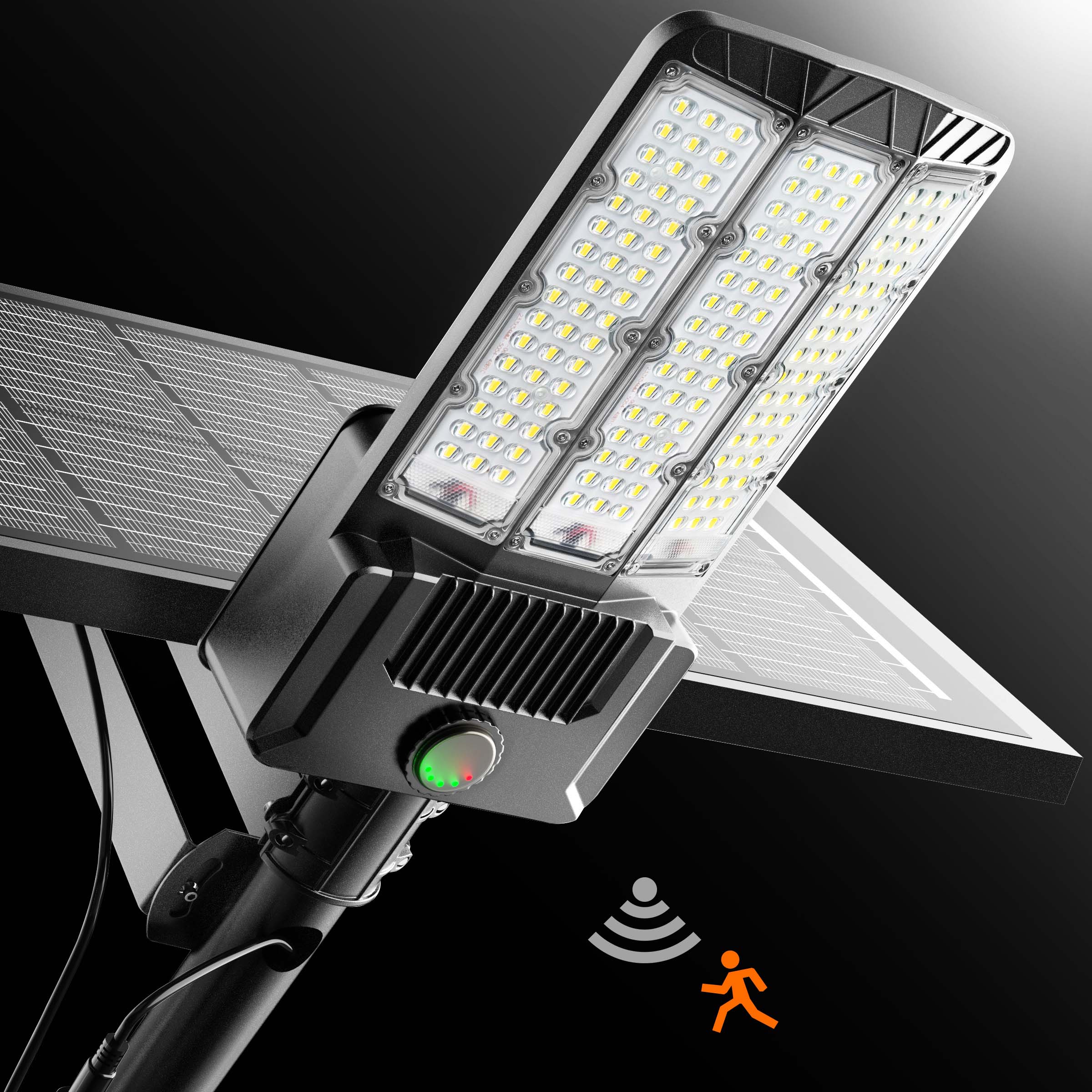
Solar fence lights operate through a sophisticated yet elegant system combining photovoltaic cells, rechargeable batteries, LED technology, and intelligent light sensors. During daylight hours, monocrystalline or polycrystalline silicon solar panels convert sunlight into electrical energy, storing it in lithium-ion or NiMH batteries. At dusk, photoresistors detect decreasing ambient light levels and automatically activate the LED array, providing illumination throughout the night.
Key Technical Components:
- Solar Panel Efficiency: Modern panels achieve 18-22% conversion efficiency, with premium monocrystalline options reaching 24%
- Battery Capacity: Typically 600-2000mAh, determining runtime duration (8-16 hours)
- LED Luminosity: Measured in lumens (10-100 lumens per fixture), with color temperatures ranging from warm white (2700K) to cool white (6000K)
- Weather Resistance: IP65-IP68 ratings ensure protection against dust, rain, and temperature extremes (-20°C to 60°C)
Strategic Placement Guide: 7 Professional Installation Methods

1. Cap-Mount Installation Along Fence Top Rails
Installing solar fence lights along the top horizontal rail creates a continuous lighting canopy that provides uniform downward illumination. This method is particularly effective for privacy fences (6-8 feet tall) and creates a sophisticated architectural lighting effect.
Professional Installation Tips:
- Spacing Optimization: Install fixtures every 6-8 feet for continuous illumination, or 10-12 feet for accent lighting
- Solar Panel Orientation: Ensure panels face true south (Northern Hemisphere) or true north (Southern Hemisphere) at optimal tilt angles (25-35° for most latitudes)
- Mounting Security: Use stainless steel screws or heavy-duty adhesive mounting systems rated for outdoor use
- Light Distribution: Choose fixtures with 120-180° beam angles for maximum coverage
Recommended Applications: Perimeter definition, ambient lighting for outdoor dining areas, security enhancement along property boundaries
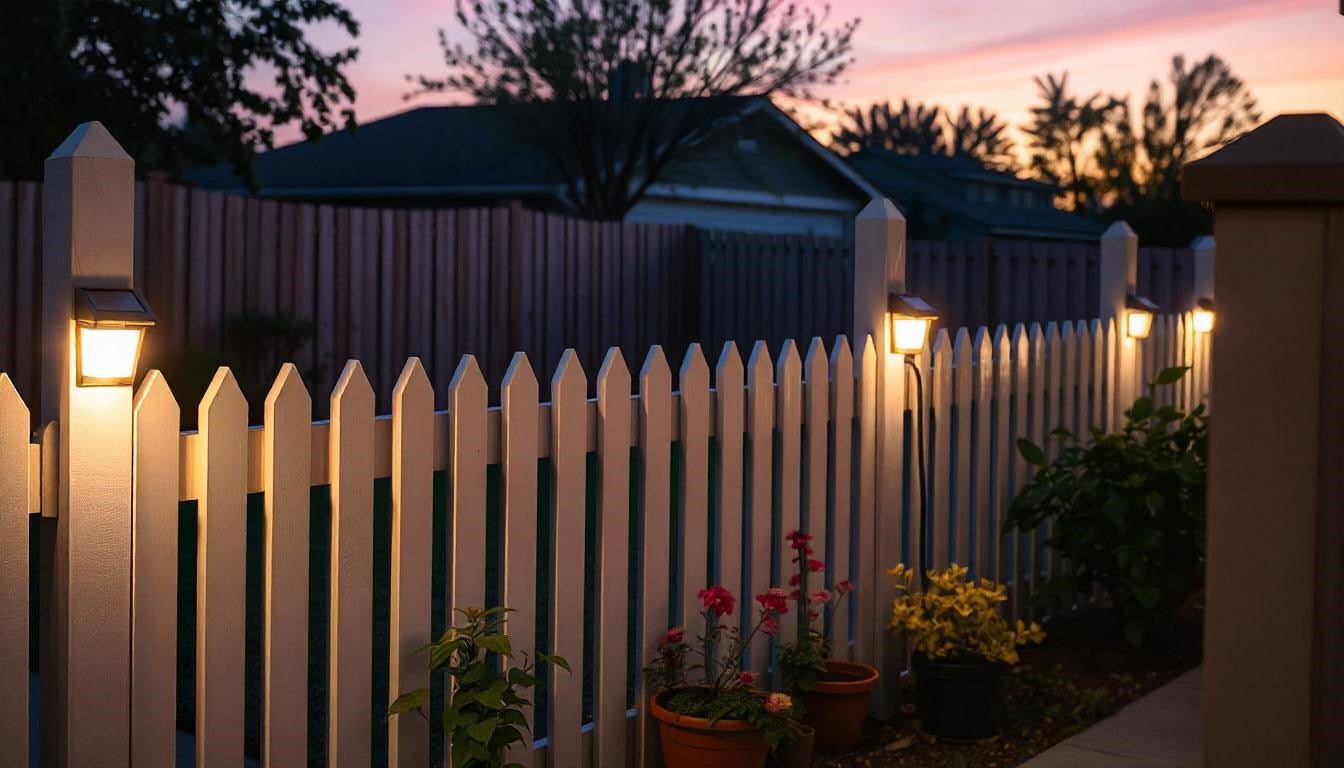
2. Post-Cap Solar Lights for Architectural Accent
Fence post-mounted solar lights serve dual purposes: structural emphasis and targeted illumination. These fixtures typically offer higher lumen output (40-100 lumens) and create dramatic vertical lighting columns that define your backyard's boundaries.
Advanced Installation Considerations:
- Post Compatibility: Verify post dimensions (standard 4x4", 5x5", or 6x6") and select appropriately sized caps
- Height Optimization: Post-cap lights at 5-7 feet provide optimal illumination radius (8-12 feet diameter)
- Alternating Patterns: Install on every other post for cost-effective coverage, or every post for maximum security lighting
- Material Matching: Choose fixtures that complement fence materials (wood, vinyl, composite, metal)
Security Benefits: Post-cap lighting eliminates dark corners, creates clear sight lines, and provides 360° illumination around each post, significantly improving surveillance camera effectiveness and deterring unauthorized access.
3. Pathway and Walkway Illumination Systems
Dedicated pathway lighting along fence lines creates safe navigation corridors while adding sophisticated landscape design elements. This approach is essential for backyards with garden paths, stepping stones, or frequently traveled routes to sheds, pools, or outdoor structures.
Professional Design Principles:
- Dual-Side Installation: Mount lights on both sides of pathways at 4-6 foot intervals for optimal visibility
- Low-Profile Options: Use recessed or flush-mount fixtures (2-4 inches high) to minimize trip hazards
- Directional Lighting: Employ fixtures with downward-focused beams to reduce light pollution and glare
- Color Temperature Selection: Warm white (2700-3000K) creates inviting ambiance; cool white (4000-5000K) enhances visibility and safety
Safety Standards: According to outdoor lighting safety guidelines, pathway illumination should provide minimum 5-10 lux at ground level to prevent trips and falls while maintaining comfortable visibility.
4. Garden and Landscape Feature Highlighting
Transform your garden beds, flower borders, and ornamental plantings into nighttime focal points using strategically positioned solar fence lights. This technique, known as "grazing" or "uplighting" in professional landscape design, adds depth and visual interest to your outdoor space.
Horticultural Lighting Techniques:
- Uplighting Trees and Shrubs: Position lights 12-18 inches from plant base, angled at 30-45° to create dramatic shadows
- Border Definition: Install low-profile lights along garden bed edges at 3-4 foot spacing
- Color-Enhanced Options: RGB or color-changing solar lights can highlight seasonal blooms or create themed garden displays
- Plant-Safe Positioning: Maintain 6-8 inch clearance from plant stems to prevent heat damage and allow growth space
Ecological Considerations: Use amber or warm-spectrum LEDs (2200-2700K) to minimize disruption to nocturnal pollinators and beneficial insects while maintaining aesthetic appeal.

5. Gate and Entry Point Security Lighting
Gates, doorways, and access points represent critical security zones requiring enhanced illumination. Professional security consultants recommend 50-100 lux at entry points—significantly higher than ambient backyard lighting levels.
Security-Optimized Installation:
- Dual-Fixture Configuration: Install lights on both sides of gates at 6-7 feet height for facial recognition capability
- Motion-Activated Enhancement: Combine standard solar lights with motion-sensor models for energy conservation and intrusion deterrence
- Overlapping Coverage: Create 2-3 foot overlap zones to eliminate shadows where intruders could hide
- Camera Integration: Position lights to complement security camera fields of view without creating lens flare
Smart Technology Integration: Advanced solar fence lights now offer WiFi connectivity, allowing remote control, scheduling, and integration with home automation systems for comprehensive security management.
6. Perimeter Security Lighting Systems
Comprehensive perimeter lighting creates a continuous illuminated boundary that maximizes security while defining property lines. This professional-grade approach is particularly valuable for larger properties (1/4 acre or more) or homes in areas with security concerns.
System Design Specifications:
- Continuous Coverage: Install fixtures at 6-8 foot intervals around entire fence perimeter
- Layered Lighting: Combine post-cap lights (high-level illumination) with mid-fence or ground-level fixtures for complete coverage
- Zone Configuration: Create distinct lighting zones (high-security areas, ambient zones, accent areas) with varying intensities
- Backup Power: Consider solar lights with larger battery capacity (1500-2000mAh) for extended cloudy periods
Cost-Benefit Analysis: While initial investment for perimeter lighting ranges from $300-$1,500 depending on fence length, the system pays for itself through eliminated electricity costs (saving $50-$150 annually) and potential insurance premium reductions (5-15% for enhanced security measures).
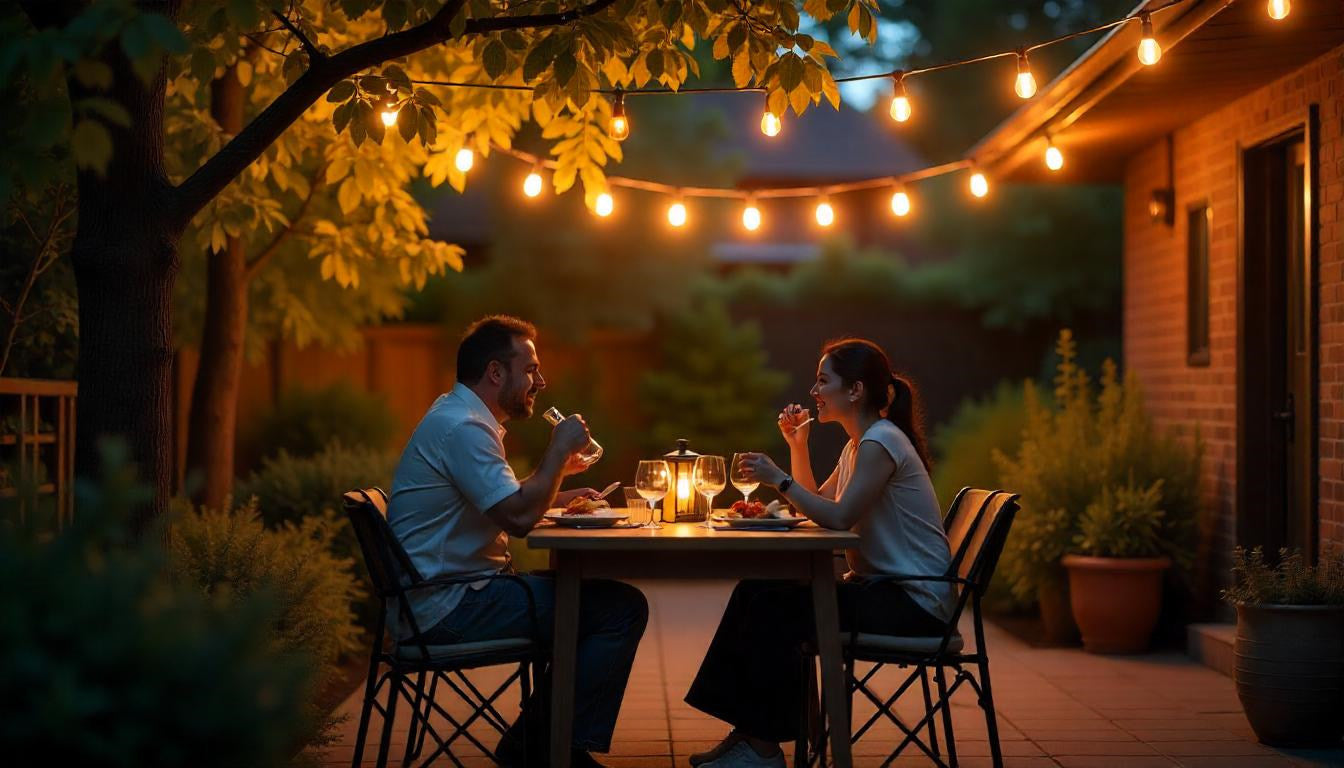
7. Entertainment and Outdoor Living Space Illumination
Create resort-quality ambiance in outdoor seating areas, patios, and entertainment zones using carefully positioned solar fence lights. This application focuses on aesthetic appeal and functional task lighting for evening activities.

Hospitality-Grade Design Elements:
- Layered Lighting Approach: Combine ambient (general illumination), task (dining/cooking areas), and accent (decorative) lighting
- Dimmable Options: Select solar lights with multiple brightness settings or gradual dimming features for mood control
- Color Temperature Zoning: Use warm white (2700K) for relaxation areas, neutral white (3500K) for dining, and cool white (4000K) for activity zones
- Decorative Styles: Choose from lantern-style, modern minimalist, vintage Edison, or contemporary geometric designs to match outdoor décor
Entertainment Lighting Standards: Professional outdoor designers recommend 10-20 lux for ambient seating areas, 30-50 lux for dining surfaces, and 50-75 lux for food preparation zones.
Hykoont Solar Fence Lights: Professional-Grade Solutions
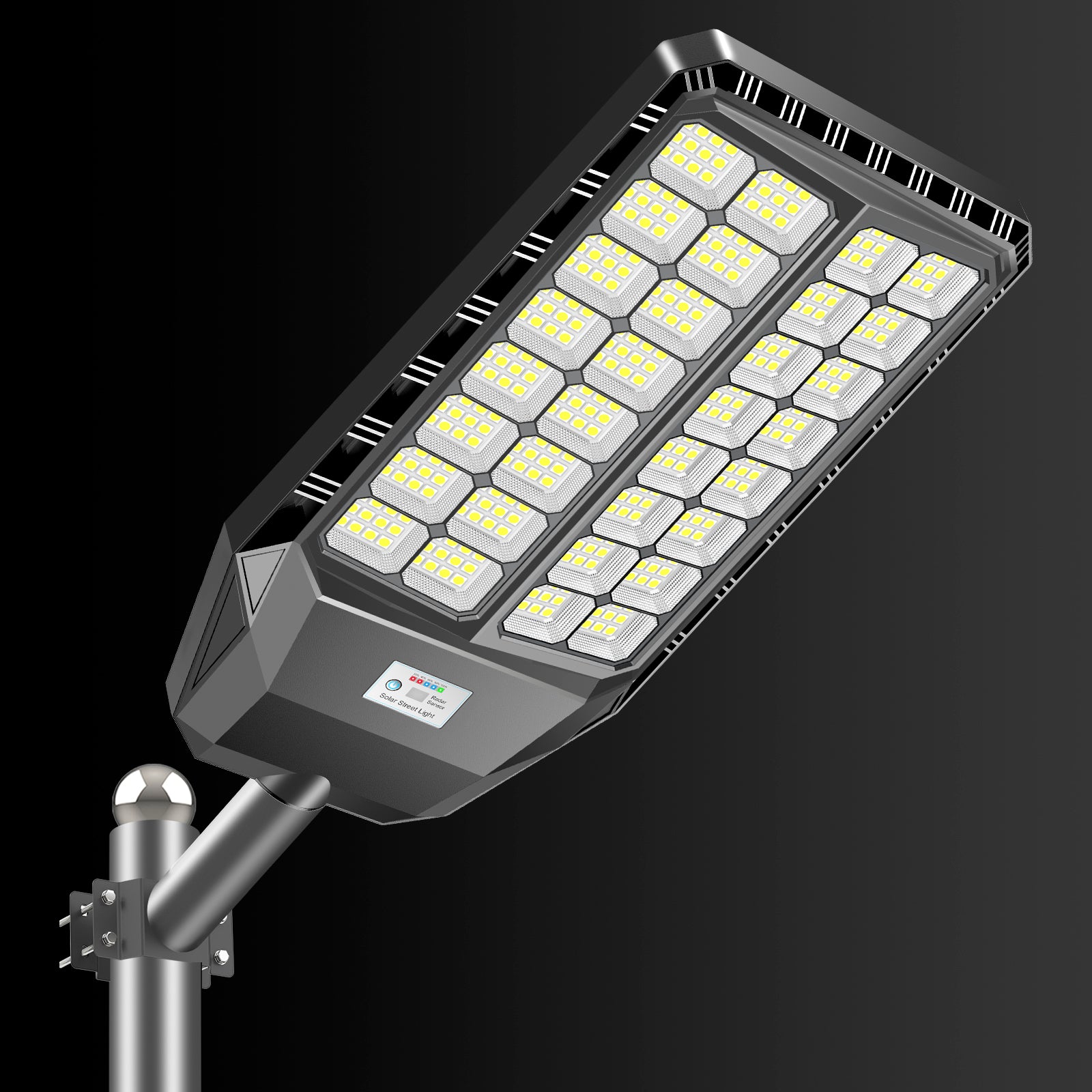
At Hykoont, we engineer premium solar fence lights specifically designed for demanding outdoor environments. Our products feature:
- Advanced Photovoltaic Technology: High-efficiency monocrystalline panels with 22% conversion rates
- Extended Runtime: 2000mAh lithium batteries providing 14-16 hours of continuous illumination
- Superior Weather Resistance: IP67-rated enclosures withstanding extreme temperatures, heavy rain, and coastal salt exposure
- Intelligent Light Management: Automatic dusk-to-dawn sensors with optional motion-activation modes
- Architectural Design Options: Contemporary, traditional, and transitional styles in multiple finishes (black, bronze, stainless steel, white)
- Warranty Protection: 2-year comprehensive warranty covering components and performance
Our Hykoont solar lighting collection includes specialized solutions for every application, from compact post-cap lights to high-output security fixtures, all backed by rigorous quality testing and customer support.
Professional Installation Guide: Best Practices
Site Assessment and Planning
Solar Exposure Analysis:
- Conduct sun path analysis using smartphone apps or solar pathfinders to identify optimal panel placement
- Measure daily sun exposure hours (minimum 6 hours required for full charge)
- Identify and mitigate shading obstacles (trees, buildings, overhangs) that reduce charging efficiency
- Consider seasonal sun angle variations (winter sun is 23° lower than summer)
Installation Methodology
Step-by-Step Professional Process:
- Surface Preparation: Clean mounting surfaces with isopropyl alcohol; sand rough wood for better adhesion
- Layout Marking: Use chalk lines and measuring tape to mark fixture positions ensuring consistent spacing
- Pilot Hole Drilling: Pre-drill holes 1/16" smaller than screw diameter to prevent wood splitting
- Secure Mounting: Use stainless steel hardware with weatherproof washers; apply silicone sealant around screw heads
- Panel Orientation: Adjust solar panels to optimal angle (latitude ± 15°) facing equator-ward direction
- Initial Charging: Allow 2-3 full sunny days for complete battery conditioning before first use
- Performance Testing: Verify automatic activation at dusk and measure illumination levels with lux meter

Maintenance and Optimization
Seasonal Maintenance Schedule:
- Monthly: Clean solar panels with soft cloth and mild soap solution; remove debris from fixtures
- Quarterly: Inspect mounting hardware for corrosion; tighten loose connections; trim vegetation blocking sunlight
- Bi-Annually: Test battery performance; replace batteries showing reduced capacity (typically every 2-3 years)
- Annually: Apply protective coating to metal components; verify weatherproof seals remain intact
Advanced Design Considerations
Light Pollution Management
Responsible outdoor lighting minimizes sky glow and light trespass while maintaining functionality:
- Select fully-shielded fixtures directing light downward (0° upward light emission)
- Use warm-spectrum LEDs (2700-3000K) that reduce blue light pollution affecting circadian rhythms
- Implement zoning strategies keeping high-intensity lights away from bedroom windows
- Consider motion-activated modes for security areas, reducing unnecessary illumination
Seasonal Performance Optimization
Winter Strategies:
- Increase fixture density by 20-30% to compensate for reduced solar charging (shorter days, lower sun angles)
- Select models with larger battery capacity for extended winter nights
- Keep solar panels clear of snow accumulation for maximum charging efficiency
- Angle panels more vertically (10-15° steeper) to shed snow and capture low-angle winter sun
Summer Optimization:
- Utilize extended daylight hours by selecting lights with automatic dimming after midnight
- Monitor battery temperatures in extreme heat (>40°C) which can reduce lifespan
- Adjust panel angles to capture high-angle summer sun more efficiently
Cost Analysis and ROI
Investment Breakdown
Typical Project Costs (100-foot fence perimeter):
- Budget Solar Lights: $150-$300 (15-20 basic fixtures)
- Mid-Range Quality: $400-$700 (15-20 enhanced fixtures with better batteries)
- Premium Professional-Grade: $800-$1,500 (15-20 high-output, durable fixtures)
Return on Investment
- Energy Savings: $75-$200 annually vs. wired electric lighting
- Installation Cost Avoidance: $500-$2,000 saved by eliminating electrical wiring requirements
- Property Value Increase: 5-15% enhancement in outdoor living space value
- Insurance Benefits: Potential 5-10% premium reduction for improved security lighting
- Payback Period: Typically 2-4 years for mid-range systems, 3-6 years for premium installations
Troubleshooting Common Issues
Reduced Runtime or Dim Output
Diagnostic Steps:
- Verify solar panels receive minimum 6 hours direct sunlight daily
- Clean panel surfaces removing dust, pollen, or debris (30-40% efficiency loss when dirty)
- Check battery age and replace if >2-3 years old or showing reduced capacity
- Inspect for water intrusion in battery compartment indicating seal failure
Inconsistent Activation
- Test photoresistor sensitivity by covering sensor—light should activate within 5-10 seconds
- Remove nearby light sources (porch lights, street lamps) causing sensor confusion
- Verify ON/OFF switch is in correct position (common oversight after battery replacement)

Environmental Impact and Sustainability
Solar fence lighting represents a significant environmental advancement:
- Carbon Footprint Reduction: Eliminates 50-150 kg CO₂ annually per household vs. grid-powered lighting
- Resource Conservation: Zero ongoing electricity consumption; renewable energy utilization
- Recyclability: Modern solar lights feature 85-90% recyclable components (aluminum, glass, silicon)
- Wildlife Protection: Warm-spectrum LEDs minimize disruption to nocturnal ecosystems
Conclusion: Creating Your Illuminated Outdoor Sanctuary
Transforming your fenced backyard with solar fence lights combines practical benefits—enhanced security, improved safety, extended usability—with aesthetic rewards that elevate your outdoor living experience. By applying professional design principles, selecting quality components, and implementing strategic placement techniques, you create a sustainable lighting system that serves your family for years while reducing environmental impact.
The investment in solar fence lighting delivers measurable returns through energy savings, property value enhancement, and improved quality of life. Whether you're illuminating intimate garden pathways, securing perimeter boundaries, or creating entertainment-ready outdoor spaces, solar technology provides the flexibility, reliability, and performance modern homeowners demand.
At Hykoont, we're committed to providing professional-grade solar lighting solutions backed by technical expertise, quality engineering, and dedicated customer support. Our comprehensive product range ensures you'll find the perfect fixtures to realize your backyard lighting vision—combining functionality, durability, and design excellence.
Ready to transform your outdoor space? Explore our complete collection of solar fence lights and discover how professional-quality illumination can enhance your home's security, beauty, and value. Start your backyard lighting project today with Hykoont—where innovation meets illumination.

Leave a comment
This site is protected by hCaptcha and the hCaptcha Privacy Policy and Terms of Service apply.