


Why Your Light Bulb Choice Actually Matters
Walk into any hardware store, and you'll face rows of lighting options. LED bulbs sit next to traditional incandescent bulbs, often with wildly different price tags. You might wonder: is spending more on an LED bulb really worth it when incandescent bulbs cost just a couple dollars?
Here's the thing – that upfront price difference tells only part of the story. Over the past decade, I've watched countless homeowners and business owners make lighting decisions based purely on initial cost, only to realize later they've been leaving money on the table. The real question isn't which bulb costs less today, but which one costs less over its lifetime.
In this guide, we'll break down everything you need to know about LED versus incandescent lighting. No technical jargon, no sales pitch – just straight talk about what works, what doesn't, and how to make the smartest choice for your home or business.
The Real Cost Breakdown: LED vs Incandescent
Let's start with what everyone wants to know: the money.
Upfront Investment
An incandescent bulb typically runs between $1 and $3. Simple, cheap, familiar. An LED bulb? You're looking at anywhere from $5 to $20 depending on features and quality. That's a significant difference when you're replacing multiple bulbs.
But here's where it gets interesting.
Energy Consumption: Where the Real Savings Hide
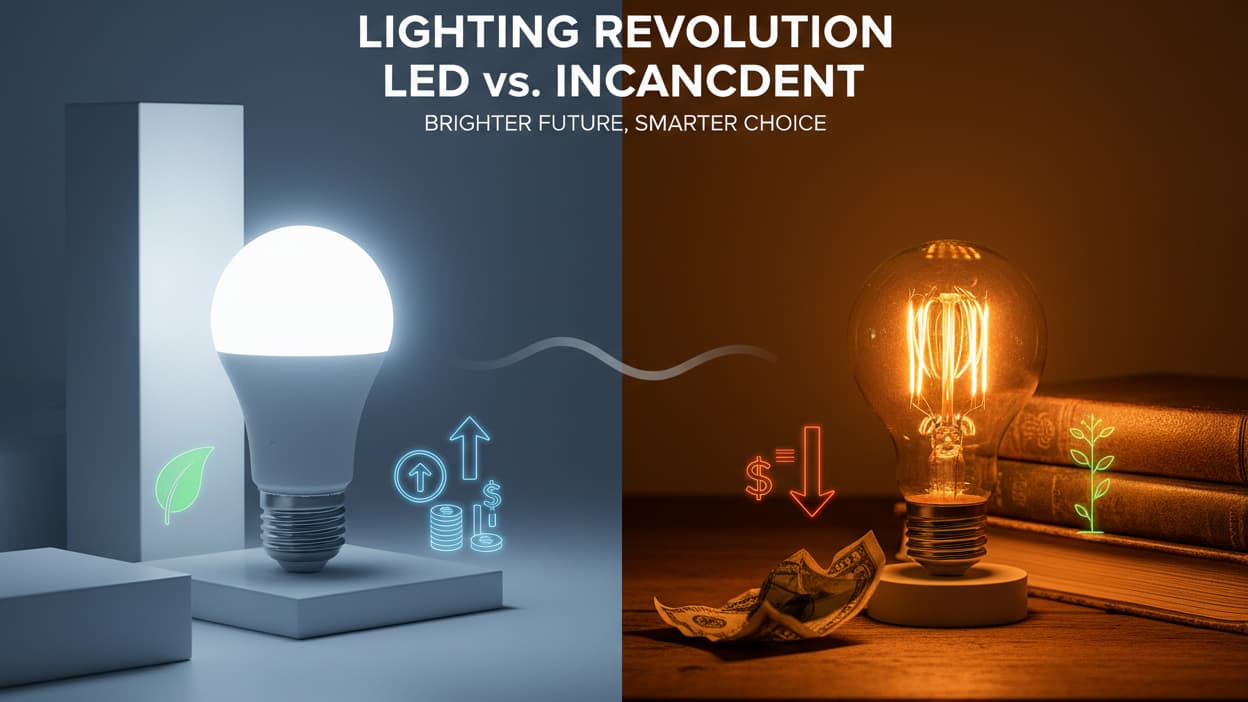
A standard 60-watt incandescent bulb uses – you guessed it – 60 watts of electricity. An LED bulb producing the same amount of light? Just 8-12 watts. That's about 80-85% less energy for the exact same brightness.
Let's put real numbers to this. Say you run a bulb for 5 hours daily at an average US electricity rate of $0.13 per kWh:
- Incandescent (60W): Costs about $14.20 per year to operate
- LED (10W): Costs about $2.37 per year to operate
That's nearly $12 in annual savings per bulb. Multiply that across every light fixture in your home or business, and you're talking serious money.

Lifespan: The Game Changer
Here's where LEDs really pull ahead. An incandescent bulb lasts roughly 1,000 hours. If you use it 5 hours daily, that's about 200 days – not even a full year. An LED bulb? Typically rated for 25,000 to 50,000 hours. That same 5-hour daily usage means 13 to 27 years of service.
Think about that. You could install an LED bulb today and potentially never replace it again in your current home.
The 10-Year Total Cost Comparison
Over a 10-year period with 5 hours of daily use:
Incandescent:
- Bulbs needed: ~18 replacements at $2 each = $36
- Energy costs: $142 per year × 10 = $1,420
- Total: $1,456
LED:
- Bulbs needed: 1 bulb at $12 = $12
- Energy costs: $23.70 per year × 10 = $237
- Total: $249
That's a savings of over $1,200 per bulb over 10 years. For a typical home with 40 light fixtures, we're talking about nearly $50,000 in savings.
Beyond the Price Tag: Performance Differences That Matter
Heat Output
Ever touched an incandescent bulb after it's been on for a while? That's a mistake you only make once. Incandescent bulbs convert about 90% of their energy into heat, not light. They're basically tiny space heaters that happen to glow.
LEDs stay cool to the touch. This isn't just a safety feature – it means less strain on your air conditioning in summer, fewer fire hazards, and the ability to use them in enclosed fixtures without worry.
Light Quality and Color Options
Incandescent bulbs produce a warm, familiar glow at around 2700K color temperature. Many people love this warm ambiance – it's what we grew up with.
Modern LEDs? They can match that warm glow perfectly, or give you cooler daylight tones (5000K-6500K) for task lighting. You can even get tunable LEDs that adjust color temperature throughout the day, perfect for outdoor applications where you need flexibility.
Instant On vs Warm-Up Time
Incandescent bulbs reach full brightness instantly. Early LED bulbs sometimes took a few seconds to warm up, but modern quality LEDs turn on at full brightness immediately. This is a non-issue with current technology.
Dimming Capability
Incandescent bulbs dim smoothly and predictably. Early LEDs had problems with dimming – flickering, buzzing, or refusing to dim at all. Today's dimmable LEDs work beautifully with most dimmer switches, though you may need to upgrade very old dimmers for best results.

Environmental Impact: The Bigger Picture
If you care about your carbon footprint, this comparison isn't even close.
A single LED bulb, over its lifetime, prevents approximately 1,000 pounds of CO2 emissions compared to incandescent bulbs. That's equivalent to driving about 1,000 miles in an average car.
Multiply that across millions of homes and businesses, and we're talking about a massive reduction in energy demand and greenhouse gas emissions. The US Department of Energy estimates that widespread LED adoption could save about 348 TWh of electricity by 2027 – that's the annual output of 44 large power plants.
Plus, fewer bulb replacements mean less waste in landfills. Those 18 incandescent bulbs you'd throw away over 10 years? With LEDs, that's just one bulb, maybe two.
Real-World Applications: Where Each Type Shines
Best Uses for LED Lighting
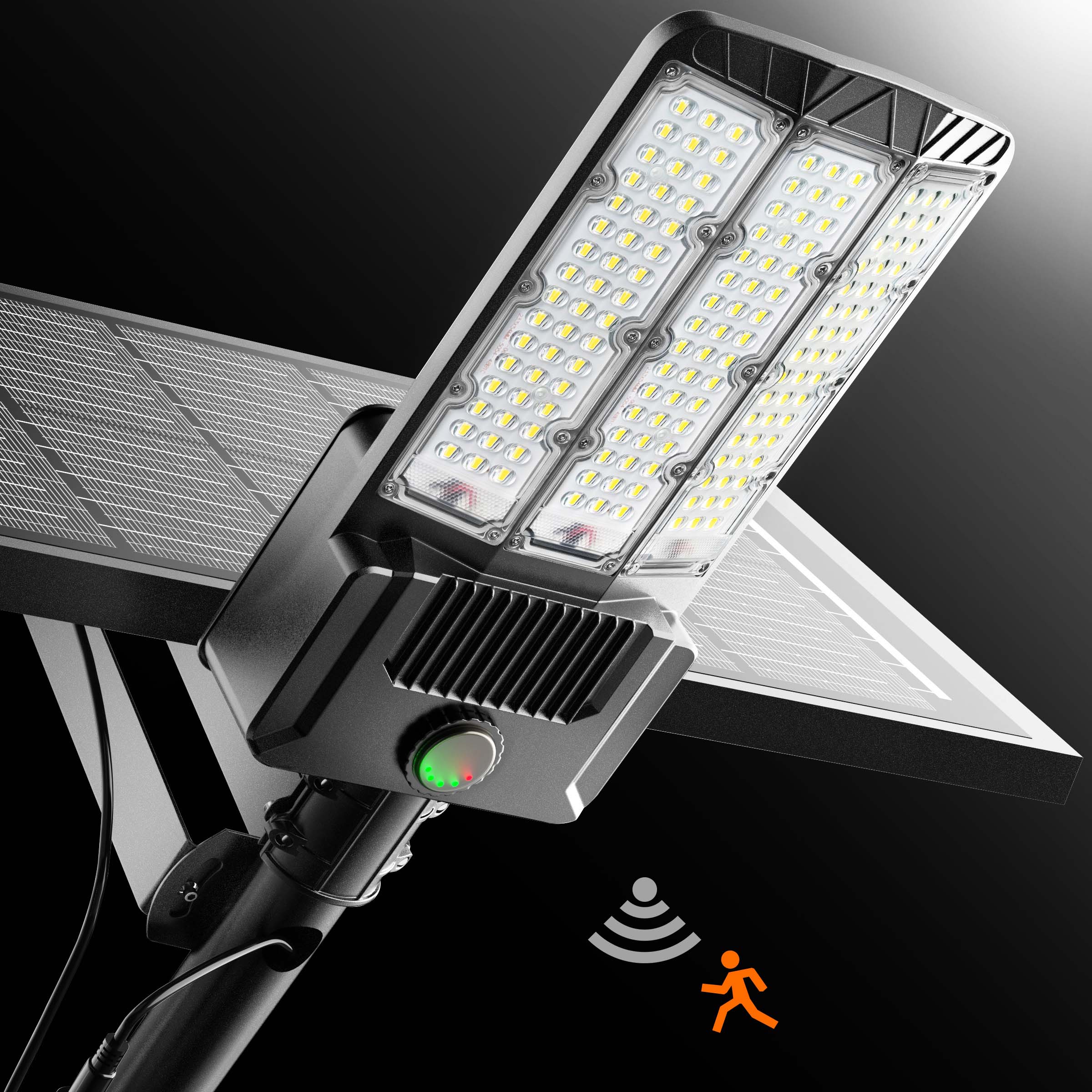
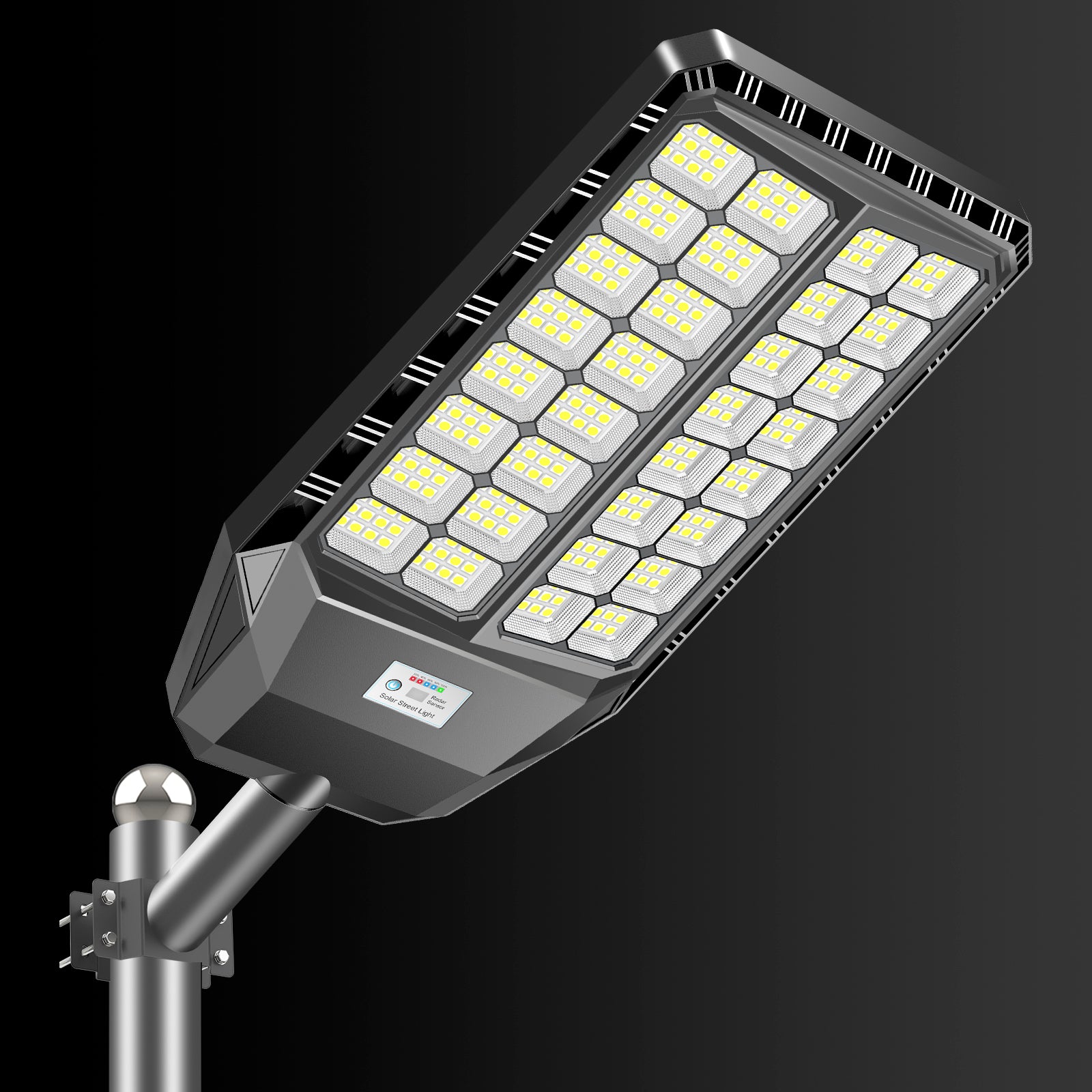
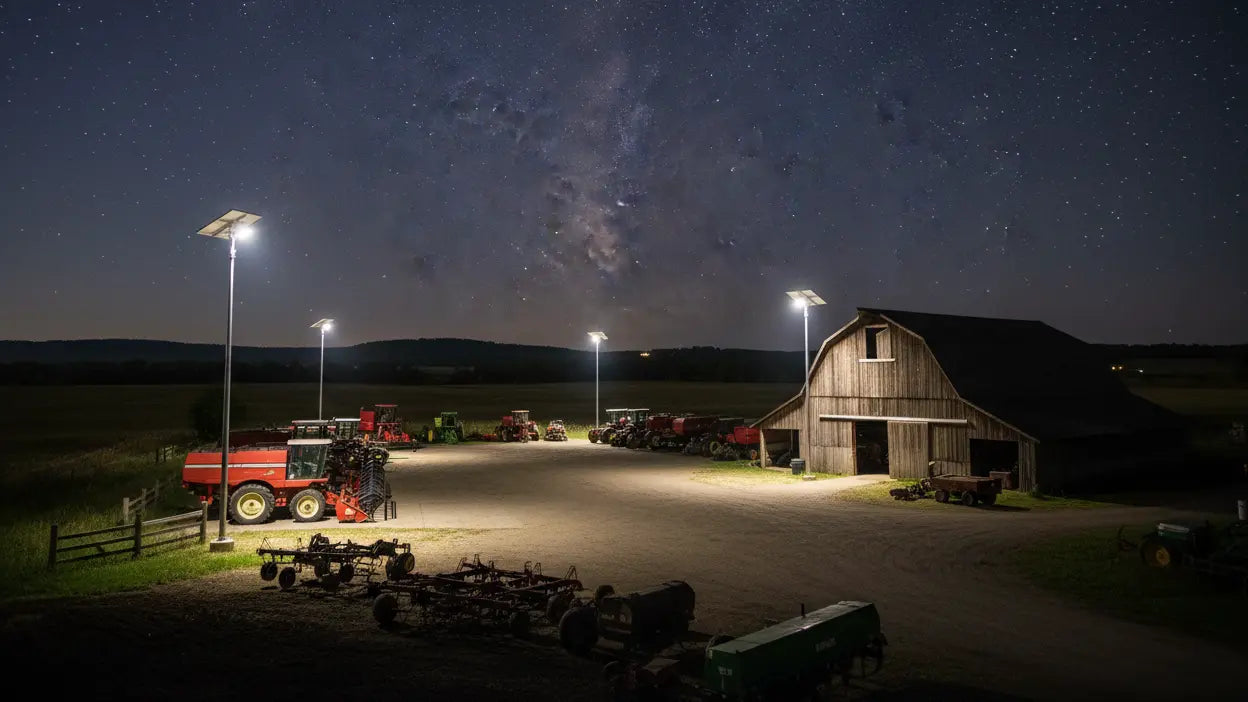
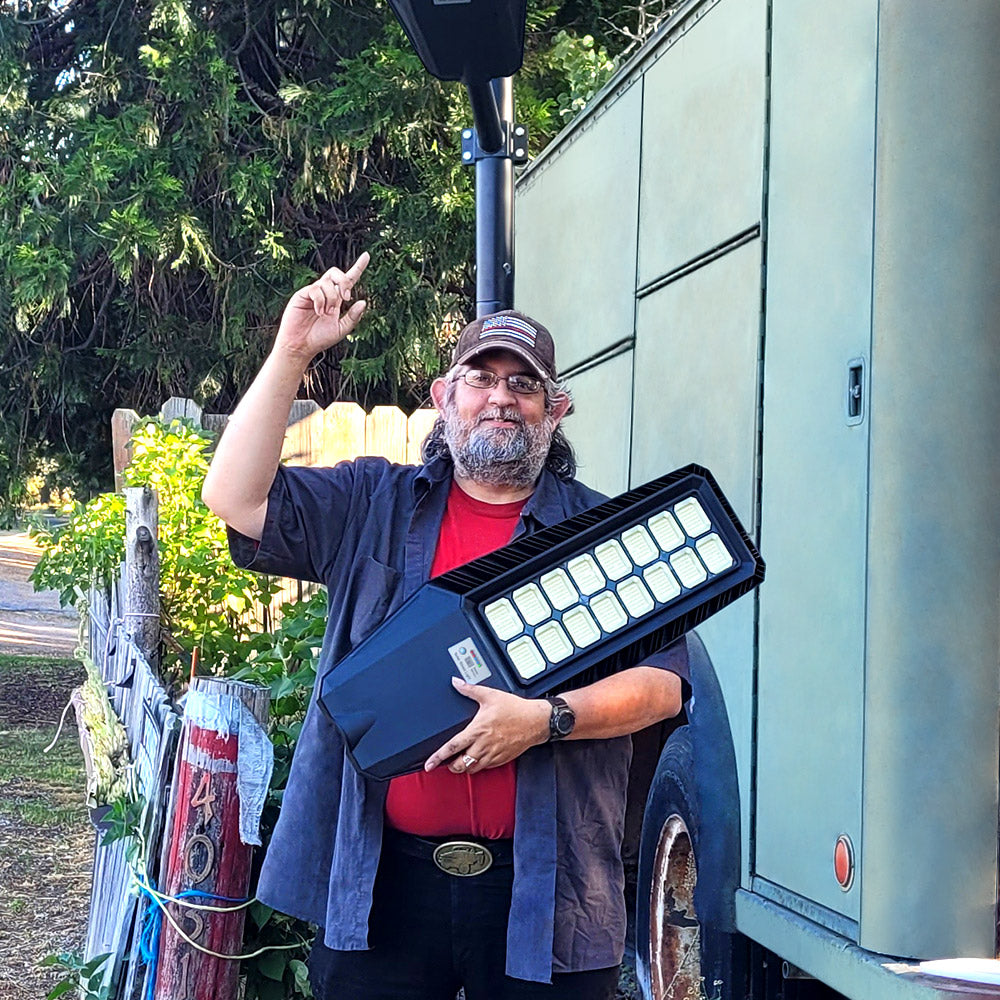
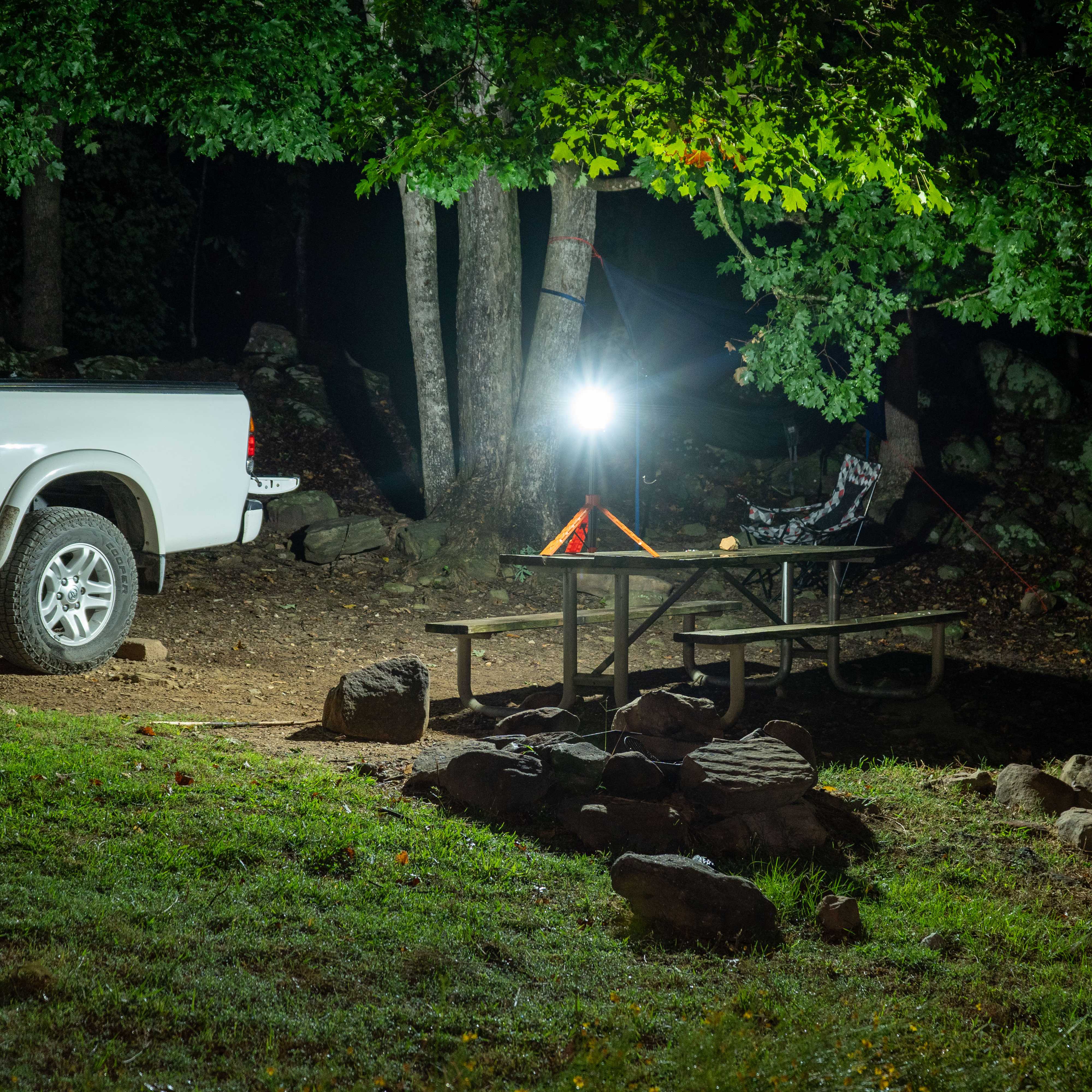
Outdoor Street Lighting: LEDs excel here. They handle temperature extremes, last for years without replacement, and deliver powerful illumination efficiently. Our Hykoont TW030 Solar Street Light ($142) produces an impressive 42,000 lumens while running entirely on solar power, perfect for illuminating streets, parking lots, or large outdoor areas.

Always-On Locations: Hallways, outdoor security lights, commercial spaces – anywhere lights run for extended periods. The energy savings compound quickly.
Hard-to-Reach Fixtures: Cathedral ceilings, outdoor pole lights, recessed cans – places where changing bulbs is a hassle. Install an LED once and forget about it for years.
Solar-Powered Applications: LEDs' low power consumption makes them ideal for solar lighting.
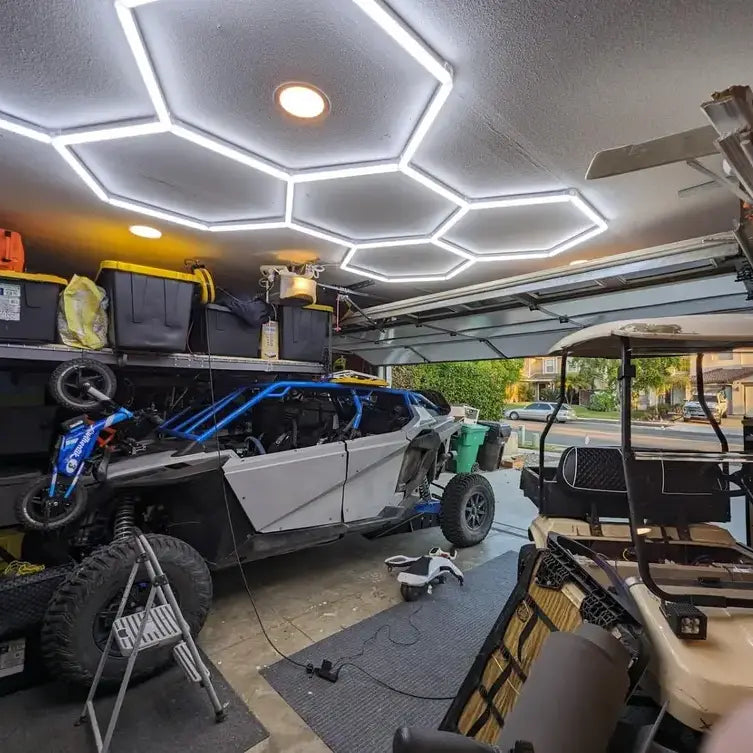
Task Lighting: Workshops, kitchens, offices – anywhere you need bright, focused light without heat buildup. Our Hykoont LED Hexagon Garage Lights ($99) deliver 47,840 lumens with a unique modular design, perfect for garages and workshops where you need serious illumination.

Where Incandescent Might Still Make Sense
Honestly? There aren't many scenarios where incandescent bulbs are the better choice anymore. But here are a few edge cases:
Specialty Applications: Some appliances (ovens, refrigerators) require specific bulb types that may not have LED equivalents yet.
Very Infrequent Use: A storage closet you open twice a year? The energy savings won't offset the LED's higher upfront cost in your lifetime. But even here, the convenience of not replacing bulbs might tip the scales toward LED.
Specific Aesthetic Requirements: Some people prefer the exact quality of incandescent light for certain applications, though modern high-CRI LEDs come remarkably close.
Making the Switch: Practical Considerations
Choosing the Right LED Brightness
Forget watts – that's a measure of energy consumption, not brightness. Look at lumens instead:
- 40W incandescent = 450 lumens = 6-8W LED
- 60W incandescent = 800 lumens = 8-12W LED
- 75W incandescent = 1,100 lumens = 13-15W LED
- 100W incandescent = 1,600 lumens = 16-20W LED
Color Temperature Selection
- 2700K-3000K (Warm White): Matches incandescent bulbs, great for living spaces, bedrooms, dining areas
- 3500K-4100K (Neutral White): Good for kitchens, bathrooms, offices
- 5000K-6500K (Daylight): Ideal for task lighting, garages, workshops, security lighting
Understanding CRI (Color Rendering Index)
CRI measures how accurately colors appear under a light source. Incandescent bulbs score nearly perfect at 100 CRI. Cheap LEDs might score 70-80, making colors look washed out. Quality LEDs score 90+ CRI, rendering colors just as accurately as incandescent.
For most applications, 80+ CRI is fine. For areas where color accuracy matters (art studios, retail displays, makeup application), look for 90+ CRI.
Compatibility Checks
Before buying LEDs, verify:
- Base type: E26 (standard), E12 (candelabra), GU10 (twist-lock), etc.
- Dimmer compatibility: If using dimmers, ensure the LED is rated as dimmable
- Enclosed fixture rating: Some LEDs aren't rated for fully enclosed fixtures due to heat concerns
- Three-way capability: If you have three-way lamps, you need specific three-way LEDs

Common Myths and Misconceptions
"LED Light Looks Cold and Harsh"
This was true 10 years ago. Modern LEDs are available in the same warm color temperatures as incandescent bulbs. If you buy a 2700K LED, you won't be able to tell the difference from an incandescent in terms of color.
"LEDs Don't Work with Dimmers"
Early LEDs had dimming issues. Today's dimmable LEDs work great with most modern dimmers. You may need to replace very old dimmer switches, but that's a one-time $15 fix.
"LEDs Contain Dangerous Mercury"
You're thinking of CFLs (compact fluorescent bulbs). LEDs contain no mercury or other hazardous materials. They're completely safe to use and dispose of.
"The Blue Light from LEDs Is Harmful"
LEDs emit no more blue light than daylight or incandescent bulbs at the same color temperature. If you're concerned about blue light before bed, choose warm white (2700K) LEDs for bedrooms, just as you would with any light source.
"LEDs Are Too Expensive"
The upfront cost is higher, but the total cost of ownership is dramatically lower. Even if an LED costs 10 times more than an incandescent, it lasts 25-50 times longer and uses 80% less energy. The math isn't even close.
Special Considerations for Commercial and Outdoor Applications
For businesses and outdoor lighting, the LED advantage becomes even more pronounced.
Maintenance Cost Reduction
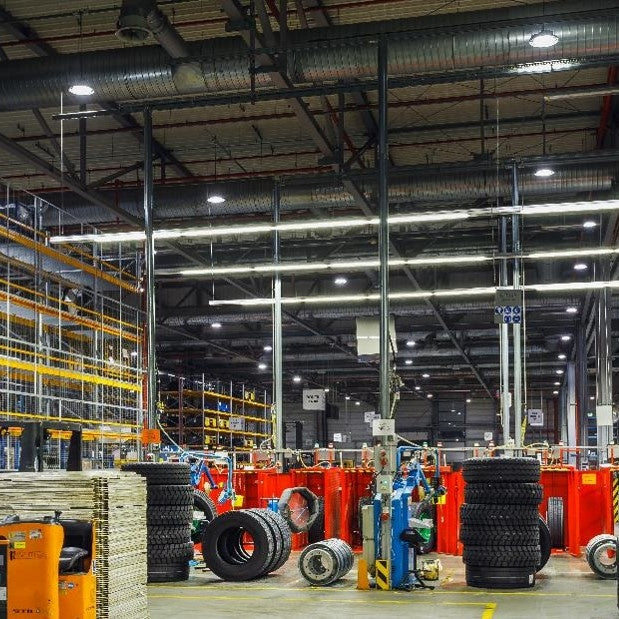
In commercial settings, labor costs for bulb replacement often exceed the bulb cost itself. A maintenance worker spending an hour replacing bulbs in a warehouse or parking lot might cost $50-100 in labor. With LEDs lasting 25 times longer, you're reducing maintenance calls by 96%.
Reduced HVAC Costs
In commercial spaces with significant lighting loads, the heat from incandescent bulbs adds measurable strain to air conditioning systems. LEDs' minimal heat output can reduce cooling costs by 10-20% in lighting-intensive environments.
Improved Safety and Visibility
LEDs provide instant full brightness, crucial for security lighting. They also maintain consistent output throughout their life, unlike incandescent bulbs that dim significantly as they age.
For large-scale outdoor applications, consider commercial-grade solutions like our Hykoont SZ300 Commercial Solar Street Light ($145), which delivers 60,000 lumens with a 400W monocrystalline solar panel and die-cast aluminum construction for maximum durability.

The Future of Lighting Technology
LED technology continues to improve. Current trends include:
Smart Integration: LEDs work seamlessly with smart home systems, offering remote control, scheduling, and automation that incandescent bulbs simply can't match.
Tunable White Technology: LEDs that adjust color temperature throughout the day to match natural circadian rhythms, potentially improving sleep and productivity.
Improved Efficiency: Today's LEDs are already 80-85% more efficient than incandescent bulbs. Next-generation LEDs promise even greater efficiency gains.
Lower Costs: As LED technology matures and production scales up, prices continue to drop while quality improves.
Meanwhile, incandescent technology has reached its ceiling. There's nowhere left to go – the basic design hasn't changed in over a century because it's fundamentally limited by physics.
Making Your Decision: A Simple Framework
Here's how to think about your lighting choice:
Choose LED if:
- The light will be used regularly (more than a few hours per week)
- The fixture is difficult to access
- You want to reduce energy bills
- You care about environmental impact
- You need specific color temperatures or smart features
- Heat buildup is a concern
Choose incandescent if:
- You need a specialty bulb with no LED equivalent
- The fixture is used less than 10 hours per year
- You have a specific aesthetic requirement that only incandescent can meet
For 95% of applications, LED is the clear winner.
Taking Action: Your Next Steps
Ready to make the switch? Here's a practical approach:
Phase 1 – High-Impact Areas: Start with lights that run the most hours. Outdoor security lights, hallway lights, kitchen lights – these deliver the fastest payback.
Phase 2 – Hard-to-Reach Fixtures: Replace bulbs in cathedral ceilings, outdoor pole lights, and other difficult locations. The convenience factor alone justifies the switch.
Phase 3 – Everything Else: As remaining incandescent bulbs burn out, replace them with LEDs. No need to throw away working bulbs, but don't buy new incandescent bulbs either.
For outdoor applications, explore our complete range of LED solutions designed for durability and efficiency. Whether you need flood lighting for security, street lighting for parking lots, or solar-powered solutions for off-grid locations, modern LED technology delivers superior performance at a lower total cost.
Frequently Asked Questions
How long do LED bulbs really last?
Quality LED bulbs are rated for 25,000 to 50,000 hours of use. At 5 hours per day, that's 13 to 27 years. In practice, you'll likely see 10-20 years of service from a good LED bulb. Cheap LEDs may fail sooner, so buy from reputable manufacturers.
Can I use LED bulbs in enclosed fixtures?
Many LEDs are rated for enclosed fixtures, but not all. Check the packaging – it will specifically state if the bulb is approved for enclosed fixtures. LEDs need some airflow to dissipate heat, so enclosed-fixture-rated LEDs use special designs to handle the heat buildup.
Why do some LED bulbs flicker?
Flickering usually indicates incompatibility with dimmer switches or poor-quality LED drivers. If you're using a dimmer, make sure both the dimmer and the LED are rated for dimming. If flickering occurs without a dimmer, the LED may be defective or incompatible with your electrical system.
Are LED bulbs worth it for lights I rarely use?
For lights used less than 10 hours per year, the energy savings won't offset the higher upfront cost in your lifetime. However, the convenience of not replacing bulbs for decades might still make LEDs worthwhile. It's a personal choice at that point.
Do LED bulbs work in cold weather?
LEDs actually perform better in cold weather than incandescent bulbs. They turn on instantly even in freezing temperatures and maintain full brightness. Incandescent bulbs can be sluggish in extreme cold.
Can I mix LED and incandescent bulbs in the same fixture?
Technically yes, but it's not ideal. The different color temperatures and light quality may look mismatched. If you're replacing bulbs in a multi-bulb fixture, replace them all at once for consistent appearance.
What does "equivalent wattage" mean on LED packaging?
It's a reference to help you choose the right brightness. A "60W equivalent" LED produces the same amount of light (lumens) as a 60W incandescent bulb, but uses only 8-12 watts to do it. Focus on lumens for actual brightness, not watts.
Are there any health concerns with LED lighting?
LED lighting is safe for general use. Some studies suggest that blue-rich light (cool white LEDs) before bedtime may affect sleep, but this is true of any light source with blue wavelengths, including daylight and screens. Use warm white LEDs (2700K) in bedrooms if you're concerned.
How much money will I actually save by switching to LED?
For a typical home with 40 light fixtures, switching from incandescent to LED can save $400-600 per year in electricity costs, plus the cost of replacement bulbs. Over 10 years, that's $4,000-6,000 in savings, minus the upfront cost of the LED bulbs (typically $300-500 for the whole house).
What should I do with old incandescent bulbs?
Incandescent bulbs can go in regular trash – they contain no hazardous materials. However, some recycling centers accept them for glass recycling. Don't confuse them with CFLs, which do contain mercury and require special disposal.
The Bottom Line
The LED versus incandescent debate is essentially over. LEDs win on virtually every metric: energy efficiency, lifespan, total cost of ownership, environmental impact, and versatility. The technology has matured to the point where there's no meaningful sacrifice in light quality, and the cost savings are undeniable.
The question isn't whether to switch to LED – it's how quickly you can make the transition. Every day you run an incandescent bulb is money literally burning away as heat.
Start with your most-used lights, work your way through hard-to-reach fixtures, and replace the rest as they burn out. Your wallet and the planet will thank you.
Ready to upgrade your lighting? Explore our range of high-efficiency LED solutions designed for residential and commercial applications. From compact solar flood lights to large-scale street lighting, we offer proven technology backed by real-world performance and industry-leading warranties.
Shop Solar LED Flood Lights | Explore Solar Street Lights | View LED Garage Lighting


Leave a comment
This site is protected by hCaptcha and the hCaptcha Privacy Policy and Terms of Service apply.