


The Real Story Behind Off-Grid Solar Area Lighting
Picture this: You're standing in your backyard at dusk, watching the sun dip below the horizon. Within minutes, your entire property lights up—no switches flipped, no electricity bill climbing, no trenches dug for wiring. That's the reality thousands of American property owners are experiencing with off-grid solar area lighting.
I've talked to ranch owners in Texas, parking lot managers in California, and homeowners in rural Pennsylvania. They all tell me the same thing: going off-grid with solar lighting wasn't just about saving money. It was about freedom.
What Makes Off-Grid Solar Area Lighting Different?
Let's clear something up right away. Off-grid solar area lighting isn't your neighbor's decorative garden stakes. We're talking about serious illumination systems that can light up commercial parking lots, residential driveways, farm perimeters, and everything in between—completely independent from the power grid.
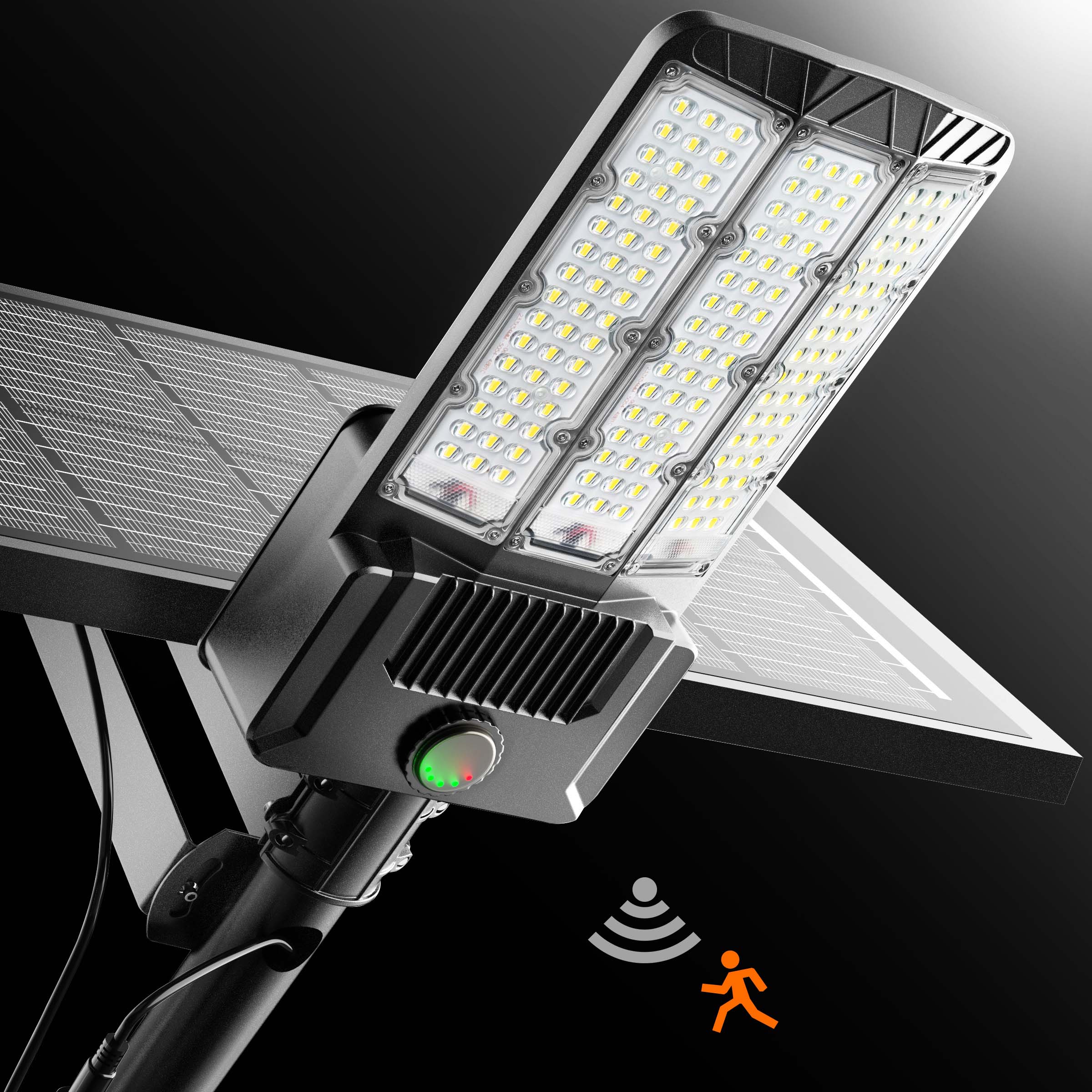
The technology combines three core components: high-efficiency solar panels that harvest sunlight during the day, lithium batteries that store that energy, and LED fixtures that deliver powerful, consistent light throughout the night. No connection to your electrical panel. No monthly utility charges. No dependence on infrastructure that might fail during storms.

The Economics That Actually Matter
Here's where things get interesting. A traditional grid-tied area light installation might cost you $3,000-$8,000 per pole when you factor in trenching, electrical work, permits, and labor. Then you're paying $15-$40 monthly per light in electricity costs.
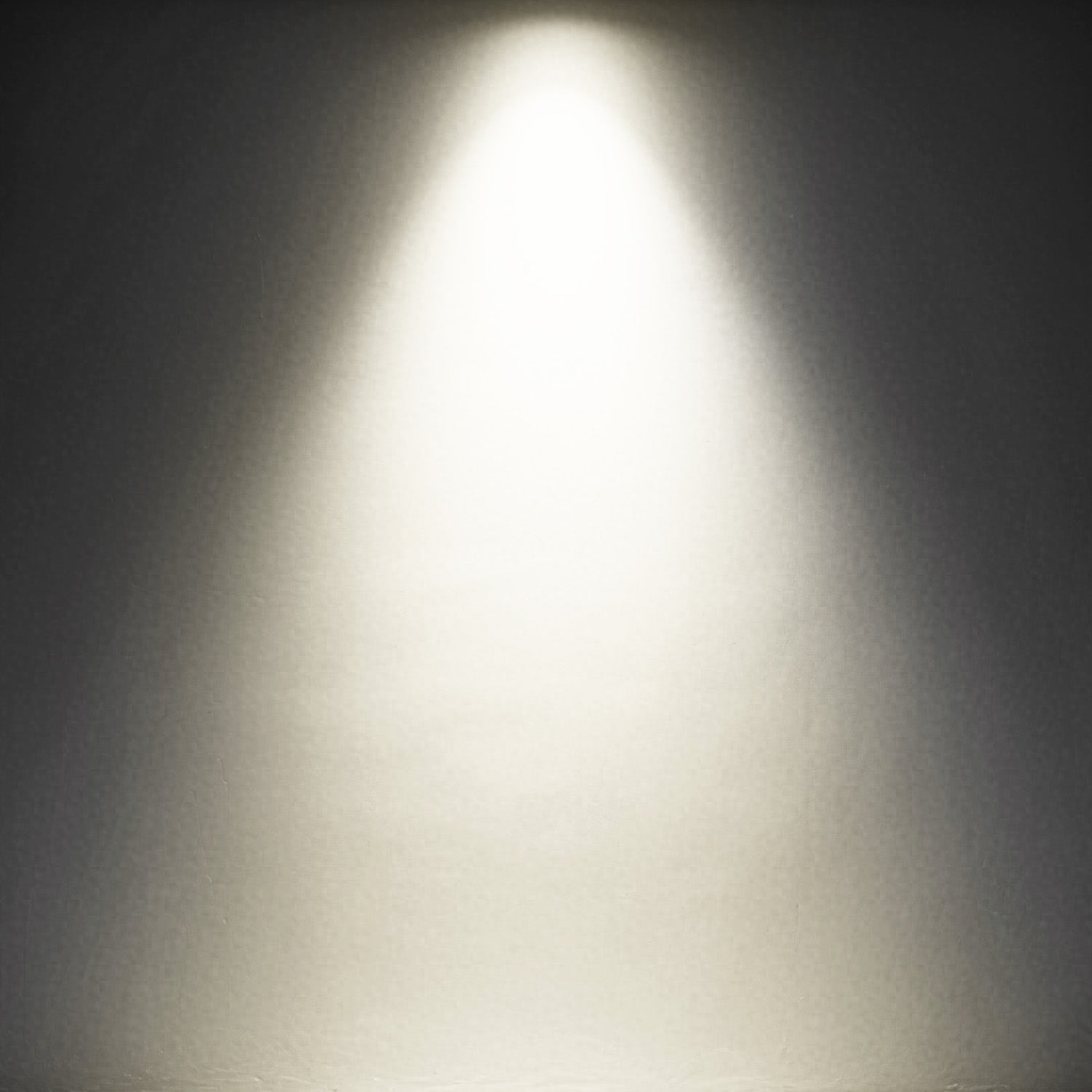
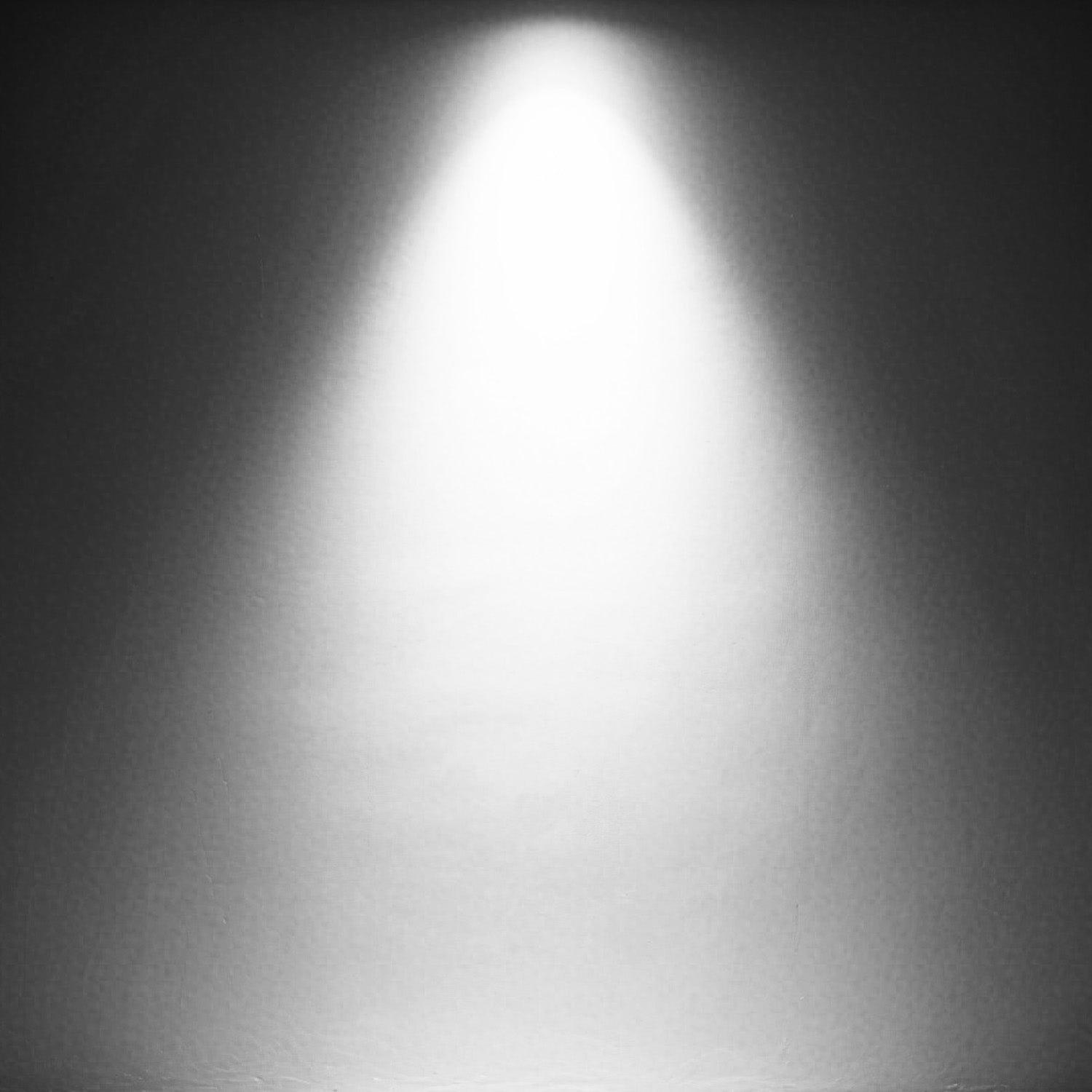
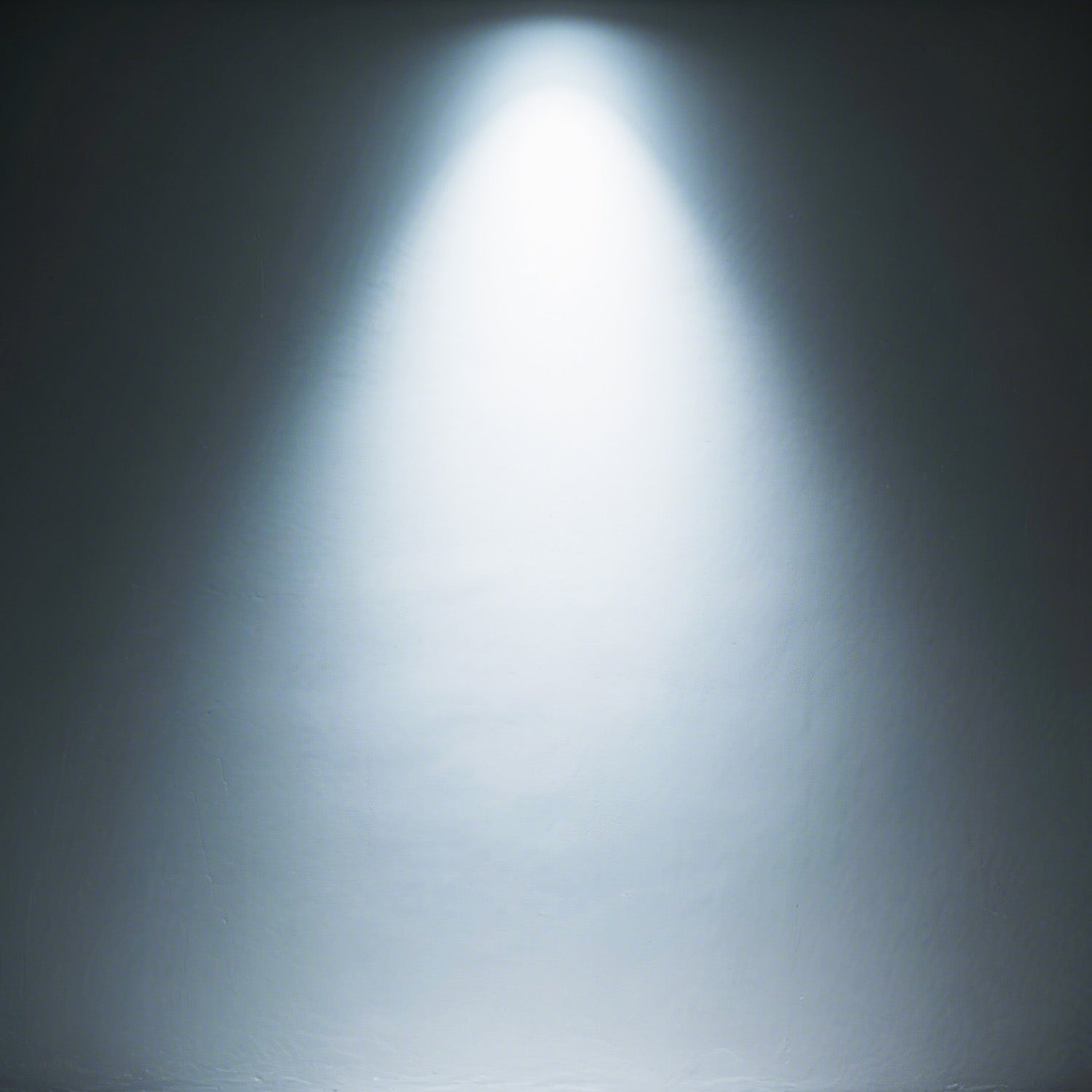
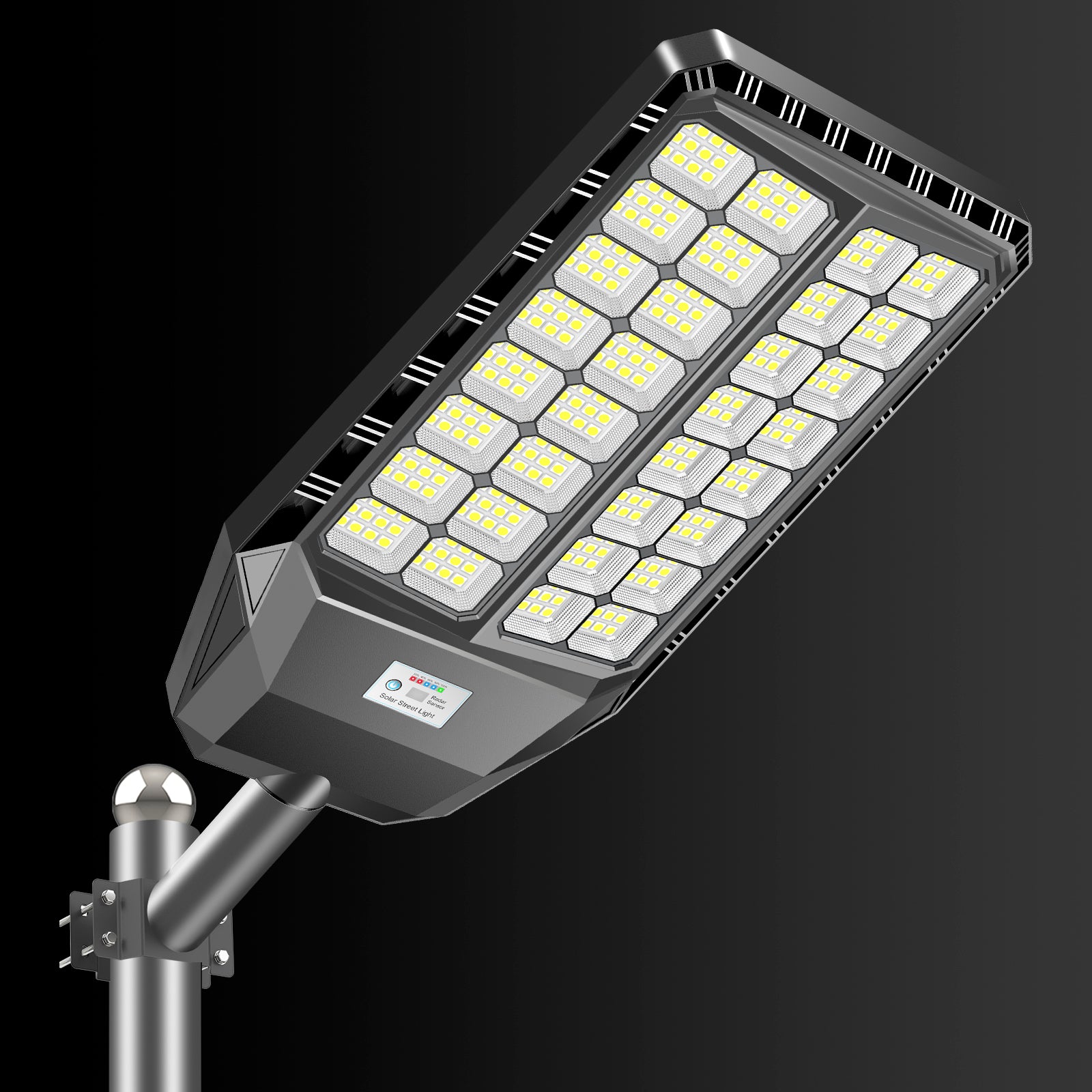
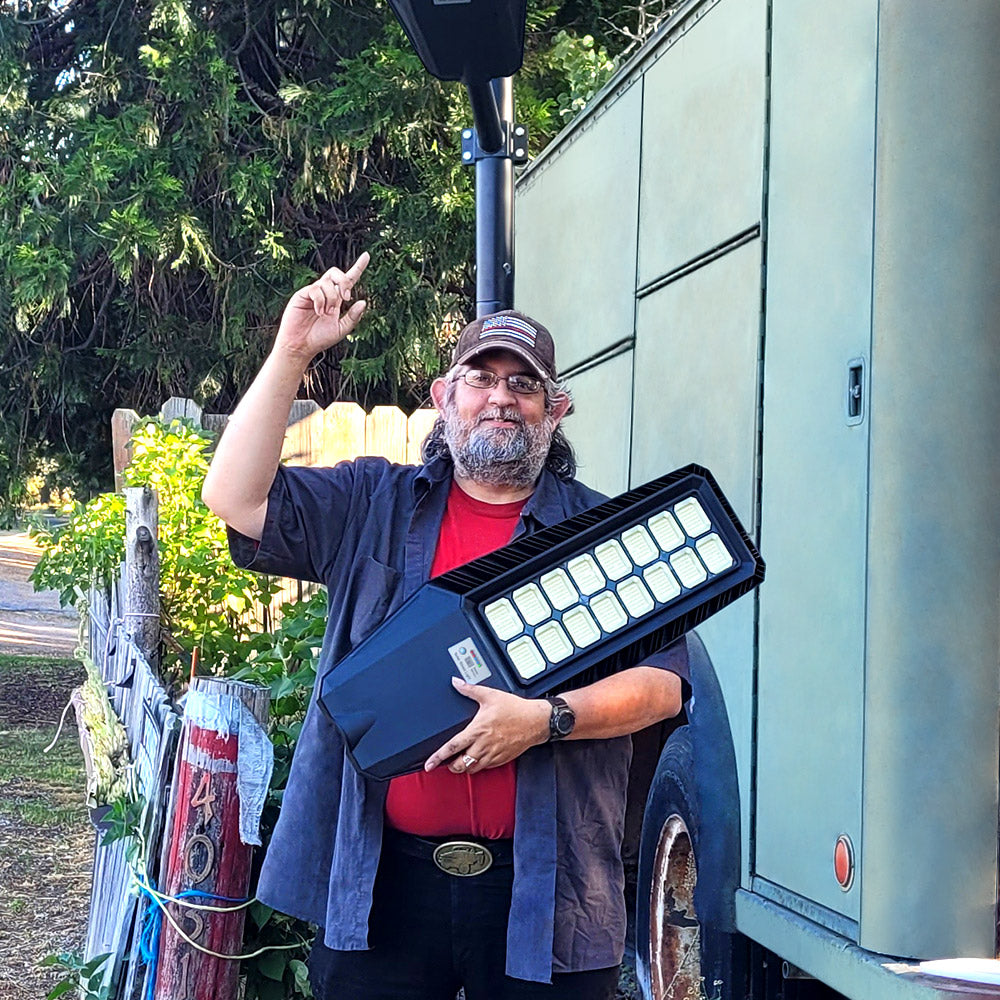
Compare that to a system like the Hykoont SZ300 Commercial Solar Street Light at $145. Yes, you read that right. This 400W powerhouse delivers 60,000 lumens—enough to illuminate a large parking area or street section—with zero installation electrical costs and zero ongoing electricity bills.
Let's do the math on a typical scenario. Say you need to light a 200-foot driveway with three light poles:
- Traditional grid-tied approach: $12,000-$24,000 installation + $540-$1,440 annually in electricity = $17,400-$31,200 over five years
- Off-grid solar approach: $435-$537 for three quality solar lights + $0 in electricity = $435-$537 total over five years
The payback isn't measured in years. It's immediate.
Real-World Performance: What 60,000 Lumens Actually Looks Like
Numbers on a spec sheet don't tell you much. So let me paint a picture.
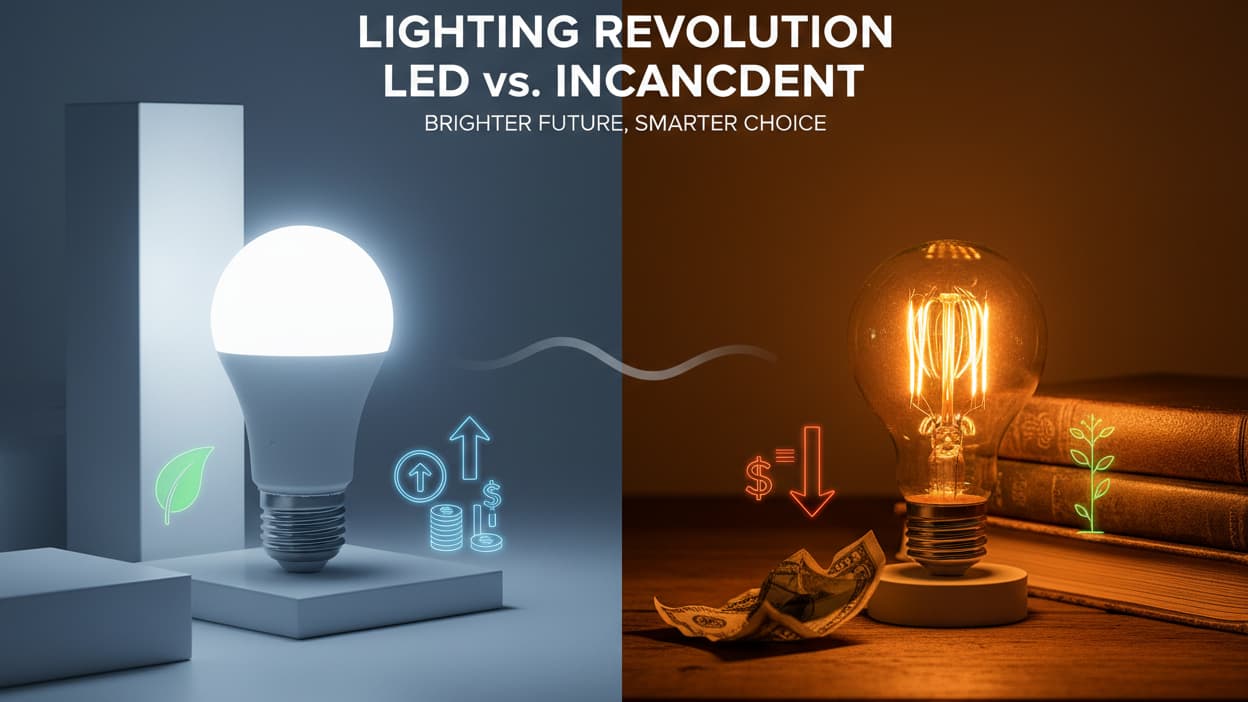
The SZ300 I mentioned earlier puts out 60,000 lumens. That's roughly equivalent to six traditional 100-watt incandescent bulbs, but concentrated and directed where you actually need it. In practical terms, one SZ300 can effectively illuminate:
- A 40x40 foot parking area with clear visibility for security cameras
- 150-200 feet of residential driveway with comfortable walking light levels
- A small commercial loading dock with adequate task lighting
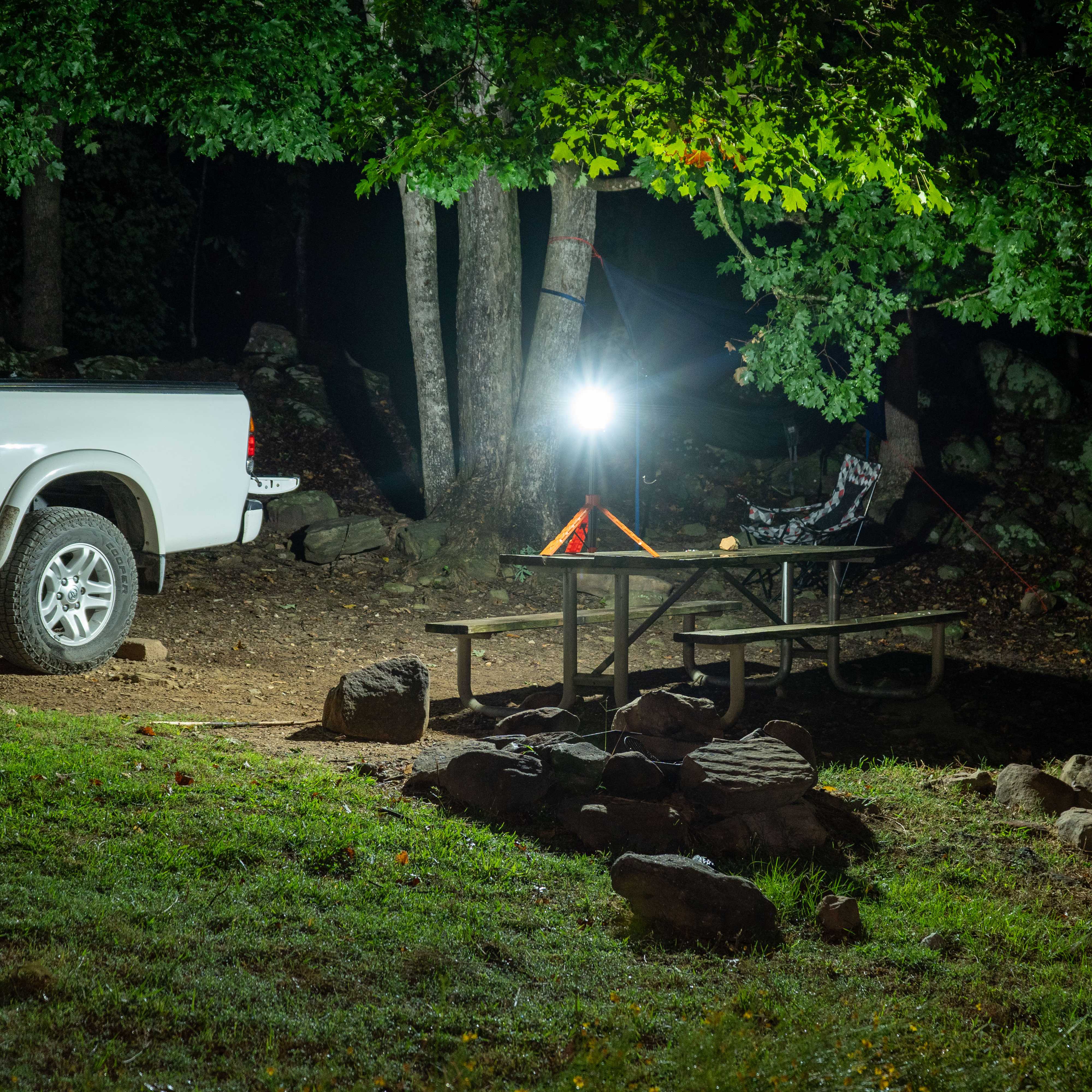
- Farm equipment areas where you need to work safely after dark
For smaller applications, the Hykoont TW030 300W Solar Street Light ($142) delivers 42,000 lumens—perfect for residential driveways, pathways, or smaller commercial spaces. The beauty of these systems is their modularity. Need more light? Add another unit. No electrician required.

Installation Reality Check: What Nobody Tells You
I'm going to be straight with you. Solar area lighting installation is easier than grid-tied, but it's not foolproof. Here's what actually matters:
Pole Placement and Solar Access
Your solar panel needs unobstructed southern exposure (in the Northern Hemisphere). That tree that provides nice afternoon shade? It's your solar panel's enemy. Before you buy anything, spend a day observing your proposed installation site. Note where shadows fall throughout the day, especially during winter months when the sun sits lower in the sky.
Mounting Height and Light Distribution
Most people mount area lights too low. For optimal coverage, you want your fixture 15-20 feet high for residential applications, 20-30 feet for commercial spaces. The Hykoont BD006 Solar Street Light ($179) works beautifully at these heights, with its adjustable mounting bracket allowing you to fine-tune the light angle after installation.
The Foundation Nobody Thinks About
Your pole needs a solid foundation. For a 20-foot pole with a solar light, you're looking at a concrete footing roughly 18 inches in diameter and 36 inches deep. In areas with freeze-thaw cycles, go deeper—below your frost line. This isn't optional. I've seen beautiful installations topple during the first windstorm because someone skimped on the foundation.
Battery Performance: The Truth About Rainy Weeks
Here's the question everyone asks: "What happens during a week of cloudy weather?"
Modern lithium battery systems in quality solar lights store enough energy for 3-5 nights of operation on a full charge. During cloudy periods, the panels still generate power—just less of it. In most U.S. climates, you'll see reduced brightness rather than complete darkness.
The intelligent controllers in systems like the TW030 and SZ300 automatically adjust brightness based on battery levels. If the battery drops below a certain threshold, the light dims to extend runtime rather than shutting off completely. It's smarter than it sounds.
For areas with extended cloudy periods (I'm looking at you, Pacific Northwest), consider oversizing your system. Instead of a 300W light, go with the 400W SZ300. The larger solar panel and battery capacity provide more buffer during low-sun periods.
Comparing Your Options: Which System Makes Sense?
Let's break down the main categories:
High-Output Commercial Systems (300W-400W)
Best for: Parking lots, streets, large driveways, commercial properties, farms
The SZ300 at $145 represents incredible value in this category. With 60,000 lumens and die-cast aluminum construction, it's built for harsh weather and high-demand applications. The mono-crystalline solar panel charges efficiently even in partial sun conditions.
The TW030 at $142 offers similar performance with 42,000 lumens in a slightly different form factor. Some users prefer its wider light distribution pattern for parking areas.

Mid-Range Residential Systems (160W-200W)
Best for: Residential driveways, pathways, small parking areas, security lighting
The Hykoont BM024 2-pack at $199 gives you two 160W lights delivering 21,600 lumens each. This is the sweet spot for most residential applications—enough light for safety and security without overwhelming your neighbors.
Premium All-Weather Systems
Best for: Coastal areas, extreme weather zones, high-end installations
The BD006 at $179 features enhanced weather sealing and corrosion-resistant alloy construction. If you're within 10 miles of saltwater or in an area with severe weather, the extra $34 over the SZ300 is money well spent.
The Maintenance Schedule You Actually Need
One of solar lighting's biggest advantages is low maintenance. But "low" doesn't mean "zero." Here's what actually works:
Monthly (5 minutes)
- Visual inspection from ground level—is the light functioning normally?
- Check for obvious debris on the solar panel
Quarterly (15 minutes)
- Clean the solar panel with water and a soft cloth
- Check mounting hardware for tightness
- Verify the light sensor is functioning (cover it briefly—light should turn on)
Annually (30 minutes)
- Thorough cleaning of solar panel and light fixture
- Inspect all wiring connections
- Check pole stability and foundation
- Test battery performance (note how long the light runs on a full charge)
That's it. Compare that to grid-tied lights where you're replacing bulbs, dealing with electrical issues, and paying monthly bills.
Common Mistakes That Cost People Money
After helping dozens of people with their solar lighting projects, I've seen the same mistakes repeatedly:
Mistake #1: Buying Based on Price Alone
That $40 solar light on Amazon might seem tempting. It'll also give you about 800 lumens (barely enough to see your feet) and die within a year. Quality solar area lights start around $140-$180 for good reason—they use real lithium batteries, efficient solar panels, and weatherproof construction.
Mistake #2: Ignoring Local Climate
A system that works great in Arizona might struggle in Maine. Consider your average daily sun hours. The U.S. ranges from about 3.5 hours in the Pacific Northwest to 6+ hours in the Southwest. If you're in a lower-sun area, oversize your system by one tier.
Mistake #3: Poor Pole Selection
Your light is only as good as what it's mounted on. A wobbly pole or one that's too short undermines even the best solar light. Invest in a proper galvanized steel pole rated for your light's weight plus wind load.
Mistake #4: Forgetting About Light Pollution
More light isn't always better. Overlighting creates glare, bothers neighbors, and wastes energy. Position lights to illuminate your property, not the night sky or your neighbor's bedroom window.

Advanced Applications: Beyond Basic Lighting
Once you understand the basics, off-grid solar lighting opens up creative possibilities:
Perimeter Security Systems
Combine solar area lights with motion-activated cameras. The constant illumination provides baseline security footage quality, while the lights themselves deter casual trespassers. No trenching for power means you can place lights exactly where your security plan demands.
Agricultural Applications
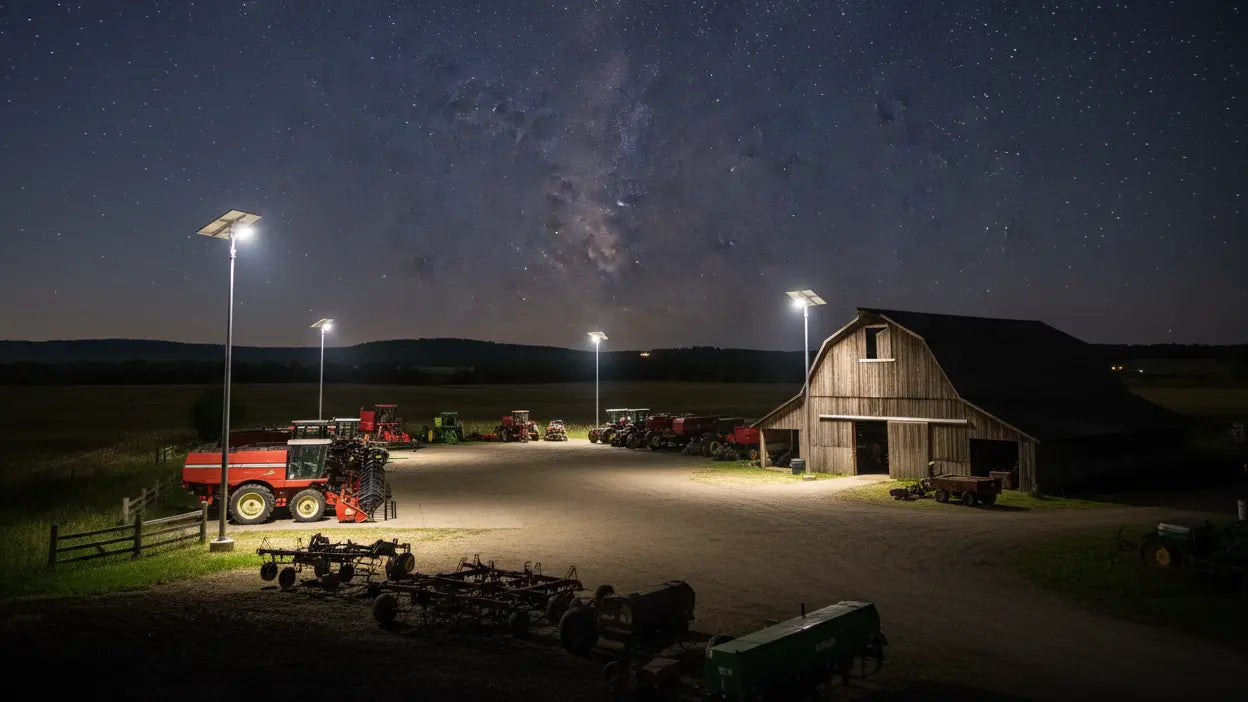
Farmers are using high-output solar lights for everything from equipment yards to livestock areas. The SZ300's 60,000 lumens can light a barn entrance or equipment storage area where running electrical service would cost thousands.
Emergency Preparedness
When the grid goes down, your solar lights keep working. I know several people who installed solar area lighting specifically for this reason. During the Texas freeze of 2021, properties with solar lighting maintained illumination while grid-tied neighbors sat in darkness.
Remote Property Development
Building a cabin or workshop on undeveloped land? Solar area lighting lets you have functional illumination before electrical service is even available. It's not temporary—it's permanent infrastructure that costs nothing to operate.
The Environmental Angle (That Actually Matters)
I'm not going to preach about saving the planet. But the numbers are worth knowing.
A typical grid-tied area light consumes about 150-200 watts and runs roughly 12 hours per night. That's 1.8-2.4 kWh daily, or 657-876 kWh annually. At the U.S. average of $0.14 per kWh, you're paying $92-$123 per year per light.
Over a 10-year lifespan, one solar light eliminates 6,570-8,760 kWh of grid electricity consumption. That's equivalent to:
- Not driving 7,500-10,000 miles in an average car
- Planting 150-200 trees and letting them grow for 10 years
- Keeping 4-5 tons of CO2 out of the atmosphere
If environmental impact matters to you, great. If it doesn't, you're still saving $920-$1,230 per light over that decade.

Troubleshooting: When Things Don't Work Right
Even quality systems occasionally have issues. Here's how to diagnose common problems:
Light Won't Turn On at Night
Check the light sensor—is it covered or dirty? Is the battery switch in the ON position? (Many units ship with the battery disconnected.) Has the battery had at least 2-3 sunny days to charge initially?
Light Dims After a Few Hours
This usually indicates insufficient solar charging. Is the panel shaded during peak sun hours (10 AM - 2 PM)? Is the panel dirty? Has there been a string of cloudy days? The system should recover after a few sunny days.
Light Stays On During Daytime
The light sensor is either faulty or blocked. Clean it first. If that doesn't work, you may need a replacement sensor (usually a $15-$30 part).
Reduced Brightness Over Time
LED degradation is normal but slow—you should see less than 10% reduction over 5 years. If brightness drops significantly faster, check for battery issues. Lithium batteries typically last 5-7 years before needing replacement.
Making the Purchase Decision
Here's my honest recommendation framework:
If you need maximum light output for commercial or large residential applications: Go with the SZ300 at $145. The 60,000 lumens and robust construction justify the investment.
If you're lighting a standard residential driveway or pathway: The TW030 at $142 provides excellent performance at 42,000 lumens with a form factor many find more aesthetically pleasing.
If you need multiple lights for a residential property: The BM024 2-pack at $199 gives you the best per-unit value while delivering solid 21,600-lumen performance from each fixture.
If you're in a harsh weather environment: The BD006 at $179 offers enhanced weather protection and corrosion resistance worth the premium.
Installation Timeline: What to Expect
Let's walk through a realistic installation timeline for a typical residential driveway project:
Day 1 (Planning): Site assessment, measuring, marking pole locations. Order your lights and poles. (2-3 hours)
Day 2-7 (Waiting): Delivery time for lights and poles.
Day 8 (Foundation): Dig holes, set forms, pour concrete. (4-6 hours for 2-3 poles)
Day 9-11 (Curing): Let concrete cure fully. Don't rush this.
Day 12 (Installation): Set poles, mount lights, connect batteries, aim fixtures. (3-4 hours for 2-3 poles)
Day 13-14 (Charging): Let batteries charge fully before first use.
Day 15 (Testing): Verify operation, adjust aiming if needed. (1 hour)
Total active work time: 10-14 hours spread over about two weeks. Compare that to grid-tied installation requiring electricians, permits, inspections, and trenching that can take 4-6 weeks and cost 10-20 times more.

The Future of Off-Grid Solar Lighting
Technology keeps improving. Here's what's coming:
Higher efficiency solar panels: Current panels are about 20-22% efficient. Next-generation panels hitting 25-28% efficiency will mean smaller panels or longer runtime.
Better battery chemistry: Lithium iron phosphate (LiFePO4) batteries are starting to appear in premium solar lights, offering 10+ year lifespans and better cold-weather performance.
Smart controls: Bluetooth and WiFi connectivity for remote monitoring, scheduling, and diagnostics. Some systems already offer this, and it'll become standard.
Adaptive lighting: Motion sensors that increase brightness when activity is detected, saving energy during quiet periods.
The systems available today are already excellent. But if you're the type who likes to wait for the next big thing, you'll be waiting forever while paying electricity bills.
Final Thoughts: Is Off-Grid Solar Area Lighting Right for You?
Off-grid solar area lighting makes sense if:
- You need lighting where running electrical service is expensive or impossible
- You want to eliminate ongoing electricity costs
- You value energy independence and resilience
- You're willing to do basic maintenance (cleaning panels quarterly)
- Your site gets reasonable sun exposure (at least 4-5 hours daily)
It might not be ideal if:
- Your site is heavily shaded all day
- You need absolutely guaranteed 100% uptime (though quality systems come close)
- You're in an area with extremely long periods of overcast weather
- Local regulations prohibit pole-mounted lights (check first)
For most American property owners, off-grid solar area lighting represents a rare combination: lower upfront costs, zero ongoing costs, easier installation, and better reliability than grid-tied alternatives. That's why adoption is accelerating.
The technology has matured. The prices have dropped. The performance is proven. If you've been considering solar area lighting, there's never been a better time to make the switch.
Ready to get started? Check out our complete range of commercial-grade solar area lights or contact us for a free site assessment and recommendation.
Frequently Asked Questions
How long do solar area lights actually last?
Quality solar area lights like the SZ300 and TW030 have LED fixtures rated for 50,000+ hours—that's about 11 years of nightly use. The solar panels typically last 20-25 years with minimal degradation. Batteries are the limiting factor at 5-7 years, but they're replaceable. With proper maintenance, expect 10-15 years of service from the complete system.
Will solar lights work in northern states with less sunlight?
Yes, but you need to size appropriately. States like Washington, Oregon, and Maine average 3.5-4.5 sun hours daily. A 300W system in these areas performs similarly to a 200W system in Arizona. The key is choosing a system with adequate battery capacity for your latitude. The SZ300's large battery bank works well even in northern climates.
What happens to solar lights during winter snow?
Snow on the solar panel stops charging until it melts or you clear it. Most installations position panels at 30-45 degree angles, which helps snow slide off naturally. In heavy snow areas, you may need to brush panels clear after major storms. The lights continue operating on battery power during snow events—they just won't recharge until the panel is clear.
Can I use solar area lights for security purposes?
Absolutely. The consistent illumination from systems like the BD006 (21,600+ lumens) provides excellent security lighting. Unlike motion-activated lights that only turn on when triggered, solar area lights maintain constant illumination, eliminating dark hiding spots. Many users combine them with security cameras for 24/7 surveillance capability.
How bright is 42,000 lumens compared to regular bulbs?
A standard 100W incandescent bulb produces about 1,600 lumens. So 42,000 lumens (like the TW030) equals roughly 26 traditional bulbs. But lumens alone don't tell the whole story—the focused reflector design in area lights directs light where you need it, making them far more effective than the equivalent lumens in omnidirectional bulbs.
Do I need an electrician to install solar area lights?
No. Solar area lights are low-voltage DC systems with no connection to your home's electrical system. Installation involves mounting the pole (concrete work) and assembling the light components (basic hand tools). Most homeowners can handle it themselves or hire a handyman. No electrical permits or licensed electrician required.
What's the difference between the SZ300 and TW030?
The SZ300 delivers higher output (60,000 vs 42,000 lumens) and uses a die-cast aluminum housing for maximum durability. The TW030 offers excellent performance in a slightly more compact form factor that some find more aesthetically pleasing for residential use. Both use quality mono-crystalline panels and lithium batteries. Choose SZ300 for maximum light output, TW030 for residential aesthetics with strong performance.
Can solar lights handle extreme weather like hurricanes or tornadoes?
Quality solar lights are built to IP65 or IP66 weatherproof standards, meaning they handle rain, snow, and ice without issues. Wind resistance depends on proper installation—a correctly sized foundation and rated pole can handle hurricane-force winds. That said, in tornado-prone areas, any pole-mounted light (solar or grid-tied) faces the same risks. The advantage of solar is faster recovery after storms since you're not waiting for grid power restoration.
How much does it cost to replace the battery when it eventually dies?
Replacement lithium battery packs for quality solar lights typically run $40-$80 depending on capacity. This is a once-every-5-to-7-years expense. Compare that to grid-tied lights where you're paying $90-$120 annually in electricity costs. Even with battery replacement, solar lights save money over their lifetime.
Will the lights turn on during the day if it gets dark from storm clouds?
The light sensors in quality systems are calibrated to distinguish between night darkness and daytime storm darkness. They typically won't activate during storms unless it gets truly dark (like during a severe thunderstorm or eclipse). This prevents unnecessary battery drain during temporary daytime darkness.


Leave a comment
This site is protected by hCaptcha and the hCaptcha Privacy Policy and Terms of Service apply.