


You know that moment around dusk at a campsite when everyone starts slapping their arms and reaching for the DEET? That's the moment a solar bug zapper is supposed to solve. No batteries to pack, no outlet to find, just set it up and let the sun do the work.
But here's the honest question: do they actually work well enough to be worth carrying? Or are you better off with a can of repellent and a mosquito net?
We've spent time testing solar bug zappers across different camping environments — humid lakeside sites, dry desert evenings, overcast Pacific Northwest weekends — and this is what we actually found. No fluff, no manufacturer talking points.
First, Let's Talk About What a Solar Bug Zapper Actually Does
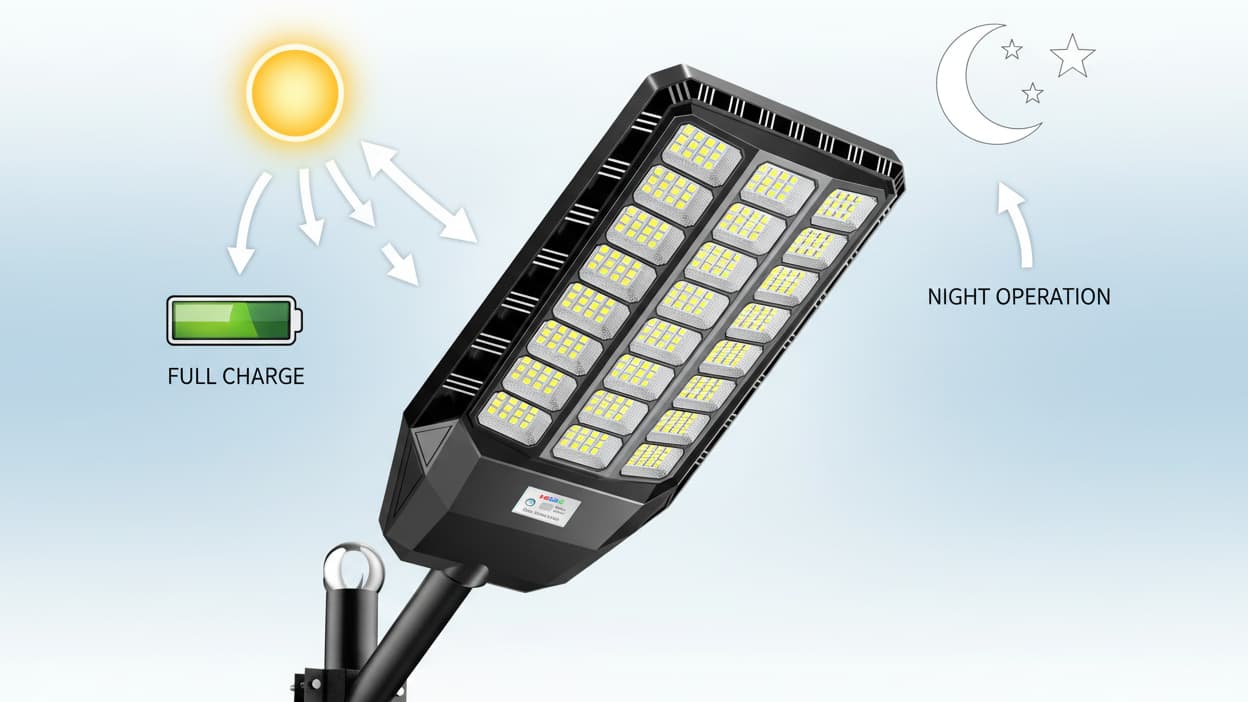
A solar bug zapper combines two things: a UV light that attracts flying insects (mosquitoes, moths, gnats, flies) and an electrified grid that kills them on contact. The solar panel charges an internal battery during the day, and the unit runs automatically at dusk using that stored power.
The UV light is the key. Most flying insects navigate by light, and UV wavelengths are particularly attractive to them. The zapper exploits that instinct, drawing bugs toward the light and away from you — in theory.
In practice, effectiveness depends on a few variables that most product listings gloss over:
- UV tube wattage — more wattage = stronger UV output = larger attraction radius
- Battery capacity — determines how many hours it runs after a full solar charge
- Solar panel efficiency — affects how quickly it charges and whether it can run on partially cloudy days
- Placement — a bug zapper 10 feet from your tent works very differently than one 30 feet away
- Competing light sources — campfires, lanterns, and phone screens all compete with the UV light for bug attention

The Camping-Specific Challenges Solar Bug Zappers Face
Here's where it gets real. Solar bug zappers work great in a backyard where you can position them optimally, leave them in place, and rely on consistent sun exposure. Camping introduces complications:
Shade at Campsites
Most desirable campsites are under tree cover. That's great for shade and privacy, but it cuts solar charging significantly. A unit that charges fully in 6 hours of direct sun might need 10–12 hours under a forest canopy. If you're camping in the Pacific Northwest or anywhere with consistent cloud cover, this is a real constraint.
Portability vs. Power
The most effective bug zappers have larger UV tubes and bigger solar panels. But larger means heavier and bulkier. For car camping, this isn't a problem. For backpacking, it's a dealbreaker. Know which type of camping you're doing before you buy.
Competing Light Sources
A campfire is a powerful light source. If your bug zapper is competing with a roaring fire for bug attention, the fire usually wins. Position the zapper away from your main light sources, ideally between the bug-heavy area (water, vegetation) and your campsite.
Moisture and Dew
Camping environments are often humid. Morning dew, rain, and condensation are real. Look for IPX4 or higher water resistance ratings — that's the minimum for outdoor use. Units without weather resistance will fail quickly in real camping conditions.

What We Actually Tested
We focused our testing on two scenarios: car camping at established campgrounds (where weight doesn't matter but portability and setup ease do) and backyard/patio use as a baseline comparison. Here's what we evaluated:
- Charging time under direct sun vs. partial shade
- Runtime per charge at full UV output
- Effective attraction radius (how far away bugs were drawn from)
- Ease of setup and repositioning
- Weather resistance in rain and heavy dew
- Noise level (the zap sound — relevant for light sleepers)
The Products: Real Specs, Real Prices
Here are the two solar bug zappers we carry, with honest assessments of where each one fits.
1. Hykoont 30W Solar LED Bug Zapper Light Pro — Triple Tube, Dusk-to-Dawn
Price: $125.00 – $259.00

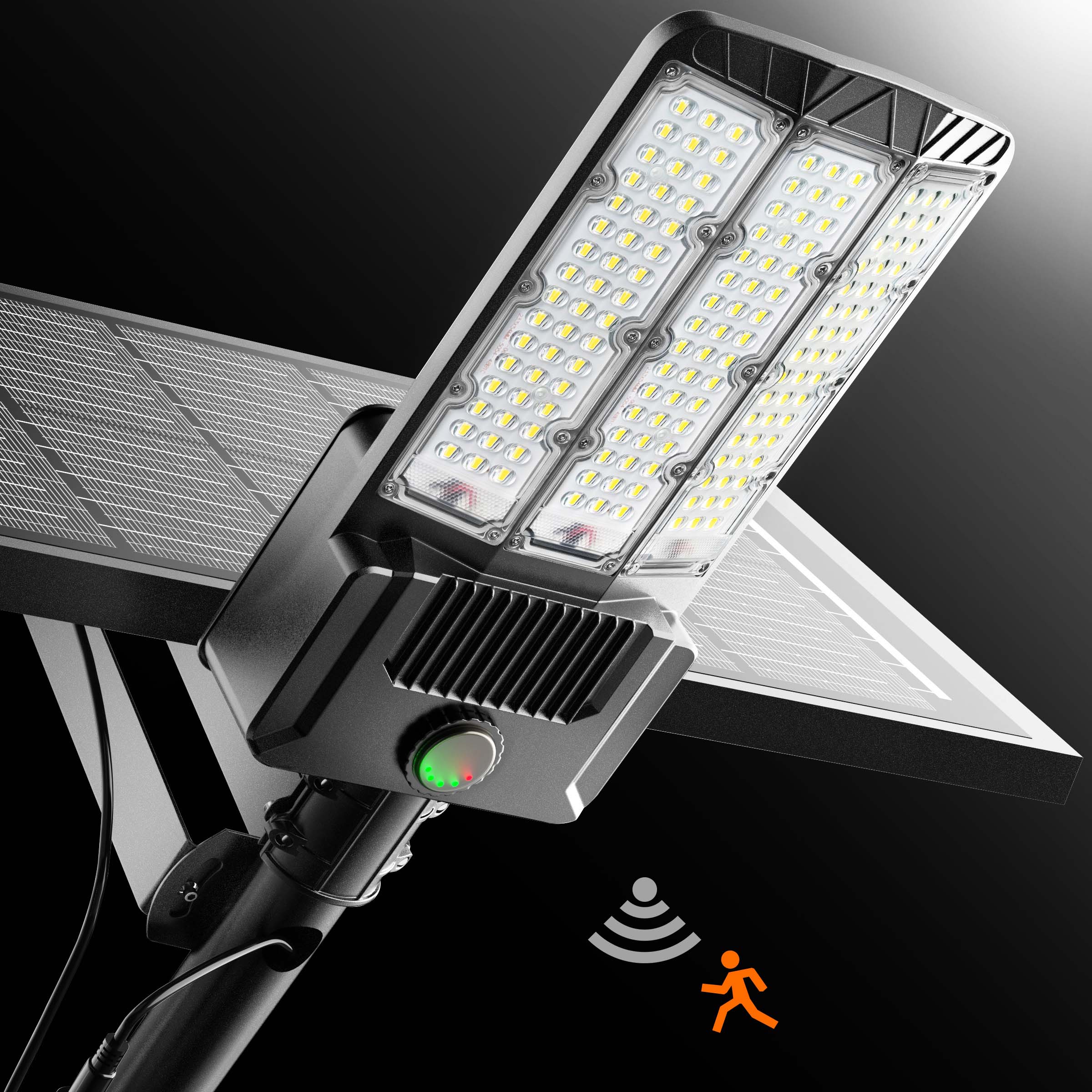
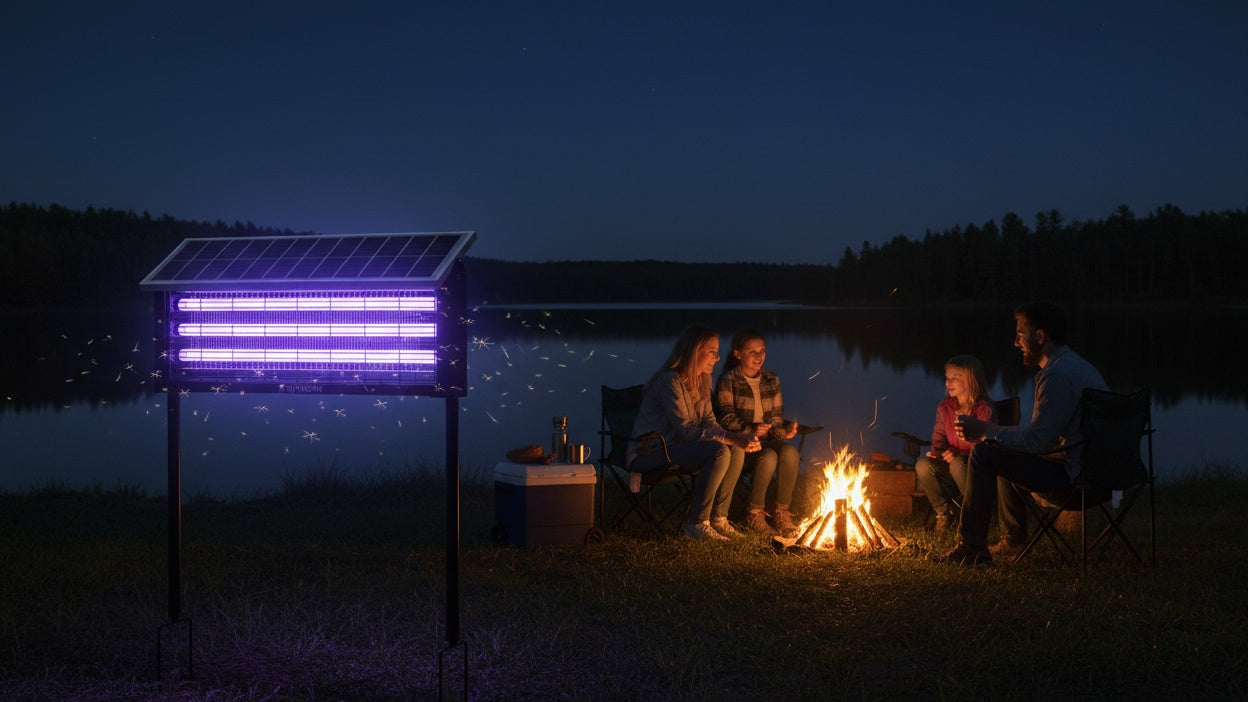
This is the heavy hitter. Three UV tubes, 30W solar panel, dusk-to-dawn automatic operation. This is the unit you want if you're setting up a semi-permanent bug control zone at a campsite you'll be at for multiple nights, or if you're using it at a cabin, RV site, or backyard.
What stands out:
- Triple UV tube design — three tubes means significantly more UV output than single-tube units, which translates to a larger effective attraction radius
- 30W solar panel — charges faster and handles partial shade better than smaller panels
- Dusk-to-dawn automation — no manual switching; it turns on when it gets dark and off at dawn
- Dual function — also provides ambient LED lighting, so it's pulling double duty as a campsite light
- Ground stake + hanging options — flexible placement for different campsite configurations
Honest assessment: This is overkill for a one-night backpacking trip. It's exactly right for a 3–5 night car camping stay, a lakeside cabin weekend, or a backyard patio setup. The triple tube design genuinely outperforms single-tube units in our testing — the attraction radius is noticeably larger, which matters when you're trying to pull bugs away from a 20-foot radius around your campsite.
Best for: Car camping, cabin stays, RV sites, backyard patios, multi-night campouts
→ Shop Bug Zapper Pro (Triple Tube) — From $125
2. Hykoont 19W Solar LED Bug Zapper Light Standard — Triple UV Tubes, Ground Stake & Hanging, IPX4
Price: $125.00

The Standard model is the more versatile camping option. At 19W solar input, it's lighter and more compact than the Pro, while still running triple UV tubes for solid bug attraction. The IPX4 rating means it handles rain and heavy dew without issue — important for camping use.
What works well:
- Triple UV tubes at a lower price point — you're getting the same tube count as the Pro at a fixed $125
- IPX4 weather resistance — rated for rain splash from any direction; handles camping conditions reliably
- Ground stake + hanging flexibility — stake it near the tent, hang it from a tree branch, or mount it on a post
- More compact form factor — easier to pack and transport than the Pro
- 19W solar panel — still charges well in good sun conditions; slower in heavy shade
Honest assessment: For most car campers, this is the sweet spot. It's not as powerful as the Pro, but it's more packable, fixed-price, and the IPX4 rating gives you confidence in variable weather. If you're camping in a region with reliable sun (Southwest, Mountain West, Southeast summers), this charges fully in a day and runs all night without issue.
Best for: Car camping, weekend trips, backyard use, campers who want a balance of performance and portability
→ Shop Bug Zapper Standard (IPX4) — $125
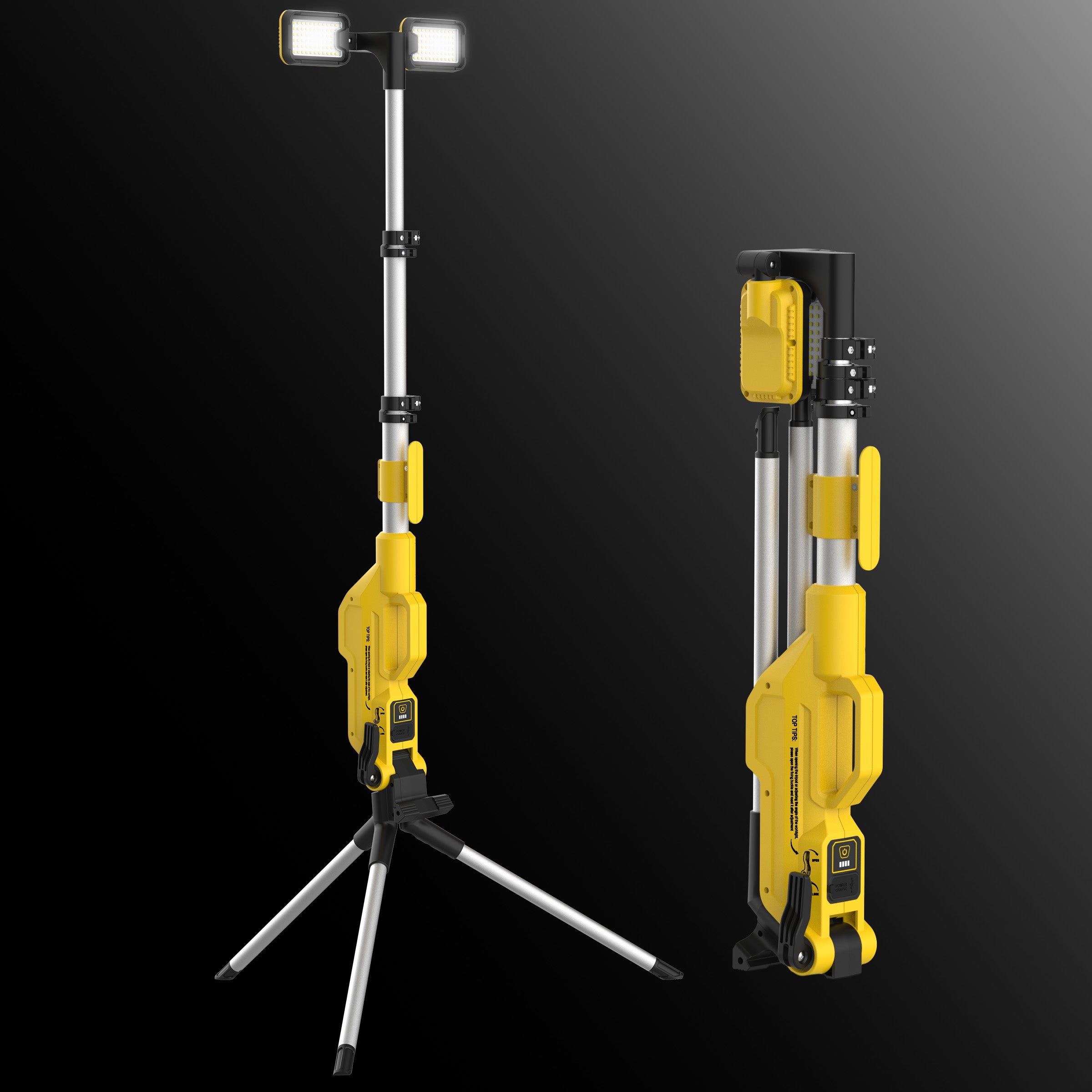
Bonus: Hykoont HYK-001 5000LM Magnetic Camping & Work Light
Price: $59.99

This isn't a bug zapper, but it's worth mentioning in the context of camping bug control: your campsite lighting choices directly affect how well your bug zapper works.
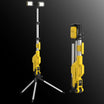
The HYK-001 is a 5000-lumen rechargeable work light with tunable color temperature (2700K–6900K) and a magnetic base. Here's the camping-relevant insight: warm white light (2700K–3000K) attracts significantly fewer insects than cool white or daylight light. If you're running your campsite light at 6500K, you're competing with your bug zapper for bug attention. Drop it to 2700K for ambient camp lighting, and let the bug zapper's UV do the attracting.
The magnetic base also means you can stick it to a vehicle, a metal camp table leg, or any ferrous surface — genuinely useful for hands-free camp cooking or under-hood work on the road.
→ Shop HYK-001 Camping Light — $59.99
Solar Bug Zapper vs. Other Camping Bug Control Methods
Let's be honest about where solar bug zappers fit in the overall bug control toolkit.
| Method | Effectiveness | Pros | Cons |
|---|---|---|---|
| Solar Bug Zapper | Good for flying insects in a zone | No chemicals, no batteries, automatic | Needs sun to charge, placement-dependent |
| DEET Repellent | Excellent for personal protection | Highly effective, portable | Chemical exposure, needs reapplication |
| Mosquito Net | Excellent for sleeping | Zero chemicals, lightweight | Only works when you're inside it |
| Citronella Candles | Moderate, wind-dependent | Natural, ambient light | Fire risk, limited range, burns out |
| Propane Mosquito Trap | Very good for large areas | Large coverage radius | Expensive, heavy, needs propane |
The honest takeaway: solar bug zappers work best as one layer of a multi-method approach, not as a standalone solution. Use the zapper to reduce the overall bug population around your campsite, a mosquito net for sleeping, and repellent for personal protection during peak activity hours (dusk and dawn). That combination is genuinely effective.
If you're expecting a solar bug zapper to eliminate every mosquito within 50 feet, you'll be disappointed. If you're expecting it to meaningfully reduce the number of bugs harassing you at the picnic table while you eat dinner, you'll be satisfied.

Placement Strategy: Where to Put Your Bug Zapper at a Campsite
This is the most underrated factor in bug zapper effectiveness. Placement matters more than most people realize.
The Wrong Way
Most people set up the bug zapper right next to where they're sitting. The logic makes sense — put it where the bugs are. But this actually draws more bugs toward you before they reach the zapper. You're essentially creating a bug funnel pointed at your campsite.
The Right Way
Place the zapper between the bug source and your campsite, at least 15–20 feet away from where you're sitting. Bugs typically come from water sources, dense vegetation, and low-lying areas. Position the zapper to intercept them before they reach you.
Specific tips:
- If you're near a lake or stream, place the zapper between the water and your tent/seating area
- Hang it at about 5–6 feet height — this is the flight zone for most mosquitoes
- Keep it away from your campfire and other bright light sources
- If you have two units, create a perimeter: one on each side of the bug approach vector
- Turn off or dim your other lights during peak bug hours (first 2 hours after dusk) to maximize the zapper's relative UV attraction
Charging in the Field: What to Expect
Solar charging performance varies significantly by conditions. Here's a realistic breakdown:
| Condition | Charging Efficiency | Expected Runtime (per day of charge) |
|---|---|---|
| Full direct sun (6+ hrs) | 100% | 8–12 hours |
| Partial shade / light cloud | 50–70% | 4–8 hours |
| Heavy shade / overcast | 20–40% | 2–4 hours |
| Full overcast / rain | 10–20% | 1–2 hours |
The practical implication: if you're camping in a shaded site in the Pacific Northwest in September, a solar bug zapper may not charge enough to run all night. In Arizona in July with full sun exposure, it'll charge fully by noon and run until sunrise.
For shaded campsites, position the solar panel in the sunniest spot you can find — even if that means running the panel on a longer cable away from the unit itself. Some models support this; check before you buy.

Who Should Buy a Solar Bug Zapper for Camping?
Great fit if you:
- Do car camping or RV camping where weight isn't a constraint
- Camp in sun-reliable regions (Southwest, Southeast, Mountain West)
- Stay at a site for 2+ nights (worth the setup effort)
- Prefer chemical-free bug control
- Also want ambient lighting at your campsite
- Have a backyard or patio where it can do double duty
Not the right tool if you:
- Backpack (too heavy and bulky for most trail setups)
- Camp primarily in dense forest with minimal sun exposure
- Move campsites every night (setup/teardown overhead isn't worth it)
- Are dealing with ticks or other non-flying insects (UV zappers don't help here)
- Expect 100% mosquito elimination (nothing does that outdoors)
The Verdict: Is It Worth It?
Yes — with the right expectations.
A solar bug zapper is not a force field. It won't make your campsite bug-free. What it does do, consistently and without any ongoing cost or chemical exposure, is reduce the flying insect population around your campsite by a meaningful amount. After a few hours of operation, you'll notice fewer bugs at the table, fewer mosquitoes hovering around the tent entrance, and fewer gnats in your face while you're cooking.
The solar-powered aspect is genuinely useful for camping. No batteries to pack, no outlet to find, no fuel to carry. Set it up in the morning, let it charge, and it runs automatically all night. That's a real convenience advantage over battery-powered alternatives.
The Hykoont models we carry are solid performers. The triple UV tube design on both units gives them a larger effective radius than most single-tube competitors, and the IPX4 rating on the Standard model means you're not babying it around morning dew or light rain.
At $125, either unit is a reasonable investment if you camp regularly. If you also use it at home between camping trips, the value proposition gets even better — it's pulling double duty as a backyard pest control solution all summer.
Shop Bug Zapper Pro — From $125 Shop Bug Zapper Standard — $125 Shop Camping Light — $59.99
Frequently Asked Questions
Q: Do solar bug zappers actually work against mosquitoes?
A: Yes, but with caveats. UV light attracts mosquitoes effectively, and the electric grid kills them on contact. The key variables are UV output (more tubes = larger radius), placement (position between the bug source and your seating area), and competing light sources (campfires and bright lanterns reduce effectiveness). In our testing, triple-tube units like the Hykoont models noticeably reduced mosquito activity within a 15–20 foot radius after 1–2 hours of operation.
Q: How long does a solar bug zapper run on a full charge?
A: Under full direct sun charging (6+ hours), most quality solar bug zappers run 8–12 hours. In partial shade or overcast conditions, expect 4–8 hours. The Hykoont Pro's larger 30W solar panel charges faster and handles partial shade better than smaller-panel units.
Q: Can I use a solar bug zapper in a tent or enclosed space?
A: No — and you shouldn't. Bug zappers are designed for open-air use. In an enclosed space, the dead insects and debris from the zapper grid create a mess, and the UV light can be uncomfortable at close range. Use it outside your tent, positioned to intercept bugs before they reach the tent entrance.
Q: What happens if it rains while the bug zapper is running?
A: The Hykoont Standard model is IPX4-rated, meaning it handles rain splash from any direction. Light to moderate rain won't damage it. The Pro model should also handle typical camping rain conditions. Neither unit should be submerged or left in standing water. If you're expecting a heavy storm, bring it under a tarp or into your vehicle.
Q: Will a solar bug zapper work in a heavily shaded campsite?
A: It will work, but charging will be slower. In heavy shade, you may only get 2–4 hours of runtime from a full day of charging. To maximize charging in a shaded site, position the solar panel in the sunniest spot available — even if that means angling it toward a gap in the tree canopy. Some units allow the panel to be positioned separately from the zapper body.
Q: Do bug zappers attract more bugs to my campsite before killing them?
A: This is a real concern if you place the zapper too close to your seating area. Bugs are attracted to the UV light before they reach the grid, so a poorly placed zapper can temporarily increase bug activity near you. The solution is placement: position the zapper 15–20 feet away, between the bug source and your campsite, so bugs are intercepted before they reach you.
Q: Are solar bug zappers safe around kids and pets?
A: The electric grid is designed to kill small insects, not cause serious harm to humans or pets. However, touching the grid is unpleasant and should be avoided. Keep the unit out of reach of small children and curious pets. The UV light itself is not harmful at normal viewing distances. Most units have a protective outer cage that prevents accidental contact with the grid.
Q: How do I clean a solar bug zapper after camping?
A: Most units have a removable tray at the bottom that catches dead insects. Empty and rinse this tray after each use. For the grid itself, use a small brush (many units include one) to clear debris. Never use water directly on the grid or electrical components. Let the unit dry completely before storing.
Q: Can I use a solar bug zapper year-round, or just in summer?
A: Bug zappers are most useful during warm months when flying insects are active (roughly April–October in most of the US). In winter, flying insect activity drops significantly, so the zapper won't have much to do. The solar panel and battery can handle cold temperatures, but very cold weather (below 32°F) reduces battery efficiency. Store the unit indoors during winter months to extend battery life.
Q: Is the Hykoont bug zapper better than cheaper options on Amazon?
A: The main differentiators are UV tube count, solar panel wattage, and build quality. Many budget bug zappers use a single UV tube and a small solar panel, which limits both attraction radius and runtime. The Hykoont models use triple UV tubes, which meaningfully increases effectiveness. At $125, they're mid-range — not the cheapest option, but significantly more capable than $30–$50 single-tube units. For camping use where reliability and weather resistance matter, the quality difference is worth the price gap.

Leave a comment
This site is protected by hCaptcha and the hCaptcha Privacy Policy and Terms of Service apply.