


Let's be honest — nobody wants to think about mosquito control until they're already getting eaten alive on the back porch. And when that moment hits, most people reach for whatever's closest: a can of DEET spray, a citronella candle, maybe both. It works well enough for the night. But then you do it again next weekend. And the weekend after that. And by the end of summer, you've burned through three cans of spray and a half-dozen candles without really noticing.
That's the trap. The upfront cost feels low, so the ongoing cost stays invisible.
Solar bug zappers flip that equation. You pay once, install it, and it runs every night — no refills, no batteries, no trips to the hardware store. But is the math actually better? That's what this article is about. We're going to walk through real numbers, real scenarios, and real trade-offs so you can decide what actually makes sense for your yard, your budget, and your tolerance for mosquitoes.
First, Let's Set the Stage: What Are We Actually Comparing?
Before we get into dollars and cents, it helps to understand what each option is actually doing — because they work in completely different ways, and that affects both their effectiveness and their cost structure.
Chemical Sprays (DEET, Picaridin, Permethrin)
Chemical repellents work by masking the scent signals that attract mosquitoes to human skin, or by creating a chemical barrier that insects avoid. DEET is the most common active ingredient in personal repellents. Picaridin is a newer alternative that's gentler on skin and gear. Permethrin is used on clothing and gear rather than skin.
They're effective — no question. But they wear off. A standard DEET spray lasts 4–8 hours depending on concentration. You reapply. You buy more. And if you're treating a yard or patio rather than just yourself, you're going through product fast.
Citronella Candles and Torches
Citronella works by releasing a scent that interferes with mosquitoes' ability to locate hosts. It's plant-derived, which makes it appealing to people who want to avoid synthetic chemicals. The problem is that it's highly localized — you need to be sitting close to the candle for it to do much, and any breeze disperses the scent quickly.
A decent citronella candle burns for 20–40 hours. A tiki torch with citronella fuel lasts longer per fill but requires ongoing fuel purchases. Neither does anything once it burns out or runs dry.
Solar Bug Zappers
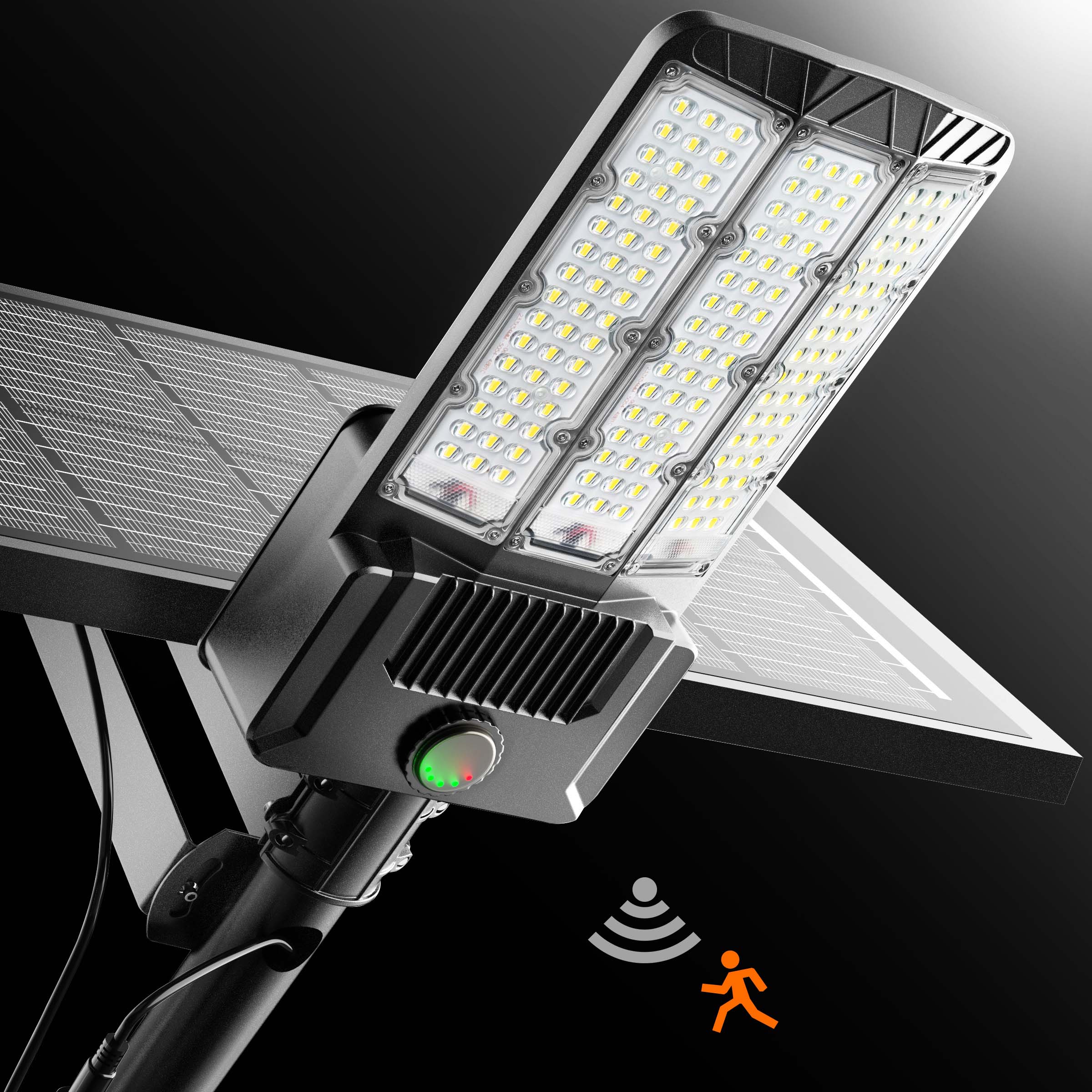
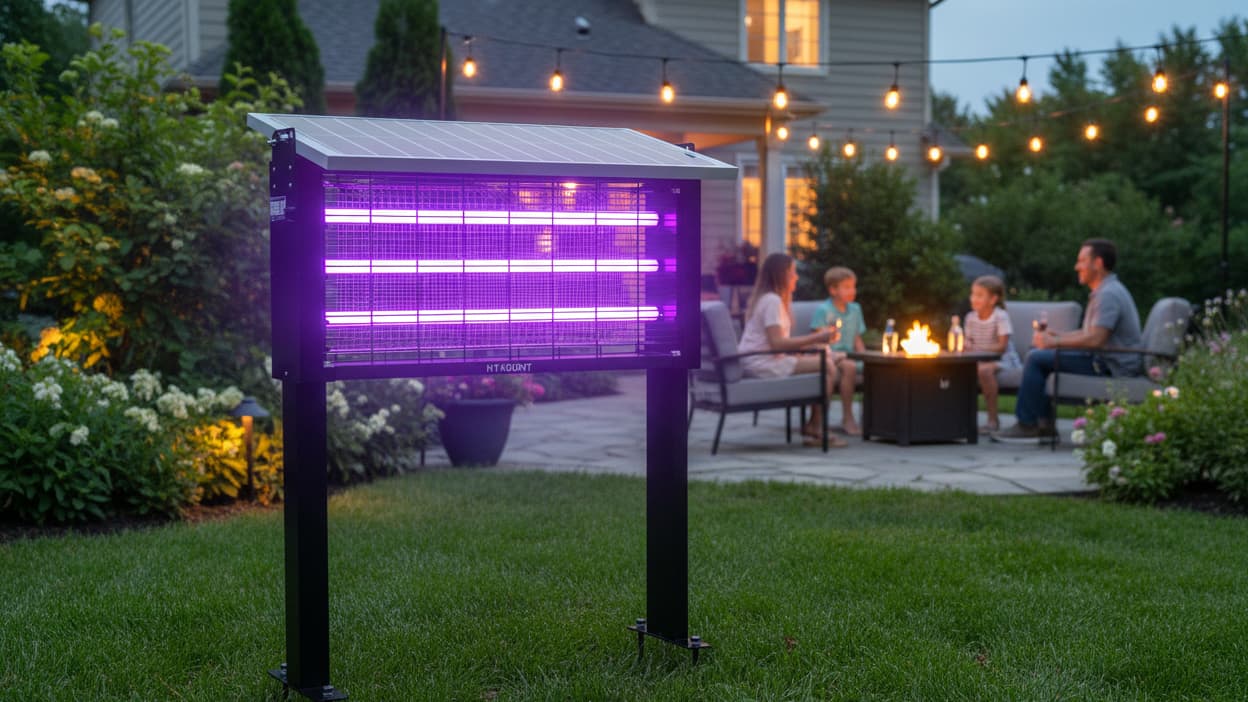
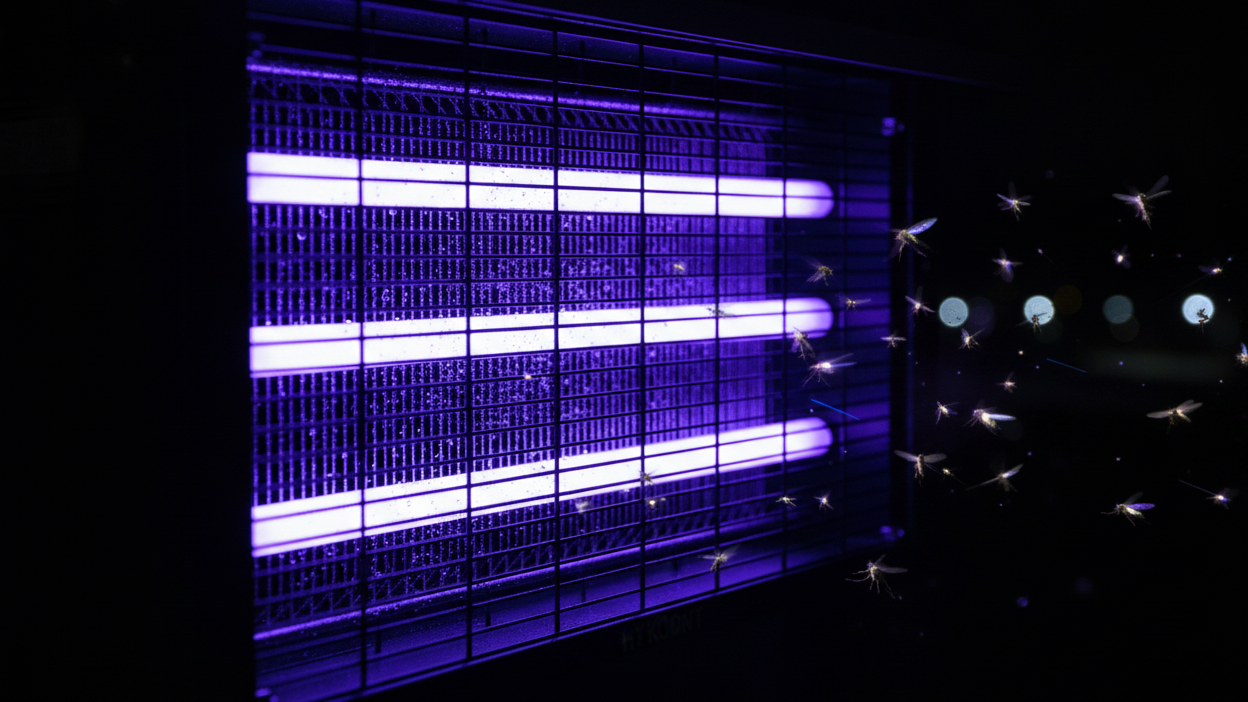
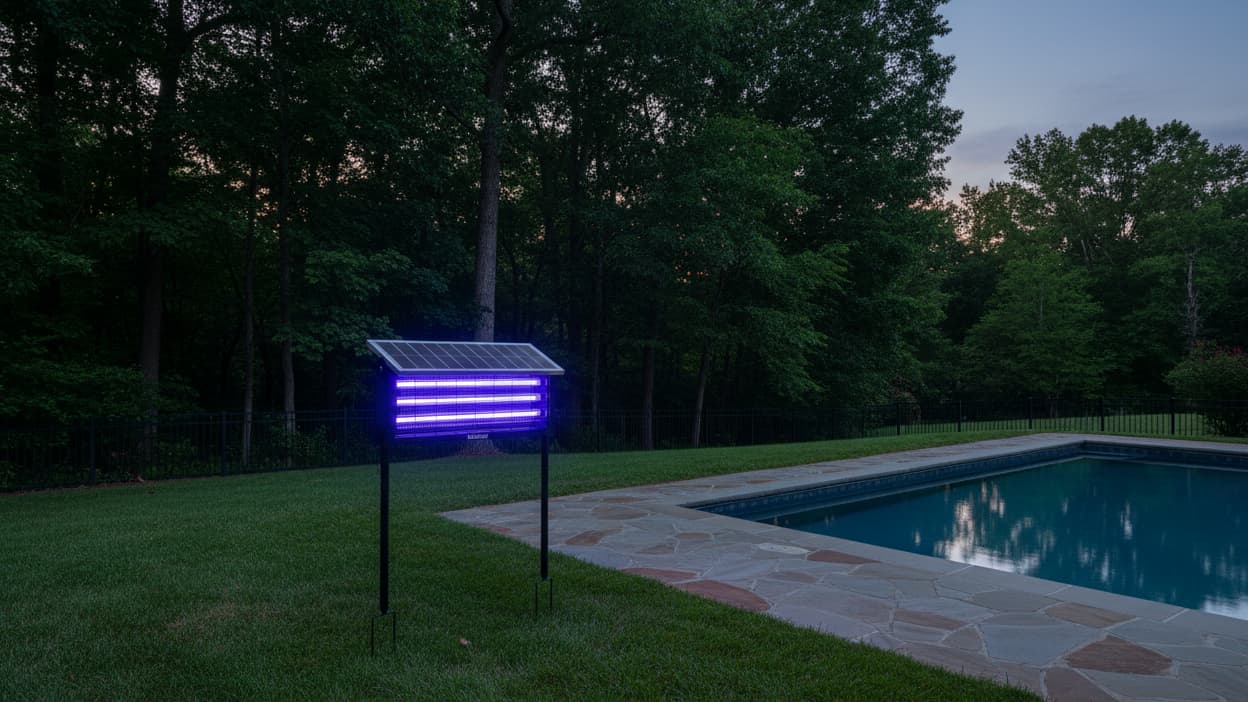
Solar bug zappers use UV light to attract flying insects — mosquitoes, gnats, moths, flies — and eliminate them on contact with an electrified grid. The solar panel charges a battery during the day, and the unit runs automatically at dusk. No wiring, no electricity bill, no consumables.
The coverage area varies by model. A quality unit like the Hykoont 30W Solar LED Bug Zapper Light Pro covers large outdoor areas and runs all night on a single day's charge. A mid-range unit like the Hykoont 19W Solar LED Bug Zapper Light Standard handles smaller yards and patios effectively.

The Real Cost Breakdown: Year One
Let's run the numbers for a typical American household — a family of four with a backyard patio they use from May through September (roughly 22 weekends, or about 44 evenings of outdoor use per season).
Chemical Spray Costs — Year One
- A 6 oz can of 25% DEET spray (like OFF! Deep Woods) runs about $8–$10 and covers roughly 10–15 applications for one person.
- For a family of four using spray every outdoor evening: approximately 3–4 cans per person per season, or 12–16 cans total.
- At $9/can average: $108–$144 per season just on personal spray.
- If you're also treating the yard with a perimeter spray (like Ortho Home Defense): add another $20–$40 per season for product.
- Year One total: $128–$184
Citronella Candle Costs — Year One
- A quality outdoor citronella candle (like Cutter or Murphy's Naturals) runs $12–$18 and burns for 20–30 hours.
- For 44 evenings of use at 3 hours per evening = 132 hours of burn time needed.
- At 25 hours per candle average: you need about 5–6 candles per season.
- At $15/candle average: $75–$90 per season.
- If you add tiki torches with citronella fuel: a gallon of fuel runs $15–$20 and covers roughly 40–50 hours. You'd need 3 gallons for the season: $45–$60 additional.
- Year One total (candles only): $75–$90
- Year One total (candles + torches): $120–$150
Solar Bug Zapper Costs — Year One
- Hykoont 19W Solar LED Bug Zapper Standard: $119.00 one-time purchase.
- Hykoont 30W Solar LED Bug Zapper Pro: $219.00 one-time purchase.
- Electricity cost: $0 (solar-powered).
- Consumables: $0.
- Maintenance: occasional cleaning of the collection tray (5 minutes, no cost).
- Year One total: $119–$219 depending on model
At first glance, the solar zapper looks more expensive in year one — especially the Pro model. But here's where it gets interesting.
The 3-Year Picture: Where the Math Shifts
This is the comparison that actually matters. Pest control isn't a one-time purchase — it's a recurring expense. And recurring expenses compound.
| Method | Year 1 | Year 2 | Year 3 | 3-Year Total |
|---|---|---|---|---|
| Chemical Sprays | $156 avg | $156 | $156 | $468 |
| Citronella Candles | $83 avg | $83 | $83 | $249 |
| Candles + Torches | $135 avg | $135 | $135 | $405 |
| Hykoont 19W Zapper | $119 | $0 | $0 | $119 |
| Hykoont 30W Zapper | $219 | $0 | $0 | $219 |
By year two, the solar zapper has already paid for itself compared to chemical sprays. By year three, you're looking at savings of $230–$350 over sprays, and $30–$186 over candle-based methods — depending on which models you're comparing.
And that's assuming you only buy one zapper. Many households with larger properties run two units — one near the patio, one near the garden or pool area. Even then, two Hykoont 19W units ($238 total) come out ahead of three years of chemical sprays.
💡 Want to cover a large backyard and a side yard? The 30W Pro model handles wide-area coverage from a single unit — no need to double up.
Beyond the Dollar Signs: What the Numbers Don't Capture
Cost is important, but it's not the whole story. Here are a few factors that don't show up in a spreadsheet but matter a lot in practice.
Coverage Area
A citronella candle protects roughly a 3-foot radius around the flame — maybe 6 feet on a calm night. That's fine if you're sitting right next to it, but it does nothing for the rest of your yard. Chemical spray protects the person wearing it, not the space around them.
A solar bug zapper works on the entire area within its attraction radius — typically 30–50 feet depending on the model. The Hykoont 30W Pro is designed for large outdoor spaces, covering a wide perimeter continuously from dusk to dawn. You're not just protecting yourself — you're reducing the insect population in your entire outdoor space.
Passive vs. Active Protection
Chemical spray requires you to remember to apply it, reapply it, and carry it with you. Citronella candles need to be lit, monitored, and extinguished. A solar bug zapper turns on automatically at dusk and off at dawn. You don't think about it. It just works.
For families with kids who forget to reapply, or for anyone who just wants to sit outside without a pre-game ritual, that passive operation is genuinely valuable.
Chemical Exposure
DEET is safe when used as directed, but it's still a synthetic chemical you're applying to your skin — and to your kids' skin. Some people are sensitive to it. Some parents prefer to minimize exposure where possible. Citronella is gentler but still involves combustion and smoke.
A solar bug zapper involves no chemicals, no smoke, and no skin contact. It's a purely physical mechanism — UV light attracts, electric grid eliminates. For households with young children, pets, or anyone with chemical sensitivities, that's a meaningful difference.
Environmental Impact
Aerosol cans, plastic spray bottles, burned-down candles — traditional pest control generates a steady stream of waste. Solar zappers generate none after the initial purchase. They run on sunlight, produce no emissions, and the only maintenance is emptying the collection tray.
Effectiveness in Wind
Citronella is notoriously wind-sensitive. A light breeze disperses the scent before it can do much. Chemical spray stays on your skin regardless of wind, but it doesn't protect the space around you. A solar zapper's UV attraction works regardless of wind direction — insects are drawn to the light source, not a scent plume.

Where Traditional Methods Still Have an Edge
This isn't a one-sided argument. There are real situations where sprays and candles make more sense.
Hiking, Camping, and Travel
You can't take a solar bug zapper on a trail. For personal protection in the backcountry, DEET or picaridin spray is still the right tool. Citronella wristbands and portable candles have a role here too. Solar zappers are a fixed-location solution — they're for your yard, patio, or campsite, not your person.
Immediate, Targeted Relief
If you're already getting bitten and need relief right now, a spray works in seconds. A bug zapper reduces the insect population over time — it's a preventive tool, not an instant fix. For acute situations, having a can of spray on hand still makes sense as a backup.
Renters and Temporary Setups
If you're renting and can't install anything permanently, or if you're setting up for a single outdoor event, candles and spray are more practical. The Hykoont 19W Standard does come with both a ground stake and hanging design, so it's more portable than hardwired options — but it's still best suited for a consistent location.
A Closer Look at the Hykoont Solar Bug Zapper Lineup
Since we've been referencing these two models throughout, let's get specific about what each one offers and who it's best for.
Hykoont 19W Solar LED Bug Zapper Standard — $119.00

- Power: 19W solar panel with triple UV tubes
- Installation: Ground stake or hanging — no wiring needed
- Weather resistance: IPX4 rated (splash-proof)
- Best for: Residential patios, decks, garden areas, smaller backyards
- Operation: Automatic dusk-to-dawn
- Price: $119.00 one-time
This is the entry point for households that want to stop buying candles and sprays without a big upfront investment. At $119, it pays for itself in less than one season compared to a family running chemical sprays all summer.
→ Shop the Hykoont 19W Standard Bug Zapper — $119.00
Hykoont 30W Solar LED Bug Zapper Pro — $219.00

- Power: 30W solar panel with triple UV tubes
- Coverage: Larger outdoor areas — ideal for big backyards, pool areas, HOA common spaces
- Operation: Automatic dusk-to-dawn with reliable all-night runtime
- Best for: Larger properties, commercial-adjacent residential use, anyone who wants maximum coverage from a single unit
- Price: $219.00 one-time
The Pro model is for people who've tried cheaper zappers and been disappointed by limited range. The 30W panel means it charges faster and runs longer, which matters in late summer when days get shorter. If you have a large yard or entertain outdoors regularly, this is the one to get.
→ Shop the Hykoont 30W Pro Bug Zapper — $219.00
How to Get the Most Out of a Solar Bug Zapper
Placement matters more than most people realize. A few tips that make a real difference:
- Position it away from where you're sitting. You want insects attracted to the zapper, not to you. Place it 15–20 feet from your seating area, ideally upwind.
- Height matters. Most flying insects travel at 4–6 feet off the ground. Mounting or staking the unit at that height puts the UV light right in their flight path.
- Avoid competing light sources nearby. Bright porch lights or string lights can dilute the zapper's attraction radius. Let the UV light be the dominant draw in its zone.
- Give it a few nights. The first night, you'll see a lot of activity as the local insect population encounters the unit. By night three or four, you'll notice a meaningful reduction in the bugs reaching your seating area.
- Clean the tray weekly during peak season. A full collection tray reduces efficiency. Takes about five minutes.
The Honest Verdict
If you're looking for the cheapest possible option for a single backyard party, grab a citronella candle. It'll do the job for the night.
But if you're thinking about the whole summer — or the next three summers — the math on solar bug zappers is hard to argue with. You pay once, you stop buying consumables, and you get better coverage with less effort. The Hykoont 19W Standard at $119 breaks even against chemical sprays in under one season. The 30W Pro at $219 does the same by mid-season two.
Chemical sprays still have a place — on your person, in the backcountry, as a backup. But as your primary outdoor pest control strategy? They're an expensive habit dressed up as a cheap solution.
The solar zapper isn't a gadget. It's infrastructure. And like most good infrastructure, it pays for itself quietly, in the background, while you're just trying to enjoy your backyard.
Ready to stop restocking? Start with the Hykoont 19W Standard →

Frequently Asked Questions
Do solar bug zappers actually work, or are they just a gimmick?
They work — but with a caveat. UV-based zappers are highly effective at attracting and eliminating flying insects like mosquitoes, gnats, moths, and flies. The key is placement: position the unit away from your seating area so insects are drawn toward the zapper rather than toward you. Units with higher wattage UV tubes (like the 30W Pro) have a larger attraction radius and tend to perform better in open spaces.
How long does a solar bug zapper last?
A quality solar bug zapper should last 3–5 years with basic maintenance. The UV tubes may need replacement after 2–3 seasons of heavy use, but the solar panel and housing are built for long-term outdoor exposure. The Hykoont models are IPX4-rated, meaning they handle rain and humidity without issue.
Will a solar bug zapper work on cloudy days?
Yes, though with reduced runtime. Solar panels still charge on overcast days — just more slowly. After a full cloudy day, you'll typically get 4–6 hours of operation instead of a full night. In most US climates, this covers the peak mosquito hours (dusk to midnight) even on cloudy days.
Is DEET spray still worth keeping around if I have a solar zapper?
Yes, as a backup. A solar zapper handles your outdoor space passively, but if you're heading somewhere without one — a park, a trail, a neighbor's yard — personal spray is still useful. Think of the zapper as your home base defense and spray as your portable backup.
Are solar bug zappers safe around kids and pets?
Yes. The electrified grid is enclosed in a protective housing that prevents accidental contact. There are no chemicals, no fumes, and no open flames. For households with young children or pets, solar zappers are generally considered safer than chemical sprays or open-flame citronella torches.
How does a solar bug zapper compare to a plug-in electric zapper?
Plug-in zappers often have more consistent power output since they're not dependent on sunlight. But they require an outdoor outlet and add to your electricity bill. Solar zappers are more flexible in placement (no outlet needed), cost nothing to operate, and in most US climates perform comparably through the summer season.
Do citronella candles actually repel mosquitoes, or is that a myth?
They do repel mosquitoes — but only within a very small radius (roughly 3 feet) and only when there's no wind. Studies have shown citronella candles reduce mosquito landings by about 35–42% in controlled conditions. In a real backyard with any breeze, that number drops significantly. They're better than nothing, but they're not a substitute for area-wide protection.
What's the best placement for a solar bug zapper in a backyard?
Place it 15–20 feet from your primary seating area, at a height of 4–6 feet, and away from competing light sources. If you have a pool, placing the zapper between the pool and any wooded or grassy areas works well — it intercepts insects before they reach the water. Avoid placing it directly above a dining table or seating area.
Can I use a solar bug zapper year-round?
In warmer US climates (Southeast, Southwest, Gulf Coast), yes — mosquito season can run 9–10 months. In northern states, you'll get the most value from May through September. The unit can stay installed year-round without damage; it simply won't attract many insects when temperatures drop below 50°F.
Is the Hykoont 19W or 30W model better for a standard suburban backyard?
For a typical suburban backyard (under 1/4 acre), the 19W Standard at $119 is usually sufficient. If your yard is larger, you have a pool, or you entertain frequently with guests spread across a wide area, the 30W Pro at $219 gives you the coverage margin to handle it comfortably.


Leave a comment
This site is protected by hCaptcha and the hCaptcha Privacy Policy and Terms of Service apply.