


If you've ever spent a beautiful summer evening outdoors only to be driven inside by swarms of mosquitoes, you know how frustrating it can be. The constant buzzing, the itchy bites, the worry about mosquito-borne diseases—it's enough to make anyone want to stay indoors. But what if you could reclaim your outdoor space without harsh chemicals or constant maintenance?
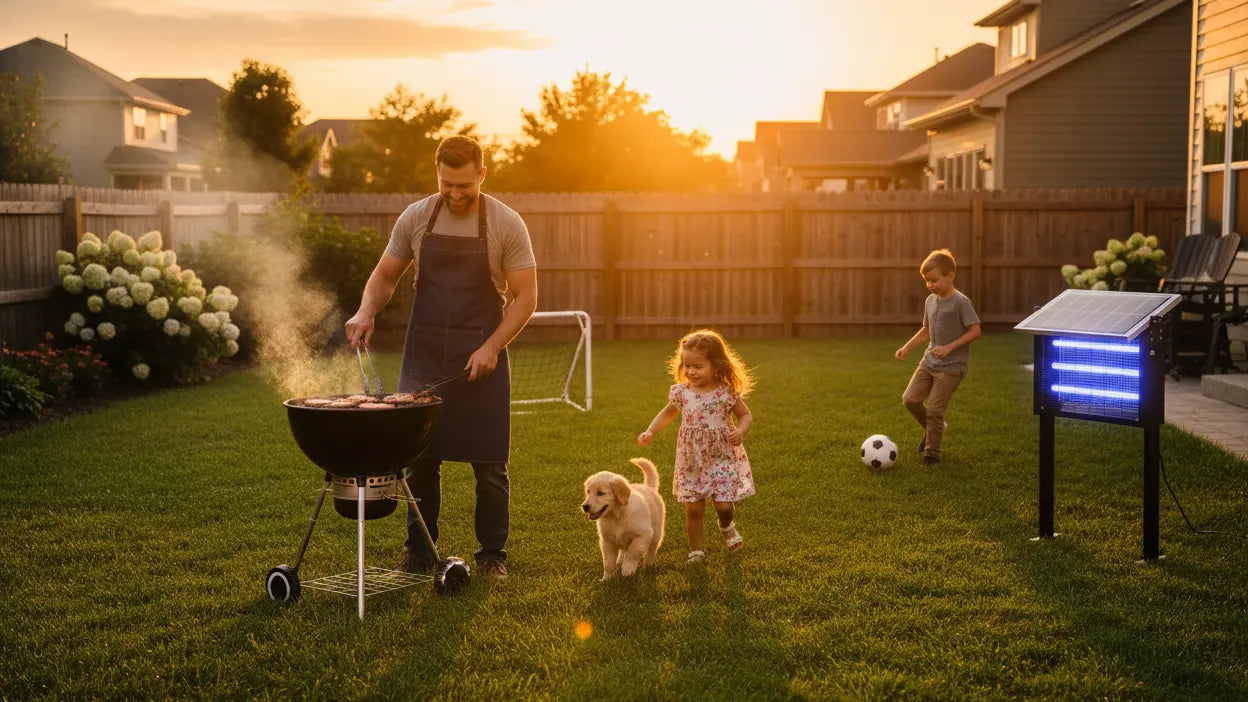
That's where solar-powered bug zappers come in. These eco-friendly devices harness the sun's energy to attract and eliminate mosquitoes, flies, and other flying pests throughout the night. No electricity bills, no messy sprays, just clean, effective pest control that works while you relax.
Today, we're diving deep into two popular options from Hykoont: the 12W Solar LED Bug Zapper and the 18W Solar LED Bug Zapper. Both promise powerful mosquito control, but which one actually delivers the best value for your specific needs? Let's find out.
Why Solar Bug Zappers Are Game-Changers for Outdoor Living
Before we jump into the comparison, let's talk about why solar bug zappers have become so popular among homeowners who love spending time outdoors.
Traditional mosquito control methods come with drawbacks. Chemical sprays need constant reapplication and can be harmful to pets and beneficial insects. Citronella candles only work in a small radius and need to be replaced frequently. Electric bug zappers require running extension cords and rack up your electricity bill.
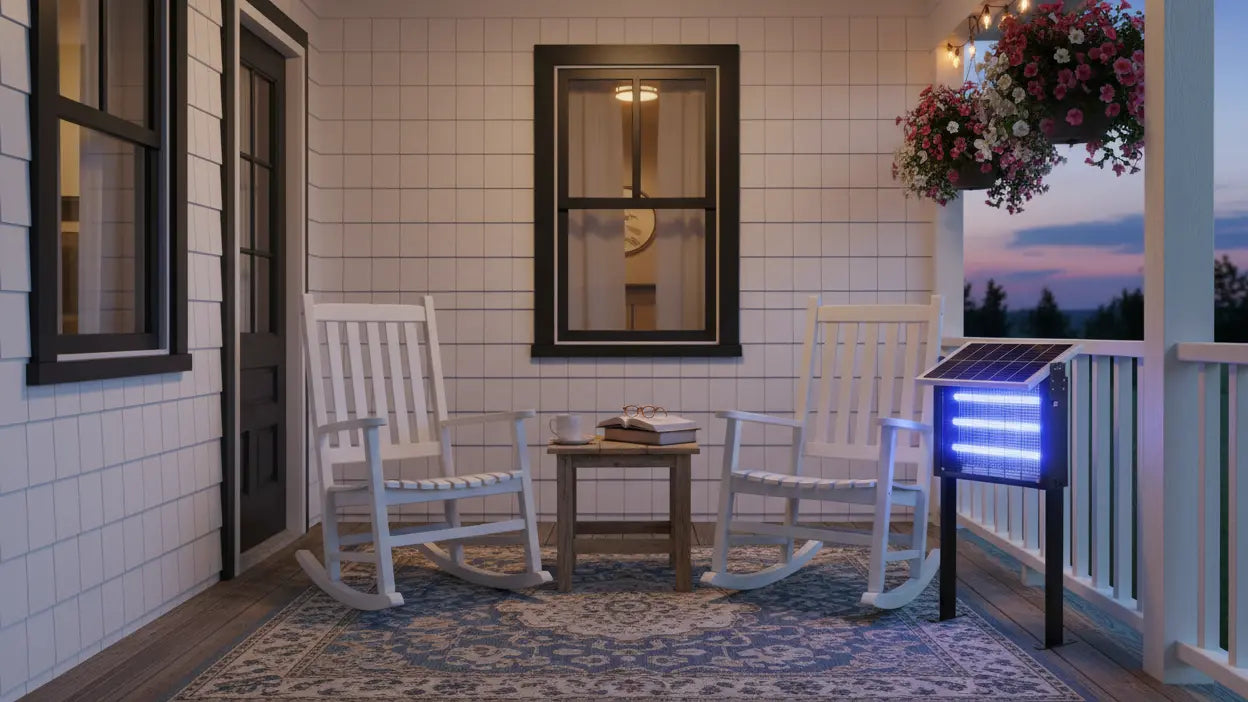
Solar bug zappers solve all these problems. They charge during the day using free solar energy, then automatically turn on at dusk to protect your space all night long. No wires, no chemicals, no ongoing costs. Just set it up once and let it do its job.
But not all solar bug zappers are created equal. The difference between a mediocre unit and a great one can mean the difference between a mosquito-free evening and another night spent swatting bugs. That's why choosing the right model matters.
Meet the Contenders: Hykoont 12W vs 18W Solar Bug Zappers
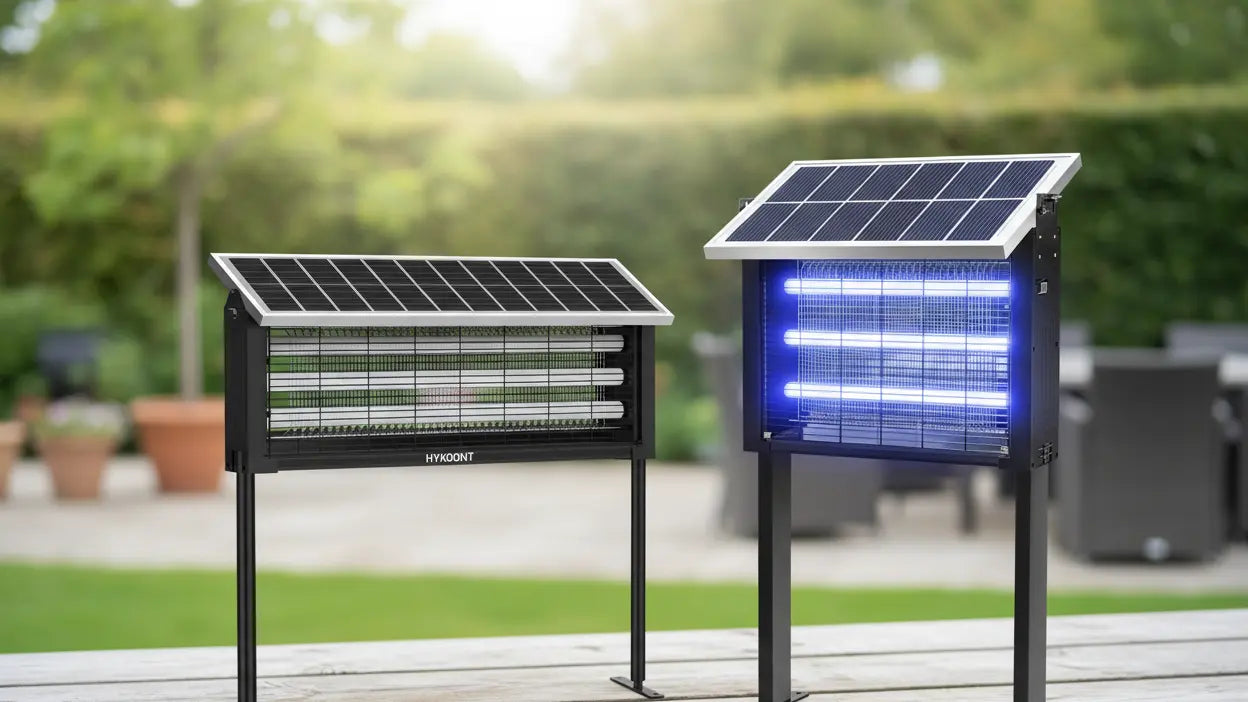
Hykoont has built a reputation for quality outdoor lighting solutions, and their bug zapper line is no exception. Both the 12W and 18W models use triple UV LED tubes to attract insects, then eliminate them with a high-voltage grid. But the similarities end there.
Hykoont 12W Solar LED Bug Zapper: The Versatile All-Rounder

The Hykoont 12W Solar LED Bug Zapper is designed for medium to large outdoor spaces. Priced at $139.00, it offers an attractive entry point for homeowners looking for reliable mosquito control without breaking the bank.
What makes this model stand out is its flexibility. It comes with both a ground stake and hanging hardware, so you can install it wherever it works best for your space. Got a garden bed that needs protection? Stake it in the ground. Have a covered patio? Hang it from the ceiling. This versatility makes it ideal for people who might want to move their bug zapper around or aren't sure about the best placement yet.
The 12W model features a 19W solar panel paired with a 6000mAh battery, providing up to 8 hours of runtime on a full charge. That's enough to cover most summer evenings from dusk until you head inside for the night. The triple UV LED tubes create an effective attraction zone that covers 150-200 square meters—roughly the size of a large backyard or multiple patio areas.
With an IPX4 water resistance rating, this bug zapper can handle rain, morning dew, and the occasional sprinkler overspray. It's built for outdoor life, not just fair-weather use.
Check Current Price and Availability →
Hykoont 18W Solar LED Bug Zapper: The Premium Powerhouse

Step up to the Hykoont 18W Solar LED Bug Zapper, and you're getting into serious mosquito-fighting territory. At $259.00, it's nearly double the price of the 12W model, but it brings some significant upgrades that might justify the investment for the right situation.
The most obvious difference is power. With 18W of bug-zapping capability and a massive 30W solar panel, this unit charges faster and runs longer. The same 6000mAh battery that powers the 12W model for 8 hours can keep the 18W running for 8-12 hours, thanks to more efficient charging and power management.
The 18W model also includes automatic dusk-to-dawn operation. While the 12W requires manual control or a separate timer, the 18W senses when the sun goes down and turns itself on automatically. When dawn breaks, it shuts off and starts recharging. This set-it-and-forget-it convenience is perfect for vacation homes, rental properties, or anyone who doesn't want to think about their bug zapper every day.
Coverage area is slightly smaller at 100-150 square meters, but don't let that fool you. The higher wattage means more intense UV output, which can actually be more effective in areas with heavy mosquito pressure. Sometimes concentrated power beats broader coverage.
Like its smaller sibling, the 18W model carries an IPX4 water resistance rating and features the same triple UV LED tube design. It's built to the same quality standards, just with more power under the hood.
Head-to-Head Comparison: Breaking Down the Key Differences
Now that you know what each model offers, let's compare them directly across the factors that matter most.
Power and Performance
The 18W model delivers 50% more power than the 12W version. In practical terms, this means brighter UV light that attracts insects from farther away and a more powerful electric grid that eliminates them more reliably.
If you live in an area with aggressive mosquito populations—near wetlands, lakes, or in humid climates—that extra power can make a real difference. The 12W works well for typical suburban yards, but the 18W is better equipped to handle serious pest pressure.
Coverage Area
Here's where things get interesting. The 12W model claims 150-200 square meters of coverage, while the 18W covers 100-150 square meters. Wait, the more powerful model covers less area?
Not exactly. The 18W concentrates its power in a smaller zone, creating more intense attraction and elimination within that space. Think of it like a spotlight versus a floodlight. The 12W casts a wider net, while the 18W creates a more powerful kill zone.
For sprawling properties with multiple outdoor areas, the 12W's broader coverage might serve you better. For a single patio or deck where mosquitoes are particularly bad, the 18W's concentrated power could be more effective.
Solar Panel and Battery Life
Both models use the same 6000mAh battery, but the 18W's 30W solar panel is significantly larger than the 12W's 19W panel. This means faster charging, even on partly cloudy days.
The 12W provides up to 8 hours of runtime, which is plenty for most situations. The 18W extends that to 8-12 hours, giving you coverage from dusk until dawn even during the longest summer nights.
If you live in an area with inconsistent sunlight or want maximum reliability, the 18W's superior solar charging capability provides extra peace of mind.
Installation and Flexibility
The 12W model wins on versatility with its dual installation options. The included ground stake and hanging hardware mean you can place it anywhere. Want to try it in different spots to find the most effective location? No problem.
The 18W model's installation options aren't specified in the same detail, but its automatic dusk-to-dawn feature means you can install it once and forget about it. No daily on/off switching required.
Price and Value
At $139.00, the 12W model offers excellent value for most homeowners. It's affordable enough that you could buy two and cover different areas of your property for less than the cost of one 18W unit.
The 18W model at $259.00 is a premium investment. You're paying for more power, longer runtime, and automatic operation. Whether that's worth the extra $120 depends on your specific needs and budget.

Which Bug Zapper Should You Choose?
Let's make this decision easier with some real-world scenarios.
Choose the 12W Solar Bug Zapper If:
You have a typical suburban yard or patio area up to 200 square meters. The 12W provides plenty of coverage for most residential outdoor spaces without overspending.
You want installation flexibility. Being able to stake it in the ground or hang it from a structure gives you options to experiment with placement and find what works best.
You're protecting multiple areas. At $139.00 each, you could buy two 12W units to cover both your front porch and back patio for less than one 18W model.
You're new to solar bug zappers. The lower price point makes it easier to try this solution without a huge commitment. If it works well, you can always add more units or upgrade later.
Budget is a primary concern. The 12W delivers solid performance at a more accessible price point, making it the smart choice for cost-conscious buyers.
Choose the 18W Solar Bug Zapper If:
You face heavy mosquito pressure. If you live near water, in a humid climate, or in an area known for aggressive mosquito populations, the extra power is worth the investment.
You want set-it-and-forget-it convenience. The automatic dusk-to-dawn operation means you never have to think about turning it on or off. Perfect for vacation homes or rental properties.
You need maximum runtime. The 8-12 hour battery life ensures coverage through the entire night, even during long summer evenings.
You have a smaller, high-priority area to protect. The concentrated power in a 100-150 square meter zone makes it ideal for a single patio or deck where you spend most of your outdoor time.
You value premium features. The larger solar panel, longer runtime, and automatic operation justify the higher price if you want the best possible performance.
Real-World Performance: What to Expect
Let's talk about what actually happens when you install one of these bug zappers in your yard.
During the first few nights, you'll probably hear frequent zapping sounds as the unit attracts and eliminates mosquitoes and other flying insects. This is normal and actually a good sign—it means the device is working.
Over time, you should notice a significant reduction in mosquito activity in your outdoor space. Solar bug zappers work best as part of a comprehensive approach that includes eliminating standing water, using fans to disrupt mosquito flight patterns, and timing your outdoor activities for when mosquitoes are less active.
Both models require minimal maintenance. Every few weeks, you'll want to clean the UV tubes and electric grid to remove dead insects and debris. This takes just a few minutes and keeps the unit operating at peak efficiency.
The solar panels should be wiped down occasionally to remove dust and pollen that can reduce charging efficiency. In areas with heavy pollen or dust, you might need to do this weekly during peak season.
Battery life will gradually decrease over several years of use, which is normal for all rechargeable batteries. Both models should provide 3-5 years of reliable service before you notice significant performance degradation.

Installation Tips for Maximum Effectiveness
Where you place your bug zapper matters almost as much as which model you choose. Here are some tips to get the best results:
Position the unit 15-25 feet away from your main gathering area. You want to draw mosquitoes away from where people are sitting, not attract them to your patio.
Place it upwind of your outdoor space when possible. Mosquitoes fly with the wind, so positioning the zapper upwind creates a barrier they have to pass through.
Ensure the solar panel gets at least 6-8 hours of direct sunlight daily. Shade from trees or buildings will reduce charging efficiency and runtime.
Install it at a height of 4-6 feet off the ground. This is the typical flight zone for mosquitoes and most flying insects.
Keep it away from competing light sources. Porch lights and other outdoor lighting can reduce the bug zapper's effectiveness by providing alternative attractions for insects.
For the 12W model, experiment with both ground stake and hanging installation to see which works better for your space. You might be surprised by the difference placement makes.

The Environmental and Economic Benefits
Beyond just killing mosquitoes, solar bug zappers offer some compelling environmental and economic advantages.
Zero operating costs mean these devices pay for themselves over time. A traditional electric bug zapper running 8 hours per night for 6 months can add $30-50 to your annual electricity bill. Solar models eliminate this cost entirely.
No chemical pesticides means you're not introducing harmful substances into your yard. This is better for beneficial insects like bees and butterflies, safer for pets and children, and reduces your environmental impact.
The IPX4 water resistance on both models means they're built to last through multiple seasons. Unlike cheap bug zappers that fail after one summer, these are investments that provide years of service.
Solar charging reduces your carbon footprint. While the environmental impact of one bug zapper is small, choosing solar over electric is a step toward more sustainable living.
Common Concerns and How to Address Them
Let's tackle some questions and concerns people often have about solar bug zappers.
"Will it work on cloudy days?" Yes, but with reduced performance. The batteries store enough charge to operate even after a cloudy day, though runtime might be shorter. Several consecutive cloudy days can impact performance, but both models should still provide several hours of operation.
"Does it kill beneficial insects?" Some beneficial insects may be attracted to UV light, but mosquitoes and flies are the primary targets. Placing the unit away from gardens and flowering plants helps minimize impact on pollinators.
"How loud is the zapping sound?" You'll hear it when insects are eliminated, but it's not loud enough to disrupt conversation or relaxation. Most people find it satisfying rather than annoying.
"What about winter storage?" In cold climates, bring the unit indoors during winter to protect the battery and extend its lifespan. Store it in a garage or shed where it won't be exposed to freezing temperatures.
"Can I use multiple units together?" Absolutely. In fact, using multiple bug zappers can create overlapping zones of protection for larger properties. Two 12W units might be more effective than one 18W for sprawling yards.

Frequently Asked Questions
How long does it take to fully charge the battery?
The 12W model with its 19W solar panel typically needs 6-8 hours of direct sunlight for a full charge. The 18W model's larger 30W panel can achieve a full charge in 5-7 hours under optimal conditions. Partial charging is fine—even a few hours of sunlight will provide several hours of operation.
Will these bug zappers work in shaded areas?
The units will operate in shade, but the solar panels need direct sunlight to charge effectively. If your outdoor space is heavily shaded, consider placing the bug zapper in a sunny spot nearby rather than directly in the shaded area you want to protect. The UV light will still attract mosquitoes from the shaded zone.
How often do I need to clean the bug zapper?
Plan to clean the UV tubes and electric grid every 2-3 weeks during peak mosquito season. In areas with heavy insect activity, weekly cleaning might be necessary. The process is simple—just brush away dead insects and wipe down the tubes with a damp cloth. Always disconnect or turn off the unit before cleaning.
Can I leave it outside during rain?
Yes, both models have IPX4 water resistance, which means they can handle rain and splashing water from any direction. However, they're not designed for submersion, so avoid placing them where they could be flooded or completely soaked.
What's the lifespan of the UV LED tubes?
LED UV tubes typically last 20,000-30,000 hours of operation. At 8 hours per night for 6 months per year, that's roughly 10-15 years of use. The battery will likely need replacement before the UV tubes do.
Do I need to replace the battery, and if so, how often?
The 6000mAh rechargeable battery should provide 3-5 years of reliable service before you notice significant capacity loss. Replacement batteries are available, and the process is typically straightforward. Proper winter storage in cold climates can extend battery life.
Will the bug zapper attract mosquitoes from my neighbor's yard?
UV light attracts mosquitoes from a limited range—typically 30-50 feet. While you might catch some mosquitoes that would have otherwise stayed in neighboring yards, you're not creating a mosquito magnet that draws them from blocks away. The net effect is still a reduction in mosquitoes in your immediate area.
Can I use this indoors or in a screened porch?
These units are designed for outdoor use where the solar panel can charge. You could use them in a screened porch if the solar panel gets adequate sunlight, but they're most effective in open outdoor spaces. For indoor use, consider a plug-in bug zapper instead.
What's the difference between UV LED tubes and traditional UV bulbs?
LED UV tubes are more energy-efficient, last much longer, and produce more consistent UV output than traditional fluorescent UV bulbs. They also don't contain mercury, making them safer and more environmentally friendly. The triple-tube design in both Hykoont models provides 360-degree coverage.
How do I know if the unit is working properly?
You should see the UV tubes glowing at night and hear occasional zapping sounds when insects are eliminated. If the unit isn't turning on, check that the solar panel is getting adequate sunlight and that the battery is charged. Most issues can be resolved by ensuring proper solar exposure and cleaning the panels.
Making Your Final Decision
Both the Hykoont 12W and 18W solar bug zappers are quality products that can significantly improve your outdoor living experience. The right choice depends on your specific situation.
The 12W model at $139.00 offers the best value for most homeowners. It provides excellent coverage, flexible installation, and reliable performance at an accessible price point. If you're protecting a typical yard or patio and want to try solar bug zapping without a major investment, this is your best bet.
The 18W model at $259.00 is the premium choice for those who need maximum power and convenience. The automatic dusk-to-dawn operation, longer runtime, and superior solar charging make it ideal for vacation homes, areas with heavy mosquito pressure, or anyone who wants the absolute best performance.
Can't decide? Consider your mosquito problem severity, the size of the area you need to protect, and your budget. For most people, the 12W provides everything they need. But if you've tried other solutions and still struggle with mosquitoes, or if you want the convenience of automatic operation, the 18W is worth the upgrade.
Either way, you're investing in a solution that will provide years of mosquito-free outdoor enjoyment. No more cutting evenings short because of bugs. No more dousing yourself in chemical repellent. Just clean, solar-powered protection that works night after night.
Ready to reclaim your outdoor space? Choose the model that fits your needs and start enjoying mosquito-free evenings this week.
Shop Now:
Have questions about which model is right for you? Drop a comment below or reach out to our team. We're here to help you find the perfect solution for your outdoor space.

Leave a comment
This site is protected by hCaptcha and the hCaptcha Privacy Policy and Terms of Service apply.