





The Chemical Dilemma Every Parent Faces
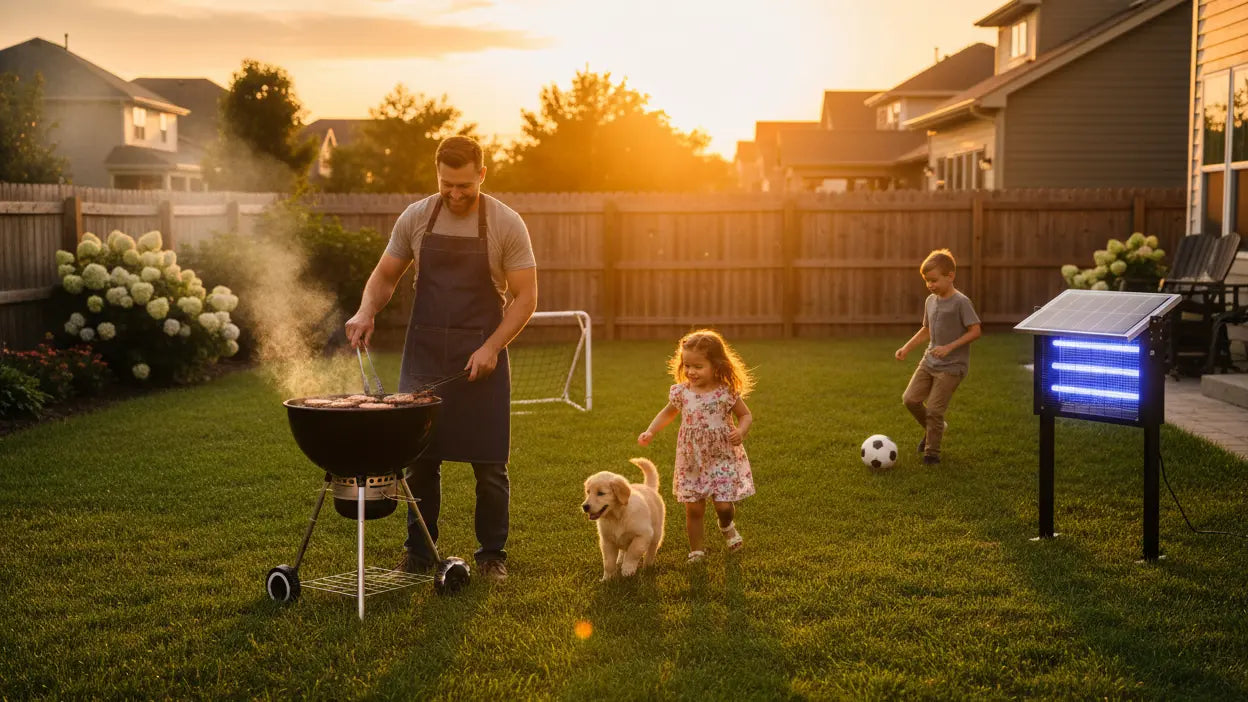
You're getting ready for an evening in the backyard. The kids want to play outside, the dog's excited to run around, and you're looking forward to some family time. Then the mosquitoes show up.
Out comes the bug spray. You're reading the warning label—again—wondering if you're really supposed to be spraying this stuff on your six-year-old. The ingredients list looks like a chemistry exam. Your toddler immediately rubs their eyes with spray-covered hands. The dog tries to lick everyone. And you're thinking: there has to be a better way.
Here's the truth: most mosquito solutions weren't designed with families in mind. They're either loaded with chemicals you can barely pronounce, or they're so ineffective that you end up using them anyway out of desperation.
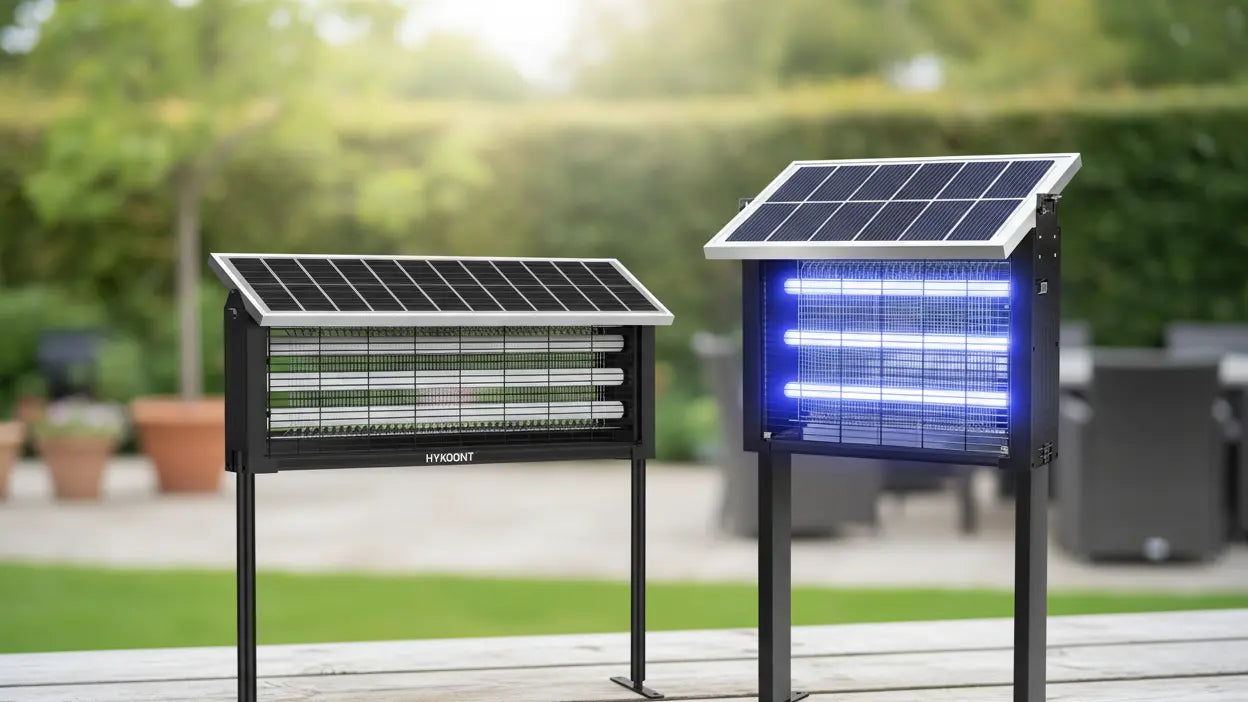
The Hykoont 18W Solar LED Bug Zapper Light at $259.00 offers something different: effective mosquito control that doesn't require you to choose between protecting your family from bugs and protecting them from chemicals.
Why Chemical Sprays Are Problematic for Families
Let's talk about what's actually in most bug sprays. DEET is the big one—it's effective, sure, but it's also a chemical that the EPA classifies as requiring careful handling. The label literally tells you not to apply it to children's hands because they put their hands in their mouths.
Picaridin is newer and considered safer, but you're still applying a synthetic chemical to your child's skin. And both need to be reapplied every few hours, which means multiple applications during a typical evening outside.
The Real-World Problems
Beyond the chemical concerns, there are practical issues that any parent recognizes immediately:
Kids touch everything. You spray them down, and within minutes they're rubbing their eyes, putting fingers in their mouths, or handling food. That bug spray is now everywhere.
Pets lick. Dogs especially will lick themselves, lick the kids, lick you. Whatever's on the skin ends up in their system.
It feels terrible. That sticky, oily residue? Kids hate it. Try getting a squirmy toddler to stand still for a thorough application. Good luck.
The smell lingers. On skin, on clothes, on furniture. That distinctive chemical odor becomes associated with outdoor time.
Constant reapplication. Every few hours, you're chasing kids around trying to spray them again. It's exhausting.
Why Solar Bug Zappers Are Family-Friendly
Here's what makes a solar bug zapper fundamentally different: it protects the space, not the person. You're not applying anything to anyone's skin. You're not creating chemical residue on surfaces. You're not asking kids to stand still while you spray them down.
You set it up once, and it creates a protected zone where your family can play, eat, and relax without constant intervention.
How It Actually Works
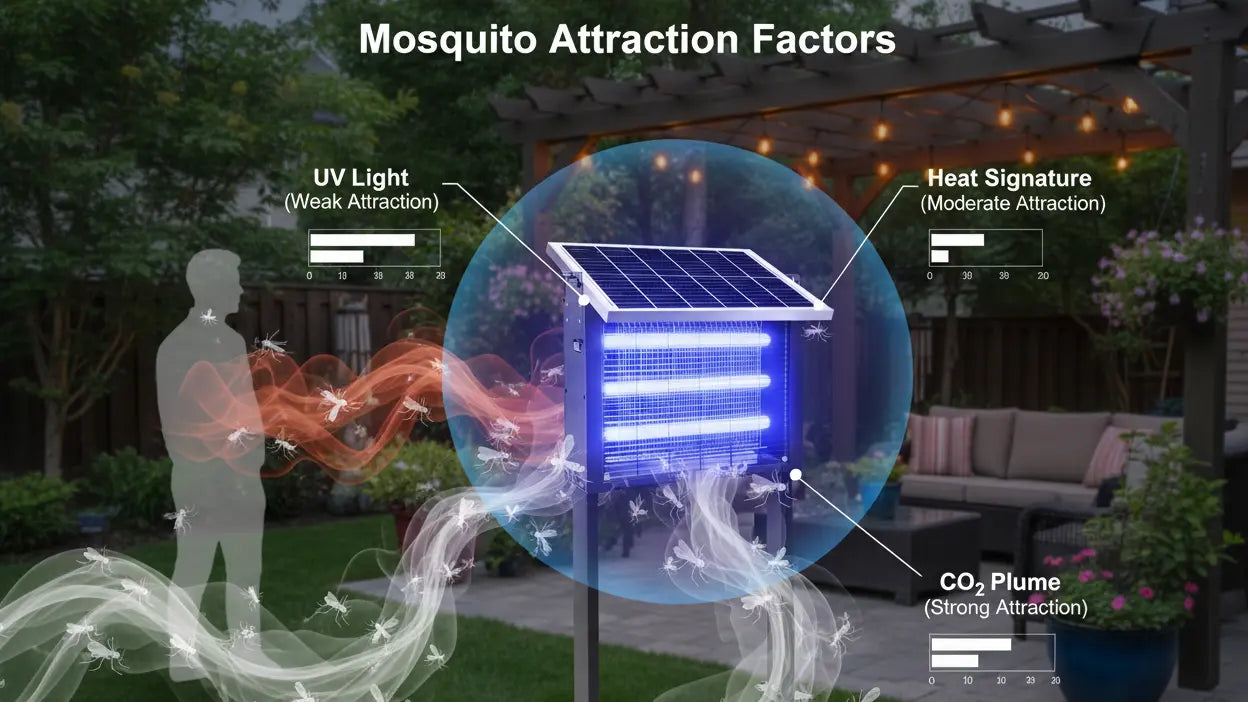
The technology is straightforward and safe. UV LEDs emit light wavelengths that attract flying insects—mosquitoes, moths, flies, gnats. When insects approach, they encounter an electrified grid that eliminates them instantly.
The grid uses low voltage. It's designed to eliminate small insects, not harm humans or pets. Think of it like a static shock—unpleasant if you touch it, but not dangerous. And because it's mounted out of reach (either on a pole or hanging), kids and pets don't typically interact with it anyway.
No chemicals, no sprays, no residue, no smell. Just UV light and an electric grid doing their job quietly in the background.

Safety Considerations: What Parents Need to Know
Let's address the obvious question: is an electric bug zapper safe around kids and pets? The short answer is yes, when used properly. Here's the longer answer:
The Electric Grid
The voltage is low—enough to eliminate insects but not enough to cause injury to humans or larger animals. If a curious child or pet touches it, they'll get an unpleasant shock similar to static electricity. It's startling and uncomfortable, but not harmful.
That said, you don't want kids touching it repeatedly. The solution is simple: mount it out of reach. The Hykoont model can be installed at 6+ feet high when hanging, or positioned in areas where kids don't typically play when ground-mounted.
Pet Behavior
Most pets quickly learn to avoid bug zappers. Dogs and cats are smart—one curious sniff that results in a small shock, and they give it a wide berth from then on.
For the first few days after installation, supervise pets around the unit. Once they've learned it's not a toy or something to investigate, they'll ignore it completely.
The occasional zapping sound when it eliminates an insect might startle some pets initially, but they adapt quickly. It's much quieter than a traditional electric zapper.
Placement Strategy for Family Safety
Position the bug zapper 15-20 feet away from main play areas and seating. This serves two purposes: it draws mosquitoes away from where your family gathers, and it keeps the unit away from high-traffic areas where kids are running around.
Avoid placing it near swing sets, trampolines, or other play equipment where kids might accidentally bump into it during active play.
For hanging installations, ensure it's high enough that even jumping kids can't reach it. For ground installations, position it behind landscaping or in garden areas rather than in the middle of the lawn where kids play.
Comparing Safety: Bug Zappers vs. Alternatives
vs. DEET-Based Sprays
Chemical exposure: DEET requires skin application, absorption into the body. Bug zappers have zero chemical exposure.
Reapplication: Sprays need reapplication every 2-4 hours. Bug zappers work continuously.
Ingestion risk: Kids touch treated skin then put hands in mouth. No ingestion risk with bug zappers.
Skin irritation: DEET can cause reactions, especially on sensitive skin. Bug zappers don't contact skin.
vs. Citronella Candles
Fire hazard: Open flames around kids and pets. Bug zappers have no fire risk.
Smoke inhalation: Candles produce smoke that kids breathe. Bug zappers produce nothing.
Tip-over risk: Candles can be knocked over. Bug zappers are securely mounted.
Effectiveness: Candles provide minimal protection. Bug zappers actively eliminate mosquitoes.
vs. Mosquito Coils
Toxic smoke: Coils burn pesticides that everyone breathes. Bug zappers are emission-free.
Fire hazard: Burning coils are dangerous around children. Bug zappers are electrically safe.
Residue: Coil smoke settles on surfaces and toys. Bug zappers leave no residue.
vs. Yard Spray Treatments
Chemical exposure: Pesticides on grass where kids play and pets roll. Bug zappers treat no surfaces.
Duration: Kids must stay inside during and after application. Bug zappers allow immediate outdoor access.
Runoff: Chemicals wash into soil and water. Bug zappers have zero environmental impact.
Real-World Family Scenarios
Toddlers and Preschoolers
This age group is the hardest to protect with traditional methods. They won't keep bug spray on, they touch everything, and they put everything in their mouths. A bug zapper positioned properly creates a protected play zone without requiring any cooperation from the kids.
Mount it high or position it behind a garden bed where curious toddlers can't reach. They can play freely in the protected area without you constantly worrying about chemical exposure or reapplication.

School-Age Kids
Older kids are more active—running, jumping, playing sports. They sweat off bug spray within an hour, and good luck getting them to stop playing for reapplication.
A bug zapper works regardless of activity level. They can play as hard as they want, and the protection remains constant. No interruptions, no negotiations about standing still for spraying.

Teenagers
Teens often refuse bug spray because of the smell and feel. They'd rather deal with mosquito bites than feel sticky and smell like chemicals. A bug zapper gives them protection without the social awkwardness of smelling like DEET.
Babies and Infants
Pediatricians recommend avoiding DEET on babies under two months, and using it sparingly on older infants. But mosquitoes don't care about age recommendations.
A bug zapper lets you create a safe outdoor space for babies without applying anything to their delicate skin. Position the stroller or play mat in the protected zone, and relax knowing they're safe from both mosquitoes and chemicals.
Pet Safety: What Dog and Cat Owners Should Know
Dogs
Dogs are curious and will investigate new things in their environment. When you first install a bug zapper, supervise your dog around it. Most dogs will sniff it once, possibly get a small static-like shock, and then ignore it forever.
The bigger concern with dogs and traditional bug control is chemical exposure. Dogs roll in grass treated with pesticides, lick their paws after walking on treated surfaces, and lick family members who've applied bug spray. All of that chemical exposure adds up.
With a bug zapper, your dog can run, roll, and play without encountering any chemicals. The grass is just grass. The air is just air. No toxic exposure.

Cats
Cats are generally more cautious than dogs and less likely to investigate a bug zapper closely. They're also more sensitive to chemicals, making traditional bug control particularly problematic for cat owners.
Many bug sprays and yard treatments are toxic to cats. Even citronella can cause reactions. A bug zapper eliminates these concerns entirely.
Other Pets
Rabbits, guinea pigs, chickens, and other outdoor pets benefit from bug zappers too. These animals can't be treated with bug spray, and mosquitoes can transmit diseases to them just like they do to humans.
A bug zapper protects their outdoor areas without introducing any chemicals that could harm them.
The Hidden Costs of Chemical Solutions
Beyond the obvious safety concerns, chemical mosquito control has hidden costs that add up for families:
Financial Costs
A family of four using bug spray regularly during mosquito season:
- Bug spray: $12-15 per bottle
- Usage: 2-3 bottles per month during peak season
- Season cost: $72-135
- Annual cost over multiple years: hundreds of dollars
The $259.00 solar bug zapper pays for itself in one season and continues working for years with zero ongoing costs.
Time Costs
Applying bug spray to multiple kids before every outdoor session takes time. Reapplying every few hours takes more time. Shopping for replacements, dealing with spills, cleaning up sticky residue—it all adds up.
A bug zapper requires about 5 minutes of setup initially, then essentially zero time investment. It works automatically, every evening, without any intervention.
Stress Costs
Constantly worrying about chemical exposure, reading warning labels, wondering if you're doing the right thing—that mental load is real. Many parents describe feeling guilty about using chemical sprays but feeling like they have no choice.
Switching to a chemical-free solution eliminates that stress. You're not making a trade-off between bug protection and chemical exposure. You get both safety and effectiveness.
Environmental Impact: Teaching Kids Responsibility
Using a solar bug zapper is also an opportunity to teach kids about environmental responsibility and sustainable solutions.
They can see how solar power works—the panel charges during the day, stores energy, and uses it at night. It's a tangible example of renewable energy in action.
They learn that effective solutions don't have to involve chemicals or harm the environment. You're protecting your family and the planet simultaneously.
For families trying to reduce their chemical footprint and make more sustainable choices, a solar bug zapper aligns perfectly with those values.

Installation Tips for Maximum Family Safety
Height Considerations
When hanging, install at least 6 feet high—higher if you have tall kids or jumping children. This puts it well out of reach during normal play.
When ground-mounting, position it at the back of garden beds or behind landscaping features where kids don't typically run or play.
Distance from Play Areas
Maintain 15-20 feet between the bug zapper and main play zones. This creates effective mosquito interception while keeping the unit away from active play.
Position it between mosquito sources (standing water, wooded areas) and where your family spends time. You're creating a barrier that catches mosquitoes before they reach the kids.
Visibility
Make sure the unit is visible enough that older kids and adults won't accidentally walk into it, but not so prominent that it becomes a focal point that attracts curious toddlers.
The soft UV glow is actually helpful here—it's visible enough to avoid in the dark but not bright enough to be distracting.
Secure Mounting
Ensure the unit is securely mounted so it can't be knocked over during active play. The ground stake should be firmly in the soil, and hanging installations should use secure attachment points.
Test the stability after installation. Give it a gentle shake to make sure it's not going anywhere.
Maintenance: Simple Enough for Family Life
Family life is busy. You don't need complicated maintenance routines for outdoor equipment. Here's what's actually required:
Weekly: Brush out the collection tray. Takes 30 seconds. Kids old enough to help with chores can do this.
Monthly: Wipe the solar panel with a damp cloth. Clean the grid with a soft brush. Total time: 5 minutes.
Seasonally: Check mounting hardware, tighten if needed. Inspect for any damage.
Every 2-3 years: Replace the battery. Simple process, standard rechargeable battery.
That's it. No weekly chemical purchases, no constant reapplication, no complicated procedures. It fits into busy family life without adding another task to your mental load.

Cost-Benefit Analysis for Families
Let's look at the real numbers for a family of four over three years:
Traditional Chemical Approach
Bug spray (6-month season): $90/year
Citronella candles: $40/year
After-bite treatment: $20/year
Replacement spray bottles (spills, lost bottles): $30/year
Annual total: $180
3-year total: $540
Solar Bug Zapper Approach
Initial investment: $259.00
Operating costs: $0
Maintenance: Minimal, essentially free
3-year total: $259.00
Savings: $401 over three years
Plus the intangible benefits: no chemical exposure, no application time, no stress about safety, no sticky residue, no chemical smell.
Special Considerations for Sensitive Individuals
Allergies and Sensitivities
Some children and adults have reactions to bug spray ingredients—skin irritation, respiratory issues, or allergic responses. For these families, chemical bug control isn't just unpleasant; it's not an option.
A bug zapper provides protection without triggering sensitivities. No ingredients to react to, no fragrances to irritate airways, no chemicals to absorb through skin.
Asthma and Respiratory Issues
Aerosol sprays and smoke from candles or coils can trigger asthma attacks or breathing difficulties. Bug zappers produce no aerosols, no smoke, no airborne irritants.
Kids with asthma can play outside in the protected zone without respiratory concerns.
Skin Conditions
Eczema, psoriasis, and other skin conditions can be aggravated by bug spray chemicals. The sticky residue can also trap dirt and irritants against sensitive skin.
Bug zappers eliminate the need to apply anything to compromised skin, allowing kids with skin conditions to enjoy outdoor time comfortably.
Teaching Kids About the Bug Zapper
Part of family safety is education. Here's how to talk to kids about the bug zapper:
For Young Children (3-7)
"This is our mosquito helper. It catches mosquitoes so they don't bite us. We don't touch it because it has a special electric part that's just for bugs, not for people. If you see it, just leave it alone and let it do its job."
For Older Kids (8-12)
Explain how it works: the UV light attracts insects, the electric grid eliminates them. Discuss why it's safer than chemical sprays. Let them help with simple maintenance like brushing out the collection tray.
For Teens
Teens can understand the full technology and safety considerations. They can help with installation, maintenance, and even optimal placement decisions. It's a good opportunity to discuss sustainable solutions and environmental responsibility.
Addressing Common Parent Concerns
"What if my child touches it?"
They'll get a small shock similar to static electricity—unpleasant but not harmful. Most kids touch it once out of curiosity and never again. Proper mounting out of reach prevents most contact.
"Will it attract bugs closer to my kids?"
No. When positioned correctly (15-20 feet from play areas), it draws bugs away from where your family gathers. You're creating an interception zone between mosquito sources and your kids.
"Is it loud enough to scare young children?"
The occasional zap is quiet—much quieter than traditional electric zappers. Most kids don't even notice it, and those who do quickly get used to it. It's far less disruptive than constantly spraying and reapplying bug spray.
"What about beneficial insects?"
Bug zappers primarily attract night-flying insects like mosquitoes and moths. Bees, butterflies, and other beneficial insects are active during the day and attracted to flowers, not UV light. The dusk-to-dawn operation means it's off when beneficial insects are most active.
"Can my dog or cat get hurt?"
The low voltage won't cause injury. Pets might get a small shock if they investigate it, which teaches them to avoid it. After initial curiosity, most pets ignore it completely.
Seasonal Family Use
Spring: Establishing Protection Early
Install your bug zapper in early spring before mosquito populations explode. This is when kids are excited to get back outside after winter, and you want to establish good outdoor habits without the mosquito battles.
Summer: Peak Family Time
Summer means maximum outdoor time—evening dinners, late playtime, backyard camping. The bug zapper works overtime during long summer evenings, providing protection during peak family outdoor hours.
The extended daylight means maximum solar charging, often providing 10+ hours of operation to cover even the latest summer bedtimes.
Fall: Extending Outdoor Season
Fall evenings are perfect for outdoor time, but mosquitoes remain active until first frost. The bug zapper lets you extend your outdoor season without resorting to chemical sprays as temperatures drop.
Winter: Safe Storage
In most climates, bring the unit inside for winter. This is a good opportunity to clean it thoroughly and involve kids in the maintenance process. Store it safely where it won't be damaged, ready for next season.
Frequently Asked Questions
Is a bug zapper really safer than bug spray for kids?
Yes, because it eliminates chemical exposure entirely. Bug spray requires applying pesticides directly to children's skin, which they then touch, ingest, and absorb. A properly installed bug zapper provides protection without any chemical contact.
What age children is it safe around?
All ages, when properly installed. For infants and toddlers, mount it out of reach (6+ feet high or behind barriers). The unit itself poses no chemical or inhalation risks to any age group.
Will my dog try to eat the dead bugs?
Some dogs might investigate the collection tray, but the bugs are eliminated, not poisoned, so there's no toxicity concern. Most dogs aren't interested in dead insects. If your dog is particularly curious, position the unit where they can't access the collection tray.
Can I use it if my child has asthma?
Absolutely. Bug zappers produce no aerosols, smoke, or airborne irritants that could trigger asthma. They're actually ideal for families with respiratory sensitivities because they eliminate the need for spray products.
What if my toddler pulls it down?
Proper installation prevents this. When hanging, use secure attachment points that toddlers can't reach. When ground-mounting, push the stake firmly into soil and position it where toddlers don't typically play. Test stability after installation.
Is the UV light harmful to children's eyes?
No. The UV wavelengths used are specifically for attracting insects and are not harmful to human eyes at the exposure levels from a bug zapper. It's far less UV exposure than playing outside in sunlight.
How do I explain it to my kids without scaring them?
Use simple, positive language: "This helps keep mosquitoes away so we can play outside without getting itchy bites. We don't touch it, just like we don't touch the stove, because it has a special part that's just for catching bugs."
Can I use it around my baby's play area?
Yes. Position it 15-20 feet from the play area to create a protected zone. The baby gets mosquito protection without any chemical exposure, and the unit is far enough away that there's no contact risk.
What if my cat climbs up to it?
Cats are generally cautious and unlikely to climb to investigate a bug zapper. If you have a particularly adventurous cat, choose a hanging location they can't access, or use ground mounting in an area they don't frequent.
Is it safer than those mosquito dunks for standing water?
They serve different purposes and can be used together. Mosquito dunks prevent breeding in standing water (a good practice), while bug zappers eliminate adult mosquitoes in your outdoor space. Both are safer than chemical sprays, and using both provides comprehensive protection.
Making the Switch: What to Expect
When you transition from chemical bug control to a solar bug zapper, here's what typically happens:
Week 1: You'll notice you're not constantly thinking about bug spray. Kids can run outside spontaneously without the spray-down routine. It feels liberating.
Week 2: You realize you haven't bought bug spray in two weeks. The sticky residue on outdoor furniture is gone. Clothes don't smell like chemicals.
Week 3: The bug zapper has become part of the landscape. Kids ignore it, pets ignore it, and you're enjoying outdoor time without the chemical concerns that used to nag at you.
Month 2: You've saved enough on bug spray to offset a significant portion of the initial investment. More importantly, you've eliminated hundreds of chemical applications to your children's skin.
Season end: You've made it through an entire mosquito season without chemical exposure, without the constant battle of applying and reapplying spray, and without the guilt of wondering if you're making the right choice for your family's health.
Final Thoughts: Choosing Safety Without Sacrifice
For too long, families have been forced to choose between effective mosquito protection and chemical safety. Bug spray works, but it comes with concerns that keep parents up at night. Natural alternatives often don't work well enough, leaving families frustrated and bitten.
Solar bug zappers break that false choice. You get effective mosquito control without chemical exposure. Your kids can play freely without sticky spray residue. Your pets can run and roll without encountering pesticides. And you can relax knowing you're protecting your family in every sense of the word.
The Hykoont 18W Solar LED Bug Zapper at $259.00 represents a one-time investment in your family's safety and comfort. It's not just about avoiding mosquito bites—it's about creating an outdoor environment where kids can be kids, pets can be pets, and parents can stop worrying about chemical exposure.
Every evening your family spends outside without applying bug spray is an evening without chemical exposure. Over a season, over years, that adds up to a significant reduction in your family's toxic load.
Ready to make the switch to safer mosquito protection? Get the Hykoont Solar Bug Zapper and give your family the chemical-free outdoor protection they deserve.


Leave a comment
This site is protected by hCaptcha and the hCaptcha Privacy Policy and Terms of Service apply.