


You know the moment. You turn into your driveway after dinner, the gate light wakes up, and suddenly the brightest thing you can see is the light itself. The keypad disappears into the contrast. The pavement looks washed out. Someone walking beside the gate becomes a shape instead of a person.
That is not the welcome home you paid for.
A residential entrance needs light that helps you finish a small collection of ordinary tasks: find the opening, judge the driveway edge, see who is waiting, and reach the latch without fumbling. A fixture that makes everyone squint has missed the point, however impressive its lumen number looks on the box.
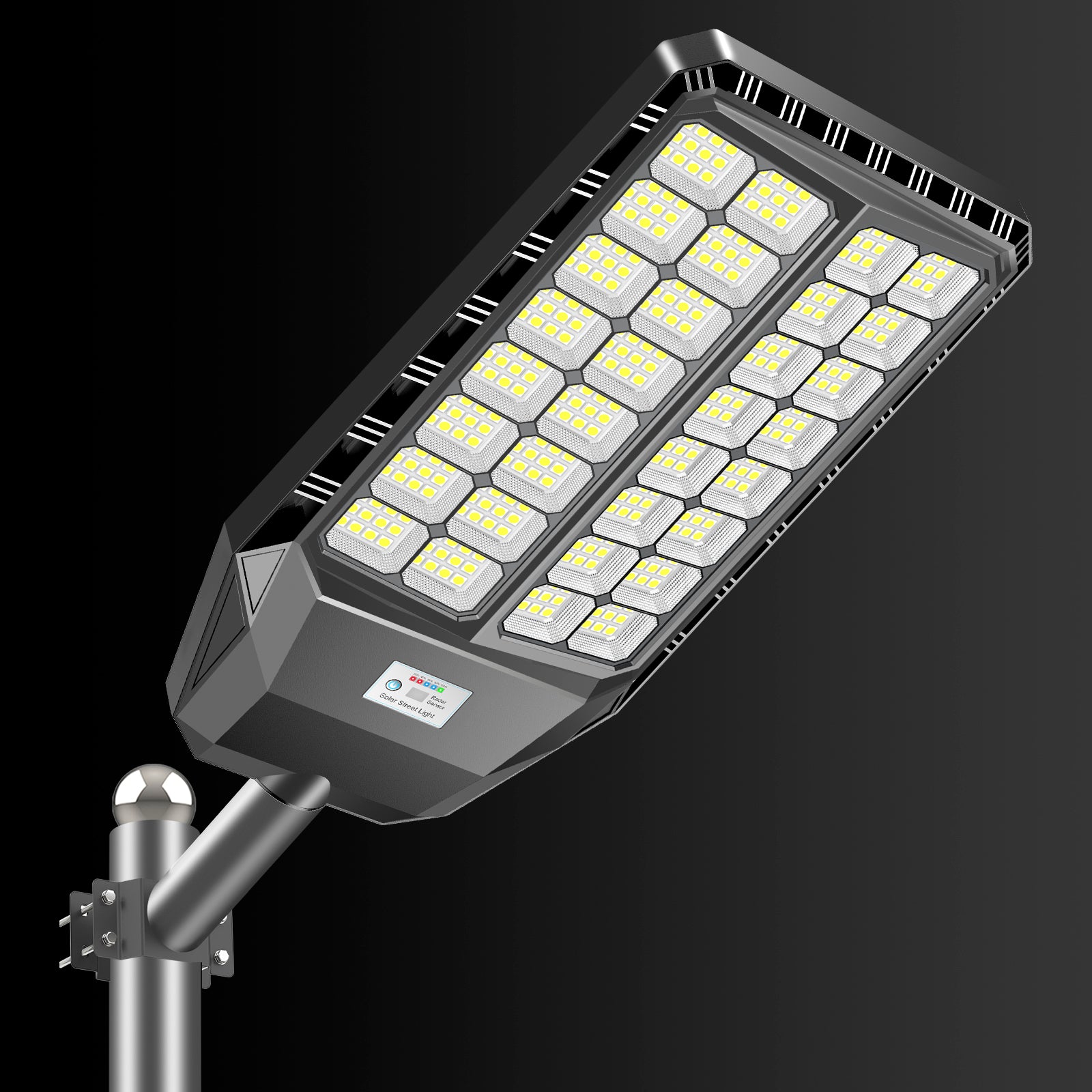
The HYKOONT HY015 Large Lens Solar Street Light approaches that problem with 15 large optical lenses and deep reflector cups, rather than treating raw brightness as the whole answer. Currently listed at $85 USD, it combines a focused optical design with dusk-to-dawn activation, radar motion detection, and remote control.
One important distinction before we go further: “safest choice” in this title describes a safety-first buying approach, not an independently verified ranking or a promise of accident prevention. No fixture is automatically glare-free in every installation. HY015 deserves a place on your shortlist because its optical design addresses a real entrance-lighting problem. Whether it belongs at your gate depends on the wall, the sunlight, the approach angle, and the settings you actually use.
This is a practical guide to solar street lights for residential gates, written for homeowners who want to see their entrance clearly without turning it into a miniature stadium.
Your gate is a place to slow down, not a place to squint
A gate compresses several decisions into a few feet. A driver may be turning off a darker road, checking for pedestrians, looking for a code, and judging whether the vehicle has enough clearance. A visitor on foot may be watching a dog, holding a package, or trying to read a house number. Everyone is moving at a different height and looking in a different direction.
That is why a light can look excellent from your front porch and still feel uncomfortable from the driver’s seat. Your view from the house is only one of the views that matters. The same fixture can sit outside your direct line of sight while shining straight into the eyes of someone approaching from the street.
The useful question is not simply, “Can I see the gate?” It is, “Can everyone use the gate comfortably?” That includes the delivery driver arriving in a low sedan, the neighbor walking past, and a child whose eyes are much closer to the ground than yours.
Imagine two entrances. At the first, a bright lamp faces directly outward above the opening. You notice the lamp immediately but need another moment to locate the latch. At the second, light falls onto the approach and gate hardware while the source stays out of your most important sightlines. The second entrance may feel less dramatic. It may also be easier to use.
That quieter result is the goal. A residential gate should feel legible, not theatrical. You should be thinking about getting home, not about where to look to avoid the light.

The difference between lighting the driveway and lighting your windshield
Glare is not just another word for brightness. A bright area on the ground can be helpful. A bright source in your field of view can be uncomfortable or make nearby details harder to distinguish. Location and contrast matter, which is why adding more output does not necessarily fix poor visibility.
There are also several different problems people casually call glare. One homeowner means the fixture hurts to look toward. Another means the driveway has a brilliant patch surrounded by darkness. Someone else means the light reflects off a windshield, glossy gate panel, or wet concrete. Those complaints can overlap, but they do not have identical solutions.
If the source is directly in your eyes, changing its position or aiming may matter more than changing its power. If the ground is unevenly lit, you need to think about where the beam lands. If a shiny surface is sending light back toward you, the relationship between the fixture, the surface, and the observer needs attention.
This is especially relevant at American residential entrances with metal gates, pale stucco walls, decorative stone, and driveways that slope toward the street. Each surface changes the visual result. A white wall can feel much brighter than dark asphalt under the same fixture. A sloped approach can put the lamp closer to a driver’s sightline than a flat-site sketch suggests.
Before shopping, spend ten minutes at the entrance after dark. Note where you naturally look and where you instinctively look away. Those observations tell you more about your problem than a daytime photo of the gate ever will.
What HY015 actually brings to the wall

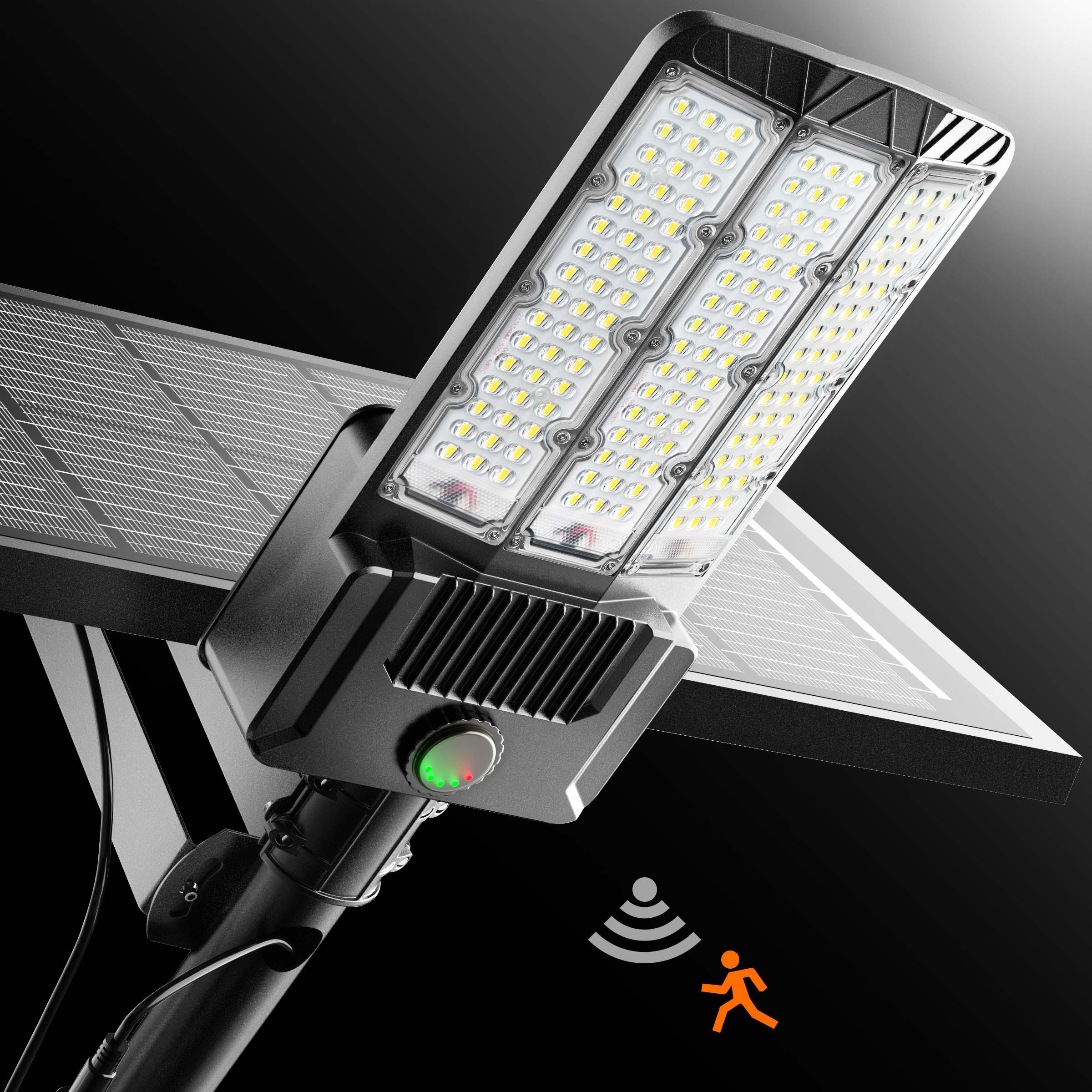
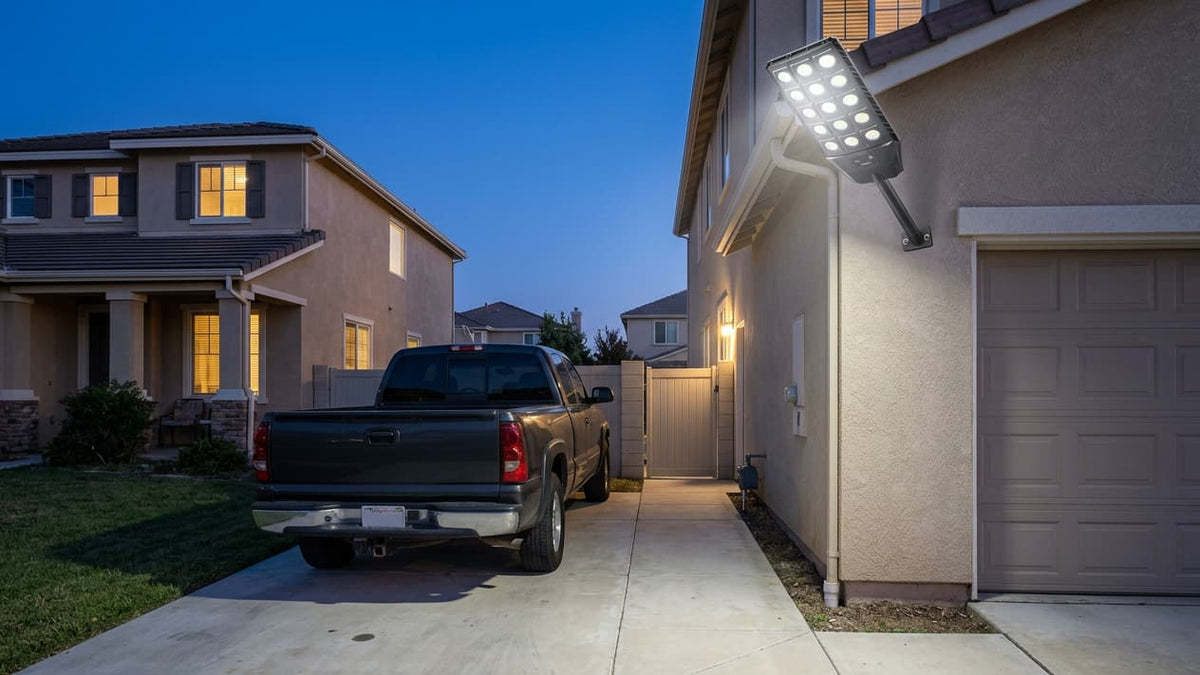
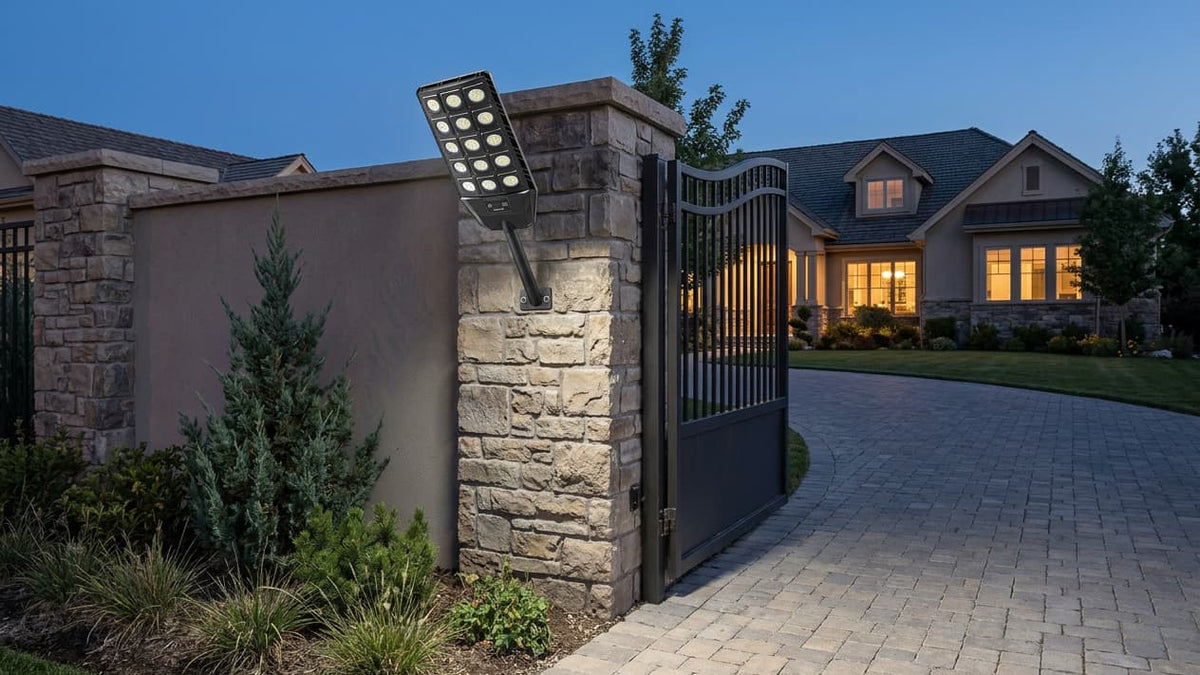
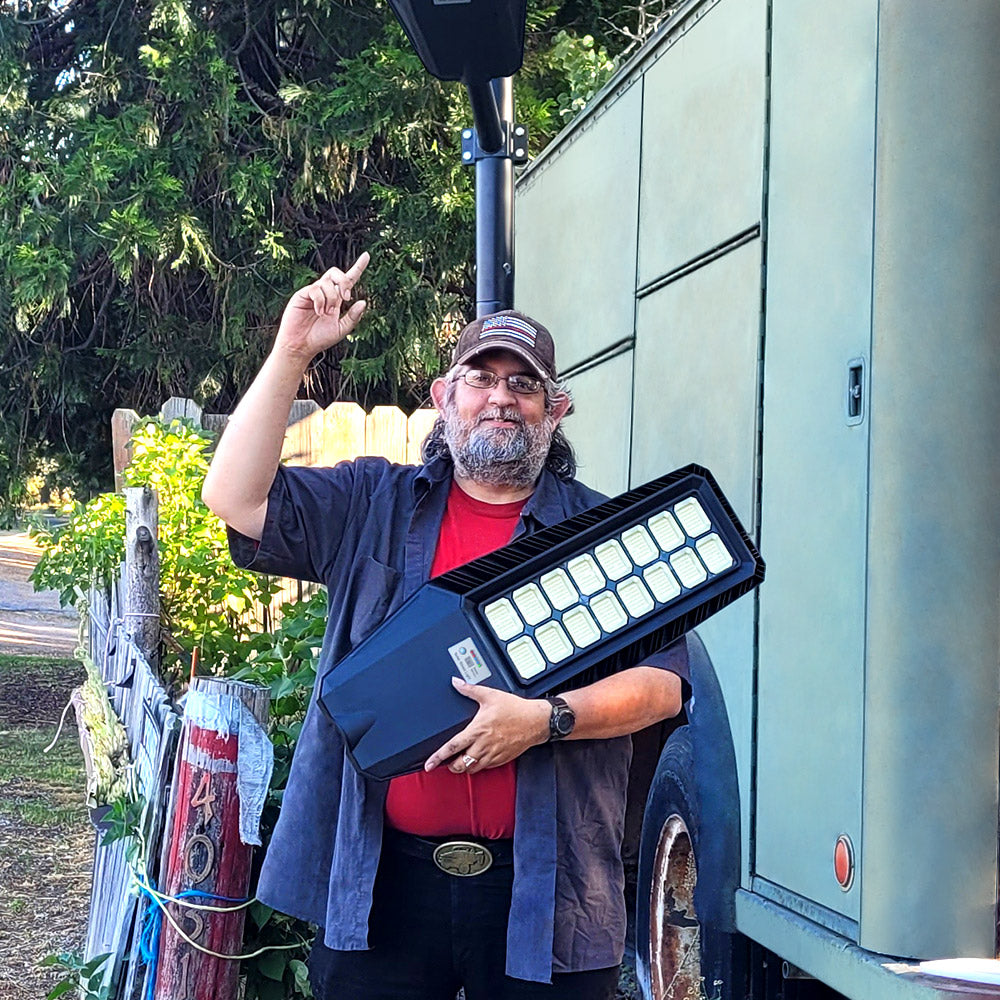
The HY015 product image shows the feature that makes this model interesting: fifteen distinct circular lens assemblies arranged across the face. Its listed optical system combines those large lenses with deep reflector cups. The product description presents this combination as a way to focus the beam and reduce unwanted glare.
That gives you a more relevant starting point for a gate than a shopping strategy built entirely around maximum advertised output. Optics influence where the available light goes. At a residential entrance, directing light toward the approach is usually more useful than making the fixture conspicuous from every direction.
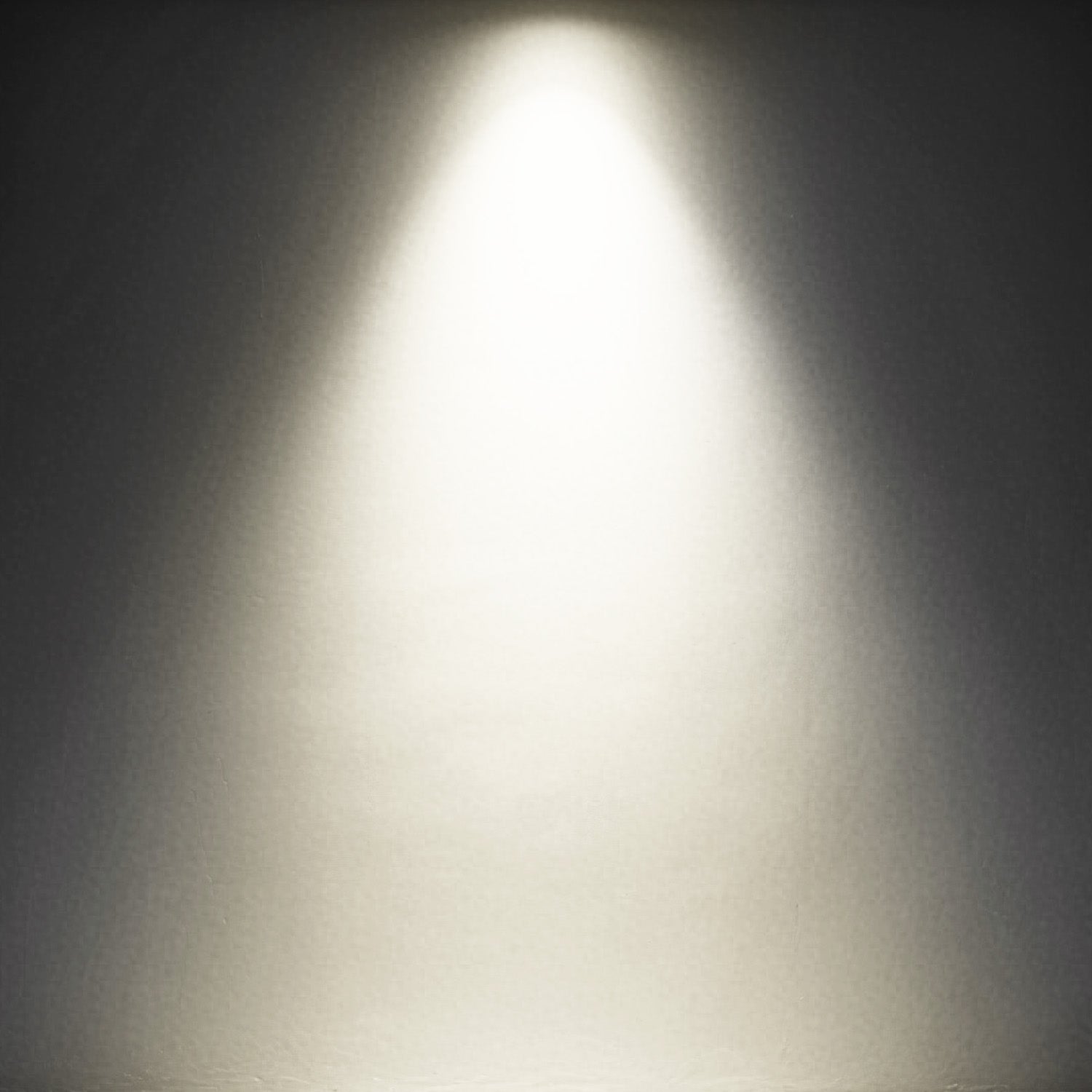
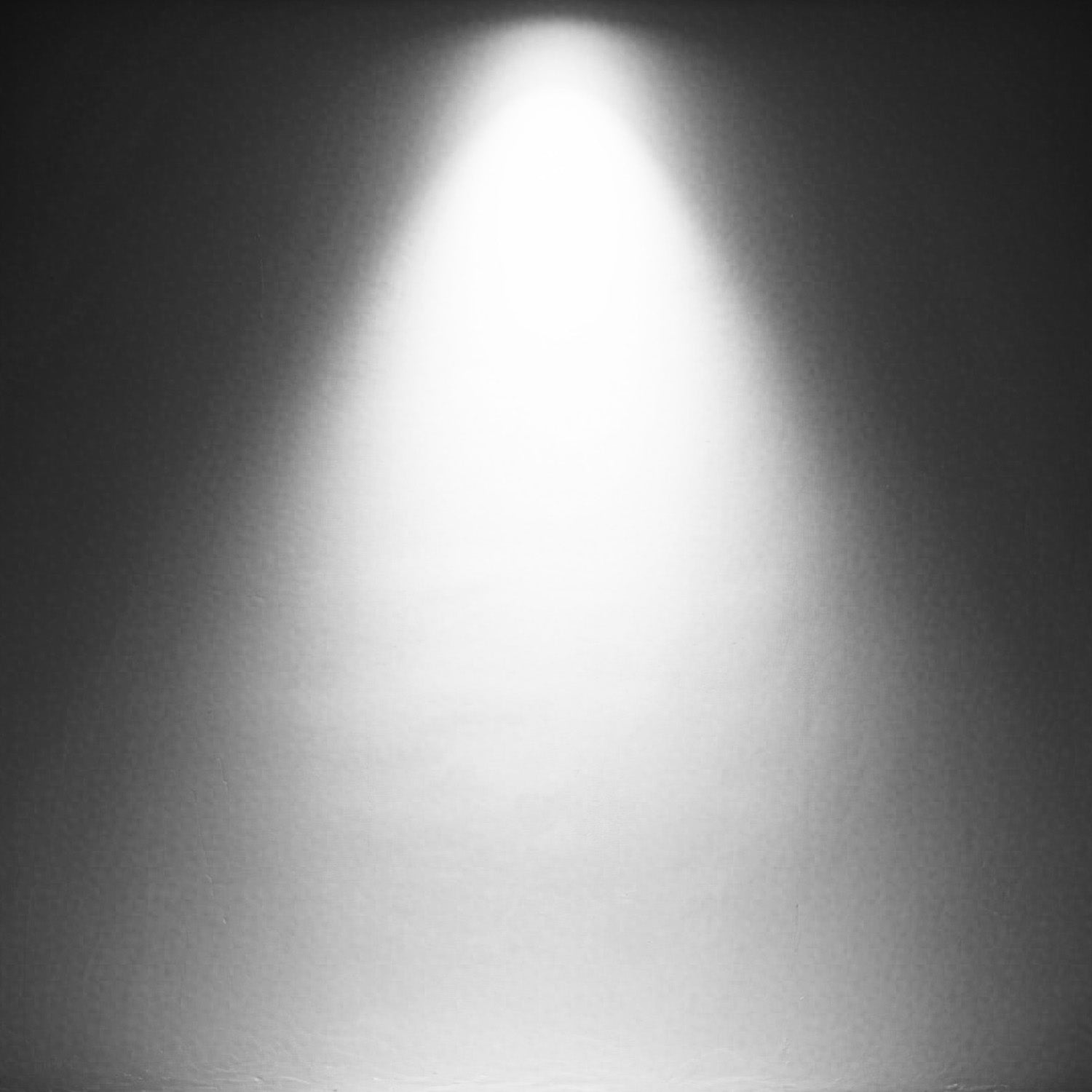
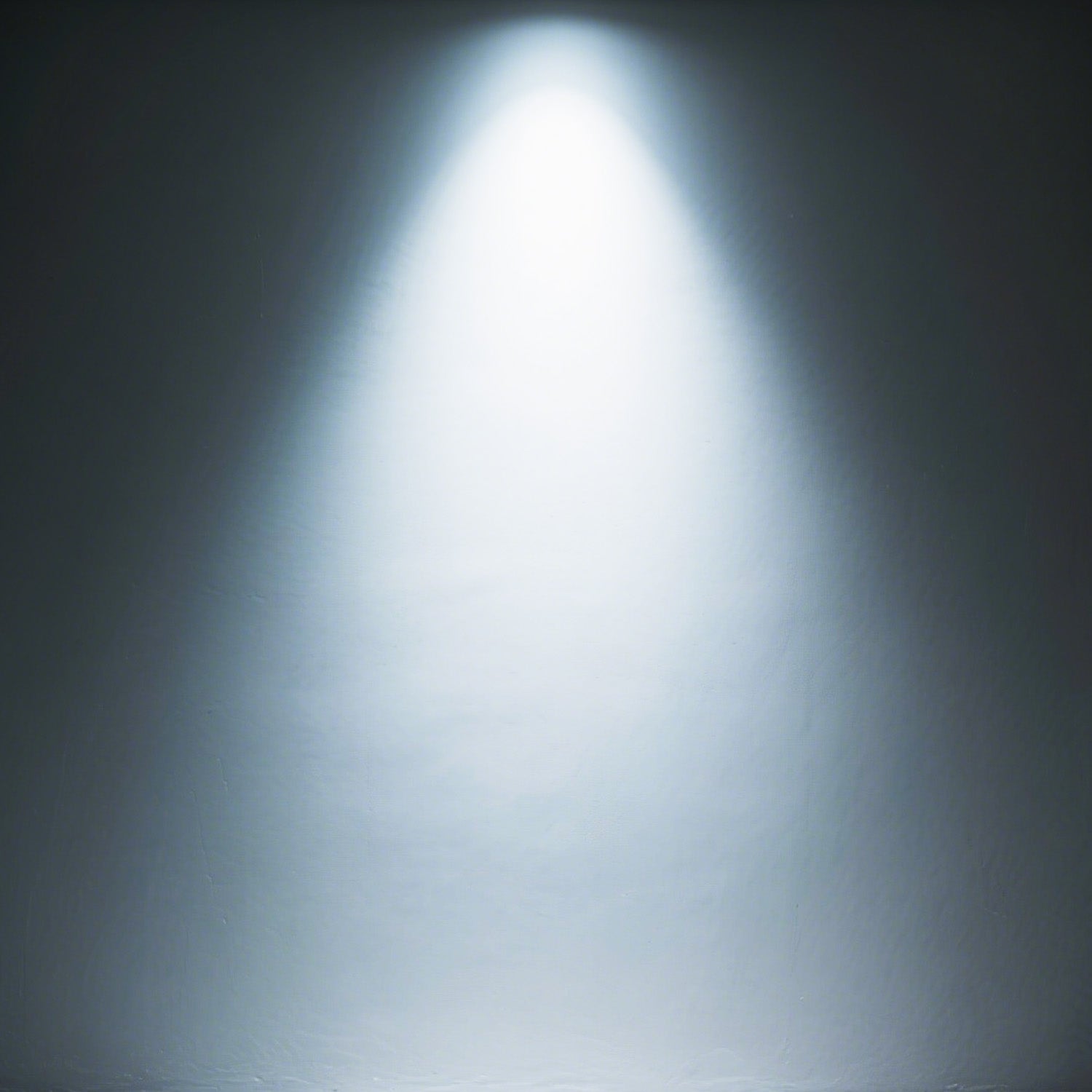
The listed specifications include 255 LEDs, advertised output of 15,000 lumens, and a 6500K–7000K daylight-white color temperature. The body measures approximately 15.7 by 8.6 inches. Its housing is listed as ABS and PC, with weather-resistant construction.
For power, HY015 lists a 5V, 10W monocrystalline solar panel and a 3.2V, 9.2Ah rechargeable battery. The controls combine light sensing, radar motion detection, and a wireless remote. The description says the fixture activates at dusk, switches to full brightness when motion is detected, and returns to an energy-saving dim mode after the area clears.
These are catalog specifications, not measurements from your property. They help explain what you are buying, but they do not establish the exact illumination at your latch, a guaranteed winter runtime, or a measured glare rating. The advertised coverage of up to 2,000 square feet is likewise a planning reference, not a promise that every corner of that area will be equally illuminated.
Current price: $85 USD. At the time of writing, the listing identifies HY015 as a preorder that ships in approximately one month. Check the product page for the latest price and fulfillment estimate before planning an installation date.
Shop HY015 and review the current preorder details.
Fifteen lenses are a starting point, not permission to aim anywhere
Here is the part that often gets lost in product comparisons: concentrating light and eliminating glare are not automatically the same thing. A focused beam is useful when it lands where you need it. A focused beam aimed toward an approaching driver can still be uncomfortable.
HY015’s lens-and-reflector design makes it worth considering for targeted entrance lighting. It does not remove the need to think about the direction of travel. The gate opening, the driver’s stopping position, and the pedestrian route should guide the layout.
Picture a wall beside the entrance rather than directly opposite the approach. Depending on the property, that position may allow the fixture to illuminate the usable ground without presenting its face squarely to arriving traffic. That is a layout principle, not a universal mounting instruction. A curved driveway, steep grade, or narrow wall can change the answer.
Also resist the urge to tilt a light outward just to reach farther. That can trade useful near-ground illumination for a source that becomes visible from much farther away. If the far end of the driveway genuinely needs light, a separate lighting zone may make more sense than forcing one entrance fixture to cover everything.
For anyone searching “how to reduce driveway gate light glare without losing visibility,” this is the central idea: use optical control, thoughtful placement, and appropriate brightness together. A lens cannot rescue a poor sightline, and a good sightline cannot compensate for a fixture that does not suit the site.

HY015 is wall-mount only. Make that decision before checkout.
For this application, HY015 must be installed on a solid wall using a straight, rigid bracket and a visibly secured baseplate. Do not plan to install it on a freestanding pole or gatepost, and do not attach it to the moving gate leaf. That limitation is worth settling before you think about beam reach or decorative symmetry.
A wall beside a residential gate can be a useful mounting location, but “there is a wall” is not the same as “this wall is ready.” The supporting structure, condition of the surface, appropriate fasteners, and clearance around the gate all matter. Decorative cladding should not be assumed to provide structural support.
If you are unsure what sits behind the finish, involve a qualified installer. They can determine how to secure the bracket to the actual supporting material. A neat-looking installation is not enough if the baseplate is attached only to a fragile outer layer.
Keep the mounting location separate from the gate’s moving parts and operating hardware. Swinging leaves, sliding panels, hinges, and service access all need room. A fixture that creates an obstruction or makes future maintenance awkward is a poor fit, even if the light pattern looks good.
Avoid choosing an arbitrary mounting height from a general article. Use the supplied instructions and evaluate the site. The right height must work with the bracket, the wall, the beam direction, and the people approaching. If your entrance has only two freestanding posts and no suitable solid wall, HY015 should not be your default purchase.
Walk the entrance three ways before drilling anything
Start with the arriving driver. Sit in the vehicle where you normally stop to enter a code or wait for the gate. Use your usual seat position. Can you see the keypad, the ground near the opening, and someone standing beside it? Does the planned lamp position sit directly ahead of your eyes?
Next, approach on foot from outside the property. Walk the path a guest would take, not the shortcut you use because you know the place. Think about where a person pauses to identify the address or reach the intercom. Those pauses are where uncomfortable light tends to become noticeable.
Finally, look from inside the property toward the street. The light should not make it harder to see someone waiting outside. A brightly lit foreground can leave the area beyond feeling comparatively dark. You may need to adjust the emphasis rather than increase output.
Repeat this exercise with the gate both open and closed. A solid gate panel can block or reflect light differently from an open entrance. An open leaf may also reveal a previously hidden source to someone using the pedestrian route.
If you share the entrance with family members, ask them to take those same positions. Different vehicle heights and eye levels produce different experiences. You do not need a complicated survey. A few honest comments such as “I can see the keypad, but that lamp is in my eyes” are enough to identify a placement problem before it becomes a permanent hole in the wall.

The keypad, the latch, and the dog beside your bumper
Most gate-lighting decisions become clearer when you stop thinking in square feet and start thinking in tasks. A driver needs to identify the entrance and judge clearance. A pedestrian needs to see the walking surface and operate the latch. Someone waiting outside needs a comfortable place to stand.
Those tasks do not always happen in the same patch of light. A well-lit driveway can still leave a keypad shaded by its own housing. A brightly illuminated gate can still leave a step or drainage channel difficult to notice. The answer is not necessarily a larger fixture.
Make a short mental map of the important details: the edge of the paved approach, the pedestrian opening, the intercom, the latch, and any change in level. Decide which of those HY015 can reasonably serve from a suitable wall position. Treat the remaining details as separate design questions.
This is also a good reason not to point the light at the most decorative part of the gate by default. Highlighting an ornamental panel may look attractive in a photo while doing very little for the person carrying groceries through the smaller side opening.
And remember the unplanned movement. A dog beside the vehicle, a child waiting near the wall, or a package left just inside the opening may not be where you expect. Useful visibility means being able to distinguish the area around the entrance, not merely recognizing the gate itself. Good lighting supports attention; it does not replace careful driving or safe gate operation.
Use motion control to answer a need, not to create a light show
HY015’s listed operating behavior is straightforward: dusk-to-dawn activation, higher output when radar detects motion, and a return to a dimmer energy-saving state afterward. That can suit an entrance where activity arrives in short bursts rather than continuing all night.
But the transition matters. An entrance that feels comfortable in its dim state may feel very different when the fixture reaches full output. Evaluate the brighter state from the actual stopping point, not only from beneath the lamp.
Check whether ordinary movement near the property causes unwanted activation. A gate beside a sidewalk or road has a different environment from a secluded rural entrance. Do not assume a particular detection range or adjustment option unless the current instructions confirm it.
The remote gives you a way to operate the fixture without reaching the housing, but available settings should be checked against the supplied manual. Avoid building your lighting plan around an imagined timer, a particular dimming percentage, or an app connection that is not specified for the product.
The best control setup is often the least noticeable one. The entrance has enough light when it is quiet, becomes more usable when someone arrives, and does not repeatedly flash into prominence because of unrelated activity. If it feels distracting, revisit the settings and placement rather than accepting the behavior as the price of security lighting.
Daylight white is a look you should choose on purpose
HY015 is listed at 6500K–7000K. That is a cool, daylight-white appearance, not a warm porch-light look. Some homeowners like that crisp visual character around a practical entrance. Others want their gate to match warmer lanterns, landscape lighting, or the house facade.
Neither preference is silly. An entrance is part of your home, not just a technical lighting exercise. A fixture that works functionally but clashes with the rest of the property can still be the wrong purchase for you.
Color temperature and glare are also different decisions. Choosing a warmer light does not automatically solve bad aiming. Choosing a cooler light does not prove that an installation will be uncomfortable. You still need to manage source visibility, brightness, and contrast.
Think about the gate materials as well. Pale stone, white fencing, glossy paint, and reflective hardware can make the scene feel different from dark timber or matte metal. If your existing lights are warm, consider how the entrance will look when both systems are operating together.
HY015 is not listed as a color-adjustable model. If a warmer appearance is a must-have rather than a nice-to-have, compare another product before ordering. It is easier to choose the right light now than to spend the first evening trying to make a daylight-white fixture look like a warm lantern.

Solar works on the daylight you have, not the daylight in the product photo
A gate can be beautifully placed for the driveway and poorly placed for solar charging. Mature trees, a roof overhang, the wall itself, and neighboring structures can all limit exposure. Check the actual proposed location through the day rather than relying on how sunny the property feels overall.
Season matters, too. An entrance with good summer exposure may receive much less useful sun when shadows lengthen. In parts of the United States with short winter days or extended cloudy periods, that difference should influence expectations and operating choices.
HY015’s 10W panel and 3.2V, 9.2Ah battery are useful specifications, but they do not establish a guaranteed number of full-output hours under every condition. Charging conditions, selected mode, motion frequency, battery condition, and night length all affect the result.
Do not interpret dusk-to-dawn control as an unconditional runtime guarantee. It describes when the fixture is intended to operate. Whether stored energy lasts through a particular night depends on the energy collected and consumed.
Look for practical obstructions as well as obvious shade. Leaves, dust, pollen, and seasonal debris can affect the panel surface. Choose a location you can maintain safely according to the instructions. A mounting position that requires an improvised ladder setup every time you need to inspect the fixture is not a good long-term bargain.
If the only suitable wall is deeply shaded, pause the purchase. A solar product cannot solve a lack of solar access simply by having a larger advertised lumen figure. In that situation, reassessing the lighting system is more sensible than hoping the battery will overcome the site.
The $85 question: what are you actually paying to improve?
At $85, HY015 sits in a price range where it is tempting to buy first and work out the details later. A better approach is to define the improvement before checkout. Are you replacing a lamp that shines into arriving drivers’ eyes? Adding light to an entrance without nearby power? Trying to make a latch and walkway easier to use?
Each goal has a different success test. A glare complaint requires a sightline check. A solar installation requires a daylight check. A dark latch requires a task-lighting check. A single product may address several needs, but the needs should not be confused.
Include the installation in the budget. The listed product price is not a quote for wall preparation, professional labor, access equipment, taxes, or any other site-specific work. Solar operation avoids electricity consumption from the household supply for this fixture, but it does not make ownership or maintenance cost-free.
Preorder timing belongs in that calculation as well. HY015 is currently described as shipping in approximately one month. If you need an entrance solution immediately, do not schedule a contractor around an assumed delivery date. Confirm the latest fulfillment information and leave room for the actual installation process.
The sensible purchase is not the cheapest light or the highest-output light. It is the one that addresses your particular problem without requiring you to ignore a limitation. For a suitable sunny wall and a targeted entrance-lighting goal, HY015 has a clear argument at its current price.
Two active alternatives, and the reasons not to buy them blindly
TW016: $79.99 for a different lens-based option

The HYKOONT TW016 Solar Street Light with Lens Optical Design is currently $79.99 USD. Its listing advertises 19,200 lumens, a 6V, 20Ah battery, motion-related dimming, remote control, and an IP66 rating. The stated installation options include walls and light poles.
That makes it a relevant comparison if your property needs a different mounting arrangement or you are weighing two lens-based solar products. It does not make it a proven lower-glare alternative to HY015. A higher advertised lumen figure is not a glare score, and the product images show different optical layouts.
For a compact residential entrance, ask whether additional advertised output is useful before treating it as an upgrade. Compare the mounting requirements, operating behavior, solar access, and actual task area. The $5.01 difference in current price is much less important than choosing a fixture that fits the entrance.
Shop TW016 and compare its mounting and control details.
YK080 Pro: $365 when color choice changes the conversation

The HYKOONT YK080 Pro 80W Solar Street Light is currently $365 USD. Its listing specifies 12,800 lumens, a 160Wh battery, a 40W monocrystalline solar panel, MPPT control, and a stated color-temperature range of 3000K–6500K.
The color-temperature range makes it worth investigating if HY015’s daylight-white appearance is the sticking point. However, confirm how color temperature is selected on the current product before ordering. Do not assume every listed range means the same adjustment method.
There is another substantial distinction: the product description recommends a mounting height of 5–7 meters, approximately 16–23 feet. That places the discussion in a different scale of installation from many small residential gate walls. This is not simply an $85 entrance light with a warmer setting added.
For a larger property approach, YK080 Pro may deserve a closer review. For a modest entrance beside a short wall, its installation requirements may rule it out. Spending more only makes sense when the product matches the site.
Shop YK080 Pro and check the installation requirements.
All three featured products were marked active in the catalog when checked. Prices and availability can change. None of these comparisons establishes an independently measured safety or glare ranking.
The first-night test that matters more than your phone camera
Once the fixture has been installed and charged according to its instructions, return after dark. Do not judge the result from a single phone picture. Automatic exposure can make a bright area look controlled or make a dim area look brighter than it feels in person.
Approach slowly in your usual vehicle and stop where you normally wait. With the vehicle safely stationary, look at the keypad, the gate opening, and the walking route. Notice whether you can distinguish those details without repeatedly looking away from the fixture.
Then test the motion-triggered state. Have another adult approach while you remain safely parked away from moving gate components. The goal is to observe the light transition without creating a traffic or gate-operating hazard. Check both the dimmer state and the brighter state.
Walk the pedestrian route and look toward the fixture from normal positions. Check the latch and any step or surface change. Look back from the house, too. You want a useful entrance, not a bright foreground that makes everything beyond it feel invisible.
Repeat the check after rain when it is safe, because wet surfaces can change reflections. If the light creates an uncomfortable patch or shines into an important sightline, ask the installer to reassess the allowed positioning and settings. Do not modify the optics, cover the housing, or improvise attachments that the instructions do not permit.
Finally, check the result again after a few ordinary days of use. A first-night demonstration is not the same as everyday performance. Your household’s actual arrival times, local weather, and nearby activity will reveal whether the chosen setup needs adjustment.
Eight questions worth asking before HY015 reaches your driveway
1. Is HY015 completely glare-free?
No installation-independent guarantee is established here. HY015’s large lenses and deep reflector cups are described as controlling and focusing light, but glare still depends on mounting, aiming, brightness, surfaces, and viewing position. Treat the optical design as a reason to evaluate the product, not as permission to ignore the approach sightline.
2. How much does HY015 cost, and can I get it immediately?
The current listed price is $85 USD. The product title identifies it as a preorder shipping in approximately one month. Confirm the latest price and shipping estimate on the product page before ordering or scheduling installation. A product being available to order does not mean it is ready for immediate dispatch.
3. Can I install HY015 on a gatepost or freestanding pole?
No. Plan HY015 as a wall-mount-only fixture on a suitable solid wall, with a straight rigid bracket and securely attached baseplate. Do not install it on the moving gate. If your entrance has only freestanding posts, choose a product whose installation requirements explicitly support your intended arrangement.
4. Is 15,000 lumens too much for a residential entrance?
The advertised output alone cannot answer that. Gate size, beam distribution, mounting position, surrounding darkness, and operating mode all matter. A small entrance may need less output than the product can provide. Evaluate the available settings and the result from the driver’s seat instead of assuming maximum brightness is always desirable.
5. Will HY015 stay on all night in winter?
It is designed with dusk-to-dawn activation, but runtime is not guaranteed for every winter condition. Solar exposure, weather, night length, motion frequency, and battery condition influence performance. Review the current instructions and assess seasonal shade at the actual wall location before relying on solar lighting for your entrance routine.
6. Does HY015 provide warm-white light?
Its listed color temperature is 6500K–7000K, a cool daylight-white appearance. It is not listed as a color-adjustable fixture. If matching warm house or landscape lighting is essential, compare another model and confirm its color-selection method. YK080 Pro lists 3000K–6500K but also has different scale and installation requirements.
7. Will the light improve my gate camera footage?
It may change the scene, but better footage is not guaranteed. A bright source or reflection can interfere with what a camera records. Test the actual camera view in both the dimmer and motion-triggered states, looking at faces, reflective surfaces, and the entrance rather than assuming a brighter live view always contains more useful detail.
8. Should I choose HY015, TW016, or YK080 Pro?
Start with the site. HY015 is the focused-optics, wall-mount option featured here at $85. TW016 is $79.99 and lists additional mounting options. YK080 Pro is $365 with a stated color-temperature range and a much taller recommended mounting height. Choose by fit and requirements, not by a simplistic brighter-is-safer ranking.
A better welcome home is the one you barely notice
The most convincing entrance light does not announce itself from the end of the block. It lets you find the keypad, see the opening, notice the person beside the wall, and carry on with your evening. You remember getting home, not the flash of the lamp.
HY015 is worth considering because its fifteen-lens optical system puts light direction at the center of the discussion. At $85, it offers a practical combination of solar power, automated activation, motion response, and remote operation for an appropriate wall-mounted entrance.
Its limitations belong in the decision just as much as its features do. You need a suitable solid wall, useful solar exposure, comfort with daylight-white light, and a layout that keeps the bright source out of important sightlines. You also need to allow for the current preorder timeline.
Get those decisions right, and your gate can feel clearer without feeling harsher. That is a much better reason to buy a light than simply wanting the biggest number on the page.


Leave a comment
This site is protected by hCaptcha and the hCaptcha Privacy Policy and Terms of Service apply.