


It's 7 PM. You've got the grill going, the drinks are cold, and the backyard looks perfect. Then it starts — that familiar high-pitched whine near your ear. Mosquitoes. Again.
If you've tried citronella candles, bug sprays, and those plug-in zappers that need an extension cord running across your patio, you already know: most of those solutions are either inconvenient, smelly, or just don't work well enough. What you actually need is something that runs itself, covers real ground, and doesn't require you to remember to turn it on every night.
That's where solar mosquito killer lamps come in — and in 2026, they've gotten genuinely good.
This guide covers the best solar bug zappers for backyard use, with real product details, honest assessments, and answers to the questions people are actually searching for. No fluff, no filler.
Why Solar Bug Zappers Make Sense for Backyards
Let's be real — the appeal isn't just "eco-friendly." It's practical.
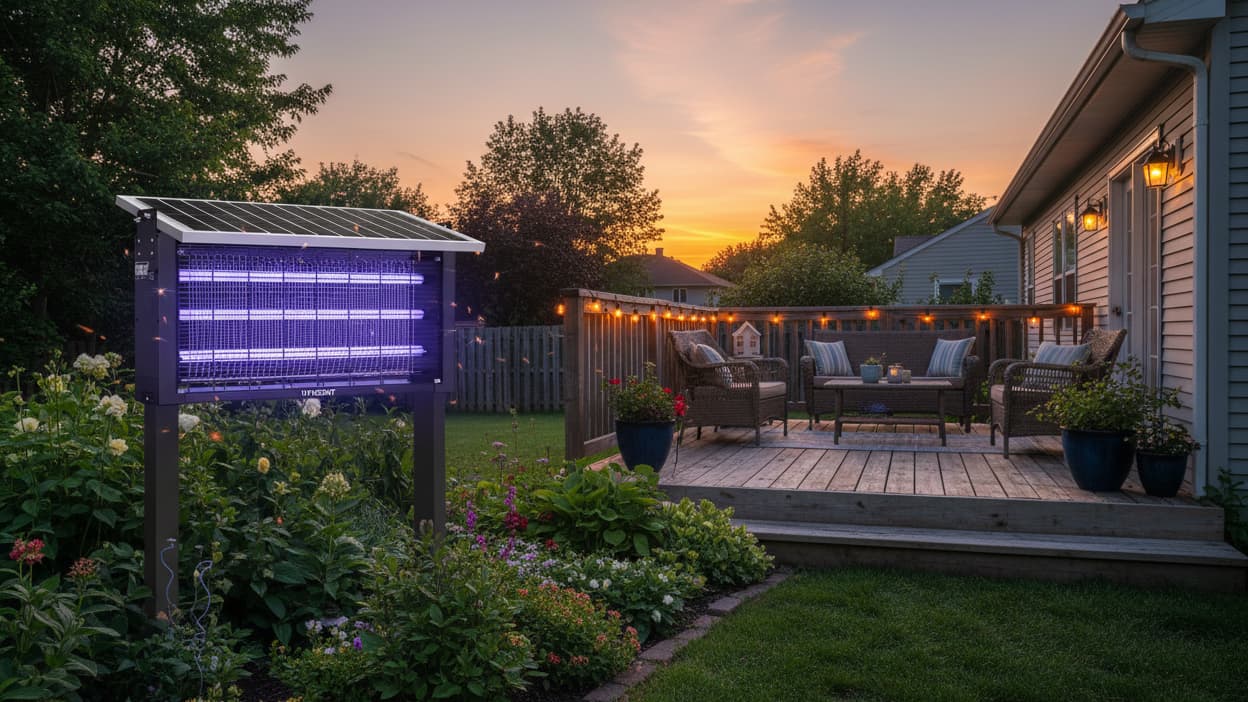
Solar-powered bug zappers charge during the day and run automatically at dusk. You don't need an outlet nearby, you don't need to run extension cords, and you don't need to remember to flip a switch. For a backyard, patio, garden, or deck, that kind of set-it-and-forget-it operation is genuinely useful.
Here's what makes solar bug zappers different from traditional electric models:
- No wiring required. Stake it in the ground or hang it from a hook — done.
- Automatic dusk-to-dawn operation. The built-in light sensor handles the on/off cycle.
- UV light attraction. Mosquitoes and other flying insects are drawn to UV wavelengths, not just heat or CO₂. A good UV lamp pulls them in from a wide radius.
- Zero chemicals. No propane, no DEET, no smoke. Safe around kids and pets.
- Low operating cost. Once you buy it, the sun handles the electricity bill.
The catch? Not all solar bug zappers are created equal. Coverage area, UV tube quality, battery capacity, and weather resistance vary a lot between products. Let's get into the specifics.

The Products: What's Actually Worth Buying
🏆 Pick #1 — Hykoont 30W Solar LED Bug Zapper Light Pro (Triple Tube, Dusk-to-Dawn)
Price: $125.00 – $259.00

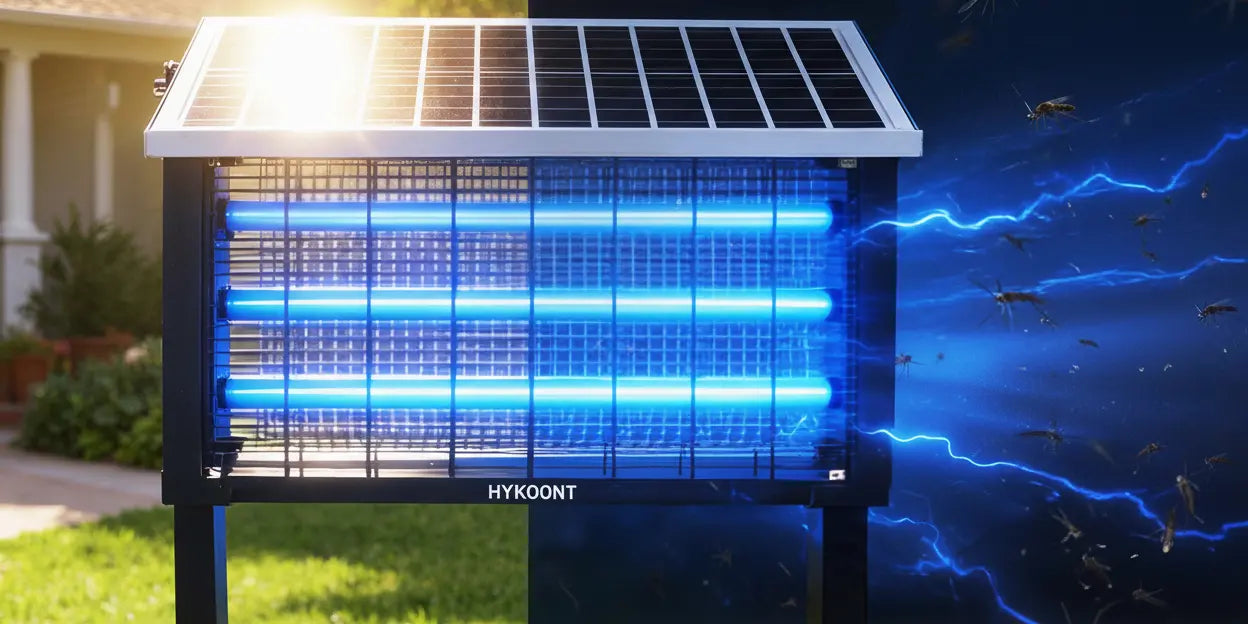
If you want the most capable solar bug zapper for a large backyard, this is the one to look at first. The 30W Pro model runs three UV tubes simultaneously — that's triple the UV output compared to single-tube designs, which translates directly to a wider attraction radius.
What makes it stand out:
- Three UV tubes working in parallel for maximum insect attraction coverage
- Dusk-to-dawn automation via built-in light sensor — no manual switching
- 30W solar panel for reliable charging even on partly cloudy days
- Suitable for large backyards, gardens, patios, and open outdoor spaces
- Weatherproof construction for year-round outdoor use
The price range ($125–$259) reflects different configuration options. If you're covering a large area or want the most robust setup, this is the one to go with.
Best for: Large backyards, properties with heavy mosquito pressure, anyone who wants maximum coverage without thinking about it.
💡 Pick #2 — Hykoont 19W Solar LED Bug Zapper Light Standard (Triple UV Tubes, Ground Stake & Hanging)
Price: $125.00

The 19W Standard is the sweet spot for most homeowners. It still runs triple UV tubes — so you're not sacrificing coverage — but it comes in at a flat $125 with no configuration complexity. The dual mounting design (ground stake or hanging hook) gives you real flexibility in where you place it.
What makes it stand out:
- Triple UV tube design for wide-area mosquito attraction
- Two mounting options: ground stake for garden beds, hanging hook for pergolas or eaves
- IPX4 weather resistance — handles rain without issue
- 19W solar panel provides solid charging performance for nightly operation
- Fixed $125 price — no variant confusion, straightforward purchase
The IPX4 rating is worth noting. It means this unit is splash-resistant from any direction, which covers typical rain exposure. For a backyard that sees real weather, that matters.
Best for: Mid-size backyards, patios, decks, and anyone who wants flexibility in placement without spending extra.
→ Shop the 19W Standard Bug Zapper
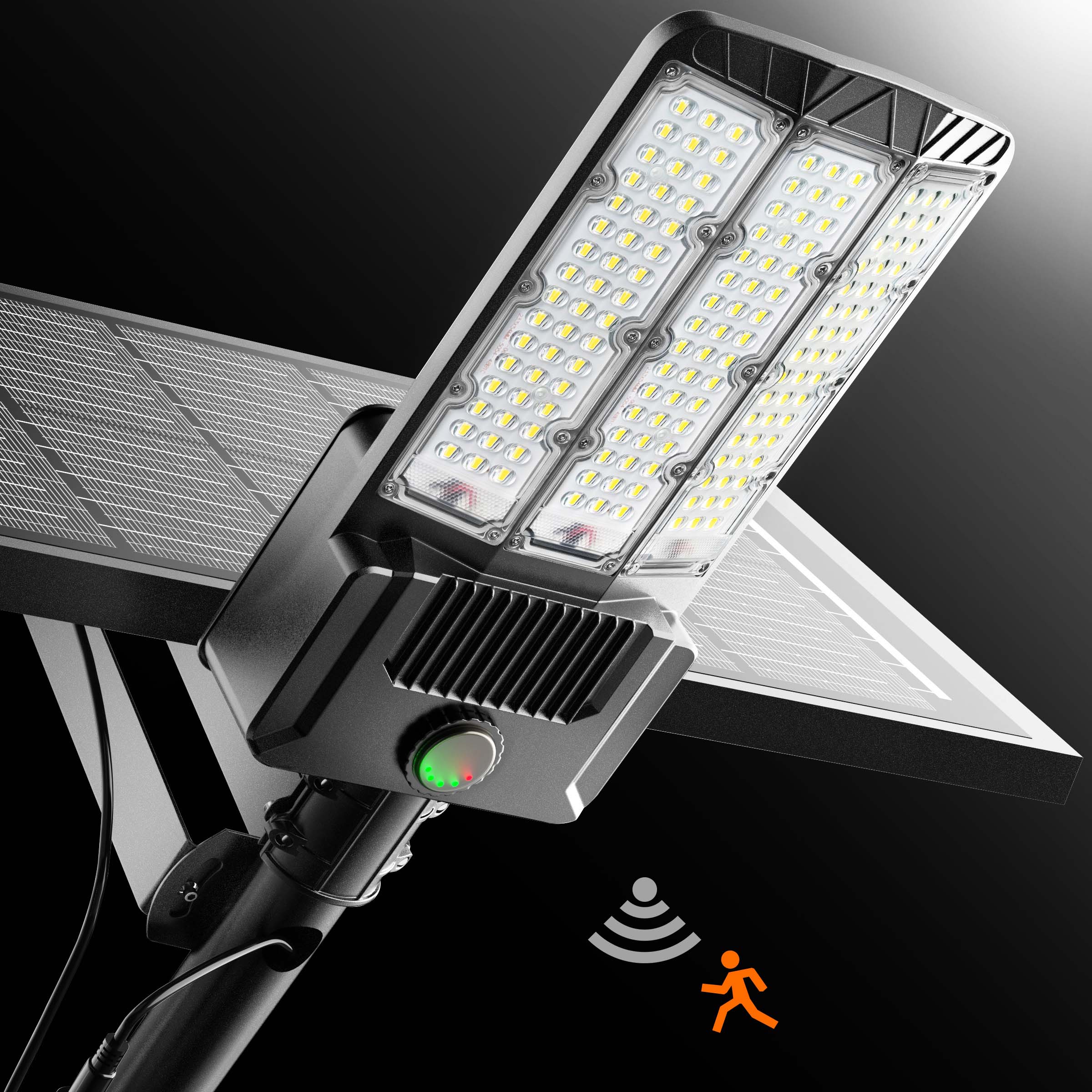
🌟 Bonus Pick — Hykoont AMS193 Solar Wall Light (3-Head, 3000LM, Motion Sensor)
Price: $25.00 – $259.00

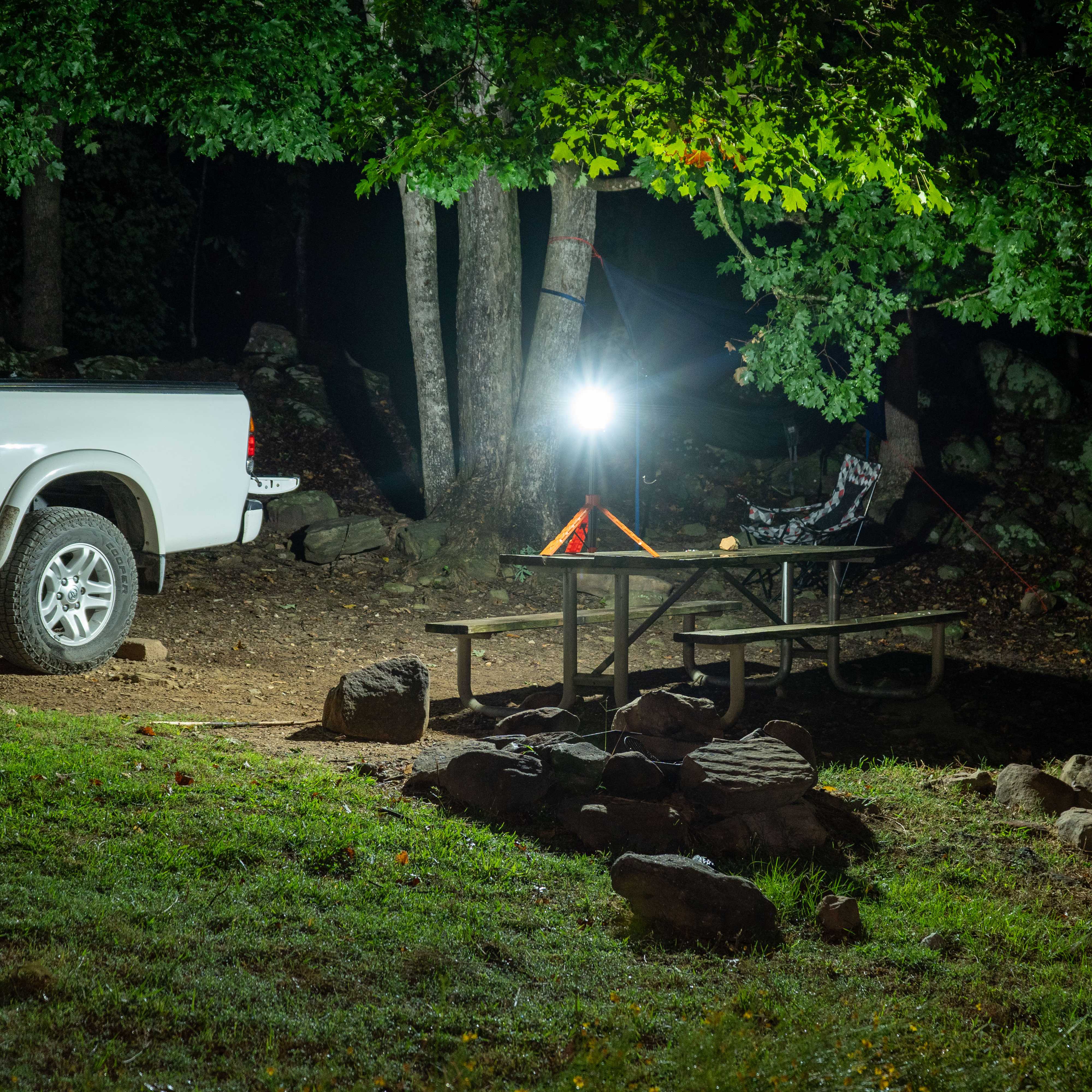
This one isn't a bug zapper — but it belongs in this conversation. Here's why: mosquitoes are most active in low-light conditions. A bright, well-lit backyard is a less hospitable environment for them, and it makes your outdoor space more usable after dark.
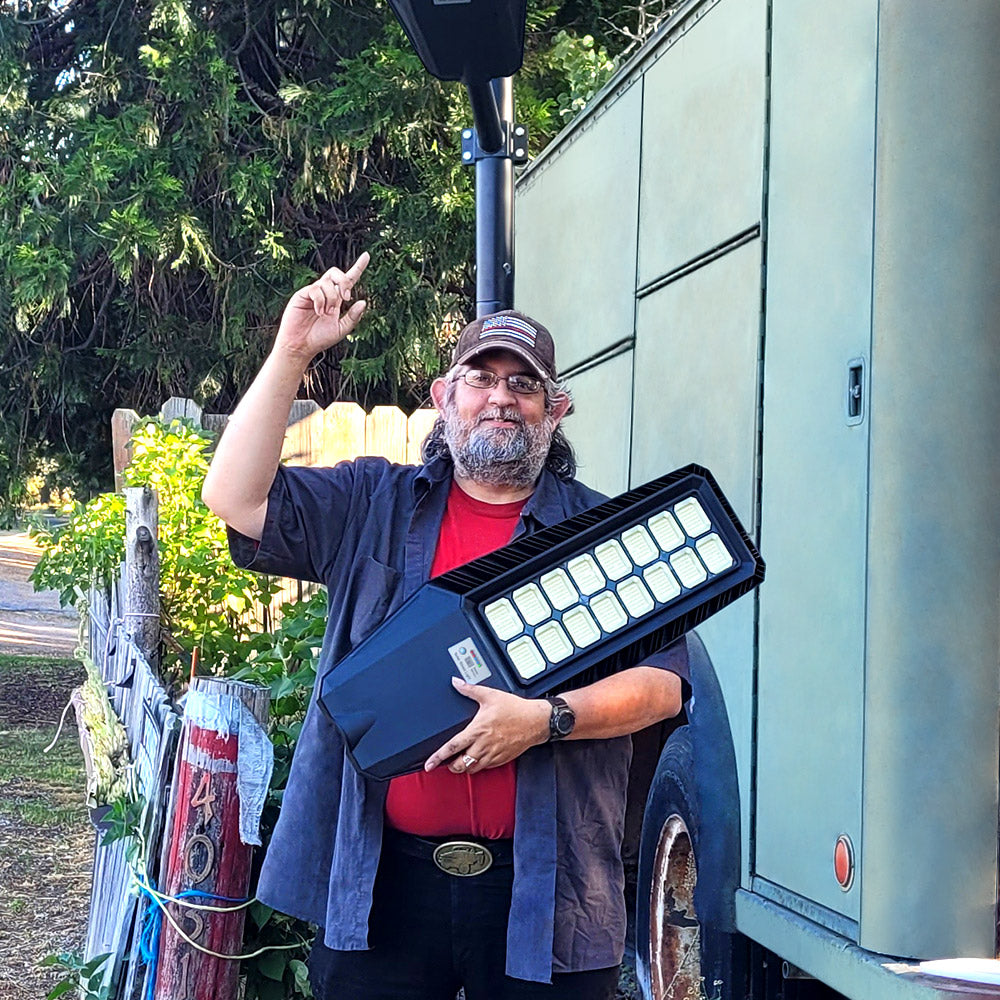
The AMS193 throws 3000 lumens across a 270° wide angle from three independently adjustable heads. Mount it on a fence post, garage wall, or the side of your house and it covers a serious amount of ground. Pair it with one of the bug zappers above and you've got a backyard that's both well-lit and actively reducing the mosquito population.
What makes it stand out:
- 3000LM output across 270° — one of the brightest solar wall lights available
- Three adjustable heads let you direct light exactly where you need it
- Replaceable battery design — extends the product lifespan significantly
- Three lighting modes including motion-activated for security use
- Available in 2-pack for full perimeter coverage
Best for: Homeowners who want to combine mosquito control with genuine backyard lighting. Works especially well mounted near the bug zapper to maximize the attraction zone.
→ Shop the AMS193 Solar Wall Light
How to Get the Most Out of Your Solar Bug Zapper
Buying the right unit is step one. Placement and setup make a real difference in how well it performs.
Placement Tips That Actually Matter
Don't put it right next to where people sit. This is the most common mistake. Bug zappers attract insects — you want them drawing mosquitoes away from your seating area, not toward it. Place the zapper 15–20 feet away from your patio or deck, ideally upwind.
Position the solar panel for maximum sun exposure. Most solar bug zappers have the panel integrated into the top of the unit. Make sure it's not shaded by trees, umbrellas, or roof overhangs during peak sun hours (roughly 10 AM – 3 PM). Even partial shading can cut charging efficiency significantly.
Height matters. Mosquitoes tend to fly low — typically 1 to 3 feet off the ground. Hanging your zapper at 4–6 feet puts the UV light in the right zone to attract them as they move through the yard.
Near standing water = prime placement. Mosquitoes breed in standing water and stay close to it. If you have a birdbath, pond, or low-lying area that collects water, placing the zapper nearby will intercept them at the source.
Give it a clear line of sight. UV light doesn't bend around corners. An open placement in the yard — rather than tucked against a fence or in a corner — gives the light the best chance to attract insects from multiple directions.

Maintenance: What You Actually Need to Do
Solar bug zappers are low-maintenance, but not zero-maintenance.
- Clean the collection tray weekly during peak mosquito season. A buildup of dead insects can reduce the effectiveness of the electric grid.
- Wipe the solar panel monthly with a damp cloth. Dust and pollen accumulation reduces charging efficiency over time.
- Check the UV tubes annually. UV output degrades over time. Most quality tubes last 8,000–10,000 hours, but if you notice reduced effectiveness after a year or two, the tubes may need replacement.
- Store or cover during extreme weather. IPX4-rated units handle rain fine, but extended exposure to hail or heavy snow is worth protecting against.
Solar Bug Zapper vs. Other Mosquito Control Methods
It's worth being honest about where solar bug zappers fit in the broader picture of mosquito control.
vs. Chemical Sprays (DEET, Permethrin)
Sprays work fast and are highly effective in the short term. But they require reapplication, they're not great for kids or pets, and they don't address the source of the problem. A solar zapper runs every night without any ongoing effort or chemical exposure.
vs. Propane Mosquito Traps
Propane traps (like Mosquito Magnet) are effective at reducing mosquito populations over time, but they cost $300–$600 upfront plus ongoing propane costs. A solar bug zapper at $125 with zero operating costs is a much more accessible option for most homeowners.
vs. Citronella Candles and Torches
Citronella creates a localized repellent effect — it doesn't kill mosquitoes, it just makes a small area less appealing. Wind reduces effectiveness significantly. A UV zapper actively attracts and eliminates insects rather than just discouraging them.
vs. Electric Plug-In Bug Zappers
Traditional electric zappers work well but require an outlet and a cord. For a backyard without convenient outdoor outlets, that's a real limitation. Solar removes that constraint entirely.
The honest take: No single method eliminates mosquitoes completely. A solar bug zapper is most effective as part of a layered approach — eliminate standing water, use the zapper for ongoing population reduction, and apply repellent when you're sitting outside for extended periods.

What to Look for When Buying a Solar Mosquito Killer Lamp
If you're comparing options beyond what's listed here, these are the specs that actually matter:
UV Tube Count and Wattage
More UV tubes = more light output = wider attraction radius. Single-tube designs are fine for small spaces. Triple-tube designs like the Hykoont models cover significantly more ground. Wattage refers to the solar panel, not the UV output — a 30W panel charges faster and maintains battery levels better on cloudy days.
Battery Capacity
Look for units that can run 8–12 hours on a full charge. That covers a full night from dusk to dawn even in summer when nights are shorter. Lithium batteries (especially LiFePO4) hold up better over time than older lead-acid designs.
Weather Resistance Rating
IPX4 is the minimum you want for outdoor use — it handles rain from any direction. IPX5 or IPX6 is better if you're in a region with heavy rainfall or coastal humidity.
Mounting Flexibility
Ground stakes work well in garden beds. Hanging hooks are better for pergolas, eaves, and tree branches. Units that offer both (like the Hykoont 19W Standard) give you more placement options.
Dusk-to-Dawn Automation
This should be non-negotiable. A light sensor that automatically activates the zapper at dusk and shuts it off at dawn means you never have to think about it. Manual-only units are a step backward.

Frequently Asked Questions
Do solar mosquito killer lamps actually work?
Yes — with realistic expectations. UV bug zappers are effective at attracting and killing mosquitoes, gnats, moths, and other flying insects. Studies show they work best as part of a broader mosquito management strategy (eliminating breeding sites, using repellent when sitting outside). Don't expect a single zapper to make your yard 100% mosquito-free, but you will notice a meaningful reduction in flying insect activity over time.
How far away should I place the bug zapper from where I sit?
15–20 feet is the general recommendation. The zapper attracts insects — you want it pulling them away from your seating area, not toward it. Place it upwind of where you'll be sitting for best results.
How long does a solar bug zapper run on a full charge?
Quality units like the Hykoont models are designed to run through a full night — typically 8–12 hours — on a full day's charge. Performance can vary on cloudy days when the solar panel doesn't reach full charge. Most units have enough battery reserve to handle a day or two of reduced sunlight.
Do I need to turn it on and off manually?
Not with dusk-to-dawn models. The built-in light sensor detects ambient light levels and automatically activates the zapper at dusk and shuts it off at dawn. It's fully automatic once you've set it up.
Are solar bug zappers safe around kids and pets?
Yes — they use UV light and an electric grid to attract and kill insects. There are no chemicals, no propane, and no smoke involved. The electric grid is enclosed in a protective housing on quality units, reducing the risk of accidental contact. Standard precautions apply: don't let young children handle the unit, and keep pets from chewing on it.
What insects does a UV bug zapper kill?
UV zappers attract any flying insect that's drawn to UV light — mosquitoes, gnats, moths, flies, and other small flying insects. They're not selective, so beneficial insects like moths can also be affected. Placing the zapper away from flowering plants reduces impact on pollinators.
How do I clean a solar bug zapper?
Most units have a removable collection tray at the bottom. Empty and rinse it weekly during peak season. Wipe down the UV tubes and housing with a dry cloth. Clean the solar panel with a damp cloth monthly. Always disconnect or power off the unit before cleaning.
Will it work in cloudy weather?
Solar panels still generate power on cloudy days — just less efficiently. A 30W panel on a partly cloudy day might generate 40–60% of its peak output. Most quality units have enough battery capacity to run through a night even after a cloudy day, though extended periods of heavy overcast can reduce performance.
What's the difference between the 30W Pro and the 19W Standard?
Both use triple UV tubes, so the coverage area is similar. The 30W Pro has a larger solar panel, which means faster charging and better performance on cloudy days. It also offers multiple configuration options (reflected in the $125–$259 price range). The 19W Standard is a simpler, fixed-price option at $125 that's ideal for most residential backyards. If you have a large property or want maximum reliability, go Pro. For a typical suburban backyard, the Standard is excellent value.
Can I use a solar bug zapper year-round?
In most US climates, yes — though mosquito activity drops significantly in winter. In northern states, you might store the unit during the coldest months to preserve battery life. In southern states (Florida, Texas, Gulf Coast), year-round use makes sense since mosquito season is essentially continuous. IPX4-rated units handle rain and humidity without issue.
The Bottom Line
If you want to take back your backyard evenings without dealing with chemicals, cords, or constant maintenance, a solar mosquito killer lamp is one of the most practical investments you can make. The technology has matured — modern triple-UV-tube designs with dusk-to-dawn automation and solid weather resistance are genuinely effective tools, not gimmicks.
For most backyards, the Hykoont 19W Standard at $125 is the right call — triple UV tubes, flexible mounting, IPX4 weather resistance, and a straightforward price. If you have a larger property or want the most capable setup available, the 30W Pro ($125–$259) gives you more solar charging capacity and configuration options.
Pair either one with the AMS193 Solar Wall Light for a backyard that's both well-lit and actively working to reduce the mosquito population every night.
Set it up once. Let it run. Enjoy your evenings.
Shop 30W Pro Bug Zapper → Shop 19W Standard Bug Zapper → Shop AMS193 Solar Wall Light →

Leave a comment
This site is protected by hCaptcha and the hCaptcha Privacy Policy and Terms of Service apply.