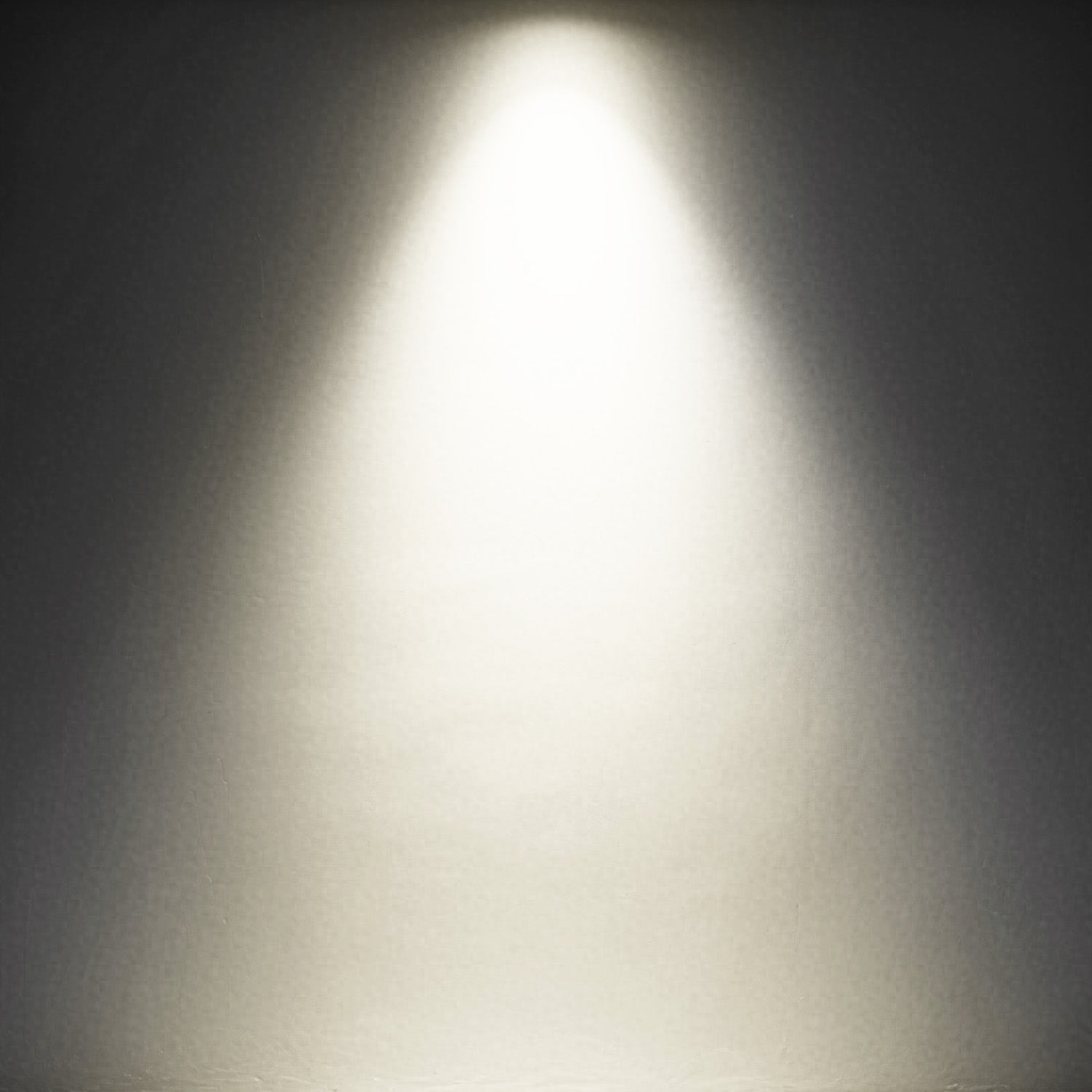
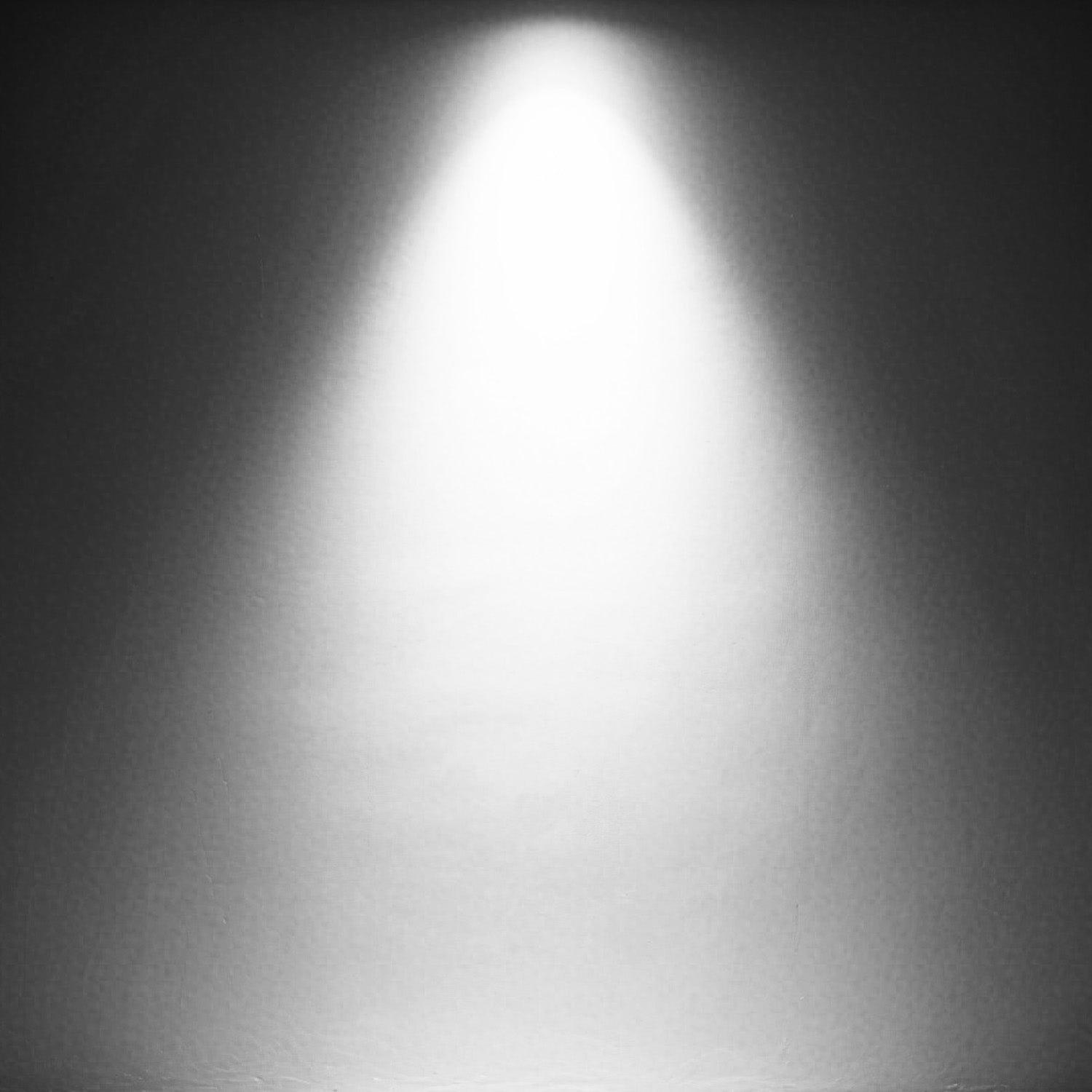
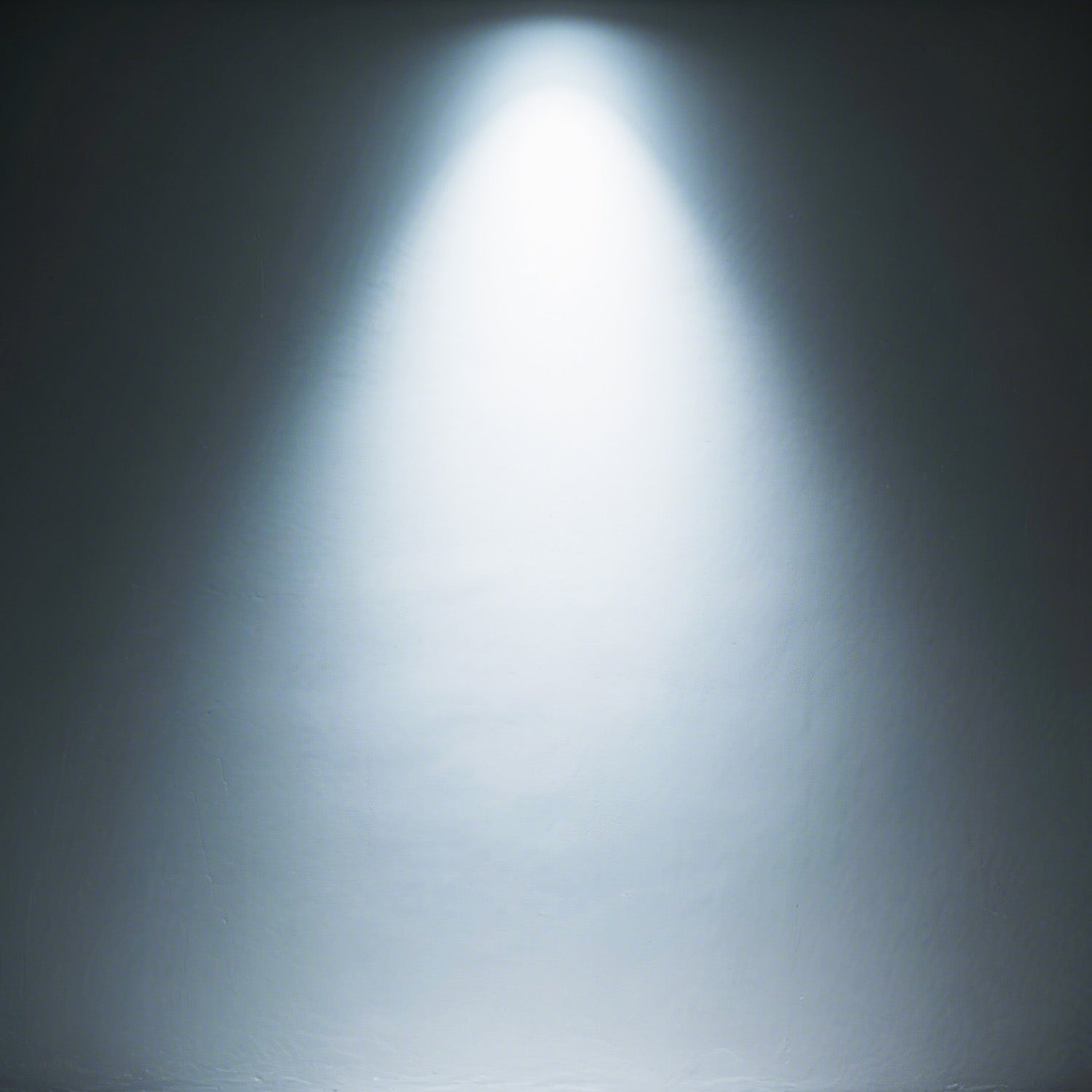



Let's Be Honest: Most Outdoor Lights Leave You With Blind Spots
You've probably been there. You install a new outdoor light, flip it on, and think — great, the driveway looks covered. Then you walk around the side of the house and realize there's a whole stretch of yard sitting in complete darkness. Or you check your security camera footage and notice the light only illuminated a narrow cone right in front of the fixture, leaving the edges of your property pitch black.
This isn't a fluke. It's a design limitation that affects the majority of standard outdoor lights. Most conventional fixtures are built with a 90°–120° beam angle. That's fine for lighting a small porch or a single pathway. But for driveways, parking areas, side yards, or commercial lots? You end up needing three or four lights to do the job that one well-designed wide-angle fixture could handle.
That's exactly where 240° super wide-angle solar lighting changes the game. And in this guide, we're going to walk through exactly how it works, where it makes the most sense, what to look for when you're shopping, and which specific products are worth your money right now.

What Does "240° Wide-Angle" Actually Mean?
When a light is described as having a 240° beam angle, it means the light spreads across 240 degrees of horizontal arc. To put that in perspective: a full circle is 360°. So a 240° fixture is illuminating two-thirds of the space around it — essentially everything in front of and to the sides of the light, with only a narrow zone directly behind the fixture left unlit (usually where it's mounted to a wall or pole anyway).
Compare that to a standard 120° spotlight. That light is covering one-third of the arc that a 240° fixture covers. If you're trying to light a wide driveway, a parking lot row, or a large backyard, you'd need two standard lights to match what one 240° unit delivers.
The practical result? Fewer fixtures, fewer installation points, fewer wires (or solar panels), and a lower total cost — while actually getting better coverage.
How the LED Chip Layout Creates Wide Coverage
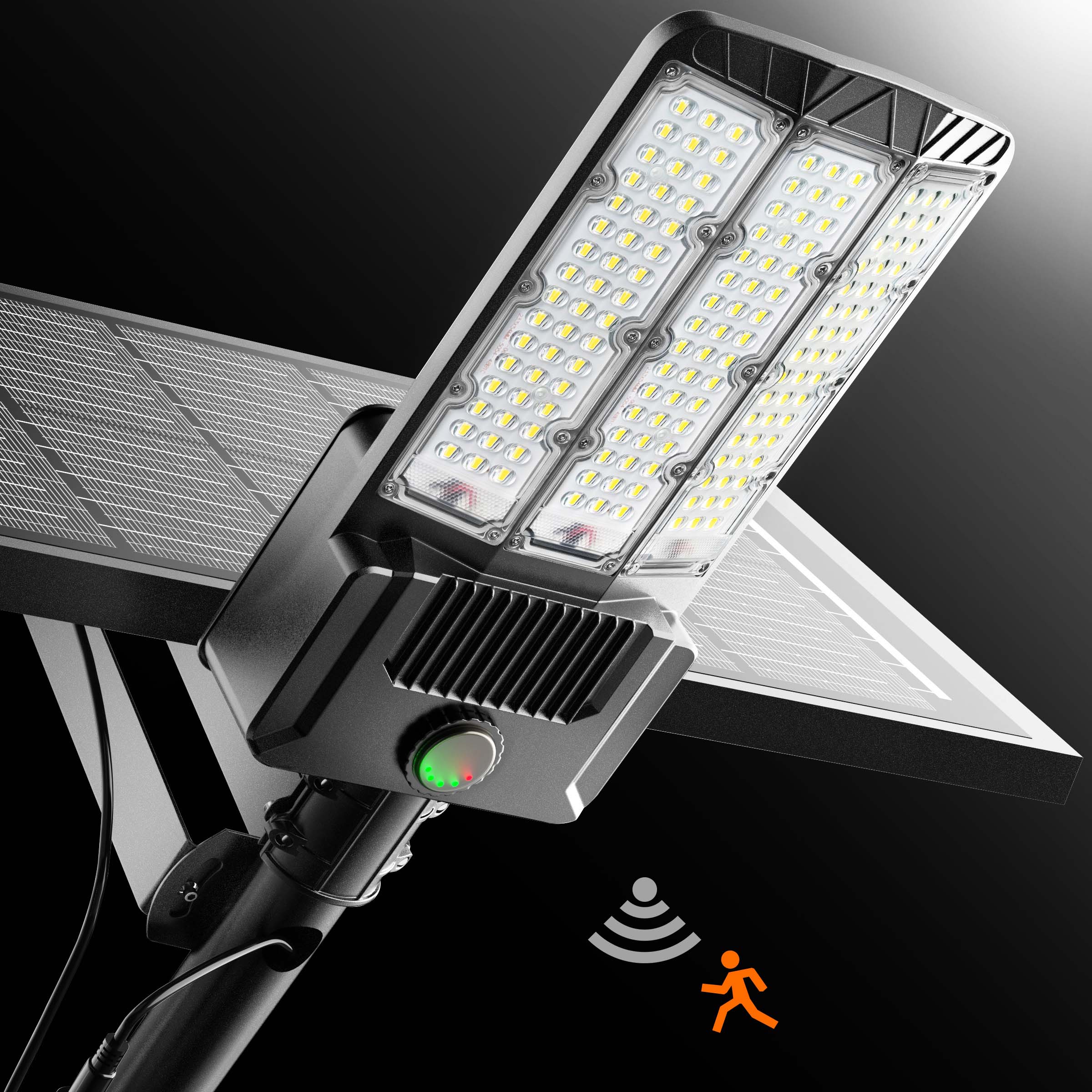
The secret behind true 240° coverage isn't just software or optics — it's the physical arrangement of the LED chips. In a standard light, all the LEDs face the same direction. In a wide-angle design, the LED array is curved or angled so that different groups of chips point in slightly different directions, collectively covering a much wider arc.
The HK120, for example, uses 240 individual SMD3030 LED chips arranged to deliver that full 240° spread. SMD3030 is a commercial-grade chip format known for high lumen output per chip and excellent thermal stability — meaning the light stays bright even after hours of continuous operation.

Where 240° Solar Lighting Actually Makes a Difference
Not every situation calls for wide-angle lighting. A narrow footpath or a focused security spotlight might actually benefit from a tighter beam. But there are specific scenarios where 240° coverage is genuinely the right tool for the job.
Long Driveways
A driveway that runs 40–80 feet from the street to your garage is one of the most common places where standard lights fail. You need illumination along the full width of the drive, not just a bright spot in the center. A 240° fixture mounted on a pole at the midpoint of the driveway can wash light across the entire width and a good portion of the length simultaneously.
Parking Lots and Commercial Properties
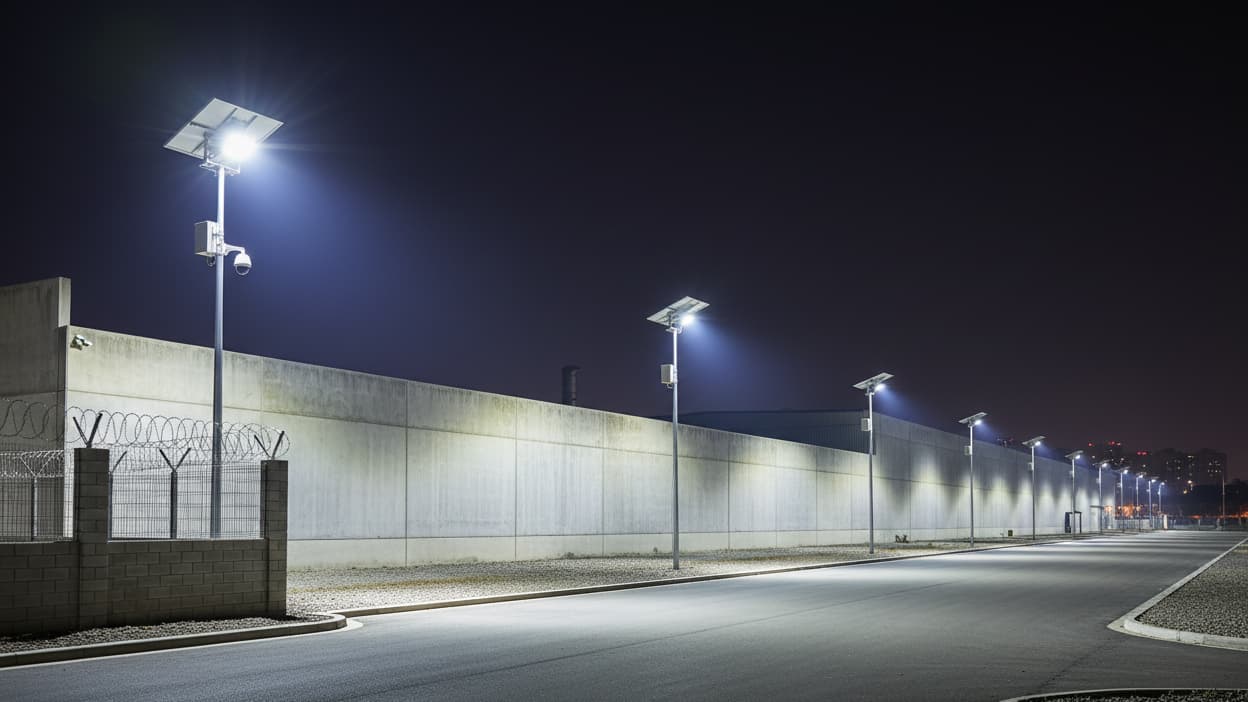
This is where wide-angle solar lighting really earns its keep. A commercial parking lot needs consistent, even illumination across every row and aisle. Gaps in coverage create liability issues and security risks. Wide-angle fixtures mounted on poles at regular intervals can cover the entire lot without the overlapping hotspots and dark zones you get with narrow-beam lights.
Large Backyards and Side Yards
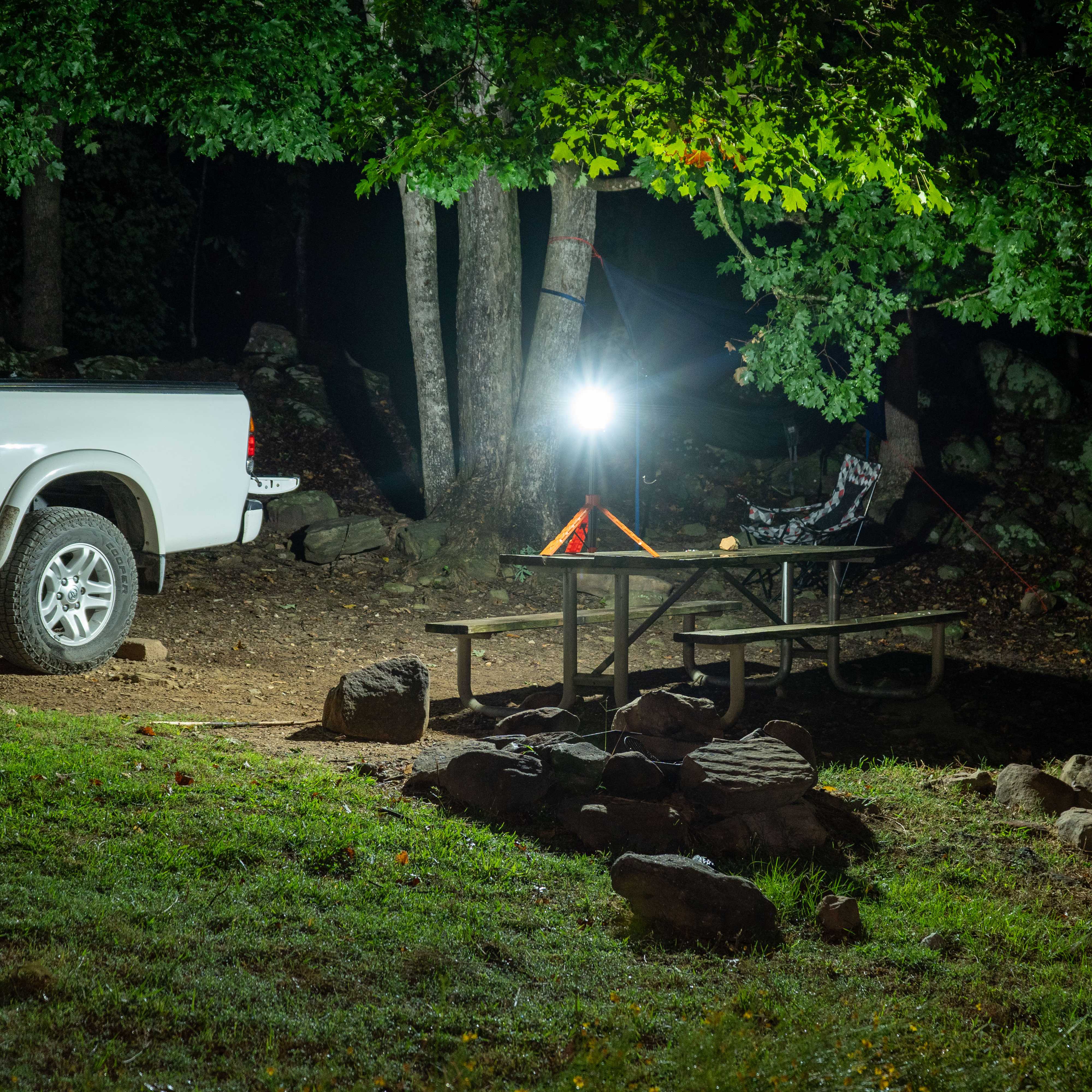
If you've got a yard that extends 30+ feet in multiple directions, a single standard light mounted on the back of your house isn't going to cut it. A 240° solar light on a standalone pole in the middle of the yard — or mounted high on a fence post — can cover the whole space from a single point.
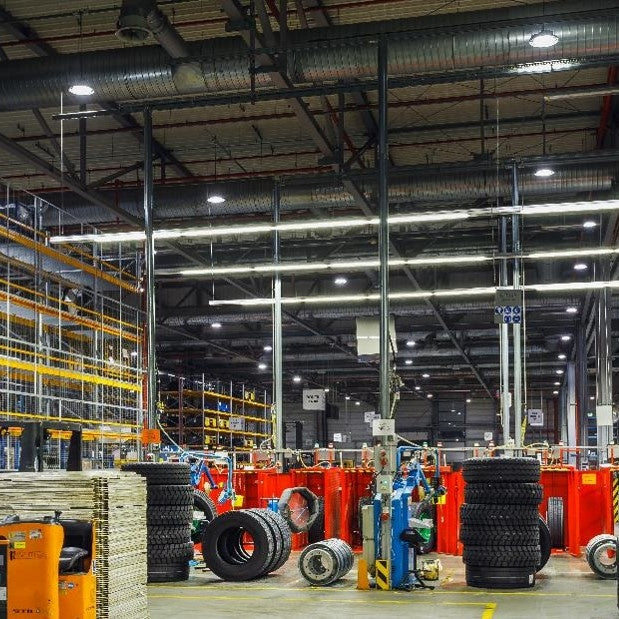
Warehouses, Storage Yards, and Industrial Sites
Security lighting for commercial and industrial properties needs to eliminate hiding spots. Wide-angle coverage means fewer shadows and fewer places where someone could approach undetected. Combined with motion sensing, a 240° fixture becomes a serious deterrent.
Rural Properties and Farms
Running electrical wiring to a barn, a gate at the end of a long driveway, or a remote storage area is expensive and sometimes impractical. Solar-powered wide-angle lights solve this completely — no trenching, no electrician, no monthly electricity cost.

The Products Worth Knowing About
Let's get specific. Here are the Hykoont models that are most relevant if you're shopping for wide-angle solar lighting right now.
HK120 — The Wide-Coverage Commercial Workhorse

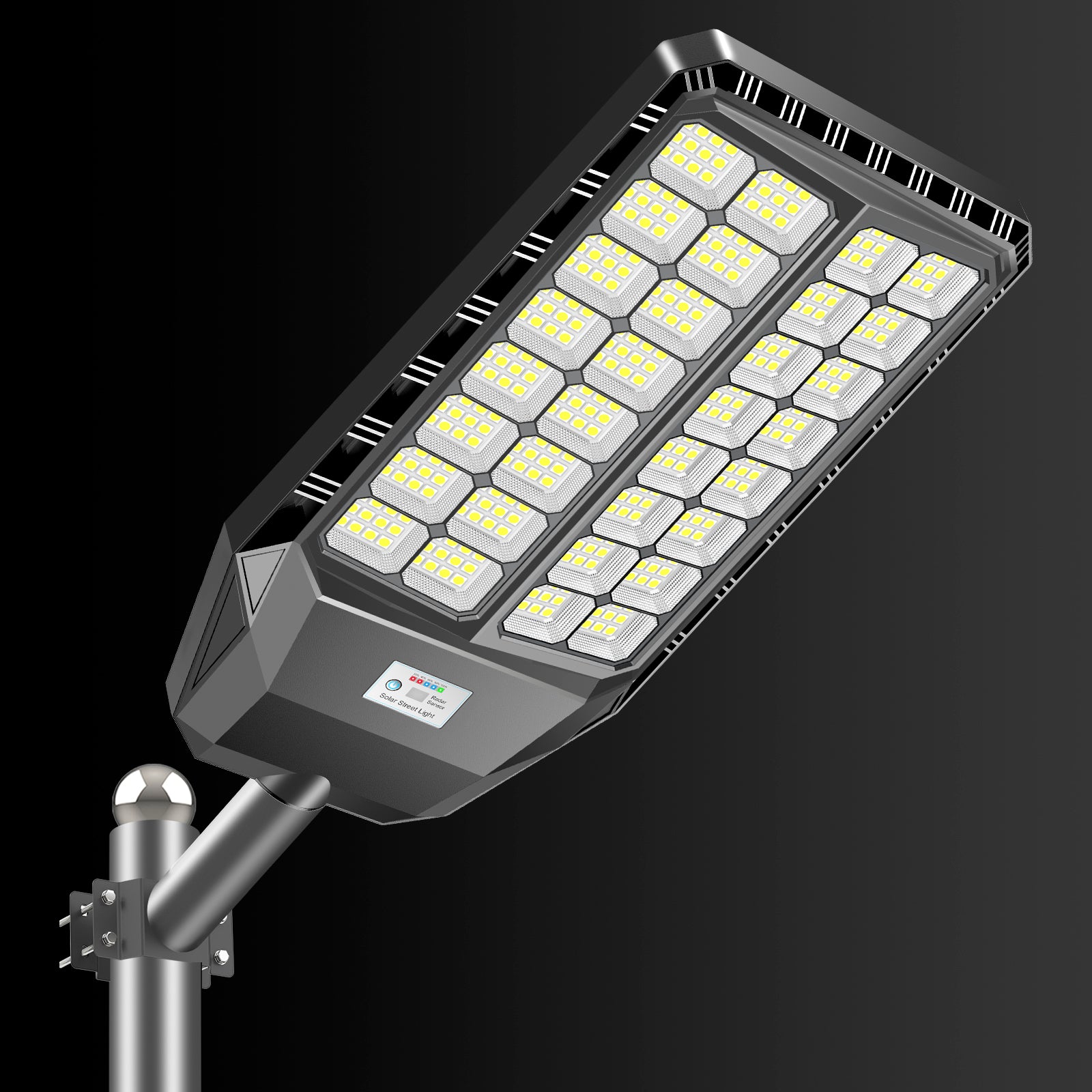
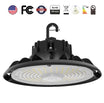
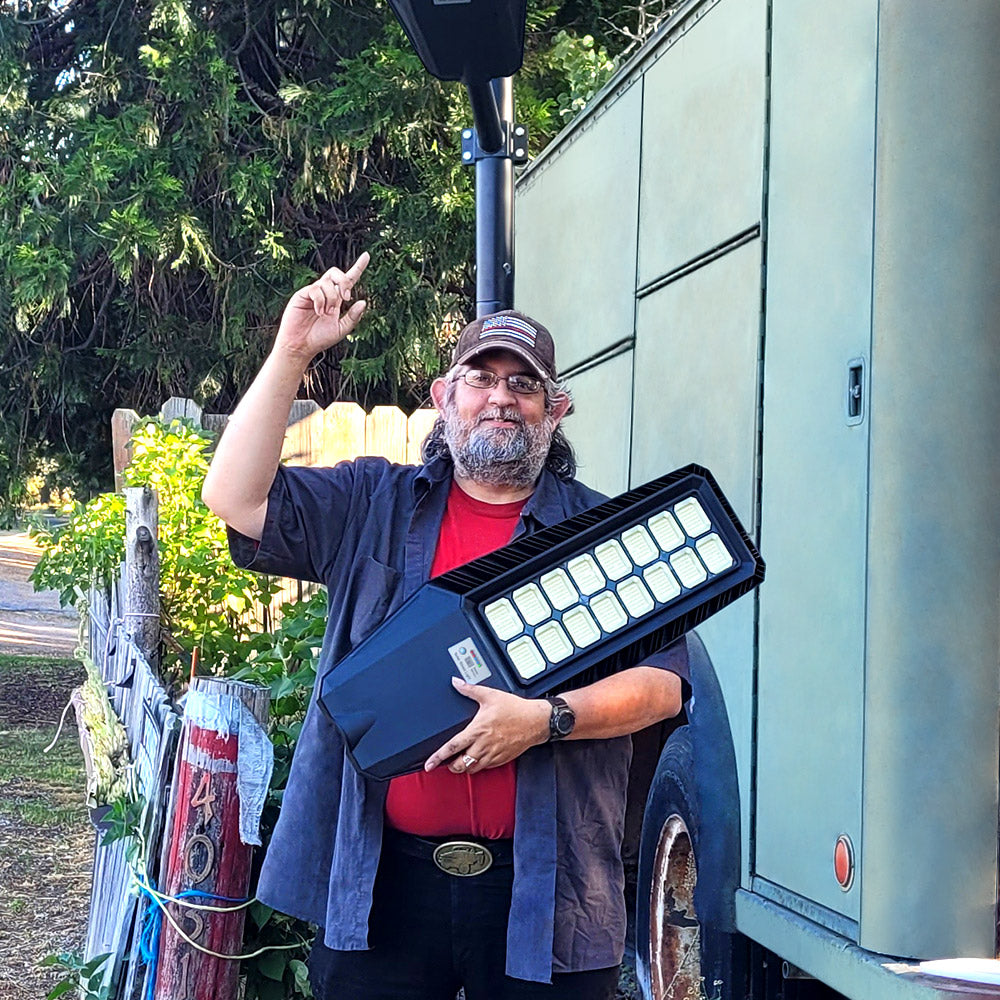
The HK120 120W Commercial Light is the flagship wide-angle option in the Hykoont lineup. It's built around 240 SMD3030 LED chips — a commercial-grade chip that delivers high lumen output with excellent longevity. The 480Wh battery capacity means it can run through multiple consecutive cloudy days without losing meaningful brightness.
This is the light you choose when coverage area is the primary concern. It's designed for parking lots, large commercial yards, warehouse perimeters, and any application where you need consistent illumination across a wide horizontal arc.
Price: $780.00
→ Shop HK120 Commercial Wide-Angle Light
TW030 300W Solar Street Light — High-Lumen Coverage for Serious Applications

The TW030 is Hykoont's highest-output solar street light. At 42,000 lumens, it's in a different league from residential fixtures. This is the light for large parking areas, long stretches of private road, or commercial properties where you need serious brightness across a wide area.
The dusk-to-dawn operation means it turns on automatically at sunset and off at sunrise — no timers to program, no switches to flip. It just works, every night.
- 1-Pack: $142.00 — View Single Unit →
- 2-Pack: $289.00 — View 2-Pack (Best Value) →
→ Shop TW030 2-Pack — Save on Dual Coverage
TW020 200W Solar Street Light — The Smart Middle Ground

If the TW030 is more light than you need, the TW020 hits a sweet spot that a lot of homeowners and small business owners land on. It's a 200W solar street light that delivers strong coverage at a price point that makes it easy to buy two or three units for a larger property without breaking the budget.
At $89.00, it's one of the most accessible high-output solar street lights on the market. For a standard residential driveway or a small parking area, this is often the right call.
Price: $89.00
→ Shop TW020 200W Solar Street Light
BC024 180W Solar Street Light — Flexible Configuration Options

The BC024 is worth a look if you need flexibility in how the light is configured. It comes in multiple variants ranging from $159 to $289, which gives you options depending on whether you need a single unit, a dual-head setup, or a specific mounting configuration.
The 180W output is solid for residential applications and light commercial use. If you're lighting a side yard, a gate entrance, or a small parking area, the BC024 gives you good coverage without the higher price tag of the commercial-grade units.
Price: $159.00 – $289.00
→ Shop BC024 180W Solar Street Light
How to Choose the Right Wide-Angle Solar Light for Your Property
Shopping for outdoor solar lighting can feel overwhelming when you're staring at spec sheets full of wattage numbers and lumen counts. Here's a practical framework that cuts through the noise.
Step 1: Define Your Coverage Area
Before you look at any product specs, walk your property and estimate the square footage you need to illuminate. A rough sketch helps. Mark where you'd realistically mount a light (wall, pole, fence post) and estimate the radius you need to cover from that point.
As a rough guide:
- Up to 1,000 sq ft: TW020 or BC024 will handle it
- 1,000–3,000 sq ft: TW030 single or dual units
- 3,000+ sq ft or commercial: HK120 or multiple TW030 units
Step 2: Check Your Sun Exposure
Solar lights need sunlight to charge. This sounds obvious, but it's the step most people skip. If your mounting location is shaded by trees, a roof overhang, or a neighboring building for most of the day, even the best solar light will underperform.
The solar panel needs at least 4–6 hours of direct sunlight per day to maintain full battery charge. If your location gets less than that, you'll want a model with a larger battery capacity (like the HK120 with its 480Wh battery) to buffer through low-charge days.
Step 3: Decide on Motion Sensing vs. Continuous
Motion-sensing mode conserves battery by keeping the light at low brightness until movement is detected, then ramping up to full power. This is ideal for security applications where you want a bright response to activity.
Continuous dusk-to-dawn mode keeps the light on all night at a consistent brightness. This is better for areas where you need constant illumination — a parking lot, a main driveway, or a commercial entrance.
Many Hykoont models support both modes, so you can switch based on the season or your current needs.
Step 4: Think About Mounting Height
Mounting height dramatically affects coverage area. A light mounted at 10 feet will cover a much smaller radius than the same light mounted at 20 feet. For wide-angle coverage, higher is generally better — but you need to make sure the light is powerful enough to maintain useful brightness at that height.
For the TW030 at 42,000 lumens, mounting at 15–20 feet is ideal for maximum coverage. For the TW020, 10–15 feet is the sweet spot.

The Real Cost Comparison: Solar vs. Wired Outdoor Lighting
One of the most common objections to solar lighting is the upfront cost. A quality solar street light costs more than a basic wired fixture. But when you run the full numbers, the math usually flips pretty quickly.
Installation Costs
A wired outdoor light requires trenching, conduit, wiring, and an electrician. For a single light at the end of a long driveway, you're looking at $500–$2,000 in installation costs alone, depending on the distance from your electrical panel and local labor rates.
A solar light? You mount it, angle the panel toward the sun, and you're done. No electrician, no trenching, no permit in most cases.
Operating Costs
A 200W equivalent wired light running 10 hours per night uses roughly 730 kWh per year. At the US average electricity rate of about $0.16/kWh, that's around $117 per year, per light. Over 5 years, that's $585 — just in electricity.
A solar light: $0 per year in electricity. The sun sends no invoices.
Total Cost of Ownership
When you add installation + 5 years of electricity for a wired light, you're often looking at $1,500–$3,000 total. A TW030 at $142 with zero installation cost and zero electricity cost pays for itself in the first year — sometimes in the first month.

Common Installation Mistakes (And How to Avoid Them)
Even the best solar light will underperform if it's installed incorrectly. Here are the mistakes we see most often.
Mounting the Solar Panel in Shade
This is the number one issue. If a tree branch, roof overhang, or wall casts shade on the solar panel during peak sun hours (10am–2pm), the battery won't charge fully. Always check the panel's sun exposure at midday before finalizing your mounting location.
Pointing the Light the Wrong Direction
With a 240° beam angle, you have a lot of flexibility — but the 120° zone behind the fixture is still dark. Make sure that dark zone faces a wall, fence, or area that doesn't need illumination. The wide coverage arc should face the area you want lit.
Mounting Too Low
A light mounted at 6 feet creates a bright spot right around the fixture but doesn't spread light effectively across a large area. For wide-angle coverage, aim for at least 10–12 feet for residential use and 15–20 feet for commercial applications.
Not Cleaning the Solar Panel
Dust, pollen, and bird droppings accumulate on solar panels over time and reduce charging efficiency. A quick wipe with a damp cloth every few months keeps the panel operating at full capacity. It takes two minutes and makes a real difference in performance.

Frequently Asked Questions
Q: How many lumens do I need for a 240° wide-angle solar light to actually be useful?
A: For a standard residential driveway or backyard (up to about 1,500 sq ft), you want at least 15,000–20,000 lumens from a wide-angle fixture. For larger areas or commercial applications, 30,000+ lumens is the right range. The TW030 at 42,000 lumens is one of the highest-output options available in the solar category.
Q: Will a 240° solar light work in cloudy climates like the Pacific Northwest or New England?
A: Yes, but battery capacity matters more in low-sun climates. Look for models with larger battery reserves — the HK120's 480Wh battery, for example, can sustain multiple nights of operation even after consecutive cloudy days. In consistently overcast regions, you may also want to run the light in motion-sensing mode to conserve charge.
Q: Can I use these lights for a commercial parking lot?
A: Absolutely. The HK120 and TW030 are both designed with commercial applications in mind. For a standard parking lot, you'd typically space TW030 units on poles every 40–60 feet to achieve consistent coverage. The HK120 is better suited for areas where you need maximum coverage from a single mounting point.
Q: How long do the batteries last before they need to be replaced?
A: Most quality solar street lights use lithium iron phosphate (LiFePO4) batteries, which are rated for 2,000–3,000 charge cycles. At one cycle per day, that's 5–8 years of battery life. Hykoont's commercial-grade models are built with this battery chemistry for maximum longevity.
Q: Do 240° solar lights work with motion sensors?
A: Yes. Motion sensing and wide-angle coverage are complementary features. The motion sensor detects movement within the coverage arc and triggers the light to go to full brightness. This is actually more effective with a wide-angle light because the sensor covers a larger detection zone, making it harder for someone to approach without triggering the light.
Q: What's the difference between a 240° beam angle and a 360° light?
A: A 360° light illuminates in all directions equally — useful for a pole in the center of a large open area. A 240° light concentrates coverage in a wide forward arc, which is more efficient when the light is mounted against a wall, fence, or building where the back 120° would be wasted anyway. For most residential and commercial mounting scenarios, 240° is actually the more practical choice.
Q: How do I know if my property gets enough sun for solar lighting to work?
A: A simple test: stand at your intended mounting location at noon on a clear day. If you're in direct sunlight, you're good. If you're in shade, look for an alternative mounting point where the solar panel can be positioned in full sun, even if the light head needs to be angled differently. Many solar street lights have adjustable panels for exactly this reason.
Q: Are these lights weatherproof?
A: Hykoont's solar street lights are rated IP65 or higher, which means they're fully protected against dust and water jets from any direction. They're designed to operate in rain, snow, and high humidity without issue. The operating temperature range typically covers -4°F to 140°F (-20°C to 60°C), which covers virtually all US climate zones.
Q: Can I install these myself or do I need an electrician?
A: No electrician needed. Solar street lights are self-contained systems — the solar panel, battery, and light are all integrated. Installation typically involves mounting the fixture to a pole or wall surface using the included hardware. Most homeowners can complete the installation in under an hour with basic tools.
Q: What's the warranty on these products?
A: Hykoont's commercial-grade solar lights come with manufacturer warranties covering defects in materials and workmanship. Check the specific product page for warranty details, as coverage varies by model. For commercial installations, it's worth reviewing the warranty terms before purchasing.
The Bottom Line
If you've been dealing with dark corners, blind spots, or the hassle of running electrical wiring to remote areas of your property, 240° super wide-angle solar lighting is a genuinely practical solution — not just a marketing claim.
The physics are straightforward: more beam angle means more coverage from fewer fixtures. Combined with solar power, you eliminate both the installation cost and the ongoing electricity cost that make traditional outdoor lighting expensive to deploy at scale.
For most homeowners, the TW020 at $89 or the TW030 single at $142 is the right starting point. For commercial properties or large residential lots, the HK120 at $780 delivers the kind of wide-coverage performance that replaces multiple standard fixtures.
The best time to fix your outdoor lighting was last year. The second best time is now.
Shop HK120 Commercial Light — $780 Shop TW030 2-Pack — $289 Shop TW020 — $89


Leave a comment
This site is protected by hCaptcha and the hCaptcha Privacy Policy and Terms of Service apply.