


Planning the Perfect Super Bowl Watch Party Under the Stars
Picture this: it's Super Bowl Sunday, your favorite team is playing, and you've got friends and family gathering in your backyard for the ultimate game day experience. But as the sun sets and the big game kicks off, you need reliable lighting that won't spike your electricity bill or leave you fumbling with extension cords. That's where solar lighting comes in.

Whether you're hosting a small gathering or throwing the neighborhood's biggest Super Bowl bash, solar lights offer the perfect solution for illuminating your outdoor space. They're energy-efficient, easy to install, and powerful enough to keep the party going from kickoff to the final whistle.
Why Solar Lights Are Your MVP for Super Bowl Parties
Let's be real – traditional outdoor lighting for events can be a headache. You're dealing with tangled extension cords, limited outlet access, and the constant worry about tripping hazards when guests are moving around. Solar lights eliminate all these concerns while delivering professional-grade illumination.
The beauty of modern solar technology is that it's come a long way from those dim pathway lights your neighbor installed in 2010. Today's commercial-grade solar lights can pump out thousands of lumens, rivaling traditional floodlights without the electrical infrastructure.
The Game-Changing Benefits
First off, installation is ridiculously simple. No electrician needed, no permits required, and no digging trenches for wiring. You can set up your entire lighting system in an afternoon, leaving you plenty of time to prep the nachos and chill the beverages.
Energy costs? Forget about them. While your neighbors are watching their electric meters spin during their Super Bowl parties, your solar lights are running on pure sunshine. Over the course of a season, that's serious savings – money better spent on premium snacks and team merchandise.
And here's something most people don't think about: reliability. Power outages happen, especially during winter storms that can coincide with Super Bowl season. Solar lights with battery backup keep your party lit even if the grid goes down. Imagine being the only house on the block still watching the game when everyone else loses power.
Choosing the Right Solar Lights for Your Super Bowl Setup
Not all solar lights are created equal, and your Super Bowl party deserves better than basic garden stakes. You need lights that can handle the demands of a full-scale outdoor event.
Understanding Lumens and Coverage
Here's what you need to know: lumens measure brightness, and for a proper Super Bowl viewing area, you want serious output. A typical backyard party space needs anywhere from 20,000 to 60,000 lumens depending on size.
For a standard 20x30 foot viewing area, you're looking at around 30,000-40,000 lumens total. That might sound like a lot, but modern solar street lights can deliver that from just 2-3 fixtures.
Premium Solar Street Light Options
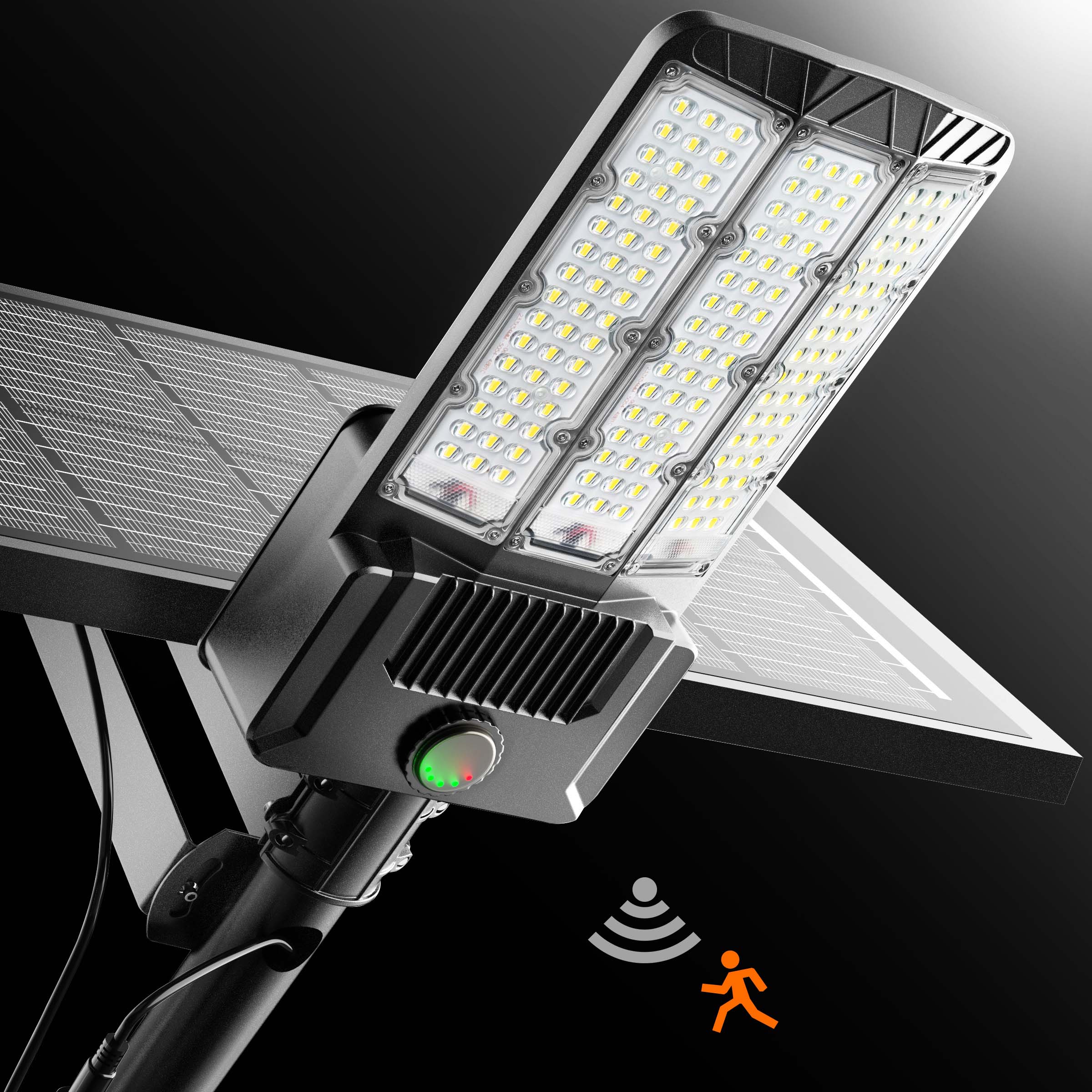
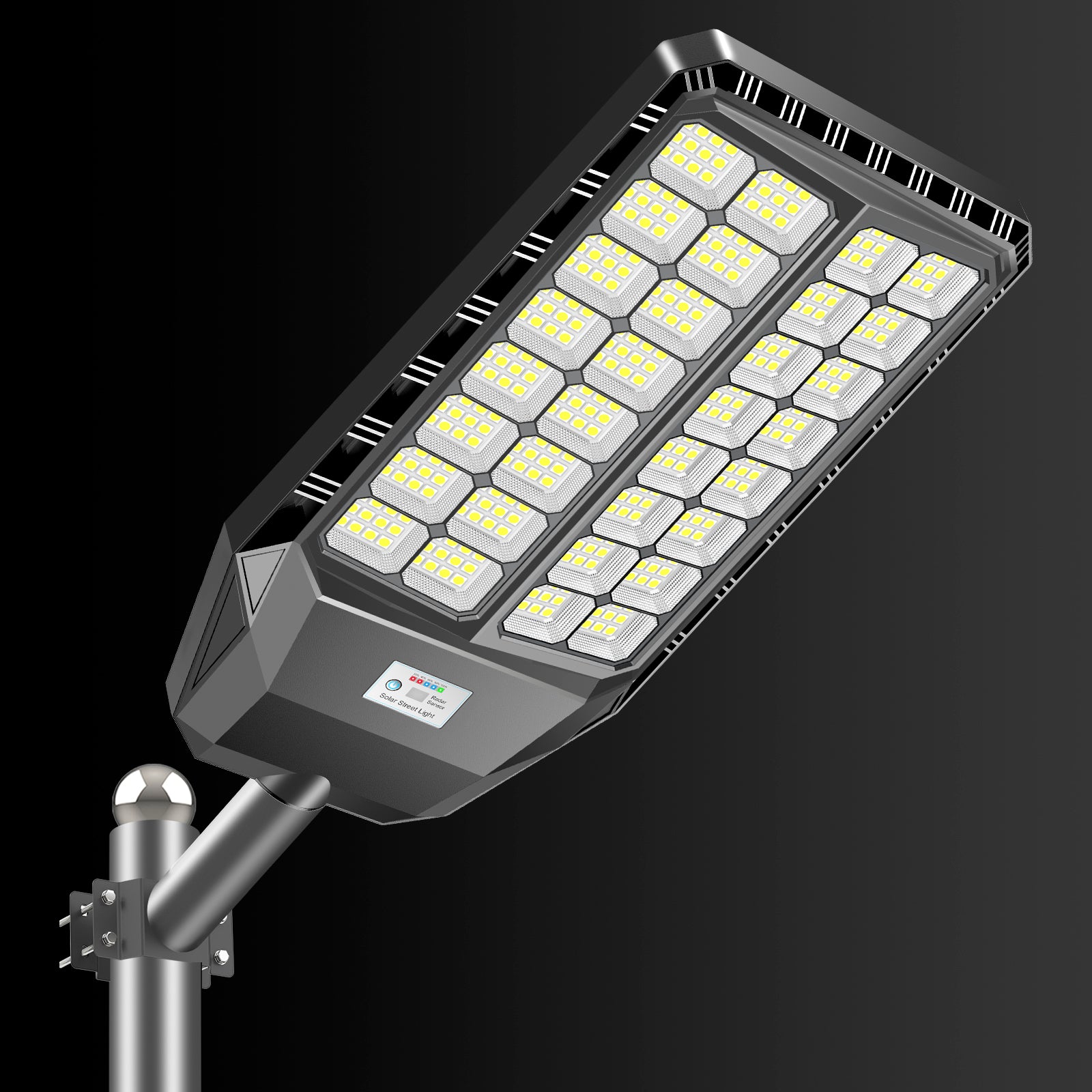
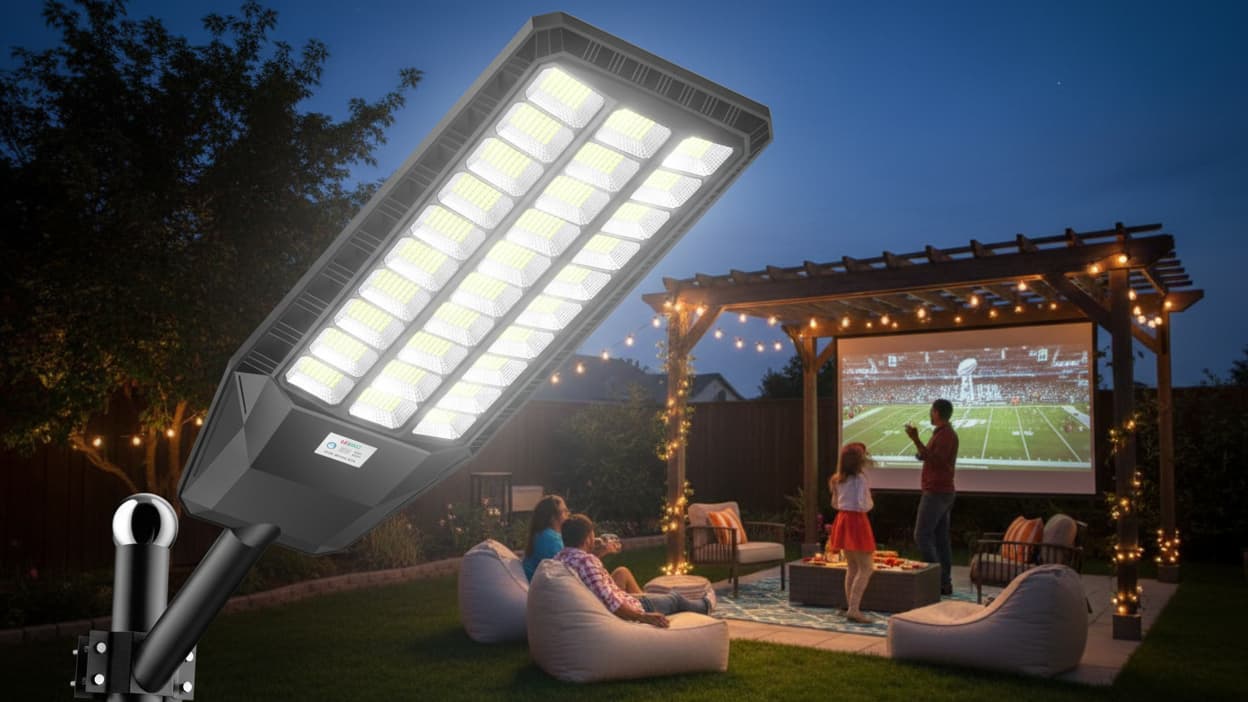
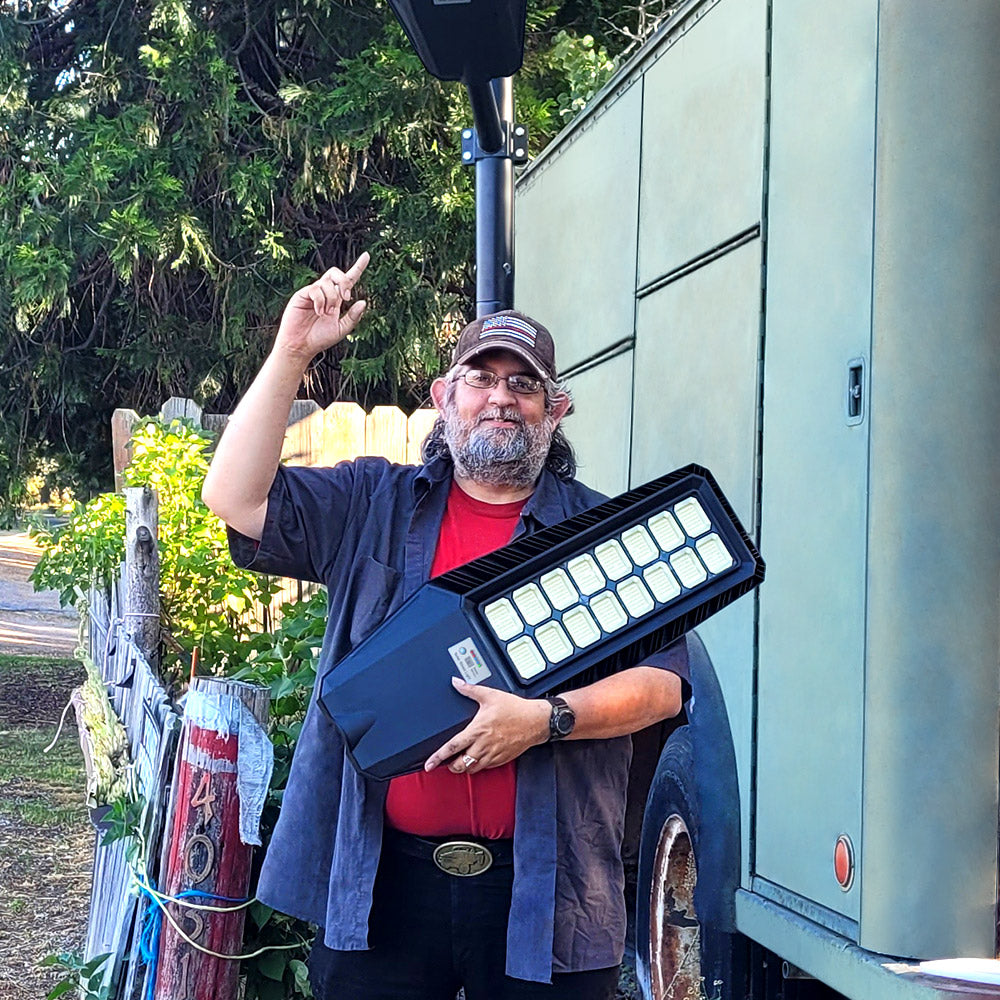
The Hykoont TW030 300W Solar Street Light 2-Pack is an absolute powerhouse for Super Bowl parties. With 42,000 lumens per unit, this two-pack gives you 84,000 lumens total – enough to light up a small stadium. The dusk-to-dawn feature means they automatically turn on when the sun sets, perfect for those late afternoon kickoffs that stretch into evening.
What makes these lights special is their commercial-grade construction. We're talking about lights designed for parking lots and streets, so they can definitely handle your backyard. The solar panels are high-efficiency monocrystalline, meaning they charge faster and work better in partial shade or cloudy conditions – crucial for February weather in many parts of the country.
For those working with a tighter budget but still wanting professional results, the Hykoont 200W Solar Street Lights TW020 Series delivers exceptional value. At just $89, you get reliable 200W performance that's perfect for medium-sized viewing areas. These lights are ideal if you're setting up multiple zones – one for the main viewing area, another for the food station, and maybe one for the kids' play area.
Flood Light Solutions for Targeted Illumination
Sometimes you need focused light rather than broad coverage. That's where solar flood lights shine – literally. They're perfect for highlighting specific areas like your big screen TV setup, the buffet table, or creating ambient lighting around seating areas.

The Hykoont XH300 Solar Flood Lights pack 42,000 lumens into a compact, adjustable design. What I love about these for Super Bowl parties is the flexibility. You can angle them exactly where you need light, whether that's illuminating your projection screen, lighting up the grill area, or creating a well-lit path to the bathroom.
At 79 bucks, they're an affordable way to add professional lighting to your setup. Plus, the installation is so simple you can reposition them for different events throughout the year – think Fourth of July barbecues, Halloween parties, or Christmas gatherings.
Strategic Placement for Maximum Impact
Having great lights is only half the battle. Placement is where the magic happens. You want to create layers of light that serve different purposes without creating glare or dark spots.

The Main Viewing Area
Your primary lights should be positioned behind and to the sides of your seating area, never directly in front of the screen or in guests' sightlines. Think about how stadiums light their fields – the lights are high and angled to minimize shadows and glare.
For a typical backyard setup, mount your main solar street lights 10-15 feet high if possible. This could be on your house, a fence, or dedicated poles. The height gives you better coverage and more even light distribution.
If you're using the TW030 2-pack, position one on each side of your viewing area, angled slightly inward. This creates a "wash" of light that illuminates everything without harsh shadows. The 42,000 lumens from each unit will overlap in the middle, giving you that bright, even coverage that makes everything look great.
Creating Atmosphere
Here's something most people miss: you can use lighting to create zones and atmosphere. Bright light in the viewing area keeps everyone engaged with the game. Slightly dimmer accent lighting in the food area encourages mingling. And softer lighting in peripheral areas gives people space to have conversations without shouting over the game.
The beauty of having multiple solar lights is you can adjust each one independently. Most modern units come with remotes or have adjustable brightness settings. Start bright during setup and halftime, then dim things down during crucial game moments.
Installation Timeline: Getting Ready for Game Day
Let's talk logistics. You don't want to be installing lights on Super Bowl Sunday morning. Here's a realistic timeline that ensures everything works perfectly.
Two Weeks Before: Planning and Ordering
Measure your space and decide on your layout. Order your lights with enough time for delivery and testing. Most solar lights need 1-2 days of charging before they're at full capacity, so factor that in.
Walk your space at night with a flashlight to identify dark spots and plan your light positions. Take photos – they'll help you remember your plan when installation day comes.
One Week Before: Installation
This is when you actually mount and position your lights. The installation process for solar lights is straightforward, but you want time to make adjustments.
For street lights like the TW030, you'll need to mount them securely. Most come with mounting brackets that attach to walls, poles, or fence posts. Make sure they're angled to capture maximum sunlight during the day – typically facing south in the Northern Hemisphere.
Flood lights are even easier. Many have adjustable brackets that let you mount them on virtually any surface. The key is making sure the solar panel has clear access to sunlight while the light itself points where you need it.
Three Days Before: Testing and Adjustment
Let your lights charge for a couple of days, then test them at night. This is your chance to fine-tune angles, adjust brightness, and make sure everything works as planned.
Check the runtime too. Quality solar lights should run 8-12 hours on a full charge, more than enough for any Super Bowl party. If you notice shorter runtimes, the panels might need repositioning for better sun exposure.
Game Day: Final Touches
On Super Bowl Sunday, do a quick check in the morning to make sure all panels are clean and unobstructed. Dust, leaves, or snow can reduce charging efficiency. A quick wipe-down with a damp cloth can make a big difference.
Test your lights one more time in the afternoon to confirm everything's working. Most solar lights have manual override options, so you can turn them on during the day to verify operation.
Maximizing Performance in Winter Conditions
The Super Bowl happens in early February, which means you're dealing with winter weather in most of the country. Solar lights can absolutely handle it, but there are some tricks to ensure peak performance.
Cold Weather Considerations
Good news: solar panels actually work more efficiently in cold temperatures. The challenge is shorter days and potentially cloudy weather leading up to game day.
Quality solar lights like the Hykoont series use lithium batteries that perform well in cold weather, unlike cheaper options with basic lead-acid batteries. These batteries maintain their charge capacity even when temperatures drop below freezing.
If you're in an area with heavy snow, make sure to clear snow off the panels the day before the party. Even a thin layer can significantly reduce charging efficiency.
Cloudy Day Strategies
What if the week before the Super Bowl is cloudy? Don't panic. Modern solar lights with high-capacity batteries can store several days' worth of charge. Even on cloudy days, panels still collect diffused sunlight – just not as much as on sunny days.
If you're really concerned about weather, consider this: the TW030 lights have massive battery capacity. Even with just 50% charge, they'll run for 6-8 hours, plenty for your party. And if you installed them a week early, they've had multiple days to build up charge reserves.
Beyond the Big Game: Year-Round Value
Here's the thing about investing in quality solar lighting for your Super Bowl party – you're not just buying lights for one event. You're creating a permanent outdoor lighting solution that adds value all year long.
Security and Safety
Those same lights that made your Super Bowl party amazing also make your property safer every night. Well-lit yards deter intruders and prevent accidents. The dusk-to-dawn feature means you never have to remember to turn them on.
Parents especially appreciate this. Kids can play outside later, and you can see what's happening in your yard from inside the house. It's peace of mind that pays dividends every single day.
Property Value Enhancement
Professional outdoor lighting is a legitimate home improvement that increases property value. Potential buyers love seeing quality outdoor lighting already installed – it's one less thing they need to add.
And unlike traditional wired lighting, solar lights are considered a premium feature because of their energy efficiency and low maintenance requirements. You're literally adding value while reducing operating costs.
Entertainment Flexibility
Once you've got great outdoor lighting, you'll find yourself using your yard more often. Summer barbecues, graduation parties, birthday celebrations – all become easier when you've already got the lighting infrastructure in place.
The adjustability of solar flood lights means you can reconfigure your lighting for different events. Bright and functional for active parties, dimmed and atmospheric for intimate dinners, or focused and practical for outdoor projects.
Cost Analysis: Solar vs. Traditional Lighting
Let's talk money, because that's what really matters when you're making a purchase decision. Solar lights have a higher upfront cost than basic outdoor lighting, but the total cost of ownership tells a different story.
Initial Investment
A quality Super Bowl party lighting setup using solar might run you $300-600 depending on your space and needs. The TW030 2-pack at $289 gives you professional-grade lighting for under $450.
Compare that to traditional wired lighting: you're looking at similar fixture costs, plus electrical work (easily $500-1000 for professional installation), trenching for wiring, and potential permit fees. The solar option is actually cheaper upfront when you factor in installation.
Operating Costs
This is where solar really shines. Traditional outdoor lighting running 8 hours per night can cost $15-30 per month in electricity, depending on your rates and fixture wattage. That's $180-360 per year.
Solar lights? Zero operating costs. The sun charges them for free, every day, forever. Over a 10-year lifespan (typical for quality solar lights), you're saving $1,800-3,600 in electricity costs alone.
Maintenance and Replacement
Traditional lights need bulb replacements, ballast repairs, and occasional electrical work. Solar lights are essentially maintenance-free beyond occasional cleaning and very rare battery replacement after 5-7 years.
When you add it all up, solar lights typically pay for themselves within 2-3 years, then continue saving you money for years afterward. It's not just an expense – it's an investment.
Common Mistakes to Avoid
I've seen people make the same errors when setting up solar lighting for events. Learn from their mistakes and save yourself the headache.
Undersizing Your Lighting
The biggest mistake is not getting enough light. People see "solar light" and think of those little pathway markers. Then they're disappointed when their party space is dimly lit.
Don't be shy about lumens. For a Super Bowl party, you want it bright enough to see faces clearly, read food labels, and watch the game comfortably. That means commercial-grade lights, not residential decorative options.
Poor Panel Positioning
Your solar panels need direct sunlight to charge effectively. Mounting a light under a tree or on the north side of your house (in the Northern Hemisphere) means poor charging and disappointing performance.
Take the time to observe your yard's sun patterns. Where does the sun hit during the day? That's where your panels should face. Sometimes this means the light points one direction while the panel faces another – that's fine, most quality lights allow for this.
Last-Minute Installation
Installing lights the day before your party is asking for trouble. You need time to charge the batteries, test the system, and make adjustments. Give yourself at least a week, preferably two.
Ignoring Weather Forecasts
Check the weather forecast for the week leading up to the Super Bowl. If heavy clouds or snow are predicted, you might want to install lights earlier to build up charge reserves, or have a backup plan ready.
Pro Tips from Experienced Party Hosts
After helping hundreds of people set up outdoor lighting for events, here are the insider tips that make the difference between a good party and a great one.
Create a Lighting Control Station
If your lights come with remotes (most modern solar lights do), keep all the remotes in one place – maybe a small box near your main entertaining area. This lets you adjust lighting throughout the party without hunting for controls.
Label each remote with which light it controls. Trust me, when you're trying to dim the food area lights during a crucial play, you don't want to be guessing which remote is which.
Have a Backup Plan
Even with the best solar lights, it's smart to have a backup. Keep a couple of battery-powered LED lanterns charged and ready. If a light fails or you need extra illumination somewhere, you're covered.
This isn't about solar lights being unreliable – it's about being prepared for any situation. The same way you have backup snacks and extra drinks, have backup lighting.
Use Lighting to Manage Traffic Flow
Bright lights naturally draw people. Use this to your advantage. Light your main viewing area brightly to keep people engaged with the game. Light pathways clearly to guide movement. Use dimmer lighting in areas where you want less traffic.
This subtle crowd management makes your party flow better without you having to direct people constantly.
Test Everything Twice
The night before the party, do a complete lighting test. Turn everything on, check brightness levels, verify coverage, and make sure remotes work. Then do it again the afternoon of the party.
This double-check catches issues before guests arrive. Maybe a light shifted in the wind, or a panel got covered by falling leaves. Better to discover problems when you can fix them than during the party.
Environmental Impact and Sustainability
Beyond the practical benefits, there's something satisfying about hosting an environmentally responsible Super Bowl party. Solar lighting is genuinely green technology that reduces your carbon footprint.
Real Environmental Benefits
Every kilowatt-hour of electricity you don't use from the grid means less fossil fuel burned (in most areas). Over a year, a typical solar lighting setup prevents several hundred pounds of CO2 emissions compared to traditional lighting.
It's a small contribution, sure, but it's something. And when you're hosting a party, being able to say "all our outdoor lighting is solar-powered" is a conversation starter that shows you care about sustainability.
Long-Term Sustainability
Quality solar lights last 10-15 years with minimal maintenance. That's a decade and a half of zero-emission lighting. Compare that to traditional lights that need regular bulb replacements (which end up in landfills) and consume grid electricity continuously.
The manufacturing impact of solar lights is higher than simple fixtures, but that's offset within the first year or two of use. After that, it's all environmental benefit.
Troubleshooting Common Issues
Even with quality equipment and proper installation, you might encounter issues. Here's how to solve the most common problems quickly.
Lights Not Turning On
First, check if there's a manual override switch that's been accidentally activated. Many solar lights have a mode that keeps them off during the day – make sure it's set correctly.
Second, verify the battery connection. Sometimes during shipping or installation, battery connections can loosen. A quick check and reconnection usually solves this.
Third, ensure the solar panel isn't covered or shaded. Even partial shading can prevent charging. Clean the panel surface – dirt and debris reduce efficiency significantly.
Shorter Than Expected Runtime
If your lights are turning off earlier than they should, it's usually a charging issue. Check panel positioning and cleanliness first. Then consider recent weather – several cloudy days in a row can deplete battery reserves.
For the Super Bowl specifically, if you've had cloudy weather all week, your lights might not be at full charge. They'll still work, just not for as long. Plan accordingly – maybe start them later in the evening or use them more selectively.
Inconsistent Brightness
If some lights are brighter than others, it's usually because of different charge levels. Lights in sunnier positions charge more fully and run brighter. This is actually useful – you can use it to create lighting zones intentionally.
If you want consistent brightness, make sure all panels get similar sun exposure. Sometimes this means adjusting panel angles or relocating lights slightly.
Motion Sensor Issues
Some solar lights have motion sensors that can be overly sensitive or not sensitive enough. For a Super Bowl party, you probably want to disable motion sensing and run the lights continuously. Check your light's settings – most allow you to switch between motion-activated and constant-on modes.
Frequently Asked Questions
Will solar lights work during winter for a Super Bowl party?
Absolutely. Solar panels actually work more efficiently in cold temperatures. The challenge is shorter days and potentially cloudy weather, but quality solar lights with good battery capacity handle this fine. The key is installing them early enough to build up charge reserves and keeping panels clear of snow.
How many solar lights do I need for a typical backyard Super Bowl party?
For a standard 20x30 foot viewing area, you'll want 2-3 high-output solar street lights (like the TW030 series) for main illumination, plus 2-4 solar flood lights for accent and task lighting. This gives you 60,000-100,000 total lumens, which is plenty for comfortable viewing and socializing.
Can I use solar lights if my yard is partially shaded?
Yes, but you need to be strategic. Position the solar panels in areas that get direct sunlight, even if that means the light itself is in a shaded area. Many modern solar lights have separate panels connected by cables, giving you this flexibility. Alternatively, choose lights with high-efficiency monocrystalline panels that perform better in partial shade.
What happens if it's cloudy the week before the Super Bowl?
Quality solar lights will still charge on cloudy days, just not as quickly. If you've installed your lights a week or more in advance, they'll have built up sufficient charge even with cloudy weather. As a backup, you can manually charge some solar lights via USB if they have that feature, or have battery-powered backup lights ready.
How long will solar lights run on a full charge?
Commercial-grade solar lights like the Hykoont TW030 series typically run 8-12 hours on a full charge, more than enough for any Super Bowl party. Even if they're not fully charged due to weather, you'll get 6-8 hours minimum, which covers from late afternoon through the end of the game and cleanup.
Do I need an electrician to install solar lights?
No, that's one of the biggest advantages of solar lighting. Installation is completely DIY-friendly. You'll need basic tools for mounting (drill, screwdriver, possibly a ladder), but there's no electrical work required. Most people can install a complete solar lighting system in an afternoon.
Are solar lights bright enough to replace traditional outdoor lighting?
Modern commercial-grade solar lights absolutely match or exceed traditional lighting. The Hykoont TW030 at 42,000 lumens is brighter than most traditional outdoor floodlights. The key is choosing commercial-grade solar lights rather than decorative garden lights – there's a huge difference in output.
What's the lifespan of solar lights?
Quality solar lights typically last 10-15 years. The LED bulbs are rated for 50,000+ hours, and the solar panels maintain 80%+ efficiency for 20+ years. The batteries are usually the first component to need replacement, typically after 5-7 years, but this is a simple and inexpensive maintenance task.
Can I adjust the brightness of solar lights?
Most modern solar lights come with multiple brightness settings and remote controls. This lets you adjust lighting throughout your party – brighter during setup and halftime, dimmer during crucial game moments. Some even have smartphone app control for ultimate convenience.
Will solar lights increase my property value?
Yes, professional outdoor lighting is considered a valuable home improvement. Solar lighting is particularly attractive to buyers because it provides the benefits of outdoor lighting without ongoing electricity costs. It's a feature that literally pays for itself while adding aesthetic and security value.
Making Your Super Bowl Party Legendary
At the end of the day, great lighting is about creating an experience. It's the difference between guests squinting at their plates and comfortably enjoying the game. It's about safety, atmosphere, and showing that you've thought through every detail.
Solar lighting gives you professional-grade illumination without the professional-grade hassle or cost. You get reliability, flexibility, and year-round value from a system you can install yourself in an afternoon.
This Super Bowl, don't let poor lighting dim your party. Invest in quality solar lights, install them properly, and create an outdoor viewing experience that'll have your guests talking until next season. The game might be over in four quarters, but great lighting lasts for years.
Ready to light up your Super Bowl party? Check out our complete range of commercial-grade solar street lights and high-performance solar flood lights. Your best Super Bowl party ever is just a few clicks away.

Leave a comment
This site is protected by hCaptcha and the hCaptcha Privacy Policy and Terms of Service apply.