








When millions of fans gather for Super Bowl 2026, the spotlight naturally falls on the stadium, the players, and the spectacle on the field. Yet beyond the bright lights of game night, an equally important story unfolds across city streets, parking areas, and public spaces. This story is about lighting, safety, and how modern cities are rethinking their infrastructure through solutions like solar street lighting.
The Super Bowl provides a powerful case study in how temporary peak demand can reveal long-term infrastructure needs. For many cities, the lessons learned during this event extend far beyond football, influencing future investments in smart and sustainable technologies.
Lighting Challenges During Major Sporting Events
Large sporting events create unique challenges for urban lighting systems. Traffic flows increase dramatically, pedestrian movement extends late into the night, and many areas that are usually quiet become high-traffic zones. Insufficient lighting can lead to congestion, safety risks, and negative visitor experiences.
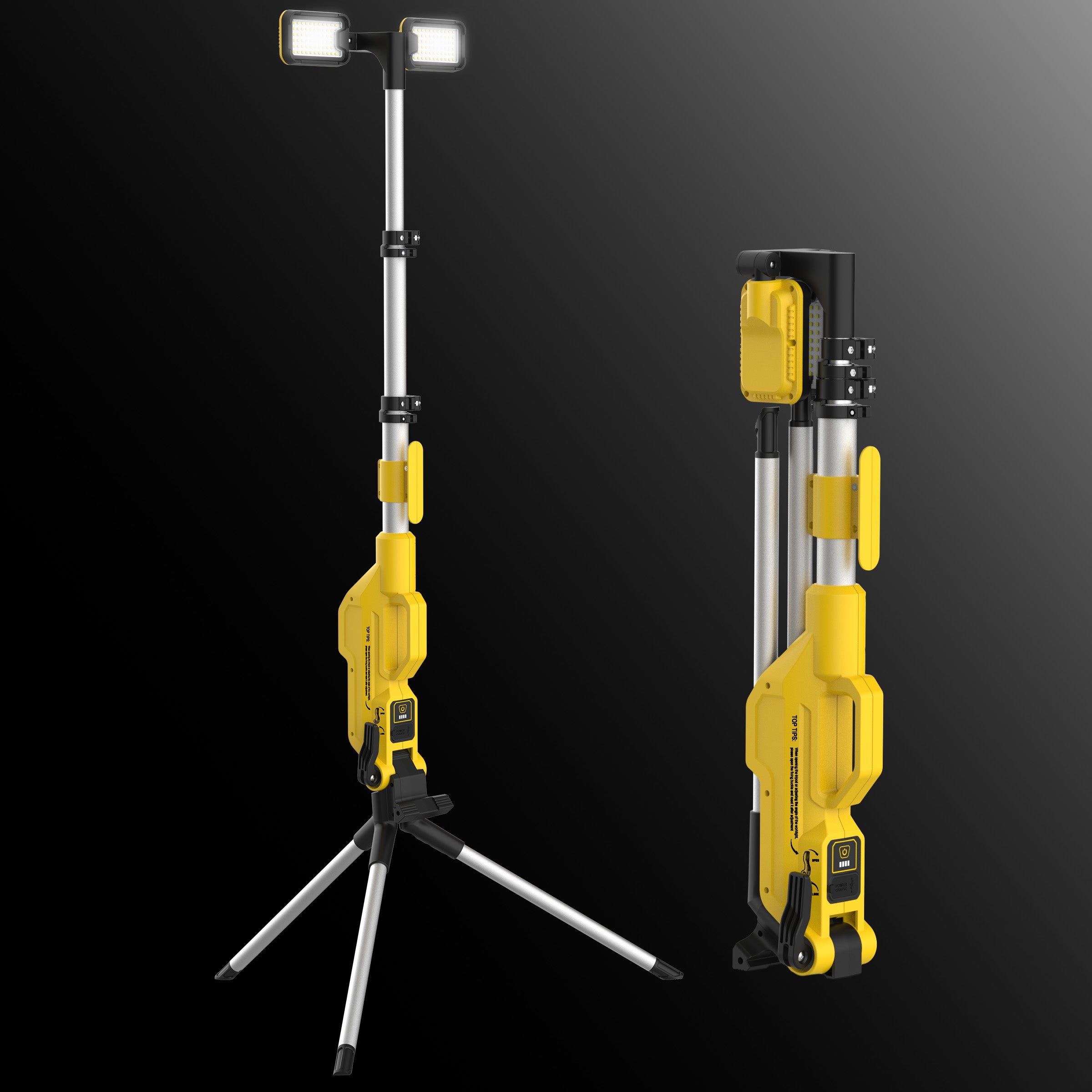
Traditional street lighting systems rely heavily on grid power, which may already be stretched thin during events like the Super Bowl. Temporary lighting solutions often involve generators, which add noise, emissions, and logistical complexity.
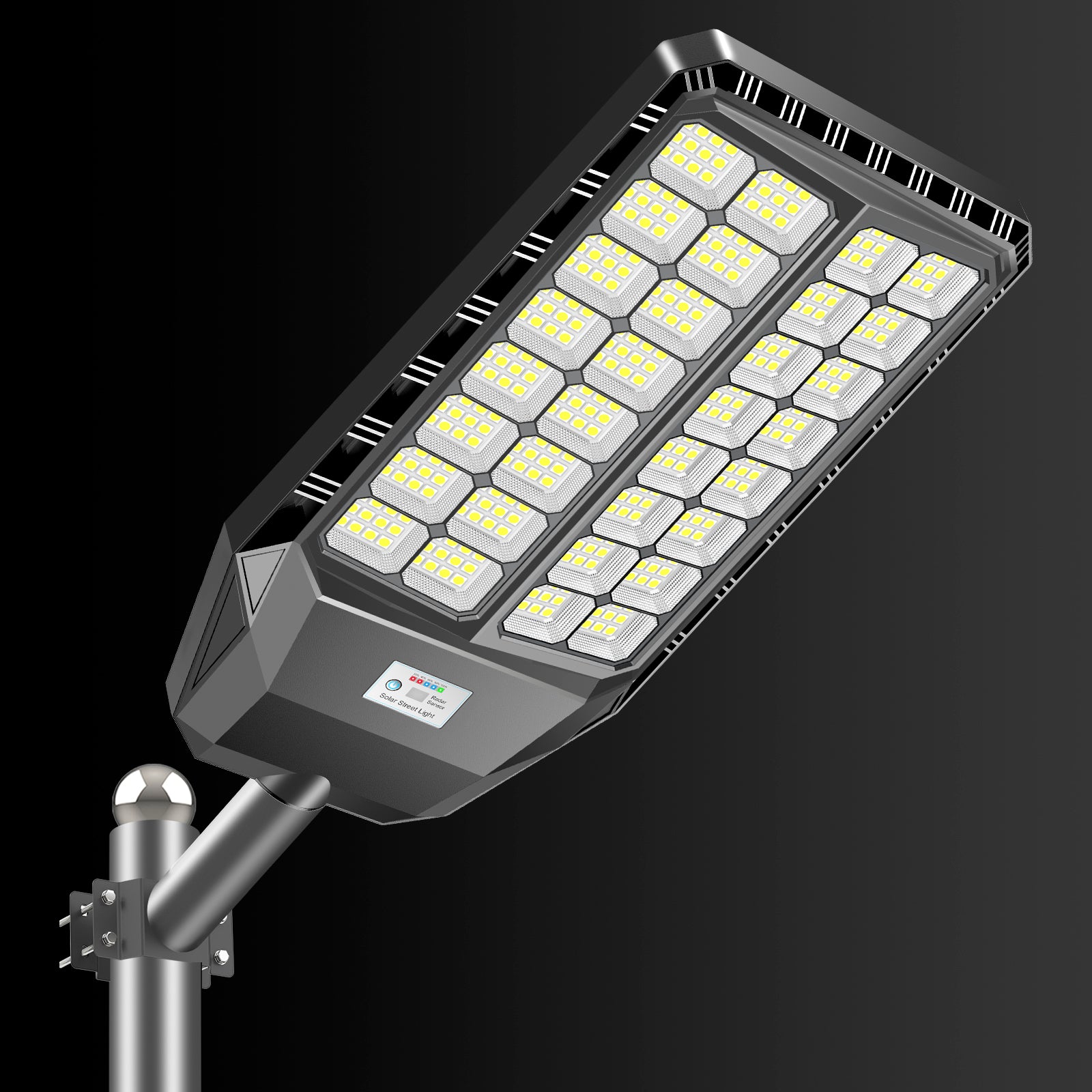
Solar street lights offer a cleaner and more efficient alternative. By operating independently of the grid, they provide consistent illumination without adding stress to existing electrical infrastructure.

The Rise of Solar Street Lighting in the United States
Over the past decade, solar street lighting has transitioned from a niche technology to a mainstream infrastructure solution. Advances in LED efficiency, battery storage, and solar panel performance have made these systems reliable even in challenging weather conditions.
Super Bowl 2026 highlights this shift. As host cities look for flexible lighting options that can be deployed quickly and scaled easily, solar street lights are increasingly viewed as a strategic asset rather than a temporary fix.
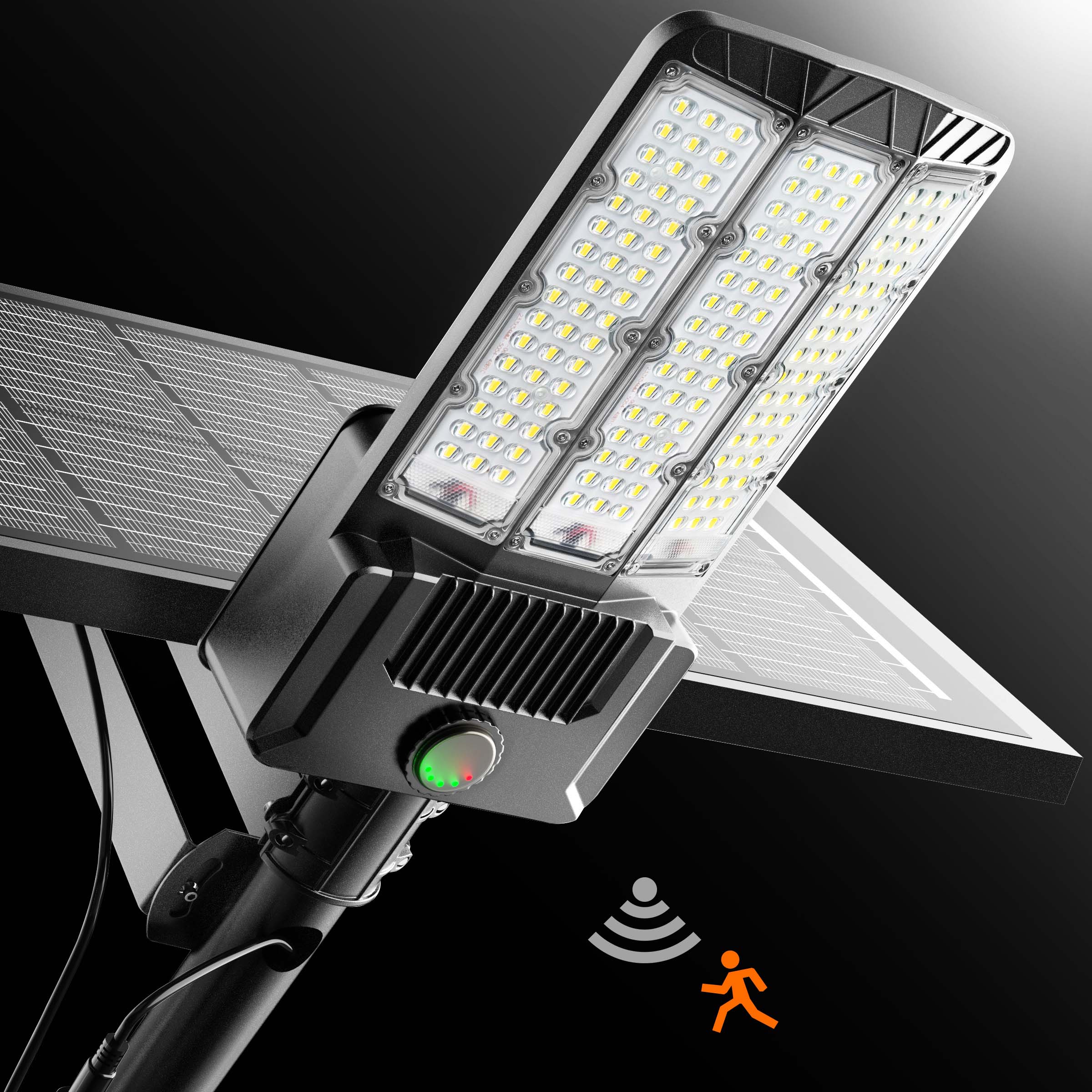
Hykoont solar street lights exemplify this new generation of lighting solutions. Designed for high output and long operating life, they meet the demands of both event-driven applications and everyday urban use.
Sustainability as a Core Expectation
Sustainability is no longer a bonus; it is an expectation. Major events like the Super Bowl face growing scrutiny regarding their environmental impact. From transportation emissions to energy consumption, every aspect is under the microscope.
Solar-powered lighting helps address these concerns directly. By harnessing renewable energy, solar street lights reduce dependence on fossil fuels and lower overall carbon footprints. For cities hosting Super Bowl 2026, this aligns with broader sustainability goals and public commitments to cleaner energy.
Hykoont solar street lights are built with high-efficiency components that maximize energy capture and minimize waste. This ensures reliable performance while supporting long-term environmental objectives.

Improving Safety and Community Confidence
Lighting has a direct impact on how people perceive safety. Well-lit streets encourage movement, support local businesses, and foster community engagement. During Super Bowl events, this effect is amplified as visitors explore unfamiliar neighborhoods and venues.
Solar street lights provide uniform, high-quality illumination that enhances visibility for drivers and pedestrians alike. Intelligent lighting controls allow brightness levels to adjust based on activity, ensuring safety without unnecessary energy use.
These benefits do not disappear once the Super Bowl ends. Communities continue to enjoy safer, more inviting public spaces every night of the year.
Cost Efficiency Beyond the Event
While upfront costs are often considered when planning event infrastructure, long-term operating expenses matter just as much. Traditional lighting systems incur ongoing electricity costs, maintenance fees, and potential repair expenses.
Solar street lights significantly reduce these costs. With no monthly electricity bills and minimal maintenance requirements, they offer a strong return on investment over time. For municipalities and property managers, this financial efficiency is a compelling reason to adopt solar lighting solutions.
Hykoont solar street lights are engineered for durability, with robust materials and weather-resistant designs that ensure consistent performance year after year.
From Temporary Installations to Permanent Solutions
One of the most valuable lessons from Super Bowl 2026 is that temporary needs can inspire permanent improvements. Solar street lights installed for event-related purposes can remain in place, continuing to serve residents, businesses, and public facilities.
This adaptability makes solar lighting a smart choice for cities planning not just for one event, but for future growth. Parking lots, roadways, parks, and commercial areas all benefit from reliable, independent lighting systems.

Looking Ahead: A Smarter Lighting Future
Super Bowl 2026 is a reminder that infrastructure decisions made today shape how cities function tomorrow. Solar street lighting represents a forward-thinking approach that balances performance, sustainability, and cost efficiency.
As more cities embrace renewable energy and smart technologies, solar street lights will play an increasingly important role in urban environments. Products like Hykoont solar street lights demonstrate how innovation can meet real-world demands without compromise.
From game night to every night, the impact of better lighting is clear. By investing in solar-powered solutions, cities can create safer, greener, and more resilient communities long after the final whistle blows.






Leave a comment
This site is protected by hCaptcha and the hCaptcha Privacy Policy and Terms of Service apply.