





Introduction: Why Lighting Specifications Matter More Than Ever
When shopping for lighting fixtures, many users still rely on outdated assumptions—such as equating higher wattage with brighter light or choosing bulbs solely based on appearance. However, modern lighting, especially LED technology, has fundamentally changed how brightness, color, and energy efficiency are measured and optimized.
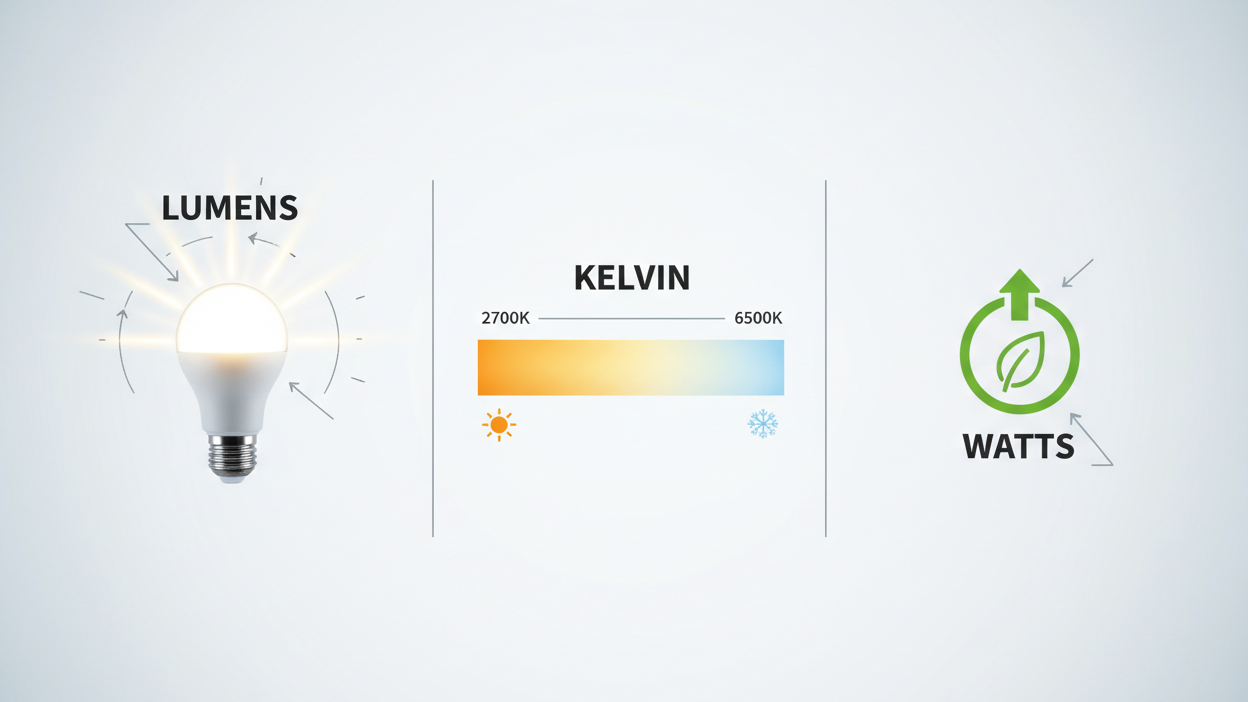
Three terms now play a critical role in determining lighting performance and suitability:
Lumens – How bright the light actually is
Kelvin – What color the light appears to the human eye
Watts – How much energy the light consumes
Understanding the relationship between these three metrics is essential when choosing LED lighting for specific application scenarios, whether it’s a cozy living room, a productive workspace, or an outdoor security area.
This comprehensive guide breaks down each concept in detail, explains how they work together, and provides practical, real-world solutions to help users select the right lighting with confidence.
 What Are Lumens? (Brightness Explained Clearly)
Definition: Lumens = Brightness Output
Lumens (lm) measure the total amount of visible light emitted by a light source. In simple terms, lumens tell you how bright a light actually is, regardless of how much power it uses.
The higher the lumens:
The brighter the light
The larger the area it can effectively illuminate
Why Lumens Matter More Than Watts Today
In traditional incandescent lighting, brightness and wattage were closely linked. A 60W bulb was brighter than a 40W bulb—simple.
LEDs changed everything.
Modern LED lights can produce:
Higher lumens with much lower wattage
Up to 80–90% energy savings compared to incandescent bulbs
That’s why lumens—not watts—should be your primary brightness reference when selecting LED lighting.
Common Lumen Ranges by Application
| Application Scenario | Recommended Lumens |
|---|---|
| Bedroom / Living Room | 800–1,500 lm |
| Kitchen / Task Areas | 2,000–4,000 lm |
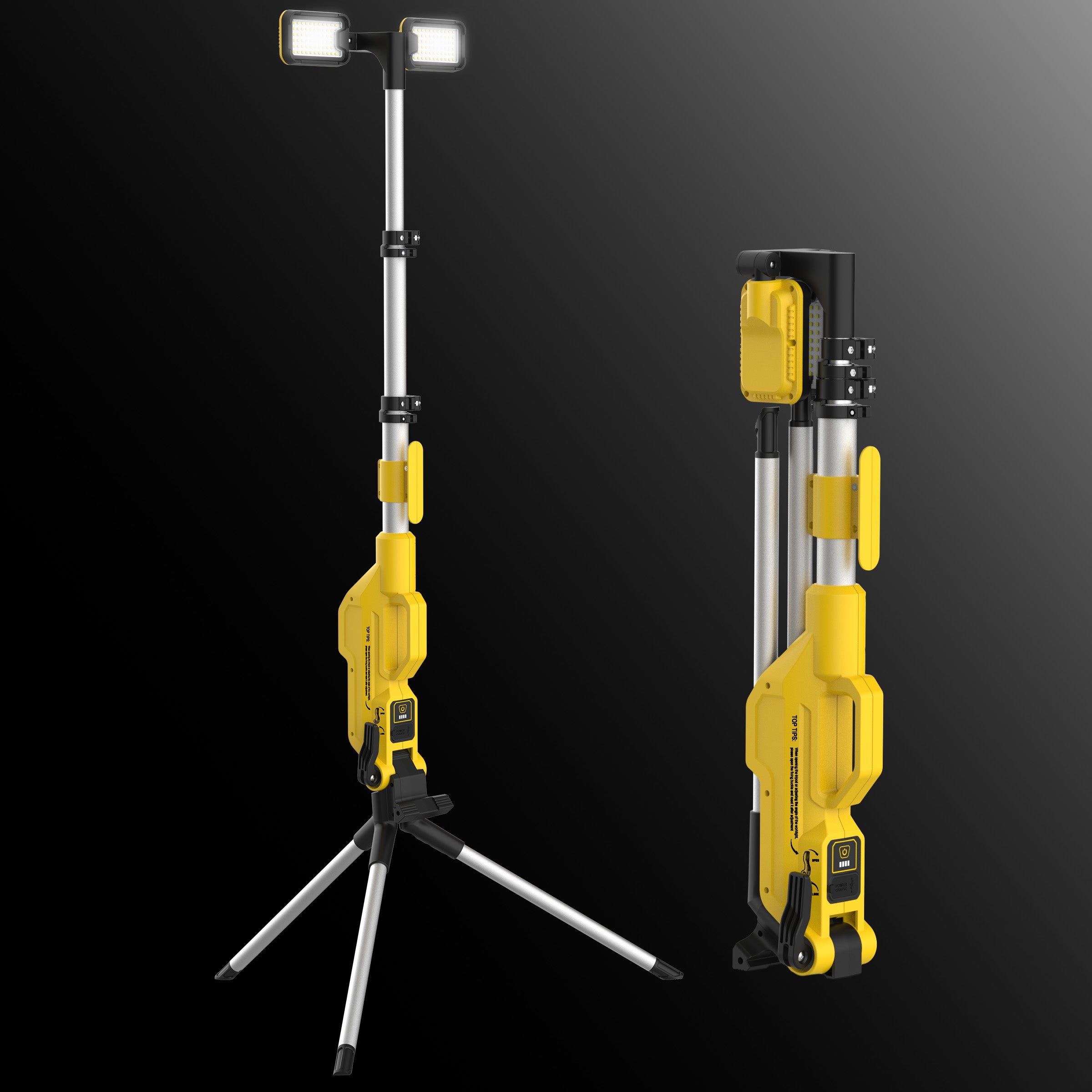
| Garage / Workshop | 4,000–8,000 lm |
| Warehouse / High Bay | 10,000–30,000+ lm |
| Outdoor Security Lighting | 3,000–12,000 lm |
Long-tail keyword embedded:
How many lumens do I need for garage lighting?
→ Solution: 4,000–8,000 lumens depending on ceiling height and task intensity.
What Is Kelvin? (Color Temperature and Mood)
Definition: Kelvin = Light Color Appearance
Kelvin (K) measures the color temperature of light, not its brightness.
It describes how “warm” or “cool” the light appears:
Lower Kelvin = warmer, yellowish light
Higher Kelvin = cooler, bluish-white light
Kelvin Scale Explained Simply
| Kelvin Range | Light Appearance | Typical Use |
|---|---|---|
| 2700K–3000K | Warm White | Living rooms, bedrooms |
| 3500K–4000K | Neutral White | Kitchens, offices |
| 5000K–6500K | Daylight White | Garages, outdoor, security |
Choosing the Right Kelvin for Each Use Case
Long-tail keyword:
What color temperature is best for outdoor LED lighting?
Answer:
5000K–6500K is ideal for outdoor areas because:
Improves visibility and contrast
Enhances security camera clarity
Feels brighter at the same lumen level
Meanwhile, indoor residential spaces benefit from warmer tones that reduce eye strain and create a comfortable atmosphere.
What Are Watts? (Energy Consumption, Not Brightness)
Definition: Watts = Power Usage
Watts (W) indicate how much electrical energy a light consumes—not how bright it is.
With LED technology:
Lower watts ≠ lower brightness
High lumens can be achieved with minimal energy
LED vs Traditional Lighting Comparison
| Light Type | Lumens | Watts Used |
|---|---|---|
| Incandescent | 800 lm | 60W |
| CFL | 800 lm | 13–15W |
| LED | 800 lm | 8–10W |
Key takeaway:
Watts are best used to evaluate energy efficiency, not light output.
 How Lumens, Kelvin, and Watts Work Together
Choosing lighting isn’t about one metric—it’s about balance.
Example: Garage LED Lighting Selection
Product type + application scenario (Main Keyword):
LED Garage Lights for Workshop Use
Lumens: 6,000–8,000 lm (bright enough for tools)
Kelvin: 5000K (clear, daylight visibility)
Watts: 40–60W LED (high efficiency)
This combination ensures:
Adequate brightness
Accurate color rendering
Low energy consumption
Common Lighting Mistakes (And How to Avoid Them)
Mistake 1: Choosing by Watts Alone
Solution: Always check lumens first.
Mistake 2: Wrong Kelvin for the Space
Cool light in bedrooms → uncomfortable
Warm light in garages → poor visibility
Mistake 3: Underestimating Lumens for Large Areas
Long-tail keyword:
Why is my LED light not bright enough?
→ Often caused by insufficient lumen output, not faulty products.
How to Choose the Right LED Lighting Step by Step
Step 1: Assess the Space
Size (square footage)
Ceiling height
Purpose (ambient, task, security)
Step 2: Calculate Required Lumens
General guidelines:
10–20 lm/sq ft: ambient lighting
30–50 lm/sq ft: task lighting
5–10 lm/sq ft: accent lighting
Step 3: Select the Right Kelvin
Match color temperature to function and mood.
Step 4: Optimize Energy Efficiency
Choose LED fixtures with:
High lumens per watt
Quality drivers
Long lifespan (50,000+ hours)
Step 5: Consider Fixture Features
Dimmable capability
Weather resistance (outdoor)
Smart control compatibility
Warranty coverage

LED Lighting by Application Scenarios (Practical Guide)
Residential Lighting
Warm tones, moderate lumens, comfort-focused.
Commercial & Industrial Lighting
High lumens, neutral-to-daylight Kelvin, efficiency-driven.
Outdoor & Security Lighting
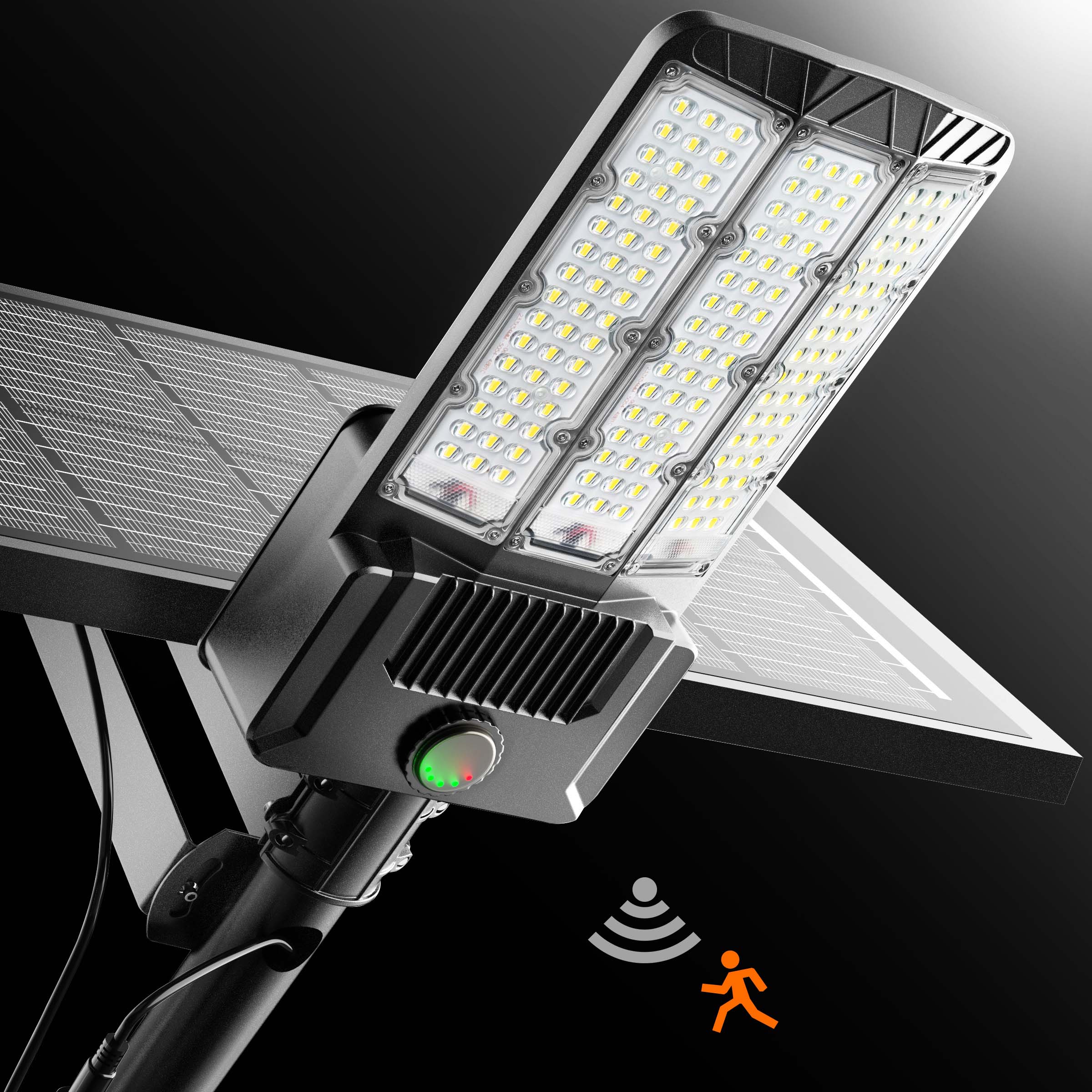
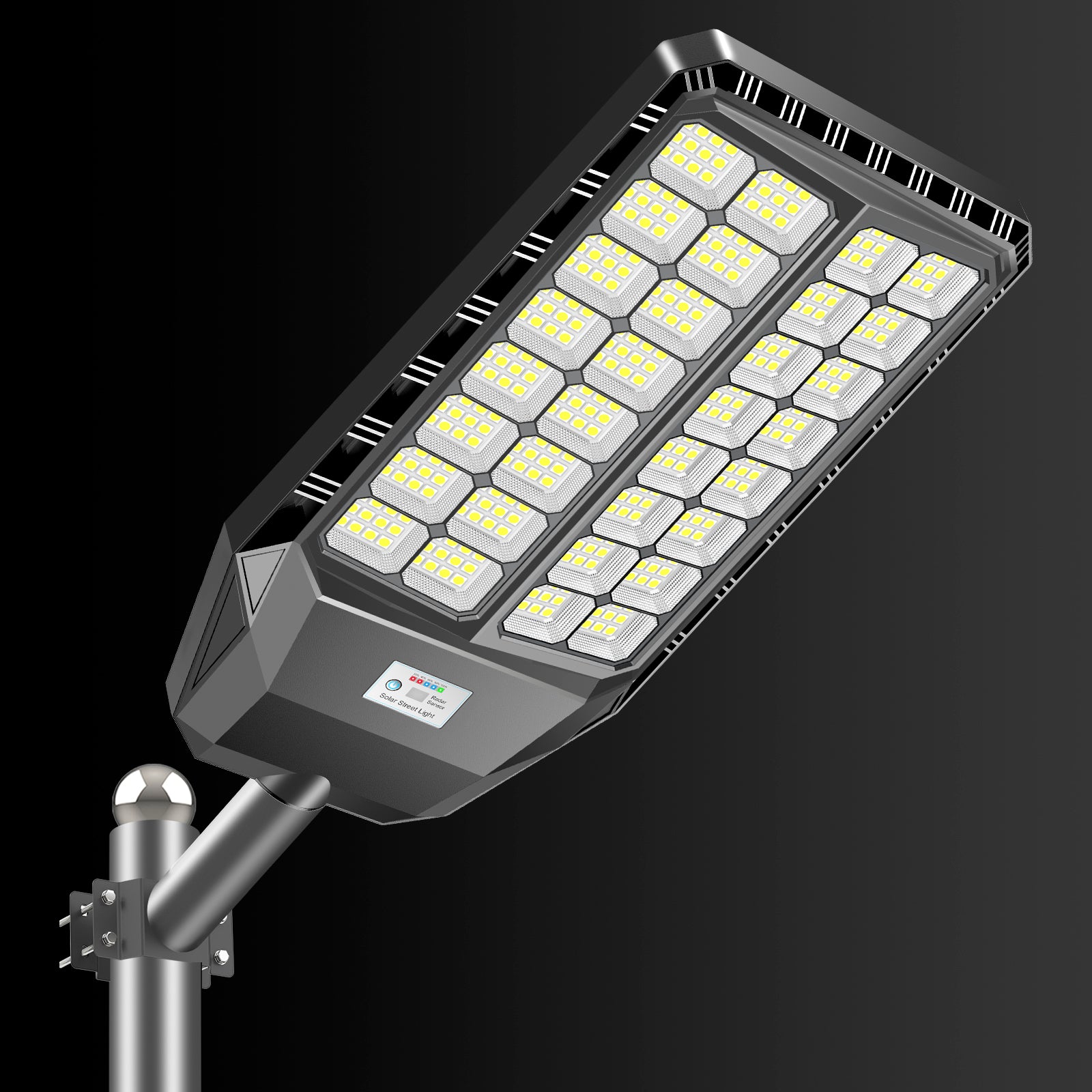
High brightness, cool Kelvin, motion sensor compatibility.
Conclusion: Making Smarter Lighting Decisions
Understanding lumens, kelvin, and watts empowers users to move beyond guesswork and make informed lighting decisions tailored to real-world needs.
By focusing on:
Lumens for brightness
Kelvin for visual comfort
Watts for energy efficiency
users can achieve better lighting performance, lower operating costs, and longer-lasting results—whether indoors or outdoors.






Leave a comment
This site is protected by hCaptcha and the hCaptcha Privacy Policy and Terms of Service apply.