




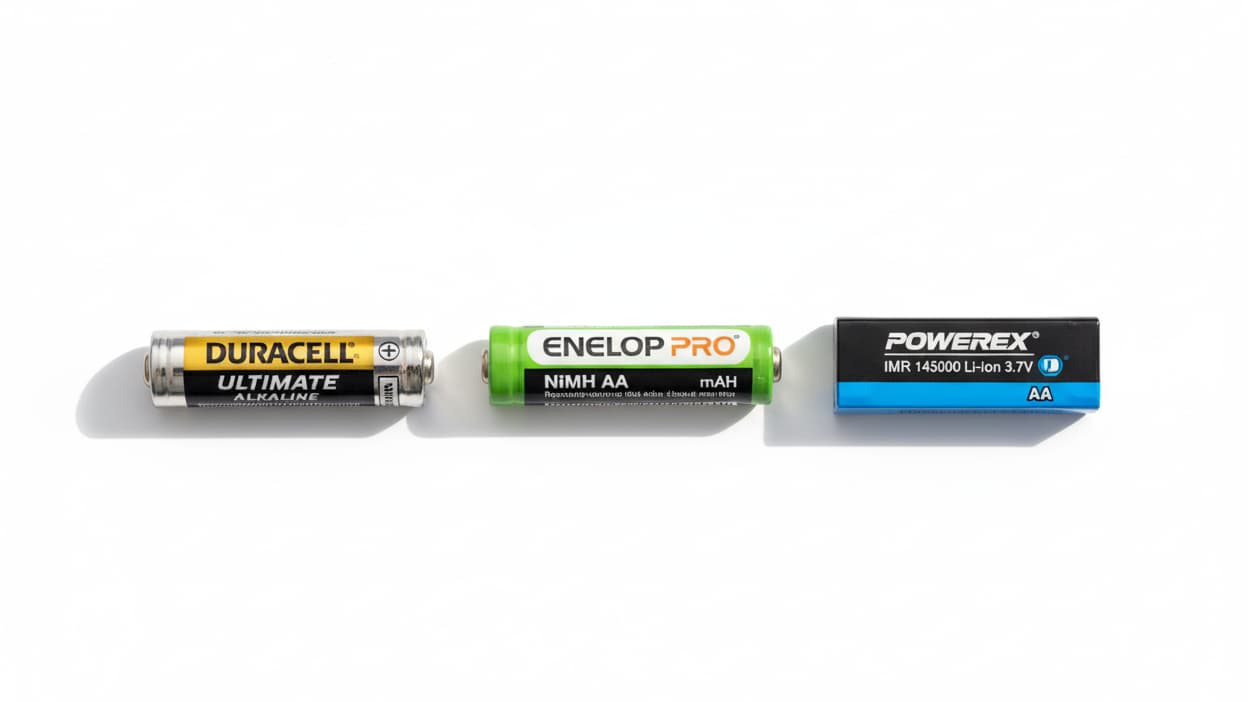
When it comes to solar fence lights, one of the most frequently asked questions among homeowners, property managers, and outdoor lighting enthusiasts is: Can I use normal AA batteries in solar fence lights? It seems like a simple fix — after all, AA batteries are everywhere, they're affordable, and they fit into most battery compartments. But the reality is more nuanced, and making the wrong battery choice can cost you more in the long run — both financially and in terms of lighting performance.
This comprehensive guide will walk you through everything you need to know about solar fence light batteries: how solar lighting systems work, why standard alkaline AA batteries fall short, what rechargeable alternatives you should use, how to maintain your lights for maximum longevity, and how to choose the right solar lighting products for your outdoor space. Whether you're a first-time solar light buyer or a seasoned homeowner looking to optimize your setup, this guide has you covered.
Understanding How Solar Fence Lights Work
Before we can answer the battery question definitively, it's essential to understand the mechanics behind solar fence lights and how they generate, store, and use energy.
The Solar Energy Cycle
Solar fence lights operate on a self-contained energy cycle that requires no external power source. Here's how the process works step by step:
- Daytime Charging: A small photovoltaic (PV) solar panel — typically mounted on top of the light fixture — absorbs sunlight and converts it into direct current (DC) electricity through the photovoltaic effect.
- Energy Storage: This DC electricity is fed into a rechargeable battery housed inside the light unit. The battery stores this energy for later use.
- Dusk Activation: Most solar fence lights include a photosensor (light sensor) that detects when ambient light levels drop below a certain threshold. At dusk, the sensor triggers the LED to switch on automatically.
- Nighttime Illumination: The stored battery energy powers the LED light throughout the night, providing consistent illumination until the battery is depleted or dawn arrives.
- Cycle Repeats: The next day, the solar panel recharges the battery, and the cycle begins again.
This closed-loop system is elegant in its simplicity — but it places very specific demands on the battery. The battery must be capable of accepting a charge from a low-voltage solar panel, holding that charge efficiently, and then discharging it steadily over many hours. Not all batteries are built to do this.
The Role of the Charge Controller
Many solar lights include a small charge controller circuit that regulates the flow of electricity from the solar panel to the battery. This circuit is calibrated for rechargeable battery chemistries — specifically NiMH or Li-ion. When you insert a non-rechargeable alkaline battery, this circuit may still attempt to push a charging current into the battery, which alkaline batteries are not designed to accept. This can cause overheating, leakage, or even rupture in extreme cases.

Why Normal AA Batteries Don't Work Well in Solar Fence Lights
Now that you understand how solar lights work, let's address the core question directly. Normal AA batteries — typically alkaline chemistry — are not recommended for use in solar fence lights. Here's a detailed breakdown of why:
1. Incompatibility with Solar Charging Systems
The most fundamental problem is a chemistry mismatch. Solar fence lights are engineered to charge NiMH or Li-ion batteries. These chemistries accept a trickle charge from a solar panel gracefully — they're designed for it. Alkaline AA batteries, by contrast, are primary (single-use) cells. They are not designed to be recharged.
When a solar panel attempts to push current into an alkaline battery, several things can happen: the battery may not accept the charge at all (wasting the solar energy), it may heat up dangerously, or it may begin to leak electrolyte. None of these outcomes are desirable, and all of them can damage your solar light fixture.
2. Significantly Shorter Effective Lifespan
A quality NiMH rechargeable battery rated for solar applications can endure 500 to 1,000 charge-discharge cycles before its capacity degrades significantly. That translates to roughly 1.5 to 3 years of daily use before replacement is needed.
An alkaline AA battery, even a premium brand, will typically last only a few weeks to a couple of months in a solar light — and that's assuming it doesn't leak first. Because the solar charging system will attempt to recharge it daily, the alkaline cell degrades rapidly. You'd be replacing batteries constantly, which is both inconvenient and expensive.
3. High Risk of Battery Leakage and Corrosion
Alkaline batteries are notorious for leaking potassium hydroxide electrolyte when they are over-discharged, overcharged, or subjected to temperature extremes. Solar fence lights experience all three of these conditions regularly — deep discharge overnight, attempted recharge during the day, and exposure to outdoor temperature swings.
Battery leakage is not just a performance issue; it's a damage issue. Leaked electrolyte can corrode the metal contacts in the battery compartment, destroy the circuit board, and render the entire light fixture unusable. Repairing or replacing a corroded solar light is far more expensive than simply using the right battery from the start.
4. Reduced Light Output and Runtime
Alkaline AA batteries have a nominal voltage of 1.5V per cell, but this voltage drops steadily as the battery discharges. NiMH batteries, by contrast, maintain a relatively flat discharge curve at around 1.2V, delivering consistent power to the LED throughout the night.
In practice, this means that solar fence lights powered by alkaline batteries will often start bright but dim noticeably within a few hours. By midnight, the light may be barely visible. Rechargeable NiMH batteries provide much more consistent illumination from dusk to dawn.
5. Environmental and Cost Concerns
From a sustainability perspective, using disposable alkaline batteries in solar lights is counterproductive. Solar lighting is chosen precisely because it's an eco-friendly, low-maintenance solution. Filling it with single-use batteries that end up in landfills undermines that environmental benefit entirely. Rechargeable batteries, used over hundreds of cycles, have a dramatically lower environmental footprint per unit of energy delivered.

What Type of Batteries Should You Use in Solar Fence Lights?
The right battery for your solar fence light depends on the specific product design, but the two dominant chemistries used in quality solar lights are NiMH and Li-ion. Here's a detailed comparison:
NiMH (Nickel-Metal Hydride) Batteries
NiMH batteries are the most widely used rechargeable battery type in solar fence lights, particularly in mid-range and entry-level products. They come in standard AA and AAA form factors, making them easy to source and replace.
- Voltage: 1.2V per cell (slightly lower than alkaline, but consistent throughout discharge)
- Capacity: Typically 600mAh to 2,500mAh for AA size
- Cycle Life: 500–1,000 cycles under normal conditions
- Temperature Range: Performs well from -20°C to 50°C, suitable for most outdoor climates
- Self-Discharge: Low-self-discharge (LSD) NiMH variants retain charge well during storage
- Cost: Affordable and widely available
- Environmental Impact: Contains no cadmium (unlike older NiCd batteries), more recyclable than Li-ion
Best for: Standard solar fence lights, garden path lights, decorative solar fixtures. If your solar light uses AA or AAA batteries, NiMH is almost certainly the correct replacement chemistry.
Li-ion (Lithium-Ion) and LiFePO4 Batteries
Higher-end solar fence lights and commercial-grade solar fixtures increasingly use lithium-based battery packs. These may be integrated (non-removable) or replaceable packs in custom form factors.
- Voltage: 3.6–3.7V per cell (LiFePO4: 3.2V)
- Capacity: Higher energy density — more energy stored per gram of weight
- Cycle Life: 500–2,000+ cycles (LiFePO4 can exceed 3,000 cycles)
- Temperature Range: Li-ion performs best in moderate temperatures; LiFePO4 handles cold better
- Charging Speed: Faster charge acceptance than NiMH
- Cost: Higher upfront cost, but lower cost per cycle over the battery's lifetime
Best for: Premium solar fence lights, solar flood lights, solar street lights, and any application requiring high brightness or extended runtime.
Quick Comparison Table
| Feature | Alkaline AA | NiMH AA | Li-ion / LiFePO4 |
|---|---|---|---|
| Rechargeable | ❌ No | ✅ Yes | ✅ Yes |
| Cycle Life | 1 (single use) | 500–1,000 | 500–3,000+ |
| Leakage Risk | High | Low | Very Low |
| Voltage Stability | Declining | Flat | Very Flat |
| Solar Compatibility | ❌ Poor | ✅ Excellent | ✅ Excellent |
| Eco-Friendliness | Low | High | High |
| Upfront Cost | Low | Medium | Higher |

How to Choose the Right Replacement Battery for Your Solar Fence Light
When it's time to replace the battery in your solar fence light, follow these steps to ensure you get the right one:
Step 1: Check the Manufacturer's Specifications
The product manual or label on the battery compartment will specify the battery type, voltage, and capacity (mAh). Always match these specifications exactly. Using a battery with a higher voltage than specified can damage the charge controller circuit.
Step 2: Match the Form Factor
If your light uses standard AA or AAA batteries, you can purchase NiMH replacements from any electronics or hardware store. If it uses a custom Li-ion pack, contact the manufacturer for a genuine replacement — third-party packs may not be compatible with the charge controller.
Step 3: Choose a Reputable Brand
For NiMH batteries, brands like Eneloop (Panasonic), Duracell Rechargeable, and Amazon Basics Rechargeable are well-regarded. Look for batteries with a capacity of at least 1,000mAh for AA size to ensure adequate runtime.
Step 4: Consider Low-Self-Discharge (LSD) NiMH
Standard NiMH batteries can lose 1–3% of their charge per day when not in use. LSD NiMH batteries (like Eneloop) retain up to 70–80% of their charge after a year of storage. This is particularly useful if you store your solar lights during winter months.
Maximizing Battery Life in Solar Fence Lights: Expert Maintenance Tips
Even the best rechargeable batteries will underperform if the solar light system isn't properly maintained. Here are expert-level tips to get the most out of your batteries and your solar fence lights:
1. Keep Solar Panels Clean and Unobstructed
A dirty solar panel can reduce charging efficiency by 20–50%. Dust, bird droppings, pollen, and water spots all block sunlight from reaching the photovoltaic cells. Clean your solar panels monthly with a soft, damp cloth. Avoid abrasive cleaners that can scratch the panel surface.
Also ensure that the solar panel has an unobstructed view of the sky. Overhanging branches, fence posts, or nearby structures that cast shadows during peak sunlight hours (typically 10 AM to 2 PM) will significantly reduce charging time and battery capacity.
2. Optimize Panel Angle and Orientation
In the Northern Hemisphere, solar panels should ideally face south to maximize sun exposure. In the Southern Hemisphere, they should face north. If your fence runs east-west, the solar panels on your fence lights may receive less than optimal sunlight — consider this when purchasing and positioning your lights.
3. Replace Batteries Proactively
Don't wait until your solar lights stop working entirely. If you notice that the lights are dimming earlier in the night, or not turning on at all after a full day of sun, the battery is likely nearing the end of its useful life. Proactive replacement prevents the frustration of dark nights and potential damage from a deeply discharged or leaking battery.
4. Store Batteries Correctly During Off-Season
If you live in a region with harsh winters and plan to store your solar fence lights indoors during the cold months, remove the batteries before storage. Store NiMH batteries at around 40–60% charge in a cool, dry location. Storing them fully discharged can cause irreversible capacity loss.
5. Avoid Mixing Battery Types or Ages
Never mix old and new batteries, or batteries from different brands, in the same solar light. Mismatched batteries discharge at different rates, which can cause the weaker battery to over-discharge and leak, damaging the fixture.
6. Check Contacts for Corrosion Regularly
Even with rechargeable batteries, moisture can cause corrosion on battery contacts over time. Inspect the battery compartment every 6 months. If you see white or greenish deposits, clean them gently with a cotton swab dipped in white vinegar, then dry thoroughly before reinserting batteries.

Common Questions About Solar Fence Light Batteries
Can I use lithium AA batteries (non-rechargeable) in solar fence lights?
Non-rechargeable lithium AA batteries (such as Energizer Ultimate Lithium) are primary cells, just like alkaline batteries. While they perform better than alkaline in cold temperatures and have a longer shelf life, they are still not rechargeable and will suffer the same fundamental incompatibility with solar charging systems. They are not recommended for solar lights.
My solar light says it uses 1.2V batteries — can I use 1.5V alkaline instead?
The 1.2V specification refers to NiMH rechargeable batteries. While alkaline batteries are rated at 1.5V, their voltage drops quickly during discharge. More importantly, the solar charging circuit is calibrated for NiMH chemistry. Using alkaline batteries risks damage to the circuit and the battery itself. Stick with NiMH.
How often should I replace the batteries in my solar fence lights?
With quality NiMH batteries and proper maintenance, you should expect to replace batteries every 1–2 years. Li-ion batteries in premium fixtures may last 3–5 years. Signs that replacement is needed include: lights not staying on all night, lights not turning on after a full sunny day, or visible battery swelling or leakage.
Can I use higher-capacity batteries to make my solar lights brighter?
Higher capacity (mAh) batteries won't make your lights brighter — brightness is determined by the LED and the circuit design. However, higher capacity batteries will extend the runtime, allowing your lights to stay on longer into the night. This is beneficial if you live in a region with long winter nights or frequently cloudy weather.
Do solar fence lights work in winter?
Yes, but with reduced performance. Shorter days mean less charging time, and cold temperatures reduce battery capacity (especially for standard Li-ion). NiMH batteries handle cold better than Li-ion. In very cold climates, you may notice your solar lights don't stay on as long during winter months — this is normal and expected.
Beyond Fence Lights: Expanding Your Solar Lighting System
Once you've optimized your solar fence lights, you may find yourself wanting to extend solar-powered illumination to other areas of your property. Hykoont offers a range of solar and LED lighting solutions designed for both residential and commercial applications.
Solar Bug Zapper Lights: Two-in-One Outdoor Protection
If insects are a concern in your outdoor spaces, consider combining your lighting and pest control with a dedicated solar bug zapper. The Hykoont 19W Solar LED Bug Zapper Light Standard features triple UV tubes that attract and eliminate flying insects, while also providing ambient LED illumination. With a ground stake and hanging design, it's versatile enough for gardens, patios, and fence lines. The IPX4 weather resistance rating means it can handle rain and outdoor conditions year-round — and like all solar lights, it uses a built-in rechargeable battery system, not disposable AA cells.
For those who need more power and automation, the Hykoont 30W Solar LED Bug Zapper Light Pro steps up with a dusk-to-dawn automatic operation feature and triple UV tube configuration. The higher wattage means greater coverage area and more effective insect control — ideal for larger yards, outdoor dining areas, or commercial properties. Its solar-powered design eliminates the need for electrical wiring, making installation straightforward and maintenance minimal.
High-Performance LED Lighting for Larger Spaces
For garages, workshops, warehouses, or commercial facilities where solar isn't practical but energy efficiency is still a priority, Hykoont's LED high bay and area lights deliver exceptional performance. The Hykoont UFO07 Tunable LED UFO High Bay Light — available in 100W, 200W, and 300W configurations — offers tunable color temperature, allowing you to adjust the light from warm white to cool daylight depending on your application. These fixtures are built for demanding environments and deliver significant energy savings compared to traditional metal halide or fluorescent high bay lights.
Whether you're illuminating a fence line with solar-powered lights or outfitting a commercial facility with high-efficiency LED fixtures, Hykoont's product range is designed to meet diverse lighting needs with reliability and performance at the forefront.
The Environmental Case for Solar Lighting and Rechargeable Batteries
It's worth stepping back to consider the broader environmental picture. Solar fence lights represent a meaningful step toward reducing household energy consumption and carbon emissions. According to the U.S. Department of Energy, outdoor lighting accounts for a significant portion of residential electricity use. Switching to solar-powered outdoor lights eliminates that electricity draw entirely for those fixtures.
But the environmental benefit is only fully realized when you pair solar lights with the right batteries. Here's why rechargeable batteries are the environmentally responsible choice:
- Reduced Waste: A single NiMH battery used for 1,000 cycles replaces 1,000 disposable alkaline batteries. The reduction in battery waste sent to landfills is enormous.
- Lower Manufacturing Impact: The energy and materials required to manufacture one rechargeable battery are far less than those needed to manufacture hundreds of disposable replacements.
- Recyclability: NiMH batteries are widely accepted at battery recycling programs. Many retailers offer free drop-off recycling for rechargeable batteries.
- No Toxic Leachate: Alkaline batteries that leak in landfills can release potassium hydroxide and heavy metals into soil and groundwater. Rechargeable batteries, properly recycled, avoid this risk.
Choosing rechargeable batteries for your solar fence lights isn't just a performance decision — it's an environmental one that aligns with the sustainable ethos of solar energy itself.
Cost Analysis: Rechargeable vs. Disposable Batteries Over 3 Years
Let's run the numbers to illustrate the long-term cost difference between using alkaline AA batteries and NiMH rechargeable batteries in a typical solar fence light setup.
Assumptions:
- You have 6 solar fence lights, each using 2 AA batteries
- Alkaline batteries last approximately 2 months in solar lights (being generous)
- NiMH batteries last approximately 18 months before needing replacement
- Alkaline AA batteries cost $0.75 each; NiMH AA batteries cost $2.50 each
Alkaline AA over 3 years:
18 replacements × 12 batteries = 216 batteries × $0.75 = $162.00
NiMH rechargeable over 3 years:
2 replacements × 12 batteries = 24 batteries × $2.50 = $60.00
That's a savings of over $100 over three years — just from choosing the right battery chemistry. And this doesn't account for the cost of replacing corroded or damaged light fixtures caused by alkaline battery leakage, which could easily add another $50–$200 to the alkaline scenario.
Conclusion: Always Choose Rechargeable Batteries for Solar Fence Lights
The answer to the question "Can I use normal AA batteries in solar fence lights?" is clear: while you technically can insert them, you absolutely should not. Normal alkaline AA batteries are fundamentally incompatible with the solar charging systems used in solar fence lights. They will degrade quickly, risk leaking and corroding your fixtures, provide inconsistent light output, and cost you more money over time — all while undermining the environmental benefits of solar lighting.
The right choice is always a rechargeable battery — NiMH for standard solar fence lights, or Li-ion/LiFePO4 for premium and commercial-grade solar fixtures. These batteries are designed to work with solar charging systems, deliver consistent performance night after night, and last for hundreds or thousands of charge cycles.
Pair the right batteries with proper maintenance — clean solar panels, optimal placement, regular inspections — and your solar fence lights will deliver reliable, beautiful illumination for years to come. And when you're ready to expand your outdoor lighting setup, explore Hykoont's full range of solar flood lights, solar street lights, and high-efficiency LED fixtures — all engineered to deliver maximum performance with minimum maintenance.
Invest in the right batteries. Maintain your system. Enjoy the light.

Leave a comment
This site is protected by hCaptcha and the hCaptcha Privacy Policy and Terms of Service apply.